Whether it’s preparing for a family, going through pregnancy, or breastfeeding, motherhood is a transformative time in a woman’s life.
Such an intricate journey is filled with moments of anticipation, joy and connection. But it can also include challenges and health considerations that require thoughtful attention and care.
The link between a mother’s health and their infant’s wellbeing has created a strong consumer demand for products targeting conception, pregnancy and breastfeeding.
Of recent launches in the Women’s Supplements Market, 38% were related to pregnancy and/or fertility1.
The fertility stage is oftentimes the gateway to family living. Around 186 million individuals live with infertility worldwide, at times leading to feelings of guilt, fear and self-blame2.
Support, whether from healthcare professionals, family and/or friends, is key to helping people navigate the complexities of the fertility journey with dignity, resilience and hope.
Polyendocrine Metabolic Ovarian Syndrome (PMOS)
Polyendocrine Metabolic Ovarian Syndrome (PMOS), formerly known as Polycystic Ovary Syndrome (PCOS), affects an estimated 6 – 13% of women, with up to 70% of cases being undiagnosed.
Around 40% of all female fertility disorders are due to ovulatory disorders3, with 85% of these linked to PMOS4.
Considering PMOS causes one in three cases of female infertility and affects 6 – 13% of women of reproductive age, there’s demand for naturally derived, science-backed solutions to help promote fertility for those living with PMOS5.
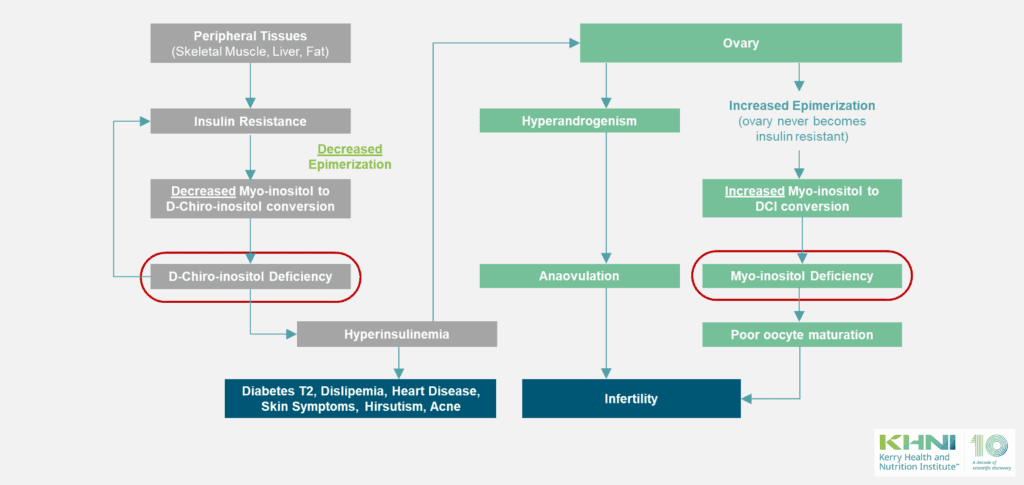
However, it is evident from the research that one of the main factors that impact this condition is insulin resistance.
This insulin resistance has a direct effect on Myo-inositol (MI) to D-Chiro-Inositol (DCI) conversion, ultimately causing a DCI deficiency.
This deficiency can lead to hyperinsulinemia, i.e., high levels of insulin, which can cause an overstimulation of the ovary to produce testosterone. i.e., hyperandrogenism, which in turn causes anovulation.
In parallel to this, there is a MI deficiency in the ovary which leads to poor oocyte maturation. This is because MI is involved oocyte maturation.
This together with anovulation can contribute to infertility associated with PMOS.
Biosynthesis of myoinositol (MI) occurs endogenously, primarily in the kidney, with a rate approaching 4g per day. The conversion rate of MI to D-chiro-inositol (DCI) ranges from 3% to about 9%6.
In women suffering PMOS, they have a systemic deficiency of DCI7,8. Consequently, the level of DCI in tissues can decrease significantly.
On the contrary, the situation seems to be different in the ovary, where there is a deficiency of MI9. Therefore, women experiencing PMOS have DCI deficiency at a systemic level and MI deficiency at the ovary level.
To tackle both deficiencies, varying combinations of MI and DCI have been researched. For instance, a ratio 40:1 MI:DCI taken by healthy women resulted in better clinical results that the use of MI or DCI alone10,11.
Interestingly, a clinical trial comparing the benefits of a MI:DCI ratio at 3.6:1 versus ratio 40:1 showed significantly better results in the MI:DCI 3.6:1 group with almost four times more live births than the 40:1 MI:DCI group12.
Furthermore, a MI:DCI 3.6:1 ratio has multi-dimensional benefits to women with PMOS such as regularising menstrual cycles and improving insulin resistance, hormonal, glycaemic and lipid profiles, with considerable efficacy and tolerability12-15.
Pregnancy
Pregnancy is a time of incredible change for women as their bodies prepare to nurture a new life. A mother’s health becomes paramount as her well-being and that of her baby is intricately connected.
Emotional health is equally important during this time, as hormonal changes bring about a variety of feelings, from joy and excitement to anxiety and mood swings.
A strong support network is crucial to help expecting mothers navigate the changes and challenges with strength and confidence.
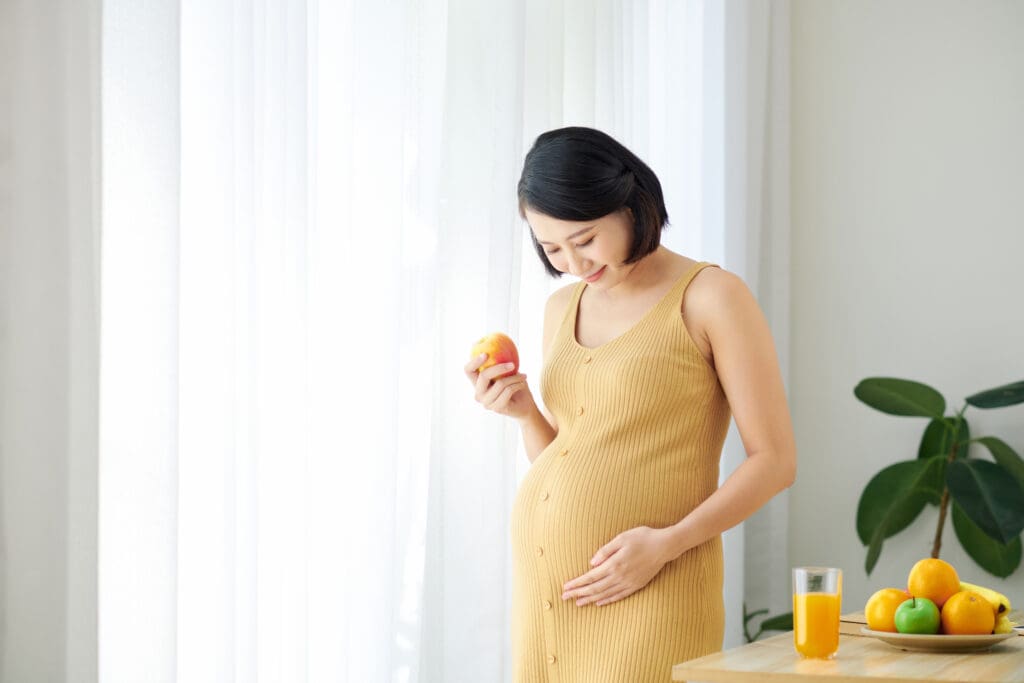
A well-balanced diet of good quality carbohydrates, proteins, specific fatty acids, vitamins and minerals is essential to support changes to the mother’s body and for optimal growth and development of the baby16.
It is also important that mothers are aware of the foods that must be avoided during pregnancy including unpasteurised dairy foods, soft cheeses, raw meat and fish and alcohol16.
Mothers’ diets have also been found to influence a baby’s health into adulthood, with good prenatal nutrition reducing the risk of heart disease, diabetes and high blood pressure in adulthood.
Interestingly, a study reported that up to 92% of pregnant women reported taking prenatal vitamins and/or other supplements17.
Some of the most popular supplements are folic acid, which is essential for preventing neural tube defects in the developing foetus and Docosahexaenoic acid (DHA), which is key for cognitive, eye and heart development.
Omega-3 DHA fatty acids are critical for the development of the baby’s brain and eyes, reduces the risk of preterm birth, supports maternal health and contributes to healthy birth weight.
Breastfeeding
From conception to their second birthday, babies’ first 1,000 days of life are a critical window for good nutrition and infant wellbeing.
During this time, a baby’s gut and immune system develop rapidly as they move from a protected environment to one exposed to many immune challenges.
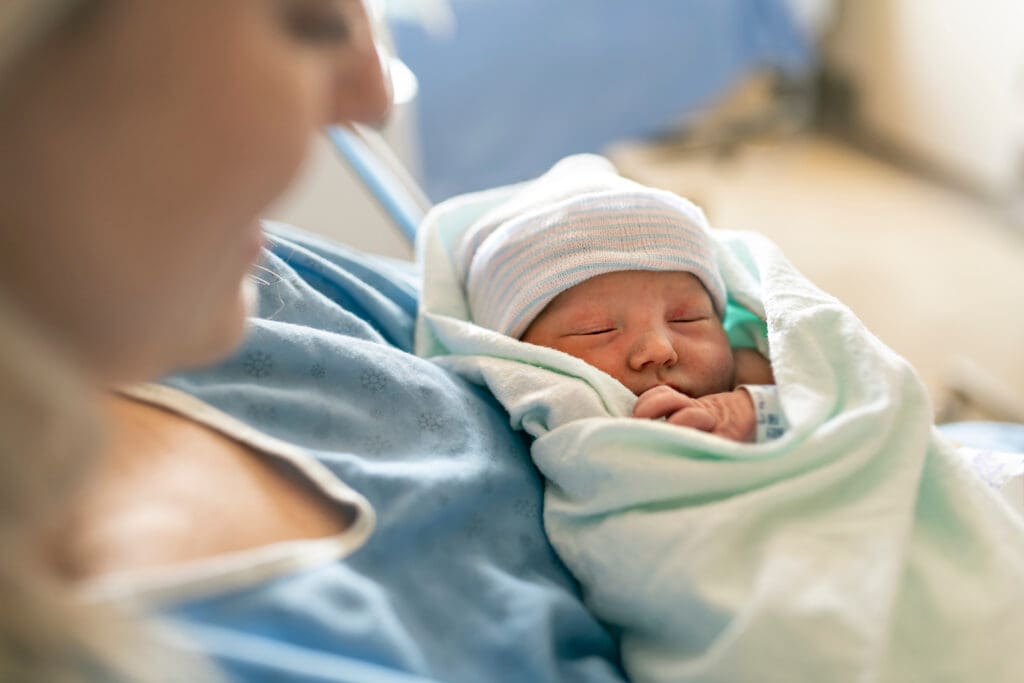
Breastfeeding is a journey that fosters a unique bond between mother and baby. Regarded as the gold standard of infant nutrition, it offers a host of extraordinary benefits for both mother and baby.
A nutrient-rich diet and good hydration is vital for breastfeeding mothers, especially for those who are exclusively breastfeeding as they generally need an extra 300 – 500kcal per day16.
However, it is important to understand that every mother’s situation is unique and breastfeeding comes with its own challenges, which means it isn’t always possible.
Acknowledging these challenges openly helps to create a more supportive environment that equips mothers with the tools they need to best care for themselves and their babies.
One of the main medical reasons for women stopping breastfeeding is mastitis. According to the World Health Organisation (WHO), up to 30% of lactating women suffer from mastitis18.
Through extensive research, intake of a probiotic strain isolated from woman breastmilk, Lactobacillus fermentum CECT 5716, promoted breast health and comfort.
This, in turn, prevented premature cessation of breastfeeding due to pain, by reducing mastitis pain symptoms and the incidence or recurrence of mastitis19-21.
Summary
Addressing fertility and health challenges for women requires a multifaceted approach that includes dietary and lifestyle modifications.
Emerging research underscores the powerful role of nutrition in managing the key drivers of PMOS.
Incorporating nutrient-rich foods, maintaining a balanced macronutrient intake and adopting sustainable dietary patterns can empower women to improve their fertility outcomes.
As science continues to advance, personalised nutrition strategies show promise for tailoring solutions to individual needs, offering hope for those navigating fertility challenges.
Supporting women on this journey is not just about dietary choices; it’s about fostering overall health and well-being for the future.