Digestive Health

Fermentation: Will the Past Power the Future?

19 JUL 2021 2 MIN READ
Fermentation: Will the Past Power the Future?

The past few years have seen a boom of innovative companies looking to produce food ingredients using microbial fermentation instead of via traditional agricultural means, such as plant or animal farming.

It can take months and years to grow the plants and animals that are the source of foods and ingredients used in modern food systems, yet microbes have the potential to  double their biomass in a matter of hours and are capable of producing specific proteins while doing so.

Microbial fermentation has been used for years in the food industry to produce ingredients such as enzymes and in the biopharma industry.

The transformative capability of microbial fermentation is deeply rooted in human history, with evidence showing humans have been leveraging fermentation for more than 5000 years.

Will fermentation, the oldest food processing technique, power the future of the food industry?

In this webinar, our experts answer questions like:

    • How does fermentation work?
    • What are the different types of fermentation (e.g. traditional fermentation, precision fermentation, etc), and which ingredients or foods are each responsible for producing?
    • What are the current challenges and opportunities in fermentation?
    • How is fermentation science driving innovation in the food and beverage industry, and how might it become a much larger component of producing what we eat in the future?


Contributors

Jacques Georis, PhD

Jacques Georis, PhD

Senior R&I Director at Danone

With over 25 years of experience in the enzymes, bioprocess, functional and nutritional food ingredients & feed additives industry, Jacques has undertaken various technical and leadership roles. 

Full BIO & Contributor Articles
Melissa Sheridan, MSc

Melissa Sheridan, MSc

Operations Director at Strata

Melissa is an experienced business operations director focused on optimising end-to-end processes to drive efficiency, scalability, and sustainable growth.

Full BIO & Contributor Articles
Professor Frank Delvigne

Professor Frank Delvigne

Professor of Microbial Biotechnology at GxABT in University of Liège

Frank is specialises in bioprocess engineering, systems biology, and cell population dynamics. His work contributed to the discovery of the Fitness-Entropy compensation rule.

Full BIO & Contributor Articles
Subheading

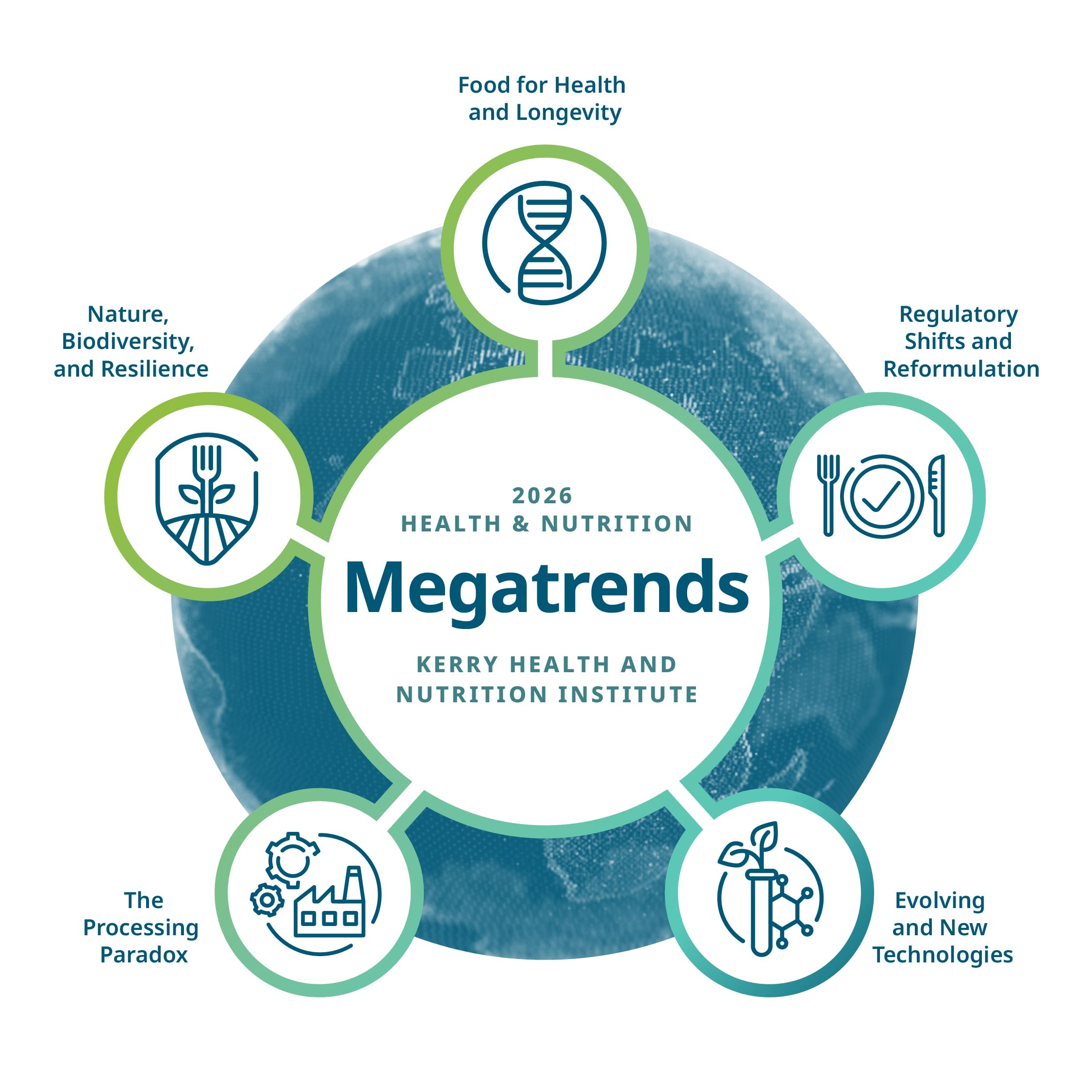
Five Key Health and Nutrition Megatrends for 2026

In the eighth annual edition of the KHNI Health and Nutrition Megatrends, we explore the breakthroughs in science, technology, product development, and evolving consumer behaviours that are reshaping global food systems.

Stay Updated

Our Monthly Newsletter

Sign up for monthly updates featuring the latest articles, podcasts and webinars.