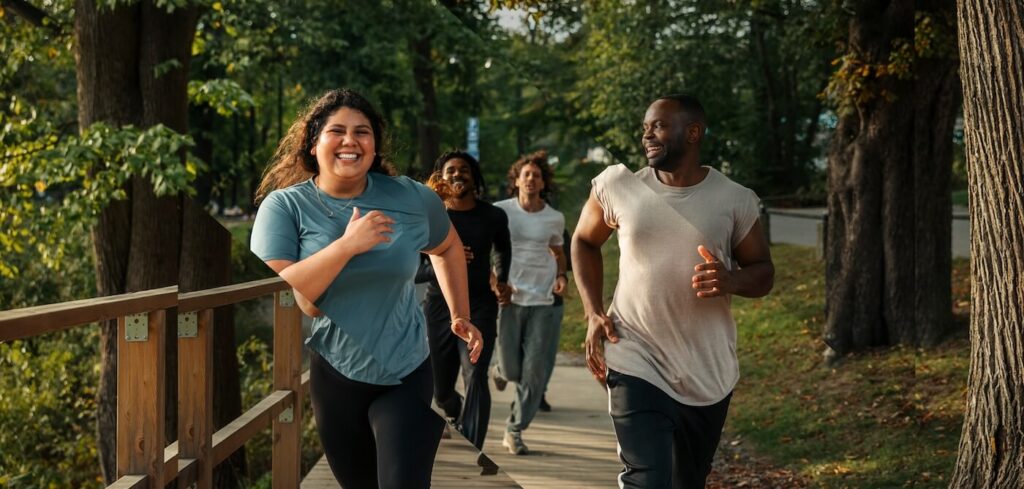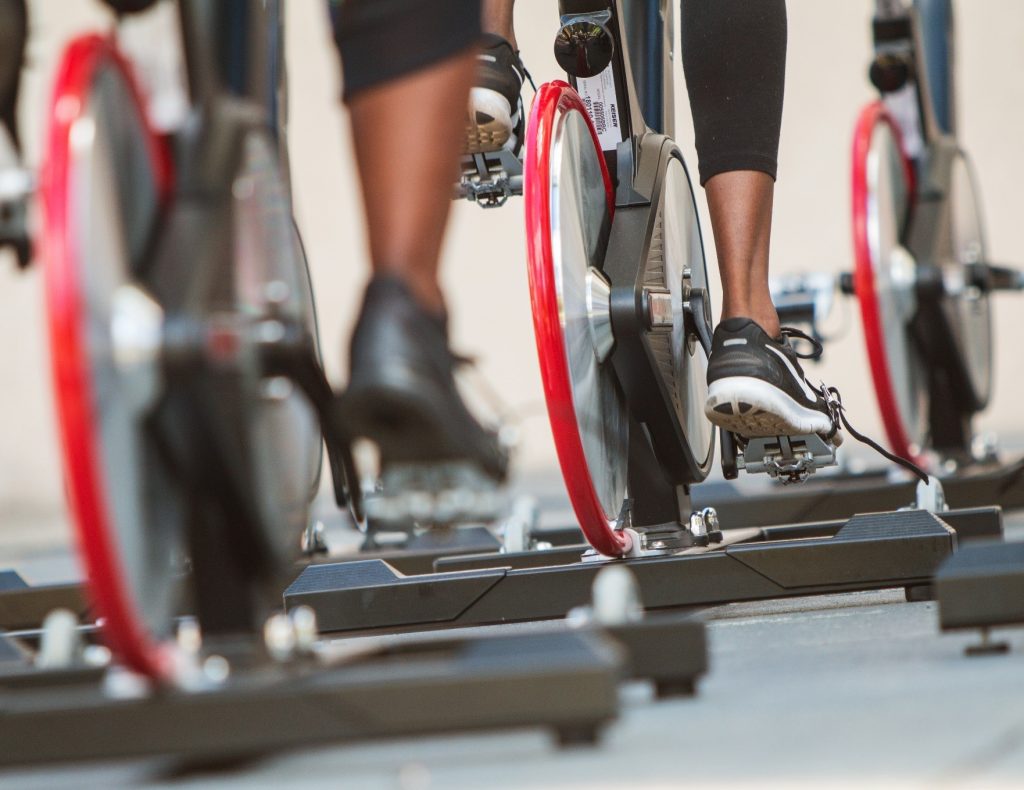
The intestinal microbiome, a diverse community of microbes that coexist within the body, may hold the key to enhancing athletic performance.
Research has shown that athletes have a distinct gut microbiota profile compared to sedentary people. How does athletic performance affect the intestinal microbiota and how can it benefit those who are less active?
What is the Gut Microbiota and What Does It Do?
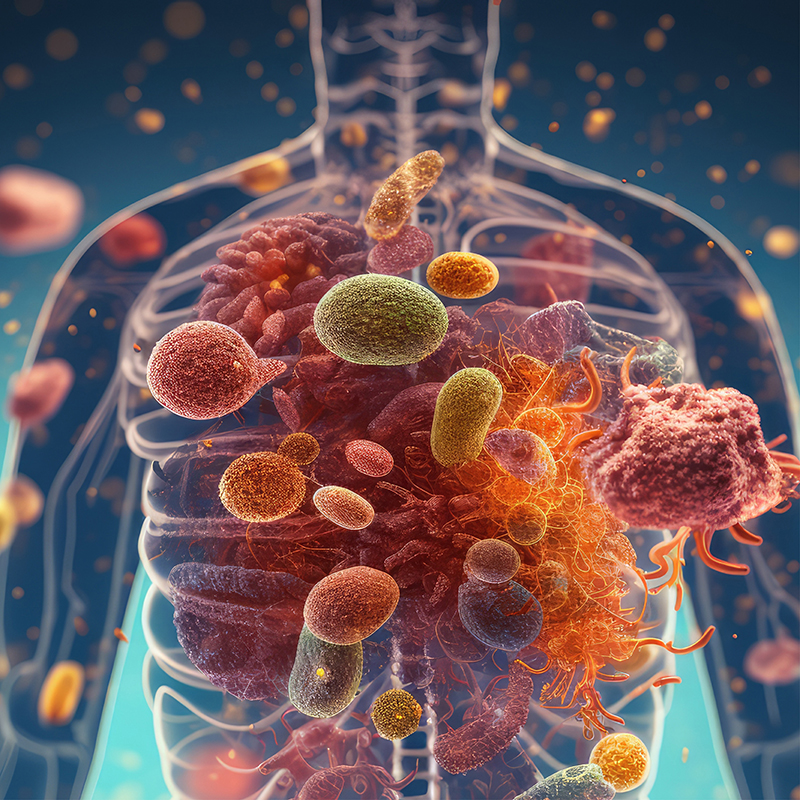
To understand how the gut microbiota affects sports performance, we need to know what it is and what it does. The intestine is home to a huge and diverse community of bacteria, viruses and fungi.
These microorganisms are involved in many functions, such as breaking down food, synthesis important vitamins, influence good functioning of the immune system and even talking to the brain, via what’s called the gut-brain axis.
The gut microbiome can change over time due to factors such as age, diet, lifestyle, medication and stress.
A healthy gut microbiome is essential for well-being and can protect the body from infections, inflammation and diseases2.
Athletic Performance and Gut Microbiota: A Two-Way Relationship
Can the gut microbiota influence athletic performance such as how well we run, swim, or cycle?
Can exercise change the composition and function of gut microbiota?
A recent study compared the microbiota of professional athletes to that of more sedentary individuals.
The results revealed significant differences between the two groups, both in terms of composition and functional metabolism1.
Professional athletes exhibited greater bacterial diversity, with an increase in beneficial species, particularly those involved in the production of butyrate, a short-chain fatty acid crucial for gut health.
Butyrate is an extremely important type of short-chain fatty acid for maintaining gut health4. It plays several beneficial roles, including strengthening the intestinal barrier, regulating inflammation, promoting nutrient absorption from the diet, contributing to the regulation of body weight and even reducing the risk of certain gut diseases5, 6.
Intense aerobic exercise appears to stimulate the growth of specific bacteria in the gut that produce this substance.
Additionally, a recent systematic review suggests that incorporating specific beneficial bacteria into the diet and using multi-strain probiotic supplements could potentially improve performance in various aspects, including endurance, strength, recovery and physical conditions like muscle pain and body composition.
However, more research is required to establish conclusive causal evidence, as the current studies vary in their approaches and findings3.
On the other hand, some research has also suggested that excessive and prolonged exercise can cause temporary disruption of the microbiota, but these imbalances are generally reversible with adequate recovery time7.
The Gut Microbiota and Sedentary Individuals
Interestingly, these benefits also extend to sedentary individuals.
Although athletes often exhibit more pronounced alterations in their microbiota, studies indicate that regular physical exercise can also benefit the microbiota of sedentary individuals.
Incorporating a moderate exercise routine, such as a daily walk or strength training, can encourage greater microbial diversity within the gut, which could have beneficial effects on overall health.
Additionally, a balanced diet rich in fibre can also promote gut health. Dietary fibres serve as food for the beneficial bacteria in the microbiota, thus promoting their growth and activity.
By incorporating foods such as fruits, vegetables, whole grains and legumes into the diet, the necessary nutrients are provided for microbiota to thrive5. and reduce processed foods and those high in saturated fats7 which can have the opposite impact.
The interdependence between physical performance and the gut microbiota is becoming increasingly evident.
Regular physical exercise and a healthy diet can help promote microbial diversity, strengthening beneficial bacteria which can in turn enhance overall well-being.
Whether it be a professional athlete or someone living a more sedentary lifestyle, nourishing and nurturing the microbiota should be a top priority in terms of health and nutrition.