APC Microbiome Ireland is recognised globally as a leader in microbiome research. Located at University College Cork, APC’s work focuses on understanding the complex interactions between the microbiome and human health.
Their pioneering research has led to significant discoveries in the areas of gut health, immunity, and the gut-brain axis.
APC’s deep scientific expertise and its ability to translate research into practical health solutions make it a valuable collaborator for industry leaders like Kerry.

The collaboration between Kerry and APC Microbiome is centred on exploring new concepts in gut-brain health, a field that is rapidly gaining attention for its potential to improve both mental and physical well-being.
This partnership leverages Kerry’s market reach and product development capabilities with APC’s scientific insights and research excellence.
Together, they aim to develop innovative solutions that can support mental health through targeted gut health interventions.
“The gut-brain axis has come to the forefront in recent years as a critical piece of the puzzle when it comes to improving cognitive health” says Laura Collins, PhD, Cognitive Health Lead for Kerry’s ProActive Health division.
The collaboration between Kerry and APC extends beyond this recent partnership. Recently, APC Microbiome supported the Kerry Health and Nutrition Institute (KHNI) in hosting a webinar focused on postbiotics — a growing area of interest in gut health.
The webinar, which featured insights from Dr. Colin Hill, highlighted the importance of postbiotics in overall well-being and their potential role in gut-brain interactions.
This webinar underscored the shared commitment between APC and KHNI to advancing knowledge and innovation in nutrition science.
As the understanding of the gut-brain axis continues to evolve, the partnership between Kerry Group and APC Microbiome Ireland is poised to make significant contributions to this emerging field.
By combining Kerry’s and APC’s scientific leadership, this collaboration promises to deliver innovative solutions that enhance both mental and physical health.
The future of gut-brain health is bright, and this partnership is at the forefront of driving that innovation forward.
The boom in microbiome research in recent years has led to a greater understanding of how we interact with the microbes that live in the human body. It has also brought a multitude of different ways to manipulate the microbiome to improve health along with it, including probiotics, prebiotics, and now the postbiotics.
Probiotics are beneficial microbes, officially defined by the World Health Organization as “live microorganisms that, when administered in adequate amounts, confer a health benefit on the host”.
Prebiotics are the food that feeds beneficial microbes, or “a substrate that is selectively utilized by host microorganisms conferring a health benefit.” as defined by ISAPP.
 Fermented foods have long been associated with health benefits, and phrase postbiotics reflects the next level of understanding in what may give fermented foods their beneficial properties.
The term postbiotics, although lacking a formal definition, is a term scientists have developed to describe the metabolites and compounds produced by microbes found in fermented foods and beverages that may have a health benefit.
Early research is showing potential links to reducing inflammation, improving immunity, or strengthening gut barrier function.
A recent article published in Today’s Dietitian summarizes the developing science of postbiotics. Mindy Hermann, MBA, RDN provides a summary of the most up-to-date research on postbiotics.
The article includes expert perspectives of microbiome and fermented food researchers, including Maria Marco, PhD, Professor of Food Science and Technology at the University of California-Davis and scientific advisor to the Kerry Health and Nutrition Institute, and Hannah Holscher, PhD, RD, Assistant Professor of Nutrition in the Nutrition and Human Microbiome Laboratory at the University of Illinois at Urbana-Champaign.
Read the full article on Today’s Dietitian to learn:
- The relationship between fermentation and postbiotics
- How postbiotics might work in the digestive tract
- How microbes used to produce fermented foods differ from probiotics
- Potential advantages of postbiotics over probiotics in food and beverage applications
- How postbiotics could be used to help food be more tolerable to those with sensitive digestive tract
An excerpt from the article below reveals how fermented foods may be delivering health benefits via postbiotics.
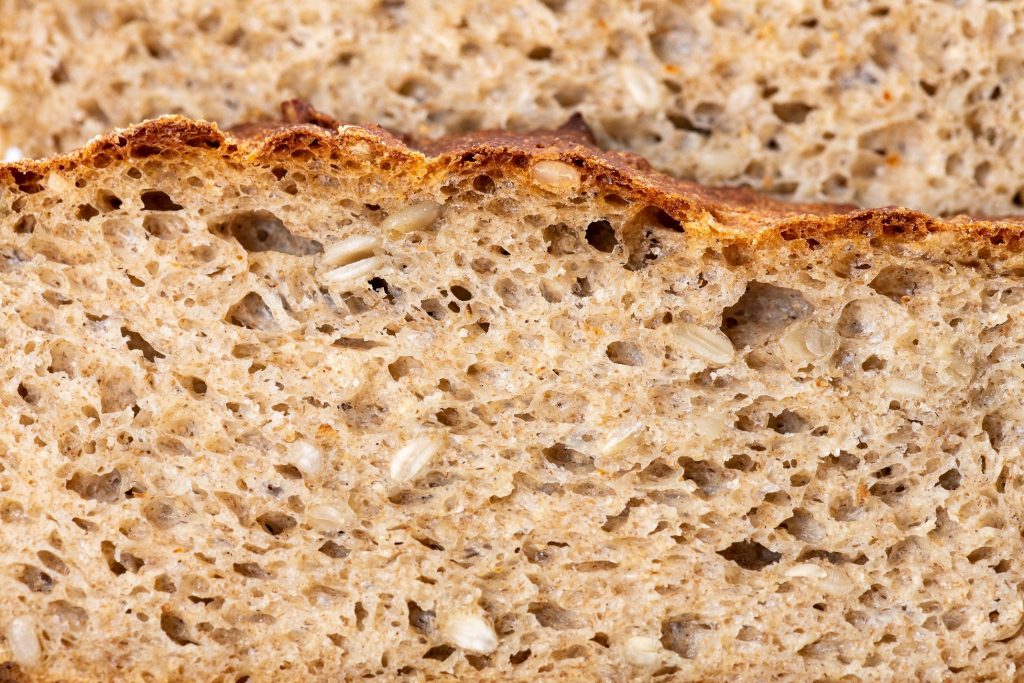
Sourdough bread appears to deliver health benefits, in part, from the impact of its fermentation process on the carbohydrate content of bread.
Fermentation lowers the content of FODMAPs because the sourdough yeasts Saccharomyces cerevisiae and Kluyveromyces marxianus degrade oligosaccharides during the sourdough process. This results in a sourdough bread that people with irritable bowel syndrome (IBS) and sensitivities to FODMAPs can more easily tolerate.
The high temperature for baking sourdough bread typically kills the live microorganisms, but metabolites and cell fractions remain intact. In comparison, fermented foods that aren’t processed after fermentation deliver both postbiotics and the live microorganisms that produce the postbiotics.
Learn more about the science of digestive health:
Fermented Foods: Stacking Up the Science (webinar)
The content of this article is intended for informational use only. It is not intended to be used for treatment or management of any disease, or for claim guidance.
We all have our good days and bad days for mood. This is relevant now more than ever. The COVID-19 pandemic has caused many people all over the world to feel increasing levels of anxiety, uncertainty and isolation.
People are adjusting to working from home, which makes it even more difficult to strike a work-life balance. Many are feeling isolated from family and friends. Our emotional and mental health are as important as our physical health and together with regular exercise, sleep and social interaction, evidence suggests that the foods we eat may also impact the way we feel.
The link between food and mood will come as no surprise. There is joy and social connection when sharing birthday cake with loved ones. Certain tastes and smells evoke feelings of nostalgia from childhood. On the other hand, it is common to feel irritable during long periods of fasting, and feelings of guilt are common when overeating. The commonly used terms ‘comfort’ food and ‘hangry’ define how food can bring an emotional response.

Scientific research in the area of food and mood is ever advancing. Many nutrients and dietary patterns have been linked with our neurological state. Let’s explore the latest evidence.
Vitamins, Minerals, and Mood
Micronutrients are required for the synthesis of many chemical messengers in the brain known as neurotransmitters. Serotonin, dopamine, γ-aminobutyric acid (GABA), and noradrenaline are the 4 major neurotransmitters that regulate mood, which is why these are commonly known as ‘happy hormones’. These chemical messengers are necessary to balance the intensity of signals between neurons in the brain and rest of the body. Low levels of serotonin in particular have been linked with neurological disorders, anxiety and depression (1).

B vitamins are essential cofactors for the synthesis of neurotransmitters. Choline is a unique nutrient because it is not classified as a vitamin or a mineral. However, it is required for the production of neurotransmitter acetylcholine, which is involved in mood and memory. Some evidence shows that folate, zinc, magnesium, iron, selenium and vitamin D may be protective against anxiety, mood swings, and irritability. Numerous studies have shown that patients diagnosed with depression are often deficient in one or more of these micronutrients (2).
A well-balanced diet will provide adequate sources of these nutrients, as they are commonly found in a variety of foods.
Dietary sources:
- Folate: Green leafy vegetables, beans, peas, lentils, fortified foods and beverages.
- Zinc: Red meat, liver, egg yolk, oysters, bran.
- Magnesium: Almonds, bananas, broccoli, oatmeal, soybeans, whole grains.
- Iron: Red meat, poultry and fish, beans & pulses, fortified cereals.
- Selenium: Brazil nuts, meat, fish, seeds, wholemeal bread.
- Vitamin D: Sunlight, fortified foods and beverages, eggs.
- B vitamins: Whole grains, meat, dairy, eggs, seeds, nuts, legumes, fruits and vegetables.
- Choline: Beef, eggs, fish, chicken, dairy, shiitake mushrooms, beans.
Energy and Mood: Carbohydrates, Glycaemic Index (GI) and Fuelling the Brain
The brain requires glucose as its main source of fuel. In fact, the brain uses 20% of the glucose needed by the body, which means we require carbohydrate throughout the day for our brain to function at its best. The Glycaemic Index of a food refers to the rate at which carbohydrates (glucose) are released into the blood. High GI foods, such as processed foods, sugar-sweetened beverages, confectionery and cakes can cause dramatic spikes and drops in blood glucose. This fluctuation in blood glucose is often referred to as the ‘sugar crash’ and is associated with irritability, lack of concentration, feeling weak and mood swings. Sharp peaks in blood glucose can also trigger the stress hormone cortisol. One study suggests that consuming more high GI foods is associated with an increased risk of depression (3).
It is recommended to choose low GI foods because they allow our blood glucose levels to rise and fall slowly. These foods are typically high fibre whole grains, oats, fruits and vegetables. Furthermore, eating regular, well-balanced meals with a combination of carbohydrate, protein and healthy fats provides stable blood glucose levels throughout the day as fat and protein can slow the rate of carbohydrate absorption. For example, combining a baked potato (high GI) with mixed beans (protein & fibre) could help to prevent any sudden crashes in glucose for the brain and subsequent mood disturbances (4).
There is an additional ‘mood-enhancing’ benefit to consuming carbohydrates alongside proteins. Carbohydrates can increase the availability of amino acid tryptophan to the brain (5). Tryptophan is a precursor for the production of serotonin, the ‘happy hormone’. Sources of tryptophan include eggs, poultry, dairy and tofu. This may explain why individuals crave ‘comfort’ carbohydrates during times of stress.
Omega-3 Fatty Acids and Brain Health
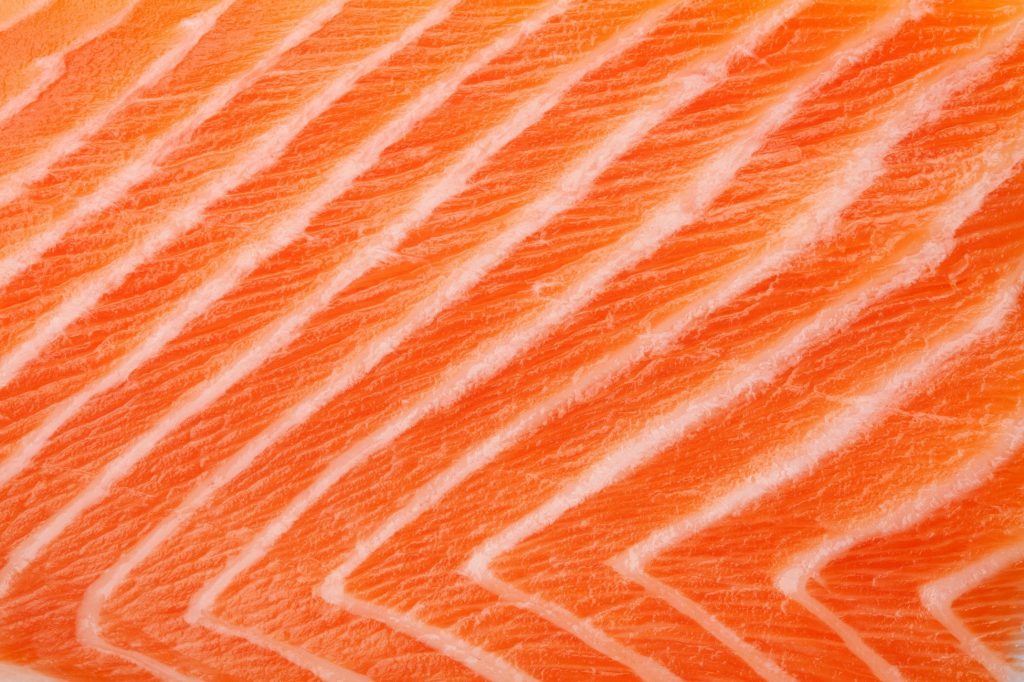
Approximately 60% of the brain is made up of fatty acids, which include omega-3 fats. As a result, omega-3 fats are essential for the normal function of the brain. Sources of omega-3 include oily fish, seeds like chia, flax, and hemp, nuts, fortified foods and supplements. Epidemiological studies show that in countries where people eat large amounts of oily fish, depression is less common (6).
In addition, omega-3 fats have anti-inflammatory effects on the body by releasing chemicals called eicosanoids. Many neurological conditions such as depression and Alzheimer’s Disease are associated with increased inflammation in the brain. Therefore omega-3 fats have the potential to reduce the inflammation associated with these conditions, and in doing so may relieve some of the neurological symptoms.
More than 30 clinical trials have investigated omega-3 supplementation in people with depression (7). Current evidence supports that omega-3 consumption of ~1 g/d (containing at least 60% eicosapentaenoic acid EPA) can elevate the mood of patients diagnosed with depression (8). This is similar to eating 3 salmon fillets per week.
Hydration’s Role in Energy and Mood
Adequate hydration is often considered to impact cognition and concentration. The body is ~75% water and is fundamental to all biological functions and metabolic pathways. Therefore, it is imperative that we stay adequately hydrated to maintain physical and mental health. Even mild dehydration can impact mood and alertness (9). It has also been observed that memory, motor skills and numeric abilities decline in states of moderate dehydration. However, these findings have not been consistent. Our thirst sensation kicks in once already dehydrated by 1-2%, which means our body is already reducing performance. Heat stress can be experienced by those living in hot climates, those carrying out heavy labour during hot seasons or those performing exercise. It can affect mood and increase feelings of distress. It is recommended to drink at least 2 litres of fluid per day.

Both caffeine and alcohol are commonly used for enhancing mood at low to moderate intakes. However, withdrawal from these substances can cause irritability, headache, fatigue and poor concentration (10, 11). Alcohol is classified as a depressant and excessive consumption is highly correlated with mental health disorders. Excessive alcohol consumption is also associated with B vitamin deficiencies which can further lead to anxiety and depressive symptoms as mentioned earlier (11).
The Mediterranean Diet and Depression
Evidence is emerging that a Mediterranean-style diet promotes brain and mental health and may be helpful in the management of conditions such as depression (12). A Mediterranean diet consists of whole grains, fruits, vegetables, dairy, fish, lean meats and olive oil and is considered one of the most healthful dietary patterns in the world. It is a diet rich in anti-oxidants, polyphenols, micronutrients, fibre and healthy fats. The aptly named ‘SMILES trial (Supporting the Modification of Lifestyle in Lowered Emotional States)’ was a pioneering randomized control trial investigating the effects of this diet on outcomes of depression (13).
The results of the study, published in the international journal BMC Medicine, showed that participants who followed a Mediterranean diet for 12 weeks had a much greater reduction in their depressive symptoms over the three-month period, compared to those in a control group who received ‘befriending’ social support. At the end of the trial, a third of those in the dietary intervention group met criteria for remission of major depression, compared to 8% of those in the social support group. These results were not explained by changes in physical activity or body weight, but were closely related to the extent of dietary change. In other words, those who improved their diet the most experienced the greatest benefit to their depression. It is likely that the benefits are a results of the dietary pattern as a whole, rather than individual foods or nutrients. More research needs to be carried out to untangle the mechanism linking the Mediterranean diet to improved mental health.
The Gut-Brain Connection
Have you ever experienced a ‘gut feeling’ or ‘butterflies’ in your stomach? Anger, nerves, sadness, love, or excitement can all trigger symptoms in the gut. The connection goes both ways; intestinal distress can be the cause of anxiety or depression. The link between gut health and mental health has been known for centuries. However, an explosion of research in the past decade has begun to unravel the science behind this intimate connection.
The gut microbiome is an eco-system of trillions of species micro-organisms living inside the gastrointestinal tract. These bacteria play a vital role in our health, digesting the food we eat, protecting us from infection and producing chemicals such as short chain fatty acids and neurotransmitters. Often referred to as the second brain our gut contains millions of neurons which communicate with the brain. A dysfunctional gut microbiome is linked with anxiety, depression among other neurological conditions.

Much of the research into the brain-gut-microbiota axis has been carried out in animals by studying antibiotics, probiotics and faecal transplants to determine their effects of the gut microbiota on brain activity. Animal studies have consistently shown that gut bacteria signal to the nervous system, influencing behaviour and stress responses (14).
Human studies are emerging, and there is preliminary evidence that diet and probiotic supplementation may improve symptoms in many neurological conditions (15). Psychobiotics are a newly coined term which refer to probiotics which, when consumed in adequate amounts, may have positive effects on mental health (16). A pilot study in 2017 was the first to show that probiotic supplementation can improve depressive symptoms in patients with Irritable Bowel Syndrome (17). Another study found that healthy individuals showed reduced patterns of negative and aggressive thoughts when given a multispecies probiotic over 1 month period (18). Further studies are needed since research remains at the early stages. However, it is promising that targeting the microbiome could assist in the treatment of a wide range of disorders in the future, including anxiety and depression.
At present, the best way to support your gut microbiome is to consume a varied balanced diet consisting of lots of plants, fruits, vegetables and legumes. These foods contain prebiotics, fibre, and polyphenols, which feed and diversify our gut microbiota . Fermented foods such as yoghurt, kefir, kimchi and kombucha can also support your gut microbiome.
What are Nootropics?
A new wave of products claiming to boost brain function are hitting the mainstream market. These are collectively known as Nootropics, which comes from the Greek work ‘mind’ (noos) and ‘turning’ (tropic). Nootropics have been positioned to improve memory, attention span, relaxation and energy. Caffeine and B vitamins are considered nootropics and are often used in energy stimulant beverages.

However trending nootropic ingredients include:
-
- Cannabidol (CBD) has been suggested to relieve anxiety, as the non-psychoactive cousin of tertrahydrocannabinol (THC). This can be found in the hemp plant.
- GABA (gamma amino butyric acid) is the brain’s inhibitory neurotransmitter. Its role is to slow down neuron circuits and restore balance. It is claimed to improve focus and relaxation.
- L-theanine is a compound found in green tea. It is claimed that L-theanine can cross the blood-brain barrier rapidly to increase GABA production in the brain and in turn improve focus and relaxation.
- Gingko biloba is a tree native to China which is often associated with claims to have anti-oxidant and anti-inflammatory effects on the brain, improving brain function and reducing anxiety and stress.
- Panax ginseng is a native Korean plant which claims to improve concentration and memory.
Caution is needed when interpreting the marketing claims many of these products carry as there is a significant lack of consistent randomized control trials to support these ‘claims’.
Food for Thought
While we still have much to learn about the effects of our diet on mood and mental health issues, evidence suggests that a healthy diet can have a protective effect. Nourish your body and your mind with well balanced meals at regular intervals throughout the day. Diet in combination with physical exercise, adequate sleep and social connection (even if it needs to be at a distance for now), will support a healthy and happy mind.
Long before we knew about a gut-brain axis, people have experienced events that impact both their brain and their bowels. For me, one I recall quite vividly is waiting for my name to be announced at a public speaking event. While I waited, all that I could think of was “should I fight it out in the green room or flight to the wash room”. The competing feelings of pressure to perform or or the physical pressure that urges us to run to the wash room has intrigued many researchers to investigate if stress affects the stomach or vice versa. Today we know that there is a connection. So, can we alter the brain through the bowel?
Key takeaways:
-The gut is your “second brain”
-A dysfunctional gut microbiome can be the root cause of anxiety
-Highly processed, low fiber foods disrupt microbiome balance and consuming psychobiotics and fermented products such as yoghurt and kombucha can confer protection against mild anxiety
We have “two” brains!
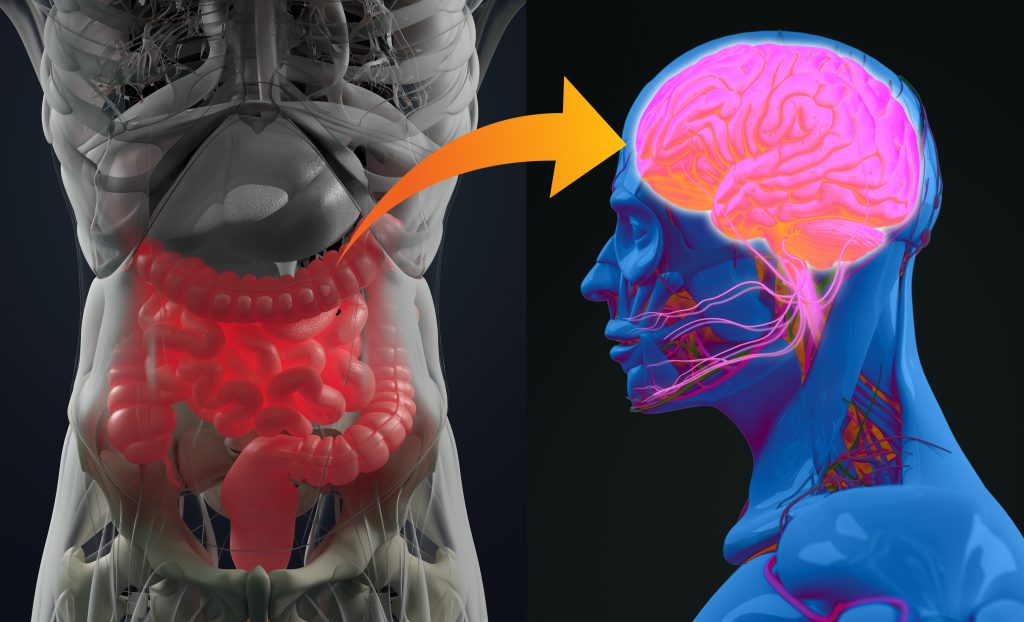
Situated in your head is the seat of the Central Nervous system (CNS) made up of the brain and spinal cord. It is rightly called the “first brain” due to its primary role in controlling body functions. Also, situated in the bowel is the Enteric Nervous System (ENS), a nine meter network from your esophagus to the anus. The ENS and CNS are formed from the same embryonic tissue, share similar neuronal networks, and hormones. The gut brain produces the same amount of dopamine (‘high’ hormone) and 90% of serotonin (‘happy’ hormone) compared to the first brain. The gut brain can work independently, and is responsible for 70% of the body’s immune system which earns it the right to be called the “second brain”.
Brains chat!
Not only do we have two ‘brains’, but there is also a bidirectional communication line between them through the vagus nerve. The vagus nerve is the main nerve in our body linking the brain with organs like the digestive tract, heart, and lungs.
Let us go back to the green room situation and learn how the brain talks to the gut. The anxiety ridden thought of speaking in front of an audience caused the CNS to release the stress hormone ‘cortisol’. The primitive function of cortisol is to prepare us to flee in the face of danger, thus increasing the blood flow to the limb muscles. In turn, the blood flow to the ENS reduces, the colon contracts in protest, and the digested waste moves along the colon quickly, leading to the quest for the nearest washroom.
Now, the gut brain also talks to the head brain chiefly to regulate the ‘eat or starve” equation. The hormone ghrelin is released in the stomach, signals hunger. After a meal, the satiety hormone leptin indicates to stop eating. When we are under stress the gut releases dopamine. No wonder the glazed donut feels so tempting when we have a deadline to meet!
The Second brain is bugged!
We harbor a large microbial ecosystem on and in our body that outnumber the human genes by factor of 100. An average person has approximately 1.5 kilograms of gut bacteria called the microbiome. This begs the question “Are we less human and more microbial?” There is now a significant body of evidence that indicate that physiological and psychological disorders (anxiety and depression) are influenced by the gut microbiota.
|
Get KHNI articles delivered to your inbox
|
“Feel good” hormones are in the gut!
40–60% of patients with functional gastrointestinal disorders experience psychiatric symptoms and up to 50% of psychiatric patients are diagnosed with irritable bowel syndrome (IBS). Patients suffering from IBS have spells of anxiety, and are treated with antidepressants that increases serotonin availability. Serotonin is a hormone implicated in regulating mood in addition to gut motility and is produced in the gut enterochromaffin cells (EC cells). Alterations in serotonin content and EC cell numbers have been observed in IBD patients. Surprisingly, patients treated with antidepressants showed improved IBD relapse rates and reduced use of medications. Antidepressants modulate the serotonin content by slowing down the secreted serotonin reuptake in the brain. The finding that gut microbes can modulate serotonin levels raises the interesting prospect of using them to drive changes in mood and alleviate anxiety.
Manipulate the mind with microbes!
 In healthy conditions, the tight junctions in the gut inner layer and mucus layer form a physical barrier to bacteria and antigens. Factors like antibiotic treatment, poor diet, infection as well as stress can disrupt the intestinal barrier (leaky gut) and affect mucosal permeability. Pathogens that had a restricted entry before can now easily pass across the mucosal lining to access immune cells. Metabolites of these pathogens like toxins and inflammatory molecules enter the blood stream and cause altered moods and anxiety in the host. Campylobacter jejuni administered orally to rats in subclinical doses led to anxiety-like behavior, while the depression in germ free rats (delivered surgically and raised in sterile isolators) could be reversed by administering Bifidobacterium infantis that exclude pathogens and strengthen the intestinal barrier to improve the mental states (psychobiotics).
Psychobiotics?
Probiotic and other gut commensal bacteria produceadequate amounts of metabolites (serotonin, GABA (gamma-Aminobutyric acid) essential for feeling of wellbeing.
There is some convincing evidence for the antidepressant properties associated with targeting the gut microbiota. For example, reduction in anxiety and depression in healthy women after administration of probiotic formula (containing Lactobacillus helveticus and Bifidobacerium longum) for 30 days; significant decrease in anxiety symptoms in patients with chronic fatigue syndrome after 2 months therapy with Lactobacillus casei ; improvements in brain activity in areas that control emotion processing in women who were given probiotic fermented milk product. In the future, we might find that psychobiotics could restructure the gut microbiota to achieve society-wide control on mental illnesses. Although we are still a long way away from this level of understanding, it can be interesting to think about possibilities the future holds as we begin to learn more about the gut-brain axis.

If you are still sceptical about the benefits of psychobiotics, let me tell you about the Toxoplasma infected mice who sought out cats and got eaten because the parasite churned out GABA (gamma-Aminobutyric acid), which reduces anxiety. Probiotic-fed mice showed increased GABA levels, too, and were fearless to stand up to the cat. That is what I call a gutsy mouse.