This program qualifies for Certified Food Scientist (CFS) recertification contact hours (CH). CFS Certificants may claim a maximum of 1.0 CH for their participation in this program. For more information, please visit ift.org/certification or email ifscc@ift.org.
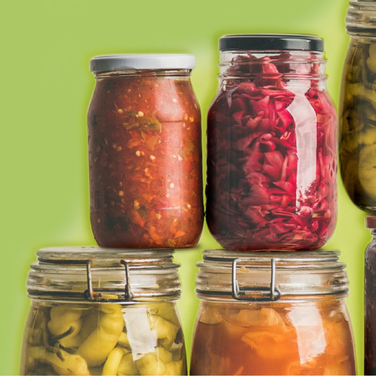
Fermented foods have appeared on countless food and nutrition trends lists this year, seemingly rocketing to a top industry priority in a very short period of time. We’re seeing the word ‘fermented’ find its way into all aspects of food and beverages, not just cultured foods or probiotics.
When a trend grows this quickly, confusion and misinformation can often grow with it, making it hard to understand the best way to navigate this space.
In this webinar, our experts answer some of the biggest questions created in the wake of the rapidly growing fermented food trend.
How are Fermented Foods Unique?
Did you know that “fermentation” has multiple definitions, but food fermentations have a very specific meaning and intent? Learn the science of how fermented foods are made, why fermentation is used, and the expert consensus on how to define and talk about fermented foods.
What do People Believe about Fermented Foods?
We review how perceptions about fermented foods are driving changes in the market, including:
- Foundational shifts in the industry landscape
- Consumer beliefs about the health benefits of fermented foods
- How fermentation technology is being used for taste
What can we expect in the near future?
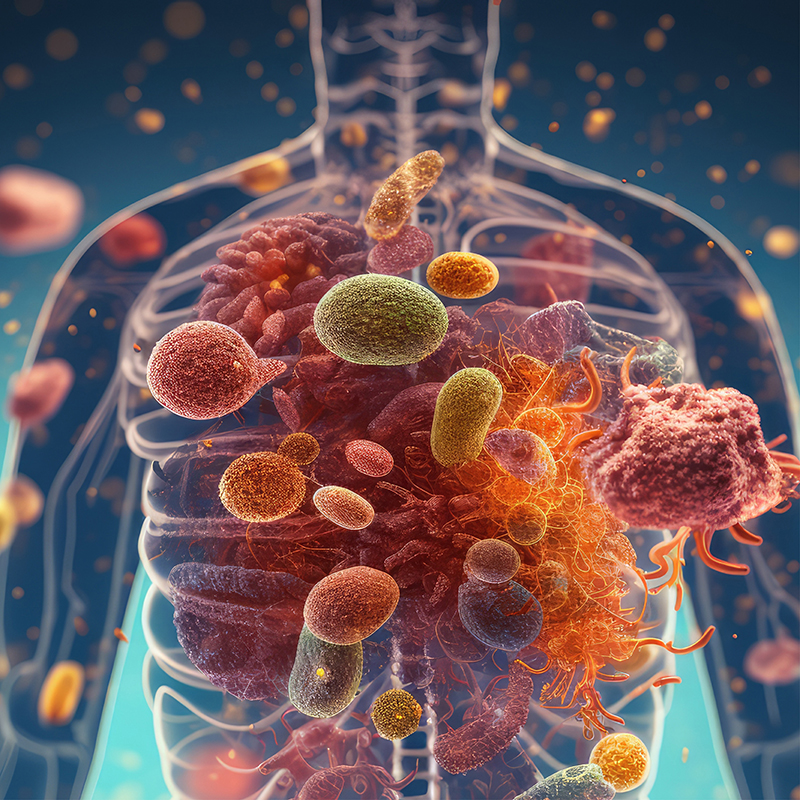
Trends often get ahead of science and regulations, so we review the state of the science on fermented foods, existing and upcoming research on health benefits, and more to help you feel confident in your understanding of what fermented foods can really do.