
The immune system is constantly active and needs energy from macronutrients like carbohydrates, fats and proteins.  Protein also supplies amino acids to build immune cells and enzymes that help destroy pathogens.  These enzymes also require vitamins and minerals as cofactors to function properly.

So, while it may sound obvious, a varied and balanced diet that provides adequate nutrients is the foundation of a healthy immune system.  However, some nutrients receive particular attention for their role in immune health, including vitamins A, C and D, as well as the minerals such as zinc and selenium1.

There is also evidence for the immune benefits of other nutrients and ingredients, such as long-chain omega-3 fatty acids, probiotics and beta-glucans2.


Immunonutrition

Read how each of the nutrients listed below support the immune system.  It is important to bear in mind that micronutrients have additional health benefits to immune health.  Click on each nutrient/non-nutrient below to learn more:


How the Immune System Works?

The immune system is the body’s way of protecting itself from infection by foreign invaders like bacteria and viruses.  It helps the body stay healthy and recover when illness does occur and is made up of the innate (general) and adaptive (specialised) immune system3.

The innate immune system is the body’s first line of defence.  When pathogens like infectious bacteria or viruses get into the respiratory tract or gastrointestinal system, the innate immune system responds by sending cells like neutrophils or macrophages to remove the threat.  These cells try to engulf the invading pathogen or create enzymes to destroy it.

The adaptive immune system specifically targets the pathogen and takes over from the innate immune system.  It is often described as the ‘memory’ of the immune system.  Once exposed to a pathogen, the immune system can remember the identity of that pathogen for the future and quickly mount a defence specific to that pathogen.


Impact of Age and Physical Activity on Immune Health

Immune health becomes especially important in vulnerable age groups like infants and the elderly. Both physical and psychological stress can also compromise the immune system.  Examples include over-exercising, emotional stress and surgery.


This article was published in March 2022 and updated on June 15, 2026.

The Role of hydration in the Body

The human body is composed of approximately 55 – 60% water, and it constitutes 95% of the eyes, 83% of blood, 75% of muscles and the brain, 22% of bones.  This water is distributed between intracellular fluid (ICF), which makes up about two-thirds of the body’s water, and extracellular fluid (ECF), which constitutes the remaining one-third.

Water moves between the ICF and ECF by osmosis, which is crucial for enabling cellular function and transport of nutrients.

Water has several vital functions in the body, such as acting as a catalyst, lubricating and cushioning tissues, and regulating temperature.  It also helps deliver oxygen around the body, facilitates saliva production, and enables the brain to make hormones and neurotransmitters to transport signals around the body.


Hydration and Exercise Performance

Optimal hydration is critical for maintaining good performance during exercise, maximising heat transfer, maintaining mood, and facilitating post-exercise recovery1.

Water is not stored in the body in dedicated reserves, instead water levels are regulated through constant intake and output.  Water balance in the body is influenced by factors such as exercise, climate, and nutrition.

Increased physical activity results in more water being lost through perspiration, making it crucial to drink extra fluids to stay hydrated.  Therefore, consistent and sufficient fluid intake is vital for meeting the body’s hydration requirements 1.

Dehydration occurs when the body loses water, with losses of greater than 2%2.  Being thirsty means the body is already in a state of dehydration3.

Depending on the amount of body fluid lost, dehydration can be mild, moderate, or severe.  For instance, dehydration can lead to impaired concentration, increased reaction time, and anxiety, all of which negatively impact exercise performance and recovery4,5.


Research indicates that nearly 71% of adults do not meet the recommended daily fluid intake guidelines6.  People who exercise, whether recreational or competitive, often do not adequately replenish fluids lost during exercise3.

This condition, known as Exercise-Induced Dehydration (EID), can be estimated by measuring body mass loss during exercise, which is also known as a person’s Sweat Rate7.

Sweat rate can significantly differ between individuals and even within the same individual under different conditions8.  Factors such as environmental temperature, exercise intensity, and individual physiology can affect sweat rate8.

Monitoring sweat rate helps individuals, especially athletes, to know their hydration requirements and tailor their fluid intake to optimise performance and prevent dehydration.  To calculate Sweat Rate, the following factors need to be measured – weight loss, volume of fluids consumed, urine loss and the duration of exercise – as shown in the following diagram9.


Hydrating Before, During, and After Exercise

Starting exercise in a hydrated state is essential10.  Indicators such as thirst, body weight, and urine colour can help monitor hydration status.

The type of fluids consumed before, during, and after during exercise significantly influences hydration and the body’s ability to absorb water efficiently1,11.

By drinking too much water due to exercise, sodium can be depleted from the body, which is known as Exercise-Associated Hyponatremia (EAH).  Causes of EAH is usually by individual sweat loss, excessive intake of hypotonic fluids, and hormonal imbalances, which occur more frequently at longer competitive distances.

However, EAH has been reported in non-endurance sports, such as rowing, shorter races, team sports, and yoga12.  EAH, if left untreated or inadequately treated, leads to individuals experiencing altered mental status, seizures, and even coma12.

For recreational exercise, there is no need to overconsume fluids before activity, but keeping hydrated is important.

Pre-hydrating with fluids, in addition to normal meals and fluid intake, should start at least several hours before exercise.  The American College of Sports Medicine (ACSM) recommend drinking 500ml of fluid or, going by body weight, 5 – 7ml of fluids per kilogram of body weight1,11.

Including hydrating foods like fruit or fruit juice in pre-activity meals can also help.


The goal during exercise is to prevent a 2% loss of body mass.  Fluids consumed should approximately replace sweat volume losses, avoiding both under- and over-consumption.

Thirst may be delayed, so it can be helpful to calculate personal sweat rates to develop a hydration strategy based on an individual’s needs13.  Fluids should be cooler than ambient temperature and readily available to allow adequate volumes to be ingested with ease and with minimal disruption to exercise1,11.

During intense exercise lasting longer than 1h, carbohydrates should be ingested at a rate of 30 – 60 grams per hour to delay fatigue and, hence, sustain performance.  This rate can be achieved by drinking 0.5 – 1l per hour of fluids containing 6% – 8% carbohydrates1.  Adding sodium (0.5 – 0.7g /l of fluid) is recommended as it may promote fluid retention and possibly prevent hyponatremia in individuals who drink excessive amounts of fluid1,11.

Post exercise, the goal is to replenish fluids and sodium losses which improve recovery, reduce hypohydration symptoms, and decrease post-exercise fatigue.

Individuals needing fast and complete recovery from excessive dehydration can drink approximately 1.5l of fluid per kilogram of body weight lost1,9.  Whereas individuals capable of recovering over an extended period can rehydrate by consuming normal meals and fluids if lost sodium is replaced.


Importance of a Personalised Hydration Plan

Fluid loss is directly related to body mass, with the body losing approximately 0.4 – 0.5ml of water per kg of body mass per hour.

Without exercise, the recommended water intake is 30 – 40ml per kg of body mass, equating to 2.1 – 2.5l per day14.  However, a universal recommendation for rehydration is challenging due to individual variations in daily water intake, sweat rate, and gastrointestinal tolerance.

Given the importance of hydration before, during, and after exercise and the tendency for the body to become dehydrated, an individualized hydration plan is recommended3.

A personalized hydration plan supports fluid intake and successfully optimizes hydration status, regardless of environmental conditions and supports recovery.  Additionally, tailored hydration plans have the potential to improve anaerobic power, attention and awareness, and heart rate recovery time15.


Summary

The human body relies on water for essential processes such as nutrient transport, temperature regulation, and cellular function.  During exercise, maintaining optimal hydration is crucial to prevent performance impairments and facilitate recovery.

Research highlights that even mild dehydration can significantly impact exercise performance, leading to negative effects on mood, cognitive function and physical outcomes.

Individuals often fail to replenish fluids adequately, and their fluid needs can vary significantly.  This emphasizes the need for personalized hydration strategies which consider individual sweat rates, exercise intensity and duration, environmental conditions, and personal tolerance.

Monitoring hydration status through indicators like body weight and urine color, and consuming appropriate fluids before, during, and after exercise, are key components of such a plan.

To read about why keeping hydrated is important for people’s health and wellbeing, click here.

To address the nutritional needs of young athletes and guide them towards better performance, Kerry Health and Nutrition Institute (KHNI), in collaboration with Kerry GAA, has launched a 3-part educational series titled ‘Food Fit for a Kingdom’.

This series, hosted by John O’Connor, Head of Nutrition for Kerry GAA, and Aoife Marie Murphy, Senior Sustainable Nutrition Manager at the KHNI, highlights practical tips and insights into crafting balanced meals that cater to the high energy demands of youth athletes no matter what sport they play.

In the first video of the series ‘Fuelling your Fitness’, John and Aoife visit young athletes at Dingle GAA club in Co. Kerry, Ireland, demonstrating how better nutrition and healthy meals can lead to improved athletic performance.

The Importance of Nutrition for Young Athletes

Becoming a successful athlete doesn’t only depend on rigorous training; it also depends heavily on maintaining proper nutrition.  For young athletes, this is even more crucial as they are in a significant phase of growth and development – often referred to as a growth spurt.  The energy demands of youth athletes are far greater than that of their sedentary counterparts, and even adults. 

This rapid development means that adolescents have complex dietary needs.  Growing athletes need extra energy to stay on top of training and competition.  Good and appropriate nutrition can support adolescent athletes to get fitter faster, build strength in bones and muscles, support recovery, limit injury and illness and helps to build confidence.  


Nutrition for Young Athletes


Meeting High Energy Demands

The physical growth and development needs of adolescents, in addition to hectic school and sports training schedules, demands result a high energy demand for young athletes.

Macronutrient and energy targets are similar to those of adults, but the schedules create a challenge.  The fact that adolescents are going through a rapid period of growth and development combined with very hectic school and sports schedules (often training for multiple sports teams) can make meeting energy requirements very challenging.

Without adequate energy and carbohydrate intake, young athletes are under fuelling and face several risks:

    • Fatigue: Insufficient fuel can lead to reduced stamina and endurance.
    • Poor Performance: Under fuelling can directly affect athletic performance, making it difficult to train effectively and compete.
    • Difficulty Concentrating: Adequate nutrition is essential for maintaining focus and cognitive function both on and off the field.
    • Poor Growth/Development: Nutrition directly impacts physical growth, and inadequate intake can hinder normal development.
    • Delayed Puberty: Proper nutrition is integral to reaching developmental milestones on time.

Nutrition Training for Young Athletes


Key nutritional recommendations

Carbohydrate. Many adolescents are very active and play multiple sports, so their energy requirements will be very high.  The higher the volume and intensity of physical activity, the more carbohydrates that are needed. After intense sport hunger will increase; adolescents should not ignore these hunger signals.  The body only stores a small amount of carbohydrate so these stores need to be topped up regularly throughout the day.  Potatoes, rice, pasta, bread, oats, cereal, fruits and vegetables are good sources of carbohydrate energy.  Choose high fibre options where available to get your gut healthy and prevent constipation.  Limit intake of processed sugary carbohydrates like cakes, sweets, jellies, ice cream and sports drinks.

Protein is required to carry out the following functions:

    • Growth – protein is needed during the growth spurt (in general, males will need higher amounts than females due to their larger muscle mass).
    • Repair and maintenance of body cells and tissues (as adolescents are a very active age group).
    • Energy – protein can be used as a secondary source of energy to meet the high demands during this stage of life.

Great sources of protein include lean red meat, soya, tofu, chicken, turkey, fish, eggs, nuts, yoghurt, milk, cheese and pulses.  Choose whole foods for protein intake rather than supplements at this age.

Fat is an important energy source and it also supports many organs including the brain.  Healthy fats are found in foods such as vegetable oils, oily fish (for example salmon, sardines, mackerel), nuts or avocados.  Foods containing less-healthy fats include crisps, pastries and fried foods – limit these as they can lead to becoming overweight.

Iron. Intense periods of growth during adolescence require more iron intake, in particular for girls who are losing blood through menstruation.  Iron rich foods include lean red meat, chicken, turkey, fish, eggs, pulses, dark green vegetables, or fortified cereals.  Vegetarians need to pay particular attention to iron levels. Vitamin C helps the body absorb iron from foods. Include fruits and vegetables rich in Vitamin C (citrus fruits, berries, peppers, broccoli) with meals.

Calcium. Growing adolescents need more calcium than adults as lifelong bone mass is developing during this time.  Calcium can prevent the incidence of osteoporosis in bones later in life.  It is recommended for adolescents to eat 3 or more portions of calcium-rich foods every day.  These include milk, cheese, yoghurt, fortified soya products, green leafy veg.

Calcium and vitamin D work together to increase calcium absorption.  Get vitamin D from sunshine, fortified foods or supplements.  Vitamin D also supports neuromuscular and muscle performance.

Hydration. It is important to drink plenty of fluids before, during and after playing sport.  Don’t wait until thirst kicks in because thirst is a sign that the body is already dehydrated and has needed fluids for a while.

See recipes idea’s for young athletes to obtain the nutrients they need for training.


In conclusion, fuelling fitness for young athletes extends beyond the training grounds; it begins at the dining table.  By understanding and implementing proper nutrition strategies, young athletes can unlock their full potential and achieve excellence in their sporting endeavours.


The intestinal microbiome, a diverse community of microbes that coexist within the body, may hold the key to enhancing athletic performance.

Research has shown that athletes have a distinct gut microbiota profile compared to sedentary people.  How does athletic performance affect the intestinal microbiota and how can it benefit those who are less active?


What is the Gut Microbiota and What Does It Do?

To understand how the gut microbiota affects sports performance, we need to know what it is and what it does.  The intestine is home to a huge and diverse community of bacteria, viruses and fungi.

These microorganisms are involved in many functions, such as breaking down food, synthesis important vitamins, influence good functioning of the immune system and even talking to the brain, via what’s called the gut-brain axis.

The gut microbiome can change over time due to factors such as age, diet, lifestyle, medication and stress.

A healthy gut microbiome is essential for well-being and can protect the body from infections, inflammation and diseases2.


Athletic Performance and Gut Microbiota: A Two-Way Relationship

Can the gut microbiota influence athletic performance such as how well we run, swim, or cycle?

Man swimming

Can exercise change the composition and function of gut microbiota?

A recent study compared the microbiota of professional athletes to that of more sedentary individuals.

The results revealed significant differences between the two groups, both in terms of composition and functional metabolism1.

Professional athletes exhibited greater bacterial diversity, with an increase in beneficial species, particularly those involved in the production of butyrate, a short-chain fatty acid crucial for gut health.

Butyrate is an extremely important type of short-chain fatty acid for maintaining gut health4.  It plays several beneficial roles, including strengthening the intestinal barrier, regulating inflammation, promoting nutrient absorption from the diet, contributing to the regulation of body weight and even reducing the risk of certain gut diseases5, 6.

Intense aerobic exercise appears to stimulate the growth of specific bacteria in the gut that produce this substance.

Additionally, a recent systematic review suggests that incorporating specific beneficial bacteria into the diet and using multi-strain probiotic supplements could potentially improve performance in various aspects, including endurance, strength, recovery and physical conditions like muscle pain and body composition.

However, more research is required to establish conclusive causal evidence, as the current studies vary in their approaches and findings3.

On the other hand, some research has also suggested that excessive and prolonged exercise can cause temporary disruption of the microbiota, but these imbalances are generally reversible with adequate recovery time7.


The Gut Microbiota and Sedentary Individuals

Interestingly, these benefits also extend to sedentary individuals.

Although athletes often exhibit more pronounced alterations in their microbiota, studies indicate that regular physical exercise can also benefit the microbiota of sedentary individuals.

Close up of bike pedals in exercise class

Incorporating a moderate exercise routine, such as a daily walk or strength training, can encourage greater microbial diversity within the gut, which could have beneficial effects on overall health.

Additionally, a balanced diet rich in fibre can also promote gut health.  Dietary fibres serve as food for the beneficial bacteria in the microbiota, thus promoting their growth and activity.

By incorporating foods such as fruits, vegetables, whole grains and legumes into the diet, the necessary nutrients are provided for microbiota to thrive5. and reduce processed foods and those high in saturated fats7 which can have the opposite impact.

The interdependence between physical performance and the gut microbiota is becoming increasingly evident.

Regular physical exercise and a healthy diet can help promote microbial diversity, strengthening beneficial bacteria which can in turn enhance overall well-being.

Whether it be a professional athlete or someone living a more sedentary lifestyle, nourishing and nurturing the microbiota should be a top priority in terms of health and nutrition.

The importance of hydration lies in its role in allowing the body to perform our internal processes effectively and efficiently.

Water is involved in a number of essential functions in the body.  For example, it helps maintain our body temperature and acts as a primary material for our cells (the building blocks of our bodies).  This means that staying hydrated is essential for our bodies to do their job to ensure that we can keep ourselves going1.


The Function of Water in the Body


Water maintains our body temperature, helps transport signals to our brain, flushes out waste and helps deliver vital oxygen around the body.  This, along with many other actions, is why water plays such a big part in our everyday lives.

Up to 60% of the human body is composed of water.  This water is shared between our different organs (most organs contain up to 70% water).

The brain and kidneys contain the highest percentage of water compared to other organs within the body.  By ensuring that we are hydrated we can assist with the function of these vital organs2.

The composition of water in our bodies changes with age.  Research shows that the bodies of older people consist of approximately 55% water, whereas the water composition of infants lies at about 75%3.

As we age, the decrease in fluid composition of our bodies can cause issues such as urinary tract infections and constipation.  Older people may be less aware that they aren’t getting enough fluids, and this can exacerbate issues with hypohydration, which we will explain in the following section.


Dehydration vs. Hypohydration

Simply put, dehydration is the process of losing water, whilst hypohydration is the end result, when the body is in a water deficit4.  This means that the body is losing more fluids than it is taking in.


Woman drinking water


The signs of hypohydration are more noticeable than the signs of other nutrient deficiencies.  Hypohydration is the uncompensated loss of water from the body, and this is when the body provides signals that fluid replenishment by drinking liquids is needed.


Hypohydration’s Impact on Focus, Mood and Memory

Even mildly hypohydrated individuals (1-2% fluid loss) have shown impairments in cognitive performance.  This means not being fully hydrated can affect short-term memory, ability to focus on tasks or on mood5.

For example, a study conducted in school-age children found that children with better habitual hydration showed better cognitive flexibility than children who were less hydrated and providing a water intervention led to improved task-switching capabilities6,7.


Hydration and the Gut

Hydration status can also impact bowel movements.  Bowel issues such as diarrhoea can cause our body to lose water via loose stools.  Patients that suffer from chronic diarrhoea can also lose important electrolytes in the process.

When we are re-hydrating post-diarrhoea, electrolytes that have been lost must be replenished.  The WHO have created an Oral Rehydration Formula containing different substances such as glucose and sodium to help with this, which is often used when children have diarrhoea8.


How the Body Hydrates Itself

The body always wants to be a constant state of physiological balance.  This is known as homeostasis.

When the body senses that the fluid balance is off, a deficit for example, it moves stored water outside of the cells to regain an equilibrium.

Similarly, if the body feels that it is overhydrated, the opposite occurs and the kidneys help excrete the excess water.  The kidneys play an important role in maintaining the fluid balance of the body by producing concentrated urine when we are dehydrated to conserve water (that is why we have dark urine when we are dehydrated).

The body also tries to re-hydrate itself by sending signals to the brain to indicate that feeling of thirst.


How Hydration Changes Through Ageing

Dehydration is the most common fluid complication amongst the elderly.

This is a result of a diminished thirst sensation, decreased muscle mass (therefore giving a decreased body fluid composition) and older adults have less of an ability to produce more concentrated urine to preserve low fluid levels in the body.

Along with have a reduced thirst sensation some older people have trouble swallowing, therefore thicker fluids may be required to hydrate themselves.

Many older adults with swallowing issues do not enjoy the texture of thickened liquids and this could contribute to a reduction in fluid consumption for these groups9-11.


Fluid consumption typically decreases beginning at age 50, largely due to water intake decreases. Drewnowski A, Rehm CD, Constant F. Water and beverage consumption among adults in the United States: cross-sectional study using data from NHANES 2005-2010. BMC Public Health. 2013 Nov 12;13:1068. doi: 10.1186/1471-2458-13-1068. PMID: 24219567; PMCID: PMC3840570.


Role of Electrolytes in Hydration

Electrolytes also play an important role in hydration and they can be found in foods and beverages, so nutrition can play a role in hydration status as well.

Electrolytes are substances that break down into positive or negative charges when dissolved in water.  Some examples of electrolytes include sodium, potassium and chloride.

These electrolytes work together to create channels of communication within the body to conduct actions such as nerve impulses and muscle contraction12,13. Sodium and potassium have a positive charge whilst chloride has a negative charge.

Sodium and chloride are found in the fluid outside of cells and potassium is found in the fluid within cells.  Chloride works hand in hand with sodium to transport substances in and out of cells.

As sodium is positive and chloride is negative, the charges cancel each other out to ensure that a neutral charge is maintained, this is known as charge neutrality14. Both sodium and chloride can often be found in savoury foods containing salt.  The chemical name for salt is sodium chloride.

Often excess salt consumption is discouraged as it plays a role in high blood pressure, but sodium and chloride play crucial roles in fluid balance.  This is because the regulation of salt and water balance in the body is highly inter-connected.

Water is known to follow salt; this can contribute to the regulation of blood pressure and thus fluid balance15.

Another nutrient that plays a role in fluid balance is potassium.  Potassium is often found in fruits and leafy green vegetables.

Potassium and sodium work together to help us transport fluid where it is needed the most16.


Beverages to Help Hydration

Recommendations are to drink approximately 6-8 glasses of water per day to maintain good hydration.  Water is a solid choice to maintain hydration, but all beverage consumption can contribute to good hydration.

Teas and coffees can also help with hydration.  Although previously thought to exacerbate dehydration because of the diuretic effect of caffeine, these alternative options have been shown to ultimately push toward a more hydrated state17.

Fortified milk can be useful as a hydrating solution as it contains vitamins and minerals such as Vitamin D and calcium.


Cup of tea


Hydration and Activity

Also, to note that depending on the activity, more or less fluid may need to be taken. T hose that play soccer or rugby might have a higher risk of hypohydration as the alternate pauses can sometimes interfere with the opportunity to rehydrate.

When sweating a lot during activity, sports drinks may be a more suitable choice to rehydrate as the electrolytes within them can help the body retain fluid and give us energy.

Post activity, milk can also be a good rehydration choice as along with the hydration properties, the protein found in milk can contribute to building and retaining muscle.  It is always important to continue to rehydrate yourself when carrying out physical activity18.


Conclusion

Staying hydrated is very important for overall health and well-being.  Hydration is key to maintain all of the bodies process and we must not take it for granted.

Different dietary trends come into popularity at various stages and recent times have seen the resurgence of the low carbohydrate – high fat (LCHF) diet, this time in the form of ‘the ketogenic diet’.

This diet encourages less than 10% of total calories from carbohydrate and more than 70% of total calories from fat.

This is a stark difference compared to normal dietary recommendations, which encourage 40-65% of calories from carbohydrate and 20-35% of calories from fat.


What are the differences between the Keto diet and a traditional diet?

  • Keto diets are defined as a carbohydrate intake of less than 25 percent of total daily caloric intake and a fat intake ranging from 60 up to 80 percent of total daily caloric intake (Burke et al. 2017; Burke, 2015; Chang et al, 2017;).
  • High-Carbohydrate, Low-Fat (HCLF) diets are the more “traditional” dietary pattern for endurance athletes, composed of a carbohydrate rich intake of approximately 45 to 65 percent or more of total daily caloric intake (about five to 12 grams carbohydrate/kilogram of body weight/day) and a fat intake of 20 to 35 percent of total daily caloric intake (Manore, 2005; Burke, 2015).

The LCHF diet is not a new invention – the Atkins diet was previously highly popular using a similar concept.

However, with its highly promoted claims relating to its effect on weight loss and other health benefits, it has increased in popularity once again, especially in the athletic community (Burke, 2015; Chang et al, 2017; O’ Neal et al, 2019; Thomas, 2019).


How do Diets Like Keto Impact Exercise?

So, does this mean that LCHF diets are the way forward for our endurance-based athletes?  Not exactly – there is no one size fits all answer because an athlete’s diet is influenced by many factors.

The sport performed, training frequency, personal food preference, food allergies and intolerances and whether the athlete is on or off season in their training cycle all impact their nutritional needs.

The purpose of this article is to provide some clarity by taking an evidence-based approach to the question and analysing best practice for an endurance athlete.


Type of exercise determines which fuel our bodies use

During exercise, the body uses a variety of fuel sources i.e. carbohydrate or fats. The type of fuel used depends on the duration and intensity of the session.

Low intensity sessions (such as an easy paced 30-60-minute leisure walk or run) are predominantly aerobically based during which the body would use a combination of both carbohydrates and fats.

Infographic showing types of fuel different exercises use
Low intensity exercise uses a mix of carbohydrate and fat as fuel sources, the majority coming from fat. High intensity exercise uses carbohydrates as the major fuel source, meaning low carbohydrate diets are less appropriate for this type of activity.


During higher intensity sessions (such as shuttle runs or hill sprints when breathing is difficult, and an athlete is working at or close to their maximum capacity) the body will use carbohydrate as its preferred source for fuel.

The fuel used in moderate intensity exercise sessions is individual and is determined by the athlete’s adaptations from their aerobic training over time. This is because one becomes better at oxidising (using) fats for energy via training and can therefore rely less on carbohydrates during moderate intensity exercise sessions (team field sports, for example).


Can Low Carbohydrate Diets Work for Endurance Exercise?

Current research (Burke, 2015; Burke et al., 2017) suggests that LCHF dietary intake may have a significant negative effect on performance output once the intensity of the activity increases (i.e. sprinting, or hard, short bursts).

Conversely, LCHF diets have been shown to help reduce an endurance athlete’s response to fatigue at a low intensity– what this means is that the athlete would be able to run for longer at a suboptimal pace, indicating a potential benefit to the endurance athlete.

However, just “going” is not the goal of any athlete looking to achieve optimal performance hence the need to determine a diet that will also increase performance.


Researcher in front of computer measuring exercise performance of runner


A four-week investigation conducted by Burke et al. (2017) looked at the effects of a ketogenic low carbohydrate, high fat (LCHF) diet in comparison to high carbohydrate (CHO) low fat (HCLF) dietary pattern. The study specifically focused on fuel adaptation, metabolism and performance of elite race walkers during 3 weeks of intense training.

There were three diet groups included:

  1. A high carbohydrate diet (HCLF)- 60-65% of energy came from carbohydrates, 15-20% protein, 20% fat; consumed daily and before during and after training (9 women).
  2. Periodized CHO group: Same composition as HCLF, at different intervals according to training demands and fuel needs with some training sessions focused on high CHO availability (high muscle glycogen, CHO feeding during session) and others with low CHO availability (low pre-exercise glycogen, overnight fasted or delayed post-session refuelling) (10 women).
  3. A LCHF diet: 75-80% fat, 15-20% protein, <50g/day CHO (10 women).

Outcome: The research found that there were no benefits to performance in the low carbohydrate diet consumed by group 3.

In fact, performance levels were not seen to improve in the LCHF group despite preforming 3 weeks of intensified training, in comparison to the athletes assigned to the other dietary patterns who all demonstrated significant performance improvements after the 3 weeks of intensified training.

It was also found that there was an increased need for more oxygen to perform the same amount of work when an athlete is fuelled on LCHF. Interestingly, an improvement in performance was achieved by the carbohydrate groups (diets 1 and 2).

Earlier research by Burke et al. (2015) also found that cycling and sprinting performance was reduced when the athlete consumed a LCHF diet.

A study by Lambert et al. (1994) did show that a LCHF dietary intake may be effective in endurance athletes. Five endurance trained elite cyclists were required to consume, in random order, a HCLF diet (high carbohydrate (74%) and low fat (12%)) or a LCHF diet (high fat (67%) and low carbohydrate (7%)) for a two-week period.

For training output, they were required to exercise to exhaustion at 60% of their VO2max (their maximum aerobic exercise capacity). The participants prescribed the LCHF doubled their time to exhaustion in moderate intensity exercise – 60% of their VO2 max, which was longer in comparison to the HCLF diet.

In other words, they were able to keep going for longer on the LCHF dietary protocol. These studies support the concept that LCHF diets may enable athletes to keep going for longer but only at lower intensities.


Why don’t all studies show improvements in endurance performance on a LCHF diet?

The main purpose and theory behind the use of LCHF diets in endurance activities is that this style of dietary management would allow an endurance athlete to alter the type of fuel (carbohydrates or fats) that they rely on during exercising.

In theory, improving an athlete’s ability to utilize fat during exercise would allow them to rely less on their limited carbohydrate stores during exercise and more on their nearly-limitless stores of fats.


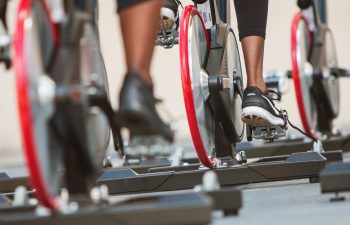
Close up of bike pedals in exercise class


If this was to work for a given endurance athlete, they would be capable of going for longer without hitting the metaphorical wall of fatigue, exhaustion, dizziness, and lethargy associated with depletion of carbohydrate stores during prolonged, intense exercise/ race. In theory it works very well.

Unfortunately, studies exploring the effects of fat adaptation on exercise performance in the athletic population are limited and the question remains unanswered.

However, what we do know is that looking through the evidence base to date, a combination of carbohydrates (generally normal-high levels) and fats for fuel (so not fat adapted) have yielded better performance results for the athlete in endurance-based training and sport events trials (Bartlett et al. 2015; Burke et al. 2011; Stellingwerff 2013).


If low-carbohydrate diets don’t improve performance in endurance exercise, what are other uses they might have?

During off season or sustained periods of lighter training (often used to give the body a break from continuous high levels of training), the use of a LCHF diet can work very well to help maintain weight or reduce fat mass with the goal of an improved body composition for competition.

LCHF diets paired with a calorie-controlled intake provide a promising method of helping control body weight and fat mass while maintaining lean body mass (Volek et al., 2002; Zajac et al, 2014).

However, this is more suited when making weight is a consideration for the athlete and not advised when performance is a priority.

For the recreational athlete, where performance (and competition) is not the main objective, the LCHF dietary pattern may be suitable for maintaining physique while still reaching training goals.


So, what’s the verdict?

The research to date favours the use of a more traditional, HCLF dietary approach for overall endurance performance. However, individual differences between athletes should also be a consideration and carbohydrate intake should meet the purpose and need of training/performance.

There is no one-size fits all approach; there is no “perfect” or “ideal” dietary approach for endurance athletes.

Few athletes understand exactly why and how adjusting their dietary intake in line with their training programme can optimise their performance i.e. increased carbohydrates on heavy training or double session days will increase performance and recovery while reducing carbohydrates on rest day is more beneficial.

This article is the first in a 3-part series covering the impact of social isolation on older adults, addressing the key challenges with solutions for maintaining holistic well-being.


‘Deconditioning’ and the Potential of Muscle Mass Loss

For many people, staying at home may lead to a reduction in time spent walking and engaging in other physical activities. Even relatively short periods (~2 weeks) of very low physical activity / low daily step count (<2,000 – 3,000 steps per day) are known to adversely affect skeletal muscle health (1, 2).

This is of particular concern among older adults who are already at high risk of muscle mass and strength loss.

Unlike younger adults who “bounce back” relatively easily from transient periods of inactivity, recovery in older adults is slow and may be incomplete (1, 2).

As such, these periods of inactivity may have long lasting negative effects on physical function and mobility. Fortunately, simple measures can be taken to minimise the deterioration in muscle health.


Cross-sections of muscle showing the impact physical inactivity can have on muscle mass during ageing. Taken from the webinar Active Ageing: Distinct Nutrition, Distinct Innovation?
Cross-sections of muscle showing the impact physical inactivity can have on muscle mass during ageing. Source: McLeod M., Breen L., Hamilton D.L., Philp A. (2016) Live strong and prosper: the importance of skeletal muscle strength for healthy ageing. Biogerontology 17(3):497-510.


Nutrition and Maintaining Muscle Mass for Older Adults

What we eat can help us to maintain our muscle health while remaining at home, especially when combined with resistance exercise.

Protein-rich foods combined with a balanced diet of whole grains, fruits, and vegetables can be an important part of staying healthy and maintaining mobility.


Protein Power

Compared to younger adults, older adults are less efficient at using the protein they eat (found in foods like milk, yoghurt, fish, eggs, meat, beans, nuts) to build new muscle (3).  This means that older adults need more protein in their diets than younger ones and not eating enough protein can contribute to muscle loss.


Couple eating together


Expert groups recommend that healthy older adults should consume 1.0 – 1.2 g of protein per kilogram of body weight per day to help preserve muscle (4, 5).

It is particularly important to ensure that older adults continue to consume adequate amounts of protein while isolating.

Some tips include:

  • Prioritise protein – as physical activity levels fall during social distancing, the number of calories we burn per day decreases and appetite may also decline.  Prioritising protein-rich foods can help maintain a similar protein intake as before social distancing was introduced.
  • Choose high quality sources – higher quality protein sources (e.g. milk, yoghurt, fish, eggs, meat, poultry) are better at stimulating muscle growth compared to lower quality protein sources (6).  Getting a moderate-size serving of high quality protein (25-30 grams) at each meal can improve muscle retention.
  • Boost breakfast – breakfast tends to be low in protein, so breakfast foods are an opportunity to boost daily protein intake.  Making porridge with milk rather than water, adding Greek yoghurt to muesli or a smoothie, making an omelette or scrambled eggs, or drinking a glass of milk alongside your meal are all common ways of boosting protein at breakfast.
  • Pair protein with exercise – the exercise will make muscles more efficient at using the protein from the meal to build new muscle (7).
  • Pre-bed protein – consume a protein-rich snack (e.g. Greek yogurt, cottage cheese) before bed to boost muscle building rates overnight (8).


Calories Count

Studies indicate that consuming either too few or too many calories over several weeks can worsen muscle loss during periods of inactivity (9, 10).

It is normal for people to have a slightly lower appetite when they are less active than usual at home.  However, if appetite drops considerably and results in weight loss, this may accelerate muscle loss.

White milk splashing as it poursSmall, nourishing snacks frequently throughout the day to give a constant source of protein (e.g. milky drinks, yoghurts, crackers and cheese, custard) and add extra calories to meals (e.g. add milk, skimmed milk powder or cream to soups and mashed potatoes, use full fat dairy products) are two ways to prevent appetite-related weight and muscle loss.

Alternatively, some people may find that, despite decreased activity levels, they are eating more than usual due to boredom or stress. In this case, eating plenty of fruit and vegetables which are low in calories and high in fibre can people stay full.

Prioritising protein-rich foods as discussed above and reducing intake of high-calorie, low protein foods (e.g. biscuits, chocolate, crisps, sweets, butter) can help reduce risk of weight gain.


Physical Activity to Maintain Muscle Mass

Use it or Lose it

The best way to protect muscles against the adverse effects of inactivity is to keep using them.

Resistance exercise, defined as exercising muscles against an external force (e.g. weights, resistance bands, our own body weight), is by far the most potent strategy to maintain muscle mass and strength.

Research has shown that incorporating resistance exercise during periods of reduced activity can attenuate or even abolish the decline in muscle mass (11, 12) and strength (12, 13).

Importantly, even relatively low amounts of resistance exercise appear to be effective once performed regularly (e.g. every other day) (12).

Although most older people may not have access to resistance training equipment at home, body weight exercises can be performed (e.g. sit-to-stands, wall push ups, leg extensions from a chair).

It is important for people to check with their doctor to find out if they have any contra-indications to exercise or if there are any reasons to modify their workout.


Reduce Sedentary Time – Exercise “Snacks”

Engaging in physical tasks around the house each day like gardening, active chores (e.g. sweeping, hoovering) or even walking around while on the telephone can help to minimise inactivity while staying at home, thus reducing the detrimental effect on muscle.

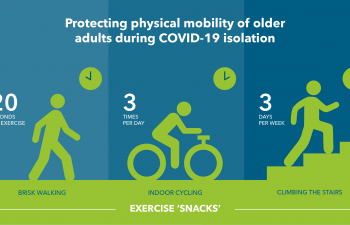
People can also break up prolonged periods of sitting with “exercise snacks”.

Exercise snacks are short bursts of exercise spread throughout the day (e.g. briskly climbing the stairs during ad breaks on TV).

A recent study reported that performing brisk stair climbing (approximately 20 seconds of climbing per “snack”) three times per day, three days per week, improved fitness and leg power in sedentary people (14).

Therefore, exercise snacks like these may help to reduce declines in fitness that occur during periods of inactivity.


Infographic showing examples of 20 second exercise 'snacks'


Stay on Track

Staying motivated can be difficult, especially when we are isolated at home and separated from loved ones.

To maintain muscle health it is important to keep up the exercise and healthy eating for the duration of isolation.  Some tips to help stay motivated include:

  • Set goals about when and where to do the exercise (15)
  • Choose activities you enjoy (16)
  • Monitor your exercise using diaries or apps or ask a friend or family member to monitor you (15)
  • Plan your protein-rich meals for the week ahead and make a shopping list
  • Keep a stock of protein-rich foods (e.g. tinned fish, freeze extra poultry, meat and fish)
  • Experiment with new protein-rich recipes to keep things interesting