Beta glucans are ingredients that are becoming more common to see in functional foods and beverages positioned for immune health. While many people might be aware of the role of oat beta glucans in reducing cholesterol for heart health, there are many types of beta glucans that have different health benefits based on their chemical structure1-3.

Dietary Sources
Beta glucans are naturally occurring polysaccharides that serve as energy stores and structural components of plant walls found in a variety of foods including oats, barley and seaweed, as well as many types of microorganisms (bacteria, yeast and fungi).
While they all share a “common” beta chemical bond between the individual glucose units, there are many subtle, but important, differences in structure within the beta glucan family that lead to large differences in function and potential health benefits.
When choosing a beta glucan, it is key to focus on what clinical research is available to support the specific ingredient’s mechanism of action, demonstrate effectiveness for the desired benefit and show the safety of the ingredient.
Mushroom Beta-Glucans
 As the chemical composition of each type of mushroom varies, so does the biological activities of their beta glucans.
Although are associated with immune health benefits, their molecular structure is varied and inconsistent, making it difficult to characterise their efficacy2.
The most studied strain of mushroom beta glucan is lentinan, a substance derived from Lentinus edodes (Shiitake) with a beta-1,3-D-glucan backbone comprising very short beta-1,6 side chains.
Further clinical research is needed to fully understand how each type of mushroom beta glucan works2.
Yeast Beta-Glucans
Yeast beta-glucan are one of the most extensively studies of the beta-glucans.
A recent review recommends that future research should define the origin, molecular weight and structure of yeast beta-glucans by using standardised tools (e.g. structural analysis, chemical degradation and/or nuclear magnetic resonance) to accurately characterise and clarify structure–function relationships3.
For this reason, choosing a generic yeast beta-glucan may not deliver the targeted health benefit which should be demonstrated using a well characterised ingredient in clinical trials.
Yeast-derived beta glucans usually originate from either baker’s yeast or brewer’s yeast.
Even though both are structured as beta 1,3/1,6 glucan from Saccharomyces cerevisiae, differences in the source (or strain) of yeast and the method used to isolate and purify the yeast beta-glucan are important factors affecting the final structure of the yeast beta-glucan4 and may ultimately influence biological activity4.
Yeast Beta-Glucans Impact on Immune Health
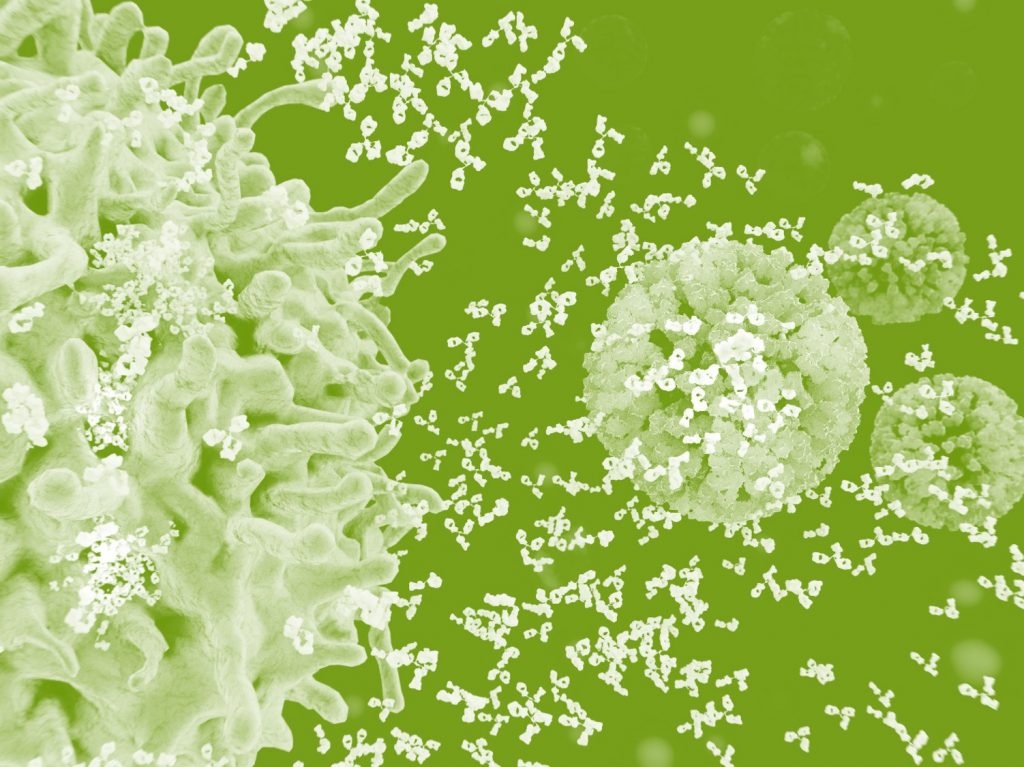
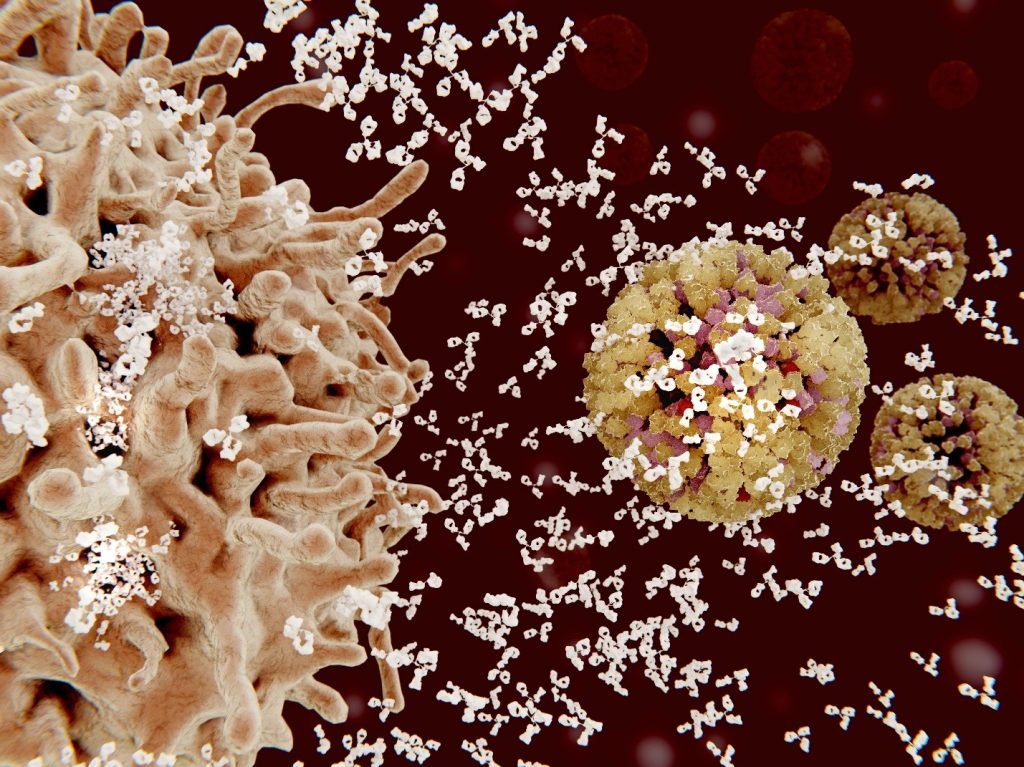
The immune system has the ability to recognise and eliminate pathogens by first activating the innate (general) immune response, which acts in a fast and un-targeted manner to phagocytose and eliminate the invader. Innate immune cells can also adapt to challenge and alter subsequent responses, which is referred to as trained immunity.
The current paradigm for the immunomodulating action of yeast beta-glucans is through improving the innate immune system by making key white blood cells better able to find and kill potential pathogens1, 5.
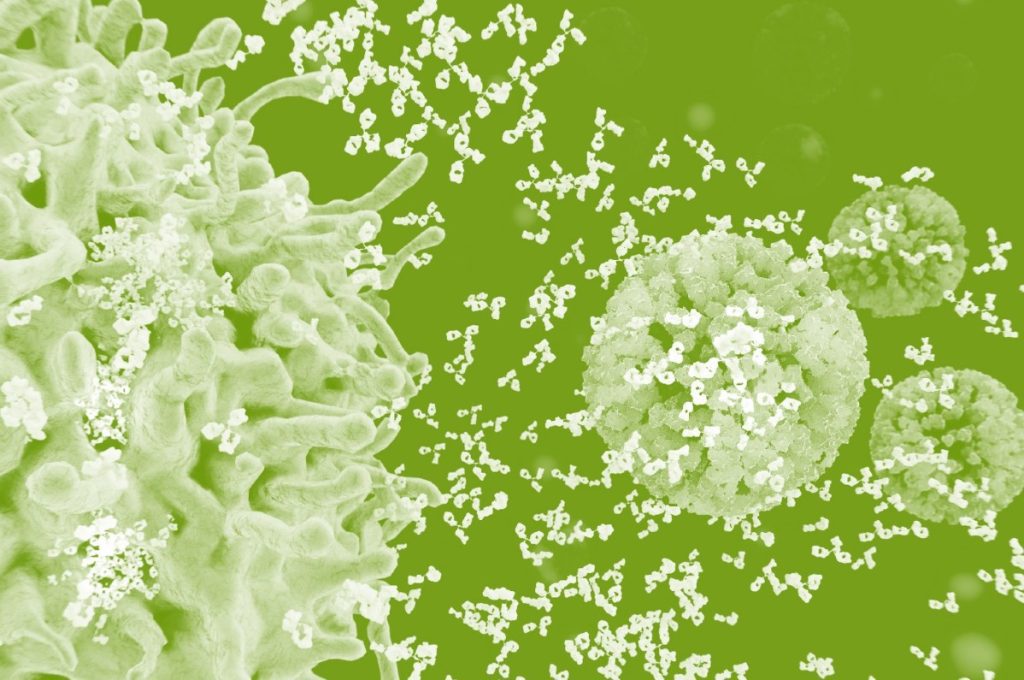
Studies into the cellular and molecular mechanisms of action show that beta-1,3/1,6-glucans are engulfed and processed by macrophages and dendritic cells that later travel to the different immune organs releasing fragmented soluble beta-1,3-glucan particles.
This results in the priming of leukocytes via certain receptors including Dectin-1 and leads to enhanced immuno-surveillance and improved antimicrobial and inflammatory responses1. In theory this should translate into enhanced resistance to infection.
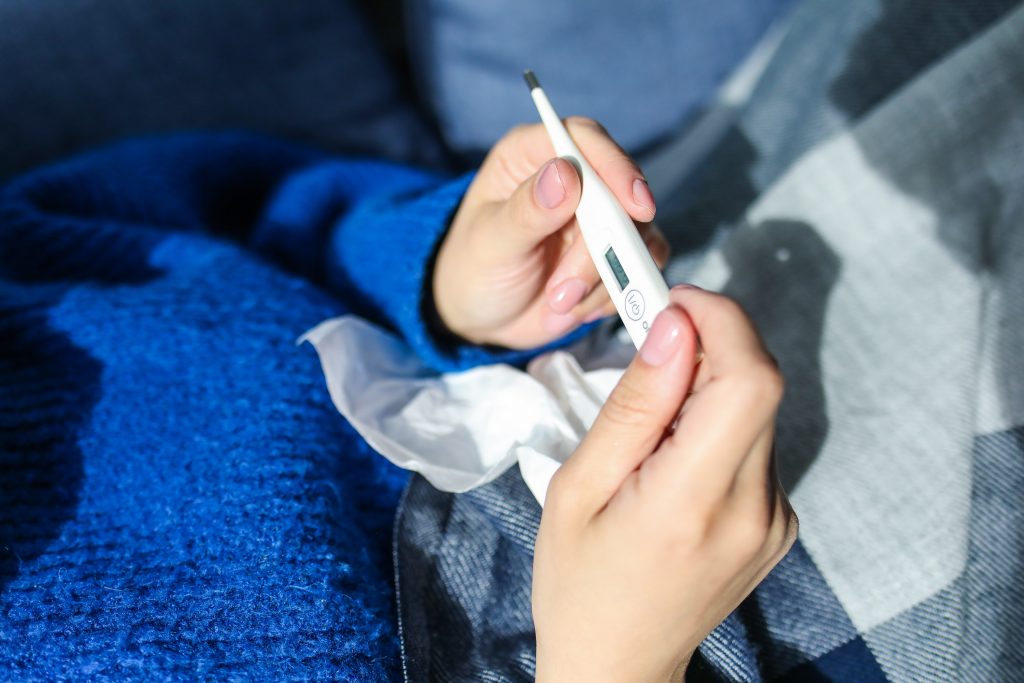
Upper respiratory tract infections (URTIs) are the leading cause of acute disease in humans and poses a substantial burden to the healthcare system6. A specific baker’s yeast beta-glucan containing a highly purified natural beta-1,3/1,6-glucan has been shown to reduce either the incidence and/or duration or severity of URTIs in clinical trials with children7, athletes8 and those engaging in intense exercise9,10.
A meta-analysis of 13 randomised controlled trials has also demonstrated that yeast beta-glucans could significantly reduce the incidence and duration of URTIs. However, due to the high heterogeneity and small number of included studies, more high-quality research and clinical trials are warranted11.
Yeast beta-glucans area also being explored for their potential to improve vaccine effectiveness12.
This article was published in April 2020 and updated on April 14, 2026.