The importance of hydration lies in its role in allowing the body to perform our internal processes effectively and efficiently.
Water is involved in a number of essential functions in the body. For example, it helps maintain our body temperature and acts as a primary material for our cells (the building blocks of our bodies). This means that staying hydrated is essential for our bodies to do their job to ensure that we can keep ourselves going1.
The Function of Water in the Body
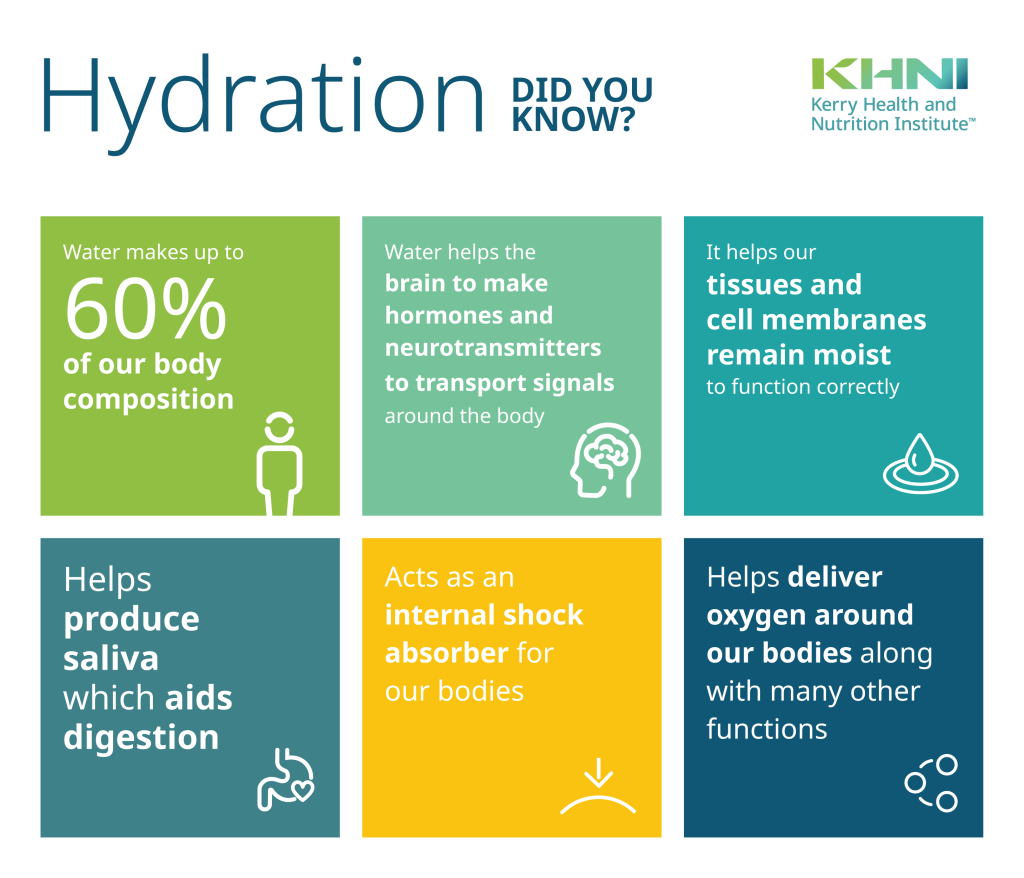
Water maintains our body temperature, helps transport signals to our brain, flushes out waste and helps deliver vital oxygen around the body. This, along with many other actions, is why water plays such a big part in our everyday lives.
Up to 60% of the human body is composed of water. This water is shared between our different organs (most organs contain up to 70% water).
The brain and kidneys contain the highest percentage of water compared to other organs within the body. By ensuring that we are hydrated we can assist with the function of these vital organs2.
The composition of water in our bodies changes with age. Research shows that the bodies of older people consist of approximately 55% water, whereas the water composition of infants lies at about 75%3.
As we age, the decrease in fluid composition of our bodies can cause issues such as urinary tract infections and constipation. Older people may be less aware that they aren’t getting enough fluids, and this can exacerbate issues with hypohydration, which we will explain in the following section.
Dehydration vs. Hypohydration
Simply put, dehydration is the process of losing water, whilst hypohydration is the end result, when the body is in a water deficit4. This means that the body is losing more fluids than it is taking in.

The signs of hypohydration are more noticeable than the signs of other nutrient deficiencies. Hypohydration is the uncompensated loss of water from the body, and this is when the body provides signals that fluid replenishment by drinking liquids is needed.
Hypohydration’s Impact on Focus, Mood and Memory
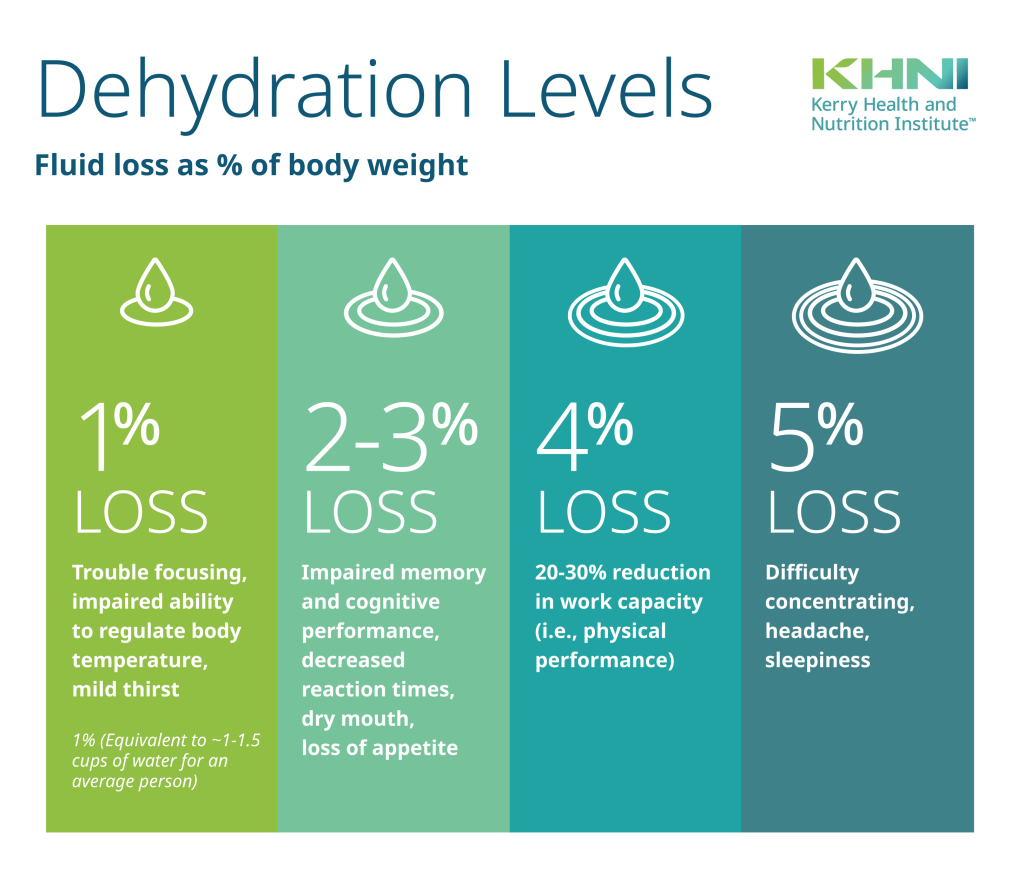
Even mildly hypohydrated individuals (1-2% fluid loss) have shown impairments in cognitive performance. This means not being fully hydrated can affect short-term memory, ability to focus on tasks or on mood5.
For example, a study conducted in school-age children found that children with better habitual hydration showed better cognitive flexibility than children who were less hydrated and providing a water intervention led to improved task-switching capabilities6,7.
Hydration and the Gut
Hydration status can also impact bowel movements. Bowel issues such as diarrhoea can cause our body to lose water via loose stools. Patients that suffer from chronic diarrhoea can also lose important electrolytes in the process.
When we are re-hydrating post-diarrhoea, electrolytes that have been lost must be replenished. The WHO have created an Oral Rehydration Formula containing different substances such as glucose and sodium to help with this, which is often used when children have diarrhoea8.
How the Body Hydrates Itself
The body always wants to be a constant state of physiological balance. This is known as homeostasis.
When the body senses that the fluid balance is off, a deficit for example, it moves stored water outside of the cells to regain an equilibrium.
Similarly, if the body feels that it is overhydrated, the opposite occurs and the kidneys help excrete the excess water. The kidneys play an important role in maintaining the fluid balance of the body by producing concentrated urine when we are dehydrated to conserve water (that is why we have dark urine when we are dehydrated).
The body also tries to re-hydrate itself by sending signals to the brain to indicate that feeling of thirst.
How Hydration Changes Through Ageing
Dehydration is the most common fluid complication amongst the elderly.
This is a result of a diminished thirst sensation, decreased muscle mass (therefore giving a decreased body fluid composition) and older adults have less of an ability to produce more concentrated urine to preserve low fluid levels in the body.
Along with have a reduced thirst sensation some older people have trouble swallowing, therefore thicker fluids may be required to hydrate themselves.
Many older adults with swallowing issues do not enjoy the texture of thickened liquids and this could contribute to a reduction in fluid consumption for these groups9-11.
Role of Electrolytes in Hydration
Electrolytes also play an important role in hydration and they can be found in foods and beverages, so nutrition can play a role in hydration status as well.
Electrolytes are substances that break down into positive or negative charges when dissolved in water. Some examples of electrolytes include sodium, potassium and chloride.
These electrolytes work together to create channels of communication within the body to conduct actions such as nerve impulses and muscle contraction12,13. Sodium and potassium have a positive charge whilst chloride has a negative charge.
Sodium and chloride are found in the fluid outside of cells and potassium is found in the fluid within cells. Chloride works hand in hand with sodium to transport substances in and out of cells.
As sodium is positive and chloride is negative, the charges cancel each other out to ensure that a neutral charge is maintained, this is known as charge neutrality14. Both sodium and chloride can often be found in savoury foods containing salt. The chemical name for salt is sodium chloride.
Often excess salt consumption is discouraged as it plays a role in high blood pressure, but sodium and chloride play crucial roles in fluid balance. This is because the regulation of salt and water balance in the body is highly inter-connected.
Water is known to follow salt; this can contribute to the regulation of blood pressure and thus fluid balance15.
Another nutrient that plays a role in fluid balance is potassium. Potassium is often found in fruits and leafy green vegetables.
Potassium and sodium work together to help us transport fluid where it is needed the most16.
Beverages to Help Hydration
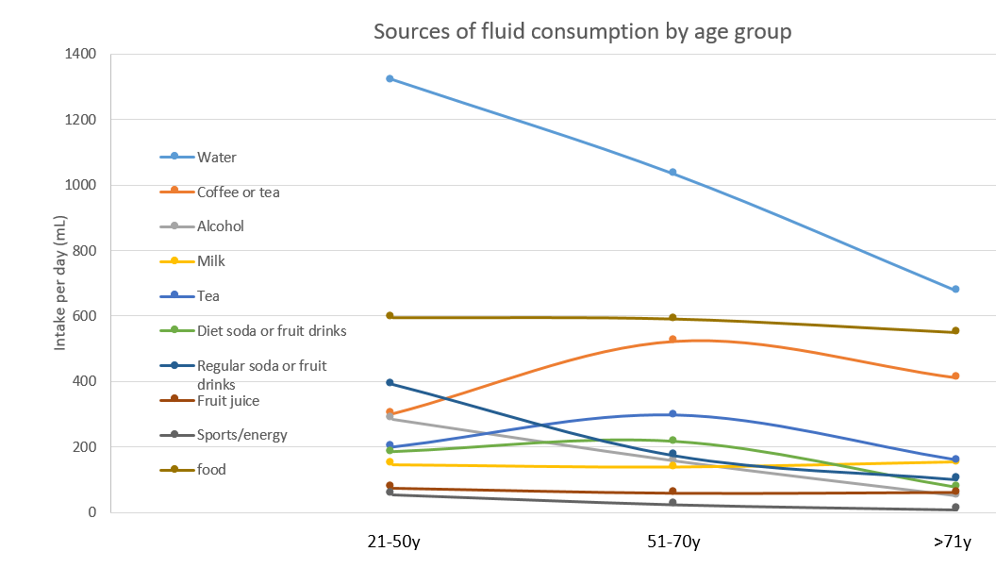
Recommendations are to drink approximately 6-8 glasses of water per day to maintain good hydration. Water is a solid choice to maintain hydration, but all beverage consumption can contribute to good hydration.
Teas and coffees can also help with hydration. Although previously thought to exacerbate dehydration because of the diuretic effect of caffeine, these alternative options have been shown to ultimately push toward a more hydrated state17.
Fortified milk can be useful as a hydrating solution as it contains vitamins and minerals such as Vitamin D and calcium.

Hydration and Activity
Also, to note that depending on the activity, more or less fluid may need to be taken. T hose that play soccer or rugby might have a higher risk of hypohydration as the alternate pauses can sometimes interfere with the opportunity to rehydrate.
When sweating a lot during activity, sports drinks may be a more suitable choice to rehydrate as the electrolytes within them can help the body retain fluid and give us energy.
Post activity, milk can also be a good rehydration choice as along with the hydration properties, the protein found in milk can contribute to building and retaining muscle. It is always important to continue to rehydrate yourself when carrying out physical activity18.
Conclusion
Staying hydrated is very important for overall health and well-being. Hydration is key to maintain all of the bodies process and we must not take it for granted.
Consumers are constantly looking for ways to get “energy”, but what does that actually mean and why are so many people seeking it? The answers to both of those questions are likely as varied as the people you may ask.
The main solution that people are looking for is a way to help compensate for the 24-hour, 7-day a week race that has become our normal lifestyle.
Whether it is the lack of sleep, long hours, juggling competing priorities, or even searching for a sense of calm in the midst of chaos, we are looking for ways to accomplish more.
The challenge is to figure out where on the consumer spectrum products should be developed for, as well as understanding the benefit the consumer is expecting to experience.
Why are Consumers Seeking Energy Solutions?
- Compensate for lack of sleep- 24/7 lifestyle.
- Perform better in physical tasks (e.g. sports, labor intensive jobs, keeping up with kids/grandkids).
- Perform better mentally (e.g. test taking, cognition, focus, memory).
- Perform better both mentally and physically.
- Calmness during stressful situations to help focus.
What is Energy and Where Does it Come From?
Despite so many people wanting energy, the actual definition of it is difficult to pin down. In the purest sense, it simply equals calories. At the food level, it comes from the macronutrients (carbohydrates, fat, protein) we eat.
Calories from the food that we eat provide the fuel we need to keep our bodies running (IOM, 2005). Nutrients like B vitamins are often associated with energy, but don’t actually provide any themselves.
Instead, they help our body unlock the energy found in carbohydrates, proteins, and fat.
Energy-Yielding Nutrients
- Carbohydrates – whole grains provide longer-lasting energy and are great for meals and snacks, while refined grains are metabolized more quickly and are more appropriate for exercise.
- Fat – a slower-burning energy, except for medium-chain triglycerides, which are a rapidly metabolised and also have a mental focus healthy halo among consumers.
- Protein – key for muscle energy, especially branched-chain amino acids, and can also provide more feelings of fullness
Energy can also defined as the boost we get from stimulants like caffeine. Most of us drink a cup of coffee or tea in the morning to “help us get going”.
That boost comes from caffeine. When you consume caffeine or other stimulants, you feel energised because they are, in part, increasing your heart rate, blood pressure and brain activity (McLellan et al. 2016).
This wouldn’t fit the traditional definition of energy (calories), but still falls under the general population’s definition of energy.
Is Energy Mental, Physical or Both?

When cramming for exams or preparing for a big presentation, we all want to feel focused and sharp.
Mental energy can be defined as alertness, ability to complete a task, or not feeling mentally tired.
Focusing on work for longer periods of time is a main consumer need because it has become more difficult amidst other things competing for attention, whether it be email alerts popping up on a laptop or distractions while working from home.
Some definitions of mental energy have overlap with consumer definitions of mood, which can both include things like focus, patience, calmness, longer attention span, etc.
Physical energy, on the other hand, can come in many different versions.
Perhaps it is the energy to get through the day after being up all night, or the fuel you need to do your job (e.g. construction) or even just that extra burst of energy to help you finish a race faster. It is what helps us overcome the fatigue and sluggishness that comes from our hectic 24-7 lives.
Finally, energy could be a combination of mental and physical factors, depending on the consumer. For example, a soldier may seek energy to keep them awake for long periods of time while performing physically taxing exercises.
Adaptogens – Emerging Functional Ingredients
The quest for energy is not a new phenomenon. In fact, traditional medicines from all over the world (Traditional Chinese Medicine, Ayurveda from India) have many ingredients/botanicals, called adaptogens, which have been used to help people cope during stressful times (Panossian 2017).
These traditional medicines have also used ingredients/botanicals to help provide a sense of overall wellbeing.
What is an Adaptogen?
Adaptogens are typically plant extracts that are thought to help the body adapt to different stressors.
Stress can change the way the human body functions, and adaptogens are theorised to help restore normal physiological function. For example, it could mean helping stay calm during a stressful situation.
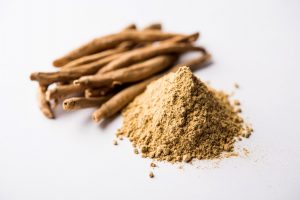 Many adaptogens have a history in ancient and traditional medicine. While the stressors in ancient times versus now are very different, the need for energy is still relevant.
Ginseng has been used as an endurance performance enhancer, while Rhodiola rosea helps increase resistance to muscle fatigue (Sellami 2018).
Ashwagandha was traditionally used to help enhance the body’s resilience to stress (Singh 2011). These ingredients are becoming more common in functional foods and beverages targeting energy for consumers.
Clinical science is still emerging with these and other traditional ingredients (e.g. turmeric, ginger); however, the initial results suggest there may actually be something to these ancient practices (Panossian 2017, Liao 2018).
Regulations around the term ‘adaptogen’ vary by country due to the fact that science is still emerging, so caution and a thorough review of the science for each ingredient should be taken to be sure consumers are not misled when using these types of ingredients.
What is the Right Approach for Foods and Beverages?
First and foremost make sure you understand where on the energy spectrum the product needs to deliver. Is it mental or physical, is it lack of sleep, or it is supposed to help provide calm in order to enhance performance?
If it’s a snack bar for the morning, it’s likely the consumer is looking for both a physical and mental energy benefit. For an athlete trying to fuel through a workout, physical energy (calories) might be more of a focus. For afternoon energy, maybe the goal is to provide a feeling of focus without the buzz from caffeine or the worry about interfering with sleep.
Once you have that answer, finding the right functional ingredients to help support those benefits should hopefully be a bit easier.
One thing is for sure, as we continue to lead 24-hour, 7-day a week hectic schedules the need for energy is only going to increase.
How can the foods we eat influence our mood? Has science been able to explain a link between food and mood?
In this KHNI Q Science Short, Aoife Marie Murphy, PhD answers these questions and more. Watch the video to learn about:
-
- How food and nutrition can support different mood states like energy and relaxation
- Areas of emerging science on food and mood, like the gut-brain axis and nootropics
- Three simple dietary changes that science shows can improve mood
KHNI Q is a video series where scientific experts demystify the science behind healthier food.
The content of this article is intended for informational use only. It is not intended to be used for treatment or management of any disease, or for claim guidance.
We all have our good days and bad days for mood. This is relevant now more than ever. The COVID-19 pandemic has caused many people all over the world to feel increasing levels of anxiety, uncertainty and isolation.
People are adjusting to working from home, which makes it even more difficult to strike a work-life balance. Many are feeling isolated from family and friends. Our emotional and mental health are as important as our physical health and together with regular exercise, sleep and social interaction, evidence suggests that the foods we eat may also impact the way we feel.
The link between food and mood will come as no surprise. There is joy and social connection when sharing birthday cake with loved ones. Certain tastes and smells evoke feelings of nostalgia from childhood. On the other hand, it is common to feel irritable during long periods of fasting, and feelings of guilt are common when overeating. The commonly used terms ‘comfort’ food and ‘hangry’ define how food can bring an emotional response.

Scientific research in the area of food and mood is ever advancing. Many nutrients and dietary patterns have been linked with our neurological state. Let’s explore the latest evidence.
Vitamins, Minerals, and Mood
Micronutrients are required for the synthesis of many chemical messengers in the brain known as neurotransmitters. Serotonin, dopamine, γ-aminobutyric acid (GABA), and noradrenaline are the 4 major neurotransmitters that regulate mood, which is why these are commonly known as ‘happy hormones’. These chemical messengers are necessary to balance the intensity of signals between neurons in the brain and rest of the body. Low levels of serotonin in particular have been linked with neurological disorders, anxiety and depression (1).

B vitamins are essential cofactors for the synthesis of neurotransmitters. Choline is a unique nutrient because it is not classified as a vitamin or a mineral. However, it is required for the production of neurotransmitter acetylcholine, which is involved in mood and memory. Some evidence shows that folate, zinc, magnesium, iron, selenium and vitamin D may be protective against anxiety, mood swings, and irritability. Numerous studies have shown that patients diagnosed with depression are often deficient in one or more of these micronutrients (2).
A well-balanced diet will provide adequate sources of these nutrients, as they are commonly found in a variety of foods.
Dietary sources:
- Folate: Green leafy vegetables, beans, peas, lentils, fortified foods and beverages.
- Zinc: Red meat, liver, egg yolk, oysters, bran.
- Magnesium: Almonds, bananas, broccoli, oatmeal, soybeans, whole grains.
- Iron: Red meat, poultry and fish, beans & pulses, fortified cereals.
- Selenium: Brazil nuts, meat, fish, seeds, wholemeal bread.
- Vitamin D: Sunlight, fortified foods and beverages, eggs.
- B vitamins: Whole grains, meat, dairy, eggs, seeds, nuts, legumes, fruits and vegetables.
- Choline: Beef, eggs, fish, chicken, dairy, shiitake mushrooms, beans.
Energy and Mood: Carbohydrates, Glycaemic Index (GI) and Fuelling the Brain
The brain requires glucose as its main source of fuel. In fact, the brain uses 20% of the glucose needed by the body, which means we require carbohydrate throughout the day for our brain to function at its best. The Glycaemic Index of a food refers to the rate at which carbohydrates (glucose) are released into the blood. High GI foods, such as processed foods, sugar-sweetened beverages, confectionery and cakes can cause dramatic spikes and drops in blood glucose. This fluctuation in blood glucose is often referred to as the ‘sugar crash’ and is associated with irritability, lack of concentration, feeling weak and mood swings. Sharp peaks in blood glucose can also trigger the stress hormone cortisol. One study suggests that consuming more high GI foods is associated with an increased risk of depression (3).
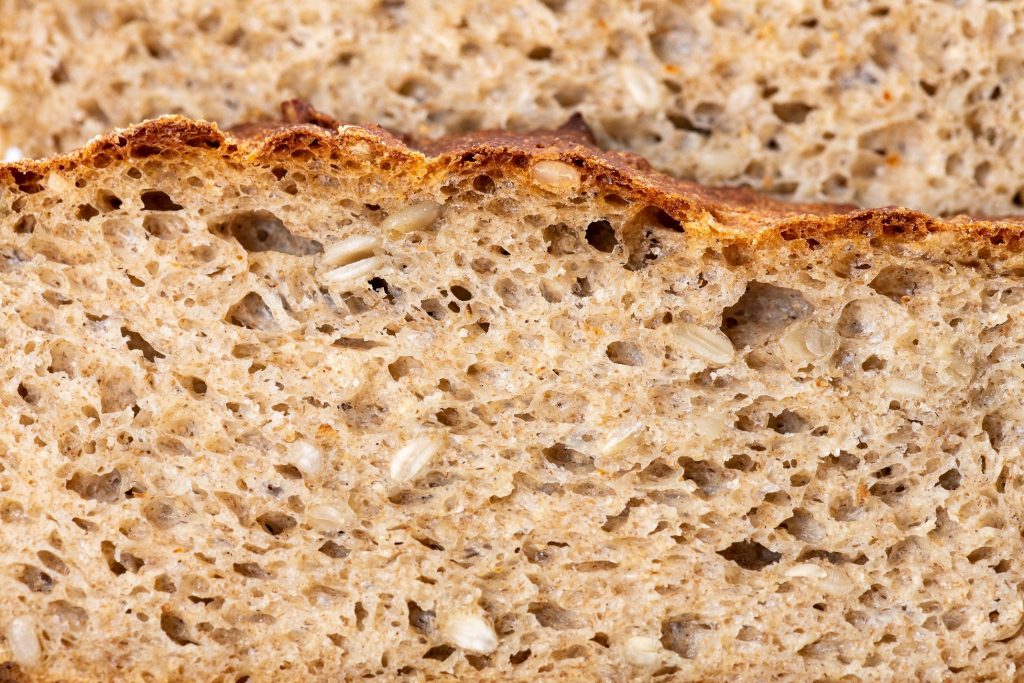
It is recommended to choose low GI foods because they allow our blood glucose levels to rise and fall slowly. These foods are typically high fibre whole grains, oats, fruits and vegetables. Furthermore, eating regular, well-balanced meals with a combination of carbohydrate, protein and healthy fats provides stable blood glucose levels throughout the day as fat and protein can slow the rate of carbohydrate absorption. For example, combining a baked potato (high GI) with mixed beans (protein & fibre) could help to prevent any sudden crashes in glucose for the brain and subsequent mood disturbances (4).
There is an additional ‘mood-enhancing’ benefit to consuming carbohydrates alongside proteins. Carbohydrates can increase the availability of amino acid tryptophan to the brain (5). Tryptophan is a precursor for the production of serotonin, the ‘happy hormone’. Sources of tryptophan include eggs, poultry, dairy and tofu. This may explain why individuals crave ‘comfort’ carbohydrates during times of stress.
Omega-3 Fatty Acids and Brain Health
Approximately 60% of the brain is made up of fatty acids, which include omega-3 fats. As a result, omega-3 fats are essential for the normal function of the brain. Sources of omega-3 include oily fish, seeds like chia, flax, and hemp, nuts, fortified foods and supplements. Epidemiological studies show that in countries where people eat large amounts of oily fish, depression is less common (6).
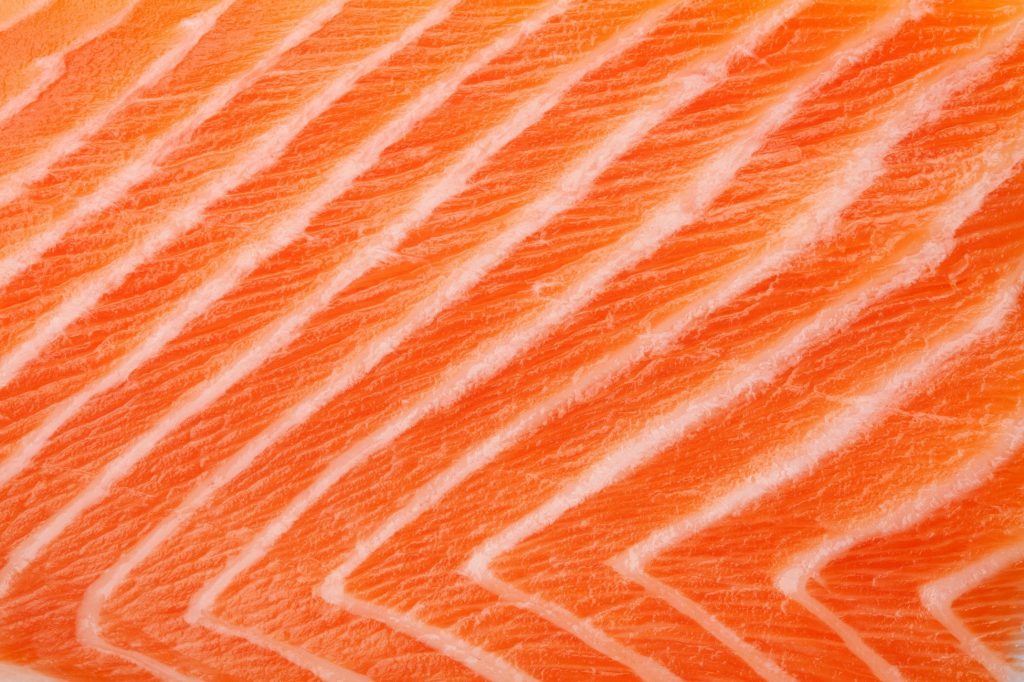
In addition, omega-3 fats have anti-inflammatory effects on the body by releasing chemicals called eicosanoids. Many neurological conditions such as depression and Alzheimer’s Disease are associated with increased inflammation in the brain. Therefore omega-3 fats have the potential to reduce the inflammation associated with these conditions, and in doing so may relieve some of the neurological symptoms.
More than 30 clinical trials have investigated omega-3 supplementation in people with depression (7). Current evidence supports that omega-3 consumption of ~1 g/d (containing at least 60% eicosapentaenoic acid EPA) can elevate the mood of patients diagnosed with depression (8). This is similar to eating 3 salmon fillets per week.
Hydration’s Role in Energy and Mood
Adequate hydration is often considered to impact cognition and concentration. The body is ~75% water and is fundamental to all biological functions and metabolic pathways. Therefore, it is imperative that we stay adequately hydrated to maintain physical and mental health. Even mild dehydration can impact mood and alertness (9). It has also been observed that memory, motor skills and numeric abilities decline in states of moderate dehydration. However, these findings have not been consistent. Our thirst sensation kicks in once already dehydrated by 1-2%, which means our body is already reducing performance. Heat stress can be experienced by those living in hot climates, those carrying out heavy labour during hot seasons or those performing exercise. It can affect mood and increase feelings of distress. It is recommended to drink at least 2 litres of fluid per day.

Both caffeine and alcohol are commonly used for enhancing mood at low to moderate intakes. However, withdrawal from these substances can cause irritability, headache, fatigue and poor concentration (10, 11). Alcohol is classified as a depressant and excessive consumption is highly correlated with mental health disorders. Excessive alcohol consumption is also associated with B vitamin deficiencies which can further lead to anxiety and depressive symptoms as mentioned earlier (11).
The Mediterranean Diet and Depression
Evidence is emerging that a Mediterranean-style diet promotes brain and mental health and may be helpful in the management of conditions such as depression (12). A Mediterranean diet consists of whole grains, fruits, vegetables, dairy, fish, lean meats and olive oil and is considered one of the most healthful dietary patterns in the world. It is a diet rich in anti-oxidants, polyphenols, micronutrients, fibre and healthy fats. The aptly named ‘SMILES trial (Supporting the Modification of Lifestyle in Lowered Emotional States)’ was a pioneering randomized control trial investigating the effects of this diet on outcomes of depression (13).
The results of the study, published in the international journal BMC Medicine, showed that participants who followed a Mediterranean diet for 12 weeks had a much greater reduction in their depressive symptoms over the three-month period, compared to those in a control group who received ‘befriending’ social support. At the end of the trial, a third of those in the dietary intervention group met criteria for remission of major depression, compared to 8% of those in the social support group. These results were not explained by changes in physical activity or body weight, but were closely related to the extent of dietary change. In other words, those who improved their diet the most experienced the greatest benefit to their depression. It is likely that the benefits are a results of the dietary pattern as a whole, rather than individual foods or nutrients. More research needs to be carried out to untangle the mechanism linking the Mediterranean diet to improved mental health.
The Gut-Brain Connection
Have you ever experienced a ‘gut feeling’ or ‘butterflies’ in your stomach? Anger, nerves, sadness, love, or excitement can all trigger symptoms in the gut. The connection goes both ways; intestinal distress can be the cause of anxiety or depression. The link between gut health and mental health has been known for centuries. However, an explosion of research in the past decade has begun to unravel the science behind this intimate connection.
The gut microbiome is an eco-system of trillions of species micro-organisms living inside the gastrointestinal tract. These bacteria play a vital role in our health, digesting the food we eat, protecting us from infection and producing chemicals such as short chain fatty acids and neurotransmitters. Often referred to as the second brain our gut contains millions of neurons which communicate with the brain. A dysfunctional gut microbiome is linked with anxiety, depression among other neurological conditions.

Much of the research into the brain-gut-microbiota axis has been carried out in animals by studying antibiotics, probiotics and faecal transplants to determine their effects of the gut microbiota on brain activity. Animal studies have consistently shown that gut bacteria signal to the nervous system, influencing behaviour and stress responses (14).
Human studies are emerging, and there is preliminary evidence that diet and probiotic supplementation may improve symptoms in many neurological conditions (15). Psychobiotics are a newly coined term which refer to probiotics which, when consumed in adequate amounts, may have positive effects on mental health (16). A pilot study in 2017 was the first to show that probiotic supplementation can improve depressive symptoms in patients with Irritable Bowel Syndrome (17). Another study found that healthy individuals showed reduced patterns of negative and aggressive thoughts when given a multispecies probiotic over 1 month period (18). Further studies are needed since research remains at the early stages. However, it is promising that targeting the microbiome could assist in the treatment of a wide range of disorders in the future, including anxiety and depression.
At present, the best way to support your gut microbiome is to consume a varied balanced diet consisting of lots of plants, fruits, vegetables and legumes. These foods contain prebiotics, fibre, and polyphenols, which feed and diversify our gut microbiota . Fermented foods such as yoghurt, kefir, kimchi and kombucha can also support your gut microbiome.
What are Nootropics?
A new wave of products claiming to boost brain function are hitting the mainstream market. These are collectively known as Nootropics, which comes from the Greek work ‘mind’ (noos) and ‘turning’ (tropic). Nootropics have been positioned to improve memory, attention span, relaxation and energy. Caffeine and B vitamins are considered nootropics and are often used in energy stimulant beverages.

However trending nootropic ingredients include:
-
- Cannabidol (CBD) has been suggested to relieve anxiety, as the non-psychoactive cousin of tertrahydrocannabinol (THC). This can be found in the hemp plant.
- GABA (gamma amino butyric acid) is the brain’s inhibitory neurotransmitter. Its role is to slow down neuron circuits and restore balance. It is claimed to improve focus and relaxation.
- L-theanine is a compound found in green tea. It is claimed that L-theanine can cross the blood-brain barrier rapidly to increase GABA production in the brain and in turn improve focus and relaxation.
- Gingko biloba is a tree native to China which is often associated with claims to have anti-oxidant and anti-inflammatory effects on the brain, improving brain function and reducing anxiety and stress.
- Panax ginseng is a native Korean plant which claims to improve concentration and memory.
Caution is needed when interpreting the marketing claims many of these products carry as there is a significant lack of consistent randomized control trials to support these ‘claims’.
Food for Thought
While we still have much to learn about the effects of our diet on mood and mental health issues, evidence suggests that a healthy diet can have a protective effect. Nourish your body and your mind with well balanced meals at regular intervals throughout the day. Diet in combination with physical exercise, adequate sleep and social connection (even if it needs to be at a distance for now), will support a healthy and happy mind.