 Plant-based diets are becoming increasingly popular, but not all sources of nutrients are the same.
Animal-based foods like milk or meat are rich sources of certain essential nutrients that are easily absorbed by the human body.
These same nutrients are present in many plants but can sometimes be less available to the human body to digest and absorb.
Therefore, nutrient bioavailability must be considered when consuming a plant-based diet. Many factors can affect nutrient bioavailability such as anti-nutrients[1] like oxalates, phytates, and tannins; cooking and processing methods; and factors in the human body
The nutrients of special concern in plant-based diets are (click to jump to that nutrient on the page):
What Does Bioavailability Mean?
The European Food Information Council (EUFIC) defines bioavailability as “the proportion of a nutrient that is absorbed from the diet and used for normal body functions”[2].
Everything food that is eaten needs to be digested and absorbed in the intestine, and the presence of some compounds in plants can make that process more difficult for the body.
For example, antinutrients can block digestive enzymes from reaching parts of a food to be digested.
Oxalic acid is a molecule that plants produce to bind extra calcium within the plant. This molecule helps the plant function properly, but it also means that when we eat the plant, the calcium is harder for the human body to digest and absorb. In this example, the calcium would have a low bioavailability.
Calcium
Plant-based Sources
Plant sources that are naturally rich in bioavailable calcium are limited[3],[4]. Commonly recommended plant sources of calcium include kale, legumes, figs, bok choy, and broccoli.
However, the quantity and bioavailability of calcium within these foods is far lower than dairy products or calcium fortified foods[5],[6].
For example, the EPIC-Oxford cohort observed that vegans had inadequate intakes of calcium, approximately half the mean intake level of non-vegetarians[7].
The presence of oxalic acid, or oxalate, reduces calcium bioavailability[8]. Oxalic acid, which is present in many calcium rich plant foods, particularly leafy vegetables[9], binds to calcium to form oxalate, which is not very well absorbed across the gut[10].
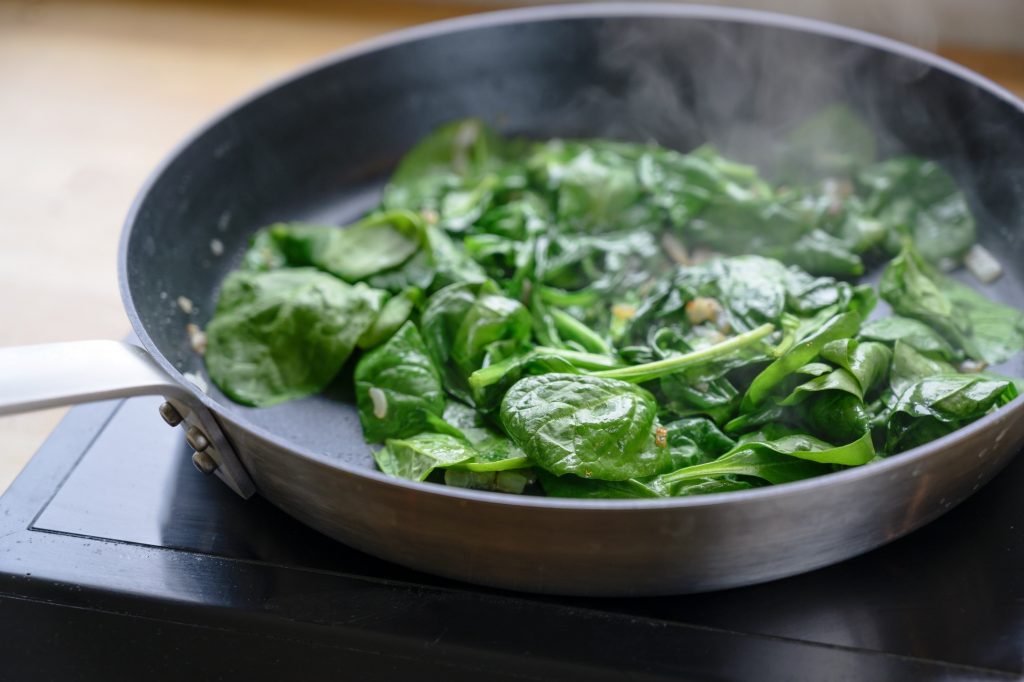
Spinach is a renowned example of a food high in calcium, yet absorption is very low due to the oxalate content.
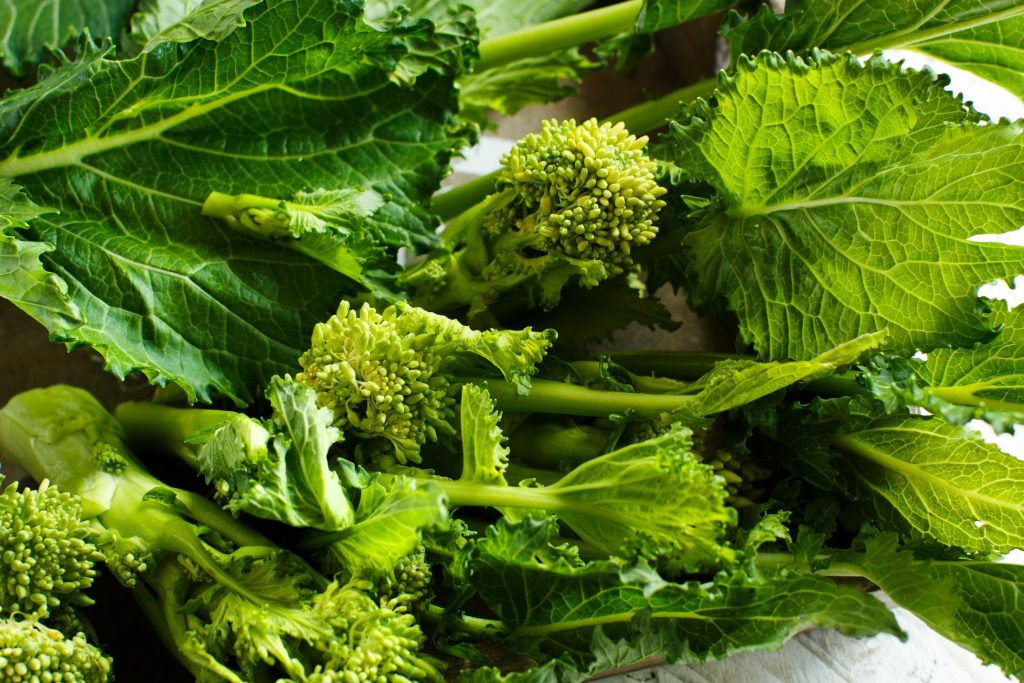
Turnip greens have a similar calcium level but lower oxalate content, thus absorption is significantly higher than from spinach[11].
Grains and legumes, which in general make up a substantial part of a plant-based diet, are high in phytates, which bind calcium strongly and these complexes are insoluble in the small intestine, making them hard to digest and absorb.
It is estimated that 32% of calcium from dairy-based foods is absorbed, but only 5% of calcium from spinach is absorbed.
Improving Bioavailability
Studies have shown reducing phytates levels significantly increases calcium absorption from grains, pulses and legumes[12],[13].
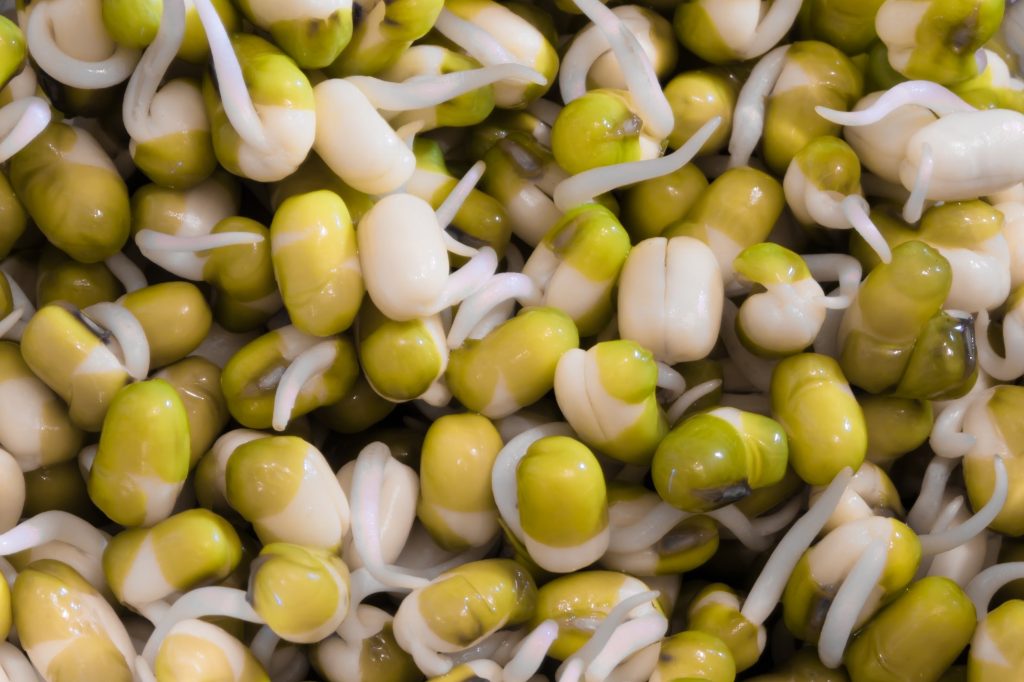
Tannins and fibre can also negatively affect calcium bioavailability. In vitro tests have shown that germinating and de-hulling cowpeas, lentils or chickpeas to reduce tannin and fibre levels can significantly increase calcium bioavailability[14].
Factors in the human body can also influence calcium bioavailability. Calcium is absorbed across the gut by vitamin D dependent active transport and facilitated diffusion.
Therefore, an individual’s vitamin D levels can affect calcium absorption. Factors such as sex, age, and individual calcium stores affect the rate of facilitated diffusion.
The lower a person’s calcium stores, the more the gut will absorb this nutrient, but this ability decreases with age[15].
To summarise, bioavailability of calcium in a plant-based diet is not optimum mainly due to the quantity and presence of innate inhibitors.
Cooking or processing plants to remove antinutrients can improve bioavailability, and some plant-based sources of calcium are more bioavailable than others.
However, it is commonly suggested that people who do not consume animal products, particularly dairy, should eat foods fortified with calcium or take a calcium and vitamin D supplement to meet the recommended daily allowance (RDA) for this mineral[16],[17].
Protein
Plant-based vs and animal-based
The most obvious concern regarding protein in plant-based diets is that sources are generally limited in one or more essential amino acids that cannot be made by the human body.
Therefore, plant-sourced proteins are often referred to as ‘incomplete’. This is contrary to animal derived protein sources, which contain complete combinations of essential amino acids.
The most common limited essential amino acids in plant-based diets are lysine (mainly limited in cereals), methionine (legumes, nuts and seeds), tryptophan (cereals) and cysteine (legumes)[18].
Protein Complementation
Protein complementation, the combination of vegetable proteins to get all of the amino acids that are essential for the body, is the most effective way to meet protein needs when consuming a plant-based diet[19].
Individuals who eat a variety of plant protein sources such as legumes, nuts, grains, and seeds in enough quantities can meet optimum protein needs through plant sources alone.
Interestingly, protein complementation is not required for each meal, as the body has the capability of storing amino acids[20],[21].
Table 1. Examples of Protein Complementation[22],[23]
| Food | Limited Amino Acid | Complement |
| Grains
(Oat, Brown Rice, Wheat) |
Lysine, Threonine | Legumes
(e.g. Soy, Pea, Lentils, Beans) |
| Nuts and Seeds | Lysine | Legumes
(e.g. Soy, Pea, Lentils, Beans) |
| Legumes
(e.g. Soy, Pea, Lentils, Beans) |
Methionine | Brown Rice, Wheat, Potato |
| Corn | Tryptophan | Legumes
(e.g. Soy, Pea, Lentils, Beans) |
However, the amino acid content is not the only limitation to plant protein bioavailability.
The presence of other components such as fibre, tannins, and phytates can reduce protein digestibility, thus making it more difficult for the body to utilise the amino acids.
Vitamin D
Sources
The human body acquires vitamin D by two methods: (1) vitamin D is produced in the skin via UV rays from sunlight and (2) intake from the diet.
There are two forms of vitamin D: vitamin D3 (active form) and vitamin D2.
Vitamin D3 is considerably more bioavailable than the plant source vitamin D2, which means vitamin D3 is more effective than vitamin D2 at raising serum 25(OH)D concentrations, which is an important molecule for the body to actively absorb calcium[24].
Vitamin D3 is produced by human skin in the presence of ultraviolet light from the sun, or sourced from animal products are rich in vitamin D3, whereas plant sources contain vitamin D2 only[25],[26].
Vitamin D levels of Vegans and Non-Vegetarians
The EPIC-Oxford cohort reported the average vitamin D intakes of vegans were approximately 73% lower than non-vegetarians[27].
Vitamin D deficiency is evident within the European population at concerning rates of prevalence[28]. Recent national UK surveys identified 1 in 5 people with low vitamin D levels (serum levels below 25 nmol/L)[29].
Individuals that derive vitamin D from sunlight and a plant-based diet alone will unlikely meet the RDA for vitamin D, especially during winter.
The Scientific Advisory Committee on Nutrition (SACN) advises to consume fortified foods and supplements to meet adequate vitamin D requirements[30].
More recently, England’s national health service (NHS) extended their recommendation of taking a daily supplement containing 10 micrograms vitamin D to the entire UK population.
This is to counteract the risk of getting less sun exposure due to current measures enforced by UK government to keep people in their homes to control the spread of Covid-19[31].
Iron
The WHO describes iron deficiency as the most common and widespread nutritional disorder in the world[32]. It is prevalent in developing countries where diets are predominantly plant-based.
Deficiency is a major issue due to a significant amount of the population having high iron needs such as women of childbearing age, combined with the low bioavailability of iron in available foods.
Haem Iron vs Non-Haem Iron
Iron is present in two forms: haem and non-haem iron.
Haem iron is more readily absorbed across the gut compared to non-haem iron[33]. Red meat and other animal derived foods are rich sources of haem iron[34].
Plant sources contain non-haem iron only[35] and include foods such as green leafy vegetables, legumes, nuts, seeds, and grains.
Iron bioavailability can vary significantly due to inhibitors within the same or other foods in a meal[36].
Phytates, which are complexes found in legumes, grains, oil seeds and nuts, are arguably the most potent inhibitors to non-haem iron absorption[37].
Phytates form insoluble complexes in the gut, reducing iron bioavailability considerably[38].
Increasing Iron Bioavailability
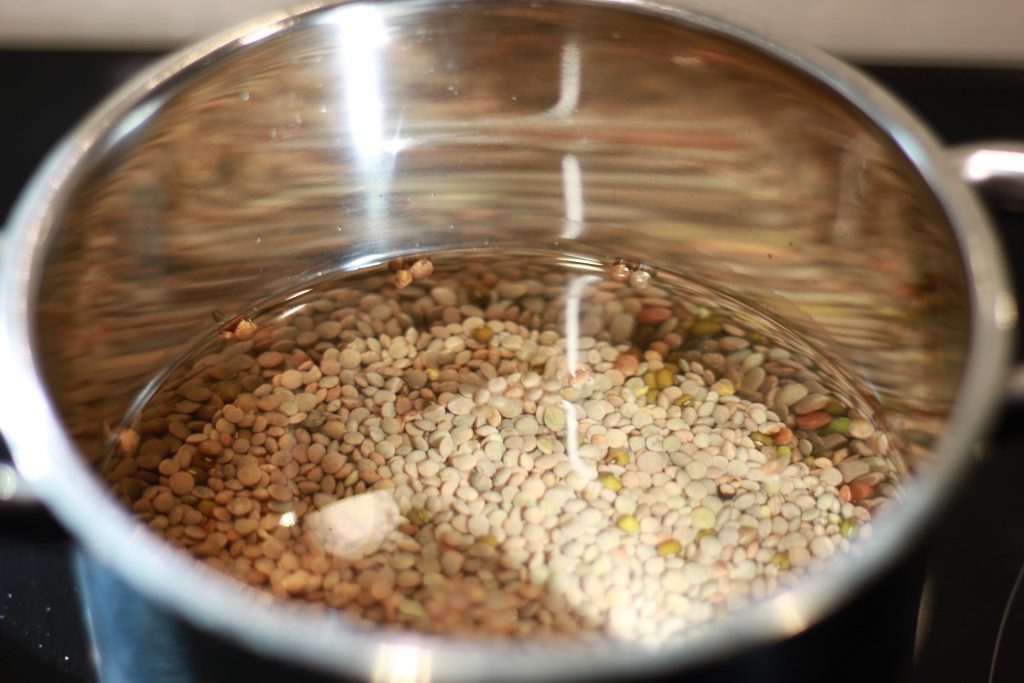
Many studies have shown that common cooking and preparation methods such as fermenting, germinating and de-hulling legumes, and malting cereals can reduce phytate levels and, hence, increase iron bioavailability from these foods[39].
Phenolic compounds such as tannins and polyphenols, which are abundant in tea and coffee, also inhibit iron absorption.
Avoiding drinking tea and coffee within two hours of consuming a meal rich in iron is recommended for individuals with low iron status[40],[41],[42].
Nutrient-nutrient interactions can also affect bioavailability. For instance, calcium is another inhibitor of iron bioavailability, due to competition for absorption across the intestinal wall.
This is more often observed when calcium and iron are part of the same meal and calcium quantity is high[43].
On the other hand, foods rich in vitamin C can increase plant-based iron absorption[44] because this vitamin binds to non-haem iron to form a chelate that is soluble and digestible within the small intestine.
However, it is important to note that cooking vitamin C-rich foods at a high temperature can destroy some of the vitamin C present in foods, reducing its ability to improve iron absorption[45],[46].
There is evidence to suggest individuals can maintain adequate iron stores without consuming animal derived foods, provided effective planning of meals to reduce the presence of inhibitors and increase enhancers is applied[47],[48].
This approach takes careful management, and the prevalence of iron deficiency globally would suggest fortification and supplementation are supported, especially for menstruating women[49].
Zinc
Zinc deficiency is prevalent globally, particularly for developing countries that consume a primarily plant-based diet[50]. This is mainly due to the low bioavailability of zinc in plant foods rather than a lack of plant zinc sources[51].
The EPIC-Oxford cohort reported that average zinc intakes of vegans were approximately 20% lower than non-vegetarians[52].
In this study, even non-vegetarians had zinc intakes that were below the RDA, suggesting that plant-based eaters might be at an even higher risk of deficiency due to the low bioavailability of plant-based zinc[53].
However, the American Dietetic Association and Dietitians of Canada expressed no considerable concern for vegetarians and inadequate zinc intakes in their position paper on vegetarian diets in 2003[54].
Plant-based Zinc Bioavailability
In research studies, zinc bioavailability from plant-based diets is often measured alongside iron. In general, good quality plant-based diets predominantly consist of whole grains and legumes, which are rich sources of zinc.
As with non-haem iron, phytic acid has a significant inhibitory effect on zinc absorption[55],[56]. However, processing methods that can increase the activity of phytate degrading enzymes counteract this considerably.
Processes such as heating, germination, soaking, and fermentation of legumes and grains increase zinc bioavailability, provided the optimum pH is achieved.
Enzymes for degrading phytates work best in an acidic pH environment for cereals and neutral or alkaline for some legumes[57].
The high fibre content in whole grains and legumes inhibit zinc absorption but preparation methods like de-hulling, pressure-cooking, and fermentation can breakdown the fibre and enhance zinc bioavailability[58],[59].
There are studies suggesting that consuming a meal that is both high in protein and zinc has a positive effect on zinc bioavailability[60],[61],[62].
Although bioavailability of zinc in plant-based diets is low, with prudent cooking and meal planning, it is possible to meet adequate body needs.
Vitamin B12
The main dietary sources of Vitamin B12 are products derived from ruminants, such as cows, because microorganisms present in the digestive tracts of ruminants produce this nutrient[63].
Vitamin B12 is generally not present in plant foods, but fortified breakfast cereals are a readily available source of vitamin B12 with high bioavailability for vegetarians.
This aligns with the EPIC-Oxford cohort observation that on average vegans consumed approximately 93% less vitamin B12 than meat eaters[64].
However, inadequate vitamin B12 quantities in plant-based diets are widely acknowledged and individuals following a plant-based diet are advised to consume foods fortified with vitamin B12 and to take a supplement[65],[66],[67].
Vitamin B12 absorption depends on two compounds produced in the stomach: (i) a protein called “intrinsic factor” (IF) and (ii) gastric acid.
The ability of the stomach to produce these compounds functionality declines with age, thus the ability to absorb vitamin B12 reduces over time[68].
Vitamin B12 is typically added to foods and supplements in its free form, meaning gastric acid is not required to make this type of vitamin B12 absorbable.
However, the IF is at capacity at only 1-2 mcg vitamin B12, and absorption decreases considerably then[69]. Therefore, vitamin B12 is best absorbed in small quantities.
To ensure adequate intake individuals following a plant-based diet should eat vitamin B12 fortified foods on more than one occasion throughout the day[70].
Vitamin A
Sources
Vitamin A deficiency is a major issue in developing counties.
There are two forms of vitamin A available in the human diet; preformed vitamin A, for example retinol, and provitamin A carotenoids. Animal derived products such as liver, fish oils, milk, and eggs are rich in preformed vitamin A.
Both provitamin A carotenoids and preformed vitamin A must be metabolised before use by the body[71].
The most abundant and efficiently converted carotenoid in plant-based diets is beta-Carotene, and provides fruits and vegetables, such as mangos, oranges, carrots, and beetroot, with a yellow/orange/red colour[72].
Conversion of beta-Carotene to retinol is not very efficient in the body; therefore, the daily requirement of beta-Carotene is considerably higher than the RDA for vitamin A[73].
Hence, RDAs for vitamin A are given as retinol activity equivalents (RAE) to account for the different bioactivities of retinol and provitamin A carotenoids. One mcg RAE is equivalent to 1 mcg retinol and 12 mcg dietary beta-Carotene[74].
Vitamin A Bioavailability
However, a healthy plant-based diet is abundant in fruit and vegetables that are rich in beta-Carotene.
Therefore, meeting the required amount is feasible[75], unless part of a population that depends on a staple diet of poor vitamin A source grain, such as rice.
Cooking methods can increase the bioavailability of carotenoids, particularly heating in a little fat/oil[76],[77] or adding acidulants or antioxidant spices such as lime, tamarind, onion or turmeric[78].
Although beta-Carotene bioavailability is lower than vitamin A, this can be overcome with a varied diet of fruit and vegetables and specific cooking processes.
Essential Fatty Acids
Omega-6 and Omega-3 fatty acids are both essential for the human body, meaning they need to be consumed in the diet to support adequate amounts in the body.
The long chain omega-3 fatty acids eicosapentaenoic acid (EPA) and docosahexaenoic acid (DHA) are key nutrients for optimum health and development.
They contribute to many functions in the body such as normal brain and eye development and maintenance of cardiovascular health[79].
Oily fish are the richest source of these fatty acids, while plant-based diets are low in these nutrients[80].
The current UK dietary recommendation for essential fatty acid intake is to eat at least two portions of fish a week, one of which should be oily[81].
For some individuals, fish may not be part of a plant-based diet; therefore, levels of these fatty acids are generally sub-optimal.
Plant-Based Sources
The body can convert a plant sourced omega-3 fatty acid, a-linoleic acid (ALA) to EPA and DHA, however the conversion efficacy is low[82].
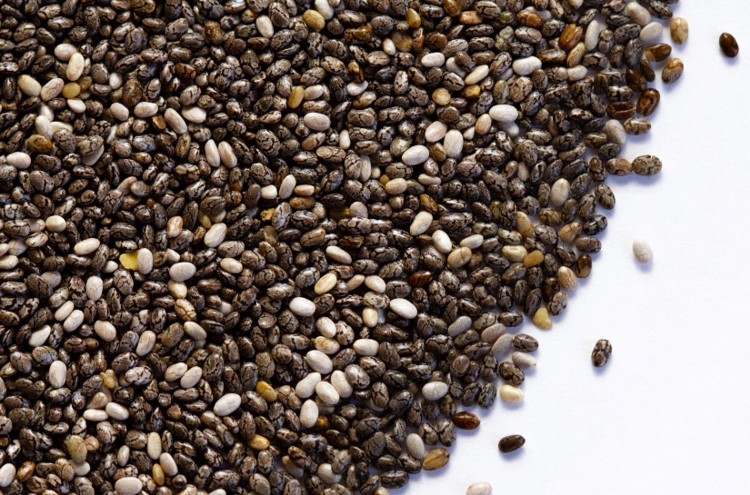
Good quality plant-based diets are high in ALA. Rich sources include chia seeds, flaxseeds, hemp seeds, and rapeseed oil[83],[84].
However, bioavailability of ALA is reduced by the presence of the omega-6 fatty acid linoleic acid (LA), which is also abundant in plant-based foods.
Sources of LA include sunflower oil, sesame oil, almonds, and cashews[85]. LA competes with ALA for enzymes needed to convert ALA to EPA and DHA[86].
Therefore, good quality plant-based diets will aim to have a ratio of 1:3 omega-6 to omega-3 fatty acids in the diet and avoid them within the same meal[87].

Protein, calcium, biotin, magnesium and zinc can increase ALA bioavailability[88],[89], and a good quality plant-based diet is sufficient in these nutrients.
According to the American Dietetic Association, a sufficient intake of ALA in the diet is adequate to meet EPA and DHA needs; however, if an individual has increased needs or poor conversion then a direct source such as DHA-rich microalgae is advised[90].
EPA and DHA supplementation is a controversial topic, as there were concerns regarding the safety of over consumption, however the European Food Safety Authority (EFSA) has concluded 5g of long-chain omega-3 fatty acids raise no safety concerns for adults[91].
Iodine
Iodine is an essential trace element imperative for brain development, normal growth and metabolism[92]. Plant foods can be insufficient and unreliable iodine sources[93].
Adequate iodine intake is a concern for people who follow a plant-based diet. Iodised salt policies were implemented in various countries across the globe to eradicate deficiency.
However, recommendations to reduce salt intake to support heart health also mean reducing iodine intake. Most salt used in packaged foods is not iodised.
Iodine in Plant-Based Diets
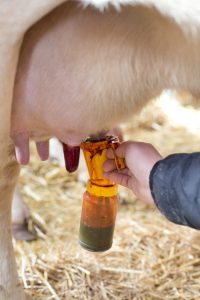
In the US, Ireland, UK, and most of Europe, the main source of iodine is from milk and milk products, followed by fish and meat.
The high content in milk is a result of iodine addition in cow feed and iodine-containing disinfectants used during milking[94].
Therefore, it is important to note that vegetarians who swap dairy milk to a plant-based alternative may be at risk of inadequate iodine intake.
Furthermore, a study conducted by the University of Surrey reported that organic milk was 42% lower in iodine than conventional milk[95].
Seaweed is a very rich source of iodine, particularly kelp. However, the iodine content can be too high, and excessive iodine intake can have negative health effects.
For this reason, it is advised to limit seaweed consumption to once a week, particularly if you are pregnant[96].
There is limited research investigating the bioavailability of iodine in plant-based diets, although it appears to be high[97].
However, most literature papers investigating vegan diets highlight iodine as a nutrient at risk of inadequate intakes[98],[99],[100].
Summary of Bioavailability for Plant-Based Nutrients
Conclusion
Plant sources of certain nutrients have a significantly lower quantity and bioavailability compared with animal derived foods.
Many factors can affect nutrient bioavailability including the presence of anti-nutrients; cooking and processing methods; host factors; and nutrient-nutrient interactions.
Bioavailability is an important factor when evaluating the quality of a diet because it has a substantial effect on the amount of nutrients available to the body for important functions.
Therefore, rating foods and diets on nutrient quantities alone is not fully reflective of nutritional quality.
It is important to note that plant-based diets can meet the nutritional needs of an individual, provided they are good quality and supplemented with specific nutrients, if needed[101] [102].