The production of organic foods has been regulated at European level for quite a long time, EC Regulation 834/2007 of the European Parliament and of the Council (further: Regulation) laying down the principles and rules.
However, since 2007 the organic farming sector of the EU has developed rapidly and as foreseen in the Regulation, a review was needed and conducted to consider the experience gained from the application of the rules.
The results of this review showed that the legal framework governing organic production should be improved to provide rules that correspond to the high expectations of consumers and guarantee sufficient clarity.
To accommodate these needs, a new Council Regulation was negotiated – it took three Council Presidencies (1.5 years) to work out the proposal and 18 trialogues during 4 Council Presidencies (another 2 years) to negotiate the details – and finally in 2018, a new Regulation on organic farming was published: (EU) 2018/848 of the European Parliament and of the Council on organic production and labelling of organic products (further: 2018 Regulation).
So, what changed with this 2018 regulation?
1. Categories
The 2018 Regulation defines three main categories of products that can be organic certified:
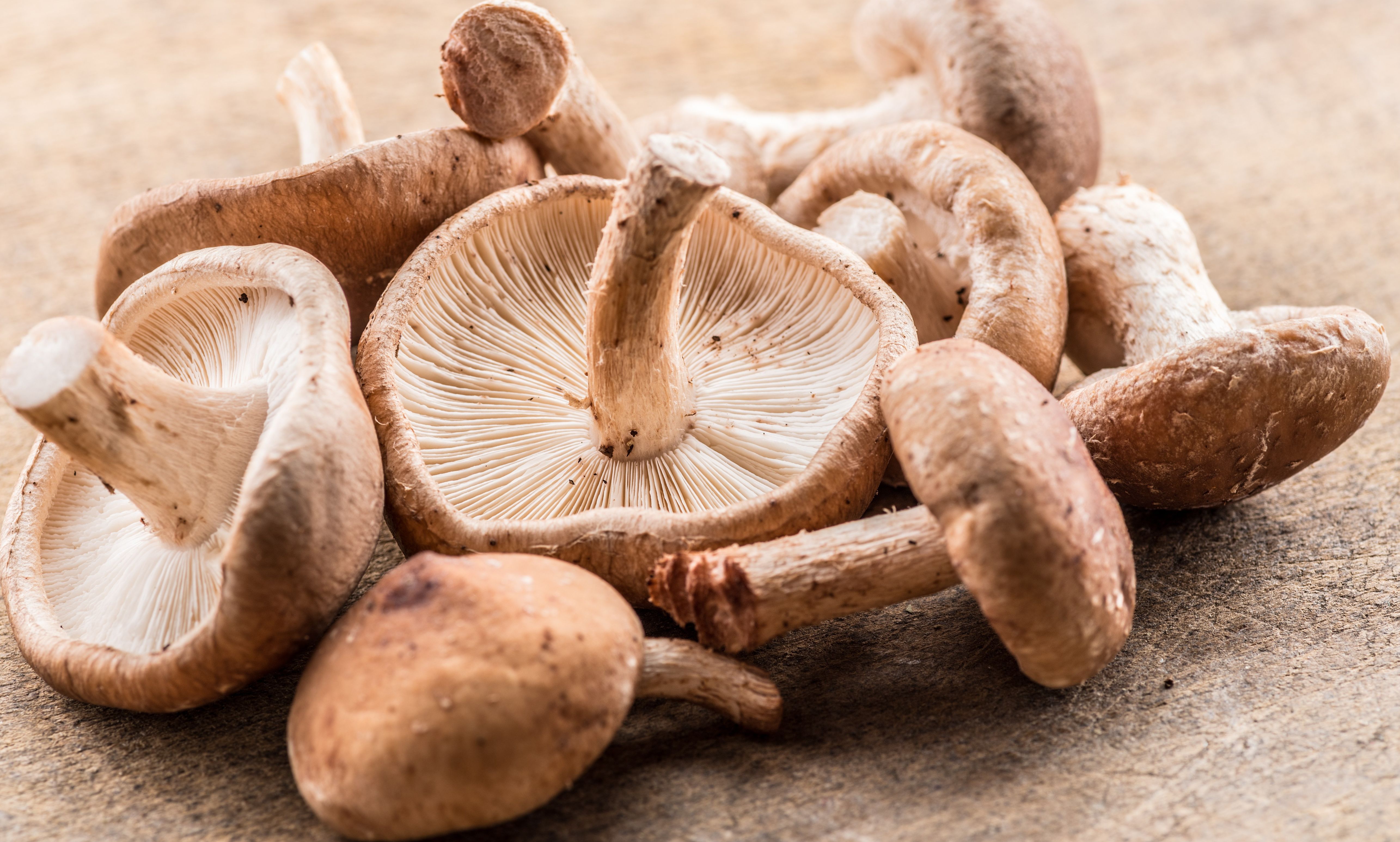
- Live and unprocessed agricultural products (such as animals, plants, seeds, mushrooms)
- Processed food
- Feed
Apart from these, Annex I. of the 2018 Regulation provides a list of products that are not clearly covered by these categories but still can be certified. This list includes but is not limited to specific yeasts, maté, vine leaves and palm hearts.
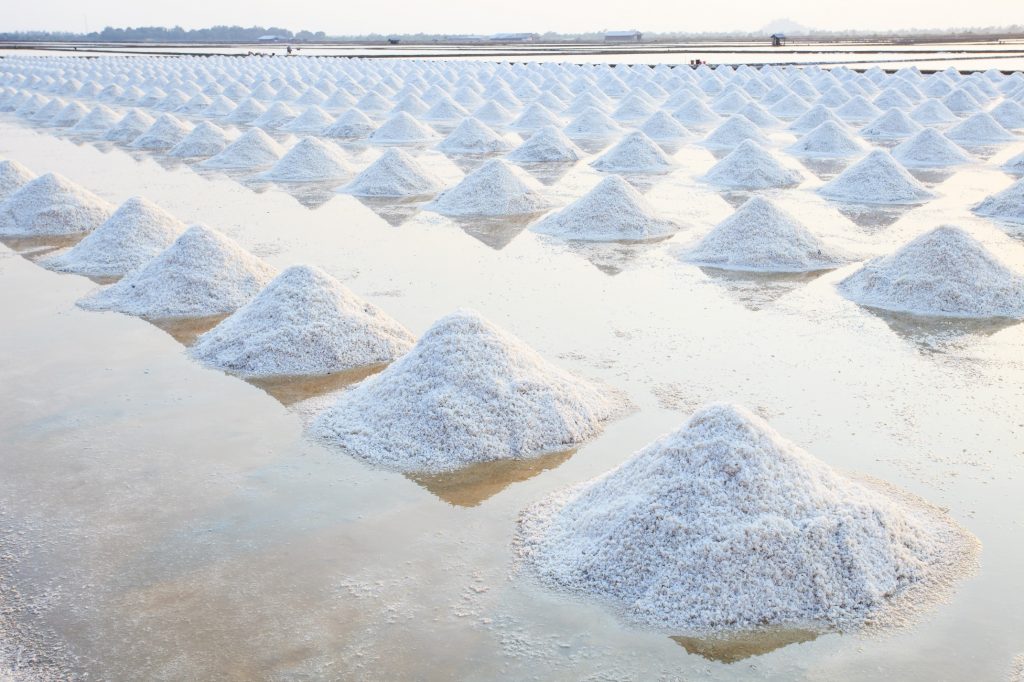
It also includes sea salt and other salts for food and feed even if those are not living organisms.
2. Objectives and Principles
The 2018 Regulation encourages short distribution channels and the local production. A new and positive principle is the concept of production connected to the soil, reinforcing the contribution to a non-toxic environment, long fertility and biodiversity.
As for processed food, the exclusion of food containing engineered nanomaterials is new.
3. Production Rules for Food Processors
One of the most significant changes will be that whilst now all natural flavours are permitted in organic food production, the 2018 Regulation strongly restricts their use.
From 2021, only natural flavours originating from the mentioned ingredients can be used in organic food processing meaning that for example “natural lemon flavouring” is only allowed if it is at least 95% obtained from lemon.
The rules for obtaining natural flavours are detailed. Cleaning and disinfection products permitted in organic food production are also listed.
There is slightly increased flexibility regarding the origin indication of ingredients. Currently, if the producer would like to highlight the origin of an ingredient, at least 95% must be farmed in the indicated place, not 98%.
Other areas where the rules are relaxed a little, include
- concern group certifications in the EU where a small group of farmers can get certified as a single entity;
- annual physical inspections will not be mandatory for everyone but will be planned and carried out on a risk based assessment
- retailers only selling pre-packaged organic products will not need certifications but will be checked as part of the general official controls legislation.
- Member States have the possibility to exempt farmers selling small quantities of organic products directly to the final consumer from certification.
4. Imports
The 2018 Regulation recognises two systems to import organic products from countries outside the EU (a.k.a. third countries):
- Trade agreements: Third Countries (13 now) must renegotiate their terms for trade agreement under the 2018 EU procedure.
- Certifiers: the Commission established a list of recognised control bodies / authorities authorised to perform controls and certification in Third Countries.
These rules were implemented from the 1st of January 2021.
Updates to the Organic Regulation 2018/848
The European Commission published its guidance document that clarifies some of the questions and challenges around the 2018 Regulation.
Below, there are some highlights on several clarifications as they have a direct impact on our business.
Can food supplements be organic?
Food supplements are foods in accordance with the General Food Law, Regulation (EC) 178/2002. The 2018 Regulation defines the scope of the organic regulation, which includes “processed agricultural products for use as food”.
Hence, food supplements produced from agricultural ingredients fall under the scope of the 2018 Regulation and can be labelled as organic. However, food supplements produced from vitamins and minerals are outside this scope and cannot be labelled as organic.
Is it possible to certify algal oil rich in DHA (docosahexaenoic acid) as organic food?
It is possible, but under very strict conditions.
Algae are included as agricultural products in the Annex I of the Treaty of the Functioning of the EU (TFEU), therefore an algae oil rich in DHA is an organic processed food when produced in accordance with the 2018 Regulation.
DHA is also a micronutrient, its use in organic processed food is strictly limited in the 2018 Regulation. In summary yes, DHA rich algae oil can be certified as organic, but its use, due to the DHA content is limited.
Can steviol glycosides (E960) be used as food additive in organic production?
When the 2018 Regulation was introduced, an implementing regulation was created to define the substances that can be used in the processing of organic food products, this is Regulation (EU) 2011/1165.
This regulation lists all substances that may be used as food additives, processing aid or carriers, in organic food production. Steviol glycosides are not authorised in this regulation and therefore cannot be used as a food additive in organic products.
Although some Member States requested the inclusion of steviol glycosides, the independent Expert Group for Technical advice on Organic Production found that steviol glycosides are not in line with the principles of organic legislation and thus cannot be included there.
Could shilajit powder be authorised under Article 25 of Regulation (EU)2018/848 as non-organic agricultural ingredient to be used in organic production?
Shilajit is a natural exudation of rocks and consists of a complex mixture of organic humid substances and plant and microbial metabolites.
This cannot be considered as an agricultural ingredient as it is not covered by any category listed in the TFEU and not listed in the Annex of the New Regulation, therefore it cannot be authorised as a non-organic agricultural ingredient.
Could enzymes be used in organic food?
Yes, enzymes can be used in organic food. The 2018 Regulation specifically mentions food enzymes as a substance that can be used in organic food production, if it would normally be used as a processing aid in food processing and is not produced form Genetically Modified Organisms.
What are the flavourings that can be used in organic food processed products?
This is a complex question, as flavourings to be allowed in organic production must comply with several requirements at the same time.
Strictly speaking, only natural flavourings that are obtained exclusively or by at least 95% from the source material that reflects the flavour or the taste of the flavouring component, may be used in organic products – this means that flavourings that would be defined as “natural X flavouring” or “natural X flavouring with other natural flavourings”.
Note that some certification bodies may interpret the 2018 Regulation that natural flavourings can also be used, so this needs to be checked in advance.