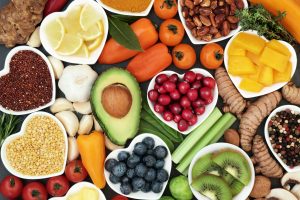
The immune system is constantly active and needs energy from macronutrients like carbohydrates, fats and proteins. Protein also supplies amino acids to build immune cells and enzymes that help destroy pathogens. These enzymes also require vitamins and minerals as cofactors to function properly.
So, while it may sound obvious, a varied and balanced diet that provides adequate nutrients is the foundation of a healthy immune system. However, some nutrients receive particular attention for their role in immune health, including vitamins A, C and D, as well as the minerals such as zinc and selenium1.
There is also evidence for the immune benefits of other nutrients and ingredients, such as long-chain omega-3 fatty acids, probiotics and beta-glucans2.
Immunonutrition
Read how each of the nutrients listed below support the immune system. It is important to bear in mind that micronutrients have additional health benefits to immune health. Click on each nutrient/non-nutrient below to learn more:
How the Immune System Works?
The immune system is the body’s way of protecting itself from infection by foreign invaders like bacteria and viruses. It helps the body stay healthy and recover when illness does occur and is made up of the innate (general) and adaptive (specialised) immune system3.
The innate immune system is the body’s first line of defence. When pathogens like infectious bacteria or viruses get into the respiratory tract or gastrointestinal system, the innate immune system responds by sending cells like neutrophils or macrophages to remove the threat. These cells try to engulf the invading pathogen or create enzymes to destroy it.
The adaptive immune system specifically targets the pathogen and takes over from the innate immune system. It is often described as the ‘memory’ of the immune system. Once exposed to a pathogen, the immune system can remember the identity of that pathogen for the future and quickly mount a defence specific to that pathogen.
Impact of Age and Physical Activity on Immune Health

Immune health becomes especially important in vulnerable age groups like infants and the elderly. Both physical and psychological stress can also compromise the immune system. Examples include over-exercising, emotional stress and surgery.
This article was published in March 2022 and updated on June 15, 2026.
What is the Role of Zinc in Immune Health?
Zinc is a popular nutrient in winter supplements. It is an essential nutrient and the second most abundant trace element in the body, after iron1.
It is found in every cell in the body and involved in many bodily processes. It is required by cells from both the innate (general) and adaptive (specialised) immune system2.
The innate immune system is the body’s first line of defence. When pathogens like infectious bacteria or viruses get into the respiratory tract or gastrointestinal system, the innate immune system responds by sending cells like neutrophils or macrophages to remove the threat. These cells try to engulf the invading pathogen or create enzymes to destroy it.
The adaptive immune system specifically targets the pathogen and takes over from the innate immune system. It is often described as the ‘memory’ of our immune system. Once exposed to a pathogen, the immune system can remember the identity of that pathogen for the future and quickly mount a defence specific to that pathogen.
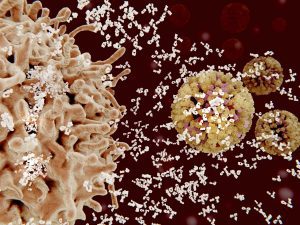 The role of Zinc in the immune system includes:
-
- helping to maintain the integrity of the skin and muscular membranes, preventing pathogen entry into the body.
- supporting the growth and differentiation of immune cells.
- supporting the phagocytic activity of monocytes and help regulate cytokine release.
- antibody production, particularly IgG and helping the immune system distinguish between “self” and “non-self”3.
This role has been recognised in an approved European Union health claim for zinc stating that it “contributes to the normal function of the immune system” and is available to foods that meet defined criteria within the EU4.
Are there Recommended Intakes for Zinc?
Zinc recommendations range from 5 to 11mg per day for adults, varying by each global region5. In the US, the Institute of Medicine (IOM) recommendations are 11mg per day for men and 8mg per day for women6.
Similarly, the Chinese Nutrition Society Reference intake (RNI) is 12mg per day for adult men and 8.5 mg per day for women8. In Europe, the European Food Safety Authority has established a Population Reference Intake of 9.4 to 16.3mg per day for men with low to higher intakes of dietary phytate and 7.5 to 12.7mg per day for adults women with low to higher intakes of phytate7.
Most people in developed countries get enough zinc through their diet, meaning their immune system isn’t missing the zinc it needs. For example, in the US around 18% of people do not meet the Estimated Average Requirement (EAR) of zinc per day.
This means most people are not zinc deficient, but certain people may still benefit from eating more zinc in their diet.
Where can Zinc be Sourced in Dietary Sources
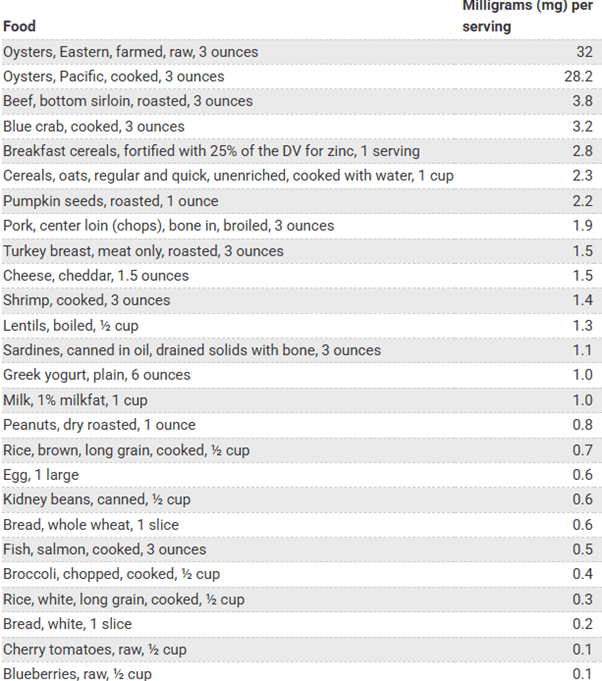
Zinc is mostly found in seafood, beef, poultry, beans, nuts or fortified cereal. Phytic acid, found in cereals, legumes and nuts, is known to decrease zinc bioavailability1. Evidence shows that the biofortification of varieties of staple crops may be useful in improving the zinc status of an individual5.
Table 1. Zinc content of common foods in the diet9
What Happens with a Zinc Deficiency?
Zinc deficiency is a widespread global health issue, particularly prevalent in low- and middle-income countries. About 17.3% of the world’s population10 is at risk of inadequate zinc intake. When the body doesn’t have enough zinc, it does not develop a strong immune response.
Zinc deficiency affects many different organs and tissues in the body with signs and symptoms varying by age9. For example, zinc deficiency can delay growth and cause diarrhoea and alopecia in children and it can alter cognitive and psychological function in older adults.
Most people in developed countries get enough zinc through their diet but it can affect more vulnerable groups. For example, the percentage of people in the US that do not meet the Estimated Average Requirement (EAR) of zinc varies from 16% in households with full food security to 27% in those with very low food security11.
In Europe, the average intake of zinc is above the recommended amount. However, certain vulnerable populations may benefit from including more zinc rich foods or supplements in their diet e.g. those on plant-based diets with little animal foods and the elderly5.
Are there Health Risk of Excess Intakes?
Excessive amounts of zinc can cause nausea, dizziness, headaches, gastric distress, vomiting and loss of appetite and chronic large doses of 50mg of zinc or more can inhibit copper absorption and reduce immune function9.
Excessive intakes from food sources are unlikely but may occur with excessive supplementation. The IOM Tolerable Upper Intake Level for zinc is 40mg per day for adults. EFSA has set the Tolerable Upper Intake Level (UL) for total daily zinc intake from all sources (diet and supplements) at 25mg per day for adults.
This level is based on the reduction of copper status12. Lower limits are recommended for younger groups.
Is Zinc Supplementation Effective?
 A 2024 Cochrane review 13 based on 34 randomised controlled trials in children and adults (15 prevention, 19 treatment) showed that compared with placebo, taking zinc preventatively may make little to no difference to whether a person catches a cold or to the duration or severity of the cold.
Taking zinc for treatment of an existing cold may reduce the duration but the authors were not confident of the quality of the result which they describe as low to very low.
The most common negative sides effects were irregularities in taste and stomach upset. A recent review however supports a preventive role of zinc supplementation in reducing the incidence and burden of respiratory infections, particularly in children with recurrent disease and in zinc-deficient populations14.
This article was published in March 2020 and updated on March 31, 2026.
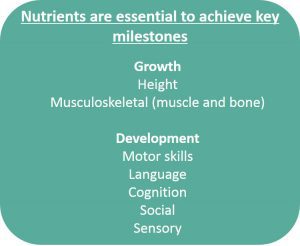 It is easy to think that kids’ bodies are so adaptable, they can eat anything and grow up to be healthy adults. Many parents remember a time when their kids only wanted to eat their favourite food rather than a balanced diet, but this is often short-lived.
Nutrients to Achieve Linear Growth
Linear growth occurs throughout childhood and adolescence and is mostly seen as increase in height and muscle mass. There are some periods of growth during this time that are particularly rapid.
If critical periods of growth are affected, such as by not providing enough energy or building blocks required by the body to fuel this growth, permanent stunting or lifelong low bone mineral density can occur.
The consequences can include lifelong increased risk of overweight/obesity and bone fractures.
An average 2-year-old boy’s height typically doubles and weight increases 5 times that of his starting weight by 20 years of age (CDC Growth Chart for Boys Age 2 to 20 years).

Protein and calories are building blocks that support rapid linear growth of muscle and tissues and also support healthy body composition (lean muscle versus body fat).
Providing adequate calories allows protein to be used for growing body tissues. Getting too many calories leads to overweight and obesity, which persists in adult years.
More than three out of four obese kids grow up to be obese adults (Freedman, 2001).
Protein needs to be adequate in quantity as well as quality by providing the nine essential amino acid building blocks. Dairy and egg protein sources are gold standards when it comes to protein quality.
Generally, animal and soy are complete proteins, but plant proteins can provide a complete complement of amino acids when paired appropriately.
Children and teens restricting animal protein foods need to be extra vigilant to consume foods that will help them meet their essential amino acid needs, as well as other nutrients present in animal foods (like calcium, iron, zinc and choline).
Calcium and vitamin D support linear bone growth and build bone density. Up to 90% of peak bone density is achieved by 18-20 years of age (National Institute of Health, 2015).
For the rest of a person’s life, the body relies on bone as a reserve to draw on in times of need. This means that if children and teens don’t consume enough calcium and vitamin D during this time of peak bone growth, they are at a higher risk of osteoporosis because less has been stored in the bone for use in later years.
Iron is an essential part of red blood cells that deliver oxygen throughout the body, including active muscles and the brain. As the body grows, blood volume expands to keep pace. Moreover, for adolescent girls, menstruation more than doubles demand for iron to replace blood losses.
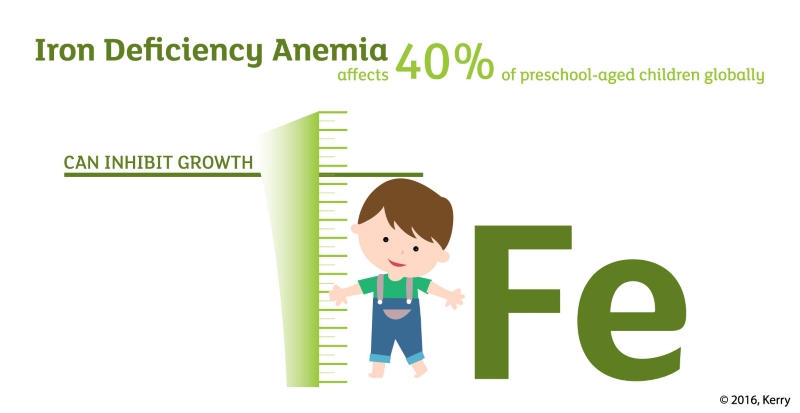
Zinc is a metabolic facilitator supporting numerous processes associated with growth, sexual maturation, and immunity (Institute of Medicine, 2001; Caulfield, 2004). In many regions of the world, both iron and zinc intakes are inadequate due to limited availability of food sources of these nutrients.
This is typically the case when meat availability is limited, since plant sources of iron and zinc are not as available to be absorbed by the body due to factors such as dietary inhibitors, like phytate (a so-called ‘anti-nutrient’ that binds minerals in the digestive tract), found in many plants.
Nutrients to Achieve Cognitive and Sensory Development
As with linear growth, nutrients serve as both structural building blocks and as regulating factors in developing cognitive and sensory systems. Key nutrients are highlighted here, but many other nutrients are essential for health.
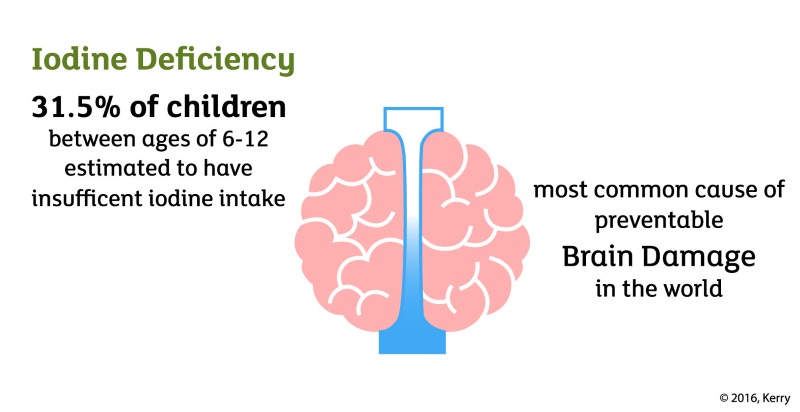
Iodine is required to synthesize hormones in the thyroid gland that are especially important for the developing brain.
Zinc is an essential facilitator for dozens reactions that regulate growth, so it is no surprise that zinc is involved in cognitive development. Supplementation in high-risk young children is not supported by evidence for improving cognitive outcomes, so preventing deficiency is key (Gogia, 2012).
Iron plays a direct role in the nervous system. Moreover, iron-deficiency is associated with fatigue and impaired immunity, which may affect school attendance and ability to perform at school.
Emphasising dietary sources of iron, managing dietary inhibitors, and selective fortification combined with disease management continue to be public health priorities.

Brain cells are enriched in a specific long-chain omega-3 fatty acid called docosahexaenoic acid (DHA). The benefits of supplemental DHA among children and teens is being actively researched.
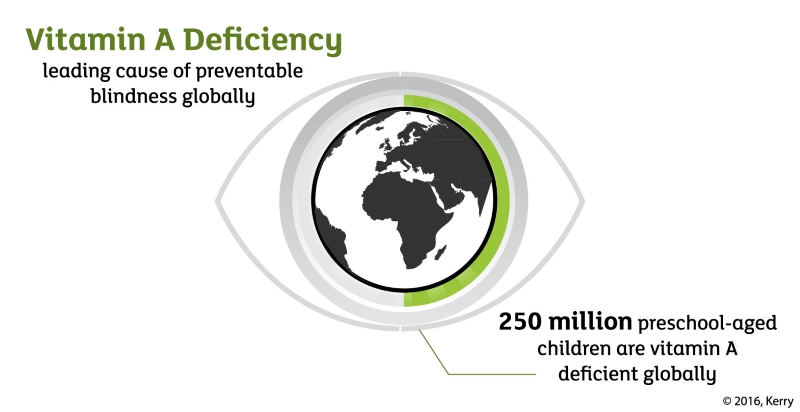
The brain is not the only part of the nervous system developing in early age. Our senses are also developing. When it comes to vision, vitamin A is essential (Institute of Medicine, 2001).
The carotenoids lutein and zeaxanthin are present in the retina of the eye and in brain tissue where they may serve as important antioxidant protection.
Putting Nutrients into a Food Perspective
With so many nutrients critical for healthy growth and development, it may seem impossible to balance getting enough of each nutrient without too many calories.
However, keep two simple principles in mind.
- Provide a variety of nutrient-rich foods while limiting high caloric density foods. For more specifics, the American Academy of Pediatrics provides a feeding guide with respect to foods, portions and daily amounts (Daniels 2015).
- Tailor foods for children and adolescents to their specific needs. Plant foods can be modified to improve protein quality or processed to remove anti-nutrients, making vitamins and minerals more easily absorbed by our bodies. For example, different plant proteins can be mixed to create complementary proteins which contain all of the essential amino acids. Techniques such as soaking, cooking, or fermenting can reduce the amount of anti-nutrients in plant foods. The types of nutrients and amount we put into foods targeted to kids should reflect what their bodies’ need. In the age of consumers seeking short ingredient lists, it is important to make sure vitamins and minerals do not become collateral damage.
- Help kids develop food preferences for a variety of foods. Childhood is a key time to develop food preferences beyond those they are born with. It can take between 6 to 15 exposures before preference increases, but children exposed to a variety of foods early in life retain a preference for these foods over time (Ventura, 2013). Read our blog ‘Turning Fussy Young Eaters info Foodies’ for more on helping kids learn good eating behaviors.
As experts working in the food industry, we can make a positive impact on kids health by focusing on balancing cost with delivering key nutrients in low to moderate calorie forms, while helping kids explore and expand food preferences.