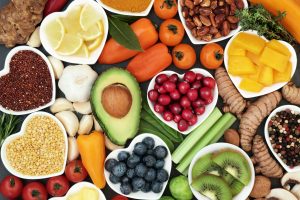
The immune system is constantly active and needs energy from macronutrients like carbohydrates, fats and proteins. Protein also supplies amino acids to build immune cells and enzymes that help destroy pathogens. These enzymes also require vitamins and minerals as cofactors to function properly.
So, while it may sound obvious, a varied and balanced diet that provides adequate nutrients is the foundation of a healthy immune system. However, some nutrients receive particular attention for their role in immune health, including vitamins A, C and D, as well as the minerals such as zinc and selenium1.
There is also evidence for the immune benefits of other nutrients and ingredients, such as long-chain omega-3 fatty acids, probiotics and beta-glucans2.
Immunonutrition
Read how each of the nutrients listed below support the immune system. It is important to bear in mind that micronutrients have additional health benefits to immune health. Click on each nutrient/non-nutrient below to learn more:
How the Immune System Works?
The immune system is the body’s way of protecting itself from infection by foreign invaders like bacteria and viruses. It helps the body stay healthy and recover when illness does occur and is made up of the innate (general) and adaptive (specialised) immune system3.
The innate immune system is the body’s first line of defence. When pathogens like infectious bacteria or viruses get into the respiratory tract or gastrointestinal system, the innate immune system responds by sending cells like neutrophils or macrophages to remove the threat. These cells try to engulf the invading pathogen or create enzymes to destroy it.
The adaptive immune system specifically targets the pathogen and takes over from the innate immune system. It is often described as the ‘memory’ of the immune system. Once exposed to a pathogen, the immune system can remember the identity of that pathogen for the future and quickly mount a defence specific to that pathogen.
Impact of Age and Physical Activity on Immune Health

Immune health becomes especially important in vulnerable age groups like infants and the elderly. Both physical and psychological stress can also compromise the immune system. Examples include over-exercising, emotional stress and surgery.
This article was published in March 2022 and updated on June 15, 2026.
What are Gut Microbiota?
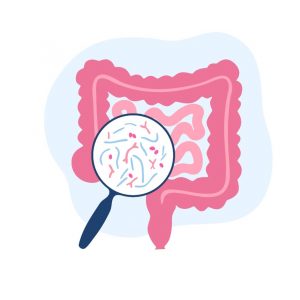
The ‘gut microbiota’ refers to the microorganisms (which may include bacteria, fungi and viruses) living in our intestines and they play a vital role in gut health and the management of several gastrointestinal disorders.
The term ‘microbiome’ refers to both microorganisms along with their collective genomes and metabolites (the molecules they produce)1.
The composition of gut microbiota can be affected by a wide variety of dietary components including carbohydrates, dietary fibres, fat, polyphenols, plant extracts and by ingredients such as fermented foods, prebiotics and probiotics2.
What are Probiotics?
Probiotics are defined as “live microorganisms that, when administered in adequate amounts, confer a health benefit on the host”3. Usually, this benefit is exerted in the gastrointestinal tract.
Probiotics influence health through non-specific, species-specific and strain-specific mechanisms. Non-specific effects—varying across strains and species—include inhibiting pathogenic microbes in the gut, producing bioactive compounds like short-chain fatty acids and lowering colonic pH.
Species-specific actions may involve vitamin synthesis, strengthening the gut barrier, bile salt metabolism, enzymatic functions and toxin neutralisation. Together, these mechanisms can broadly affect human health and disease4.
It is key to remember that the health benefits of probiotics are considered to be strain specific.
For more information on how probiotics work see this section.
How do Probiotics Impact the Immune System?
Immune health is one of the more commonly studied health outcomes of probiotics and the following mechanisms have been proposed4, 5:
- Probiotics have been shown to help protect against infection by improving the strength of the intestinal barrier. This reduces the ability of infectious microbes to enter the body via the gastrointestinal tract.
- Enhancing phagocytic activity (the process of engulfing and ingesting solid particles, such as bacteria by the cell membrane).
- Some probiotics, or the products they produce, can interact with immune cells of the human body to influence their effectiveness. For example, some probiotics can increase the production of cytokines (e.g. Interleukin-1 (IL-1), IL-2, IL-10, IL-12, tumour necrosis factor alpha (TNF-α)) in the intestine. These cytokines act as chemical messengers to regulate immune responses.
When it comes to researching aspects of immunity, studies often measure the frequency of the common cold or upper respiratory tract infections (URTIs) and the duration and severity of symptoms among study participants.
A 2022 Cochrane Review5 titled “Probiotics for Preventing Acute Upper Respiratory Tract Infections”, which included 23 randomised controlled trials, found that probiotics were significantly better than placebo or no treatment for reducing the number and duration of URTIs.
They also reduced the number of participants who used antibiotics for URTIs. This means that probiotics are likely working with the immune system to have a protective effect against the pathogens that cause URTIs.
Because studies have shown that probiotics may have an impact on upper respiratory tract infections (URTIs), there was significant interest in their potential role during the COVID-19 pandemic.
However, the International Scientific Association for Probiotics and Prebiotics (ISAPP) stated that no probiotics or prebiotics have been shown to prevent or treat COVID-19 or to inhibit the growth of SARS-CoV-26.
In the post-pandemic period, probiotics continue to be studied for their possible role in areas such as vaccine effectiveness and support for individuals experiencing post-COVID-19 syndrome7.
Antibiotics can disturb gastrointestinal microbiota and lead to reduced resistance to pathogens such as Clostridioides difficile and associated diarrhoea (CDAD). The use of probiotics for the prevention of Clostridioides difficile infection has been researched for many years.
A recent Cochrane meta-analysis concluded that probiotics may be effective for preventing CDAD in those receiving an antibiotic for any reason, suggesting that for every 65 people taking probiotics, one case of CDAD may be prevented8.
Large trials comparing probiotics with placebo in people with a low risk of CDAD are needed. This will be an interesting area to keep an eye on as the science progresses.
How to Choose a Probiotic
Resources from the International Scientific Association for Probiotics and Prebiotics (ISAPP)
The probiotic marketplace can be confusing for consumers. See for some basic information on how to choose a probiotic for healthy people. There is also useful information about how to read a US and hypothetical European probiotic label.

Here are some basic principles to guide your search:
-
- There is no one strain or one dose that is best. Sometimes lower dose products or products with fewer strains have the best evidence.
- Any health benefit claim made should be substantiated with a human trial. The types of claims allowed in the US on foods and dietary supplements are restricted by law. Contact the manufacturer to get information on what studies have been conducted, or consult Clinical Guide for Probiotic Products Available in the United States9 or the Guide to Probiotic Products Available in the United Kingdom10.
- One of the biggest challenges in the probiotic market is keeping the probiotic strain alive. Responsible manufactures go to great lengths to be sure their probiotics retain viability and deliver an efficacious dose through the end of the product’s shelf-life. Unfortunately, not all products on the market are responsibly formulated so consumers should buy products from companies they trust.
Resources for Healthcare Professionals
In addition to resources from ISAPP, in 2023, the World Gastroenterology Organisation published a resource for professionals working specifically in gastroenterology “WGO Practice Guideline. Probiotics and Prebiotics”11.
Resources for Researchers
Health benefits of probiotics can be strain-specific and meta-analysis may not represent the ‘gold standard’ for evidence in this area. This paper identifies common mistakes and offers expert panel recommendations for conducting meta-analysis for probiotic studies12.
This perspective literature review describes state-of-the-art tools for harnessing the microbiome for precision health and a corresponding future vision of healthcare13.
This article was first published in April 2020 and updated on March 11, 2026.
Early human microbiome studies overlooked the mammary glands, but in 2000 the discovery of lactobacilli in healthy breast milk shifted scientific attention towards Human Milk Probiotics (HMPs) and their benefits on maternal and infant health.
HMPs are the live beneficial bacteria that are naturally present in breast milk.
Over the past number of years, HMPs have seen a surge in scientific interest, driven by growing awareness of the microbiome’s role in maternal and early-life health and immunity.
Recently, the science on HMPs was presented by KHNI experts at two industry conferences, ChinaGut in Zhejiang, China, and Growth Asia Summit in Singapore.
ChinaGut 2025
The ChinaGut 2025 conference with the theme of “GUTSY Young, Bright Future “, was held from June 6 – 8, 2025 at the Ningbo International Conference Centre, Zhejiang, China. This year’s event featured over 30 academic sessions, more than 10 industry-focused sessions, and fourteen key scientific areas including the microbiome, nutrition, digestive system diseases, and immunity.
Dr. Jaume Núñez, Product Manager for Vegetative Probiotics at Kerry, presented the latest scientific research on HMPs as well as providing market trends and consumer insights. Breast milk is the gold standard of infant nutrition, containing all nutrients required to support a baby’s healthy growth.
However, many mothers lack support or experience difficulties in breastfeeding leading to infants not reaping the benefits of consuming breast milk.

One of the top reasons why women stop breastfeeding is due to mastitis which occurs in approximately 10-20% of mothers who are breastfeeding. Dr. Núñez highlighted that mastitis is associated with a dysbiosis in the microbiota in breast ducts.
Research findings presented showed the benefits of HMPs supplementation (specifically Lactobacillus) for the prevention and treatment of mastitis, as well as improving infant health. HMPs are believed to play a role in antimicrobial defence by inhibiting bacterial growth.
Other potential mechanisms of action include increasing the abundance of microbes which produce favourable metabolites, reducing intestinal dysbiosis, and activating the host’s immune response.
A comment from Dr. Núñez:
“Over half of Asian female supplement consumers are seeking alternative solutions to support their pregnancy and breastfeeding journey. When a mother’s microbiota is transmitted to her baby, this plays a key role in immune system development, allergy and asthma prevention, and nutrient absorption. Therefore, the addition of HMPs may play an important role for bottle-fed babies. We need to keep deepening into HMPs mechanisms of action and how they adapt to the different metabolic and immune characteristics of a woman or a child.”
Growth Asia Summit 2025
At the recent Growth Asia Summit 2025 in Singapore in July, two main research topics stood out namely Healthy Ageing, particularly the role of cellular interventions in extending people’s health span versus lifespan, and Women’s Health, with strong focus on nutrition across life stages.
A presentation on HMPs and their positive impact on maternal and infant health was given by Dr Mónica Maria Olivares, RDA Director of Women’s and Infant Health at Kerry. The audience heard about the fast-growing probiotics market in the Asia Pacific region.
Dr. Olivares followed on by emphasizing the importance of an infant’s first 1,000 days of life, i.e. from conception to two years, for lifelong health.
Similar with what Dr. Núñez discussed in China, one of Dr. Olivares key messages was that breast milk provides essential nutrients and probiotics that nurture an infant’s gut and immunity.
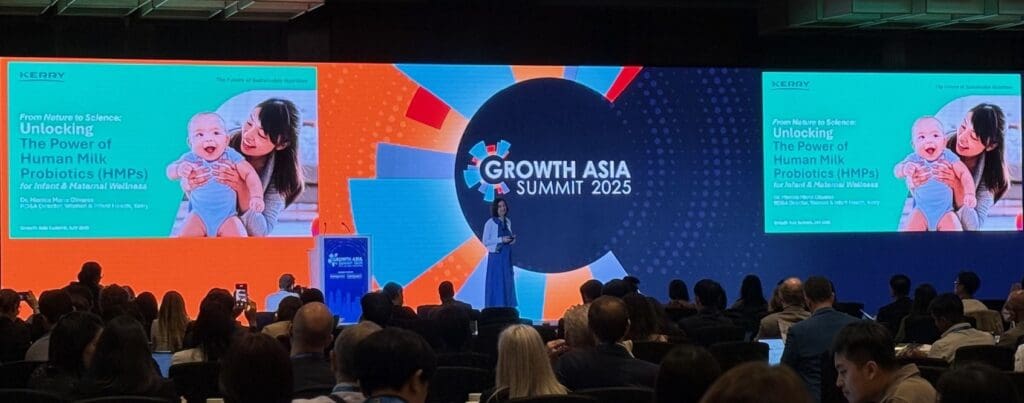
Research documenting the benefits of HMPs such as enhanced infant gut microbiome development and improved resistance to gastrointestinal and respiratory infections was presented.
Different mechanisms, such as the competition with pathogenic bacteria, production of antimicrobial compounds, maturation of the immune system, and improvement of the immune response, have been attributed to the anti-infectious activity of HMPs.
In summary, our understanding on the health benefits of HMPs for mothers and infants continues to evolve. Further research will give further insights into their health promoting effects and may elucidate the distinct mechanisms of action for specific strains.
Subsequently, this will increase the availability of targeted products to support mothers and infants through breastfeeding.
Premenstrual disorder (PMD) encompasses a spectrum of symptoms experienced by women in the luteal phase of the menstrual cycle, manifesting as physical, emotional, and behavioural changes that can significantly impact daily life.
While the exact cause of PMD remains multifactored and complex, emerging research highlights the influential role of diet and the gut microbiome in modulating hormonal balance and mood regulation.
Understanding the intricate relationship between the gut, diet, and PMD is crucial.
PMD, as its name suggests, occurs 2 to 7 days (and sometimes more) before period and stops when it begins or on the following days. PMD affects millions of women of all backgrounds.
Recent studies establish that approximately 90% of women of childbearing age experience at least one mild symptom and that between 20-40%, the symptoms interfere with their daily activities1.
The most common symptoms of PMD include many manifestations, both physical and emotional. These symptoms are sore or tender breasts, headache, fatigue, skin changes, acne, irritability, mood swings, food cravings, and depression.
There are also gastrointestinal (GI) symptoms such as intestinal pain and bloating, diarrhoea or constipation2. PMD is not associated with age, educational level, or revenue3.
The pathophysiology of PMD is not clear, but experts link PMD with hormonal changes, serotonergic dysfunction, impaired gamma-aminobutyric acid (GABA) function, stress, and poor lifestyle habits such as longer durations of internet use and shorter sleep durations.
Treatment of PMD includes prescribed drugs, such as oral contraceptives or serotonin reuptake inhibitors (with some adverse effects), lifestyle modifications (meditation, exercise, diet, etc). Dietary changes include consuming soy isoflavones and soy products, although not every woman is responsive to these natural compounds.
A recent review concluded that diet is an essential modulating factor to manage PMD symptoms although clear and specific recommendations are difficult to conclude. It is suggested that calcium, magnesium, vitamins B & D, and some herbal supplements can be useful and effective to support quality of life and help to control some PMD symptoms3.
Role of Gut Microbiome in Premenstrual Disorder
The gut microbiome comprises trillions of microorganisms residing in the gastrointestinal tract, including bacteria, viruses, fungi, eukaryotic parasites, and archaea4. These microbes play a crucial role in host physiology, influencing nutrient metabolism, immune function, and neurological signalling.
The composition and diversity of the gut microbiome are influenced by various factors, including diet, lifestyle, medications, and hormonal fluctuations. An increasing number of studies are now linking PMD with imbalance of the gut microbiome.
Dysbiosis, characterised by an imbalance in microbial composition and function, has been associated with increased inflammatory markers, hormonal imbalances, and neurotransmitter disturbances—all of which are implicated in PMD symptomatology. Moreover, dysbiosis can disrupt intestinal barrier integrity, leading to the translocation of microbial products and triggering systemic inflammation, further exacerbating PMD symptoms.
Takeda et al.5 compared the structure of the faecal microbiome of women experiencing PMD that negatively affect their daily activities to women with no serious PMD (controls). Slight differences in microbiome were observed and the authors concluded that Parabacteroides and Megasphaera negatively predicted the more severe symptoms of PMD5.
In another study comparing Japanese women experiencing PMD, it was observed that alpha diversity was increased, and beta diversity was different in the PMD group than the control group. The composition of the faecal microbiome differed between women with PMD vs controls. After controlling for confounders, Collinsella spp. had the highest effect size in participants of 30-40 years of age6. But it is not just about who is there, i.e. what type of microorganism are part of the gut microbiome.
The gut microbiome plays a pivotal role in the production of various metabolites, including S-(-)equol, short-chain fatty acids (SCFAs), neurotransmitters, and hormones. Interestingly, it has been shown that only about 30-60% of people have a gut microbiome able to produce S-(-)equol, a metabolite biotransformed from isoflavones by certain gut microbes. S-(-)equol has agonist-antagonist oestrogen action, which contributes to improvement of PMD symptoms7.
SCFAs (butyrate, acetate, and propionate), have anti-inflammatory properties and exert regulatory effects on immune function and synthesis of neurotransmitter.
Furthermore, certain gut bacteria can produce neurotransmitters like serotonin, dopamine, and gamma-aminobutyric acid (GABA), which modulate mood, cognition, and behaviour8. Dysregulation of these microbial metabolites may contribute to the mood disturbances and cognitive changes observed in PMD.
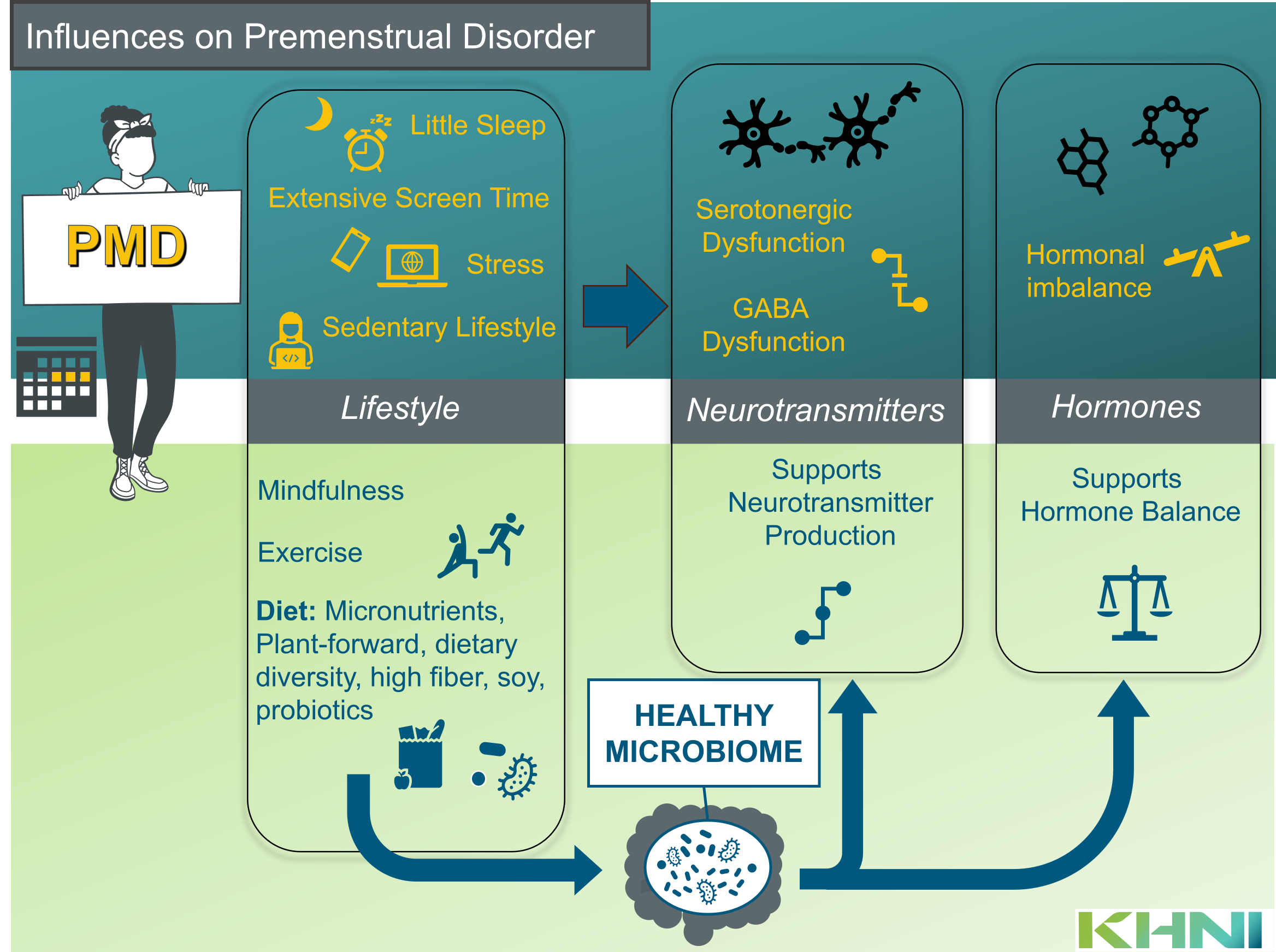
There are many influences on PMD. From lack of sleep and extensive use screens to added stress and sedentary lifestyles. These lifestyles result in dysfunction in serotonergic and GABA transmitters and hormonal imbalance.
By modifying one’s lifestyle to include exercise, mindfulness, and a healthy diet (including dietary diversity, high fibre, probiotics, etc.), this improves the gut microbiome, which supports neurotransmitter production and hormone balance.
Premenstrual Disorder and Probiotics
Some probiotics have been shown to synthesise metabolites such as SCFAs, neurotransmitters, and hormones. Probiotics have also been evaluated to alleviates symptoms of PMD.
In 1996, a study on sixteen women administered three capsules daily of a probiotic containing one billion of L. acidophilus NCDO 1748 and one billion of Bifidobacterium bifidum NCDO 2203 strains in combination with antidepressant drug (S-adenosyl-L-methionine) revealed modulation of their gut microbiome, normalization of enzymatic activities of faecal enzymes and relief of PMD symptoms, as observed in most participants9.
More recently, in a study on 80 women experiencing PMD, women receiving 10 billion L. paragasseri OLL2809 daily had less irritability and greater change in premenstrual arousal score compared to placebo after three menstrual cycles10.
Tablets of L. gasseri CP2305 were administered daily to 56 women over the course of 6 cycles. Overall, the probiotic group reported less PMD symptoms than placebo, including depressed mood and anxiety. Also, in this group, an increase in salivary oestradiol and progesterone in the luteal phase was observed11.
Unfortunately, the exact mechanisms of action (MoAs) of probiotics to alleviates symptoms of PMD is not clearly known.
Action on the mucosal barriers and immune system to modulate gut inflammation, antimicrobial activity against pathogenic microbes, secretion of gut hormones, and neurotransmitters are some MoAs that have been associated with probiotics in this context.
Lactobacilli and Bifidobacteria have been shown to biotransform dietary isoflovanes into S-(-)equol or dietary fibres in to SCFA, two types of metabolites that have been associated with better outcomes in PMD.
Conclusion
The gut microbiome exerts profound effects on various aspects of women’s health, including the pathophysiology of PMD.
Dysbiosis-driven inflammation, hormonal dysregulation, and alterations in neurotransmitter signalling contribute to the complex symptomatology of PMD. More research in this field is needed to fully explain these complicated interactions so optimal treatments are available to relieve the symptoms of PMD.
However, these initial research developments suggest that women who suffer from PMD may be able to manage their symptoms through dietary approaches to support their gut microbiome such as incorporating micronutrients, prebiotics, probiotics or probiotic-rich foods.
By focusing on gut health, women can have a holistic and accessible approach to mitigate the symptoms of PMD, ultimately enhancing their quality of life.
Long before we knew about a gut-brain axis, people have experienced events that impact both their brain and their bowels. For me, one I recall quite vividly is waiting for my name to be announced at a public speaking event. While I waited, all that I could think of was “should I fight it out in the green room or flight to the wash room”. The competing feelings of pressure to perform or or the physical pressure that urges us to run to the wash room has intrigued many researchers to investigate if stress affects the stomach or vice versa. Today we know that there is a connection. So, can we alter the brain through the bowel?
Key takeaways:
-The gut is your “second brain”
-A dysfunctional gut microbiome can be the root cause of anxiety
-Highly processed, low fiber foods disrupt microbiome balance and consuming psychobiotics and fermented products such as yoghurt and kombucha can confer protection against mild anxiety
We have “two” brains!
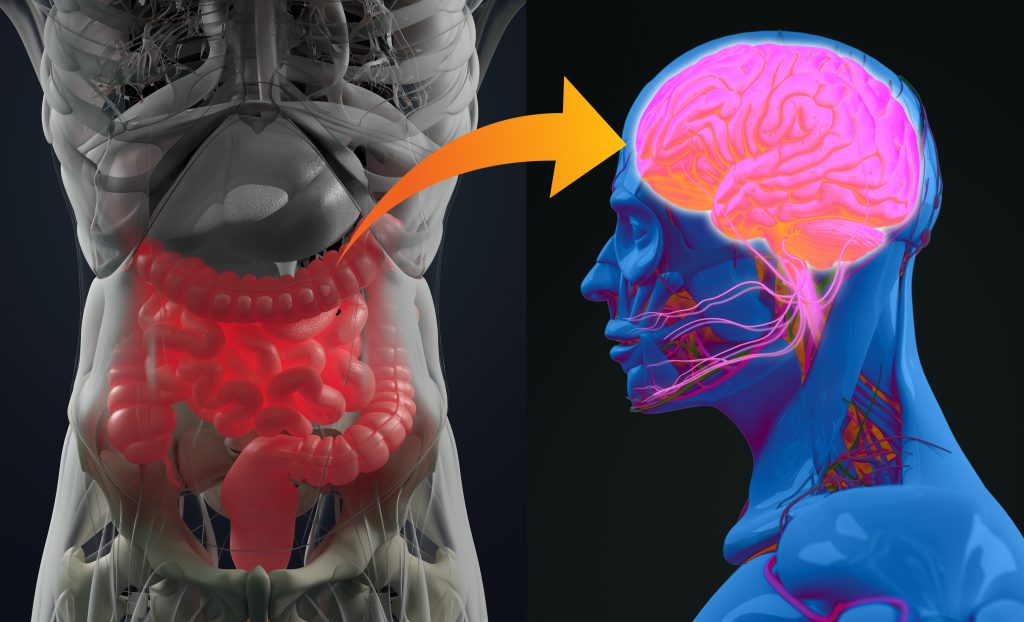
Situated in your head is the seat of the Central Nervous system (CNS) made up of the brain and spinal cord. It is rightly called the “first brain” due to its primary role in controlling body functions. Also, situated in the bowel is the Enteric Nervous System (ENS), a nine meter network from your esophagus to the anus. The ENS and CNS are formed from the same embryonic tissue, share similar neuronal networks, and hormones. The gut brain produces the same amount of dopamine (‘high’ hormone) and 90% of serotonin (‘happy’ hormone) compared to the first brain. The gut brain can work independently, and is responsible for 70% of the body’s immune system which earns it the right to be called the “second brain”.
Brains chat!
Not only do we have two ‘brains’, but there is also a bidirectional communication line between them through the vagus nerve. The vagus nerve is the main nerve in our body linking the brain with organs like the digestive tract, heart, and lungs.
Let us go back to the green room situation and learn how the brain talks to the gut. The anxiety ridden thought of speaking in front of an audience caused the CNS to release the stress hormone ‘cortisol’. The primitive function of cortisol is to prepare us to flee in the face of danger, thus increasing the blood flow to the limb muscles. In turn, the blood flow to the ENS reduces, the colon contracts in protest, and the digested waste moves along the colon quickly, leading to the quest for the nearest washroom.
Now, the gut brain also talks to the head brain chiefly to regulate the ‘eat or starve” equation. The hormone ghrelin is released in the stomach, signals hunger. After a meal, the satiety hormone leptin indicates to stop eating. When we are under stress the gut releases dopamine. No wonder the glazed donut feels so tempting when we have a deadline to meet!
The Second brain is bugged!
We harbor a large microbial ecosystem on and in our body that outnumber the human genes by factor of 100. An average person has approximately 1.5 kilograms of gut bacteria called the microbiome. This begs the question “Are we less human and more microbial?” There is now a significant body of evidence that indicate that physiological and psychological disorders (anxiety and depression) are influenced by the gut microbiota.
|
Get KHNI articles delivered to your inbox
|
“Feel good” hormones are in the gut!
40–60% of patients with functional gastrointestinal disorders experience psychiatric symptoms and up to 50% of psychiatric patients are diagnosed with irritable bowel syndrome (IBS). Patients suffering from IBS have spells of anxiety, and are treated with antidepressants that increases serotonin availability. Serotonin is a hormone implicated in regulating mood in addition to gut motility and is produced in the gut enterochromaffin cells (EC cells). Alterations in serotonin content and EC cell numbers have been observed in IBD patients. Surprisingly, patients treated with antidepressants showed improved IBD relapse rates and reduced use of medications. Antidepressants modulate the serotonin content by slowing down the secreted serotonin reuptake in the brain. The finding that gut microbes can modulate serotonin levels raises the interesting prospect of using them to drive changes in mood and alleviate anxiety.
Manipulate the mind with microbes!
 In healthy conditions, the tight junctions in the gut inner layer and mucus layer form a physical barrier to bacteria and antigens. Factors like antibiotic treatment, poor diet, infection as well as stress can disrupt the intestinal barrier (leaky gut) and affect mucosal permeability. Pathogens that had a restricted entry before can now easily pass across the mucosal lining to access immune cells. Metabolites of these pathogens like toxins and inflammatory molecules enter the blood stream and cause altered moods and anxiety in the host. Campylobacter jejuni administered orally to rats in subclinical doses led to anxiety-like behavior, while the depression in germ free rats (delivered surgically and raised in sterile isolators) could be reversed by administering Bifidobacterium infantis that exclude pathogens and strengthen the intestinal barrier to improve the mental states (psychobiotics).
Psychobiotics?
Probiotic and other gut commensal bacteria produceadequate amounts of metabolites (serotonin, GABA (gamma-Aminobutyric acid) essential for feeling of wellbeing.
There is some convincing evidence for the antidepressant properties associated with targeting the gut microbiota. For example, reduction in anxiety and depression in healthy women after administration of probiotic formula (containing Lactobacillus helveticus and Bifidobacerium longum) for 30 days; significant decrease in anxiety symptoms in patients with chronic fatigue syndrome after 2 months therapy with Lactobacillus casei ; improvements in brain activity in areas that control emotion processing in women who were given probiotic fermented milk product. In the future, we might find that psychobiotics could restructure the gut microbiota to achieve society-wide control on mental illnesses. Although we are still a long way away from this level of understanding, it can be interesting to think about possibilities the future holds as we begin to learn more about the gut-brain axis.
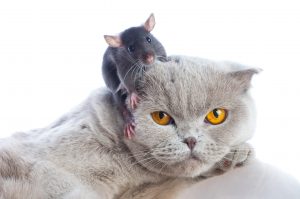
If you are still sceptical about the benefits of psychobiotics, let me tell you about the Toxoplasma infected mice who sought out cats and got eaten because the parasite churned out GABA (gamma-Aminobutyric acid), which reduces anxiety. Probiotic-fed mice showed increased GABA levels, too, and were fearless to stand up to the cat. That is what I call a gutsy mouse.