The future of food production relies on significant advances in microbiology, bioprocessing, enzyme technology and artificial intelligence, to feed a growing population while also reducing the negative impacts of food production on the planet.
Recent advances in synthetic biotechnological processes such as precision fermentation and enzyme & strain engineering are proving pivotal in the development of future sustainable nutrition.
And they are directly influencing many of the global challenges such as improving the efficiency of agricultural processes, reducing food waste and addressing consumer demands for healthier, more sustainable products without any compromise on taste.
Enzymes – Nature’s Biocatalysts Enable Sustainable Nutrition
On this sustainability journey, enzymes have become an increasing important ally due to their high efficiency, specificity and their ability to create a more efficient food system.
Used in food production for centuries and produced commercially since the mid-20th century, enzymes, as nature’s biocatalysts, are a multifaceted biotechnology for the food and beverage industry, enabling operational efficiencies, improving product quality, extending shelf life, valorizing waste streams, unlocking nutrients and more.
To maximise their impact, enzymes must be highly efficient & economically competitive in their industrial settings, this requires finely tuned biocatalysts that are not only robust and stable but highly selective under industrial process conditions.
And here lies the exciting part, scientists have only just reached the tip of the iceberg in understanding and exploiting the potential of enzymes.
Remarkably, only a tiny fraction of all potentially available enzymes from natural resources have been discovered and utilised to date.
When you couple this incredible potential with increased consumer focus on health, environment, sustainability and the ongoing research and innovation focus on enzymes optimisation, it is clear that the future of enzymes is to positively disrupt our food system by building a more efficient and sustainable food chain.
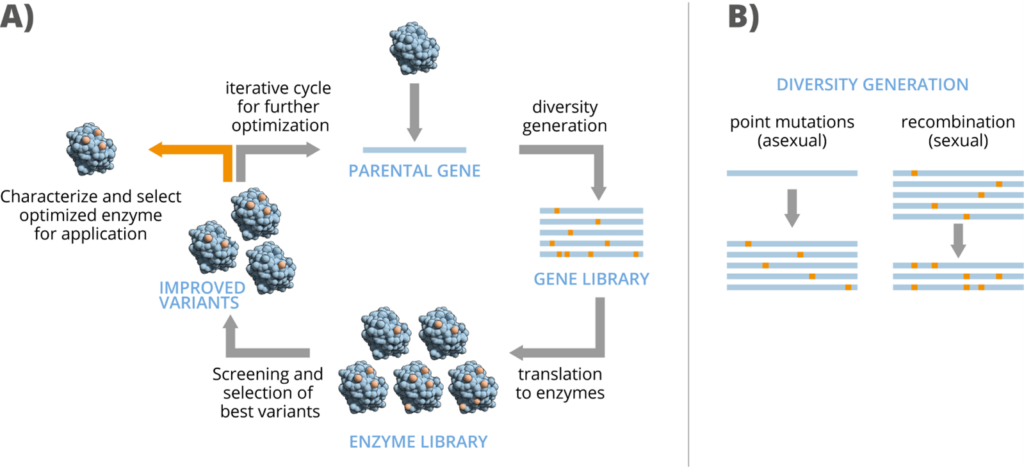
Image from: Industrial Enzyme Applications (2019)
To date, food and beverage manufacturers have utilised to great effect the power of well-known enzymes in application, but to truly transform food production, novel functionalities are required.
As a result, there is a new wave of directed evolutionary enzyme technology to deliver improved functionalities to new or existing enzymes, which enable food producers to create healthier, tastier products that have less impact on the environment.
For example, the food and beverage industry is now on an on-going quest for safer and cleaner methods to produce various compounds such as sweeteners, emulsifiers, pre- and postbiotics and fermented ingredients.
Inspired by the work of individuals such as Frances Arnold (2018 Nobel Prize Winner in Chemistry), this has triggered a focus on harnessing enzymes and enzymatic cascades that will complement or even replace bulk chemical ingredient and high energy processes with more natural and sustainable options.
Optimizing Enzymes through Bio-Engineering
Enzyme engineering allows the optimisation of enzyme properties through introduction of changes into the amino acid sequence of the protein.
These properties include enzyme activity, selectivity, stability as well as the appropriate substrate scope and concentration.
This begins with the use of enzyme variant libraries which are analysed in a high-throughput format for the desired properties.
Bioinformatics is used to design genes, analyze structural and sequence information and finally store the data sequence and function in a database. The latter allows us to learn from the gathered data using Artificial Intelligence and Machine Learning.
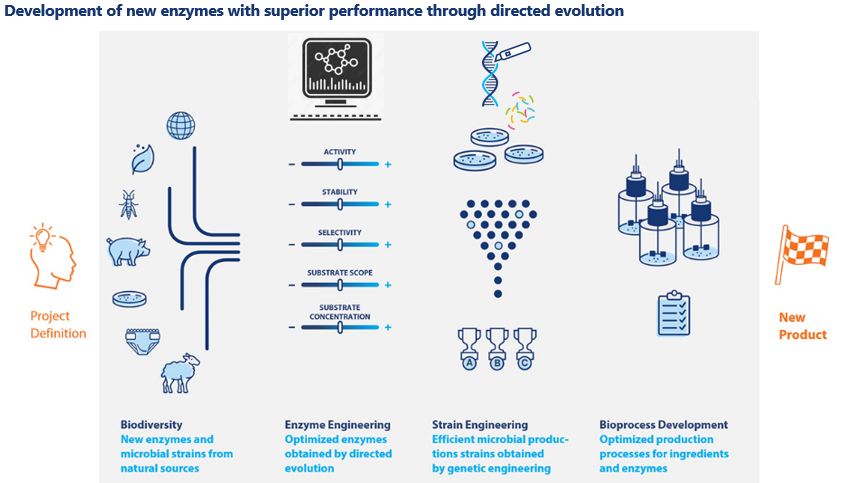
Using this variant information coupled with molecular biological methods in hand, it is possible to train microbial strains, which grow to high cell densities in large fermentation vessels to produce an enzyme from a different origin to high titers.
Several host organisms from bacterial, yeast and fungal kingdom have developed enzyme production strains. They differ in their capability for the functional production of a foreign enzyme, which depends on the source and nature of the enzyme.
As there is no universal production strain, an enzyme producer needs a portfolio of different strains and the expertise to cultivate them to high densities and to maximise enzyme production.
Challenges to Accept GM Technologies
However, there are many challenges regarding the implementation and acceptance of such technological developments.
One such challenge will be the opinion of the consumer, who ultimately needs to be convinced that future food will be in some part produced by engineered microorganisms.
Interestingly the utilization of engineered non-wild-type microorganisms may sound futuristic but there are already many examples of commercial products from engineered microbes. For example, in food production, engineered microbes can be used to produce specific enzymes to help degrade acrylamide in coffee extracts or to more efficiently produce natural high-intensity sweeteners from plants.
These examples illustrate the potential for balancing traditional food fermentation practices and modern biotechnologies.
As new enzymes are brought into the food chain, the requirements to meeting food safety regulations is of key and growing concern.
Additionally, the rapid and continuous improvement of genomic technologies which are used to characterise and classify production strains (future and current) will significantly impact the regulatory landscape regarding their use in food, feed and beverage applications.

The dynamic landscape of sustainable nutrition is being reshaped by the remarkable strides in enzyme and strain engineering, as well as precision fermentation technologies.
The potential for these advancements to revolutionise food and beverage production is substantial, with the promise of enhanced efficiency in agricultural processes, reduced food waste and the creation of healthier, more sustainable products that cater to evolving consumer preferences.
As we navigate the challenges associated with the acceptance of genetically modified technologies and ensure compliance with stringent food safety regulations, the ongoing collaboration between scientists, bioengineers and regulatory bodies will be pivotal.
The fusion of enzyme engineering with cutting-edge bioinfomatic approaches opens new frontiers for the creation of novel enzymes, paving the way for a future where sustainable nutrition is not just a goal but a reality.
What are Enzymes?
Enzymes are proteins produced by all living organisms. They are biological catalysts which conduct all biochemical reactions.
This is a natural part of physiological processes essential for growth and allow life. When your body wants to transform food such as starch in bread or pasta into energy enzymes are used to convert the starch to simple sugars which can be used by your cells.
Enzymes are efficient, and specific performing typically only one defined reaction over and over again. The fact that they come from nature means that they act at specific pH and temperature conditions/ranges, which make them sustainable and biodegradable alternatives to chemical processing in the food industry.
Industrial enzymes can be extracted from plants or produced by microbial fermentation and purified.
Why are Enzymes in Food?
Enzymes have been used in food production for thousands of years. Our early ancestors discovered that cows stomach could turn milk into cheese.
Today, we use enzymes in food to manufacture of everything from bread, wine, beer, juice and dairy processing and much more besides.
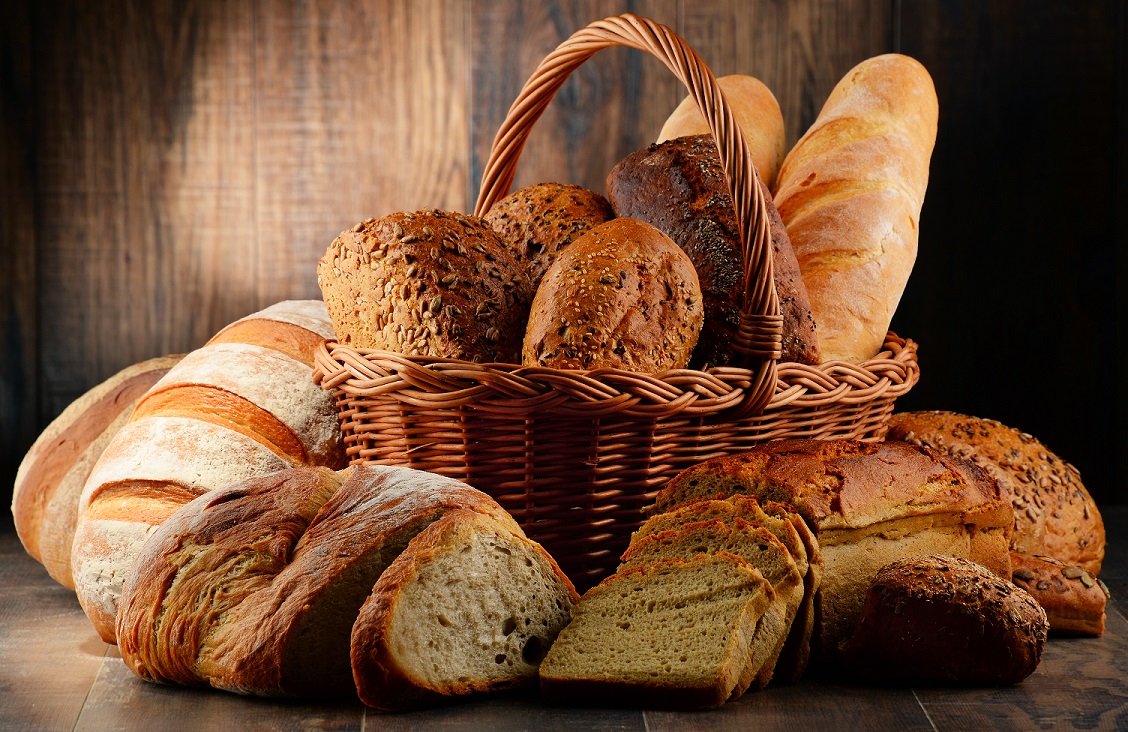
In the bakery industry, different type of enzymes can be used as a natural way to keep bread softer for longer, enhance dough tolerance during processing or allow for reduction the egg content.
Enzymes also enable manufacturers to use local grains like cassava to make beer and make dairy products suitable for those with lactose intolerance.
Sustainability Benefits of Enzymes in Bakery
In the bakery industry, different type of enzymes are a natural way to optimize raw material performance despite varying/seasonal quality, enhancing manufacturing efficiencies, softness, moistness, antistaling or desirably sensory properties of baked goods over extended shelf life, reducing additives and energy usage, food loss and food waste, with sustainability benefits.
A recent environmental footprint estimated calculation found that (www.epa.gov) just 1 loaf of bread releases 1.15kg of CO2 emissions and uses 194L of water, which is equivalent to the same CO2 emissions from fully charging 140 smart phones and 2 average daily showers.
Delving deeper into food waste, according to United nations environment programme up to 10% of GHG are linked to uneaten food, and 30% of all food produced in wasted, costing the global economy over $900 billion per year.
More especially the various type of bakery enzymes are offering different functionalities. Maltogenic amylase allows to keep bread softer for longer, to extend shelf life, by improving product sensory characteristics and appearance over longer shelf life, prolonging the onset of staling characteristics and reducing likelihood of food being wasted at home.
Xylanases are known to improve dough tolerance during processing. Asparaginase, to make baked good healthier by reducing the acrylamide content.
Some phospholipases allow to successfully reduces egg content by up in fine bakery applications such as muffins, stirred cakes, whipped cakes, croissants, donuts and brioche, with no change in dough handling or crumb structure versus a full egg recipe, eggs being crucial to bakers because of their specific functional properties and unique contribution to finished product sensory attributes: texture, softness, crumb structure, taste, including “binding”, “aeration”, “emulsification” and “colour”.
How Can Enzymes be Used for Nutrition & Health?
Digestive Enzymes – Reducing Lactose Intolerance Symptoms with Lactase
Lactose, the sugar found in dairy products, can cause problems like bloating and other gastrointestinal discomforts in people with lactose intolerance.
Lactose intolerance affects a significant amount of people worldwide, especially in places where dairy farming is not common. The incidence of lactose intolerance can be as high as 75% of the population in these areas.
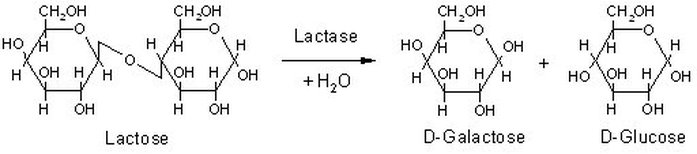
Enzymes can help lactose intolerant individuals enjoy dairy products with minimal side effects. Lactose is a sugar made of two smaller sugars: galactose and glucose (see figure below).
These sugars have a greater relative sweetness than lactose meaning that lactose free or low-lactose products that have been made with the lactase enzyme are sweeter in taste than those not treated with lactase.
In the food industry this can allow dairy products like yoghurt to be made with a reduced amount of added sugar but with the same taste profile.
Lactase is an enzyme that cleaves lactose into these two smaller sugars, neither of which cause the negative side effects of lactose in those with lactose intolerance. This is why you see the ingredient ‘lactase’ in lactose-free milks, for example.
Digestive Enzymes – Helping Infants Digest Formula
It is recommended by the world health organisation that infants be exclusively breastfed for the first six months of life so as to give the infant the greatest chance of achieving optimal growth, development and health, but for cases where this is not realistic or possible, infant formula is required.
Some infants have a hard time digesting certain types of formula, but enzymes can help in a few ways.
Comfort Protein – Infant Milk Formula (IMF)
Comfort infant formulas are made with partially hydrolysed milk proteins which are marketed as “easier to digest” infant formula made from cows milk.
These formulas can be produced using natural enzymes, called proteases, which target proteins and are derived from animal, plant or microbial sources.
Hydrolysis of milk proteins by proteases results in the formation of smaller peptides which are reported to be more readily digested than intact proteins.
In particular, parents of infants suffering from conditions such as colic, cite the use of comfort protein as reducing the severity of symptoms.
Hypoallergenic Formulas (IMF)
Most common IMFs use cow’s milk as a base, but a small percentage of infants are born with cow’s milk protein allergy (CMPA).
Formulas sold to address this condition can be divided into two types – those which are extensively hydrolysed (peptide-based) and those which are amino acid based.
Extensively hydrolysed proteins for this application are produced via enzymatic hydrolysis where the protease enzyme extensively breaks down the structure of the whey and/or casein protein to smaller peptides.
From the American Academy of Family Physicians: “Hypoallergenic formulas contain extensively hydrolyzed proteins that are less likely to stimulate antibody production. Infants with milk protein allergy fed hypoallergenic formula have slightly greater weight gain during the first year than infants fed standard formula. In addition, many infants show improvement in atopic symptoms. A few infants continue to have symptoms despite switching to hypoallergenic formula; nonallergenic amino acid–based formulas are effective for these rare cases.”
Enzymes for the Plant-Based Trend
The market for nutritional beverage is growing and cereal based beverages such as Horlicks, Bournvita, etc. have traditionally been very popular in certain markets.
The plant-based beverage market has continued to grow with milk-alternatives like soy or oat milk.
Enzymes are often used to help make these beverages more acceptable to consumers. For example, plant-based beverages like oat or rice milk can have poor emulsion stability, meaning products might separate out over their shelf life instead of remaining a consistent mixture.
Enzymes like amylase can help improve stability of the product. Much like lactase, amylase can also reduce the need for added sugar because the products of starch hydrolysis are sweeter than the starch itself.
If high viscosity is caused by high molecular weight (Mw) beta-glucan, as in the case of a beverage like oat milk, beta-glucanase can be used to make an easier to process, less viscous product.
However, since beta-glucan is the fiber associated with health benefits in oats, cleaving beta glucan with an enzyme would likely reduce the potential health benefit. If health benefits and fiber content are a focus, beta glucanase may not be the best solution.
Making Plant-Based Protein Hydrolysates Taste Better
With the rise in demand for plant-based proteins, there has been an increased demand for inexpensive plant-derived protein hydrolysates, owing to their significant potential in nutritional applications.
Hydrolysed plant protein (HPP) is most commonly produced via the enzymatic hydrolysis of a plant protein source such as soy, wheat, rice, sunflower, potato and alternative pulse proteins, and are used in a wide variety of food applications such as protein fortified bars and beverages.
Protease enzymes are most commonly used in the production of HPPs and under controlled conditions are used maximise protein yields from different plant sources and also to improve taste and sensory attributes.
From a commercial standpoint, plant proteins maintain unique taste attributes, and today’s HPP products are synonymous with bitter, unpleasant tastes often attributed to a high concentration of hydrophobic free amino-acids, smaller peptides and volatile compounds in the HPP mixture.
Enzymatic hydrolysis, both pre- and post-hydrolysis can help to significantly improve these undesirable sensory properties of HPPs.
This article was originally published on 15 September 2020. It was updated 19 June 2023 to reflect new information.
What Do Emulsifiers Do in Food?
Emulsifiers in food are used to improve quality or shelf life through strengthening dough in baked goods, stabilizing foams, preventing food from getting stale, or making foods more freeze-thaw stable.
They can be derived from a range of products like soy and sunflower lecithin to propylene glycol alginate. Emulsifiers can bind to two liquids that usually do not mix well together.
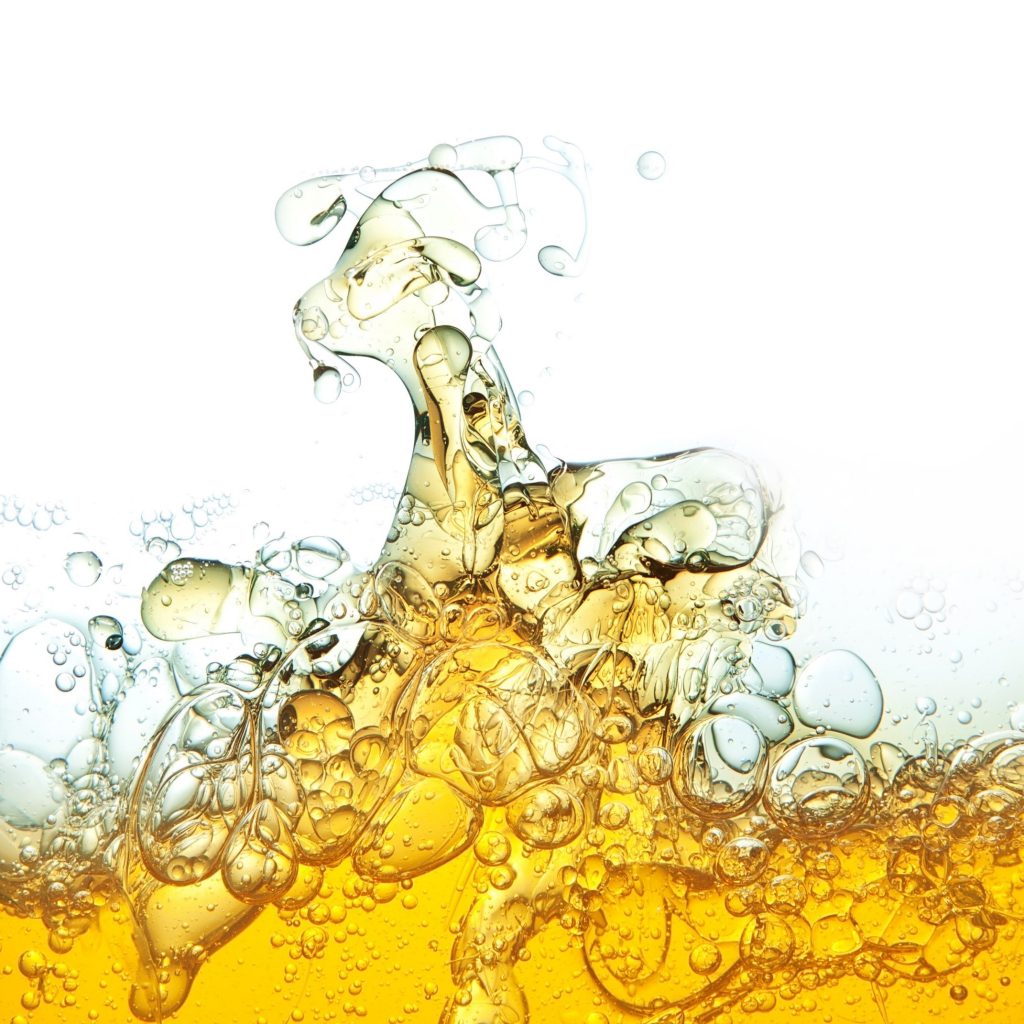
A traditional example is mixing (or rather, trying to mix) oil and water. These fluids don’t like to mix because of their chemical properties. This is where an emulsifier comes into play.
Emulsifiers have water loving (hydrophilic) and oil loving (hydrophobic) regions that allow the two immiscible ingredients like water and oil to join. Therefore, emulsifiers in the product keep all of the liquids mixed smoothly.
In the continuing age of decreasing the amount of food additives, it is important to understand why some of them are utilised so heavily in the food industry.
Emulsifiers and their function in food allow the consumer to view their food in a consistent, smooth and quality manner.
Prior to the addition of an emulsifier like mono- and diglycerides to a product, it would need continuous mixing to prevent the oil and liquid phases from separating.
Food manufacturers add these ingredients to ensure a standard product across the board and to make it more convenient for consumers to use, ultimately saving time.
What Foods Contain Emulsifiers?
Baked Goods
Cake, yeast raised goods like doughnuts, icing, filling, bread and specialty cakes all utilise emulsifiers. When these baked goods lack emulsifiers they show quality defects and negative sensory attributes including tough, dry, stale or tasteless (Brandt 1996).

On top of the negative sensory attributes associated with baked goods, without emulsifiers, shelf-life is also reduced. So what do emulsifiers do in these delicious treats?
The answer is the same things eggs do when added to baked recipes, since the lecithin in egg yolks acts as an emulsifier.
Emulsifiers help the shortening ingredient in the dough of baked goods perform better.
Emulsifiers do this by improving tenderness, flavour release, volume, water absorption, texture and reduces the use of egg, shortening and mixing time (Orthoefer 2008).
Emulsifiers in baked goods not only increase positive sensory attributes in terms of flavour and texture, but also lend a hand in the sustainable movement.
They keep baked goods fresher for longer, thus reducing the amount of food waste.
Dairy Products
To support the stability and texture of dairy products including ice cream and processed cheese, the use of emulsifiers is necessary.
In ice cream, emulsifiers are used because the ice cream whips easier, does not melt as fast on a hot sunny day, has a smoother body and texture and the air particles within the ice cream are more uniformly spread across (Euston 2008).
In processed cheese, the final water content can go up to 58% water and around 15-25% fat (Euston 2008). The large portion of immiscible liquids within this product make it nearly impossible for this product to be made in a uniform and consistent manner without the use of emulsifiers, specifically emulsifying salts.
Infant Formula
When it comes to emulsifiers found in children’s infant formula there are two types, one protein-based and another non-protein based (McSweeney SL 2008).
Various by-products of bovine milk including skim milk powder, milk protein isolate, whey protein concentrate and more are considered the protein based emulsifiers. These emulsifiers work well due to their amphipathic (water and oil loving regions).
The non-protein based emulsifiers including lecithin, mono- and di-glycerides, citric acid esters of mono- and diglycerides of fatty acids and more are the main emulsifiers in infant nutritional foods (McSweeney SL 2008).
Both types of emulsifiers are utilised to improve the stability of products and help form a stable emulsion. The addition of these ingredients will help prevent defects including:
- Oiling off – Oil appearing on the surface of the infant product
- Creaming – Upward movement of droplets caused by gravitational force
- Sedimentation – Downward movement of droplets from having a higher density than the surrounding liquid
- Ringing – A white ring at the top of a container and
- Water and oil separation (McClements 2016).
Although these defects are a concern of quality and not of safety, observing these defects in an infant’s formula on a consistent basis would cause the consumer to think twice about purchasing these products.
Emulsifiers are there to ensure defects like the ones above do not occur and to make sure every ingredient is suspended in the food matrix uniformly.
Emulsifiers are there to improve and maintain the way consumers view their food while extending the shelf life of various food products.
What Are Examples of Emulsifiers in Food?
Table 1 shows examples of common emulsifiers, where they are found and what they do in that food or beverage.
Table 1. Emulsifiers and surfactants used within the food industry to decrease unfavourable sensory characteristics. (Reproduced from Hasenhuettl 2008)
Consumers are constantly on the lookout for more natural emulsifiers due to negative press emulsifiers have received over the years.
Some fibres, like gums, are used as emulsifiers while also providing fibre content and prebiotic benefits for gut health.
These may provide a solution as consumers seek to avoid more synthetically based emulsifiers.
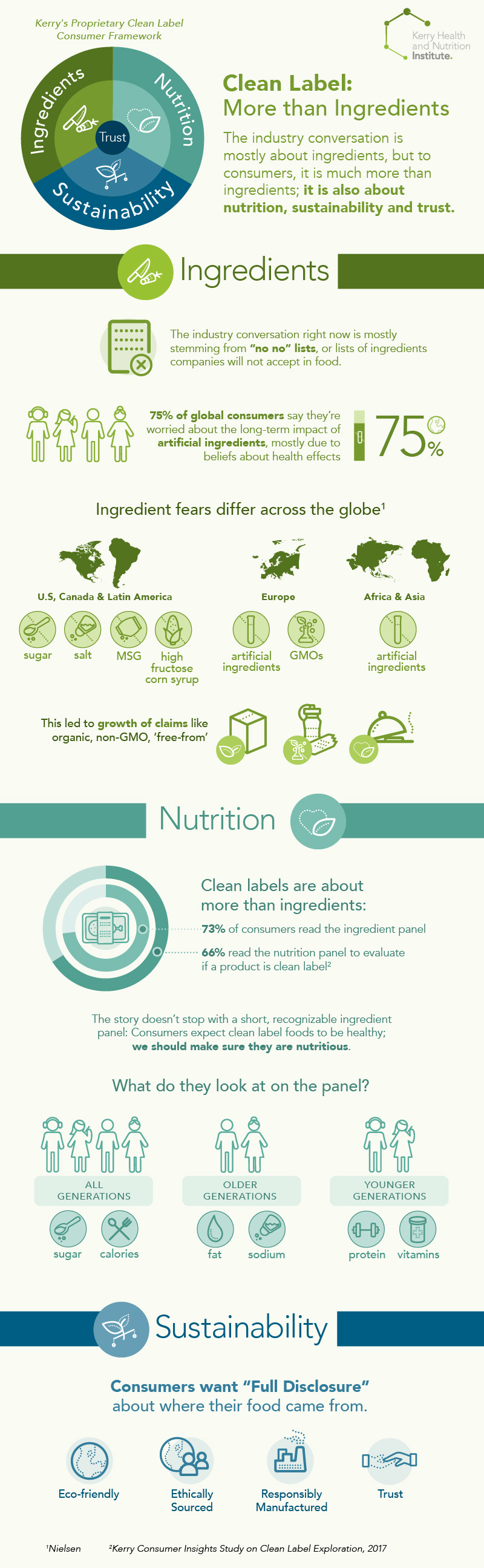
Conscious consumers want to feel that a food or beverage aligns with their beliefs, which has led to a push for claims like ‘free from artificial colors or preservatives’, ‘organic’, and ‘made with natural ingredients’.
Consumers who seek foods that they perceive as natural and healthy don’t offer the industry a consistent definition of what they accept on product labels – simply put, they expect food as it should be.
Consumer research helps us to group the main categories of what consumers are looking for when it comes to ‘clean label’, trustworthy foods: ingredients, nutrition and sustainability. 84% of American consumers are seeking more natural and less processed foods.
At the same time, foodborne illness is the #1 food safety concern for consumers, rising above issues like chemicals or food additives (International Food Information Council, 2019), so as the food industry tries to meet these demands, they are faced with the challenge of finding the balance between convenience and safety, while also offering foods that are as close to homemade as possible.
When we decode consumer demands, we may find ourselves layering in challenges that consumers care about, but have not even considered.
For example, natural foods create challenges surrounding:
- Food waste
- Food safety
- Food appearance
Balancing Food Waste and the Movement Towards Natural Foods
Natural homemade foods made with locally-sourced kitchen cupboard ingredients are the standard narrative targeted by many consumers – unfortunately they have a very short shelf-life.
Consider a homemade loaf of brown bread, it typically becomes stale within a few days and may develop mould within a week. The perceived premium homemade quality helps offset the limited shelf-life, making its freshness part of its appeal.
However, the short lifespan of homemade foods can sometimes create a sense of obligation to eat them before they spoil rather than simply enjoying them.
The same emotional consumer journey does not translate for purchased food with natural positioning, which usually comes at a premium.
When the consumer realises that the shelf life of natural food is inconvenient and doesn’t fit into their busy lifestyle, there is a negative association with the money wasted and the pressure not to let the product go to food waste.
The intent to repurchase is diminished due to the inconvenience of wasting a premium food product or having to shop more often to accommodate a product’s short shelf life. One-third of food globally goes to waste and this rises to 40% in North America.

Consider store-bought bread. Across the US and Europe, bread has the highest volume of waste but is generally a low value product.
The solution is to look to naturally-derived methods of maintaining shelf life that meet consumers’ label and ingredient expectations that can be scaled up to create commercial solutions. Like adding lemon juice to fruit salad or rinsing fresh berries in vinegar, a combination of traditional methods and scientific studies can be used to solve these challenges. In bread for example, sourdough (fermented wheat flour) is an authentic shelf life solution.
The Food Safety Problem
The number one claim in new product launches across many categories is “No Additives/Preservatives”(Mintel GNPD).
Consumers want ingredients which they can understand and trust, but at the same time hold food safety as a top priority.
In the meat category for example, there is a distinction between fresh meat whose appearance and freshness is key and which must be handled and cooked correctly by the consumer.
Consumers will scrutinise the source, freshness and appearance of fresh meat more than any other category.
Processed meats are highly regulated by bodies such as USDA for pathogen control to ensure food safety over shelf-life.
As consumers reject traditional preservatives, the industry must look to nature for solutions that help them to meet consumer demands without compromising food safety.
Consumers are not willing to risk their family’s safety by feeding them preservatives, but equally, they are not willing to risk food poisoning for the same cause…

We see that meat brands who can find the balance with the removal of artificial preservatives but meet consumer shelf-life and federal food safety regulations see growth in an otherwise stagnant market.
With a range of natural shelf life options such as extracts, fermented vegetable juices, functional flavours and vinegar becoming more accessible globally and being backed by challenge and shelf life studies, there are options for brands looking to reformulate for health and wellness.
For more information on how these solutions work, read the article Fermented Ingredients for Natural Preservation.
The Aesthetics of ‘Natural’ Food
Consumer awareness of the natural appearance of certain foods can vary by region and education. For example, tarama (a Greek meze made from fish roe) is naturally beige/grey, but the French market has been conditioned for it to appear pink as a sign of quality.
When confronted with the highest quality natural product, consumers are concerned that it has spoiled due to the unfamiliar colour.
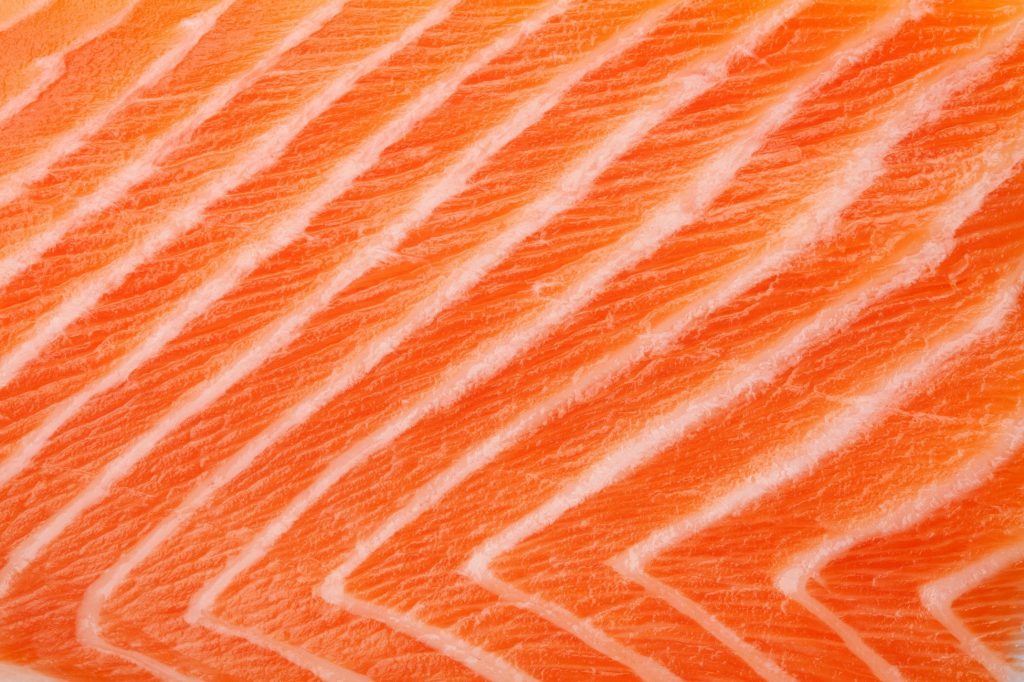
Wild salmon may be white, depending on its diet or ability to process certain pigments. The deep red colour comes from pigments in crustaceans in the salmons’ diet.
Farmed salmon is fed compounds to give it the familiar orange colour. Both of these are additives of sorts but they are unconsciously demanded by consumers through conditioning to recognise colour as a sign of quality.
Turkey deli meat is another example. In the US, to meet shelf life demands, it is often cured with sodium nitrite or natural alternatives for pathogen control.
The resulting turkey deli meat carries a lot of the colour and flavour characteristics of ham, so many times the turkey flavour and appearance need to be built back in. Consumers confronted with whiter turkey deli meat may wonder if it is bleached, or bland in comparison to what they are used to.
Like has been done in recent years in other categories with claims such as “naturally cloudy” in apple juice, “natural sediment may occur” in craft beer or “separation is natural, stir me up” in natural nut butters, we must find ways to reassure consumers who may be surprised by the natural appearance of certain foods.
The Future of ‘Natural’
In short, consumers want it all and they want it now…but they don’t always understand what they are asking for. Science-backed innovation in this novel foods space is ongoing, gaps still exist to allow manufacturers to reduce packaging and maintain quality with naturally-derived processes and ingredients.
Market solutions need to be backed with food safety data and assessed as GRAS (generally recognised as safe) by regional bodies such as EFSA and the FDA for safety of new substances or new proposed uses for currently authorised substances.
As the industry moves towards greater transparency, there is an opportunity for consumer education to ensure products developed meet their unexpected expectations.
To watch our webinar on Clean Label: More Than Ingredients click here.
Serving on scientific or government panels, being approached by media for expert opinions, explaining a technology or product to a sales team or prospective clients, giving a talk at a public education event, writing a blog article or social media post on a scientific topic … I believe many nutritionists and food scientists will be familiar with some of these scenarios.
What do these scenarios have in common? It all involves communicating science to people who may not be scientists, a skill called ‘science communication’.
It is not easy to engage non-scientist with scientific topics. They have plenty of things competing for their attention, jargon can be a barrier if it’s not explained, and the relevance to their life may not be immediately clear.
Based on my science communication background in the Netherlands, and experience at the EU FoodRisC (Food risk and benefit communication) project, I offer three science communication tips.

Tip 1: Know Your Audience
Imagine a nutritionist travelled to another country to give a talk on folic acid fortified foods and their importance during pregnancy at a huge food festival.
She was quoting the best-known health organisations, citing hard statistics, telling real personal stories; everything she thought she needed to do to teach an audience. She was almost running out of her ‘weapons’.
However, the audience still didn’t seem engaged. Feeling disappointed, she finished her talk and sat back to the bench.
Someone kindly tapped on her shoulder “you did a very good job, it’s just that the women in the audience did not see the relevance because they might not be planning for a baby. The funny thing is, in this country half of pregnancies are unplanned”.
Suddenly, this nutritionist realised where the problem was: she didn’t connect with her audience. She should have first acknowledge that folic acid is relevant even to women who are not planning a pregnancy.
One of the key fundamentals highlighted in the European Commission’s science communication idea book and AAAS (American Association for The Advancement of Science)’s communication toolkit is audience engagement.
Basically, good science communication should be based on understanding of the audience. Scientists should arouse the audience’s interest and sense of relevance at the start, and then communicate their ideas in ways that meets the audience’s expectation.

So, how to do this? When preparing for presentations, media interviews, etc, scientists could ask themselves a few questions (see the figure below).
To get the answers, they could reach out to the organizer/reporter/point of contact for information about the audience’s interest. They could arrive early to meet the audience or take a quick poll if it is a face-to-face communication event. Or they could do a bit of research online.
Whenever possible, think carefully about the needs and expectations of your audience in advance.

Tip 2: The Power of Analogies and Metaphors
Struggling with explaining something complex? Analogies and metaphors can be useful tools.
Basically, you use comparisons, and refer to things the audience is familiar with to explain the scientific concept. Analogies and metaphors have been widely used by good science teachers to build “conceptual bridges” for pupils to grasp concepts.
For sure, the same methods could be used for communicating with adults. Below are a few excellent examples showing how analogies and metaphors can help to explain food and nutrition related concepts.
The examples are from the Kerry Health and Nutrition Institute best articles of 2018 and Food Insight (the official site of the International Food Information Council Foundation).
Examples of using analogies and metaphors to explain scientific concepts
|
Tip 3: Words Matter
My first experience of science communication was to explain my bio-technology dissertation to my parents at the graduation ceremony. That was 12 years ago.
I was passionately describing how I built up a ‘model’ to simulate the interactions between two proteins. After five minutes, my dad could not resist to interrupt: “so this model is not a person, is it?”.
Apparently, he was thinking about a ‘fashion model’, and that is what an ordinary person normally relates to when they heard of the word ‘model’.
The common definition of a word may vary between scientists and the public. To avoid miscommunication, it is worth checking this table − ‘Terms that have different meaning for scientists and the public’.
A more complete version is available at this public Google Docs spreadsheet. This brilliant material was generated by Dr. Thaler, an ecologist and population geneticist who is enthusiastic about public engagement with science.
Below, I’ve extracted some examples to give you a taste.
Terms that have different meaning for scientists and the public
Summary
 Healthy eating has never been more talked about, and the ‘free-from’ trend has been dominating the consumer marketplace.
Consumers are increasingly demanding foods that are free from allergens like gluten or dairy, artificial ingredients like flavours and preservatives, and any ingredients with unfamiliar names.
The response of the food industry to this booming consumer demand is a ‘Clean Label’ movement.
Food and beverage manufacturers in every category and channel are innovating and evolving to stay ahead of these changing consumer needs by reducing the number of ingredients on labels, removing unfamiliar ingredients, and building trust with consumers.
To consumers, though, it is about more than a clean ingredient label. Join us for a webinar which looks to the future of healthy eating and the impact on the food industry.
See why cleaner labels may just be part of a solution for an expanded consumer definition of health, and why nutrition, social and environmental responsibility will be key to successfully meet long-term consumer needs for healthy food.
Research partnerships are essential to innovation because they bring together complementary expertise, resources and perspectives that no single organisation can typically provide on its own.
By connecting universities, industry, government and other stakeholders, partnerships accelerate the journey from discovery to real-world impact.
Innovation often occurs at the intersection of different disciplines. Academic researchers contribute deep scientific knowledge, while industry partners bring market insights, technical capabilities and practical implementation experience. This combination helps generate more robust and applicable solutions.
Research partnerships create channels for sharing ideas, data, technologies and best practices. Collaborative research, co-development projects, spin-offs and joint intellectual property activities help move discoveries from the laboratory into products, services, and societal applications more quickly.
Innovation can be expensive and complex. Partnerships allow organisations to share funding, infrastructure, equipment, datasets and specialist talent, reducing costs and enabling projects that might otherwise be impossible.
Many of today’s challenges, such as sustainability, health, nutrition, food security, climate change and digital transformation, require expertise from multiple sectors. Research partnerships enable cross-sector collaboration to address these multifaceted problems more effectively.
When organisations collaborate, they can share technical, financial and operational risks. Different partners contribute unique perspectives that help identify potential issues earlier, improving the likelihood of successful innovation outcomes.
Partnerships ensure that research addresses real-world needs. Industry involvement can help shape research questions around practical challenges, while academic rigor ensures scientific validity.
The result is innovation that is both evidence-based and commercially or socially relevant.
Strong partnerships create networks of researchers, businesses, investors, policymakers and communities. These ecosystems foster continuous learning, talent development, entrepreneurship and future innovation opportunities.
In nutrition science, partnerships between academia, healthcare institutions, food companies and technology providers can accelerate the development of evidence-based nutritional solutions.
Academic researchers generate scientific insights, industry provides product development expertise and healthcare partners help validate outcomes in real-world populations.
Together, they can bring innovative nutritional interventions to consumers faster and at greater scale.
Bottom Line
Research partnerships are essential because they transform isolated knowledge into impactful innovation.
By pooling expertise, resources, and perspectives, they accelerate discovery, reduce risk, improve relevance and increase the likelihood that research delivers meaningful benefits for society and business.
For the industry, this partnership provides new insights into good science coming down the pipeline, identifies new ingredients to put into food that delivers health benefits to consumers and can help frame an innovation pipeline spanning multiple years.
For university researchers, the partnership provides the opportunity to bring their research to life in real products that reach consumers.
Hear straight from university research experts and industry professionals about the benefits of partnership for advancing science and health in this video, taken as far back as 2017: