The list of fad weight diets is almost endless, and a the 2021 Food and Health Survey from the International Food Information Council showed intermittent fasting in the top 3 diets followed by consumers for the 3rd year in a row.
Most diets have one thing in common, though: they all over-promise easy and quick weight loss.
Short-term these diets may lead to weight loss, but over the long-term we know most people will gain the weight back, if not more, because they haven’t learned how to develop healthy eating habits for life.
Does intermittent fasting work? Unlike many of these weight loss fad diets, intermittent fasting has been slowly gaining traction in the research world.
What exactly is intermittent fasting and how does it help lead to weight loss? First, let’s define intermittent fasting as there are several different versions of the diet in the mainstream.
What is Intermittent Fasting?
Adapted from Patterson, 2015.
How Does Intermittent Fasting Work for Weight Loss?
Typically, when a person wants to lose weight, they will reduce the number of calories below their normal daily intake over time.
For example, a rule of thumb is to reduce daily calorie intake by 500 to lose one pound in a week, since one pound is equal to ~4500 calories. This is called continuous caloric restriction (CCR) and is the ‘traditional’ weight loss diet.
Studies have shown that CCR regimes not only reduce body weight they may also help prevent obesity-related diseases [NIA 2018, Schübel 2018]. It is important to note that CCR does not cause malnutrition or deprivation of essential nutrients [NIA 2018].
A fasting diet or intermittent caloric restriction (ICR) is an eating regimen where a person does not eat at all or severely limits intake during a certain time frame (e.g, day, week, month) [NIA 2018]. Over time on a fasting diet, a person may consume fewer calories thereby leading to weight loss.
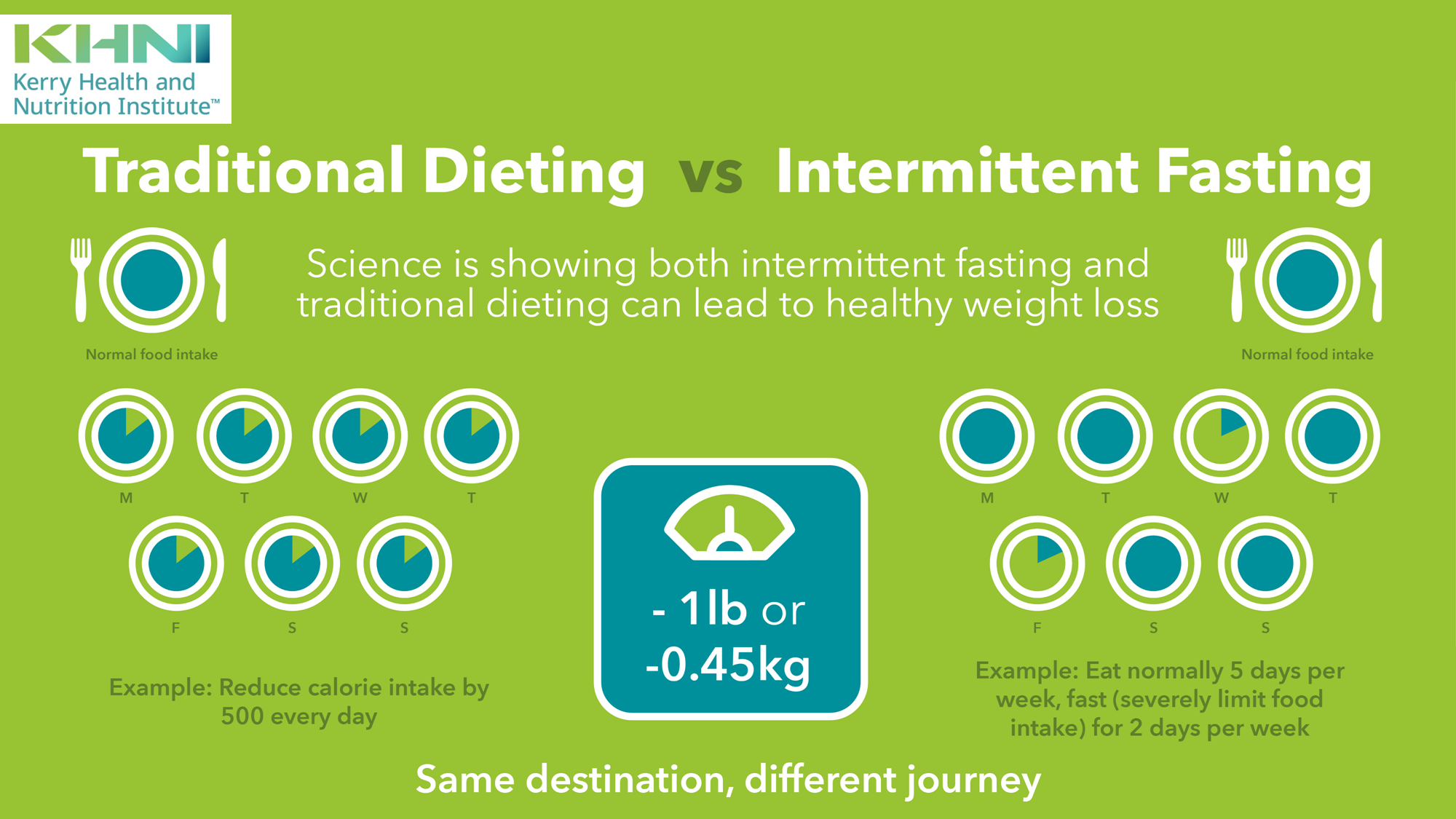
Decreased calorie intake, whether it’s done through CCR or ICR, leads to weight loss.
This might seem like a no-brainer, but research is starting to show that not only do fasting regimes lead to weight loss, but they may have greater metabolic benefits including lower insulin levels and decreased fat mass compared to traditional dieting [Harvie 2011, 2013].
Intermittent Fasting Benefits
A recent systematic review of four intermittent fasting studies reported a decrease in fat mass and reductions in both low-density lipoprotein (LDL) and triglyceride levels, suggesting improvements in cardiovascular health [Ganesan 2018].
Additional studies are also suggesting that these fasting regimens help lead to weight loss with potential effects on glucose metabolism and inflammation.
These are also benefits shown by traditional weight loss diets, suggesting intermittent fasting may have similar benefits. As more studies on intermittent fasting are conducted, systematic reviews continue to support these cardiometabolic benefits.
Like other intermittent fasting regimens, time restricted eating is also associated with weight loss and may be important for optimal metabolic function [Patterson 2015].
Why researchers are observing these metabolic benefits with ICR is still unknown. More research will help to identify the mechanisms behind the benefits.
Fasting is a major component of Ramadan, and a review of studies focusing on the effects of fasting during Ramadan reported weight loss and lower levels of low-density lipoprotein cholesterol and fasting blood glucose in both men and women when compared to the beginning of Ramadan [Kul 2013].
Other studies have also reported that Ramadan fasts are associated with lower levels of inflammatory molecules in the blood stream (e.g. C-reactive protein, interleukin-6, tumor necrosis factor-alpha; Aksungar 2007, Faris 2012).
However, these types of molecules are produced normally by our bodies as part of metabolizing the food we eat, so it may make sense that restricting food would lead to lower measurements.
The more important question, and what is still unknown, is whether these changes are permanent or if they go away when people resume their normal eating habits.
Which One is Better, Continuous Calorie Restriction (CCR) or Intermittent Fasting?
To date, most systematic reviews of intermittent fasting studies have suggested that intermittent fasting is equal to standard CCR regimens when it comes to weight loss [Patterson 2015].
More recently in 2018, Shubel et al. showed that the 5:2 diet is equivalent, but not superior, to traditional CCR diets for weight loss and the prevention of metabolic diseases.
A systematic review from 2021 comparing intermittent fasting diets versus CCR diets found that intermittent fasting diets were associated with higher weight loss in four out of 18 studies. At this point, it appears that both dietary methods of weight loss have similar effects.

How Does Fasting Help Improve Health?
While health improvements from fasting might sound counter-intuitive, science is starting to show there might be something to it. The exact mechanisms of action are still unknown, but to date a few hypotheses have been proposed to explain how intermittent fasting can benefit overall health [Patterson 2015].
Recent studies have suggested there is a possible link between the microbiome and these cardiometabolic intermittent fasting benefits.
These hypotheses include:
- Improvement in the gene expression associated with the circadian rhythm to favour energy metabolism and body weight regulation. In other words, fasting regimens may impose a daytime rhythm in food intake, leading to improved energy metabolism and body weight regulation.
- Enhancement of beneficial colonies of gastrointestinal microbiota which may be more favourable to weight loss.
- Modification of lifestyle behaviors (e.g. energy intake, energy expenditure, sleep) may accompany fasting behaviours.
To Fast or Not?
So, does intermittent fasting work? The short answer is yes, it is at least equally effective as traditional weight loss methods. Every year more studies are reporting benefits beyond weight loss with intermittent fasting regimens.
It is still too early to say that one fasting regimen is better than the other, but studies are showing at the very least these eating patterns lead to weight loss and could even improve overall health.
The questions that remains to be answered is whether or not these regimens are sustainable over a lifetime in adults as well as whether these regimens help reduce risk of diseases.
So, when considering trying an intermittent fast, an appropriately qualified health professional must be consulted to ensure an adequate macro- and micro-nutrients diet is achieved.
Concussions, often called the ‘invisible injury’ because there are no apparent external symptoms, can affect people at all stages of life following an incident like a fall (elderly), heads banging in a school yard (children), or individuals of any age playing a sport.
Sometimes it can be something completely innocuous that causes an impact to the head. Concussion can have short-term and long-term effects on the brain and body, often resulting is what is called a ‘cellular crisis’.
The body has increased nutrition needs during this time, but currently there is no recommended nutrition therapy.
In this KHNI Q Science Short, Dr. Lisa Ryan, PhD, RNutr discusses the latest research on the effects of brain injury and how nutrition may have a role in brain health recovery.
Learn answers to questions like:
- What is a concussion/brain injury?
- What physiological effect does it have on the body?
- How is concussion currently managed?
- Why might nutrition have a role to play?
- Which nutrients and non-nutrients are postulated to play a role?
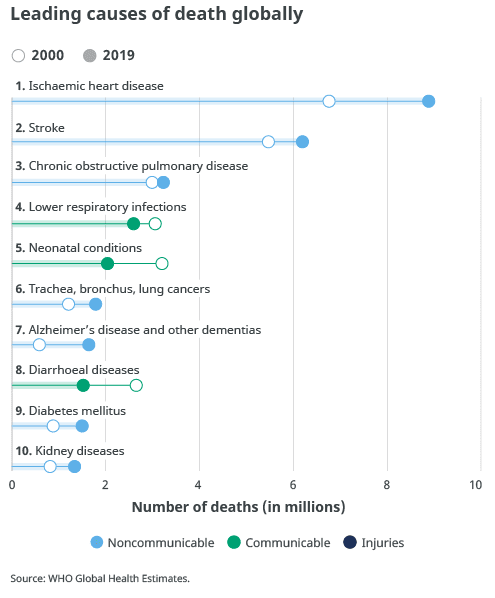
Diseases like heart disease, diabetes, cancer, and stroke are leading causes of death worldwide. Poor diet, including overconsumption of saturated fat, trans fat, sodium, and sugar, are linked to increased risk of these diseases. For example, one quarter of deaths in Europe are attributed to poor diet. Despite decades of effort to educate global populations on the link between poor diet and preventable death, these nutrients are still overconsumed in most developed countries.
One strategy to improve public health is to reformulate foods to be healthier, which can have an effect at a population-level and does not necessarily rely on individual behaviour change to improve health. This can be initiated voluntarily by the food and beverage industry. For example, some companies have set public goals for reducing a nutrient like sodium in their foods by a certain percentage over a time period. In some parts of the world, reformulation is mandated. Greater improvements in sodium intakes have been shown in countries where is it mandatory rather than voluntary.
A recent scientific review titled “What is the impact of food reformulation on individuals’ behaviour, nutrient intakes and health status? A systematic review of empirical evidence” summarises our existing knowledge of how effective food reformulation can be as a public health strategy by analysing results of 35 published studies.
Results from the review
The review analysed results from 35 published studies on food reformulation.
Consumers were accepting of reformulation of foods in the marketplace

A promising finding was that consumers still purchased reformulated products, meaning they didn’t specifically avoid foods formulated to be healthier. 22 different studies showed improvements in the nutrient content of the average consumer basket (total food purchased from a store).
81% of studies showed positive results for consumer acceptability of reformulated foods, based on comparing sales/purchases of the reformulated product before and after reformulation
Reformulation improved nutrient intake
73% of studies showed that reformulation improved nutrient intakes of consumers
Sodium reformulation led to a decrease in sodium intake between 4%-15% per year, depending on study population. Analysing studies from Europe and the US, the review found that daily population-wide salt intake after reformulation was 0.57g lower than before (equivalent to 221mg sodium), or equivalent to around 10% of the daily limit of 5 grams per day recommended by the World Health Organisation.
Trans fat reformulation led to decreased intakes of 38-85%. This value is much higher than sodium because mandated trans fat reformulation laws require drastic reductions due to its clear link to heart disease. Partially hydrogenated oils, which are the main source of artificial trans fat in the diet, are not considered safe for the food supply in the United States, for example. In Europe, there is a maximum limit of 2 grams of trans fat per 100 grams of total fat in a food.
Trans fat reformulation and decreased mortality
Of the 6 studies which measured the impact of nutrient intake on morbidity or mortality rates, 5 showed a positive effect on reducing mortality
Five of the studies measuring effects on health status looked at trans fat reformulation and found that reducing trans fat in the food supply led to a reduction in mortality of 4.3-6.2%.
Sodium reformulation led to an improvement in blood pressure measurements in the UK. These findings show promise for nutrient reformulations to affect public health in a positive way.
Challenges for nutrient reformulation
Taste
Reducing nutrients that contribute strongly to the taste of a food or beverage, like sodium or sugar, without reducing consumer liking is the main challenge when it comes to nutrient reformulation.
For sugar, low-calorie sweeteners can drastically reduce total sugar content of a food or beverage. However, these sweeteners have their own challenges. They have poor perception among many consumers, and also bring their own flavour off-notes with them. They are also not recommended as a long-term strategy for reducing sugar content in foods by authority publications like the Dietary Guidelines for Americans.
Sodium reduction faces similar challenges because alternatives to sodium, like potassium chloride, also have off-notes. Many companies will slowly decrease sodium content in foods over a period of years because sodium sensing is adaptive. In other words, the less sodium someone is used to tasting, the less they need in a food to stimulate the same salty sensations. Gradually reducing sodium over time will be unnoticed by many consumers, as a result.
Flavour modulation, which can enhance the inherent sweetness in sugar, mask off-notes, or enhance mouthfeel or saltiness, is a great tool for nutrient reformulation. This technology is one way to reduce sugar without requiring low-calorie sweeteners or to mask notes of sodium or sugar alternatives.
Functionality
Sugar, sodium, and certain fats have roles in food beyond taste. Both sugar and sodium can have roles in food safety, as well as important roles in chemical reactions for many baked foods. These nutrients also have roles in moisture migration, shelf life, etc. Finding ways to minimise the impact of nutrient reformulation requires a system-level approach and in-depth expertise in food science and applications.
Fibres are seeing some popularity in low-sugar foods and beverages because of their ability to contribute bulk and mouthfeel, as well as sweetness in the case of some fibres. Fibre is under-consumed in many populations, so this could have additional benefits to public health.
Consumer perception
Due to the taste and functionality challenges listed above, many consumers will associate nutrient reformulations with less taste.
“Consumer acceptance is a key driver of the effectiveness of reformulation in changing dietary intakes, in the absence of which unwarranted substitutions may take place.”
The review summarised in this article found that, despite having high consumer acceptance, compensation for the nutrient content of reformulated foods did occur. Some studies did not find a link between reformulation and decreased intakes, or smaller decreases than predicted.
This happened more often when reformulation was noticed by consumers, possibly due to it being advertised on a package. Silent reformulation is one strategy that could be used to reduce the effect of compensation.
The study’s findings encourage future reformulation efforts
“Given the challenges involved in changing behaviours and food choices, reformulation can provide the means to improve dietary intakes and health by changing the environment in which people make their food choices. Nonetheless, the success of reformulation as a public health strategy crucially depends on the breadth of products reformulated and the extent to which they are reformulated.”
The study did not address energy density or calorie reduction, which is another reformulation initiative that is important to address the global obesity issue. Developing knowledge in sensory science and food science is critical to the future of not only calorie reduction, but nutrient reformulation as a whole.
Different dietary trends come into popularity at various stages and recent times have seen the resurgence of the low carbohydrate – high fat (LCHF) diet, this time in the form of ‘the ketogenic diet’.
This diet encourages less than 10% of total calories from carbohydrate and more than 70% of total calories from fat.
This is a stark difference compared to normal dietary recommendations, which encourage 40-65% of calories from carbohydrate and 20-35% of calories from fat.
What are the differences between the Keto diet and a traditional diet?
- Keto diets are defined as a carbohydrate intake of less than 25 percent of total daily caloric intake and a fat intake ranging from 60 up to 80 percent of total daily caloric intake (Burke et al. 2017; Burke, 2015; Chang et al, 2017;).
- High-Carbohydrate, Low-Fat (HCLF) diets are the more “traditional” dietary pattern for endurance athletes, composed of a carbohydrate rich intake of approximately 45 to 65 percent or more of total daily caloric intake (about five to 12 grams carbohydrate/kilogram of body weight/day) and a fat intake of 20 to 35 percent of total daily caloric intake (Manore, 2005; Burke, 2015).
The LCHF diet is not a new invention – the Atkins diet was previously highly popular using a similar concept.
However, with its highly promoted claims relating to its effect on weight loss and other health benefits, it has increased in popularity once again, especially in the athletic community (Burke, 2015; Chang et al, 2017; O’ Neal et al, 2019; Thomas, 2019).
How do Diets Like Keto Impact Exercise?
So, does this mean that LCHF diets are the way forward for our endurance-based athletes? Not exactly – there is no one size fits all answer because an athlete’s diet is influenced by many factors.
The sport performed, training frequency, personal food preference, food allergies and intolerances and whether the athlete is on or off season in their training cycle all impact their nutritional needs.
The purpose of this article is to provide some clarity by taking an evidence-based approach to the question and analysing best practice for an endurance athlete.
Type of exercise determines which fuel our bodies use
During exercise, the body uses a variety of fuel sources i.e. carbohydrate or fats. The type of fuel used depends on the duration and intensity of the session.
Low intensity sessions (such as an easy paced 30-60-minute leisure walk or run) are predominantly aerobically based during which the body would use a combination of both carbohydrates and fats.
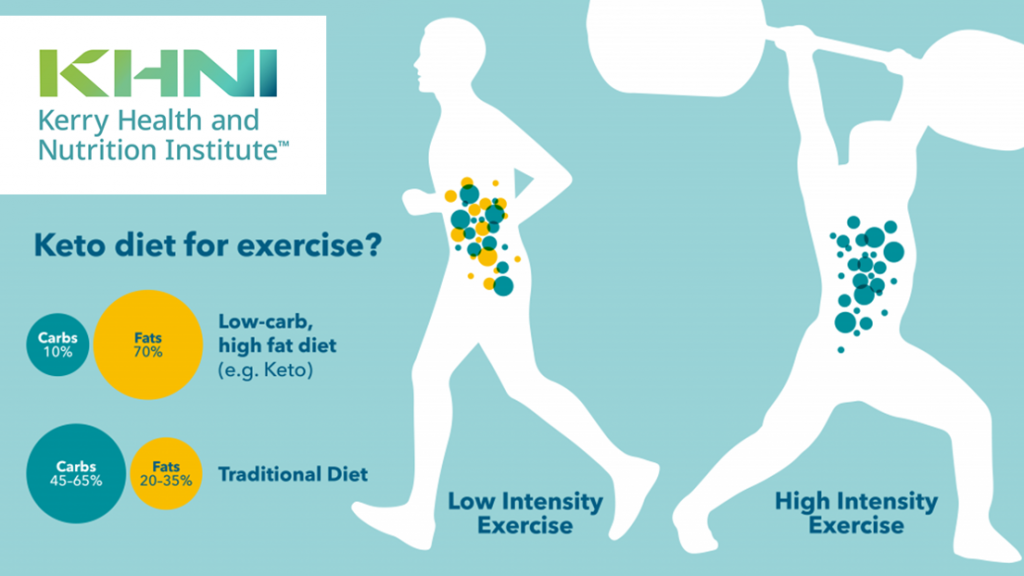
During higher intensity sessions (such as shuttle runs or hill sprints when breathing is difficult, and an athlete is working at or close to their maximum capacity) the body will use carbohydrate as its preferred source for fuel.
The fuel used in moderate intensity exercise sessions is individual and is determined by the athlete’s adaptations from their aerobic training over time. This is because one becomes better at oxidising (using) fats for energy via training and can therefore rely less on carbohydrates during moderate intensity exercise sessions (team field sports, for example).
Can Low Carbohydrate Diets Work for Endurance Exercise?
Current research (Burke, 2015; Burke et al., 2017) suggests that LCHF dietary intake may have a significant negative effect on performance output once the intensity of the activity increases (i.e. sprinting, or hard, short bursts).
Conversely, LCHF diets have been shown to help reduce an endurance athlete’s response to fatigue at a low intensity– what this means is that the athlete would be able to run for longer at a suboptimal pace, indicating a potential benefit to the endurance athlete.
However, just “going” is not the goal of any athlete looking to achieve optimal performance hence the need to determine a diet that will also increase performance.

A four-week investigation conducted by Burke et al. (2017) looked at the effects of a ketogenic low carbohydrate, high fat (LCHF) diet in comparison to high carbohydrate (CHO) low fat (HCLF) dietary pattern. The study specifically focused on fuel adaptation, metabolism and performance of elite race walkers during 3 weeks of intense training.
There were three diet groups included:
- A high carbohydrate diet (HCLF)- 60-65% of energy came from carbohydrates, 15-20% protein, 20% fat; consumed daily and before during and after training (9 women).
- Periodized CHO group: Same composition as HCLF, at different intervals according to training demands and fuel needs with some training sessions focused on high CHO availability (high muscle glycogen, CHO feeding during session) and others with low CHO availability (low pre-exercise glycogen, overnight fasted or delayed post-session refuelling) (10 women).
- A LCHF diet: 75-80% fat, 15-20% protein, <50g/day CHO (10 women).
Outcome: The research found that there were no benefits to performance in the low carbohydrate diet consumed by group 3.
In fact, performance levels were not seen to improve in the LCHF group despite preforming 3 weeks of intensified training, in comparison to the athletes assigned to the other dietary patterns who all demonstrated significant performance improvements after the 3 weeks of intensified training.
It was also found that there was an increased need for more oxygen to perform the same amount of work when an athlete is fuelled on LCHF. Interestingly, an improvement in performance was achieved by the carbohydrate groups (diets 1 and 2).
Earlier research by Burke et al. (2015) also found that cycling and sprinting performance was reduced when the athlete consumed a LCHF diet.
A study by Lambert et al. (1994) did show that a LCHF dietary intake may be effective in endurance athletes. Five endurance trained elite cyclists were required to consume, in random order, a HCLF diet (high carbohydrate (74%) and low fat (12%)) or a LCHF diet (high fat (67%) and low carbohydrate (7%)) for a two-week period.
For training output, they were required to exercise to exhaustion at 60% of their VO2max (their maximum aerobic exercise capacity). The participants prescribed the LCHF doubled their time to exhaustion in moderate intensity exercise – 60% of their VO2 max, which was longer in comparison to the HCLF diet.
In other words, they were able to keep going for longer on the LCHF dietary protocol. These studies support the concept that LCHF diets may enable athletes to keep going for longer but only at lower intensities.
Why don’t all studies show improvements in endurance performance on a LCHF diet?
The main purpose and theory behind the use of LCHF diets in endurance activities is that this style of dietary management would allow an endurance athlete to alter the type of fuel (carbohydrates or fats) that they rely on during exercising.
In theory, improving an athlete’s ability to utilize fat during exercise would allow them to rely less on their limited carbohydrate stores during exercise and more on their nearly-limitless stores of fats.

If this was to work for a given endurance athlete, they would be capable of going for longer without hitting the metaphorical wall of fatigue, exhaustion, dizziness, and lethargy associated with depletion of carbohydrate stores during prolonged, intense exercise/ race. In theory it works very well.
Unfortunately, studies exploring the effects of fat adaptation on exercise performance in the athletic population are limited and the question remains unanswered.
However, what we do know is that looking through the evidence base to date, a combination of carbohydrates (generally normal-high levels) and fats for fuel (so not fat adapted) have yielded better performance results for the athlete in endurance-based training and sport events trials (Bartlett et al. 2015; Burke et al. 2011; Stellingwerff 2013).
If low-carbohydrate diets don’t improve performance in endurance exercise, what are other uses they might have?
During off season or sustained periods of lighter training (often used to give the body a break from continuous high levels of training), the use of a LCHF diet can work very well to help maintain weight or reduce fat mass with the goal of an improved body composition for competition.
LCHF diets paired with a calorie-controlled intake provide a promising method of helping control body weight and fat mass while maintaining lean body mass (Volek et al., 2002; Zajac et al, 2014).
However, this is more suited when making weight is a consideration for the athlete and not advised when performance is a priority.
For the recreational athlete, where performance (and competition) is not the main objective, the LCHF dietary pattern may be suitable for maintaining physique while still reaching training goals.
So, what’s the verdict?
The research to date favours the use of a more traditional, HCLF dietary approach for overall endurance performance. However, individual differences between athletes should also be a consideration and carbohydrate intake should meet the purpose and need of training/performance.
There is no one-size fits all approach; there is no “perfect” or “ideal” dietary approach for endurance athletes.
Few athletes understand exactly why and how adjusting their dietary intake in line with their training programme can optimise their performance i.e. increased carbohydrates on heavy training or double session days will increase performance and recovery while reducing carbohydrates on rest day is more beneficial.
Is dairy fat healthy or unhealthy?
Why do we see recommendations to reduce saturated fat intake, while at the same time see headlines from studies showing full-fat dairy may be healthy for us?
The answer lies in the fact that food can often be more than the sum of its parts.
Dairy, saturated fat & health
Dairy is a nutrient rich food group which has been championed for its role in bone, dental and muscle health for decades. On the contrary, dairy has also been the subject of ‘negative press’ concerning its saturated fat content, which is linked to heart disease and other metabolic complications. Cardiovascular disease (CVD) remains the number 1 cause of mortality globally, representing 31% of all deaths (1).
The effect of saturated fat on health has been hotly debated in recent years and the latest evidence review for Saturated Fat and Health from the UK Scientific Advisory Committee on Nutrition (August 1st, 2019) recommends limiting saturated fat intake to ~10% of total calories (2). Saturated fat raises blood cholesterol levels, particularly low-density lipoprotein (LDL) cholesterol, which is a primary risk factor for cardiovascular disease.
At the same time, recent evidence from several large prospective cohort studies, systematic reviews and meta-analyses combining the results of thousands of subjects, have shown that milk and dairy foods, which can be high in saturated fat, have neutral or protective effects on cardiometabolic diseases (3-6).

These studies are having an impact on people’s beliefs of dairy. The idea that dairy fat is healthy is becoming more widespread among consumers. Bulletproof coffee, which encourages adding dairy fat to coffee specifically for potential health benefits, has grown into a successful lifestyle brand, and full-fat dairy is often encouraged as part of the ketogenic diet, one of the most popular diets in the world.
Whole milk and yoghurt have a saturated fat content of 2.3%, however cheese can range from 3-35% saturated fat which means that dairy is often targeted by public health bodies in efforts to reduce saturated fat intake. However, recent evidence has shown that cheese consumption does not raise LDL cholesterol compared to the same amount of fat from butter (7). This paradox may be due to a theory known as the ‘Dairy Matrix’. In reality, we eat whole foods rather than single nutrients. Dietary recommendations to reduce saturated fat do not distinguish between nutritionally poor ‘fried processed foods’ and nutritionally dense foods such as dairy.
How can a food high in saturated fat be healthy?
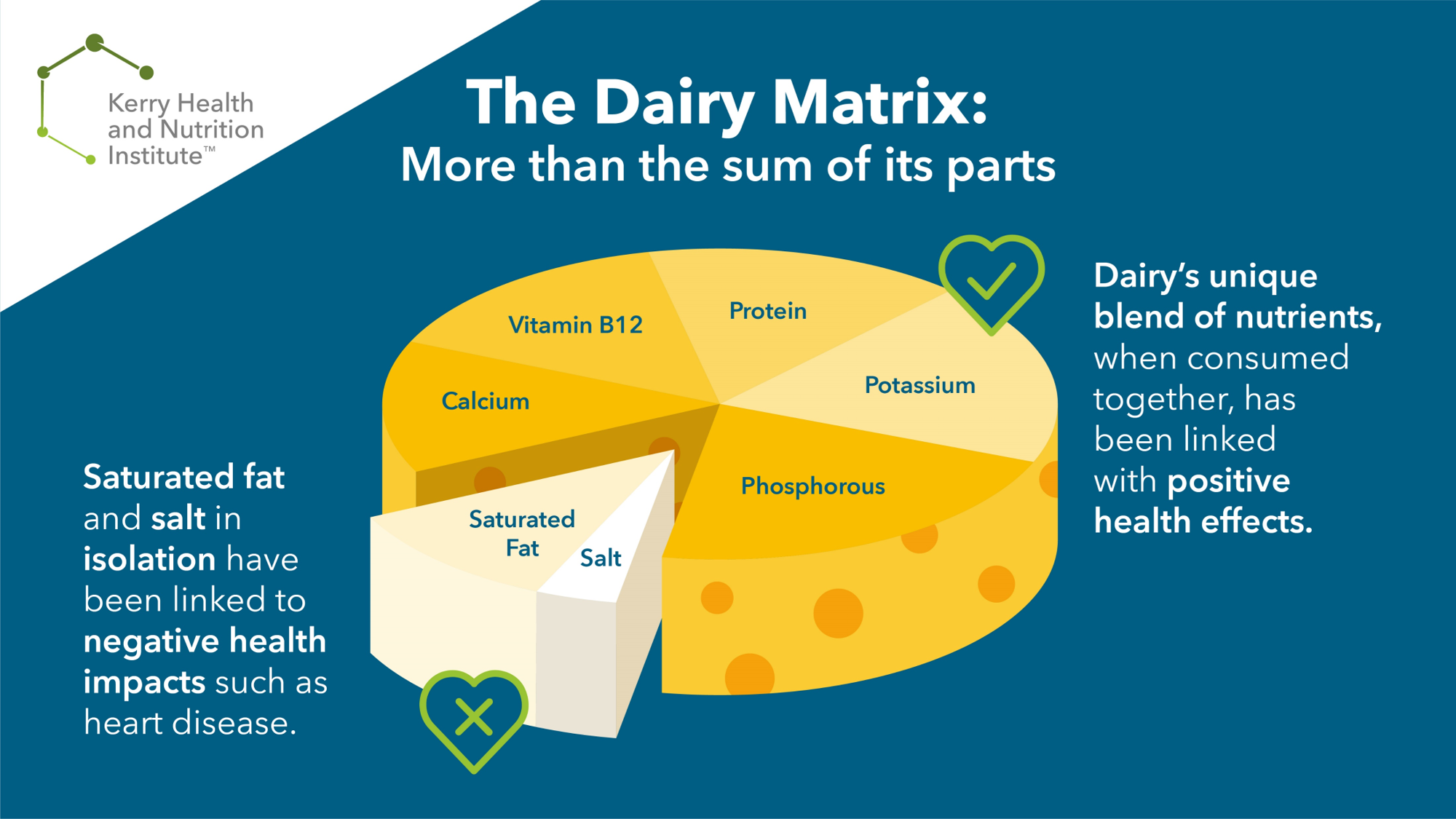
The Dairy Matrix: more than the sum of its parts
Dairy is a unique blend of nutrients including calcium, phosphorus, iodine, Vitamin B2 and B12, fermented cultures (yoghurt and cheese) bioactive peptides and high-quality protein containing all of the essential amino acids. Recently, scientists are considering the effects of milk and dairy foods on health beyond the benefits of the individual nutrients they contain. ‘The Dairy Matrix’ hypothesis suggests that the nutrients in dairy can interact with one another in ways that are beneficial for health (8).
Studies show that the dairy matrix has health benefits beyond the individual supplementation of the same nutrients and effective on cardiometabolic disease, weight management, bone mass density, bone metabolism, blood lipid levels and blood pressure (9).
Is cheese good or bad for heart health?
In relation to cheese, the explanation for the beneficial rather than harmful effects on cardiovascular diseases (CVD) might be due to interactions between components of the cheese matrix, including calcium, phosphorus, the milkfat globule membrane, and starter cultures, which together modify saturated fatty acid-induced increases in blood lipids. One thought is that these nutrients may block absorption of the saturated fats in cheese, but this has not been proven.
A 2018 study published in the American Journal of Clinical Nutrition examined the effects of dairy fat in cheese versus butter on markers of cardiometabolic health in 164 overweight volunteers. They consumed 40g dairy fat daily for 6 weeks, one group consumed the fat as cheddar cheese and another group consumed the fat as butter (matched for calcium and protein). Results indicated that dairy fat, eaten in the form of cheese, appears to differently affect blood lipids compared with the same constituents eaten in a butter matrix, with significantly lower total cholesterol observed when all nutrients are consumed within a cheese matrix (10). Observational studies have also shown that yoghurt and cheese consumption are linked to a reduce risk of diabetes (6, 8).
Dairy and bone health: more than just calcium?
Furthermore, the effects of milk and dairy foods on bone health may be due in part to positive interactions of calcium, protein and phosphorus with each other and with lactose and bioactive peptides in the dairy matrices, rather than simply a ‘calcium effect’ as is often assumed (11). Similarly, milk is a key element of the Dietary Approaches to Stop Hypertension (DASH) diet for preventing and treating blood pressure. This anti-hypertensive property is likely due to the combination of minerals and protein found in dairy. Moreover, a study examining the effects of cows’ milk, calcium fortified soy milk and calcium supplement on weight and body fat reduction in premenopausal overweight and obese women found that weight loss was greatest in subjects consuming milk compared to calcium matched soy drink and calcium supplements (12).

Emerging research on the dairy matrix and health
- Bioactive peptides present in milk are being investigated in relation to cardiometabolic health, immune health and (13).
- Fermented dairy contains bacteria with potential to produce short chain fatty acids in the gut which can have positive health benefits (14).
- Dairy fat has >400 fatty acids with different physiological properties. Milk fat globule membrane (MFGM) encloses the fatty acids and has shown potential benefits in relation to lipid metabolism (15)
- Dairy fat contains odd chain fatty acids C15 and C17 which cannot be synthesised by the body and are used as biomarkers of dairy intake. These fatty acids are contained in MFGM and may confer health benefits such as reduced risk of CVD and Type 2 Diabetes (16-17)
- Grass fed dairy products have higher levels of polyunsaturated fat Conjugated Linoleic acid which has shown potential benefits for cardiometabolic health. See link to our article about the Nutrition Benefits of Grass fed dairy.
- Food is complex in terms of its nutritional content and physical structure which can impact the digestion and metabolism of the nutrients. The structure of dairy products varies from the solid matrix of cheese, to the gel-like structure of yogurt, to liquid milk. Rates of gastric emptying can affect satiety and appetite.
- The matrix structure can also influence protein absorption. Casein consumed in a milk matrix is more slowly digested and absorbed than in supplement format, without an impact on muscle protein synthesis (18).
More research into the dairy matrix will allow us to fully understand the health benefits of dairy but current evidence indicates that dairy is a nutritious food group that contributes positively to overall health when eaten as part of a balanced diet.
In recent years, many people are choosing to reduce /remove dairy from their diet due to a variety of reasons such as veganism, taste preferences, intolerance, to promote animal welfare and environmental sustainability. However, removing dairy from the diet should be carefully considered as it is a major source of nutrients and significant efforts should be made to ensure the diet is nutritionally balanced. A registered Dietitian or Nutritionist can support with individualised advice for meeting dietary requirements.
Soy has received more attention in the past few years due to the growing popularity of plant protein and plant-based diets.
However, there have also been mixed messages about soy in the media over the past few decades, which leaves many people confused about soy’s role in health.
“Is soy unhealthy or healthy?” is the common question this article will answer based on recent science.
What is Soy?
Soy is a plant that originated in Asia and is now grown in many places around the globe.
The plant’s beans (the soybeans) can be eaten on their own (like edamame) or used to make soy foods (like tofu, miso, tempeh, soy milk and soy sauce).
Soy flour and protein are also added to many prepared foods, from breads to breakfast cereals to energy bars.

Soy contains high amounts of isoflavones, which are phytonutrients. Phytonutrients are compounds found in plants that have actions in our body, but are not vitamins or minerals.
Isoflavones belong to a group of substances called phytoestrogens (plant oestrogens). As the name implies, they can have certain actions in our body that are similar to the human hormone oestrogen, but with much weaker effects.
Because oestrogen can play a role in breast cancer development and survival, there have been many questions raised about the risks and benefits of diets high in soy.
Is Soy Unhealthy or Healthy?
The main takeaway from published research is that soy is a nutritious food.
Science shows that typical consumption of soy (1-2 servings of soy-based foods or drinks per day) in a balanced diet is unlikely to cause harm, and may provide health benefits, to the general public.
Soy as a food is:
- Low in calories and saturated fat
- Rich in high quality protein, especially among plant protein sources
- High in fibre
Just 100 grams of raw soybean (less than half of a cup) contains (USDA Food Composition Database):
- 13 grams of protein
- 4 grams of dietary fibre
- 3 grams of polyunsaturated fatty acids
- 20% daily value of calcium and iron
- 48% daily value of vitamin C
- 18% daily value of potassium
Dietary guidelines around the world encourage most of these are nutrients in the diet, solidifying soy’s role in a healthy diet.
These traits make soy a great food to include in a balanced diet.
In the sections below, we review the specific roles soy has in health.
It is important to note that, although research shows that consuming soy can improve some health outcomes, soy is considered an allergen and would be inappropriate to consume for those with a diagnosed allergy to soy.
Soy as a Plant Protein Option
Soy is a healthy source of plant protein for most people.
When it comes to choosing a plant protein source, protein quality is one of the key deciding factors.
Protein quality is a measure of how the amino acid content of a protein measures to what the human body needs, as well as how digestible that protein is.
As shown in the graph below, soy is one of the few plant-based proteins that is equivalent in quality to animal-based proteins.
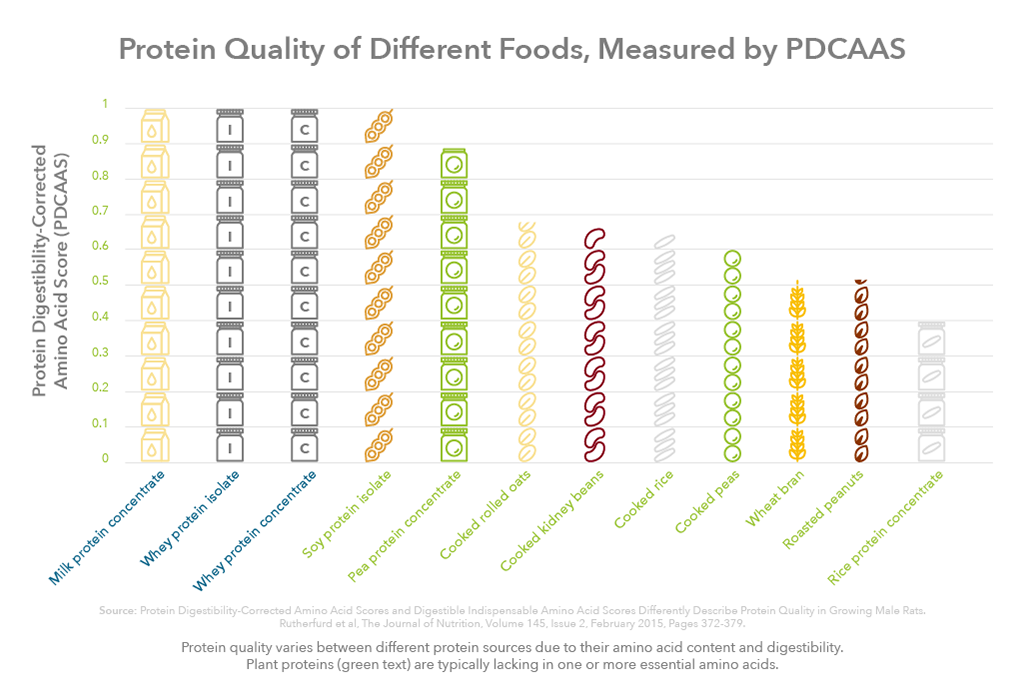
This is because soy contains all nine essential amino acids in significant amounts.
This can be useful for vegans, as other vegan sources of protein are often low in the essential amino acids lysine and methionine.
It can also be helpful in achieving protein claims in certain parts of the world. For this reason, soy is often a great choice for a plant-based protein in foods and beverages.
Soy, Oestrogen and Cancer
- Overall evidence from human studies shows that consuming soy doesn’t increase the risk of cancer.
- Recent research has found that consuming 1-2 portions of soy per day does not cause any harm for breast cancer survivors.
- Soy is considered to be safe for men to consume and does not affect testosterone concentrations.
What is the relationship between soy and development of breast cancer?
It is not likely that eating moderate amounts of soy foods increases the risk of breast cancer.
The majority of high-quality studies and analyses have found that eating soy foods does not increase risk, even when eaten at levels much higher than those typically consumed in countries like the US(Trock 2006, Wu 2008).
Many studies suggest that soy may help protect against breast cancer (Trock 2006, Wu 2008).
Results from an analysis that combined findings from multiple studies in Asian populations found that soy may have a protective effect on breast cancer incidence.
However, when the same analyses were done in studies of US and other Western populations, there was no link between soy and breast cancer risk (Wu 2013).
It seems the benefit only comes with a pattern of intake that is seen in most Asian countries, where women begin eating soy early in life and eat it in amounts many times greater than typically seen in the US.
In Japan, for example, soy intake ranges from 38 g to around 78 g per day, equivalent to 26 to 54 mg isoflavones. In the US, soy intake ranges from less than 1.5 to 4.3 g per day, or 1 mg to 3 mg isoflavones (Nagata 2010).
As a breast cancer survivor, is soy safe?
Current studies suggest that eating moderate amounts of soy foods is safe for breast cancer survivors (Shu 2009, Cassileth 2012, Nechuta 2012).
Evidence suggests that a diet high in soy may improve survival and lower the risk of recurrence in women with breast cancer. The benefits don’t appear to be limited to Asian populations, either.
One analysis combined data from three large, long-running studies of survivors from both Asian and Western countries.
It found that women who ate at least 10 mg of soy isoflavones per day after a breast cancer diagnosis had a 25 percent lower risk of recurrence compared to those eating less than 4 mg soy isoflavones per day (Nechuta 2012).
An analysis of 6235 breast cancer survivors found that, after 9.4 years after diagnosis, soy intake did not increase risk of mortality.
The study found that those with the highest soy consumption had a trend toward reduced risk of mortality, although these results were not statistically significant (Zhang 2017).
Soy and Heart Health
Research has shown soy intake has a role in reducing LDL and total cholesterol, both of which are outcomes linked to improved heart health.
A scientific review of 46 studies on soy’s role in heart health was published in 2019 (Mejia 2019).
In the study, researchers found that consuming soy protein at a dose of ~25 grams per day led to a decrease in LDL cholesterol of 4.76 mg/dL (3-4%) and a decrease in total cholesterol of 6.41 mg/dL over 6 weeks, which could be considered a clinically significant reduction.
Around 75% of the studies reviewed showed a positive effect for consuming soy protein, according to the researchers.
This review is important in helping solidify the role of soy protein in heart health and counter the unwarranted negative perception of soy among many consumers.
Anyone who has ever been on a diet will be familiar with the terms ‘reduced calories’ or ‘counting calories’, but what about the other parts of a healthy diet, beyond calories? Nutrient density has a large role to play in a healthy diet.

The high obesity rates globally suggest that on average, we consume too many calories relative to our requirements. For many people, though, intakes of certain vitamins, minerals and fibre are below recommendations.
For example, recent findings from the UK National Diet and Nutrition Survey (NDNS) show that the current UK diet is not in line with the government recommendations on eating healthily and achieving a balanced diet (Eatwell guide), with several micronutrient intakes below the lower reference nutrient intake (LRNI).
According to the NDNS, one in four girls in the UK aged 11-18 years has an intake below recommendation for vitamin A, riboflavin, zinc and iodine, and over half have a low intake of iron.
Diet Quality is About More Than Calories
Addressing these issues may require looking at the overall quality of our food rather than focusing on restricting individual nutrients.
Healthy eating is not simply about eating less and cutting things out, it can also be the result of eating more nutritious food or eating more ‘nutrient-dense’ food.
Some foods that are relatively high in calories can also have a high nutritional value, like nuts, seeds, oily fish and olive or rapeseed oil. Thinking of calories as numbers, these foods might be avoided by consumers, which should be included as part of healthy dietary patterns.
Interestingly, foods with similar calorie content can also be different in terms of nutritional quality. For example, whole grain versions of bread, pasta and rice are higher in fibre than refined (white) versions.
Similarly, processed meats contain more salt than lean unprocessed meats, even if they have a similar number of calories.
The Quality Calorie Concept
In this context, the British Nutrition Foundation’s (BNF) Quality Calorie Concept (QC) encourages looking not just at the number of calories in a food, but also the nutrient content of a food to ensure we get enough of the nutrients we need (including vitamins, minerals and fibre) and limit the amount of those that are of concern (free sugars, salt and saturated fat).
The QC Concept also looks at incorporating other components of a healthy diet, such as protein (beans and pulses, lean meat and skinless chicken and turkey, seafood, eggs), plenty of fruit and vegetables and some dairy foods e.g. plain yogurts, milk and cheese.
Portion size is also key, so remember to QC in moderation – it is about getting the right types of foods and drinks in the right amounts.
To help manage portion size, there are some practical measures you can use; for example, keeping the amount of nuts you eat to a handful, and using a spoon to measure out oils and spreads.
The Find Your Balance guide to portion size aims to help you find the right balance for you.
Although the QC is aimed toward improving diets, these concepts can also be applied by the food and beverage industry to improve the nutrition of foods and beverages.
A focus by the food and beverage industry to improve nutrient density by increasing vitamins, minerals, fibre in food, as well as incorporating servings of vegetables, fruits and lean protein, all while limiting sugar, sodium, and saturated fat has the potential to have a significant impact on public health.
BNF also provides a few budget friendly ideas on how to choose inexpensive, healthy items for QC on a budget.
Improving Nutrient Density

The QC concept suggests small, simple swaps that can be made every day to improve the nutritional quality of our diets, for the same or fewer calories.
Food reformulation can also positively impact on dietary intake at population level. Therefore, the food industry plays an important role in encouraging consumer demand for nutrient dense foods.
These tips can be adapted for food and beverage formulation to improve the quality of the carbohydrates present in baked goods, including healthier lipids in their snack offering or fortifying beverages with protein or micronutrients.
Here are some tips to improve nutritional density of foods and drinks:
QC for breakfast
- Include whole grain options, lower fat dairy and fruit in dishes. For example, try exchanging a fried egg, bacon and tomato sauce in a white roll for a poached egg, canned sardines and sliced tomato in a wholemeal roll. With this swap, you will be increasing your intake of calcium, fibre, healthy fats and vitamin D. Both options have similar calories, but the latter offers higher nutritional quality.
- Add frozen blueberries to a morning smoothie, or add sliced banana to a bowl of cereal instead of refined sugar.
QC for snacks
- Think lower sugar, salt and saturated fat. For example, you can choose a handful of lightly salted peanuts instead of potato crisps to increase the amount of fibre and minerals you are getting from your snack.
- Focus on portion size for indulgent snacks.
QC for meals
- Incorporate whole grains, such as whole wheat bread for a sandwich or whole grain pasta in a pasta dish.
- Focus on healthier cooking options – fried foods have extra calories from the breading and the fat absorbed during frying, but air-frying or baking add fewer calories to a meal.
- Add vegetables to your dishes by using tomato or vegetable based sauces rather than creamy ones or focusing on vegetables as the topping of a pizza.
- Swap processed meats like sausage or salami for lean meat, chicken, fish or shellfish.
QC for drinks
- Water is great for hydration and contains zero calories.
- Choose drinks with no or low amounts of added sugar.
- Pick juices made from 100% juice.
- Pay attention to serving size – a standard serving is 240 millilitres or 1 cup, but many mugs and glasses are much larger than that.
Staying at home with minimal human contact can significantly increase our feelings of loneliness.
People of all ages may experience loneliness. However, older people, particularly those living alone, are especially vulnerable.
Loneliness and social isolation can negatively impact our mental and physical health (1), in part through adversely affecting behaviours like healthy eating and physical activity.
How Social Isolation Impacts Eating and Nutrition
Food and social interaction are deeply intertwined. Food is often shared and represents a way of connecting with others: eating together at mealtimes, cooking for loved ones or feasting together during celebrations.
Social distancing means that these social aspects of eating have been temporarily removed for people living alone. In addition, feelings of loneliness, reduced accessibility to food and changes to normal daily routines can pose nutritional challenges.

Research shows that social isolation and loneliness are associated with reduced appetite (2), lower food intake (3), reduced physical activity (4) and increased risk of under-nutrition among older people (5).
On the other hand, while under-consumption of food is more common in socially isolated older adults, some individuals may respond to isolation by using food as an emotional coping mechanism leading to overeating.
In addition to affecting how much we eat, isolation also appears to affect what we eat.
Socially isolated older adults consume fewer fruits and vegetables (4) and eating alone more frequently is associated with lower dietary variety (6).
Cooking for one may reduce the motivation to cook and enjoy a “proper meal” (7) and instead older adults may opt for quick, nutritionally incomplete meals like tea and toast.

Mitigating the Impact of Isolation on Health
It is imperative that we engage in healthy behaviours to mitigate the harmful effects of the physical inactivity and isolation that can accompany staying at home.
Eating well, particularly in combination with physical activity, can prevent malnutrition and nutrient deficiencies, improve our feelings of well-being, help preserve muscle mass, strength and mobility, promote gut health, support the immune system and lower the risk chronic illnesses and infectious diseases (8).
Tips for Eating Well During Social Isolation
1. Take steps to combat loneliness to help prevent the adverse effects on appetite and food intake.
- Connect virtually – make frequent telephone or video calls to family and friends
- Structure your day and your sleeping habits – having a daily routine can provide a sense or normality and control
- Keep busy – brainstorm tasks and activities you can do from home (exercising, gardening, reading, cleaning, crosswords etc.)
2. Maintain good eating habits
- Keep a regular meal pattern – this can provide structure to your day and can help to create awareness around how much and what you are eating
- Plan meals ahead of time, and try to include high protein foods, whole grains, fruits, and vegetables at each meal
- Mix it up – try to eat a variety of different food rather than sticking to the same meals each day
3. Stay motivated when cooking for one
- Have a virtual lunch or dinner date with a friend or family member

- Bulk cook easy-to-prepare, one-pot dishes like curries, stews and soups when you’re feeling energetic. Freeze individual portions for days when you don’t feel motivated to cook.
- Keep a well-stocked food cupboard so that you always have some ingredients to hand to make a simple meal
4. Check in with your appetite and your food intake
- If you find your appetite is lower than normal and / or you are unintentionally losing weight, try eating small, nourishing snacks frequently (e.g. high protein drinks, yogurts, crackers and cheese, or dried fruit and nuts) and add extra calories to meals (e.g. add milk, skimmed milk powder or cream to soups and mashed potatoes, or use full fat dairy products)
- Include physical activity in your day
- Speak to your doctor if you are worried or continue to lose weight
Adapting these Strategies to Improve Nutrition of Older Adults
For companies looking to adapt dietary strategies to improve nutrition of older adults, finding ways to increase dietary variety, nutritional density for smaller appetites, and frequent engagement can be key for success.

Sue McVie, who was Managing Director of Oakhouse Foods, outlined some ways she sees companies can bring the strategies from this article to life.
“Loneliness is a significant issue amongst the elderly consumer and can result in loss of appetite and poor nutrition.
From a nutritional perspective, we know that our customers’ appetites can be small. Some strategies that can be used to help maintain nutritional balance include more frequent, smaller portions like ‘mini-meals’ and ‘lighter bites’, as well as making sure there is a diverse range of foods offered to encourage dietary variety.”
This article is the first in a 3-part series covering the impact of social isolation on older adults, addressing the key challenges with solutions for maintaining holistic well-being.
‘Deconditioning’ and the Potential of Muscle Mass Loss
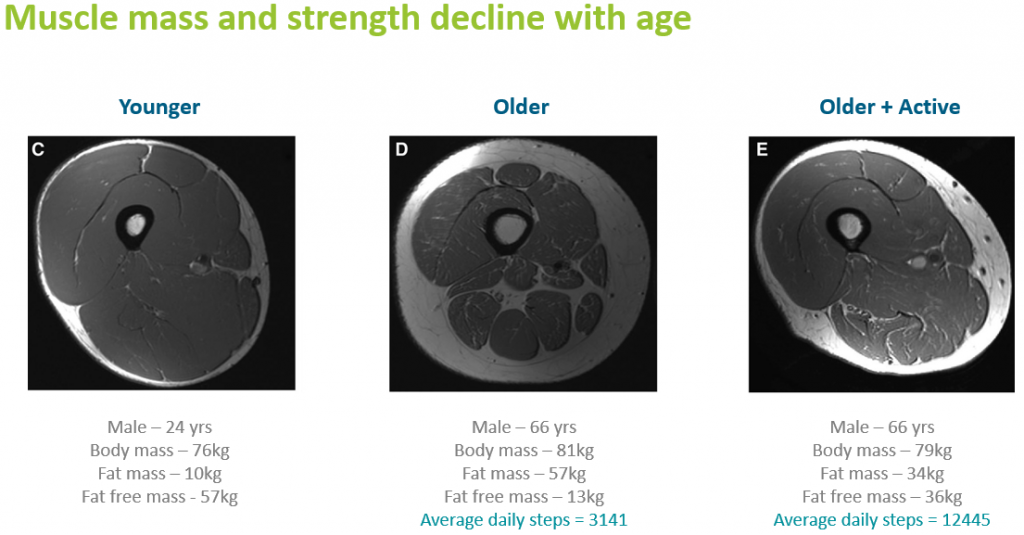
For many people, staying at home may lead to a reduction in time spent walking and engaging in other physical activities. Even relatively short periods (~2 weeks) of very low physical activity / low daily step count (<2,000 – 3,000 steps per day) are known to adversely affect skeletal muscle health (1, 2).
This is of particular concern among older adults who are already at high risk of muscle mass and strength loss.
Unlike younger adults who “bounce back” relatively easily from transient periods of inactivity, recovery in older adults is slow and may be incomplete (1, 2).
As such, these periods of inactivity may have long lasting negative effects on physical function and mobility. Fortunately, simple measures can be taken to minimise the deterioration in muscle health.
Nutrition and Maintaining Muscle Mass for Older Adults
What we eat can help us to maintain our muscle health while remaining at home, especially when combined with resistance exercise.
Protein-rich foods combined with a balanced diet of whole grains, fruits, and vegetables can be an important part of staying healthy and maintaining mobility.
Protein Power
Compared to younger adults, older adults are less efficient at using the protein they eat (found in foods like milk, yoghurt, fish, eggs, meat, beans, nuts) to build new muscle (3). This means that older adults need more protein in their diets than younger ones and not eating enough protein can contribute to muscle loss.

Expert groups recommend that healthy older adults should consume 1.0 – 1.2 g of protein per kilogram of body weight per day to help preserve muscle (4, 5).
It is particularly important to ensure that older adults continue to consume adequate amounts of protein while isolating.
Some tips include:
- Prioritise protein – as physical activity levels fall during social distancing, the number of calories we burn per day decreases and appetite may also decline. Prioritising protein-rich foods can help maintain a similar protein intake as before social distancing was introduced.
- Choose high quality sources – higher quality protein sources (e.g. milk, yoghurt, fish, eggs, meat, poultry) are better at stimulating muscle growth compared to lower quality protein sources (6). Getting a moderate-size serving of high quality protein (25-30 grams) at each meal can improve muscle retention.
- Boost breakfast – breakfast tends to be low in protein, so breakfast foods are an opportunity to boost daily protein intake. Making porridge with milk rather than water, adding Greek yoghurt to muesli or a smoothie, making an omelette or scrambled eggs, or drinking a glass of milk alongside your meal are all common ways of boosting protein at breakfast.
- Pair protein with exercise – the exercise will make muscles more efficient at using the protein from the meal to build new muscle (7).
- Pre-bed protein – consume a protein-rich snack (e.g. Greek yogurt, cottage cheese) before bed to boost muscle building rates overnight (8).
Calories Count
Studies indicate that consuming either too few or too many calories over several weeks can worsen muscle loss during periods of inactivity (9, 10).
It is normal for people to have a slightly lower appetite when they are less active than usual at home. However, if appetite drops considerably and results in weight loss, this may accelerate muscle loss.
 Small, nourishing snacks frequently throughout the day to give a constant source of protein (e.g. milky drinks, yoghurts, crackers and cheese, custard) and add extra calories to meals (e.g. add milk, skimmed milk powder or cream to soups and mashed potatoes, use full fat dairy products) are two ways to prevent appetite-related weight and muscle loss.
Alternatively, some people may find that, despite decreased activity levels, they are eating more than usual due to boredom or stress. In this case, eating plenty of fruit and vegetables which are low in calories and high in fibre can people stay full.
Prioritising protein-rich foods as discussed above and reducing intake of high-calorie, low protein foods (e.g. biscuits, chocolate, crisps, sweets, butter) can help reduce risk of weight gain.
Physical Activity to Maintain Muscle Mass
Use it or Lose it
The best way to protect muscles against the adverse effects of inactivity is to keep using them.
Resistance exercise, defined as exercising muscles against an external force (e.g. weights, resistance bands, our own body weight), is by far the most potent strategy to maintain muscle mass and strength.
Research has shown that incorporating resistance exercise during periods of reduced activity can attenuate or even abolish the decline in muscle mass (11, 12) and strength (12, 13).
Importantly, even relatively low amounts of resistance exercise appear to be effective once performed regularly (e.g. every other day) (12).
Although most older people may not have access to resistance training equipment at home, body weight exercises can be performed (e.g. sit-to-stands, wall push ups, leg extensions from a chair).
It is important for people to check with their doctor to find out if they have any contra-indications to exercise or if there are any reasons to modify their workout.
Reduce Sedentary Time – Exercise “Snacks”
Engaging in physical tasks around the house each day like gardening, active chores (e.g. sweeping, hoovering) or even walking around while on the telephone can help to minimise inactivity while staying at home, thus reducing the detrimental effect on muscle.
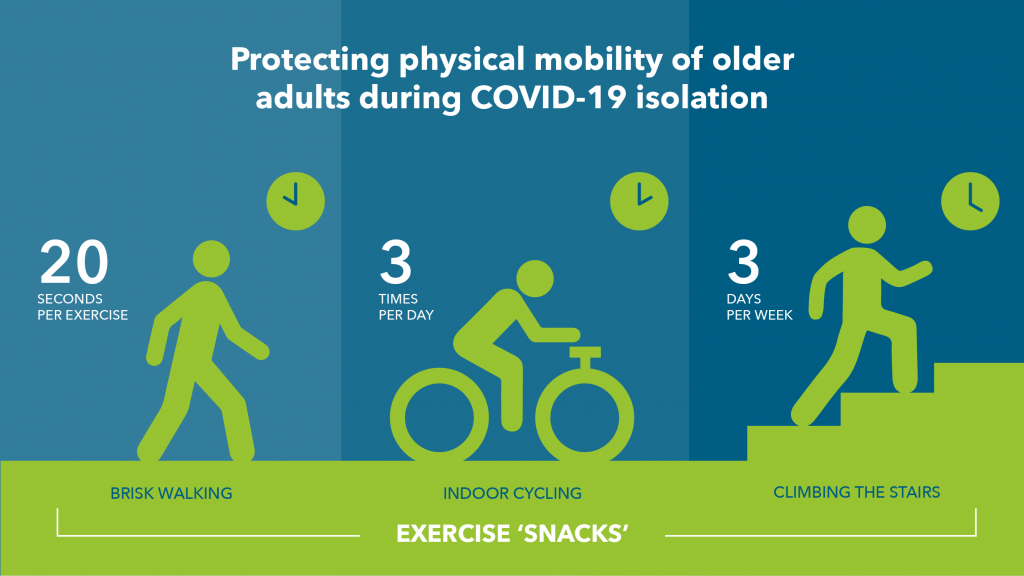
People can also break up prolonged periods of sitting with “exercise snacks”.
Exercise snacks are short bursts of exercise spread throughout the day (e.g. briskly climbing the stairs during ad breaks on TV).
A recent study reported that performing brisk stair climbing (approximately 20 seconds of climbing per “snack”) three times per day, three days per week, improved fitness and leg power in sedentary people (14).
Therefore, exercise snacks like these may help to reduce declines in fitness that occur during periods of inactivity.
Stay on Track
Staying motivated can be difficult, especially when we are isolated at home and separated from loved ones.
To maintain muscle health it is important to keep up the exercise and healthy eating for the duration of isolation. Some tips to help stay motivated include:
- Set goals about when and where to do the exercise (15)
- Choose activities you enjoy (16)
- Monitor your exercise using diaries or apps or ask a friend or family member to monitor you (15)
- Plan your protein-rich meals for the week ahead and make a shopping list
- Keep a stock of protein-rich foods (e.g. tinned fish, freeze extra poultry, meat and fish)
- Experiment with new protein-rich recipes to keep things interesting
 One of the most common criticisms of nutrition science is how confusing it can be. Recommendations will change from “eggs are unhealthy, avoid them” to “eggs are healthy, eat more of them” in a short time span.
The purpose of this article to explain why this happens. The reality is, nutrition is a relatively new and constantly evolving science.
It’s a good thing that we see dietary recommendations change, because it means we learned something new and can apply those learnings to improve health.
The downside is it results in confusing messages for people. So, let’s walk through a couple of the most confusing food stories in recent decades and see what there is to learn.
Foods like eggs or coffee, staples for breakfasts far and wide, have both been a part of the human diet for centuries. For many years, though, we were encouraged not to consume them regularly lest we shorten our life span.
For eggs, the concern was focused on the amount of cholesterol in an egg, thought to be associated with heart disease.
For coffee, it was the caffeine. So, when did the egg- and coffee-shaming begin?
Are Eggs Healthy or Not?
It all began in 1968 when the American Heart Association (AHA) recommended that people consume no more than three eggs yolks per week to lower risk of cardiovascular disease (CVD) [AHA 1968].
From the perspective of a health care provider, it was simple to explain to explain the link between dietary cholesterol and high blood cholesterol, and for patients it was an easy dietary modification. It appeared to be a win-win for everyone, unless you were an egg farmer.

Not until 1999, when Hu et al. published a large, long-term population study on egg intake and heart disease incidence did we start looking at the egg differently. The study, which included over 117,000 men and women, found there was no difference in CVD risk between people who ate one egg/week and those who ate one egg /day.
Since then, multiple epidemiological and meta-analyses have reached the same conclusion [McNamara 2015].
Eggs Are More Than Their Cholesterol Content
One theory is that dietary cholesterol does not impact our blood cholesterol as much as we once thought. Another theory, which is becoming more common in nutrition science, is that foods can be more than the sum of their parts, just as we’ve seen with dairy.
The ‘incredible edible egg’ is packed full with all kinds of nutritional goodies.
One medium egg does have half of the daily value for cholesterol, but with it comes 6 grams of complete protein and many micronutrients that many people in the US do not get enough of, like calcium, potassium, and choline, according to the 2015 Dietary Guidelines.
For egg-lovers and the egg farmers, nutrition science continues to show how important eggs are in our diet. Two recent studies have further supported the health benefits of eggs.
The first, a 9-year cohort study, examined the effect of egg consumption in over 415,000 subjects who were free of any chronic disease (e.g. heart disease, diabetes) at the beginning of the study. Researchers found that 13% of the subjects had at least one or more servings of eggs a day, and 9% rarely consumed eggs.
After nine years, the people that ate eggs every day had lower overall heart disease risk, with up to 26% less risk of haemorrhagic stroke, 28% less risk of dying from a haemorrhagic stroke, and 18% less risk of lethal complication from CVD.
The second study was designed to determine the effects of either high (>12 eggs/wk) or low (<2 eggs/wk) egg consumption in people with prediabetes or type 2 diabetes (T2D) on a 3-month energy-restricted diet [Fuller 2018].
Weight loss was similar between groups and there were no differences between groups in glycemia, traditional serum lipids, markers of inflammation, or oxidative stress. Interestingly, the presence of 12 eggs/week did not lead to weight gain [Fuller 2018].
Our understanding of egg’s role in a healthy diet has evolved quite a bit since 1968, which is why we have seen recommendations change over that period of time.
Is Coffee Healthy or Not?
“Coffee: it will stunt your growth, give you a stomach ulcer and increase your risk for heart disease!” Does this quote sound familiar? For years doctors warned their patients not to drink coffee because of its purported negative health effects.
There was also concern that when people drink coffee, they would become addicted to the “energy” they felt from the caffeine.
As people increased their coffee consumption, they would develop a tolerance to caffeine and would need to drink more coffee in order to get that energized feeling.
Thankfully for the more than 60% of Americans that drink at least one cup of coffee a day, research is now starting to highlight coffee’s positive health benefits and debunk the previous negative [Daily Coffee News].
So, why the change in heart? It is partly due to the recognition that the earlier studies on coffee did not account for common high-risk behaviours among heavy coffee drinkers (e.g. smoking, alcohol, physical inactivity) that each have their own role in heart disease risk [Mayo Clinic].
Scientists are also now identifying many components in coffee with potential healthful benefits (e.g. antioxidants, caffeic acid, cafestol, and so on) [Mellbye 2018, Kang 2009].

Other studies have suggested that drinking 3-4 cups of coffee per day is associated with ~25% lower risk of developing T2D compared to people consuming < 2 cups coffee per day [Huxley 2009, Santos 2016, Jiang 2014].
Where do things stand now? The 2015 Dietary Guidelines Advisory Committee reviewed the literature on coffee’s link to health, and found that moderate coffee consumption is associated with a reduced risk of heart disease and stroke.
The science also showed that both decaffeinated and caffeinated coffee were associated with a reduced risk of developing type 2 diabetes.
Finally, caffeine intake from coffee was associated with improved cognitive health and could play a role in preventing Parkinson’s disease [Scientific Report of the 2015 Dietary Guidelines Advisory Committee].
Coffee, Cancer, and California: Missing the Forest for the Trees
Despite this evidence, debate around coffee continues. In 2018, California made an attempt to require warnings on coffee regarding a possible role in causing cancer, under Proposition 65, due to its acrylamide content.
Scientists across the globe gathered to debate this legislation, due to the association between coffee consumption and the positive health outcomes listed above, and the legislation was eventually overturned.
This is a great example of the mistakes that can be made when we focus on one specific chemical or nutrient in a food, rather than the whole food’s role in health.
Moderation is key
While it the tide has definitely changed for coffee and health, it is important to keep in mind that the too much of anything is not necessarily a good thing, and coffee is no exception.
For example, high consumption of unfiltered coffee (boiled or espresso) has been associated with mild elevations in serum cholesterol [Scientific Report of the 2015 Dietary Guidelines Advisory Committee].
It is also generally recommended that people consume no more than 200 mg of caffeine at once, and no more than 400 mg of caffeine over the course of a day [ILSI NA].
We are still learning how different individuals metabolise caffeine, so these are recommendations for populations rather than specific individuals.
The Bottom Line: Use Moderation and Focus on the Big Picture
The verdict for eggs and coffee- they have their place in a healthy diet, but moderation is key. So go ahead and have coffee with your eggs in the morning, just keep an eye on the calories you may be adding to the eggs with different ingredients (e.g. butter) or the cream, sugar, or syrups in coffee.
Dining out of home and calorie-rich restaurant menus are often blamed as a main driver of the obesity issue worldwide.
The World Health Organisation global estimates that more than 1.9 billion adults aged 18 years and older are overweight (WHO,2018).
What if we could make healthier choices in restaurants more obvious and easier to make for consumers, with minimal effort on their part?
In a lot of cases, obesity is preventable. However, our current food environment makes this challenging. Behaviour change measures can be an effective means of changing consumer dietary habits.
Consumer dietary choices are influenced by personal preferences, habits, nutrition information, availability, cost, and placement, among other reasons (Glanz & Bishop, 2010).
What can Operators do to Enhance Healthier Behaviours?
Research on behaviour change is showing the following 3 strategies are helpful tools to help encourage healthy behaviours.
Read on for the ‘how’ behind these strategies.
- Ensure their menus provide visible and meaningful nutritional information to the consumer.
- Nutritionally optimise their recipes and provide healthier alternatives that motivate consumers to make healthier choices.
- Add environmental cues that encourage the healthy choice, such as signage at point-of-purchase, appealing pictures of healthy menu choices, etc.
Motivating Choices
Behaviour change can refer to a transformation or alteration of human behaviour or patterns. Approaches focusing on the individual, community and environmental influencers can support behaviour change.
Buying a car is one example. A person may be considering an energy efficient car as a more beneficial choice for the environment. Environmental influencers like awareness campaigns and financial incentives can motivate this individual’s purchase intent.
There are many credible models for behaviour change, one of which is the Capabilities, Opportunity, Motivation and Behaviour model (COM-B) of behaviour change.
Behaviour (B) occurs as the result of interaction between three necessary conditions:
- Capability (C): do you have the means available to do it? Money, time, or knowledge are examples.
- Opportunity (O): has the situation presented itself for you to make the change?
- Motivation (M): do you want to make the change?
Each of these conditions can influence each other, as well.
The below figure shows there can be potential influences between components in the model; opportunity can influence motivation or capability. (Michie, Stralen & West, 2011).

COM-B Model of Behaviour Change. Michie, Stralen and West (2011).
Applying this Model to Restaurants and Away-from-Home Eating
Capability is defined as the individual’s psychological and physical capacity to engage in the activity concerned. It includes having the necessary knowledge and skills (Michie et al. 2011).
For example, the visibility of nutritional information can enable a consumer to make the healthier choice.
- Calorie labelling on menus when eating out of home,
- Front of pack labels such as the Keyhole logo used in the Nordic countries,
- Callouts of low-calorie options for example: “Under 600kcals”.
Calorie labelling on menus is an intervention that is being widely analysed and implemented in various countries such as USA, Australia and UK.
A study by Bollinger et al, 2011 assessed the effectiveness of calorie labelling in 222 chain restaurants and found the labelling led to a 6% reduction in calories per transaction.
Calories were posted on menu boards and menu in a font and format that was as prominent as the price.
The reduction was a result of consumers changing their food choices, possibly due to the calorie information making them more capable to make the healthy choice.
The study also grouped consumers data into one of three categories of calories purchased: less than 125, between 125 and 250, or greater than 250 calories purchased.
The data suggests that calorie labelling had a greater influence on consumers that tend to make high-calorie purchases with an average reduction of 26% calories per transaction.
A Cochrane review assessed the effectiveness of calorie labelling at point of consumption in restaurant settings. This intervention provided promising results that nutritional labelling on menus may reduce energy purchased.
However, a wider set of measures would be recommended to tackle obesity (Crockett et al. 2018). Calorie labelling remains one tool in the toolbox to help tackle obesity.
Opportunity is defined as all of the factors that lie outside the individual that make the behaviour possible or prompt it (Michie et al. 2011).
For example, the availability and accessibility of healthier products vs. unhealthier foods so that the consumer can easily make a healthier choice.
If there are no healthy foods available when making a decision, there’s no opportunity to make the healthy choice.
Increasing availability of healthy foods was one of the top three interventions suggested in the McKinsey Global Institute report on Obesity (Dobbs et al, 2014).
A review by Grech & Allman-Farinelli (2015) evaluated interventions in vending machines and found that sales of healthier items were increased when made available in five of the six identified studies, with no loss of overall sales volume.
Increasing the amount of no added sugar beverages, low calorie snacks could change consumers purchase intent. In this example, people may have had sufficient capability to make the healthy choice but did not have the opportunity to do so until the healthy foods were added to vending machines.

Motivation
Capability and opportunity feed into motivation, which is defined as the brain processes that energize and direct behaviour, not just goals and conscious decision-making.
It includes habitual processes, emotional responding, as well as analytical decision-making (Michie et al. 2011).
For example, promotional advertising of the healthier choices to entice and enthuse the consumer on digital platforms, social media or menu boards, or printed posters located near checkouts or within the consumers eye line can influence motivation by providing the right stimulus at the right time.
Advisory prompts through digital platforms or employees when a consumer selects their food of choice is another nudge tactic that can motivate healthier options (e.g. “would you like this without cream?”).
A study focusing on the interaction between food choice and food advertisement exposure suggest that health-conscious consumers opted for the healthy snack following exposure to health message advertising (Dovey et al. 2017).
There are limited studies focusing on a combination of behaviour change interventions specific to dietary consumption when eating out of home.
One pilot trial study involving 18 worksites in England evaluated three interventions assessing the impact on calories purchased. The interventions altered one of (a) portion size in six worksites (b) availability of healthier options in six worksites and (c) energy (calorie) labelling in six worksites.

The three intervention studies showed the following results:
Portion size – reducing portion sizes (by 10% or more) may be effective in reducing energy purchased and consumed from targeted food categories such as main meals, sides, desserts and cakes (Holland et al. 2018).
Availability of healthier options, like offering more low-calorie options on a menu, could be a promising strategy to reduce calories purchased (Pechey et al. 2018). For example, lower calorie beverages or healthier side options incorporating fruit and vegetables or alternative cooking methods like baked vs. fried.
Calorie Labelling – only one out of the six sites showed a reduction in calories purchased when calorie labelling was implemented in menus. However, the lack of a significant reduction in calories purchased in five out of the six worksites may have multiple explanations relating to barriers to calorie labelling implementation (Vasiljevic et al. 2018). The use of bigger fonts or differentiation through colour could highlight and make the calorie information more meaningful for consumers. In this case, enabling consumer capability by adding calories to menus may have not been enough to strongly motivate behaviour change.
The first two interventions, reducing portion sizes and increasing availability of healthier options, showed promising results for reducing calories purchased. These pilot study gives some positive indications that using these interventions in combination could promote healthier dietary patterns compared to using one of the strategies alone. However further research on a larger scale is needed to evaluate the optimal implementation and combination of these interventions.
Knowing is Only Part of the Battle
Changing consumer behaviour takes time and can be very challenging, especially when eating out of home.
Often, changes that do not require conscious decision making are the most effective. For example, reformulation to nutritionally optimise recipes is a method widely used by the food industry and recommended in many public health initiatives worldwide.
It is an effective method of improving nutrition as it does not require any behavioural change from the consumer.
Evidence is growing to suggest that changing small cues or slightly tweaking the physical environment may provide an effective way of changing behaviour, in ways that do not require a lot of cognitive processing by a consumer.
These are commonly known as “nudge” interventions for example slight reduction in portions sizes or the placement of products near checkouts or on digital ordering systems to change the consumption behaviour of consumers (Vasiljevic, M et al. 2017).
Key Takeaways
Three things operators do to enhance positive, healthy behaviours in their food environments:
- Ensure their menus provide visible and meaningful nutritional information to the consumer.
- Nutritionally optimise their recipes and provide healthier alternatives that motivate consumers to make healthier choices.
- Add environmental cues that encourage the healthy choice, such as signage at point-of-purchase, appealing pictures of healthy menu choices, etc.
Establishing a food environment that combines these approaches could potentially help shape the way in which food operators support consumers to promote healthier dietary behaviours.
The FODMAP diet is an eating pattern designed to help people with irritable bowel syndrome or other gastrointestinal discomfort choose foods that can help them with their symptoms like bloating and abdominal pain.
Many consider it to be the next wave of the gluten-free trend. Researchers from Monash University in Australia have conducted much of the work around understanding FODMAPs and that research is the basis for many of the answers in this Q&A.

What are FODMAPs?
FODMAPs are a family of carbohydrates that cause gas, bloating, diarrhoea, constipation, distention and pain. FODMAPs are fermented by the bacteria living in your intestines.
They draw more water into your stomach and intestines, which can cause more gas to be produced. This gas can lead to bloating and distension in the intestine, which can then cause the muscles in your gut contract, resulting in pain, diarrhoea, and constipation.
What Does FODMAP Stand For?
Fermentable
FODMAPs are broken down by bacteria producing gas in a process called ‘fermentation’. This produces more gas in your intestines and can cause discomfort.
Oligosaccharides
Oligosaccharides are a number of small carbohydrates found in foods like wheat, onion, garlic, pulses and legumes. They are poorly absorbed by some people and can cause gastrointestinal upset.
Disaccharides
Disaccharides are two simple sugars that are attached to one another. A common disaccharide is lactose, which is found in dairy foods. Many people are intolerant to lactose due to a lacking of the lactase enzyme present in their gut to help break it down.
Monosaccharides
Monosaccharides are simple sugars such as glucose and fructose. Consuming foods that are low in glucose but high in fructose can cause an individual to mal-absorb fructose, which can cause cramping. Such foods include honey, apples and high-fructose corn syrups.
Polyols
Polyols are sugar alcohols, such as sorbitol and mannitol, that are found in some fruits and vegetables. Polyols are often extracted for use as an artificial sweetener and can be found in many manufactured foods in place of sugar. Polyols are known to cause diarrhoea at high intake levels.
Everyone is Different
Among each of these types of carbohydrates, different people have different sensitivities. The goal of the FODMAP diet is to help each person find which FODMAPs they are specifically sensitive to so they can eliminate those foods from their diet.

Are FODMAP Diets Backed by Science?
Yes. The low-FODMAP diet was developed by doctors and dietitians at Monash University in Australia. Clinical trials of people with Irritable Bowel Syndrome (IBS) has been shown to help IBS suffers reduce their symptoms in up to 75% of patients.
Does Cooking Make FODMAPs Easier to Digest?
Studies have found that in canning food under acidic conditions, water-soluble FODMAPs can be leached out. So, if you’re eating a low FODMAP diet, you can discard the canning water and wash your legumes before use to reduce your exposure to FODMAPs.
It is also possible that very high temperatures may also break down FODMAPs. However, the extent of this reaction can vary greatly depending on the food being cooked, and the cooking conditions.
Currently, the most reliable approach to reduce FODMAP symptoms is to use low FODMAP diet.
What Foods are Best for IBS?
Low-FODMAP Vegetables
- Green beans
- Bell peppers
- Carrots
- Cucumbers
- Lettuce
- Potatoes
- Tomatoes
- Zucchini
Low-FODMAP Fruits
- Blueberries
- Cantaloupe
- Citrus fruits
- Grapes
- Kiwi
- Pineapple
- Raspberries
- Strawberries
Low-FODMAP Grains
- Corn
- Oats
- Buckwheat
- Millet
- Quinoa
- Rice
- Seeds (chia, pumpkin, etc)
- Sorghum
Low-FODMAP Proteins
- Eggs
- Tofu
- Protein concentrates or isolates
- Certain cheeses (cheddar, brie, cottage, mozzarella, parmesan)
- Meats & Seafood
- Peanuts
- Walnuts
Are Meats Low in FODMAPs?
Animal proteins such as chicken, meat, eggs and fish are low in FODMAPs. However, ingredients used in the preparation of meat foods such as onions, garlic, bread crumbs, marinades and sauces, may contain levels of FODMAPs.
What Happens if I Take a Break from the Diet?
The goal of the FODMAP diet is to reduce symptoms and to resume you normal diet slowly at quantities that you can tolerate.
Intake of FODMAPs may not induce symptoms when the overall load of FODMAPs is reduced.
If you do experience gastrointestinal symptoms after consuming FODMAPs, resume the low FODMAP diet and symptoms should improve within one week.
Is this the Low FODMAP Diet for Life?
No, the goal of the Low FODMAP Diet is to help your gut heal and to reintroduce certain foods back into your diet over a period of time. Ideally a low FODMAP diet is followed for 2-6 weeks.
After the initial low FODMAP diet, individuals are able to return to their usual eating habits, while only having to avoid very specific high FODMAP foods.
Navigating the Trend
Digestive health is one of the top 10 trends in nutrition for 2019 and previous years, meaning plenty of people will be seeking diets like the low FODMAP diet, as well as plenty of companies creating low FODMAP solutions for these people. For both of these groups, there are some watch-outs to keep in mind as well as opportunities to capture.
What are the Watch-Outs?
The most important watch-out for the FODMAP diet is making sure the diet is still healthy. You may have noticed already, but many high FODMAP foods are also considered healthy foods.
Apples, onions, artichokes, yogurt, and more are all foods that might come to mind when someone asks ‘what foods are healthy?’, yet here we see them listed as high FODMAP foods to be avoided for people with IBS.
For people following the low-FODMAP diet, this means replacing healthy high-FODMAP foods with healthy low-FODMAP foods, rather than trying to avoid FODMAPs altogether.
For companies trying to create low-FODMAP solutions, it’s essential to make sure these solutions provide similar nutrition to the foods they are replacing rather than just removing FODMAPs.
This means being sure to include vitamins and minerals people would normally be getting from high-FODMAP foods they are eliminating in their diet, as well as polyphenols and non-digestible fibres, when possible.
What are the Opportunities for Industry?
Food and beverage companies that can create great tasting solutions while also formulating with low-FODMAP foods like those in the table above have a great opportunity get out ahead of a trend that could be as big as the gluten-free trend has been in recent years.
Companies who make strong, science-backed healthy solutions have consistently been able to garner strong followings from consumers on specific diets in the past, and this will continue for the low-FODMAP diet as it spreads across the world.
Low-FODMAP certifications do exist for companies wanting to draw consumer attention to their efforts in creating low-FODMAP foods.
It’s hard to focus on eating healthy when we’re traveling, whether it’s flying across the country on a business trip or driving 7 hours to see family for a holiday visit. The mood is hectic and to-do lists are long, so eating healthy often becomes an afterthought. Even worse, food often feels out of our control when traveling; you can end up feeling like the victim of whatever choices are available in an airport or get hungry on a 200 mile stretch of road where less healthy choices may seem like the only option.
It’s not a big deal if it happens here or there, but if you’re someone who travels a lot, this can add up in the long run. Here are some helpful tips to avoid having your health be disrupted by travel.

1. Time your meals and snacks to be consistent with your normal routine
One important strategy is to try to keep your food intake as close to normal as possible. Our bodies like consistency, so when we shake up our schedule it can take some time for our hunger signals to adjust. This means planning to eat meals at times you’d normally eat. If you’re in a hotel, set your alarm to wake up at a time close to when you’d usually wake up and have breakfast. Plan to have snacks at the times you’d usually eat snacks. If you’ll be on the road when you’d usually be having something to eat, try to plan ahead for what food choice you’ll make so you’re ready when your normal mealtime comes around.

This gets a lot harder when crossing multiple time zones. If time changes mean you’ll end up sleeping during a time you’d normally have a meal, try to have a snack before you go to sleep so you don’t wake up as hungry. High protein snacks (yogurt, nuts, cheese, etc) are great choices since protein can help us feel full longer.
The more hunger we feel, the harder it is to make a healthy choice. Staying consistent with our usual eating patterns can not only help us make the right food choices, but also gives a sense of normalcy while traveling and is a great way to improve mental and physical well-being on the go.
2. Be prepared
Packing meals and snacks helps tremendously with tip #1. You never know when you’re going to be stuck on a plane or not have access to food during a time you’d normally be eating, and for me that added desperation makes the hunger feel so much worse.
If you have kids, you probably know how chaotic it can be when their snacktime rolls around and you find you forgot to pack anything for them to eat. A hungry kid can often be more easily upset, especially when young, can bring all kinds of unpredictability to your day.
Deep down, we are still like that as adults, we have just learned to repress our screaming and tantrums – instead we just silently suffer with hunger. The phrase ‘hangry’ comes to mind. Treat your hunger just like you would treat your kid’s!

3. Choose the right foods
Most dietary recommendations suggest people should get more fruits, vegetables, and whole grains, so these are great to focus on when deciding what snacks to pack or meals to prepare ahead of time. Convenience is often the #1 priority when traveling, so be realistic with your food choices. It’s not safe to eat a salad while you’re driving, and the nose of your neighbor on the plane probably won’t be thrilled if you somehow managed to pack yourself some grilled fish.
Dried fruit and nuts can make a great snack, as long as you are aware of the proper portion sizes. It’s easy to end up eating 500 calories after a few handfuls before you realize it! Convenient fruits and vegetables like bananas, apples, or carrots can be good choices for cars or planes. Fruit and vegetable 100% juice blends can offer fruit and vegetable servings in a convenient package, although this can also be easy to consume too much of – aim for 4-6 oz rather than an entire bottle. High protein, whole grain snack bars can also be a good option.

More and more products are offering fruits, vegetables, nuts, and whole grains in convenient formats like dried, poppable bites, scoops, bars, and beverages, so keep your eye out for these if you’re looking to try new things.
At breakfast time, one trick is to add more protein, since many people don’t get enough protein early in the day. Most breakfast foods are high in carbohydrates and low in protein, like cereal, bagels, pastries, muffins, and things like that. Adding more protein to breakfast helps people feel full longer, and it also helps our bodies hold on to our muscle mass when we’re losing weight. If you’re facing down a hotel breakfast buffet, try to choose some protein-boosting strategies like adding peanut butter, protein powder, eggs, or dairy foods like milk or yogurt to your breakfast.
One of the biggest challenges when traveling can be eating out at restaurants, where large portion sizes loom. These aren’t bad every once in a while, but if you’re traveling for a few days the feeling of being stuffed can wear you down.
Some tips for dining out might include:
- Ask the server to put half of your dish in a to-go container, so you’re only eating a half portion. If where you’re staying doesn’t have a refrigerator, share a meal with someone.
- Choose smaller dishes, like salad paired with an appetizer, or choose a few plates to share among the table.
- Use menu nutrition information, if it’s available, to help guide your choices.
The hardest time to eat healthy is when we’re unprepared. We lose a lot of the control we normally have over our lives when traveling, so use these tips to try to gain some of it back.
Dietary fibre has become an important functional ingredient in recent times due to growing consumer interest in the many health benefits of fibre touted by the scientific community (Anderson 2009).
Fibre has been recently defined by the FDA as “non-digestible soluble and insoluble carbohydrates (with three or more monomeric units) and lignin that are intrinsic and intact in plants; isolated or synthetic non-digestible carbohydrates (with three or more monomeric units) determined by the FDA to have physiological effects that are beneficial to human health.”
Here, the monomeric units refer to individual sugar molecules. Current food trends point strongly to dietary fibre due to its versatility as a food ingredient, connection with weight management and digestive wellness, and association with the concept of natural.
Fibres play an important role in gastrointestinal health, with new scientific findings into the effect the fibre on bowel movements, cardiovascular health, blood glucose metabolism, and the microbiome constantly adding to the growing evidence that fibre is a critical component to a healthy diet (Vuksan 2008, Pereira 2004, Giacco 2000, Maslowski 2011).
Sources of Fibres
Dietary fibres are typically derived from the indigestible parts of plant materials and made up of long repeating chains of sugars. The most common fibres are from the exterior husk of cereals and grains, which contain the insoluble fibres cellulose and lignin.
Both cellulose and lignin are main components of most plants and can be found in the tough, fibrous materials of plant-based products. Plants use these fibres to protect themselves. Wood is an example of a material made from cellulose and lignin, but these fibres are also a main part of the skin of fruits and vegetables.
The edible interior of the seeds contains mostly digestible starch, with some fraction of resistant starch. These resistant starches are in a form that cannot be broken down by the starch-degrading enzymes released by the human intestines due to either being enclosed by other indigestible fibres or existing in a high-density crystalline form.
Unlike digestible starch, crystalline starch has no gaps for the enzymes to effectively bind. Beans also have similar fibre components as well as a large portion of raffinose, a simple three-sugar carbohydrate.
Some beans produce specialty fibre materials which are used as thickening agents in product formulation, such as locust bean gum and guar gum.
These gums are commonly used in gluten-free doughs for improve viscosity, as well as ice cream to enhance texture quality.
Fruits are an important source of lignin, as well as pectin, which is used as a gelling agent to produce jams, jellies, and marmalades.

Marine products are also a rich source of fibre ingredients. Carrageenan, agar, and alginic acid are all soluble fibres with gelling properties traditionally extracted from sea algae.
Chitin and chitosan are non-plant fibres both sourced from the hard shells of marine crustaceans such as crabs, lobsters, and shrimp.
Inulin, another important fibre used in the industry, is found abundantly in chicory root or Jerusalem artichoke. Xanthan gum, a thickening agent and stabilizer, is produced from simple sugars using a specific strain of bacteria.
Some dietary fibres are produced synthetically by chemically modifying starches to form another subclass of resistant starches. These synthetic resistant starches are either chemically linked together across sugar chains or modified at each individual sugar unit to generate food ingredients that cannot be readily broken down by human digestive enzymes.
Other fibres can be chemically or enzymatically modified to change their functional properties as food ingredients. For example, pectins can be reacted with either ammonia or hydrochloric acid to create semi-soluble fibres that gel at lower sugar concentrations than the parent molecule.
Dietary Fibre for Health
Dietary fibre is a nutrient most people know is beneficial but few people get enough of. Despite research consistently showing a variety of health benefits associated with fiber, less than 10% of people in the US meet dietary recommendations.
When it comes to health, fibres can have many different definitions. They can be categorized as water insoluble, water soluble, viscous, non-viscous, fermentable or prebiotic, to name a few.
The number of different categories speaks to the complexity of these ingredients. Each of these types of fibres can have different behaviours and benefits in our bodies, and the scientific community continues to reveal what these benefits are.
Here are some examples.
- Insoluble fibres, which do not dissolve in water, can serve as bulking agents for stool and contribute to regularity. These are the main fibres associated with digestive health. They are most often found in fruit and vegetable skins, whole wheat, seeds and nuts.
- Soluble fibres dissolve in water and are most known for their association with satiety, heart health, and blood sugar regulation. Studies have shown some soluble fibres can slow the rate food moves through our digestive tract, which can reduce the speed we absorb sugar and also make us feel full for longer. Fibres like beta glucan (mainly found in oats) have been shown to reduce LDL cholesterol, potentially reducing risk of heart disease. Oats, beans, flax seed, and some fruits and vegetables, such as apples, contain soluble fibre.
- Some fibres are also categorized as prebiotic, which means they provide beneficial bacteria in our colon with a source of energy. When these bacteria digest prebiotic fibres, they create metabolites like short chain fatty acids which can have a variety of beneficial effects. Inulin is a widely used prebiotic fibre. For more information on how prebiotic fibres work, read ‘Fiber and Prebiotics: Mechanisms and Health Benefits’ by Dr. Joanne Slavin.

Fibre as a Food Additive
While the health benefits of consuming dietary fibre are clear, consumer perceptions of fibre are still influenced by the sensory characteristics imparted by these ingredients. In particular, formulators are challenged to include fibre in food products while maintaining consumer acceptability for taste, texture, colour, and aroma.
Several challenges exist for product developers interested in incorporating more dietary fibres into food products. The physical and chemical behaviour of fibres create a natural constraint for the amount of fibre that can be added to any one product.
For example, acidic foods can cause some fibres to break down into simple sugars over time, which may result in a product that falls short of the regulatory requirements needed for health claims. Pectins, alginic acids, carrageenans, and guar gum all readily gel in the presence of calcium, which can pose problems when formulating with dairy or other high calcium products.
The taste and texture of a food product are also affected by fibre concentration, as many insoluble fibres can produce a gritty sensation when eaten. Some prebiotic fibres may cause bloating and discomfort due to the gas produced as a by-product of bacterial digestion.
Fibre and the Future
Designer fibres are increasingly becoming important functional ingredients for incorporating more fibre into food products while maintaining desirable healthful and sensory properties. Chitosan-coated konjac glucomannan is a hybrid fibre ingredient used to improve the viscosity of foods used for weight reduction (Woodgate 2003).
Resistant glucan and hydrogenated resistant glucan are newly developed soluble fibres composed of glucose that are being studied for their potential role in reducing incidence of metabolic syndrome, the cluster of conditions that contribute to lifestyle diseases (Nakamura 2016).
Several novel processes are currently in development to produce novel resistant starches.
Continued innovation in the dietary fibre space will require an understanding of consumer demand for functional food products balanced with the desire for great taste.
In the past decade, foods like coconut oil and bulletproof coffee have been in the headlines of countless nutrition news articles. One of the most common questions dietitians get asked is “what’s the truth about coconut oil, is it healthy?”.
Scientific studies have shown that consuming certain types of dietary fats can reduce the amount of food eaten later in the day. These dietary fats are known as medium chain triglycerides, or MCTs for short. Coconut oil’s surging popularity in the last decade is partly due to the media promoting coconut oil for weight loss, advocating similar health benefits to that of MCTs.

In this blog, it’s time to take a look at the science behind coconut oil and MCTs. It is based on a study that was carried out with the primary intention to compare the effect of MCT oil to coconut oil on food intake and feelings of hunger, fullness, desire to eat and prospective food intake in healthy subjects.
The basics on fat
Historically, high-fat diets have long been linked to overweight and obesity. However, new studies are suggesting that certain fats can have a positive influence on weight.
This is because, as we now know, not all fats are the same. There are ‘good’ fats and ‘bad’ fats. This is probably why going totally ‘low fat’ or ‘fat free’ didn’t seem to make us any healthier. When we cut out fat from our diet, we ended up missing out on what are known as good fats and essential fats.
For more information on the type of food or fat to choose, see our blog ‘Does Low-Fat Still Matter?’.
All fats are made up of the same components, but the various structures of different fats give them many different functions within our bodies once consumed.
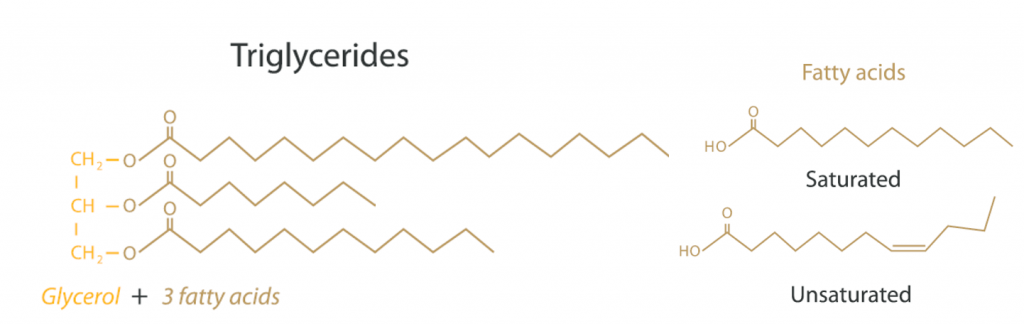
|
Get KHNI articles delivered to your inbox
|
What are MCTs and how are they different from other fats?
Like we see in the image above, natural dietary fats are made up of fatty acids composed of chains of carbons. Fatty acid lengths can vary from 8 to 22 carbons long; most fatty acids have a carbon length of 14 or more. MCTs are triglycerides that are made up of mostly medium chain fatty acids, which typically have a length between 6 and 12 carbons (Bach and Babayan, 1982). This different structure is what gives MCTs their unique properties.
MCTs have a smaller molecular weight, are most commonly liquid at room temperature and have a lower melting point than other naturally occurring fats found in the food chain. This structure is also what allows MCTs to act in an alternative way to other fats when absorbed by the body, which is discussed below (Bach and Babayan, 1982).
MCTs are naturally found in the food chain in coconut oil, palm kernel oil and dairy fats. They became of interest in the food chain in the 1950’s when studies focused on how fats are absorbed in the body (Nagao and Yanagita, 2010).
Most MCT oil is extracted from tropical oil sources (palm or coconut), filtered and then concentrated (re-esterified). It is thought that this restructuring is key to the effect MCTs have on reducing food intake and weight gain.
How are MCTs absorbed and what does that mean for weight gain?
When we eat and digest most dietary fats, they are absorbed into our bodies in a different way than nutrients like protein or carbohydrates. This is due to fat’s inability to properly mix with water (think oil and vinegar), meaning most fats don’t go directly to the liver like proteins and carbohydrates do. Unlike other fats, however, MCTs do go directly to the liver when consumed due to their unique structure. This allows the body to quickly use these fats as energy, which can then be burnt off by the body through activity, reducing the amount of weight gained. MCTs also contain fewer calories per gram than typical fats (~8.3 calories per gram instead of 9 calories per gram). Other fats consumed are more likely to become fat deposits (adipose tissue) in the body when we eat too many calories due to their alternative absorption method making them less available to be used as energy (Babayan 1987).

This difference in the way our bodies utilize MCTs compared to other naturally occurring fats (Rolls et al, 1988) has been suggested as contributing to the effect of MCTs on contributing to fullness and reducing food intake.
If you want to know about the science of how MCTs are utilized by our bodies, this article is a great reference.
What is the difference between MCT oil and Coconut oil? Does coconut oil live up to the hype?

Most plant-based fats are unsaturated (liquid at room temperature), however coconut oil is a unique plant-based fat in that it is made up of 92% saturated fat. Although most of the fat in coconut oil would be considered to be MCTs, the fatty acid found in these MCTs are longer than most other MCTs. Due to this length, the absorption of coconut oil differs from that of MCT oil. Only a small percent (20%-30%) of coconut oil is absorbed through the liver and readily available to be burned off as energy by the body, where as 95% of MCT oil derived from other sources is absorbed this way (Denke and Grundly, 1992).
As a result, the evidence around whether coconut oil can be promoted as a way to help with weight or appetite regulation varies. The results of this recent study and previous studies (St-Onge and Bosarge, 2008), show that MCT oil has beneficial effects for reducing obesity through reducing food intake and increasing fullness compared to coconut oil (Mumme and Stonehouse 2015). The way MCTs achieve this effect is still being explored, but one possible explanation is the rapid rate we absorb them.
With fat gaining popularity with consumers, there may be many opportunities to add fat back into products. It’s important to make sure these fats are from a healthy source and the calorie content of foods is still not too high. Even too many healthy fats can contribute to weight gain. If you want to add fat to a product to improve satiety or help weight management, the best bet would be to use MCT oil rather than coconut oil.
After over 40 years of relatively consistent guidance on dietary fat intake in the US, recommendations have recently moved their focus from quantity to quality.
Americans were first advised to limit the total fat and saturated fat in their diet in the 1970s, when large-scale global studies suggested that doing so would lower heart disease risk.
In the years that followed, committees and health organisations massaged their recommendations – a bit less saturated, a bit more polyunsaturated, more monounsaturated, less trans – but net guidance to eat less fat remained constant.
Nowadays, however, with the benefit of more research and more years to evaluate the impact and long-term effects of fat restriction on the body, the 2015 Dietary Guidelines emphasise quality i.e. the type of fat, rather than quantity.

The retreat from low-fat guidance offers an interesting example of unintended consequences that date back to the 1980s.
When the authors of the earlier editions of the Dietary Guidelines advised Americans to eat less fat and more carbohydrate-rich foods to replace the calories, they had whole grains, fruits and vegetables in mind.
Unfortunately, people swapped out the whole milk, full-fat dairy products and higher fat meats in their diet for refined white breads, potatoes, pasta, desserts and sugars.
Instead of reducing the chances of developing heart disease, this higher carbohydrate diet ushered in increased risk of heart disease, diabetes and obesity.
Furthermore, since these recommendations were made, a growing body of research has found no direct relationship between a low-fat diet and disease reduction or weight management.
Read our blog Dairy Science and Consumer Perception Realign.
The effects of saturated fat on health continue to be debated, with general agreement that saturated fat should be limited.
Research suggests that dairy foods and beverages with both dairy fat and calcium, such as whole milk and cheese, may not be detrimental to health, but guidelines continue to recommend mostly lower-fat dairy products until the dairy fat-health relationship is better understood.
In contrast, nearly all health experts and government bodies agree on the detrimental health effects of trans fats.
Partially hydrogenated oils (PHOs), the primary source of trans fats, became popular among food manufacturers and producers for their ease of use, low cost, stability and desirable effects on the taste and texture of foods.
Food sources of trans fat have included fried foods such as doughnuts and chicken and baked goods such as cakes, pies, cookies, crackers and margarine.
As of June 2015, the US Food and Drug Administration (FDA) no longer classifies PHOs as Generally Recognised as Safe (GRAS) and gave manufacturers three years to remove PHOs from their products.
Many manufacturers began removing PHOs from products in advance of the 2015 ruling due to consumer demand.
Ingredient companies, food manufacturers and restaurants can use this opportunity to further innovate and reformulate their products to reduce the content of negative nutrients and ingredients, such as saturated fat and PHOs, while maintaining the taste expected by consumers.
These types of fat could be reduced in fast food, for example, by using lower fat coatings and cooking systems that impart the flavor and mouthfeel of fat without frying.

Changing consumer perceptions is another matter; dietitians and other health professionals face an uphill battle in reversing the effect of over 30 years of low-fat health messaging.
Consumers equate fat with calories and low-fat foods provided an apparent shortcut to weight loss. Surveys show that dieters and non-dieters alike continue to seek out reduced-, low- and no-fat products.
Transitioning consumers away from cutting total fat and toward differentiating between healthy unsaturated fats and unhealthy saturated and trans fats, all while managing total calories will undoubtedly take more time.
Read our blog Moving From Weight Management to Weight Wellness.

The retail environment also reflects the emphasis of low-fat in dietary guidance over recent decades, further confusing consumers.
Currently, regulations require that foods labeled ‘healthy’ on a product package be limited to no more than 3 grams of total fat and 1 gram of saturated fat.
This definition disqualifies nutrient-rich foods rich in healthful fats, such as nuts, avocados and salmon and other fatty fish and allows less healthful fat-free high carbohydrate foods to carry the designation.
Until regulations change – the FDA is in the process of reconsidering its definition of “healthy” – consumers need to check the ingredient list for healthy fats rather than relying on the term “healthy” on the label.
To help consumers navigate this low-fat landscape, global dietary guidelines offer a framework to guide consumers toward more healthful diets.
Whether recommendations say to reduce fat or sugar, the guidelines for a healthful diet generally remain the same.
Although emerging evidence is showing that saturated fat from dairy or tropical oils may not be as bad for our bodies as saturated fat from animal sources, global recommendations still encourage consuming less saturated fat overall until the science becomes more clear.
- Enjoy a diet that includes vegetables, fruits, whole grains, low- or non-fat dairy, seafood, legumes and nuts; and reduces red and processed meats, sugar-sweetened foods and drinks and refined grains.
- Include moderate amounts of healthy fats, such as monounsaturated and polyunsaturated fats found in nuts, vegetable oils and fish, while controlling saturated fat and avoiding trans fat.
- Be mindful of mixed dishes such as pizzas, burgers, sandwiches and pastas; they are the top sources of saturated fat.
- Increase low-fat/fat-free milk and yogurt while decreasing cheese.
- Replace solid animal fats with non-tropical vegetable oils (e.g. canola, olive) and nuts.
Read our blog Tipping the Balance toward Moderation.

This blog is about perspective, not prescription. Individuals considering decisions about their personal body weight should consult with a health care provider.
 Although dieters often successfully lose weight, the challenge is keeping that weight off. Most dieters regain weight starting about 6 months after weight loss. Weight wellness is about taking a fresh perspective toward managing weight starting in youth and consistently applying successful lifestyle choices daily to prevent progressive weight gain through the adult years.
Preventing progressive weight gain is key to weight wellness
Like the law of gravity, there are general truths in nutrition, such as energy eaten in excess of calories spent are converted to body fat and add up over time. On average, adults gain about ½ kilogram (kg), or 1 pound (lb), each year in middle age. This means that a 30 year old weighing 70 kg (155 lb) adds about 20% to their starting weight as body fat by 60 years of age. This is equivalent to carrying a 15 kg weight (about 30 lb) attached at the waist every day. And this happens incrementally, making it hard to notice.
Weight gain is both progressive and persistent across the lifespan, especially since we lose muscle mass as we age. Therefore, the need to actively manage weight starts in childhood. The old adage that kids grow out of their baby fat has been replaced with active weight management in childhood. In July 2015, the American Academy of Pediatrics issued new guidance recommending that pediatricians actively prevent excess weight gain among children (Daniels, 2015). Pediatricians are now advised to:
- Promote a diet free of sugar-sweetened beverages fewer foods with high caloric density, and increased intake of fruits and vegetables
- Promote a lifestyle with reduced sedentary behavior and 60 minutes of daily moderate to vigorous physical activity.
Similarly, World Health Organization (WHO) recommendations state that obesity prevention in infants and young children are a high priority and advises (WHO, 2002):
- Exclusive breastfeeding
- Avoiding added sugars and starches when feeding formula
- Instructing mothers to accept their child’s ability to regulate energy intake rather than feeding until the plate is empty
- Appropriate micronutrient intake to promote optimal linear growth and prevent stunting, which is associated with overweight in later life

Establishing and maintaining a healthy weight in childhood helps establish lifelong lifestyle behaviors. Weight wellness is a proactive approach to avoid the difficulty of losing weight later in life.
Why avoiding weight gain is preferred
Once body fat accumulates, it can be difficult to lose, but it is even more challenging to keep off. Several factors make it difficult to maintain weight loss; among these is that losing weight leads to a lower resting metabolic rate. In other words, your body fights weight loss. Losing weight and, more importantly, keeping it off requires many behavior changes that are sustained lifelong. The National Weight Control Registry, the largest prospective investigation of long-term successful weight loss maintenance, shows that 98% of people who successfully maintain their weight loss modified their food intake in some way, 94% increased their physical activity (90% exercise about 1 hour per day!), and 78% eat breakfast every day. You can see more research findings here.
Leading weight management expert Jim Hill, PhD, summarized the situation as follows (Hill, 2012): “from an energy balance point of view, we are likely to be more successful in preventing excessive weight gain than in treating obesity. The reason is that the energy balance system shows stronger opposition to weight loss than to weight gain. Although large behavior changes are needed to produce and maintain reductions in body weight, small behavior changes may be sufficient to prevent excessive weight gain.”  A new mindset of weight wellness.
In the book, “Mindset: The New Psychology of Success,” renowned psychologist Carol Dweck, PhD, describes the power of a growth mindset in achieving success in life. Individuals with a growth mindset believe they have the potential to grow and learn. In contrast, individuals who believe their capacity is defined in a pre-determined manner achieve less. Applying this concept to weight wellness allows individuals to consider that they are not locked into their body weight, but rather that the choices they make everyday matter and influence weight wellness throughout life.
Perhaps more than any other factor, human genetic or inherited potential seems like an unchangeable determinant. It turns out that genetic potential is not as simple as an on and off switch that predetermines body weight. More than 30 genes have been identified as relating to obesity, yet in general, genes are not fate. They are modified and expressed within the context of lifestyle effects and influences. For example, being physically active lowered risk of obesity by approximately 30% among adults carrying an obesity-promoting gene referred to as FTO (Kilpeläinen, 2011). Even food choices have been shown to modulate genetic potential. The key point is that genes do not determine body weight, but instead are the starting material from which lifelong lifestyle choices affect body weight.
Successful weight managers (i.e., lost weight and kept it off long-term) in the National Weight Control Registry adopted lifelong behaviors that include eating a low-fat diet, weighing in regularly to quickly adjust food intake in order to prevent gains, and maintaining high levels of regular physical activity (Hill, 2001). Studies show that the combination of reduced calorie intake with increased expenditure through exercise achieves greater success in long-term weight management than either diet or exercise alone (Dombrowski, 2010). From a diet perspective, a variety of diet patterns are effective to accomplish calorie balance (typically whatever a person is most likely to stick to is the most effective).
 Tailored foods can help
Although weight wellness is mostly about behavior change, certain foods and nutrients may help make that behavior change easier. For example, fruits and vegetables are low in calories and full of micronutrients. Eating more of these and fewer calorie dense foods can aid maintenance of a healthy weight. Studies have shown that protein and fiber can contribute to fullness and decreased hunger throughout the day, so products rich in these nutrients can help people feel better when they are restricting food intake. Whole grains are great ingredients to add to foods to contribute fiber. Legumes are rich in both fiber and protein and may be easier to incorporate into a wide variety of applications than other protein sources like meat or dairy foods, depending on processing techniques available. Reducing calorie content of foods via sugar or fat reductions is another way to help everybody achieve weight wellness.
In Summary
A weight wellness mindset focuses on a proactive approach starting in infancy and childhood that continues throughout life to prevent modest but progressive weight gain through a combination of diet and substantial exercise. A part of the new mindset is approaching weight wellness as lifelong lifestyles needed to prevent relatively small weight increases (half a kg or one lb), rather than waiting until substantial weight loss is needed. Weight management is every day and forever, comprised of small changes consistently applied. It is a mindset of living the life that you aspire to rather than seeing weight gain as fate.
Gluten-free can be a strong driver of food choices for some consumers, but what is the science behind this dietary pattern?
Gluten can be a serious concern for some consumers, while others pursue gluten-free for alternative reasons.
Here is an FAQ to help navigate this landscape but this FAQ is not intended to diagnose, treat, cure, or prevent any disease.
What is Gluten?
In general, the term “gluten” refers to specific proteins found naturally in grains (1).
These are tenacious elastic proteins that are important for the texture of foods like bread, condiments, beverages and soups.
Where is Gluten Found?
Grains like wheat, rye, barley and their varieties (e.g. spelt, farro, bulgur) contain the proteins that make up gluten (2).
What Grains are Gluten-Free?
Gluten-free grains include corn, oats, quinoa, rice, sorghum, millet, buckwheat, amaranth and teff.
It is important to note that although these grains are inherently free of gluten, they are sometimes processed in facilities which also process gluten containing foods which can lead to contamination (see below).
Why Do People Eat Diets That Are Gluten-Free?
Individuals with diagnosed challenges to gluten must totally avoid these proteins.
Other individuals feel better on a low gluten or no-gluten diet and still other individuals may avoid gluten for the perceived benefits, like weight loss or skin health (these benefits are unproven in people without gluten challenge).
What is Gluten Challenge?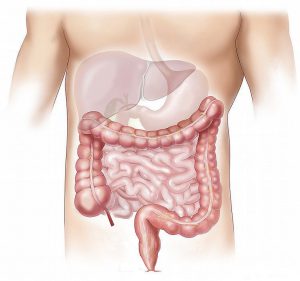
Gluten challenge refers to two conditions: Coeliac Disease and Gluten Sensitivity.
In general, both Coeliac Disease and Gluten Sensitivity can be defined as conditions where consumption of gluten-containing foods results in intestinal and extra-intestinal damage by the immune system (3, 4).
In some people, the proteins in gluten are highly antigenic, especially gluten’s sub-component gliadin, meaning they can activate the immune system.
This results in inflammation of the intestines and which can decrease nutrient absorption, promote diarrhoea and cause general weakness and weight loss, depending on the severity of the response (5).
However, Coeliac Disease and Gluten Sensitivity have substantial differences.
Coeliac Disease is an autoimmune condition that damages the lining of the small intestine and prevents it from absorbing parts of food that are important for staying healthy (3).
Gluten Sensitivity is a non-allergic and non-autoimmune condition with one or more of a variety of intestinal manifestations similar to those seen in coeliac disease, as well as extra-intestinal symptoms not seen in Coeliac Disease (4).
What are the Symptoms of Coeliac Disease and Gluten Sensitivity?
In Coeliac Disease, gastrointestinal symptoms are often characterised by abdominal pain, bloating, gas, indigestion, constipation, decreased appetite, diarrhoea, lactose intolerance, nausea and vomiting, abnormal stools (float, smell foul, bloody, or white) and unexplained weight loss (7).
In contrast, Gluten Sensitivity’s gastrointestinal symptoms are limited to abdominal pain, bloating, gas, indigestion, diarrhoea and lactose intolerance (common when the person is diagnosed, usually goes away after treatment) (8).
Both Coeliac Disease and Gluten Sensitivity have extra-intestinal issues.
However, in Gluten Sensitivity these extra-intestinal issues are more prevalent and include head aches and migraines, difficulty concentrating, fatigue, muscle cramps and joint pain (8).
It should be noted that in Coeliac Disease, most of the symptoms outside of the intestines are secondary to vitamin and mineral malabsorption resulting from destruction of the intestinal villi (3, 4).
Gluten Challenge at-a-glance
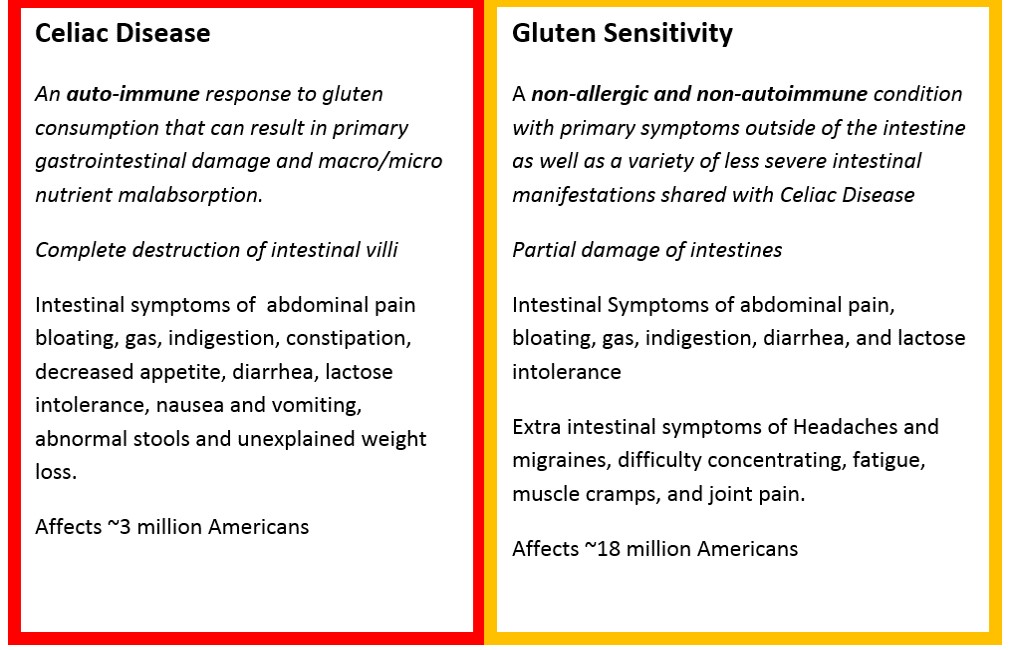
What are the Nutritional Concerns for Individuals with a Gluten Challenge?
In 20-38% of those suffering from Coeliac Disease, intestinal damage can lead to malabsorption of macronutrients (carbohydrates, protein and fat) and micronutrients (vitamin and minerals).
At initial diagnosis, most Coeliac sufferers need nutritional intervention including extra calories/protein, fibre, iron, calcium, magnesium, vitamin D, zinc, folate, niacin, B12 and riboflavin.
In Gluten Sensitivity, absence of extensive intestinal damage makes vitamin and mineral malabsorption less likely (3).
However, gluten-free diets are typically lower in dietary fibre, folate, niacin and B12. Individuals eating a gluten-free diet long-term will want to take extra care to ensure they are meeting their needs of these essential nutrients (3).
What does Gluten-Free Mean?
Gluten-free is defined by the FDA as a food which is either inherently gluten-free or does not contain an ingredient that is:
- a gluten-containing grain (e.g., spelt wheat, rye),
- derived from a gluten-containing grain that has not been processed to remove gluten (e.g., wheat flour),
- derived from a gluten-containing grain that has been processed to remove gluten (e.g., wheat starch),
if the use of that ingredient results in the presence of 20 parts per million (ppm) or more gluten in the food.
Also, any unavoidable presence of gluten in the food must be less than 20 ppm (2).
Why didn’t FDA adopt zero ppm gluten rather than less than 20 ppm gluten as one of the criteria for a food labelled gluten-free?
Most coeliac disease researchers and epidemiological evidence suggest that most individuals with coeliac disease can tolerate trace amounts of gluten in foods less than 20 ppm gluten without suffering from adverse health effects (9).
In addition, analytical methods that are scientifically validated to reliably detect gluten at a level lower than 20 ppm are not currently available (2).
How do Manufacturers Test for Gluten in Their Products?
Testing for gluten refers to the presence or absence of the proteins that make up gluten in the food we consume.
Manufacturers who elect to analyse their foods for gluten can select the test methods most appropriate for them, considering the type of foods they manufacture.
Manufacturers are not obligated to use any one specific method to check for gluten in their foods.
The FDA recommends the use of scientifically valid methods in order for the gluten test results obtained to be reliable and consistent.
It is of note that many test kits detect gliadin, which is a component of gluten, so manufacturers must be aware that the measurement must be adjusted to represent gluten (e.g. 6ppm gliadin represents 12ppm gluten).
Can Gluten-Free Foods Become Contaminated by Gluten or Wheat?
Yes. Although whole-grains or seeds like oats, amaranth, buckwheat and quinoa are generally viewed as gluten-free, they may be processed in facilities that also process wheat, leading to recommendations to avoid such foods (10).
This is most common with oats. In addition to being in the whole grain/seed, gluten peptides can be found in processed foods even where the majority of protein has been removed (starch, for example).
The levels of gluten peptides in these products, when consumed as food (gram quantities), may not be sufficiently low to be safe for gluten challenged individuals to consume.
This makes labelling a challenge for food and supplement companies and creates frustration for individuals and companies alike. In these cases it is most important to identify these grains with labels indicating that have been tested to be gluten-free.
If someone does have a gluten challenge, it is important for them to pay attention to the foods they are eating, even if the package claims the product is gluten-free, due to the possibility of contamination.

Some Individuals are Avoiding Gluten But Still Have Symptoms. What is Wrong?
Individuals may be eating food that contains hidden gluten or that is contaminated with gluten.
Although the FDA published the definition of gluten-free in August of 2013, it did not take effect until August 5, 2014.
Companies may want to suggest that consumers choose only trusted brands of food and supplements that use rigorous and validated testing protocols to verify the “gluten-free” label claim.
Also, consumers should be aware that FDA does allow statements on labels like, “made with no gluten-containing ingredients” and “not made with gluten-containing ingredients.”
However, the FDA cautions that unless the phrase “gluten-free” also appears on the label, “…consumers should not assume that the food meets all FDA requirements for the use of the “gluten-free” claim.” (2)
Does Eating a Gluten-Free Diet Have Any Side Effects?
Gluten-free diets are typically lower in dietary fibre, folate, niacin and B12.
Individuals eating a gluten-free diet long-term will want to take extra care to ensure they are meeting their needs of these essential nutrients (3).
Providing these nutrients in gluten-free products is an opportunity for companies producing these products to help consumers eating a gluten-free diet meet their nutrient needs.