The immune system is constantly active and needs energy from macronutrients like carbohydrates, fats and proteins. Protein also supplies amino acids to build immune cells and enzymes that help destroy pathogens. These enzymes also require vitamins and minerals as cofactors to function properly.
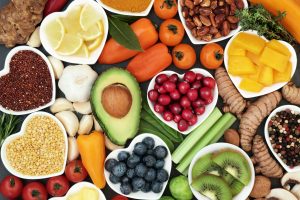
So, while it may sound obvious, a varied and balanced diet that provides adequate nutrients is the foundation of a healthy immune system. However, some nutrients receive particular attention for their role in immune health, including vitamins A, C and D, as well as the minerals such as zinc and selenium1.
There is also evidence for the immune benefits of other nutrients and ingredients, such as long-chain omega-3 fatty acids, probiotics and beta-glucans2.
Immunonutrition
Read how each of the nutrients listed below support the immune system. It is important to bear in mind that micronutrients have additional health benefits to immune health. Click on each nutrient/non-nutrient below to learn more:
How the Immune System Works?
The immune system is the body’s way of protecting itself from infection by foreign invaders like bacteria and viruses. It helps the body stay healthy and recover when illness does occur and is made up of the innate (general) and adaptive (specialised) immune system3.
The innate immune system is the body’s first line of defence. When pathogens like infectious bacteria or viruses get into the respiratory tract or gastrointestinal system, the innate immune system responds by sending cells like neutrophils or macrophages to remove the threat. These cells try to engulf the invading pathogen or create enzymes to destroy it.
The adaptive immune system specifically targets the pathogen and takes over from the innate immune system. It is often described as the ‘memory’ of the immune system. Once exposed to a pathogen, the immune system can remember the identity of that pathogen for the future and quickly mount a defence specific to that pathogen.
Impact of Age and Physical Activity on Immune Health

Immune health becomes especially important in vulnerable age groups like infants and the elderly. Both physical and psychological stress can also compromise the immune system. Examples include over-exercising, emotional stress and surgery.
This article was published in March 2022 and updated on June 15, 2026.
What is the Role of Zinc in Immune Health?
Zinc is a popular nutrient in winter supplements. It is an essential nutrient and the second most abundant trace element in the body, after iron1.
It is found in every cell in the body and involved in many bodily processes. It is required by cells from both the innate (general) and adaptive (specialised) immune system2.
The innate immune system is the body’s first line of defence. When pathogens like infectious bacteria or viruses get into the respiratory tract or gastrointestinal system, the innate immune system responds by sending cells like neutrophils or macrophages to remove the threat. These cells try to engulf the invading pathogen or create enzymes to destroy it.
The adaptive immune system specifically targets the pathogen and takes over from the innate immune system. It is often described as the ‘memory’ of our immune system. Once exposed to a pathogen, the immune system can remember the identity of that pathogen for the future and quickly mount a defence specific to that pathogen.
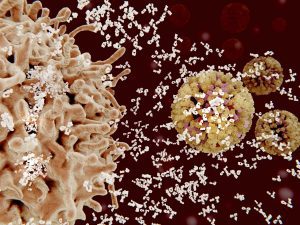 The role of Zinc in the immune system includes:
-
- helping to maintain the integrity of the skin and muscular membranes, preventing pathogen entry into the body.
- supporting the growth and differentiation of immune cells.
- supporting the phagocytic activity of monocytes and help regulate cytokine release.
- antibody production, particularly IgG and helping the immune system distinguish between “self” and “non-self”3.
This role has been recognised in an approved European Union health claim for zinc stating that it “contributes to the normal function of the immune system” and is available to foods that meet defined criteria within the EU4.
Are there Recommended Intakes for Zinc?
Zinc recommendations range from 5 to 11mg per day for adults, varying by each global region5. In the US, the Institute of Medicine (IOM) recommendations are 11mg per day for men and 8mg per day for women6.
Similarly, the Chinese Nutrition Society Reference intake (RNI) is 12mg per day for adult men and 8.5 mg per day for women8. In Europe, the European Food Safety Authority has established a Population Reference Intake of 9.4 to 16.3mg per day for men with low to higher intakes of dietary phytate and 7.5 to 12.7mg per day for adults women with low to higher intakes of phytate7.
Most people in developed countries get enough zinc through their diet, meaning their immune system isn’t missing the zinc it needs. For example, in the US around 18% of people do not meet the Estimated Average Requirement (EAR) of zinc per day.
This means most people are not zinc deficient, but certain people may still benefit from eating more zinc in their diet.
Where can Zinc be Sourced in Dietary Sources
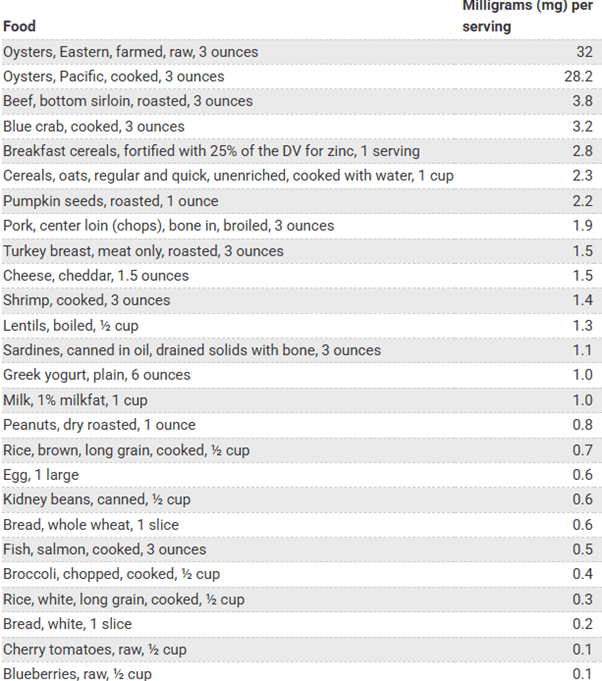
Zinc is mostly found in seafood, beef, poultry, beans, nuts or fortified cereal. Phytic acid, found in cereals, legumes and nuts, is known to decrease zinc bioavailability1. Evidence shows that the biofortification of varieties of staple crops may be useful in improving the zinc status of an individual5.
Table 1. Zinc content of common foods in the diet9
What Happens with a Zinc Deficiency?
Zinc deficiency is a widespread global health issue, particularly prevalent in low- and middle-income countries. About 17.3% of the world’s population10 is at risk of inadequate zinc intake. When the body doesn’t have enough zinc, it does not develop a strong immune response.
Zinc deficiency affects many different organs and tissues in the body with signs and symptoms varying by age9. For example, zinc deficiency can delay growth and cause diarrhoea and alopecia in children and it can alter cognitive and psychological function in older adults.
Most people in developed countries get enough zinc through their diet but it can affect more vulnerable groups. For example, the percentage of people in the US that do not meet the Estimated Average Requirement (EAR) of zinc varies from 16% in households with full food security to 27% in those with very low food security11.
In Europe, the average intake of zinc is above the recommended amount. However, certain vulnerable populations may benefit from including more zinc rich foods or supplements in their diet e.g. those on plant-based diets with little animal foods and the elderly5.
Are there Health Risk of Excess Intakes?
Excessive amounts of zinc can cause nausea, dizziness, headaches, gastric distress, vomiting and loss of appetite and chronic large doses of 50mg of zinc or more can inhibit copper absorption and reduce immune function9.
Excessive intakes from food sources are unlikely but may occur with excessive supplementation. The IOM Tolerable Upper Intake Level for zinc is 40mg per day for adults. EFSA has set the Tolerable Upper Intake Level (UL) for total daily zinc intake from all sources (diet and supplements) at 25mg per day for adults.
This level is based on the reduction of copper status12. Lower limits are recommended for younger groups.
Is Zinc Supplementation Effective?
 A 2024 Cochrane review 13 based on 34 randomised controlled trials in children and adults (15 prevention, 19 treatment) showed that compared with placebo, taking zinc preventatively may make little to no difference to whether a person catches a cold or to the duration or severity of the cold.
Taking zinc for treatment of an existing cold may reduce the duration but the authors were not confident of the quality of the result which they describe as low to very low.
The most common negative sides effects were irregularities in taste and stomach upset. A recent review however supports a preventive role of zinc supplementation in reducing the incidence and burden of respiratory infections, particularly in children with recurrent disease and in zinc-deficient populations14.
This article was published in March 2020 and updated on March 31, 2026.
What is the Role of Vitamin C in Immune Health?
Vitamin C is one of the most common nutrients that comes to mind when thinking about immune health. It is a water-soluble vitamin that serves as a cellular antioxidant, which means it protects cells from reactive oxygen species and cellular damage1.
By protecting both skin barriers and immune cells from damage, vitamin C enables them to function properly. It is required by cells from both the innate (general) and adaptive (specialised) immune system2.
The innate immune system is the body’s first line of defence. When pathogens like infectious bacteria or viruses get into the respiratory tract or gastrointestinal system, the innate immune system responds by sending cells like neutrophils or macrophages to remove the threat. These cells try to engulf the invading pathogen or create enzymes to destroy it.
The adaptive immune system specifically targets the pathogen and takes over from the innate immune system. It is often described as the ‘memory’ of the immune system. Once exposed to a pathogen, the immune system can remember the identity of that pathogen for the future and quickly mount a defence specific to that pathogen.
Vitamin C promotes barrier function, supports the function of neutrophils, monocytes and macrophages and the activity of NK cells. It also has a role in the differentiation and function of T cells, especially cytotoxic T cells and in antibody production1.
This role has been recognised in an approved European Union health claim for vitamin C, stating that it “contributes to the normal function of the immune system” and is available to foods subject to condition within the EU3.
Are there Recommended Intakes for Vitamin C?
 Global daily vitamin C intake recommendations range from 40 to 110mg per day, depending on region4. In the US, the Institute of Medicine’s (IoM) recommendations are 90mg per day for men and 75mg per day for women5.
In the EU, the European Food Safety Authority has established a Population Reference Intake of 110mg per day for adult men and 95mg per day for adult women6. Similarly, the Chinese Nutrition Society Reference Nutrient intake is 100mg per day for adult men and women7.
What are the Dietary Sources of Vitamin C?
Vitamin C can be found in many fruits and vegetables, such as kiwis, oranges, peppers and broccoli. The table below shows amounts of vitamin C found in commonly consumed foods.
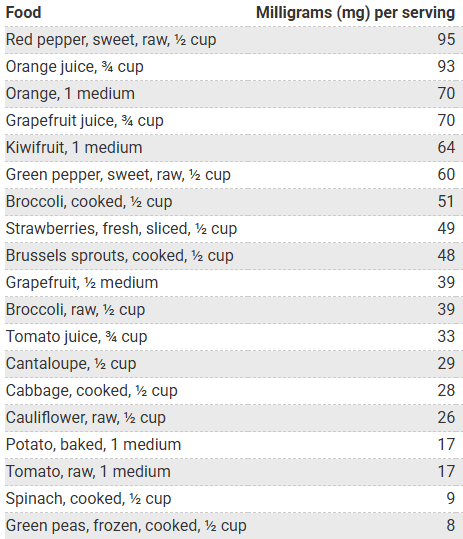
Source: National Institutes of Health Vitamin C Fact Sheet for Health Professionals 8
What Happens with Vitamin C Deficiency?
About 53% of the global population have an inadequate intake of vitamin C 9, but the exact number varies depending on global region. Inadequate intakes were more prevalent in men than women and in areas like South Asia.
Scurvy is a nutritional disorder caused by low vitamin C levels which manifests with varied symptoms affecting multiple organ system due to its role in connective tissue synthesis. Although it is rarely seen, sporadic cases still occur.
In developed countries, it is mainly diagnosed in the elderly and malnourished individuals and is associated with alcoholism and poor dietary habits10.
People who smoke or are exposed to second-hand smoke need more vitamin C in their diets because smoke increases the amount of vitamin C that the body needs to repair damage caused by free radicals5.
Are there and Risks with Excess Intakes of Vitamin C?
In general, vitamin C has low toxicity and high intakes of vitamin C do not cause serious adverse effects. However, high doses of vitamin C can lead to diarrhoea, nausea, abdominal cramps and other gastrointestinal disturbances5.
There are some concerns surrounding high vitamin C intakes, such as the formation of kidney stones and excess iron absorption, but these are not generally considered a risk in healthy individuals.
While EFSA did not establish an upper limit, the IoM Tolerable Upper Intake Level for vitamin C ranges from 400 to 2,000mg per day, depending on age5.
What about Vitamin C Supplementation?
 There is some evidence that vitamin C doses exceeding recommended daily values could have potential benefit.
A Cochrane review11 of clinical trials testing vitamin C’s effect on immune health found that regular supplementation (>200mg per day) did not influence how often participants got common colds but reduced the duration of cold symptoms.
A recent meta-analysis12 of trials which used doses of Vitamin C above 1g per day found a greater benefit on more severe measures of the common cold.
Severe Acute Respiratory Syndrome Coronavirus, which is a respiratory condition, is marked by significant oxidative stress and an excessive inflammatory response that results in tissue damage of the respiratory system.
For this reason, there has been interest in combining antioxidants like vitamin C with antiviral and anti-inflammatory treatments to improve patient outcomes. However, a recent review13 suggests that further trials are necessary to determine optimal doses and conditions of use.
This article was first published in May 2022 and updated on March 24, 2026.