As our understanding of the influence of the gut ecosystem on short and long-term health grows, modulation of the gut microbiota continues to be an increasingly important area of intervention. The benefits of regular consumption of functional foods containing probiotics and/or prebiotics are becoming more widely known. They include enhanced nutrient digestion and absorption, lower incidence of gastrointestinal disturbances and strengthened immunity. However, the science and our understanding of the microbiome continues to evolve and grow more complex. As a result, we are seeing more types of ‘-biotics’ products, like prebiotics and probiotics, intended to support the microbiome. Postbiotics are one type of product that is seeing growth. What are postbiotics, and how do they differ from other ‘-biotics’?
What is a postbiotic?
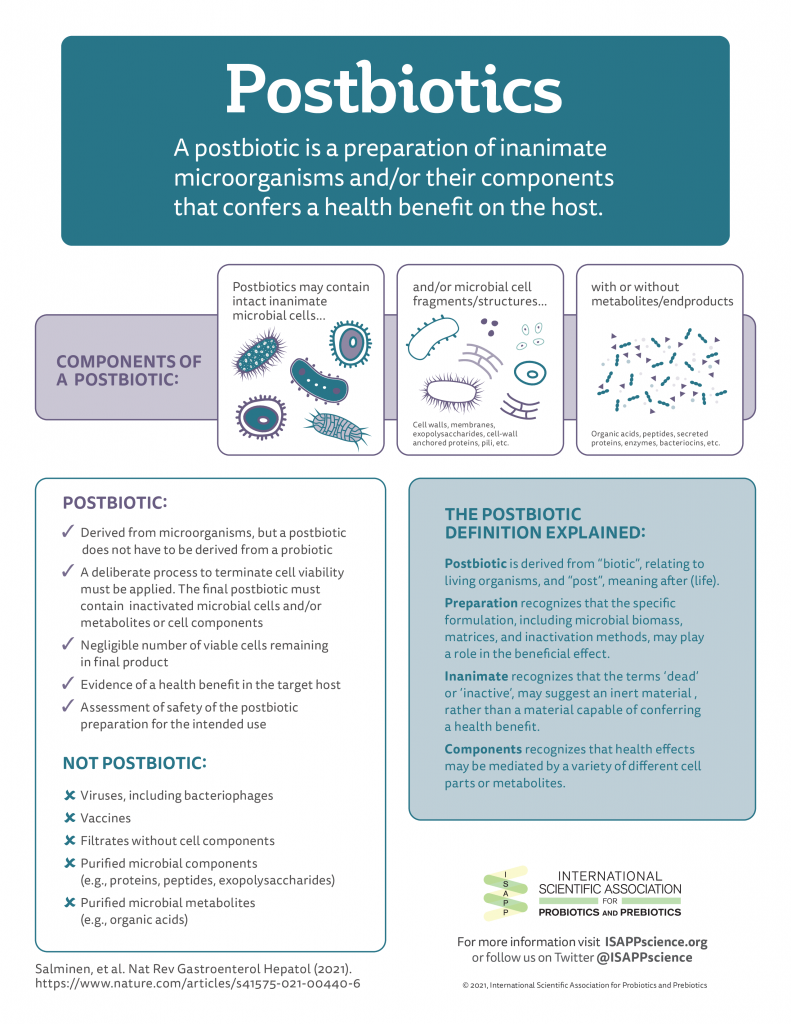
A postbiotic is defined as a “preparation of inanimate microorganisms and/or their components that confers a health benefit on the host” by The International Scientific Association of Probiotics and Prebiotics (ISAPP) consensus statement on the definition and scope of postbiotics.
This definition was agreed upon by a panel of experts specializing in nutrition, microbial physiology, gastroenterology, paediatrics, food science and microbiology by reviewing existing science, regulations, and commercial use of postbiotics.

What is the difference between probiotics and postbiotics?
The primary difference is that the phrase probiotics refers to live microorganisms, while postbiotics refers to inanimate (inactivated or dead cells) microorganisms or their components. As we learn more about how probiotics work, science has shown that some microorganisms don’t need to be alive to confer a benefit. There might be parts of a microorganism’s cell that interacts with our body (e.g. our immune system), and this part of the cell might be present whether that cell is alive or dead.
The consensus statement from ISAPP proposed that postbiotics may work by interacting with our resident microbiota, modulate immune responses, or interact with our nervous system. It is critical that the microorganism has produced enough of the bioactive molecules that cause these benefits before it is inactivated.
Postbiotics do not need to be alive to confer a benefit, so they are considered stable during industrial processing and storage.
ISAPP has created the infographic below to help clarify the definition of a postbiotic. For more science-based resources on digestive health and the microbiome, you can visit the ISAPP website.
Reaping the benefits of postbiotics in food for humans or animals
-
- Postbiotics are inanimate in nature, offering significant advantages for their application in food and feed matrices subject to varying processing conditions, as well as an inherent lower susceptibility to storage conditions
- Scientific evidence behind postbiotics highlights their ability to increase the host resilience from within by influencing gut function, its microbiota, and the interconnection with the central-nervous system (gut-brain axis)
- This is an up and coming technology in the ‘biotic’ space with multiple uses in food and feed applications, which will advance significantly in coming years as our scientific knowledge expands into dedicated life-stages and/or need-states
Benefits of postbiotics – where science is today
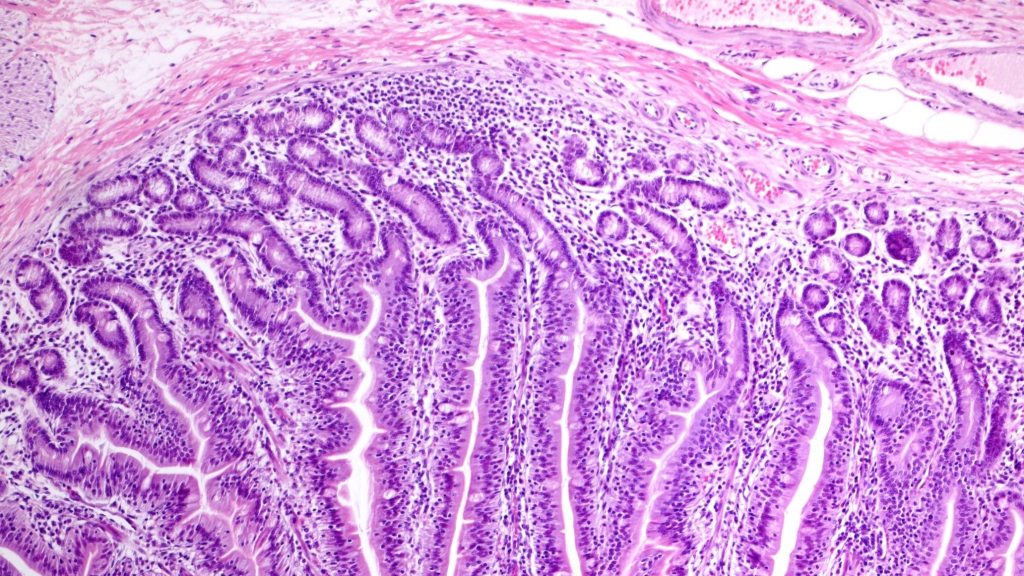
The research concerning the potential benefits of postbiotics has been focused on gut health, with Lactobacillus-derived postbiotics taking the spotlight. Postbiotics may act by cellular and molecular mechanisms involving the control of the immune and nervous systems, as suggested by their ability to boost innate immunity, reduce pathogen-induced inflammation and promote the survival of intestinal epithelial cells (Cicenia et al., 2014). Inactivated Lactobacilli preparations have been capable of reducing pain scores, bloating, and stool frequency in irritable bowel syndrome (IBS) patients (Tarrerias et al., 2011). Similarly, heat-killed L. acidophilus reduced bowel movements in patients with chronic diarrhoea, even in comparison with the live L. acidophilus-treated group (Xiao et al., 2003), which suggest a significant advantage over any concerns of viability and delivery of a live microbe to the required site of action.
Postbiotics may also play a role in early life interventions. Healthy toddlers receiving an inactivated L. paracasei fermented cow’s milk preparation showed improved measures of immunity including reduced incidence of common infectious diseases and significant changes in innate and acquired immune biomarkers, such as secretory IgA and defensins (Corsello et al., 2017). Furthermore, heat-killed L. acidophillus LB plus its culture medium reduced the recovery time of infants with non-rotaviral diarrhoea by 1 day (Liévin-Le Moal et al., 2007). Thus, postbiotics may represent a feasible intervention to mitigate the incidence and severity of common ailments in children.
How do postbiotics work – are short-chain fatty acids the key?
Provision of postbiotics from L. gasseri through traditional fermented milk beverages also improved stool consistency in healthy individuals with tendency for constipation, with an increase in short-chain fatty acid (SCFA) production (Sawada et al., 2016). SCFA may play a key role in the functionality of postbiotics, either directly as actives in the postbiotic formulation, or indirectly as metabolites resulting from induced changes in gut microbiota. SCFA are known to stimulate colonic sodium and fluid absorption, with butyrate showing positive benefits on helping colonocytes grow and repair, enhancing gut barrier function, and mucosal immunity. Due to the interconnectivity between our gut, brain, and microbiota, postbiotics have also been demonstrated to positively influence measures of anxiety and quality of sleep, as well as enhancing the mood state, of healthy adults (Murata et al., 2018; Nishida et al., 2019).
Postbiotics may also play a role in early life interventions. Healthy toddlers receiving an inactivated L. paracasei fermented cow’s milk preparation showed improved measures of immunity including reduced incidence of common infectious diseases and significant changes in innate and acquired immune biomarkers, such as secretory IgA and defensins (Corsello et al., 2017). Furthermore, heat-killed L. acidophillus LB plus its culture medium reduced the recovery time of infants with non-rotaviral diarrhoea by 1 day (Liévin-Le Moal et al., 2007). Thus, postbiotics may represent a feasible intervention to mitigate the incidence and severity of common ailments in children.
Postbiotics in animal health – a role for improving quality of our food supply
Sustainability and food safety are at the core of our success as a civilization in the centuries to come. With these aspirations, a robust food supply chain is paramount, and, thus, we need to look beyond our own health to that the animals that constitute/produce our food.
Inactivated Saccharomyces cerevisiae has been shown to reduce Salmonella Enteriditis in commercial laying hens (Gingerich et al., 2021). This pathogen is responsible for the vast majority of foodborne salmonellosis, and, as such, postbiotics could play a role in reducing foodborne illness by targeting the farming stage of food production.
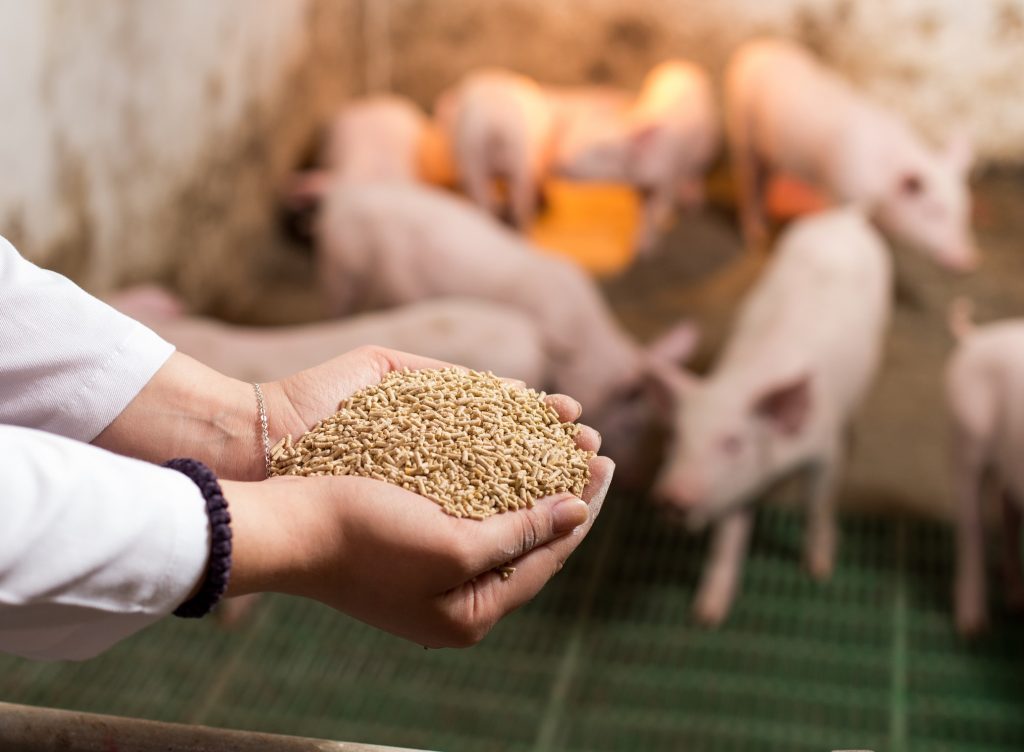
A Lactic Acid Bacterium derived postbiotic has also shown potential to diminish the severity of gut lesions caused by necrotic enteritis, increasing the liveability and productivity of broilers (Duong et al., 2021). Postbiotics from L. acidophilus have also been shown to accelerate the development and establishment of microbiome clusters in nursery pigs, which correlated with increases in growth rates (Khafipour et al., 2021). Overall, there is evidence suggesting that postbiotics can facilitate the production of animals in an effective, safe and sustainable manner.
Looking to the future
The evidence behind the functionality of postbiotics is increasing rapidly. Nonetheless, in the rather populated functional biotics area, the scientific community is proposing that postbiotics should be characterized by defining the microorganisms in the starting material, identifying the inactivation procedure, and the description and quantification of the final postbiotic composition. Although this practice has not been fully entrenched yet, much of this information should be at the ready and will only make the case for the use of postbiotics in food and feed applications stronger.
Probiotic is a popular term that is increasingly used to describe food products and dietary supplements. But what is a probiotic exactly? And how do probiotics work?
Probiotics were defined by the World Health Organisation as live microorganisms that when applied in sufficient amounts confer a health benefit on the host. The probiotic definition is intentionally broad because it is intended to cover the use of probiotics on different body sites and for different health conditions. Yet, in all applications, the term probiotic should only be used to describe the presence of living microorganisms that have been proven to result in a health benefit. Those microorganisms should be defined at the strain level and have genome sequences which are known.
What do Probiotics do?
Human studies have shown that probiotics can be useful for improving and sustaining health in a number of ways. Strong evidence for probiotic use is available for the prevention and management of digestive disorders and infectious and antibiotic-associated diarrhoea. Beyond the digestive tract, probiotics may lower the frequency and duration of upper respiratory infections, diminish weight gain and insulin resistance, and reduce feelings of depression and anxiety.
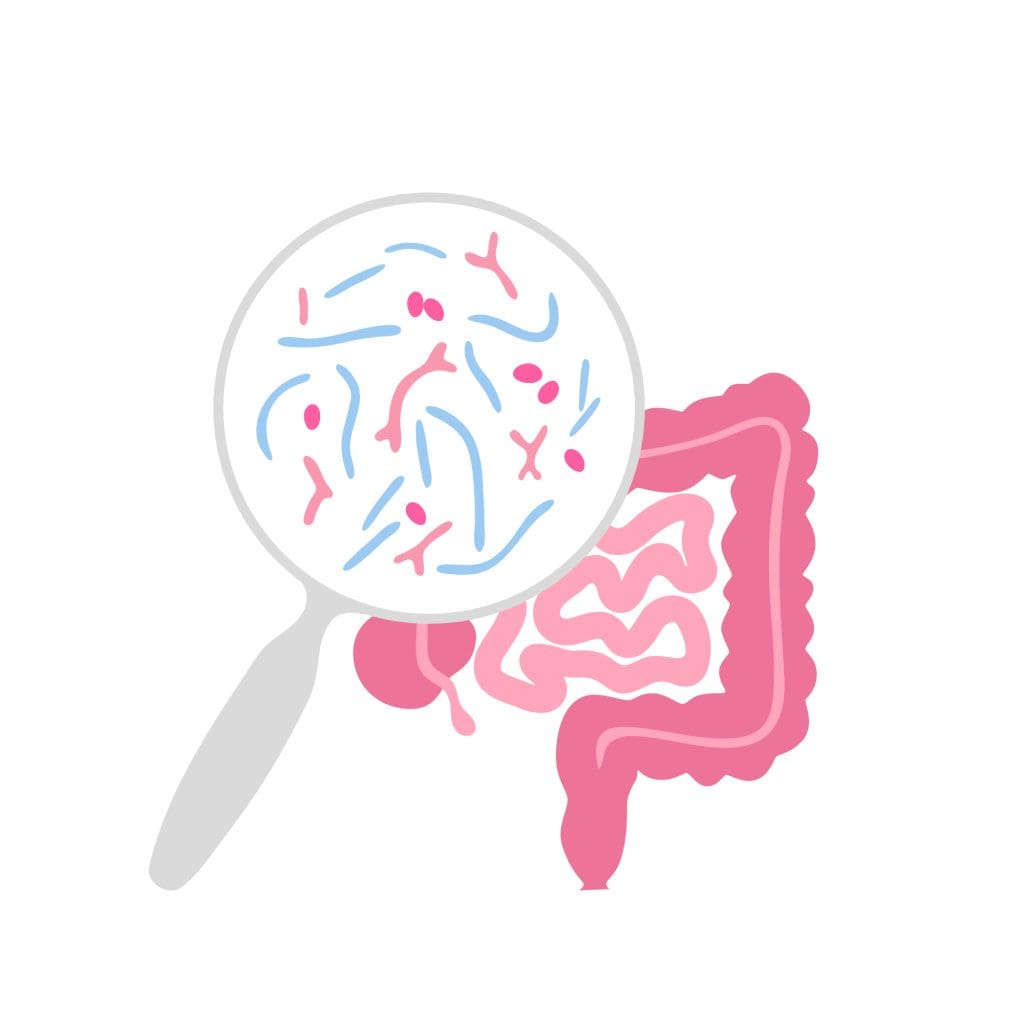
With this broad array of beneficial health outcomes, it is reasonable to ask how this could be possible. How could the exposure to certain microorganisms as probiotics result in benefiting our health in so many ways? The answer to this question lies within our own microbiome. Our bodies are home to trillions of microorganisms that reside on the skin, mouth, digestive tract, and many other body sites. Also known as the human microbiome, these microorganisms are increasingly understood for affecting metabolism as well as our immune and nervous systems.
The presence of certain microorganisms in our microbiome are known to be good for us, while others are either associated with or known to cause harm. For example, some beneficial intestinal microorganisms can breakdown fibres that are otherwise non-digestible and convert them into short chain fatty acids that can be used by our colonic tissues for energy and also prime the immune system towards a healthy equilibrium. Other microorganisms that are more associated with harm, produce endotoxin, a compound that causes inflammation.
So with this in mind, it may be expected that certain microorganisms consumed or applied as probiotics can have significant effects on our body and that some microorganisms are more suited to be better for us than others. Even though there are far fewer microorganisms in probiotic foods or dietary supplements than the number of microorganisms in our microbiome, probiotics can cause a measurable response and potentially a lasting change at their site of action.
How do Probiotics Work in the Body?
You might be wondering what happens in your body when you use a probiotic, and how they actually generate a health benefit. Probiotics can improve health through any of several specific mechanisms:
-
- Interact with other microorganisms in our microbiome
- Stimulate growth of beneficial bacteria in our microbiome
- Inhibit growth of harmful bacteria in our microbiome
- Interact directly with our body’s organs, such as the intestine
- Produce compounds that reduce inflammation or alleviate leaky gut
- Modulate our immune system
One way some probiotics work is through modulating our microbiome. Probiotics can affect the growth and activity of bacteria in our microbiome to change what they make and do. Studies have shown that these changes are possible even when the probiotic does not colonise for long periods of time. The consequences of probiotic-induced alterations to the human microbiome may be to then change how the microbiome affects organ function. For example, some probiotic strains of Bifiobacterium and Lactobacilus make antimicrobial compounds and organic acids that inhibit, endotoxin containing, potentially harmful bacteria in the intestine. Reductions in the numbers of those harmful bacteria results in reduced inflammation and disruptions to barrier integrity. This mechanism is indirect because probiotic efficacy is dependent on the resident microbiome at that particular body site.
Alternatively, probiotics and the secreted metabolites and other compounds that they make are also directly recognised by immune, endocrine, and epithelial cells. Once recognised, a series of downstream events are activated, such as the reduction of inflammatory responses or alleviation of a leaky gut. Just as for probiotic induced changes to the gut microbiome, these direct effects of probiotics may result in sustained changes at local site where they are applied (for example, the digestive tract) as well as other sites on the body.
Importantly, any single probiotic is not expected to be universally efficacious for all conditions. Microorganisms are genetically diverse and even different strains of the same species can cause a variety of non-overlapping, physiological responses. For example, different strains of the species Lactiplantibacillus plantarum (formerly known as Lactobacillus plantarum) can elicit the production of cytokines over a physiologically-relevant range comparable to ranges observed for different bacterial species and genera.
Applications in Food and Beverages
Although it is currently yet not possible to predict which strains work best, research efforts are underway to understand exactly the specific features of probiotics that are necessary for the observed health outcomes. Whether a probiotic works directly on mucosal tissues or indirectly through modulation of the human microbiome, or some combination of both, knowledge on the molecular mechanisms of probiotic function will ultimately improve the probiotic selection process and guidelines for use. Until then, it is always a good idea to read the label of your probiotic products to find out which species and strains of those species are included.
When using probiotics in foods or beverages, the ability of the microbes you select to withstand different conditions can also be important to consider. Strains like Lactobacillus or Bifidobacterium species typically need to be refrigerated in order to remain alive. These microbes are therefore appropriate for products which will be refrigerated throughout their distribution and shelf life. These species unlikely to survive certain processing conditions like high temperature or acid environments. Endospore-forming strains can withstand a wider range of temperatures and pH ranges because of their hardy spore coat. These strains stay dormant until ideal conditions (e.g. water activity, pH, temperature) are met, similar to a seed for a plant. As a result, it’s important to consider the science, strain characteristics, and application you plan to use a probiotic in when working in foods and beverages.
The boom in microbiome research in recent years has led to a greater understanding of how we interact with the microbes that live in the human body. It has also brought a multitude of different ways to manipulate the microbiome to improve health along with it, including probiotics, prebiotics, and now the postbiotics.
Probiotics are beneficial microbes, officially defined by the World Health Organization as “live microorganisms that, when administered in adequate amounts, confer a health benefit on the host”.
Prebiotics are the food that feeds beneficial microbes, or “a substrate that is selectively utilized by host microorganisms conferring a health benefit.” as defined by ISAPP.
 Fermented foods have long been associated with health benefits, and phrase postbiotics reflects the next level of understanding in what may give fermented foods their beneficial properties.
The term postbiotics, although lacking a formal definition, is a term scientists have developed to describe the metabolites and compounds produced by microbes found in fermented foods and beverages that may have a health benefit.
Early research is showing potential links to reducing inflammation, improving immunity, or strengthening gut barrier function.
A recent article published in Today’s Dietitian summarizes the developing science of postbiotics. Mindy Hermann, MBA, RDN provides a summary of the most up-to-date research on postbiotics.
The article includes expert perspectives of microbiome and fermented food researchers, including Maria Marco, PhD, Professor of Food Science and Technology at the University of California-Davis and scientific advisor to the Kerry Health and Nutrition Institute, and Hannah Holscher, PhD, RD, Assistant Professor of Nutrition in the Nutrition and Human Microbiome Laboratory at the University of Illinois at Urbana-Champaign.
Read the full article on Today’s Dietitian to learn:
- The relationship between fermentation and postbiotics
- How postbiotics might work in the digestive tract
- How microbes used to produce fermented foods differ from probiotics
- Potential advantages of postbiotics over probiotics in food and beverage applications
- How postbiotics could be used to help food be more tolerable to those with sensitive digestive tract
An excerpt from the article below reveals how fermented foods may be delivering health benefits via postbiotics.
Sourdough bread appears to deliver health benefits, in part, from the impact of its fermentation process on the carbohydrate content of bread.
Fermentation lowers the content of FODMAPs because the sourdough yeasts Saccharomyces cerevisiae and Kluyveromyces marxianus degrade oligosaccharides during the sourdough process. This results in a sourdough bread that people with irritable bowel syndrome (IBS) and sensitivities to FODMAPs can more easily tolerate.
The high temperature for baking sourdough bread typically kills the live microorganisms, but metabolites and cell fractions remain intact. In comparison, fermented foods that aren’t processed after fermentation deliver both postbiotics and the live microorganisms that produce the postbiotics.
Learn more about the science of digestive health:
Fermented Foods: Stacking Up the Science (webinar)
Consumers across all psychographics and life-stages are seeking better digestive wellness.
Weighing the evidence on claims and technologies is the best way to know what benefits are being offered to consumers.
In this webinar, learn about established claims, dive into what consumers are seeking out in each region, and get a crash course on the background and scientific merit of some popular digestive health solutions such as probiotics and prebiotics from Dr Mary Ellen Sanders.
Watch this webinar to learn about:
- How to link science and research to industry trends
- Digestive health claims and marketing differences around the world
- The science behind probiotic and prebiotic claims
Topics & Speakers
Identifying Opportunities and Navigating Claims in Digestive Health
Leveraging the Scientific Merit Behind Probiotics and Prebiotics 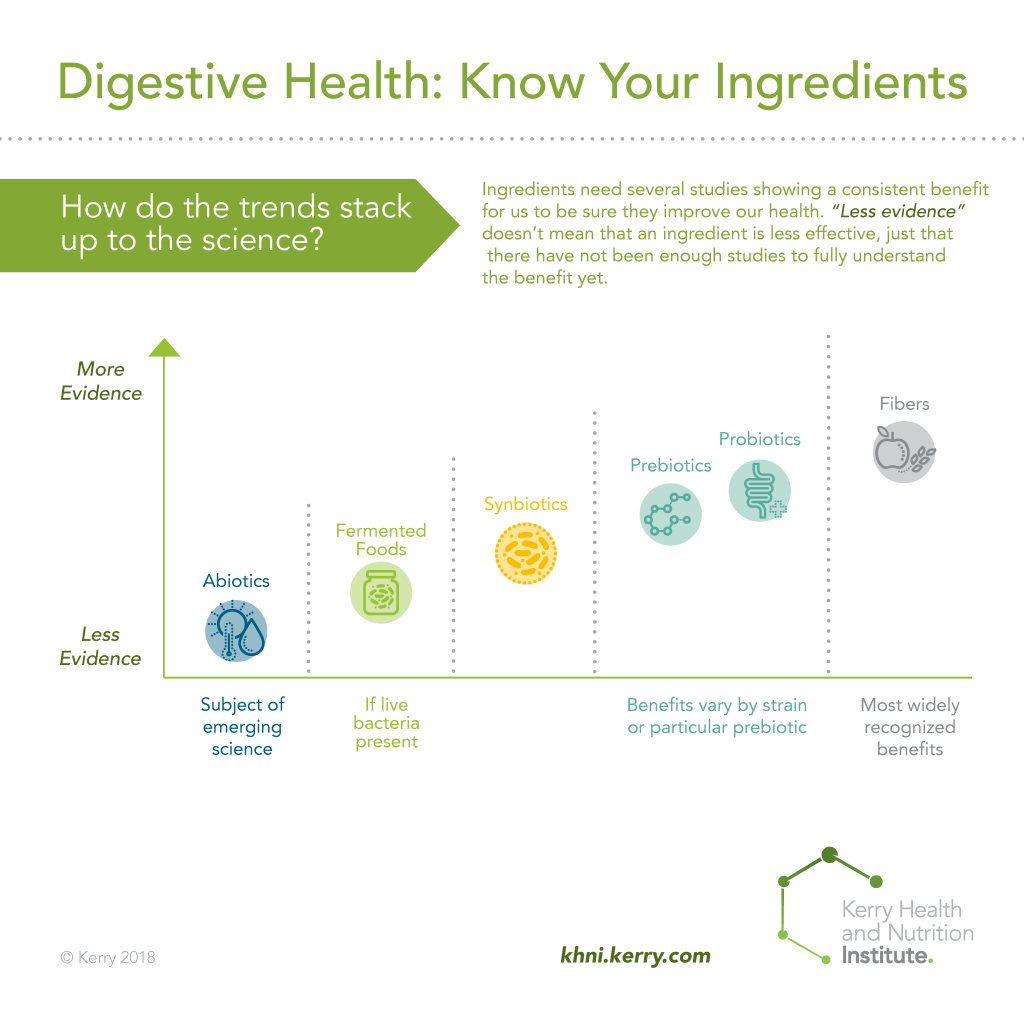
|
Get KHNI articles delivered to your inbox
|
Consider the fundamental change from milk to brie cheese or grapes to wine. Such is the power of fermentation.
Fermented foods result from the growth and metabolism of live cultures, transforming a precursor food (such as milk) into a fermented food (cheese).
The fermentation process may result in changes in taste, texture, aroma, nutritional value, microbial content and perhaps health benefits that extend beyond the basic nutritional value of the food.
Because of this last property, some call fermented foods ‘probiotics’, but in fact they are not (necessarily) the same.

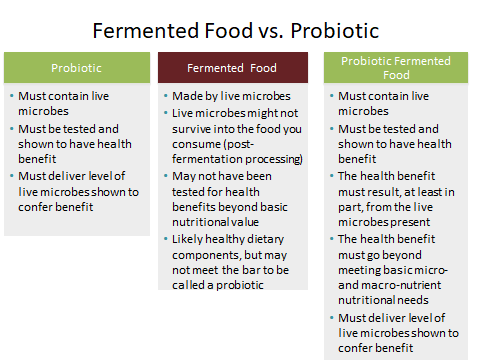
Probiotics are live microorganisms that, when administered in adequate amounts, confer a health benefit on the host (Hill et al. 2014).
Unlike fermented foods, probiotics must have been tested in human studies and shown to have a beneficial health effect. Fermented foods don’t require such testing, although some have been.
Further, some fermented foods are treated after they are made (for example, sourdough bread is baked), and do not contain live microbes at the point of consumption.
To the extent a fermented food has been tested in human studies and shown to be beneficial and delivers a sufficient ‘dose’ of beneficial live microbes, it meets the bar of a probiotic. (See figure below).
This is the case with several probiotic yogurts and fermented milks on the market today.
There has been a lot of publicity and testimonials about how good fermented foods such as kombucha or sauerkraut are for health. But this is not the same as evidence from controlled, human studies.
Many of these foods may be good for gut health or immune system, but in the absence of studies, we can’t confidently say.
Scientists are now speculating that any source of live microbes may turn out to be beneficial and are even suggesting addition of an RDA for live microbes as part of a healthy diet.

For a comprehensive dive into the science of probiotics and human health, head to this review.
The body of evidence substantiating benefits of probiotics is quite extensive. Over 1800 human trials have been conducted using probiotics.
Table 1 lists some benefits of probiotics shown in human trials. Keep in mind that benefits are tied to specific strains.
Table 1. Overview of some benefits of probiotics in humans as established in randomized, clinical trials. Consult individual references cited for strains and doses. Adapted from Sanders, Merenstein, Merrifield and Hutkins, Nutrition Bulletin.
| Benefit | Population | Reference |
| Treat colic in breastfed infants | Infants | Sung et al. 2018 |
| Prevent atopic dermatitis/food hypersensitivity | Infants | Zhang et al. 2016 |
| Prevent necrotizing enterocolitis | Premature infants | AlFaleh & Anabrees 2014 |
| Treat acute diarrhea | Infants, children | Szajewska et al. 2013 |
| Manage symptoms of occasional constipation | Adults | Eskesen et al. 2015 |
| Manage symptoms of lactose intolerance | Children, adults | EFSA Panel on Dietetic Products 2010 |
| Reduce incidence and duration of common infectious diseases (upper respiratory tract and gastrointestinal) | Children, adults | King et al. 2014 |
| Prevent antibiotic-associated diarrhea | Children, adults | Goldenberg et al. 2015 |
| Extend remission of ulcerative colitis | Adults | Naidoo et al. 2011 |
| Improve therapeutic efficacy of antibiotic treatment of bacterial vaginosis | Adult women | Martinez et al. 2009 |
| Reduce low density lipid cholesterol | Adults | Jones et al. 2012 |
| Prevent Clostridium difficile diarrhea | Children, adults | Goldenberg et al. 2017 |
| Reduced prevalence of dental caries and gingivitis | Infants, children | Martin-Cabezas et al. 2016 |
It’s easy to grasp this concept by looking to the animal world.
Different breeds of horses, for example, have quite different strengths and functions. Similarly, different strains of even the same species of a probiotic may have different benefits.
In some cases, more than one independently tested probiotic product confers the same benefit. In other cases, only a single probiotic product has been shown to be effective.
The best evidence for probiotic use is for prevention of antibiotic-associated diarrhea and C. difficile infection, management of certain gut symptoms, and prevention of necrotizing enterocolitis in preterm infants.
People often wonder if probiotics have any benefit for healthy people.
Benefits such as improved tolerance of dietary lactose for lactose intolerant people, management of blood lipids, improved oral health, reduced incidence of common infectious diseases such as the common cold, and management of gut symptoms all are demonstrated in reasonably healthy people.
The probiotic marketplace can be confusing for consumers.
See here for some basic information on choosing a probiotic and reading a probiotic label. Some basic principles to guide a search:
- There is no one strain or one dose that is best. Sometimes lower dose products or products with fewer strains have the best evidence.
- Any health benefit claim made should be substantiated with a human trial. But the types of claims allowed in the USA on foods and dietary supplements are restricted by law. Contact the manufacturer to get information on what studies have been conducted, or consult Clinical Guide for Probiotic Products Available in the United States.
- One of the biggest challenges in the probiotic market is keeping the probiotic strain alive. Responsible manufactures go to great lengths to be sure their probiotics retain viability and deliver an efficacious dose through the end of the product’s shelf life. Unfortunately, not all products on the market are responsibly formulated. Consumers should buy products from companies they trust.
For product manufacturers interested in offering consumers fermented foods, adding research-supported probiotics can ensure consumers are getting the health benefits they expect from fermented foods.
 Optimum digestive health has been a mainstay consumer desire for over 20 years, but it has been experienced an upsurge in recent years. Digestive health driven trends like gluten free and dairy free are becoming more popular, fuelled in part by consumers’ increased willingness to discuss their gastrointestinal woes.
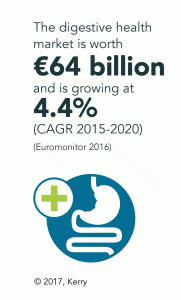
With 86% of US consumers report experiencing gastrointestinal issues on a regular basis, it should come as no surprise that the digestive health market is booming at a value of over €64 billion and set to grow globally at 4.4% (CAGR 2015-2020) (Euromonitor 2016).
What Digestive Health Benefits Do Consumers Want?
Emerging research is seeing digestive health moving beyond symptoms isolated to the gut, such as bloating, constipation and diarrhoea and start to encompass total health of the body and mind.
Every day, media headlines are linking the gut microbiome to a myriad of benefits for conditions such as anxiety, depression, stress, weight management and obesity, diabetes, auto-immune disorders and allergies. This is what has been coined the ‘Digestive Wellness 2.0’ trend.
There is a budding excitement amongst researchers and consumers alike at the plethora of possibilities that unique microbe strains may bestow. Prebiotics have long been recognised for their digestive and immune health benefits, as 70% of immune cells reside within the digestive tract.
A recent study highlighting the role of prebiotic Bimuno galactooligosaccharide (B-GOS) in reducing cortisol (sometimes referred to as the ‘stress hormone’) levels in healthy subjects (Shmidt et al., 2015) led prebiotics to be termed the new ‘mood food’.
This game changer in digestive health could see these functional ingredients take centre stage within the evolving ‘mindful’ consumer lifestyle trend, which sees more and more consumers seeking out sophisticated and user-friendly solutions that help manage their mood, de-stress and achieve more mental balance within their hectic and busy lives.
Free From is the Driving Force in Digestive Health
The digestive health market is extremely dynamic and most likely underestimated. The quest for digestive wellness is not only driven by functional ingredients but dually by ingredient avoidance.
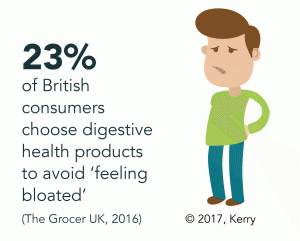
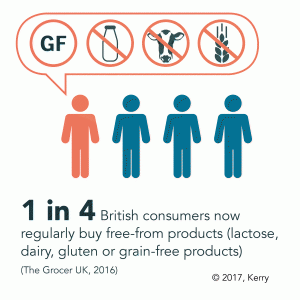
The ‘free from’ trend can be tracked back to a central desire for digestive health. It has been reported that more than 1 in 4 British consumers now regularly buy free from products (lactose, dairy, gluten or grain-free products) with 23% choosing such products to avoid ‘feeling bloated’ (The Grocer UK 2016).
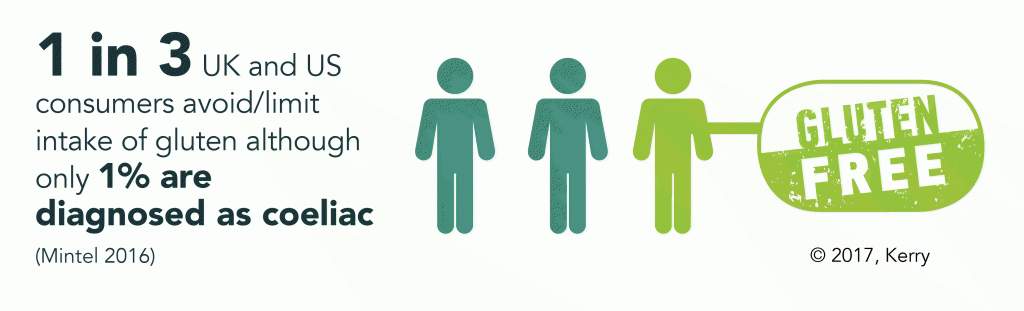
Gluten is often slated as the cause of digestive discomfort and removed from the diet. One in three (31% of UK and 36% of US) consumers are likely to limit their intake or avoid of gluten despite the fact that only around 1% are diagnosed with Coeliac Disease (Mintel, Gluten-Free Foods Report, October 2016).
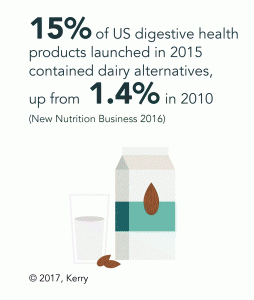
In parallel, the launch of dairy alternative products has grown substantially, accounting for 15% of digestive products in the US in 2015, up from 1.4% in 2010, whilst the number of dairy product launches has reduced from 48% to 35% within the same time period (New Nutrition Business 2016).
Fuelled by the growing tendency amongst consumers to self-diagnose themselves with a food allergy or intolerance, the free from trend is now worth over €11 billion globally and is forecast to grow at 5% CAGR from 2015-2020 (Euromonitor 2016).
The Rise of FODMAP Friendly Foods
‘FODMAP friendly’ foods could be the next generation in the lucrative free from market. FODMAPs (Fermentable Oligosaccharides, Disaccharides, Monosaccharide’s and Polyols) are a group of ingredients that may be responsible for digestive discomfort.
They are rapidly fermentable, short chain carbohydrates, which are poorly absorbed within the gastrointestinal tract. The Low FODMAP Diet was developed by researchers at Monash University, Australia, in an effort to control the gastrointestinal symptoms associated with Irritable Bowel Syndrome (IBS).
There are many high FODMAP foods, from milk and ice cream (lactose), to apples and pears (free fructose), to wheat, onions and garlic (fructans), to legumes (galacto-oligosaccharides), and prunes, bell peppers and sugar-free gums (polyols).
Although this diet is aimed at people suffering from IBS, it’s likely that as awareness of the diet expands, coupled with the growing tendency to self-diagnose, other consumers seeking digestive wellness may be drawn to ‘FODMAP friendly’ claims.
The ‘FODMAP friendly’ logo, developed by the Australian-based FODMAP Friendly certification programme, is the only government approved accreditation that tests products to determine if they are eligible to display the logo.
Opportunities for food manufacturers who wish to develop new products in this space include optimising processing capabilities to reduce FODMAP levels in food and beverages (e.g. milling process, baking process, wheat type and duration of fermentation) and fortifying low FODMAP friendly foods with nutrients that are restricted with this diet e.g. calcium.
The Horizon of the Digestive Health Product Market
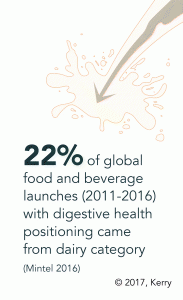 New products are quickly emerging in this growing market. Within food and beverages, prebiotics and functional fibres are the leading digestive health ingredients and dairy is the largest category for products touting digestive health benefits, accounting for 22% of new food and beverage launches globally carrying a digestive health claim from 2011-2016 (Mintel, Emerging Science Global Annual Review, 2016).
Emerging digestive health ingredients include fruit enzymes such as kiwi enzymes as well as proteolytic enzymes, which are primed to grow in popularity with the trend towards ‘high protein’, as these enzymes are thought to help digest protein.
Next generation ‘Plusbiotics’ claim to support the regrowth of intestinal mucosa (the innermost layer of the gastrointestinal tract) by repairing damage and strengthening the intestinal lining.
Innovative ingredients with a natural positioning will win consumer appeal within food and beverage products aimed at the digestive health market.
Digestive Wellness 2.0 is undoubtedly an exciting platform that connects with personalisation, holistic health and consumer desire for food-based contributors to positive mental health.
As the science unravels, food and beverage manufacturers can lead in innovation in delivering these much anticipated health benefits to consumers.