Nutrition is inherently multidisciplinary, drawing from the physical sciences, medicine, public health, psychology, sociology and increasingly, planetary health1.
Therefore, nutrition science research is essential for advancing our understanding of human health and supporting evidence based decision making.
Research in this space aims to clarify how nutrients, bioactives and other food components influence health, inform dietary guidance and policy and support strategies to prevent disease.
A wide range of study designs are used in nutrition research and no single study design can answer every question2. Understanding the purpose, strengths and limitations of each approach helps distinguish between stronger and weaker evidence, so the hierarchy of research methods is key to evaluating the quality of evidence.
Visualising study designs as a pyramid (Figure 1) highlights how evidence strength varies. Studies at the lower levels of the pyramid tend to offer limited, less practical insights, while those at the top delivering stronger evidence with greater relevance to real world nutrition choices3,4.

Figure 1. The hierarchy of evidence ranks different types of research according to the strength of the conclusions 3. (Licensed under CC BY 4.0)
Systematic reviews and meta analyses sit at the top of this hierarchy because they provide data across multiple studies to provide more comprehensive conclusions.
Randomised controlled trials and prospective cohort studies typically provide the most robust evidence when examining relationships between dietary exposures and health outcomes.
However, the rapid growth of the field — and the diversity of methods used — can make it challenging for practitioners and consumers to interpret findings and translate them into practice.
Foundational Research: Non-Human Studies
Foundational research — including in vitro studies in cells or tissues and in vivo studies in animal models — plays a critical role in uncovering the biological mechanisms that underpin how nutrients, ingredients and other food components behave in controlled settings.
These early stage studies provide directional evidence that helps shape hypotheses and supports the rationale for human research.

It is important to note that isolated cells and tissues and animals do not replicate the complexity of human physiology.
Differences in metabolism, exposure levels and biological responses mean that findings cannot be directly translated to human outcomes. For instance, a compound that influences cellular metabolism in vitro, for example, may behave very differently within the interconnected systems of the human body.
However, the value of foundational research becomes clear when it is integrated with human data. For example, while observational research links smoking with cancer, cell studies identify the carcinogenic compounds responsible.
So, when mechanistic evidence aligns with human outcomes, confidence in the overall conclusion(s) is strengthened.
Observational Studies
These studies track large groups of people over time, in real-world settings, to understand how lifestyle behaviours — including dietary patterns — relate to health outcomes.
These studies identify population level patterns and provide potential associations that warrant further investigation in more controlled study designs.
Observational studies cannot determine cause and effect relationships and, hence, the impact of a single dietary or lifestyle factor.
Common observational designs include prospective cohort studies, case–control studies and cross sectional studies, each offering different strengths for understanding how diet and lifestyle influence long term health.
Case Control Studies
Case control studies compare people who already have a specific health condition (the cases) with similar individuals who do not (the controls).
Researchers then look back in time to assess whether past exposures — such as dietary habits — differ between the two groups. For example, comparing fruit and vegetable intake in people with and without heart disease may help identify potential associations with disease risk.
These studies are relatively quick and cost effective, making them especially useful for investigating rare conditions or outcomes that would be difficult to study prospectively.
They can also examine multiple potential risk factors at once and often serve as an important first step in identifying associations that warrant further research.
However, case control studies face several methodological challenges. Because exposure information is collected retrospectively, they are highly susceptible to recall bias — particularly when individuals with a disease remember past behaviours differently from those without it.
Selection bias, confounding and reverse causation can also limit the strength of conclusions. For instance, if higher consumption of non sugar sweeteners is observed among people with obesity, it may reflect dietary changes made after weight gain rather than a causal effect of sweeteners.
Cohort Studies
Cohort studies are observational studies that are either prospective or retrospective, depending on when the data were collected. In a prospective cohort, participants complete questionnaires and undergo measurements at the start of the study. On the other hand, with retrospective cohort studies, researchers “look back” to analyse the relationship.
Prospective cohort studies follow large groups of people in real world conditions over many years — sometimes decades — to explore how dietary and lifestyle exposures relate to the development of diseases. Participants provide information at baseline and at regular intervals on factors such as diet, physical activity and health status. Dietary intake is usually self reported, which introduces challenges such as misreporting, difficulty estimating portion sizes and changes in behaviour over time.
By tracking outcomes over time, researchers can examine patterns and test hypotheses. Collectively, prospective cohort studies have shaped much of our understanding of how diet and lifestyle influence chronic disease risk, such as cardiovascular disease or osteoporosis.
However, their long duration means they are time and resource intensive. As with all observational research, these studies can identify associations but cannot establish cause and effect relationships.
Cross Sectional Studies
This type of research provides a snapshot of health behaviours, exposures and outcomes in a population at a single point in time.
They are typically conducted through surveys or brief assessments that collect information on both potential risk factors and health indicators simultaneously.
However, cross sectional research has important limitations. Because exposure and outcome are measured at the same moment, it is not possible to determine which came first.
This raises the issue of reverse causality — for example, whether a dietary behaviour contributes to a health outcome or whether the health outcome influences how participants report their diet.
Cross sectional studies can also be affected by selection bias and recall bias, particularly when participants’ awareness of their health status shapes how they report past behaviours.
Despite these constraints, cross sectional studies are cost effective, relatively quick to conduct and useful for estimating the prevalence of dietary habits, lifestyle behaviours, or health conditions in a population. They can also highlight potential associations worth exploring in more rigorous study designs.
A typical cross sectional study might compare dietary patterns across countries to explore whether differences in diet align with variations in cardiovascular disease prevalence.
Randomised Controlled Trials (RCTs)
Randomised controlled trials (RCTs) are considered the gold standard for determining cause and effect relationships1,2,5.
Participants are recruited and randomly assigned to a control (placebo) group or an intervention group, ensuring the groups are comparable at baseline. For example, in an RCT examining the Mediterranean diet and cardiovascular risk, the control group might follow a standard low fat diet while the intervention group adopts a Mediterranean pattern3.
After a defined study period, researchers compare outcomes such as heart attacks or strokes between groups.
Because randomisation minimises confounding factors, differences in outcomes can be attributed to the intervention itself.
This is why RCTs provide the strongest evidence for causation rather than correlation. When conducted as double blind trials, neither participants nor researchers know who receives the treatment, further reducing bias and mitigating placebo effects.
Despite their strengths, RCTs come with practical and ethical constraints. They are expensive, often involve small sample sizes and may struggle with long term adherence, especially when testing complex dietary patterns.
Ethical considerations limit the ability to test harmful exposures or withhold beneficial treatments.
Systematic Reviews and Meta Analyses
Systematic reviews and meta analyses sit at the top of the evidence hierarchy because they provide a comprehensive overview of existing evidence and can reveal whether findings are consistent across different populations and settings.
However, these methods are only as strong as the quality and consistency of the studies they include and rely on thorough, unbiased inclusion of all relevant evidence.
A systematic review uses a structured, transparent process to identify, evaluate and summarise all relevant research on a specific question.
When the included studies are sufficiently similar in design, population and outcomes, researchers may conduct a meta analysis, which statistically pools results to generate a single, weighted estimate of effect. Larger, well designed studies contribute more heavily to this estimate than smaller or lower quality studies.
Systematic reviews and meta analyses help determine whether scientific findings are consistent, generalisable and reliable and they often guide policy decisions, clinical recommendations and future research priorities.

In Summary
Science is a continuous process. It can move slowly and often involves uncertainty, yet it remains the most reliable way to build understanding about the world and human health. Many types of studies contribute to this evidence base, each with its own strengths and limitations and no single study provides a definitive answer. Progress happens because researchers continually evaluate and refine one another’s work, identifying opportunities to improve methods and explore new questions.
What are Enzymes?
Enzymes are proteins produced by all living organisms. They are biological catalysts which conduct all biochemical reactions.
This is a natural part of physiological processes essential for growth and allow life. When your body wants to transform food such as starch in bread or pasta into energy enzymes are used to convert the starch to simple sugars which can be used by your cells.
Enzymes are efficient, and specific performing typically only one defined reaction over and over again. The fact that they come from nature means that they act at specific pH and temperature conditions/ranges, which make them sustainable and biodegradable alternatives to chemical processing in the food industry.
Industrial enzymes can be extracted from plants or produced by microbial fermentation and purified.

Why are Enzymes in Food?
Enzymes have been used in food production for thousands of years. Our early ancestors discovered that cows stomach could turn milk into cheese.
Today, we use enzymes in food to manufacture of everything from bread, wine, beer, juice and dairy processing and much more besides.
In the bakery industry, different type of enzymes can be used as a natural way to keep bread softer for longer, enhance dough tolerance during processing or allow for reduction the egg content.
Enzymes also enable manufacturers to use local grains like cassava to make beer and make dairy products suitable for those with lactose intolerance.
Sustainability Benefits of Enzymes in Bakery
In the bakery industry, different type of enzymes are a natural way to optimize raw material performance despite varying/seasonal quality, enhancing manufacturing efficiencies, softness, moistness, antistaling or desirably sensory properties of baked goods over extended shelf life, reducing additives and energy usage, food loss and food waste, with sustainability benefits.
A recent environmental footprint estimated calculation found that (www.epa.gov) just 1 loaf of bread releases 1.15kg of CO2 emissions and uses 194L of water, which is equivalent to the same CO2 emissions from fully charging 140 smart phones and 2 average daily showers.
Delving deeper into food waste, according to United nations environment programme up to 10% of GHG are linked to uneaten food, and 30% of all food produced in wasted, costing the global economy over $900 billion per year.
More especially the various type of bakery enzymes are offering different functionalities. Maltogenic amylase allows to keep bread softer for longer, to extend shelf life, by improving product sensory characteristics and appearance over longer shelf life, prolonging the onset of staling characteristics and reducing likelihood of food being wasted at home.
Xylanases are known to improve dough tolerance during processing. Asparaginase, to make baked good healthier by reducing the acrylamide content.
Some phospholipases allow to successfully reduces egg content by up in fine bakery applications such as muffins, stirred cakes, whipped cakes, croissants, donuts and brioche, with no change in dough handling or crumb structure versus a full egg recipe, eggs being crucial to bakers because of their specific functional properties and unique contribution to finished product sensory attributes: texture, softness, crumb structure, taste, including “binding”, “aeration”, “emulsification” and “colour”.

How Can Enzymes be Used for Nutrition & Health?
Digestive Enzymes – Reducing Lactose Intolerance Symptoms with Lactase
Lactose, the sugar found in dairy products, can cause problems like bloating and other gastrointestinal discomforts in people with lactose intolerance.
Lactose intolerance affects a significant amount of people worldwide, especially in places where dairy farming is not common. The incidence of lactose intolerance can be as high as 75% of the population in these areas.
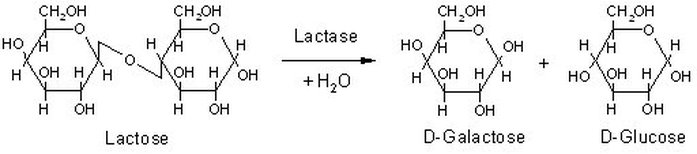
Enzymes can help lactose intolerant individuals enjoy dairy products with minimal side effects. Lactose is a sugar made of two smaller sugars: galactose and glucose (see figure below).
These sugars have a greater relative sweetness than lactose meaning that lactose free or low-lactose products that have been made with the lactase enzyme are sweeter in taste than those not treated with lactase.
In the food industry this can allow dairy products like yoghurt to be made with a reduced amount of added sugar but with the same taste profile.
Lactase is an enzyme that cleaves lactose into these two smaller sugars, neither of which cause the negative side effects of lactose in those with lactose intolerance. This is why you see the ingredient ‘lactase’ in lactose-free milks, for example.
Digestive Enzymes – Helping Infants Digest Formula
It is recommended by the world health organisation that infants be exclusively breastfed for the first six months of life so as to give the infant the greatest chance of achieving optimal growth, development and health, but for cases where this is not realistic or possible, infant formula is required.
Some infants have a hard time digesting certain types of formula, but enzymes can help in a few ways.
Comfort Protein – Infant Milk Formula (IMF)
Comfort infant formulas are made with partially hydrolysed milk proteins which are marketed as “easier to digest” infant formula made from cows milk.
These formulas can be produced using natural enzymes, called proteases, which target proteins and are derived from animal, plant or microbial sources.
Hydrolysis of milk proteins by proteases results in the formation of smaller peptides which are reported to be more readily digested than intact proteins.
In particular, parents of infants suffering from conditions such as colic, cite the use of comfort protein as reducing the severity of symptoms.
Hypoallergenic Formulas (IMF)
Most common IMFs use cow’s milk as a base, but a small percentage of infants are born with cow’s milk protein allergy (CMPA).
Formulas sold to address this condition can be divided into two types – those which are extensively hydrolysed (peptide-based) and those which are amino acid based.
Extensively hydrolysed proteins for this application are produced via enzymatic hydrolysis where the protease enzyme extensively breaks down the structure of the whey and/or casein protein to smaller peptides.
From the American Academy of Family Physicians: “Hypoallergenic formulas contain extensively hydrolyzed proteins that are less likely to stimulate antibody production. Infants with milk protein allergy fed hypoallergenic formula have slightly greater weight gain during the first year than infants fed standard formula. In addition, many infants show improvement in atopic symptoms. A few infants continue to have symptoms despite switching to hypoallergenic formula; nonallergenic amino acid–based formulas are effective for these rare cases.”
Enzymes for the Plant-Based Trend
The market for nutritional beverage is growing and cereal based beverages such as Horlicks, Bournvita, etc. have traditionally been very popular in certain markets.
The plant-based beverage market has continued to grow with milk-alternatives like soy or oat milk.
Enzymes are often used to help make these beverages more acceptable to consumers. For example, plant-based beverages like oat or rice milk can have poor emulsion stability, meaning products might separate out over their shelf life instead of remaining a consistent mixture.
Enzymes like amylase can help improve stability of the product. Much like lactase, amylase can also reduce the need for added sugar because the products of starch hydrolysis are sweeter than the starch itself.
If high viscosity is caused by high molecular weight (Mw) beta-glucan, as in the case of a beverage like oat milk, beta-glucanase can be used to make an easier to process, less viscous product.
However, since beta-glucan is the fiber associated with health benefits in oats, cleaving beta glucan with an enzyme would likely reduce the potential health benefit. If health benefits and fiber content are a focus, beta glucanase may not be the best solution.
Making Plant-Based Protein Hydrolysates Taste Better
With the rise in demand for plant-based proteins, there has been an increased demand for inexpensive plant-derived protein hydrolysates, owing to their significant potential in nutritional applications.
Hydrolysed plant protein (HPP) is most commonly produced via the enzymatic hydrolysis of a plant protein source such as soy, wheat, rice, sunflower, potato and alternative pulse proteins, and are used in a wide variety of food applications such as protein fortified bars and beverages.
Protease enzymes are most commonly used in the production of HPPs and under controlled conditions are used maximise protein yields from different plant sources and also to improve taste and sensory attributes.
From a commercial standpoint, plant proteins maintain unique taste attributes, and today’s HPP products are synonymous with bitter, unpleasant tastes often attributed to a high concentration of hydrophobic free amino-acids, smaller peptides and volatile compounds in the HPP mixture.
Enzymatic hydrolysis, both pre- and post-hydrolysis can help to significantly improve these undesirable sensory properties of HPPs.
This article was originally published on 15 September 2020. It was updated 19 June 2023 to reflect new information.
Why we Need a More Sustainable Food System
As the world continues to confront the coronavirus pandemic, we have a striking opportunity and obligation to create a more inclusive, resilient and sustainable food system. Enzymes can play an important role in this.
Today, our food system is responsible for over 30% of greenhouse gas emissions, with food loss and waste alone accounting for 8-10%. The pandemic exposed the fragility of our global food supply chains.
From field to fork, unprecedented stresses led to disruption at every level and many weaknesses in our food system were exposed. The pandemic exposed the fragility of our global food supply system and now the Ukrainian conflict is further shaking this system.
Ukraine is, in fact, a critical food hub, in particular for wheat and fertilizers.
By 2050, our global population expected to swell to almost 10 billion people and coupled with rising incomes and urbanisation, demand for animal-based protein will increase.
The World Resources Institute has predicted that by 2050, we will require 50% more food and 70% more animal-based protein to feed everyone.
Reducing Environmental Impact of Food Production
If we continue with our current-day food production practices and consumption patterns, we would need to convert a landmass twice the size of India to agriculture, leading to significant deforestation and biodiversity loss.
It would also result in a failure to meet the Paris Agreement goal of limiting global warming to below 1.5°C.
Food producers all over the world are responding by adopting sustainable practices to reduce their environmental impact. On this sustainability journey, enzymes have become an increasing important ally due to their high efficiency, their specificity and their ability to create a more efficient food production system.
The use of enzymes in food preparations is an age-old process. Humans, unknowingly at first, used enzymes to their advantage for millennia in industries such as cheese making, brewing and bakery.
The term enzyme was first coined in 1877 by Wilhelm Kühne, coming from the Greek word for “in leaven”; while the original purpose of including enzymes in manufacturing processes was to improve the efficiency of the process and reduce cost.
However, it is now well established that enzymes go much further and can unlock significant sustainability benefits and greatly enhance product quality.
How are Enzymes Used in Food Production?
In most cases, the enzymes used in food are used as processing aids, where they aid in the manufacturing of the food but do not have a function in the final product.
Improve Product Quality
In the baking industry, different types of enzymes are used to deliver different functionalities and properties to the final product.

- Amylases (bacterial, fungal and maltogenic) improve the gas-retention of fermented dough, keeping the bread fresher, softer, flavoursome for longer, which can lead to less food waste.
- Proteases are important for bread-making because they have a softening effect on dough and make kneading easier. They are used in large scale production of bread, baked goods, crackers, and waffles as these enzymes reduce mixing time, decrease dough consistency, assure dough uniformity, regulate gluten strength in bread, control bread texture and improve flavour.
- Lipases and phospholipases are also used to improve dough tolerance, significantly increasing bread volume after baking.
- Xylanases are used in baking to hydrolyse arabinoxylans and improve gluten formation.
In brewing applications, haze-negative proteases reduce haze in the final beer and improve shelf-life. In the animal nutrition industry, alpha-galactosidase have shown to improve nutrient digestibility of feed.
In dairy production, lactase enzymes enable the manufacturing of lactose-free products for lactose-intolerant consumers.
Achieving Operational Efficiencies
Amylase, glucanase and glucoamylase enzymes are essential for food and beverage manufacturers to speed up production processes and improve finished product yield, therefore significantly lowering energy and water usage. These enzymes are widely used for producing dairy-alternative plant-based beverages.
The growing preference for plant-based food and beverages requires new enzymes that can allow plant-based protein sources to have similar functionalities to animal-derived protein sources and improve the taste and texture of final products.
Enzymes have the ability to increase the stability of plant-based nutritional beverages, optimize process conditions and enable the production of finished products with a consistent mouthfeel, reduced added sugar and improved taste.
By using these amylase, glucanase and glucoamylase enzymes, manufacturers can reduce production time by 25% and use a wider range of raw materials, allowing improvements in extract yield and increased volume as well as a decreased carbon footprint.
Enable Use of Local Sustainable Rraw Materials
Enzymes can enable a wider variety of raw materials to be used in different processes. In the brewing industry, the most common brewing grain is barley. However, it is a cool-season, temperate-climate cereal, and in many parts of the world, it is not widely grown.
The use of exogenous enzymes has enabled brewers to use alternative local grains for brewing such as sorghum, maize, rice and cassava for producing a consumer-acceptable beer at an economically attractive price point.

Thermostable α-amylase for high adjunct brewing, along with glucanase, proteases and glucoamylase enables use of alternative, un-malted, more cost effective local and sustainable raw materials without negatively impacting final product integrity.
The benefits to the local economy of using local grains is significant; it creates employment, provides incomes for local farmers, and supports the overall economy.
For example, cassava is a tuber crop grown primarily in Nigeria, Brazil, Indonesia and Thailand, which is rich in available starch. It is underused for sugar production and beer production.
With pressures on the supply and demand of other starches and cereal crops, locally sourced, low-cost cassava represents a potential alternative source of sugar for syrup extract producers, brewers, distillers, confectioners and ethanol producers.
With the optimal application of thermostable amylases and glucoamylase, extracts of the desired quality can be unlocked from the cassava tuber supporting the creation of a high-quality, affordable and sustainable alternative other than that brewed with imported barley.
How do Enzymes Benefit the Environment?
An estimated one third of all food produced is lost or wasted. The resources and efforts for producing this food is also lost as the food is not used for nutritional benefit.
According to the World Food Program (USA), if we can reverse the trend on food waste, we would save enough food to feed 2 billion people, more than twice the amount of people who are undernourished whilst also making a significant contribution towards reversing climate change.
Enzymes are an increasingly important ally as we all seek to create a more sustainable food system. Examples include:
- Shelf life extension of foods to significantly reducing food waste
- Transformation of waste streams into value-added products
- Improvement of overall production efficiency and quality of final products. Some industry examples of this in action include:
Brewing Industry
Brewing has environmental challenges both during production and in the waste management phase. The largest waste by volume is brewers’ spent grain (BSG), followed by yeast.
Approximately 70% of BSG is used as animal feed, but due to its high moisture content and microbial load, its shelf life is extremely short – less than 48 hours. Around 10% of spent grain goes to produce biogas, and the remaining 20% is landfilled.
Every tonne of BSG in landfill releases 513 kg CO2 equivalent of greenhouse gases. This by-product of the brewing process has extraordinary circular economy potential, making it a perfect candidate for upcycling into human food supply, feed or for pharmaceutical purposes.
Exogenous enzymes, such as amylases, proteases and NSP (Non-Starch Polysaccharides Enzymes) can help improve extract yield thereby reducing waste and enabling re-use of waste or by-product like spent grain into value added products.
These enzymes have a great potential to help cereal-based products manufacturers, and in particular breweries, valorise the by-products waste stream and convert it into value-added products by reutilising wasted proteins and fibre molecules.
Enzymes and processing aids deliver a significant reduction in energy consumption and CO2 emissions. There is potential for 19% energy savings, and 41% CO2 emission reduction by using enzymes and processing aids at different stages of the brewing process.
Bakery Industry
The bakery industry represents the largest volume of food waste. It is a major challenge for bakeries as they seek to ensure fresh availability for consumers yet also to minimise surplus. Increasing the shelf life of baked goods by two days reduces those items going to waste by 40%.

In bakery applications, enzymes not only reduce waste, but also improve production efficiencies and enhance the quality of baked goods.
Amylases break down starch to smaller molecules to improve softness over shelf-life, xylanases hydrolyse non-starch polysaccharides like arabinoxylan and hemicellulose so that insoluble hemicellulose is converted to soluble hemicellulose and improve water holding capacity, gluten development and elasticity.
With doughnuts, for example, some specialised enzymes can double shelf life whilst maintaining the softness, moisture, volume and other desired sensory attributes.
Meat Production
Meat is the highest value category of all food waste offenders. 20% of meat produced globally goes to waste and it is the most carbon intensive category of food waste globally.
Specific protease enzymes can help meat processors efficiently transform meat protein waste into valuable resources that can be utilized in a variety of applications, including biofertilizers.
Proteases valorise animal by-products that would otherwise be waste bound, helping meat processors become more sustainable in their manufacturing process.
Fish Industry
In the fish industry, where waste is also a major challenge, advances in enzyme technology have enabled the extraction of value from fish waste, converting protein-rich fish by-product waste into cost-efficient fish oils and proteins.
The traditional linear economy is one based on an ethos of take-make-dispose, with insufficient consideration given to the impact or opportunity from our waste streams.
Circular economy utilizing food waste gives us a great opportunity to upcycle “waste” into “value added” products, thus reducing waste accumulation and increasing resource productivity.
Enzymes are fast becoming a hero in the circular economy due to their ability to turn waste streams into a potential revenue stream.
What are the Future Prospects of Enzymes?
The future of our food production will rely on advances in microbiology, artificial intelligence and bioprocessing.
Across all of these scientific and technical advances, enzymes have the power to play a significant role in creating the future of our food, to make it healthier, more sustainable and to add value to waste streams.
Innovation in enzymes through collaborations between experts in biochemistry, bioinformatic, molecular modelling, enzymology, molecular biology, fermentation, system biology, food science and regulatory will drive enzymology research for waste stream valorisation and play a critical role in acceleration of circular economy.
With advancements in enzymes engineering, these natural biocatalysts are fast becoming pivotal tools to valorise agri-food and by-products waste, unlocking the recovery of essential nutrients and, in many cases, converting by-products waste streams into substantial revenue returns.
When you couple this incredible potential with increased consumer focus on health, environment, sustainability and the ongoing research and innovation focus on enzymes optimisation, it is clear that the future of enzymes is to positively disrupt our food system by building a more efficient and sustainable food chain.
The consumption of meat has and continues to be important for human progress. As we enter the midpoint of the 21st century it has become apparent that more sustainable meat sources are needed to supply food for the eight billion plus global population.
Cultivated meat is expected to be an important contributor towards this progress. But what is cultivated meat? How will it be important for human progress? Will it be the same as conventional meat? And when will it be a reality?
What is Cultivated Meat?
Cultivated meat is defined as the production of muscle and fat tissue from cells that are grown in vitro or outside of a living organism under controlled conditions to yield a protein-rich tissue.
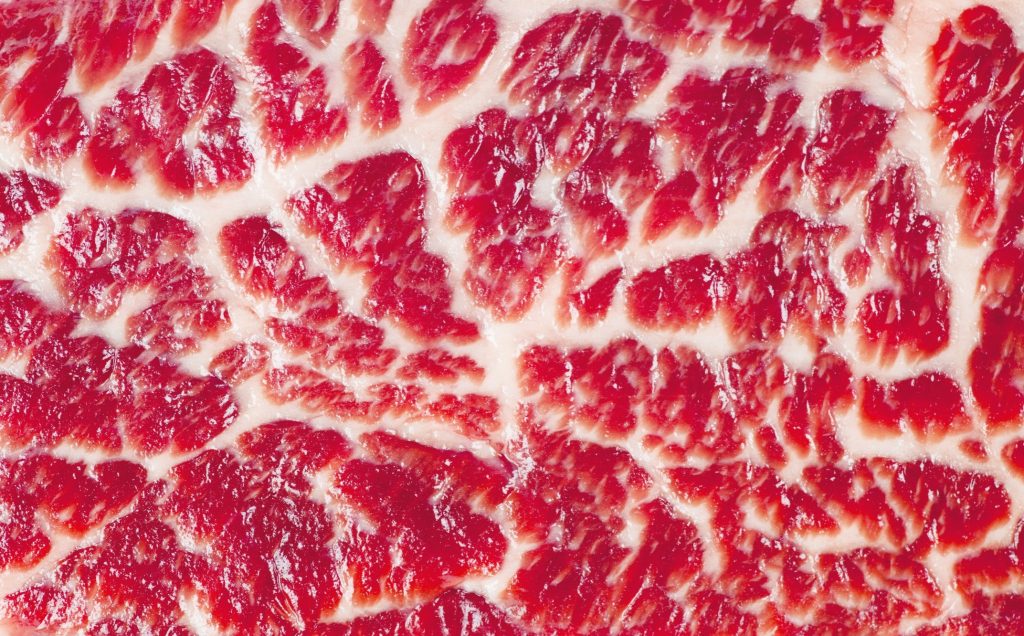
Dating back to 2013, the public first grasped knowledge of cultivated meat when a burger made from cells grown in a laboratory was tasted by a panel of judges on live television.
Prepared by Mark Post’s research group at Maastricht University, this proof of concept took over 5 years and around $300,000 to prepare but showed the world that cultivated meat is possible.
What are the Benefits of Cultivated Meat?
While conventional livestock agriculture will certainly continue to be an important part of the food supply, supplementation with meat from alternative practices, including meat grown from cells, will be inevitable for future human prosperity.
Some of the benefits include:
- Elimination of animal suffering
- Shorter time to produce – cells can be grown in a matter of days/weeks vs months/years for traditional farmed meat
- Eradication of food-borne illnesses and mitigation of antibiotic resistance (Van Boeckel et al, 2017).
- Lower environmental impacts including greenhouse gas emissions, along with land and water usage (Gerber 2013)
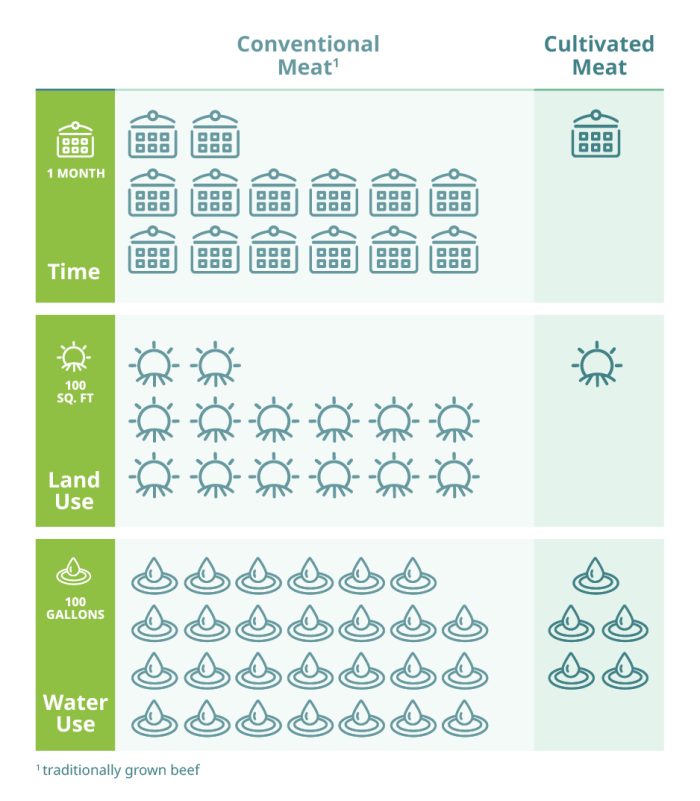
Sustainability and lessened environmental strain are attractive benefits of cultivated meat; the exact impact will depend on the life-cycle of the product.
Outside of terrestrial livestock farming, our oceans are under immense pressure from overfishing and climate change. Cultivated meat from fish and shellfish offer sustainable options to help lessen the strain on ocean ecosystems.
How is Cultivated Meat Made?
The science of growing the cells and organised tissues for cultivated meat is rooted in cell biology, bioprocessing and tissue engineering.
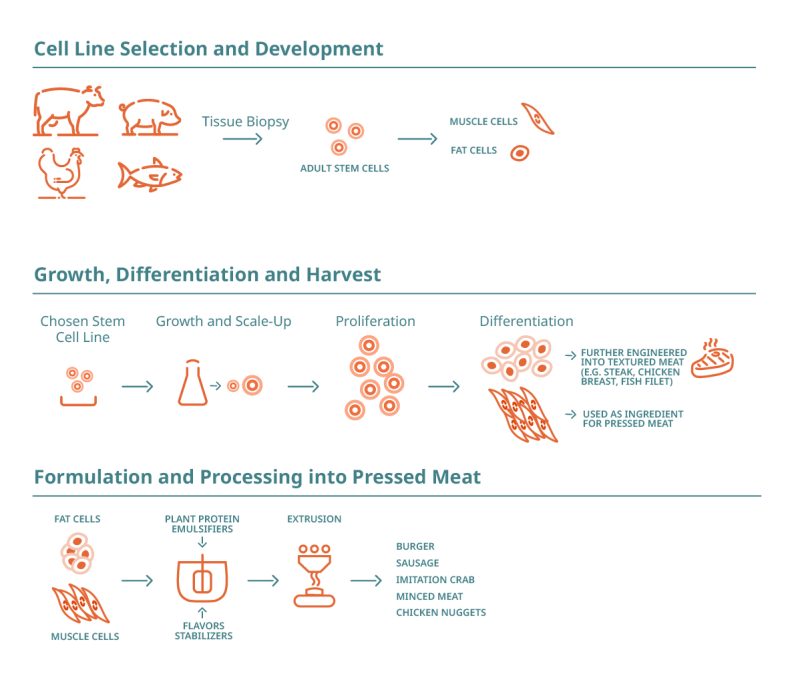
The first step begins with cell selection and development. This is critical for the success of cultivated meat since the cells need to grow quickly to high concentrations, be stored and re-used indefinitely, adapted to serum-free media, and differentiate into muscle or fat tissue (Stephens, 2018; Post, 2020a).
In general, cell lines will be created from adult stem cells. Adult stem cells are different from embryonic stem cells, they can be isolated from a tissue biopsy, a harmless procedure that removes cells from an adult animal.
Next, the chosen cell line is grown under appropriate conditions allowing them to replicate or grow; 0.5g of cells can achieve 2000 kg of meat in 45 days of culturing (Post, 2020b). This often starts at bench scale using petri dishes or flasks and scaled up to larger, well-controlled bioreactors.
Once the target concentration is reached, the cells undergo differentiation or transition into muscle or fat cells. The cells can either be harvested in a “free state” or continue to organise into tissues.
Under the appropriate conditions, tissues can be guided towards organised 3D structures of fibres, cartilage, blood vessels using tissue engineering approaches to create a food product like steak, chicken breast, salmon filet, lobster claws, etc.
Is Cultivated Meat the Same as Conventionally Grown Meat?
At the cellular level, cultivated meat is identical to conventionally grown meat. It isn’t synthetic meat or lab-grown meat but rather is meat grown outside of the animal.
Theoretically, adult stem cells can grow and differentiate into organised tissues that would be identical to a cut of steak, chicken breast, etc.
While this is the ultimate end-goal, minimal viable products (MVP) first entering the marketplace will likely be made from cells harvested as a protein/fat-rich ingredient and formulated with other ingredients into a final meat-based product (Stephens et al., 2018).
Using this approach, integration of food science and cell culture bioprocessing will be key to develop familiar, nutritious products acceptable to consumers. Considerations for creating cultivated meat products would be ensuring the products have similar sensory properties to existing foods on the market.
From a nutritional standpoint, cultivated meat could be made healthier. An example would be tailoring the fatty acid profile of fat cells to include polyunsaturated fatty acids or modifying the cell to make antioxidants such as carotenoids (Stout et al., 2020).
Formulating with other ingredients such as plant-based proteins and fats, emulsifiers, stabilisers, and flavours can be used to create acceptable products.
A general overview of the production process is shown in Figure 2 below.
Will it Ever be a Reality?
In 2013, Mark Post proved that cultivated meat was possible. Now over 70 start-ups have emerged with greater than $355 million dollars invested and more than 15 cultivated meat products being pursued (Bryne et al. 2020).
With the recent historical commercialisation of Eat Just’s GOOD Meat cultured chicken nuggets being sold for ~$20 at 1880 restaurant in Singapore, cultivated meat is now a reality. This is certainly very exciting but there are still serious challenges that lie ahead.
Consumer acceptance is going to be critical for the success of cultivated meat products (Tomiyama et al, 2020). Important considerations for consumer acceptance include price, taste and safety (Crosser et al. 2019).
MVPs first entering the market will likely rely on first adopters willing to pay higher prices, open to try novel foods, while late adopters will rely on familiarity once more culturally accepted.
Manufacturing cultivated meat to replace conventionally grown meat will be one of the greatest human achievements to date.
According to some, large scale manufacturing won’t be possible due to many unknowns and costly challenges (Fassler, 2021; Humbird 2021):
-
- Proposed scale of production has never been done before
- Cost and availability of nutrient media and growth factors
- Novel engineering strategies needed to achieve target cell numbers
- Prevention of microbial and viral contamination
Historically, cell culture has been used by the pharmaceutical industry to make high-value drugs in limited quantities compared to quantities needed for cultivated meat, which will require a production scale larger than anything ever done before to produce cultivated meat at $10-20/kg.
One facility is estimated to require about one third of the bioreactor volume capacity that currently occupies the entire biopharmaceutical industry (Fassler, 2021).
To achieve high cell concentrations, strategies to supplement additional oxygen, remove waste-products, and prevent mixer shear stress are needed. Additionally, the cost of the nutrient media used to grow the cells is another important consideration.
Foetal bovine serum has traditionally been used as a nutrient source, but it is expensive and derived from animals. Many start-ups are working on replacing serum and lowering media costs with cheaper, animal-component-free sources (e.g. plant protein hydrolysates).
Keeping the bioreactors free from contamination also needs to be considered and will likely require usage of costly clean rooms.
Final Thoughts
 The meat industry is a $1.7 trillion market with the global demand expected to increase with our growing population (Byrne et al. 2020).
The cultivated meat industry has an opportunity to capitalise on this massive demand, even 1% would lend huge pay-outs. While the industry is still novel with many uncertainties ahead, there is much potential.
Collaborative partnerships will be critical for commercial success; start-ups partnering with existing food, ingredient, pharmaceutical and biotech companies.
Some start-ups have made much progress with some raising enough capital to build pilot-scale facilities to produce the first MVPs poised to enter the food market.
While the future of cultivated meat seems imminent, the scale-up challenges posed by critics cannot be overlooked and require serious consideration. As cultivated meat products enter the marketplace, it’ll be up to consumers to decide its fate.
Acknowledgements from the author:
Special thanks to Daniel Noble, Hans Huttinga, Marleen Wintels, and Alison Rabschnuk for their valuable input and feedback.
Global conditions like sodium reduction initiatives and disruptions in supply and pricing of lactic acid mean acetates are getting increased attention.
Meat preservation is a serious business—and rightly so, as contaminated meat carries the possibility of such health threats as Listeria, Salmonella and E. coli. These well-known pathogenic bacteria, which can proliferate in unprotected meats, can lead to a range of deadly medical conditions.
For global consumers, the ongoing fear of meat contamination as a threat to human health keeps meat products at the top of the list whenever the subject of food safety arises. Fortunately, the risk can be controlled with proper care and attention paid to preservation techniques and products.
Can Effective Preservation in Meat Reduce Food Waste
In addition to ensuring safe consumption for individual consumers, meat preservation and protection is an important and valuable component of a global food supply chain charged with feeding a global population set to rise from seven billion currently to nine billion by the late 2030s.
For perspective, over one-third of all food produced today ends up in either the “loss” or “waste” category, costing the global economy an estimated $940 billion annually and contributing 8–10% of worldwide greenhouse gas emissions.
Since meat represents the highest category of economic and environmental impact of wasted food globally, the preservation and protection of meat is more than just a personal issue—it’s a society-wide concern.
Lactates as Preservatives
Formulating solutions for meat food safety requires trained microbiologists and in-application challenge and shelf-life studies.
Challenge studies mimic a potential contamination to demonstrate a preservative can keep food safe during a worst-case scenario.
The food safety process takes time and is not an area in which it is worth the risk to try something new on a whim to “see if it works.” Solutions based on the salts of organic acids, e.g., lactic or acetic acid, are time-tested meat safety and shelf-life extension solutions.

Of these, sodium-lactate—based on lactic acid—is the most commonly used conventional meat preservative in the marketplace today.
Lactates have a robust market share following their rise decades ago as a preferred solution for inhibiting microbial growth in meat.
Lactic acid has a strong history in carcass decontamination used in hot water solutions. In its sodium neutralised form, besides protecting meat, sodium lactate adds a light salty flavour.
Finding New Food Safety Solutions
Meat products often use a number of formulation components that contain sodium. The downside—hiding in plain sight in the name—is that these applications are sodium-based and thus serve to raise the volume of sodium in any product that uses them.
This issue has become more prominent because global regulatory bodies are placing increased pressure on sodium reduction, which means there is even more pressure to reduce the sodium content contributed by preservatives in meat.
The overconsumption of salt is being targeted by food regulators worldwide, beginning with the World Health Organisation (WHO) and most recently the United States Food and Drug Administration (FDA). This has a rising number of food companies attempting to comply with the current WHO guidance, and many are looking ahead to potential future regional regulatory actions.
Since these efforts can struggle due to increased costs, technical difficulties and/or impact on flavour, however, the larger challenge is to naturally protect (or enhance) taste using less sodium while preserving food safety.
Taste Challenges
Substitution of sodium lactate with potassium lactate has been a great step in tackling sodium contribution to dietary intakes but often needs additional sensory support in application.
This is because, in dosages over 1%, potassium-based solutions may deliver an “off” (sometimes described as “metallic”) taste. Lactates are often dosed at more than three times this.
With all this in mind, acetate-based meat preservatives—derived from acetic acid—are an option now receiving more consideration.
Acetates as a Potential Solution
It was about a decade ago that one of the more exciting features of acetate-based preservatives was revealed: they are effective at five to seven times lower dosages than lactates at the same pH level.
The efficacy at low doses is due to a higher undissociated acid content. This means less preservation product is needed while still meeting vital food safety standards.
In more technical terms, the positive effects of acetates are higher in the neutral-pH zone—a key reason lactates can be replaced by applying acetates at a much lower dose.
Put simply, acetates are very efficient. Achieving equal protection using lactates requires a much larger dose, and that’s where taste and cost issues can come into play in some products.
Due to the effectiveness of acetate-based preservatives, even many lactate-based products today are lactate-diacetate blends.
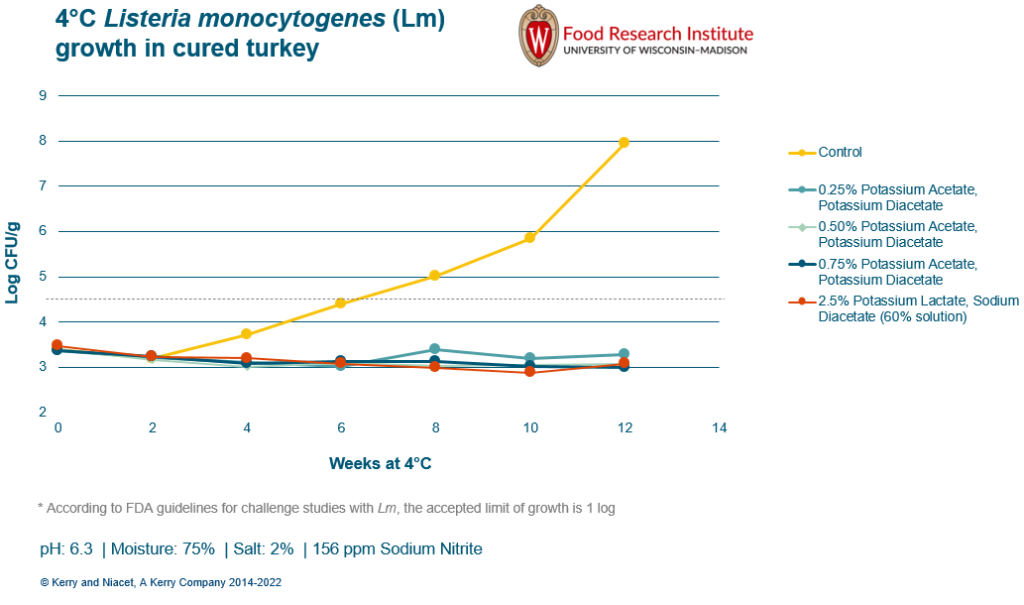
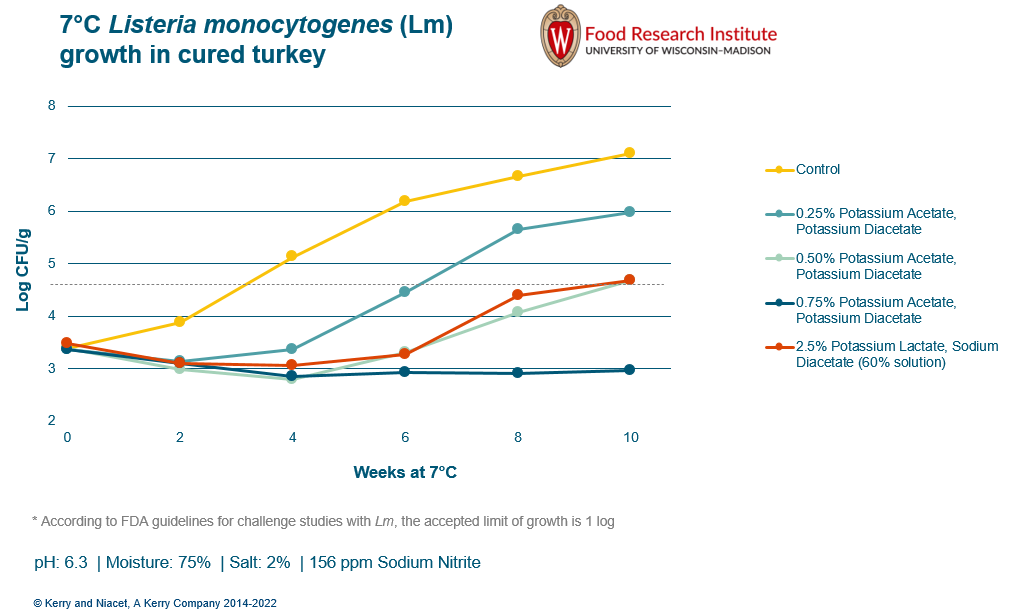
- Zero sodium content compared to sodium lactates
- Minimal unwanted taste impacts from potassium due to the low dosage required
- Reliability of supply in the current market
The latter item is especially noteworthy because it’s in stark contrast to the supply-chain disruptions and rising price volatility lactic acid seems destined to face for the foreseeable future.
Reformulation for Sodium Reduction
With many of the preservative solutions currently on the market (both conventional and those offering a clean label) having a sodium base that contributes more sodium to the final product, the need for solutions has led to a slow but steady shift in preservation protocols.
Meat applications are notoriously challenging in terms of meeting sodium targets, so sodium-based preservatives are ground zero for reformulators.
It’s also worth noting here that reducing sodium can create challenges when formulating for shelf life, and these must not be ignored.
For the meat industry, the race has begun to uncover solutions that will replace sodium’s role in the protection, preservation and flavor of meat products without negatively impacting the lifespan of products.
However, managing application developments and challenge tests for improving preservatives takes time, making it vital for meat processors to initiate the process without delay.
Acetates provide flexibility in terms of a product’s sodium “budget,” delivering a key advantage in any reformulation effort.
Applying a sodium-free version of acetates means greater “leeway,” i.e., extra room, to retain some salt content in order to maintain taste. The possibility thus emerges for a significantly reduced amount of sodium in the final product with little to no negative effect on flavour.
FSSP Modelling can Speed Reformulation
It’s essential to make sure that preservatives are effectively doing their job when reformulating products, and the most common way this is done is to research and develop application and challenge tests.
A key tool to make use of in this area is the well-established and independent Food Spoilage and Safety Predictor (FSSP) software.
Developed by the University of Denmark and accepted by regulatory authorities, the FSSP provides a significant advantage in modeling and predicting the effect of product characteristics, pH, temperature and storage conditions on meat shelf life and food safety.
The result for meat processors is a means of determining—accurately—how much preservative will be needed to achieve their shelf-life and safety objectives.
FSSP is highly specific about the Listeria controls that exist in cold, stored meat products. This information can be used to document whether Listeria monocytogenes, Salmonella and E. coli are able (or unable) to grow on a particular ready-to-eat product.
The FSSP model can also predict the effect of acetates and lactates and organic acids in general terms, and can be used to facilitate the development or reformulation of lightly preserved foods during the process of developing products with reduced sodium content.
Lactic acid supply-chain challenges
With its positive attributes of versatility, eco-friendliness and general safeness, lactic acid is one of those ingredients for which global demand has outstripped supply.
For meat processors, the supply challenges around lactic acid should be of strong concern when it and its derivatives—such as lactates—are the products being used to control pathogenic bacteria in meat.
In short, for those charged with ensuring meat’s safety for consumption, reliability of supply is paramount.
Why all the supply issues? In addition to its food protection role, lactic acid is used in a wide range of other industries and applications, including bioplastics and other uses that emerged during the pandemic. Many industries favor lactic acid over other ingredients given that it’s a natural product and acts as a flavor enhancer in some cases.
Due to lactic acid’s wide (and growing) range of uses, its environmental benefits and the production challenges it faces, supply disruptions and shortages are inevitable and not expected to end anytime soon.
The possibility also exists for rising prices in the future, that will make lactic acid increasingly less economical. All of these factors are fostering changes in meat processing processes, which in turn are pushing food and meat processors to work ahead to examine all viable, sustainable solutions.
Finding a way to provide effective food safety while decreasing reliance on lactic acid will help ensure a safe food supply as meat processors work to address the booming call to reduce sodium content.
Since acetates can be effective at low doses while contributing minimal sodium, there is a growing likelihood we will see them more commonly used in meat.
Acacia fibre (also called gum acacia or gum arabic) is a novel source of soluble dietary fibre.
In recent years, the popularity of Acacia fibre as a food ingredient has grown strongly at 27% CAGR (2016-2020), with Western Europe accounting for greater than 50% of new product launches (Innova Ingredient Sizing, 2022) due to its health benefits and functionality in foods and beverages.
What is Acacia Fibre?
Acacia fibre (gum arabic/gum acacia) is a form of soluble dietary fibre produced using the natural exudate from the Acacia tree in the Sahel Region in Africa.
It is harvested in a very similar way to another exudate you may be more familiar with: maple syrup from the Maple tree. Acacia’s use in food dates as far back as the 9th century, where it expanded its global footprint through trading on ancient spice routes.

Fibre is Under-Consumed in the US and Europe
Fibre is linked to a wide range of health benefits, but many parts of the world consume fibre-deficient diets.
Reformulating with fibre presents an exciting opportunity for food and beverage manufacturers to innovate through fibre fortification while simultaneously reducing the calorie content of food by enabling sugar or fat reduction.
Fibre is mainly found in foods like fruits, vegetables, and legumes, which many people do not consume enough of. There is an opportunity for the food and beverage industry to improve public health by adding fibre to foods and beverages people are already consuming.
Fibre Statistics
| Europe & UK | US | |
| Recommended daily fibre intake (RDI) | 25g Europe (UK 30g) | 25g for women, 38g for men |
| % of adults consuming RDI of fibre | <20% Europe (UK <10%) | <10% |
| Current average intake | 17g Europe (UK 19g) | 16g |
Although people are under consuming fibre, consumers are catching on to the health benefits of fibre and are looking to get it more easily in the foods they are already consuming.
-
- More than 60% believe that eating more fibre is the best way to manage digestive health (Kerry Global Consumer Survey – Digestive and Immune Health, 2019).
- Fibre is the most widely used positioning related to digestive health (Innova 2021).
- 68% of global consumers are influenced by sustainability when purchasing F&B products in store (Kerry Consumer Research, Sustainability in Motion, 2021), 42% of consumers agree that ‘a product is not healthy if it is not also sustainable’ (Innova, 2021).
Choosing a Fibre can be Challenging
These figures show that there is great opportunity to fill a public health need and consumer demand at the same time.
This important public health challenge is being taken up by food and drink manufacturers through such programs as the UK Food and Drink Federation’s recently launched initiative dubbed “Action on Fibre”, with organisations proactively pledging to bridge the fibre gap across bakery, beverage, cereal and snacks categories.
However, fibre addition is not always straightforward. It can be hard to find a source of fibre that is easy to add to foods and beverages. For example, some fibres cause beverages to thicken or become more viscous, which can be undesirable.
Different fibres also interact in different ways with the human body, which means fibre sources vary in their health benefits and side effects when consumed. It can be challenging to choose a fibre source, but acacia fibre is one source that can deliver health benefits while making formulation easier in certain applications.
Why is Acacia Fibre Gaining Ground?
Studies on Acacia show prebiotic effects and a role in digestive health
Clinical studies have shown Acacia fibre promotes the growth of healthy bacteria in the human digestive system.
In a clinical trial, doses of 10 grams of acacia fibre per day led to a significant increase in Bifidobacterial and Lactobacilli, and the prebiotic effect was more effective than the same dose of inulin.
A similar prebiotic effect was shown in another study by Cherbut et al., which was also linked to a greater stool weight, indicating a potential links to positive digestive health benefits.

Acacia fibre has been linked to improvements in satiety and cardiometabolic health in studies
Acacia fibre may also play a role in weight management.
In clinical studies, Acacia fibre has bene shown to significantly improve satiety at 5g/serving and subsequently significantly reduced the energy intake at first meal three hours after ingestion and the feeling of hunger for at least three hours after consumption with no compensation effect.
When incorporated into foods and beverages, acacia fibre was linked to decreased hunger and improved fullness. Acacia fibre intake has also been linked to cardiometabolic health such as significantly improving fasting glucose levels, expanding potential uses for Acacia fibre beyond digestive health.
Acacia fibre does not cause as much GI discomfort as other prebiotic fibres
A major complaint with many consumers is that, despite a role in health, some fibres can cause negative side effects like excess gas production and bloating even when consumed at amounts as small as 5-10 grams per day.
This has led many to seek alternative fibres that are linked to health benefits but do not cause GI discomfort.
In studies using acacia fibre, doses up to 40 grams per day were well-tolerated with no significant increase in discomfort and led to fewer reported side effects than FOS, demonstrating excellent digestive tolerance for acacia fibre.
*Check with local regulatory bodies for country specific claims
Global regulatory bodies recognise the health benefits of Acacia as a fibre source. The application of Acacia fibre can deliver a high concentration of soluble dietary fibre (minimum 85%) that enables a “High in Fibre” claim (6g of fibre per 100g of product in Europe).
Last year, the U.S. Food and Drug Administration announced that it intends to propose that “Acacia (Gum Arabic)” also known as gum acacia, be included as part of the FDA’s definition of dietary fibre further propelling Acacia fibre as a key solution to increase the uptake of dietary fibre.
The FDA has determined that the scientific evidence supports that gum acacia can help reduce blood glucose and insulin levels after it is eaten with a meal containing a carbohydrate that raises blood glucose levels.
Acacia Fibre is Sustainable
-
 It has a role in sustainable agriculture. The Acacia tree helps helps combat desertification and increase other crops yields in the Sahel region in Africa.
- Farming of Acacia supports local communities. the harvesting of Acacia fibre is carried out by local farmers in a way that does not damage tree growth and forms an important source of secondary revenue, making it a critical income generator among vulnerable communities – up to 38% of total annual income.
Acacia’s Functional Role Beyond Contributing Fibre
Acacia fibre is non-cariogenic with minimum impact on the taste, aroma, texture and visual properties of food and beverage products.
This makes it highly versatile across numerous applications such as bread, beverages, nutritional bars and cereals for manufacturers wishing to achieve a fibre claim and/or improve the nutri-score of their final product.
White bread: Although white bread is the most popular type of bread globally, its low fibre content gives it a poor mark on the nutrition scale.
Acacia fibre–fortified white bread can provide up to a 300% increase in fibre per serving versus non-fortified white bread, a level that approximates the fibre content of whole wheat—all whilst maintaining the taste and consistency that leads so many consumers to purchase white bread products.
Through application testing, sensory and texture analysis results confirm taste and aroma are unaffected negatively when Acacia fibre is incorporated.
The same is true of measurements of loaf volume, softness, crumb and crust colour and there is little impact on dough rheology, making it easy for bakers to handle.
Further application trials carried out demonstrated that other fibres on the market such as citrus fibre, soluble corn fibre, and inulin can negatively impact the sensory and dough handling properties of bread. For example, inulin resulted in the bread being much more dense, lower volume, firmer and with an undesirable texture.
Favourably, Acacia fibre fortified bread remains comparable to reference “control” bread, making it a great candidate when choosing a suitable fibre for fortified baked goods.
Beverages: In beverages there are important practical considerations to take into account when fortifying with fibre. The fibre ingredient needs to be easily dispersible, highly stable in low pH and void of negative influences such as gelling, swelling or thickening.
Acacia fibre meets these criteria with added benefits of improving mouthfeel and flavour enhancements.
It has a role in reduced-sugar beverages due to the ability of the polysaccharide structure to improve the mouth coating effect, which holds sweeteners or flavour modulators in the mouth for a longer period of time and extending the sweetness perception.
It has the ability to reduce the GI of food products and is Low-FODMAP and KETO diet suitable. The high fibre, increased satiety attributes of acacia fibre are particularly suitable for beverages in categories such as sports nutrition and those positioned as meal replacements.
Nutritional Bars and Cereals: Nutritional bars and cereals frequently fall into the high fat/sugar/salt category. Manufacturers looking to optimise their nutri-score and fortify with fibre should consider acacia fibre to improve the nutritional positioning of their product.
Along with delivering a high concentration of soluble dietary fibre, acacia fibre supports the overall reduction of sugar in final application by working as a binder to partially replace sugar syrups.
It also maintains moisture balance preventing dry mouthfeel over shelf-life, which is a common challenge of nutritional bars and cereals/ granola. This binding function is different than that provided by soluble fibres like inulin or FOS, which can act as bulking agents and provide sweetness but do not aid in binding.
As a result, including Acacia fibre as part of a blend of fibres may enhance functionality of the entire system.
Fibre is very well associated with many health benefits when consumed as part of a healthy and balanced diet. There are a variety of different sources and types of dietary fibre that have different health benefits, but they can also be used as functional ingredients in foods and beverages. Dietary fibre is an ingredient that can influence many attributes of the product, such as the texture, succulence, cohesiveness, appearance, and sensory properties.
These unique properties of fibre can improve the sensory properties of many types of foods and beverages. This can include texture improvements such as providing a firmer bite to a burger, enhancing the product’s processability such as increasing the cooking yield, and improving the nutritional quality due to the inherent nutritional properties.
In many meat and plant-based meat alternative products, other functional ingredients to fibres cannot be neglected or completely replaced. However, thorough understanding of the functionality of fibres within application allows the improvement of characteristics such as texture, cooking yield, fat reduction, while also adding the health benefit of fibre enrichment to meat and plant-based meat alternative products. This article will look at these aspects in more detail, focusing mainly on the functional role of fibre in meat and plant-based meat alternatives.

Functional Properties of fibre
Besides their nutritional benefit, dietary fibres provide a range of technological properties when incorporated in food systems. Some of these are shown in the list below:
-
- Water binding – The ability to bind water and swell.
- Oil binding – The ability to bind oil and swell.
- Anti-caking – The ability to prevent lump formation in powder materials.
- Texturizing – The ability to enhance texture properties of food products (e.g. by providing viscosity, thickness, etc.).
- Bulking agent – The ability to increase the volume in food products and thus increase the sense of satiety, especially in foods designed for weight reduction.
- Fat mimetic – The ability to mimic (not replace) some of the organoleptic and physical properties of fat molecules while simultaneously providing lower energy values to the food products.
- Gelling – The ability to thicken and form a gel. This depends on the product’s hydration properties and its ability to form a network
These unique technological properties result in fibres being used across a wide range of food products, from baked goods and confectionary, to dairy and beverages. And although someone might not think about it at first, fibres are also widely used in meat and plant-based meat alternative products.
Fibre functionality in meat and plant-based meat alternatives
When it comes to meat and plant-based meat alternatives, fibre incorporation can deliver important functional properties while also also improving the nutrition of a product.
One key consideration when using fibres in meat and meat alternative applications is understanding how fibres behave in a complex matrix (proteins, starches, fat, salts, etc.). As already mentioned, fibre has many unique functional properties, and each property can differ based on various parameters, such as:
-
- Fibre source
- Fibre extraction method
- Chemical structure, pH, ionic strength
- Fibre type: Soluble / Insoluble
- Length of fibre
- Fibre purity
Adding fibre to foods – how does this impact the product?
Depending on the fibre source (e.g. root vegetables, fruit peels, etc.) and extraction method (e.g. chemical vs microbial methods), different types of fibres can be obtained 1.
The most common classification divides fibres into soluble and insoluble, based on their solubility in water. Insoluble fibres consist mostly of cellulose, hemicellulose and lignin, and soluble fibres consist mostly of pentosanes, pectins, gums, and mucilage2,3.

Insoluble fibres like bamboo or wheat have good water and oil holding capacity which will help in firming up the texture of cooked products. Water and oil binding properties are related to chemical structure, ionic strength, pH and particle size of fiber 4. This feature can be helpful in the development of meat and plant-based burgers or sausages where we want to achieve a firmer structure by binding the extra water in the system. Depending on the extraction process, some fibres might still contain higher levels of starch that can gel upon heating and further enhance texture properties.
Another example is Psyllium, a soluble fibre that dissolves in water and can help with increasing viscosity of liquid systems such as brines. When going through a heat treatment process, psyllium also forms a gel-like structure that cannot be achieved with the use of insoluble fibres such as bamboo, wheat, or oat fibre.
The impact of water quantity on fibre functionality
Incorporating fibre in a food product can result in a higher or lower water (and/or oil) uptake. As with many other ingredients, fibre will “compete” for the water in the system and this can also influence the functionality of some other ingredients, for example proteins and hydrocolloids. One challenge in using fibres in plant-based meat alternatives is that very high concentrations of fibres can bind high amounts of water, making it less accessible to other ingredients.
If fibres are used in excess without enough hydration, the network formation between starches, proteins, and hydrocolloids can be disrupted, resulting in a very dry and perhaps too firm product. Using fibres at very high quantities can also bring an additional and sometimes undesirable taste impact. Flavour can be a challenge with plant-based products in general, as discussed in Flavour Masking Challenges in Plant-Based Meat Alternatives – Kerry Health And Nutrition Institute.
Benefits of adding fibre to meat and plant-based meat alternatives
As we have already briefly discussed above, fibre incorporation in meat and plant-based burgers and sausages can bring some application challenges. However, a thorough understanding of different types of fibre and their functionality in application can result in very positive outcomes, such as:
-
-
- Increasing the yields of cooked minced products like burgers and sausages
- Giving burgers a firmer bite with a more cohesive structure
- Fat reducing properties while also keeping burgers and sausages juicy
- Binding and upholding the water in fresh or cooked minced products
-

As of January 1st, 2022, upcoming regulations will restrict the use of natural flavourings in organic products in the European Union. This change in legislation has impacted the organic product industry.
The legislation will only permit flavourings that meet certain criteria to be used in organic products.
Businesses will now need to reformulate the flavourings in organic products to comply with this legislation and this is easier said than done.
The legislation changes may leave you wondering “what are natural flavours?” or “what is the difference between a natural flavouring and an extract?”.
This article will look at how extracts are made, the requirements for flavourings in organic food products and the various factors to consider when using these flavourings in application.
What are Natural Flavourings? What Flavourings Will Be Suitable For Organic Products?
The new organic regulation (Regulation (EU) 2018/848) offers 2 options regarding the use of flavourings in organic foods:
1a. Organic Suitable Flavourings
1b. Organic Certified Flavourings
2. Extracts (organic certified or not)

‘Natural Flavourings’ will no longer broadly be permitted in organic products,
With the new Organic Regulation, only flavourings which are labelled as “Natural <X> Flavouring” (e.g. Natural Lime Flavouring) are permitted to be used in organic products.
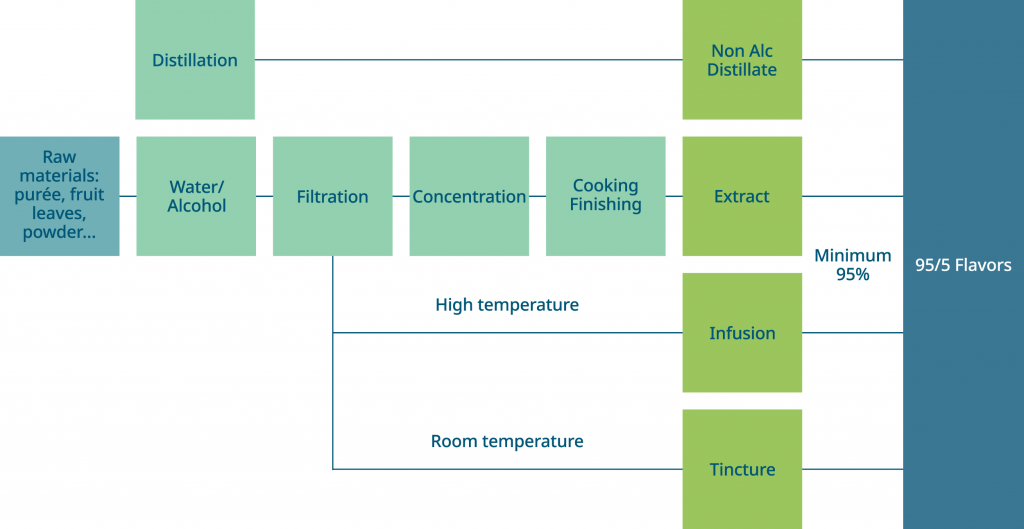
Within a natural ‘X’ flavouring, a minimum of 95% of the flavouring component in the flavouring must be sourced from the ingredient named in the flavouring and the flavour source of the material must be easily recognised.
For example, with a natural lime flavouring, a minimum of 95% of the flavouring component must be derived from lime and the flavour perception of lime needs to be easily recognised.
These flavours are known to be 95/5 flavours.
Since extracts are considered suitable for organic products under the new Organic Regulation, let’s review what an extract is.
What is an Extract?
An extract is obtained from a material using a solvent by means defined by the Directive 2009/32/CE or by the less common more traditional press processes.
There are four main methods used to extract flavourings from source material:
Tincture: Raw materials such as leaves, roots, seeds and flowers are combined with a blend of ethanol and water at room temperature.
The solids and liquids are separated and the remaining liquid is a tincture.
Infusion: Like the tincture process, but instead the raw materials are combined with a blend of ethanol and water under heat.
After heating, the solids and liquids are separated and the remaining liquid is an infusion.
Distillates: Raw materials are combined with a blend of ethanol and water at room temperature and through a distillation process the liquid is fractionated.
This liquid is known as the distillate.
Extracts: Raw materials are often combined with a blend of ethanol and water under heat. After heating, the solids and liquids are separated.
The solids or “crude” is concentrated and the liquid is re-used for another run. This liquid is the extract.
In application (i.e. in a food or beverage) it is usually supported by a carrier such as glycerine or propylene glycol.
What Flavouring Source Is Best For Different Products?
There are many factors to consider when choosing the flavouring source for your product, such as:
- The raw material source, for example seeds and roots are less fragile than flowers or fruits and can therefore withstand harsher extraction processes.
- The final product and the process to make it. Such as a final product that undergoes a heat treatment step during the production.
- Cultural requirements, for instance halal products do not use ethanol as a solvent.
- The type of flavour profile desired. For example, a fresh top note versus a caramel, cooked lasting flavour.
As mentioned earlier, according to the legislation the flavouring source must be easily recognised (e.g. lime flavouring should taste like lime).
This is critical to get correct, therefore it is important to consult a flavourist team supported by sensory analysis.
Some natural flavouring sources are more delicate than others or contain less volatiles. In some cases, they are very difficult to extract or can become partially destroyed during the extraction process.
Extracts in general can have less intense flavour at low application levels. All of these conditions can result in a need for high application levels.
How Can The Intensity Of Extracts Be Improved?
From around 3000 years BC, method and extraction processes are improving to target the best extract. But what is regarded as the best extract?
It is an extract with a lot of top notes. It is fresh and authentic. A high-quality extract can make you feel like you’re tasting the real thing, like biting into a wild strawberry foraged in a forest.
However, every extraction process gives a different result in terms of taste, volatiles and intensity. For example, water will extract more sugars than alcohol, but alcohol will be more efficient to capture organic volatiles.
Therefore, usually a blend of solvents in different ratios are applied to create the desired balance. The intensity of an extract usually depends on the concentration of the flavouring source in the final product quantity.
For example, black tea extracts can range in intensity from 1 to 800 times.

An experienced analytical team is crucial to support the development of extracts and flavourings. They investigate each stage of the process and analyse the quality of the final extract.
This ensures the correct level of concentration is selected for the application. For instance, vanilla extracts must contain a minimum % of vanillin to be legally defined as a vanilla extract and authorities use analytical methods to identify adulteration of this premium product.
The type of analysis required to determine this is also specific and conventional analytical techniques such as gas chromatography are unable to discriminate between synthetic and natural molecules, therefore isotopic analysis is required using a mass spectrometer.
Choosing The Right Natural ‘x’ Flavouring
This requires a team effort.
A combination of experienced flavourists, efficient extraction processes, analytical scientists and an application technologist that is knowledgeable on the specific food process and its interaction with the flavourings are all key to produce a great tasting product.
What Do Emulsifiers Do in Food?
Emulsifiers in food are used to improve quality or shelf life through strengthening dough in baked goods, stabilizing foams, preventing food from getting stale, or making foods more freeze-thaw stable.
They can be derived from a range of products like soy and sunflower lecithin to propylene glycol alginate. Emulsifiers can bind to two liquids that usually do not mix well together.
A traditional example is mixing (or rather, trying to mix) oil and water. These fluids don’t like to mix because of their chemical properties. This is where an emulsifier comes into play.
Emulsifiers have water loving (hydrophilic) and oil loving (hydrophobic) regions that allow the two immiscible ingredients like water and oil to join. Therefore, emulsifiers in the product keep all of the liquids mixed smoothly.

In the continuing age of decreasing the amount of food additives, it is important to understand why some of them are utilised so heavily in the food industry.
Emulsifiers and their function in food allow the consumer to view their food in a consistent, smooth and quality manner.
Prior to the addition of an emulsifier like mono- and diglycerides to a product, it would need continuous mixing to prevent the oil and liquid phases from separating.
Food manufacturers add these ingredients to ensure a standard product across the board and to make it more convenient for consumers to use, ultimately saving time.
What Foods Contain Emulsifiers?
Baked Goods
Cake, yeast raised goods like doughnuts, icing, filling, bread and specialty cakes all utilise emulsifiers. When these baked goods lack emulsifiers they show quality defects and negative sensory attributes including tough, dry, stale or tasteless (Brandt 1996).

On top of the negative sensory attributes associated with baked goods, without emulsifiers, shelf-life is also reduced. So what do emulsifiers do in these delicious treats?
The answer is the same things eggs do when added to baked recipes, since the lecithin in egg yolks acts as an emulsifier.
Emulsifiers help the shortening ingredient in the dough of baked goods perform better.
Emulsifiers do this by improving tenderness, flavour release, volume, water absorption, texture and reduces the use of egg, shortening and mixing time (Orthoefer 2008).
Emulsifiers in baked goods not only increase positive sensory attributes in terms of flavour and texture, but also lend a hand in the sustainable movement.
They keep baked goods fresher for longer, thus reducing the amount of food waste.
Dairy Products
To support the stability and texture of dairy products including ice cream and processed cheese, the use of emulsifiers is necessary.
In ice cream, emulsifiers are used because the ice cream whips easier, does not melt as fast on a hot sunny day, has a smoother body and texture and the air particles within the ice cream are more uniformly spread across (Euston 2008).
In processed cheese, the final water content can go up to 58% water and around 15-25% fat (Euston 2008). The large portion of immiscible liquids within this product make it nearly impossible for this product to be made in a uniform and consistent manner without the use of emulsifiers, specifically emulsifying salts.
Infant Formula
When it comes to emulsifiers found in children’s infant formula there are two types, one protein-based and another non-protein based (McSweeney SL 2008).
Various by-products of bovine milk including skim milk powder, milk protein isolate, whey protein concentrate and more are considered the protein based emulsifiers. These emulsifiers work well due to their amphipathic (water and oil loving regions).
The non-protein based emulsifiers including lecithin, mono- and di-glycerides, citric acid esters of mono- and diglycerides of fatty acids and more are the main emulsifiers in infant nutritional foods (McSweeney SL 2008).
Both types of emulsifiers are utilised to improve the stability of products and help form a stable emulsion. The addition of these ingredients will help prevent defects including:
- Oiling off – Oil appearing on the surface of the infant product
- Creaming – Upward movement of droplets caused by gravitational force
- Sedimentation – Downward movement of droplets from having a higher density than the surrounding liquid
- Ringing – A white ring at the top of a container and
- Water and oil separation (McClements 2016).
Although these defects are a concern of quality and not of safety, observing these defects in an infant’s formula on a consistent basis would cause the consumer to think twice about purchasing these products.
Emulsifiers are there to ensure defects like the ones above do not occur and to make sure every ingredient is suspended in the food matrix uniformly.
Emulsifiers are there to improve and maintain the way consumers view their food while extending the shelf life of various food products.
What Are Examples of Emulsifiers in Food?
Table 1 shows examples of common emulsifiers, where they are found and what they do in that food or beverage.
Table 1. Emulsifiers and surfactants used within the food industry to decrease unfavourable sensory characteristics. (Reproduced from Hasenhuettl 2008)
Consumers are constantly on the lookout for more natural emulsifiers due to negative press emulsifiers have received over the years.
Some fibres, like gums, are used as emulsifiers while also providing fibre content and prebiotic benefits for gut health.
These may provide a solution as consumers seek to avoid more synthetically based emulsifiers.
Each and every one of us want to live a happy and healthy life on this planet. We want to live in a way that feels good for ourselves, our family, our friends/colleagues and for our place of work.
At present there are numerous and ever-evolving opportunities available to us to enhance our lives in a way that benefits the planet, society and the people around us. An important aspect of this is viewing and experiencing sustainability as a cost-advantage in both our personal and professional lives.

Food is a common denominator no matter who we are and represents an interesting opportunity when it comes to sustainable production and consumption and learning to thrive in balance with nature. ‘
A sustainable food system means producing and consuming food in a manner which provides for the health of all societies today, while retaining the capacity to meet future needs of a growing population, and all the while preserving the natural systems upon which we so fundamentally depend’.1
Eliminating or minimizing food waste is a tangible part of the food sustainability journey where consumers and food producers alike can actively mitigate with colossal potential for positive impact.
According to the U.N. Food and Agriculture Organisation if we reverse the current trend of food loss and waste we would preserve enough food to feed 2 billion people. This is more than twice the number of undernourished people across the globe.
By eliminating/ minimising food waste we can nourish populations, decrease our environmental footprint and benefit economies. If we continue on our current path 1/3 of all food produced continues to be wasted, 690M people are hungry (more than the entire population of Europe) and the global economy is losing out on $940B annually.
A Case Study of Bread and Bakery
Bread and bakery as a category accounts for the largest volume of food lost/wasted globally and as such warrants closer examination.2
In some European countries such as Poland, bread and bakery products account for more than 50% of total food wasted, while one third of all bread that makes into market in America is wasted.³
Sustainable production and consumption require two main areas of focus:
-
- Technical solutions to support sustainable production along all stages of the supply chain
- Change of consumer behaviours towards responsible consumption
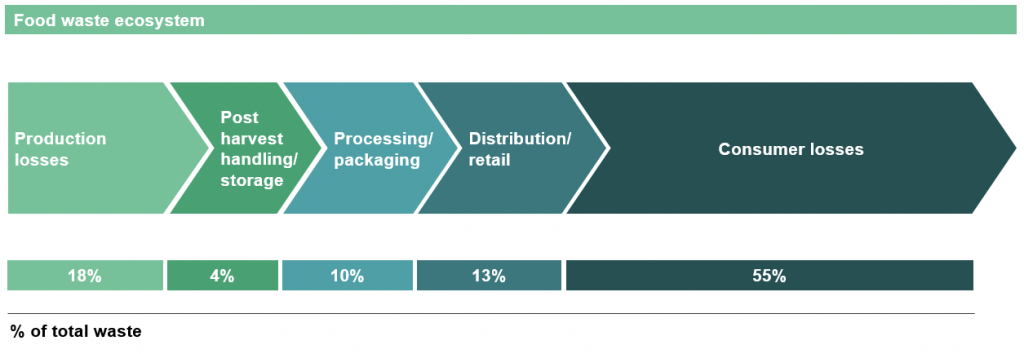
How to Reduce Food Waste
Sustainable production: what can food manufacturers do?

The production stages ripe for improvement include manufacturing, distribution, and retail and at-home storage, with solutions constantly being sought to reduce product loss and spoilage at each level.
At the same time, it is important to seek production efficiencies that will lower environmental footprints and improve sustainability profiles, all the while delivering the additional benefits of less variance, lower yield loss, and faster output.
Today’s consumers are driving the trend with their demands for fresh, better-tasting products with cleaner labels that also meet their expectations around health and sustainability.
Enzymes are a tool widely used by bakery producers and considered star performers in terms of sustainability improvements in the production of food. Enzymes are sought after for their shelf-life extension abilities and specific product enhancement properties.
Among many baking examples, specific amylase enzymes can release sugars from the starch in flour to generate sugars that the yeast can then utilize to optimize bread volume.
Similarly, lipase enzymes can modify fats and lipids to form emulsifiers that help dough handling and bread texture. Maltogenic amylase, for instance, is used to slow the loss of moisture and the recrystallisation of starches in bread, thereby slowing down the “staling” process.
Enzymes are also useful for optimizing several production processes, the benefits accrue: less water and energy used; dough retard and refrigeration time reduced; and shorter production time overall.
Making crackers more sustainable with enzymes
Crackers are an example of where the application of enzymes can help reduce food waste and environmental impact by improving baking manufacturing efficiency.
For cracker manufacturers, the challenges of improving production line efficiencies, minimising food waste and producing visually appealing crackers, are universal.
By skillfully applying enzymes during the production process, manufacturers can achieve an impressive cohort of results.
For example:
-
- an increase in line efficiency to a striking 90%
- reduce food waste by 20%
- decrease dough development time by 50%
- prevent cracker shrinkage
- improve product consistency
- achieve the desired color and crispier texture
- decrease energy and water consumption
- reduce carbon emissions
- achieve significant cost savings
A key consideration for manufacturers of such products is the fact that the use of enzymes usually requires no changes to a product’s label or nutritional profile. Enzymes are considered “processing aids,” and do not require labelling in a majority of countries around the world.
Furthermore, utilizing enzymes in the process allows for the elimination of the additive sodium metabisulfite (a reducing agent that makes the dough flexible for better processing), delivering the additional benefit of a cleaner product label.
Responsible consumption: what can retailers & consumers do?
A considerable amount of preventable bakery waste occurs during logistics/retail phases and at home/restaurant dining.
In developing countries losses occur as a result of lack of infrastructure or mismanagement, such as inadequate conditions at warehouse, during transport and at point of sale.
In developed countries 55% of total waste generated is as a result of people throwing away food at home. Consumer surveys have reported the root causes of waste to be ‘not paying attention to the expiry date on the packaging, over-shopping and the fact that bread generally has a short expiry date’.

Responsible consumption requires changing of consumer habits to consume better, waste less and eat less. Changing psychological habits which have been engrained in us since the age of mass consumerism takes time and conscious effort. Additionally, the topic of sustainability is often over-whelming.
Best before dates versus use by dates can be confusing for consumers, resulting in consumers dumping food once either date is reached, and food unnecessarily wasted. There is a need to increase consumer awareness on the current precarious situation regarding food waste, educate on how they can help eliminate it and instigate action breaking it down into bitesize addressable pieces.
Research has also shown the negative impact food waste has on retail employees4:
-
- 9 out of 10 bakery employees are aware of how much food their bakery wastes each day
- 71% said their workplace has no stock management system in place to reduce waste
- One third of staff morale is affected by this fact
Upcycling Food Waste
Fortunately, innovative methods to upcycle food waste are coming to the fore. For example, producing beer from surplus bread. Bread and beer both use the same fundamental ingredients – grain, water, yeast, enzymes and flavourings.
In some ways, bread is solid beer and beer is liquid bread. Circular economy models such as this have multiple benefits: reducing waste, cost savings, avoiding emissions, saving on water and creating an additional revenue stream.
Importantly, the aim is to eliminate the creation of waste in the first place and provide nourishment to those in need. Secondly, look at innovative ways to upcycle in a way than is kind to the environment and benefits society.
Business benefits of reducing food waste
-
- Brands marketed as sustainable have experienced 7.1 times faster growth that those not5
- 1 in 2 global consumers willing to pay extra for food and beverage products that are devoted to solving food waste6
- 10-20% of revenue could be at risk by failing to meet these changing societal expectations around sustainability7
- By reducing food waste annual savings of $1,800 and €700 per household in the US7 and Ireland8 respectively are attainable
Food waste is a prevalent priority and one which weighs heavily on consumers and food industry employees alike. We have the potential to feed 2 billion more people with the food we currently produce globally.
Working in favour of achieving this is the fact that each of us individually and further as a collective of food producers have the tools to hand to create real change for good and reduce food waste.
Technical progress and innovation, persistence and commitment to doing the right thing and accepting individual responsibility are important factors as we strive for better.
In the article “Active Ageing – Why is Protein So Important?”, we showed how greater protein intakes at ages 50+ can fight the natural loss of muscle mass that comes with ageing, helping people keep active lifestyles later into life than if they didn’t consume adequate protein. Although plant proteins are seen as key to the future of the planet, they may have some limitations for supporting muscle health as we age. How can we improve plant proteins to maximize benefits for healthy ageing?
A study by Houston et al. (2008) showed that ageing adults who had a daily protein intake of 1.1 grams of protein per kilogram of body weight (around 88g per day for an 80kg male) lost 40% less muscle over the course of three years when compared to those who were consuming 0.8g/kg BW (around 64g per day for an 80kg male).
Let’s look at the science of plant proteins and muscle health, and how plant proteins could be optimised for active ageing.

Not all proteins are the same when it comes to healthy ageing
Plant proteins are often missing important amino acids or can be harder to digest
Most plant-based proteins are lower in certain essential amino acids than animal-based proteins and can also be harder to digest. This is reflected in the figure below, which uses a score called PDCAAS to represent the amino acid content of different proteins relative to the needs of the human body. Protein quality can also be measured using a score called DIAAS, which measures the amount of amino acids absorbed by the small intestine after protein is consumed.
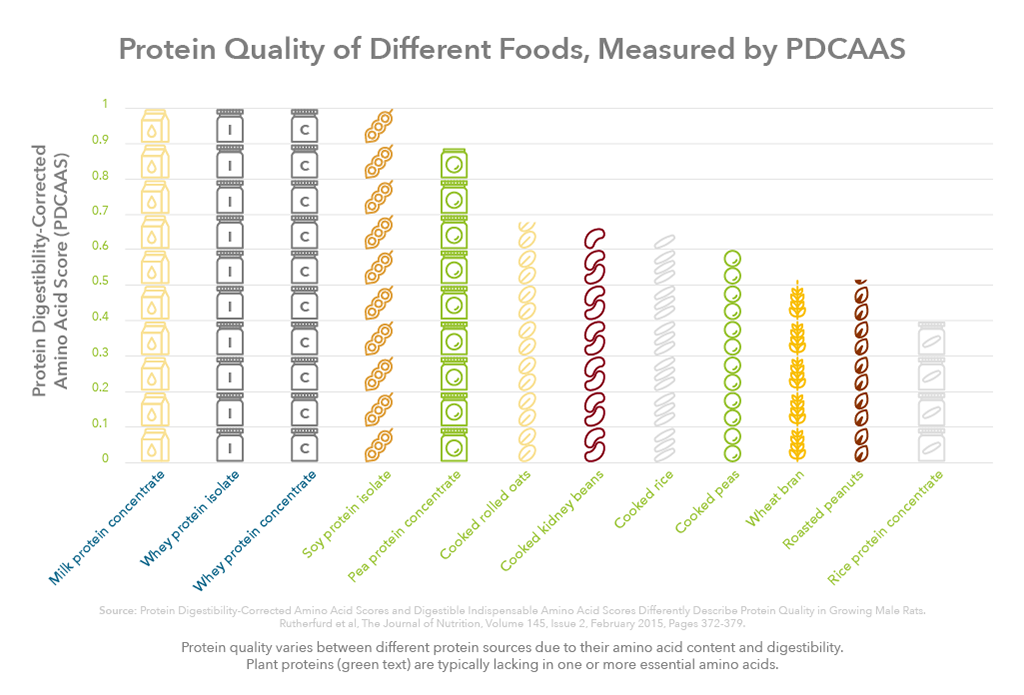
What this chart shows is that consuming the same amount of whey protein compared to wheat protein will not result in the same amount of amino acids being absorbed into the body. In this example, the whey protein would provide all of the necessary amino acids for adequate muscle maintenance, whereas consuming the same amount of wheat protein would result in a lack of some of the amino acids the body needs.
When it comes to active ageing, this means plant proteins may be less efficient at activating muscle growth and repair and this must be considered when making recommendations for active ageing. For example, this article discusses the importance of leucine in activating muscle growth and repair. However, wheat protein has 37% less leucine than the same amount of whey protein (Herreman et al., 2020).
Plant proteins can be limited in their ability to stimulate muscle growth and repair in older individuals
The limited effectiveness of plant proteins to stimulate the muscle protein synthesis system, when compared to animal-derived protein, was shown by Gorissen et al. (2016) in a study where the ability of 35g of whey, casein, or wheat protein to stimulate muscle protein synthesis was measured in 60 healthy older men (70 -72 years old).
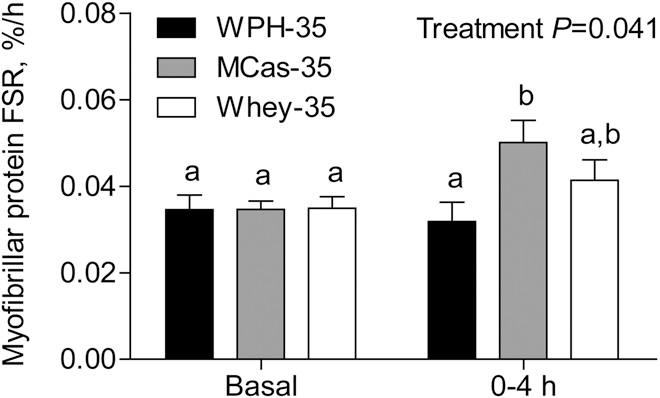
The results from the study, shown in the figure above, show that 35g of wheat protein had little to no impact on muscle protein synthesis beyond the baseline rate (i.e., resting rate before a meal).The subjects who consumed whey or casein proteins (which are animal derived) showed an increase in muscle synthetic response. The higher response to the consumption of the animal-derived whey and casein proteins is attributable to the greater content of essential amino acids, and higher overall digestibility which is reflected directly in their protein quality values: wheat=0.48, whey=0.85 and casein=1.17, as measured by DIAAS (Herreman et al., 2020).
The participants needed to eat almost twice as much wheat protein (60g) to see the same response in muscle protein synthesis as 35g of whey or casein. This would be a difficult amount of protein to eat in one sitting, especially in older individuals where diminished appetite is common. Another consideration is the environmental impact of growing the quantity of plant protein required to maintain this increased level of consumption which could counteract some of the benefits attributed to switching from animal protein to plant protein.
How can we improve the ability of plant proteins to support muscle health during ageing?

Choose the right protein source
Plant proteins with high protein quality scores are a good place to start when it comes to active ageing. Soy protein has a DIAAS value of 0.9, which is higher than most other plant sources. Soy protein has been shown to efficiently meet the body’s need to form new muscle but some negative perceptions around soy’s role in health, many of which are unwarranted, has led some consumers to stop consuming soy protein and search for other alternatives.
Pea protein (DIAAS value of 0.71) and rice protein (DIAAS value of 0.47) have become more prevalent and application of these ingredients is increasing over recent years. Emerging plant proteins of nutritional interest also include potato (DIAAS value of 1), pseudo-cereals (such as quinoa, amaranth and buckwheat), legumes (lentils, chickpeas and lupin) and oilseeds (canola, rapeseed and hemp) due to their levels of essential amino acids (Herreman et al., 2020; Martínez-Villaluenga et al., 2020). Mostly, methionine, cysteine, lysine and leucine are four essential amino acids that cause low DIAAS values for plant proteins and, therefore, limit their nutritional quality (Lonnie et al., 2018). Much scientific research has been conducted in this area to identify plant protein sources that are more nutritionally complete and have similar levels of these essential amino acids to that of soy and animal-derived proteins.
An alternative to finding a single source of plant protein which can act as complete source of nutrition for the healthy growth and maintenance of muscle in ageing individuals is to modify the physical, chemical or functional nature of plant proteins to optimise the effect they have on muscle growth and repair.
Improve digestibility via processing
One of the major limitations preventing plant proteins from having a high protein quality score is their limited digestibility and bioavailability. Within plants, proteins are usually encased in fibre-rich husks or layers that are very difficult for the body to digest, limiting our access to the protein when we eat it. Additionally, plants contain a range of bio-compounds, termed phytochemicals, which slow or inhibit protein digestion (Lonnie et al., 2018).
Physical processes such as cooking (i.e. heating), extrusion, drying, and enzymatic hydrolysis have all been shown to increase the digestibility of numerous plant proteins (Sá et al., 2019). For example, processing a soy flour into a soy protein isolate increases the PDCAAS score from 0.86 to 1.0. These processes can degrade the bio-compounds that limit digestibility or change the structure of the proteins to make them more accessible to the digestive enzymes in the intestine. These physical processing treatments (i.e. heating, wet fractionation, dry fractionation, drying, etc.,) are commonly used in the enrichment and isolation of plant proteins to produce protein-rich flours (e.g. protein concentrates or isolates), which results in the a large improvement in digestibility.
Blend different plant proteins together to improve amino acid profiles
Since many plant proteins are lacking in just a few essential amino acids, such as cereals being low in lysine and legumes being low in methionine, different plant protein sources can be blended to account for the other’s “amino acid weakness” so to speak. The right blend of rice and pea protein will have sufficient amounts of both lysine and methionine, creating a “complete” protein that is more efficient, gram for gram, at delivering amino acids to our muscles than either protein alone.
Plant-animal protein blends are also a possibility, since the plant-based market has expanded beyond vegans and vegetarians to flexitarians or those just looking to eat more plant-based foods. Blends of plant and animal proteins have already seen some use to enhance the functionality (e.g. solubility, taste, texture) of plant proteins in foods and beverages. A series of studies have tested the ability of milk protein, soy protein and a milk-soy protein blend to stimulate protein synthesis after exercise in both older men and young adults. Results from these studies showed that the muscle protein synthesis rates were higher and remained higher for a longer period of time for the milk-soy protein blend (Borack et al., 2016; Reidy et al., 2014, 2013), suggesting possible health benefits in consuming a plant-animal blend of protein. More research would be needed to fully understand how different protein blends interact and their potential health benefits.
Increase leucine content of plant protein
As mentioned earlier, the amino acid leucine has an important role in activating muscle growth and repair. Many plant proteins contain around 20-30% less leucine than animal proteins, although there are a few plants high in leucine, such as corn, soy, and potato (Herreman et al., 2020). It stands to reason, then, that adding leucine to plant proteins or breeding plants to contain higher levels of leucine might improve their ability to promote active ageing.
A study by Wall et al. (2013) found that the addition of crystalline leucine (2.5g) to a 20g serving of casein had a greater effect on protein synthesis compared to the consumption of 20g of casein alone. Although this study used animal-sourced protein, it shows that addition of leucine can help overcome the reduced sensitivity of the mTOR system (responsible for initiating muscle growth and repair) that is seen during ageing. A study done in mice found that adding leucine to a wheat protein to match the leucine content typically found in whey protein led to a similar ability to stimulate muscle growth compared to whey (Norton et al., 2012).
Conclusion
To promote active ageing it is key that not only the right quantity of protein is consumed but the quality of the protein should also be considered. There are actionable strategies such as processing, protein blending, or targeting leucine content that can improve the ability of plant proteins to promote active ageing while also addressing growing concerns over the environmental impact of animal proteins.
Animal nutrition has a direct impact on human health
‘You are what you eat’. This phrase is used to encourage us think hard about our food choices, but what does it really mean? And when we think about what we eat, what is the impact of the nutrition that is provided to the animals that we, as humans, will consume? Is the concept of ‘personalized nutrition’ applicable to animal nutrition, and would it impact human health?
Chickens are the most abundant bird in this planet. Over the years, its production has evolved into an efficient form of farming that plays a vital role in our nutrition, particularly in regards protein supply either in the form of meat or eggs. Hens are able to lay more than 300 eggs in the year (i.e. almost 1 egg per day), with white hens producing white shelled eggs and brown hens laying brown eggs.
As the world’s population increases, the demand for poultry meat and eggs is expected to rise by 121% and 65%, respectively, by year 2050. The need us to think deeper about the phrase ‘you are what you eat’ becomes much more important when we look to the future. Foods of animal origin with enhanced functionality is at the core of research in the animal nutrition industry, all underpinned by the essential responsibility for implementing sustainable solutions.
Modifying animal diets is one way to improve sustainable nutrition
Could chicken become a key source of omega-3 fats?
Consumers are very aware of the recommendations to eat oily fish to sustain dietary omega-3 intake to support normal development and maintenance of optimal health, yet Western populations are failing to comply with the recommendation to consume 2-3 servings of fish per week. Meanwhile, the use of fish oil supplements has increased drastically, putting additional strain on the sustainability of marine resources.
One solution to this problem is to optimize the feed of chickens in order to modify the lipid profile of their meat and eggs. In the past, when fish oil was added into the diet of chickens, it gave the meat a fishy taste. However, science has evolved to cost-effective successful supplementation with flaxseed oil, which results in a high alpha-linolenic acid (omega-3) feed which is naturally metabolised by the animal and deposited in the tissue as omega-3 fatty acids, without any influence on the taste of the meat. In similar fashion, the use of marine algae biomass has shown to be promising strategy to yield omega-3 enriched chicken meat.
In other words, we can introduce more omega-3 fat intake into entire populations just by changing the feed of the chickens that population eats.
Improving egg nutrition
Antioxidants are naturally occurring in the egg yolk, however, eggs can be naturally enriched to increase the level of vitamin E, carotenoids and selenium through the feed that hens receive. Selenium is an essential trace mineral, also supporting thyroid function and immunity, which cannot be produced by the body and therefore humans rely solely on diet to ensure we get enough. However, levels of this nutrient have been declining in diets across populations in UK and other EU countries in recent decades.

Organic selenium (Se) sources, including Se-enriched yeast have been successfully used to increase antioxidant levels in hens, which also increases the amount of selenium the hens deposit in the eggs they produce.
Vitamin D is another nutrient that few people consume enough of. Biofortification of table eggs with this important vitamin is also possible through the enrichment of the feed for laying hens. This enrichment can be a useful approach to enhance vitamin D levels in human populations. All of these feeding strategies are viable and natural routes for the development of so-called ‘designer eggs’, which are an important type of functional food.
The diet provided to dairy cows is also the main factor influencing the content of functional lipids, such as conjugated linoleic acid (CLA), in milk. CLA has the potential to protect against ailments derived of metabolic syndrome. Grass-fed cows are shown to produce more CLA in their milk, and increases in milk CLA content of >2-fold have been obtained by supplementing animals with fish oil and vegetable fats, including rapeseed, soybean, sunflower and linseed oils.
“A good gut feeling” – probiotics and prebiotics are good for animals, too
Consumers are familiar with the concept of taking probiotics and/or prebiotics to influence the digestive health. These strategies are also extensively adopted in animal production to promote animal health and productivity. Promoting a healthy gut in animals can also lead to safer food by reducing the animal risk of contracting salmonellosis and campylobacteriosis, which are primary examples of diseases that can be transferred from animals to humans. The control of these diseases starts in the animal itself by reducing the occurrence of these pathogens in their gut.
The use of probiotic strains, in which live microorganisms confer a health benefit to the host, delivers consistent improvements to the performance of the animal itself. Specific strains of Bacillus and Lactobacillus spp. have been shown to reduce Campylobacter counts in poultry and improved the overall health of pigs challenged with Salmonella.
Prebiotics, on the other hand, are dietary ingredients which can be selectively fermented by the host microbiota causing specific beneficial shifts in its composition. Most prebiotics are fibre-rich compounds of varying composition [e.g. fructo-oligosaccharides (FOS)], which tend to selectively enhance lactobacilli and bifidobacteria populations and reduce the colonization by pathogenic microbes, including Salmonella spp. in the gut of chickens and pigs.
The future of animal science will bring improvements to human nutrition and health
It is in this context that these feeding strategies to design better food and safer food from animal origin, where the concept of personalized nutrition resonates with the animal nutrition industry. Furthermore, when this concept is coupled with that of precision nutrition and the need to define nutrient requirements of producing animals according to its life stage, genetic makeup, growing conditions when sustainability of animal production is optimized. Overall, animal farming is at the forefront of producing healthier food in a responsible manner towards people and planet alike.
Conscious consumers want to feel that a food or beverage aligns with their beliefs, which has led to a push for claims like ‘free from artificial colors or preservatives’, ‘organic’, and ‘made with natural ingredients’.
Consumers who seek foods that they perceive as natural and healthy don’t offer the industry a consistent definition of what they accept on product labels – simply put, they expect food as it should be.
Consumer research helps us to group the main categories of what consumers are looking for when it comes to ‘clean label’, trustworthy foods: ingredients, nutrition and sustainability. 84% of American consumers are seeking more natural and less processed foods.
At the same time, foodborne illness is the #1 food safety concern for consumers, rising above issues like chemicals or food additives (International Food Information Council, 2019), so as the food industry tries to meet these demands, they are faced with the challenge of finding the balance between convenience and safety, while also offering foods that are as close to homemade as possible.
When we decode consumer demands, we may find ourselves layering in challenges that consumers care about, but have not even considered.
For example, natural foods create challenges surrounding:
- Food waste
- Food safety
- Food appearance
Balancing Food Waste and the Movement Towards Natural Foods
Natural homemade foods made with locally-sourced kitchen cupboard ingredients are the standard narrative targeted by many consumers – unfortunately they have a very short shelf-life.
Consider a homemade loaf of brown bread, it typically becomes stale within a few days and may develop mould within a week. The perceived premium homemade quality helps offset the limited shelf-life, making its freshness part of its appeal.
However, the short lifespan of homemade foods can sometimes create a sense of obligation to eat them before they spoil rather than simply enjoying them.
The same emotional consumer journey does not translate for purchased food with natural positioning, which usually comes at a premium.
When the consumer realises that the shelf life of natural food is inconvenient and doesn’t fit into their busy lifestyle, there is a negative association with the money wasted and the pressure not to let the product go to food waste.
The intent to repurchase is diminished due to the inconvenience of wasting a premium food product or having to shop more often to accommodate a product’s short shelf life. One-third of food globally goes to waste and this rises to 40% in North America.

Consider store-bought bread. Across the US and Europe, bread has the highest volume of waste but is generally a low value product.
The solution is to look to naturally-derived methods of maintaining shelf life that meet consumers’ label and ingredient expectations that can be scaled up to create commercial solutions. Like adding lemon juice to fruit salad or rinsing fresh berries in vinegar, a combination of traditional methods and scientific studies can be used to solve these challenges. In bread for example, sourdough (fermented wheat flour) is an authentic shelf life solution.
The Food Safety Problem
The number one claim in new product launches across many categories is “No Additives/Preservatives”(Mintel GNPD).
Consumers want ingredients which they can understand and trust, but at the same time hold food safety as a top priority.
In the meat category for example, there is a distinction between fresh meat whose appearance and freshness is key and which must be handled and cooked correctly by the consumer.
Consumers will scrutinise the source, freshness and appearance of fresh meat more than any other category.
Processed meats are highly regulated by bodies such as USDA for pathogen control to ensure food safety over shelf-life.
As consumers reject traditional preservatives, the industry must look to nature for solutions that help them to meet consumer demands without compromising food safety.
Consumers are not willing to risk their family’s safety by feeding them preservatives, but equally, they are not willing to risk food poisoning for the same cause…

We see that meat brands who can find the balance with the removal of artificial preservatives but meet consumer shelf-life and federal food safety regulations see growth in an otherwise stagnant market.
With a range of natural shelf life options such as extracts, fermented vegetable juices, functional flavours and vinegar becoming more accessible globally and being backed by challenge and shelf life studies, there are options for brands looking to reformulate for health and wellness.
For more information on how these solutions work, read the article Fermented Ingredients for Natural Preservation.
The Aesthetics of ‘Natural’ Food
Consumer awareness of the natural appearance of certain foods can vary by region and education. For example, tarama (a Greek meze made from fish roe) is naturally beige/grey, but the French market has been conditioned for it to appear pink as a sign of quality.
When confronted with the highest quality natural product, consumers are concerned that it has spoiled due to the unfamiliar colour.
Wild salmon may be white, depending on its diet or ability to process certain pigments. The deep red colour comes from pigments in crustaceans in the salmons’ diet.
Farmed salmon is fed compounds to give it the familiar orange colour. Both of these are additives of sorts but they are unconsciously demanded by consumers through conditioning to recognise colour as a sign of quality.
Turkey deli meat is another example. In the US, to meet shelf life demands, it is often cured with sodium nitrite or natural alternatives for pathogen control.
The resulting turkey deli meat carries a lot of the colour and flavour characteristics of ham, so many times the turkey flavour and appearance need to be built back in. Consumers confronted with whiter turkey deli meat may wonder if it is bleached, or bland in comparison to what they are used to.
Like has been done in recent years in other categories with claims such as “naturally cloudy” in apple juice, “natural sediment may occur” in craft beer or “separation is natural, stir me up” in natural nut butters, we must find ways to reassure consumers who may be surprised by the natural appearance of certain foods.
The Future of ‘Natural’
In short, consumers want it all and they want it now…but they don’t always understand what they are asking for. Science-backed innovation in this novel foods space is ongoing, gaps still exist to allow manufacturers to reduce packaging and maintain quality with naturally-derived processes and ingredients.
Market solutions need to be backed with food safety data and assessed as GRAS (generally recognised as safe) by regional bodies such as EFSA and the FDA for safety of new substances or new proposed uses for currently authorised substances.
As the industry moves towards greater transparency, there is an opportunity for consumer education to ensure products developed meet their unexpected expectations.
To watch our webinar on Clean Label: More Than Ingredients click here.
I often find myself wondering “what difference would personalized nutrition make?” Even if you could tell someone what food is healthy specifically for their genetics or lifestyle, so what? People have known for decades to eat more fruits and vegetables to improve their health, yet most people aren’t doing it. Scientists are debating every day whether the concept of personalized nutrition is even feasible.
Despite this, it almost seems like a topic that nobody can get away from. Media headlines are touting it as the future of nutrition and new start-up companies are creating products claiming to deliver nutrition personalized to measurements taken from blood or stool samples.
However, when I attended the American Society of Nutrition’s annual meeting for 2019 in Baltimore, a session about watermelon juice gave me a reminder: personalized nutrition is exciting, feasible, and it’s coming.

Personalized nutrition is exciting
What if I told you that you could improve your health by drinking watermelon juice every day, but if your friend drank the juice every day, they’d get no benefit?
Watermelons are rich in lycopene, an antioxidant possibly linked to heart health and other benefits. A recent study from the University of Alabama showed that watermelon juice was effective at raising lycopene levels in blood, meaning it could be beneficial for health.
In the study, the watermelon juice increased lycopene levels in blood by an average of 7.3 (µmol/L), but the reason personalized nutrition is exciting is what you see when you look at how each individual participant responded to the juice.
There was a wild variation in how well the watermelon juice actually increased lycopene levels in the blood for different particiapnts. For some people, the juice increased lycopene levels by 26 (µmol/L), but for other participants there was no effect at all. The researchers were able to attribute this to variations in genetics between each individual.
Personalized nutrition will help us make dietary recommendations more efficient for each person
Dietitians have been doing personalized nutrition for years: recommending dietary changes based on a specific person’s need states (e.g. heart health, exercise) and behaviors. For example, for heart health, a dietitian might recommend to increase intake of colorful vegetables, whole grains, and fiber, and this would most likely be effective at improving heart health measures.
But what if a dietitian could recommend foods to choose that were twice as effective for that individual’s specific genetics? Instead of ‘eat more fiber’, it’s ‘eat more barley’? This is the future you can see when you look at how different people’s bodies responded to the lycopene in the watermelon juice. You can make dietary recommendations, or tailored foods or beverages, much more effective without requiring any more work on the consumer’s part. It’s likely that someone knowing how effective a treatment will be will make them more likely to adopt and continue healthy behaviors.
It’s not here yet
Despite many companies and products claiming to deliver personalized nutrition solutions, science is still a long ways off from providing a true solution. Libraries will need to be built that link how different genes or microbiomes respond to different foods and nutrients. This is underway, and with fields like metabolomics becoming more efficient, it could come sooner than we think.
Why Acrylamide is in Headlines: European Consumer Organizations calling for stronger consumer protection
Acrylamide is a suspected carcinogen that forms in foods with certain sugars and amino acids, when processed at a high temperature.

Over the last number of years, rising awareness of it as a carcinogen has resulted in some governments introducing regulations with the aim of reducing its presence in foods. Many manufacturers have already taken steps to reduce its level of use. These European benchmarks for limiting the amount of acrylamide allowed in packaged foods came into effect in April 2018, but have already received some criticism from consumer groups.
Following a recent European-wide test undertaken by ten consumer groups that sampled more than 500 foods products known to include acrylamide, such as crisps, cookies, coffee or breakfast cereals, European consumer organisations such as the BEUC, are now calling on the European Commission to lower benchmarks for acrylamide in food products.
In this European test, cookies and wafers were found to have high levels of acrylamide at or above the current benchmarks (for example, 300 micrograms of acrylamide per kilogram of many breakfast cereals), a particular issue potentially for the health of younger children, who often consume these type of products.
According to the BEUC, consumers, especially younger consumers, need to be better protected from acrylamide in their food.
What is Acrylamide?
Acrylamide or 2-propenamide is a chemical compound, with chemical formula CH2=CH–CO–NH2, that can be produced at high levels in heat treated foods containing the free amino acid asparagine and reducing sugars. Common foods with these properties include potato based snacks, cereal bars, biscuits, and crackers.
It is a by-product of the Maillard reaction, a series of non-enzymatic reactions between reducing sugars such as glucose and free amino acids.
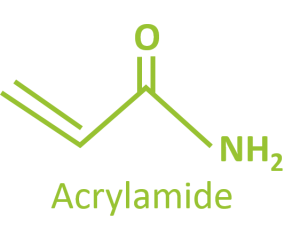
Is Acrylamide a carcinogen? What is the evidence and what are the risks?
According to EFSA’s risk assessment on acrylamide, EFSA’s scientific opinion is:
- Based on animal studies, EFSA confirms previous evaluations that acrylamide in food potentially increases the risk of developing cancer for consumers in all age groups.
- Since acrylamide is present in a wide range of everyday foods, this concern applies to all consumers but children are the most exposed age group on a body weight basis.
- Possible harmful effects of acrylamide on the nervous system, pre- and post-natal development and male reproduction were not considered to be a concern, based on current levels of dietary exposure.
|
Get KHNI articles delivered to your inbox
|
How does acrylamide get into food and at what levels?
Acrylamide is produced in some foods during high temperature cooking processes such as frying, roasting and baking. The level of acrylamide produced will be dependent on a number of factors such as time, temperature and pH of cooking, content of reducing sugars (e.g. glucose, fructose, galactose) and the amino acid asparagine in the food/system. Depending on the process and food base the levels can range from as low as 10ppb (bread) to as high as 5,000 ppb (potato crisps).
Even though it has been shown that a temperature of 120 °C / 248 °F or higher is needed for the formation of acrylamide, there are reports confirming that this compound can be formed at temperatures below 100 °C / 212 °F (Biedermann and Grob 2003). It is important to note however that prolonged storage and heating time at high temperatures (higher than 120 °C) decrease the acrylamide content. The most extreme example of this would be coffee roasting, where acrylamide levels are decreased with prolonged high temperature roasting. A typical lightly roasted coffee could contain as much as 1800ppb acrylamide where the same dark roasted variety can be as low as 300ppb.

How can acrylamide be reduced in processed food?
- Analyse food products to understand levels present in foods post processing.
- Explore ways to reduce asparagine and/or reducing sugar content of chosen foods/raw materials for processing/cooking, for example removing potato starch from the formulation. More examples can be found in this toolbox.
- Control cooking temperatures and moisture content to reduce the level of acrylamide produced. This can impact processing and final product quality (taste and texture), therefore consumer acceptability will need to be taken into consideration. For example, baking at lower temperatures will require longer bake times. Prolonged storage and heating time at high temperatures (higher than 120 °C) decrease the acrylamide content but this may also decrease the quality of a food product.
- Monitor and allow for the impact of environmental and seasonal variations on acrylamide precursors in natural commodities such as potatoes.
- Explore alternative techniques and technologies.
- Replace ammonium bicarbonate, which has been shown to promote acrylamide production in sweet baked goods, with sodium bicarbonate, although this needs to be balanced against increased sodium intake.
- Reduce asparagine precursors with asparaginase.
- Asparaginase enzymes have been developed to reduce asparagine precursors in the raw materials during processing and hence reduce acrylamide production during the subsequent cooking, baking or heating steps.
- These solutions can be created with genetically modified organisms, or by using naturally occurring yeast cells with high asparaginase activity.
Consider the fundamental change from milk to brie cheese or grapes to wine. Such is the power of fermentation.
Fermented foods result from the growth and metabolism of live cultures, transforming a precursor food (such as milk) into a fermented food (cheese).
The fermentation process may result in changes in taste, texture, aroma, nutritional value, microbial content and perhaps health benefits that extend beyond the basic nutritional value of the food.
Because of this last property, some call fermented foods ‘probiotics’, but in fact they are not (necessarily) the same.

Probiotics are live microorganisms that, when administered in adequate amounts, confer a health benefit on the host (Hill et al. 2014).
Unlike fermented foods, probiotics must have been tested in human studies and shown to have a beneficial health effect. Fermented foods don’t require such testing, although some have been.
Further, some fermented foods are treated after they are made (for example, sourdough bread is baked), and do not contain live microbes at the point of consumption.
To the extent a fermented food has been tested in human studies and shown to be beneficial and delivers a sufficient ‘dose’ of beneficial live microbes, it meets the bar of a probiotic. (See figure below).
This is the case with several probiotic yogurts and fermented milks on the market today.
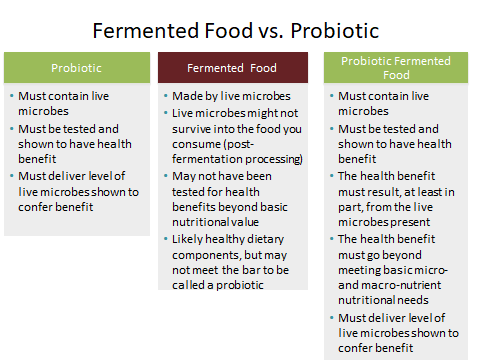
There has been a lot of publicity and testimonials about how good fermented foods such as kombucha or sauerkraut are for health. But this is not the same as evidence from controlled, human studies.
Many of these foods may be good for gut health or immune system, but in the absence of studies, we can’t confidently say.
Scientists are now speculating that any source of live microbes may turn out to be beneficial and are even suggesting addition of an RDA for live microbes as part of a healthy diet.
For a comprehensive dive into the science of probiotics and human health, head to this review.
The body of evidence substantiating benefits of probiotics is quite extensive. Over 1800 human trials have been conducted using probiotics.
Table 1 lists some benefits of probiotics shown in human trials. Keep in mind that benefits are tied to specific strains.
Table 1. Overview of some benefits of probiotics in humans as established in randomized, clinical trials. Consult individual references cited for strains and doses. Adapted from Sanders, Merenstein, Merrifield and Hutkins, Nutrition Bulletin.
| Benefit | Population | Reference |
| Treat colic in breastfed infants | Infants | Sung et al. 2018 |
| Prevent atopic dermatitis/food hypersensitivity | Infants | Zhang et al. 2016 |
| Prevent necrotizing enterocolitis | Premature infants | AlFaleh & Anabrees 2014 |
| Treat acute diarrhea | Infants, children | Szajewska et al. 2013 |
| Manage symptoms of occasional constipation | Adults | Eskesen et al. 2015 |
| Manage symptoms of lactose intolerance | Children, adults | EFSA Panel on Dietetic Products 2010 |
| Reduce incidence and duration of common infectious diseases (upper respiratory tract and gastrointestinal) | Children, adults | King et al. 2014 |
| Prevent antibiotic-associated diarrhea | Children, adults | Goldenberg et al. 2015 |
| Extend remission of ulcerative colitis | Adults | Naidoo et al. 2011 |
| Improve therapeutic efficacy of antibiotic treatment of bacterial vaginosis | Adult women | Martinez et al. 2009 |
| Reduce low density lipid cholesterol | Adults | Jones et al. 2012 |
| Prevent Clostridium difficile diarrhea | Children, adults | Goldenberg et al. 2017 |
| Reduced prevalence of dental caries and gingivitis | Infants, children | Martin-Cabezas et al. 2016 |
It’s easy to grasp this concept by looking to the animal world.
Different breeds of horses, for example, have quite different strengths and functions. Similarly, different strains of even the same species of a probiotic may have different benefits.
In some cases, more than one independently tested probiotic product confers the same benefit. In other cases, only a single probiotic product has been shown to be effective.
The best evidence for probiotic use is for prevention of antibiotic-associated diarrhea and C. difficile infection, management of certain gut symptoms, and prevention of necrotizing enterocolitis in preterm infants.
People often wonder if probiotics have any benefit for healthy people.
Benefits such as improved tolerance of dietary lactose for lactose intolerant people, management of blood lipids, improved oral health, reduced incidence of common infectious diseases such as the common cold, and management of gut symptoms all are demonstrated in reasonably healthy people.
The probiotic marketplace can be confusing for consumers.
See here for some basic information on choosing a probiotic and reading a probiotic label. Some basic principles to guide a search:
- There is no one strain or one dose that is best. Sometimes lower dose products or products with fewer strains have the best evidence.
- Any health benefit claim made should be substantiated with a human trial. But the types of claims allowed in the USA on foods and dietary supplements are restricted by law. Contact the manufacturer to get information on what studies have been conducted, or consult Clinical Guide for Probiotic Products Available in the United States.
- One of the biggest challenges in the probiotic market is keeping the probiotic strain alive. Responsible manufactures go to great lengths to be sure their probiotics retain viability and deliver an efficacious dose through the end of the product’s shelf life. Unfortunately, not all products on the market are responsibly formulated. Consumers should buy products from companies they trust.
For product manufacturers interested in offering consumers fermented foods, adding research-supported probiotics can ensure consumers are getting the health benefits they expect from fermented foods.
Personalised nutrition has been around for a long time, but technology has brought it mainstream
Dietitians have been doing personalised nutrition counseling for decades, but evolution of technologies and interest in food has brought personalised nutrition to the mainstream spotlight.

This began with diet and activity trackers like MyFitnessPal, but has evolved to programs like DayTwo, which analyses your gut microbiome to provide personalised nutrition recommendations.
Companies like Habit hope take it a step farther by pairing nutrition advice that’s based on your own DNA with a meal delivery system, removing all of the guesswork.
Drone delivery may bring another level of automation and convenience to the process, but what if we could even skip that step?
What if we could print our own food that’s personalised to our needs at home? 3D printing has made its mark on many industries, and may be the future of personalised nutrition, as well.
What is 3D Printing?
Three-dimensional (3D) printing, also referred to as additive manufacturing, is a recently developed process in which materials are added layer by layer in a controlled, sequential manner using automated robotics to build up geometrically complex objects.
3D printing relies on an ink-like, flowable liquid or powdered material that can be quickly transformed into a rigid solid that serves as a foundation, or layer, that allows additional material to be ‘printed’ on top of this layer.
The process is similar to the way frosting is piped, or extruded, from a piping bag onto a cake layer by layer to create intricate three-dimensional designs.
3D printing has been adapted to food materials, allowing modern chefs, food manufacturers, and do-it-yourself (DIY) innovators to produce novel food products with unique properties and shapes that cannot be replicated using traditional techniques of food design.
For example, MIT’s Tangible Media Group has developed a 3D printed pasta that remains flat while dry but reacts with hot water to actively fold and form highly intricate shapes.
And because 3D printing relies on software to direct the printing process, designs could be easily prototyped, saved, edited, and shared amongst collaborators across the world.
One of the earliest 3D printers used for food was the open-source Fab@Home Model 1 created by researchers at Cornell University in 2006. Chocolate was the first material adapted to food printing, as chocolate can be melted into an injectable form and quickly cooled to form a firm solid.
Since then, many forms of the 3D food printer have been developed and adapted to several different food materials, including sugars, starches, cheese, meat, and gelatin.
The primary limitation to 3D printing so far has been the restriction on the type of ingredients that can be readily liquefied or pulverised into a flowable form, and rapidly converted to a solid after extrusion.
In 2013, NASA contracted Systems and Materials Research Consultancy to explore the feasibility of 3D printing food in space for long-term missions. One of the parameters for the project was to investigate the nutritional quality of the foods generated using shelf-stable ingredients.
The flavour and textural properties of the foods were studied to determine the acceptability of 3D printing for edibility and acceptability for human consumption. Overall, the goal of the project is to provide an alternative method to provide sustenance for space missions with greater variety and nutritional quality than the prepackaged foods that are currently used by NASA.
This project has helped develop technology has since been used to start the company BeeHex, a start-up focused on developing 3D pizza printers for rapid personalised pizza production.

Current Technology, Trends and Challenges for Food Printing
3D food printing is still a nascent technology highly dependent on the advances made in 3D printing in general.
Many 3D food printers are typically used for novelty purposes or DIY projects that are shared through not-for-profit open-source communities. Some 3D food printers are used by gourmet restaurants to prototype and create advanced culinary innovations.
Currently there are few 3D food printers available for public use, and those on the commercial market are simple adaptations of multi-use 3D printers originally designed to print non-food materials, such as plastic, ceramic or metal. This is at least partly due to the high cost of purchasing and maintaining a 3D food printer, which can be prohibitive for home or commercial use.
Due to the small number of food ingredients suitable for generalised 3D printing, much of the innovation in the 3D food printing arena has been directed towards confectionary, bakery, dessert and dough-based products for small-scale artisanal production.
The materials used in these products (sugar, flour, chocolate, and egg) all possess the suitable properties outlined above, and can be readily joined together into solid shapes by applying simple precision heating using directed hot air or lasers. These ingredients can also be stored as shelf-stable powders that can form flowable inks by mixing with water or melting, which makes them readily adaptable to the 3D printing process.
However, since it is difficult to create nutritious food from these ingredients, one of the main aims of the future of 3D food printing is expanding into key ingredients can be used to successfully create convenient, customizable and nutritious meals.
Some techniques have been developed and applied to 3D food printing to expand the available ingredients currently used. To print meat-based foods, a liquefied meat is extruded from the printer nozzle together with an enzyme called transglutaminase.
The transglutaminase specifically acts on meat proteins and causes the liquid meat fluid to rapidly gel, forming a stable solid. Vegetables, fruits, and other high-water foods are liquefied and combined with a gel-forming ingredient, such as gelatin or agar, then cooled during printing to form solids.
Some foods can be first printed in a semi-solid form and processed through cooking or drying to create a shelf-stable product, such as pasta.

Convergence of Nutrition and 3D Food Printing
While the technology has yet to be widely adopted, there are several ways in which 3D food printing could potentially impact the dietary and nutritional intake of consumers as the technology continues to grow. In most projected scenarios, consumers would own a 3D food printer as a household appliance that would allow them a high degree of customization during meal preparation.
They would purchase pre-packaged food cartridge ‘inks’ containing various ingredients that could be mixed together in preprogrammed ways to create new ink formulations with tailored properties to be dispensed by the 3D food printer.
Electronic recipe collections could also potentially be made available online that could be downloaded and used by the 3D printer to produce desired food products, similar to how documents can be shared online and readily printed on paper.
One example of the positive effect 3D printing can have on customer nutrition is giving consumers the ability to control the amount of nutrients in a product by manipulating the food ‘ink’ and automatically mixing various levels of nutrient ingredients into the ink in a predetermined way.
Athletes who need precise nutritional profiles for the foods they eat to enhance performance could create or download programs for their 3D printer to prepare foods with exact concentrations of nutrients. The same method could be adapted to geriatric home or hospital care, in which each patient could have available food products designed specifically for their nutritional health needs.
Similarly, parents with babies and young children who have strict dietary needs or restrictions could use the 3D printer to design nutritionally-enhanced and safe foods for their children.

Furthermore, consumers could combine different food inks to enhance the sensory appeal of their meals in ways unavailable with current home meal preparation techniques. By combining predesigned flavor ink cartridges with bulk food ingredients, a fully customised set of flavored foods could be produced by the 3D printer appliance.
The same principle could be applied with colored inks as well as texture-enhancing ingredients. Due to the layer-by-layer nature of 3D printing, consumers could create flavor, color and texture gradients with incredible aesthetic and artistic appeal.
With the ability to customise and combine nutrition with desirable sensory properties, a 3D food printer could allow householders to enhance the taste of their foods while simultaneously introducing high-nutrient ingredients beneficial for health.
Conclusion
The ability to create custom flavour and colour gradients combined with formulating precise mouthfeel, shapes and nutritional content could expand the possibility for household meal preparers, patient care institutions, schools, athletes and other health-conscious consumers to create foods with tailored qualities attractive to different demographics.
While 3D food printing is still yet to be widely available to the public at an affordable price tag with broad functionality, continued breakthroughs in this technological space will hopefully yield a powerful tool for food creation and personalised nutrition in the future.
Dietary fibre has become an important functional ingredient in recent times due to growing consumer interest in the many health benefits of fibre touted by the scientific community (Anderson 2009).
Fibre has been recently defined by the FDA as “non-digestible soluble and insoluble carbohydrates (with three or more monomeric units) and lignin that are intrinsic and intact in plants; isolated or synthetic non-digestible carbohydrates (with three or more monomeric units) determined by the FDA to have physiological effects that are beneficial to human health.”
Here, the monomeric units refer to individual sugar molecules. Current food trends point strongly to dietary fibre due to its versatility as a food ingredient, connection with weight management and digestive wellness, and association with the concept of natural.
Fibres play an important role in gastrointestinal health, with new scientific findings into the effect the fibre on bowel movements, cardiovascular health, blood glucose metabolism, and the microbiome constantly adding to the growing evidence that fibre is a critical component to a healthy diet (Vuksan 2008, Pereira 2004, Giacco 2000, Maslowski 2011).

Sources of Fibres
Dietary fibres are typically derived from the indigestible parts of plant materials and made up of long repeating chains of sugars. The most common fibres are from the exterior husk of cereals and grains, which contain the insoluble fibres cellulose and lignin.
Both cellulose and lignin are main components of most plants and can be found in the tough, fibrous materials of plant-based products. Plants use these fibres to protect themselves. Wood is an example of a material made from cellulose and lignin, but these fibres are also a main part of the skin of fruits and vegetables.
The edible interior of the seeds contains mostly digestible starch, with some fraction of resistant starch. These resistant starches are in a form that cannot be broken down by the starch-degrading enzymes released by the human intestines due to either being enclosed by other indigestible fibres or existing in a high-density crystalline form.
Unlike digestible starch, crystalline starch has no gaps for the enzymes to effectively bind. Beans also have similar fibre components as well as a large portion of raffinose, a simple three-sugar carbohydrate.
Some beans produce specialty fibre materials which are used as thickening agents in product formulation, such as locust bean gum and guar gum.
These gums are commonly used in gluten-free doughs for improve viscosity, as well as ice cream to enhance texture quality.
Fruits are an important source of lignin, as well as pectin, which is used as a gelling agent to produce jams, jellies, and marmalades.

Marine products are also a rich source of fibre ingredients. Carrageenan, agar, and alginic acid are all soluble fibres with gelling properties traditionally extracted from sea algae.
Chitin and chitosan are non-plant fibres both sourced from the hard shells of marine crustaceans such as crabs, lobsters, and shrimp.
Inulin, another important fibre used in the industry, is found abundantly in chicory root or Jerusalem artichoke. Xanthan gum, a thickening agent and stabilizer, is produced from simple sugars using a specific strain of bacteria.
Some dietary fibres are produced synthetically by chemically modifying starches to form another subclass of resistant starches. These synthetic resistant starches are either chemically linked together across sugar chains or modified at each individual sugar unit to generate food ingredients that cannot be readily broken down by human digestive enzymes.
Other fibres can be chemically or enzymatically modified to change their functional properties as food ingredients. For example, pectins can be reacted with either ammonia or hydrochloric acid to create semi-soluble fibres that gel at lower sugar concentrations than the parent molecule.
Dietary Fibre for Health
Dietary fibre is a nutrient most people know is beneficial but few people get enough of. Despite research consistently showing a variety of health benefits associated with fiber, less than 10% of people in the US meet dietary recommendations.
When it comes to health, fibres can have many different definitions. They can be categorized as water insoluble, water soluble, viscous, non-viscous, fermentable or prebiotic, to name a few.
The number of different categories speaks to the complexity of these ingredients. Each of these types of fibres can have different behaviours and benefits in our bodies, and the scientific community continues to reveal what these benefits are.
Here are some examples.
- Insoluble fibres, which do not dissolve in water, can serve as bulking agents for stool and contribute to regularity. These are the main fibres associated with digestive health. They are most often found in fruit and vegetable skins, whole wheat, seeds and nuts.
- Soluble fibres dissolve in water and are most known for their association with satiety, heart health, and blood sugar regulation. Studies have shown some soluble fibres can slow the rate food moves through our digestive tract, which can reduce the speed we absorb sugar and also make us feel full for longer. Fibres like beta glucan (mainly found in oats) have been shown to reduce LDL cholesterol, potentially reducing risk of heart disease. Oats, beans, flax seed, and some fruits and vegetables, such as apples, contain soluble fibre.
- Some fibres are also categorized as prebiotic, which means they provide beneficial bacteria in our colon with a source of energy. When these bacteria digest prebiotic fibres, they create metabolites like short chain fatty acids which can have a variety of beneficial effects. Inulin is a widely used prebiotic fibre. For more information on how prebiotic fibres work, read ‘Fiber and Prebiotics: Mechanisms and Health Benefits’ by Dr. Joanne Slavin.

Fibre as a Food Additive
While the health benefits of consuming dietary fibre are clear, consumer perceptions of fibre are still influenced by the sensory characteristics imparted by these ingredients. In particular, formulators are challenged to include fibre in food products while maintaining consumer acceptability for taste, texture, colour, and aroma.
Several challenges exist for product developers interested in incorporating more dietary fibres into food products. The physical and chemical behaviour of fibres create a natural constraint for the amount of fibre that can be added to any one product.
For example, acidic foods can cause some fibres to break down into simple sugars over time, which may result in a product that falls short of the regulatory requirements needed for health claims. Pectins, alginic acids, carrageenans, and guar gum all readily gel in the presence of calcium, which can pose problems when formulating with dairy or other high calcium products.
The taste and texture of a food product are also affected by fibre concentration, as many insoluble fibres can produce a gritty sensation when eaten. Some prebiotic fibres may cause bloating and discomfort due to the gas produced as a by-product of bacterial digestion.
Fibre and the Future
Designer fibres are increasingly becoming important functional ingredients for incorporating more fibre into food products while maintaining desirable healthful and sensory properties. Chitosan-coated konjac glucomannan is a hybrid fibre ingredient used to improve the viscosity of foods used for weight reduction (Woodgate 2003).
Resistant glucan and hydrogenated resistant glucan are newly developed soluble fibres composed of glucose that are being studied for their potential role in reducing incidence of metabolic syndrome, the cluster of conditions that contribute to lifestyle diseases (Nakamura 2016).
Several novel processes are currently in development to produce novel resistant starches.
Continued innovation in the dietary fibre space will require an understanding of consumer demand for functional food products balanced with the desire for great taste.
Over the last decade, the functional foods revolution has left no consumer unaffected. Increasing consumer awareness about the link between food and health has driven development of foods designed to provide specific health benefits for an individual’s life stage or lifestyle. In this scenario, whey and whey proteins have emerged as one of the most sought after ingredients.
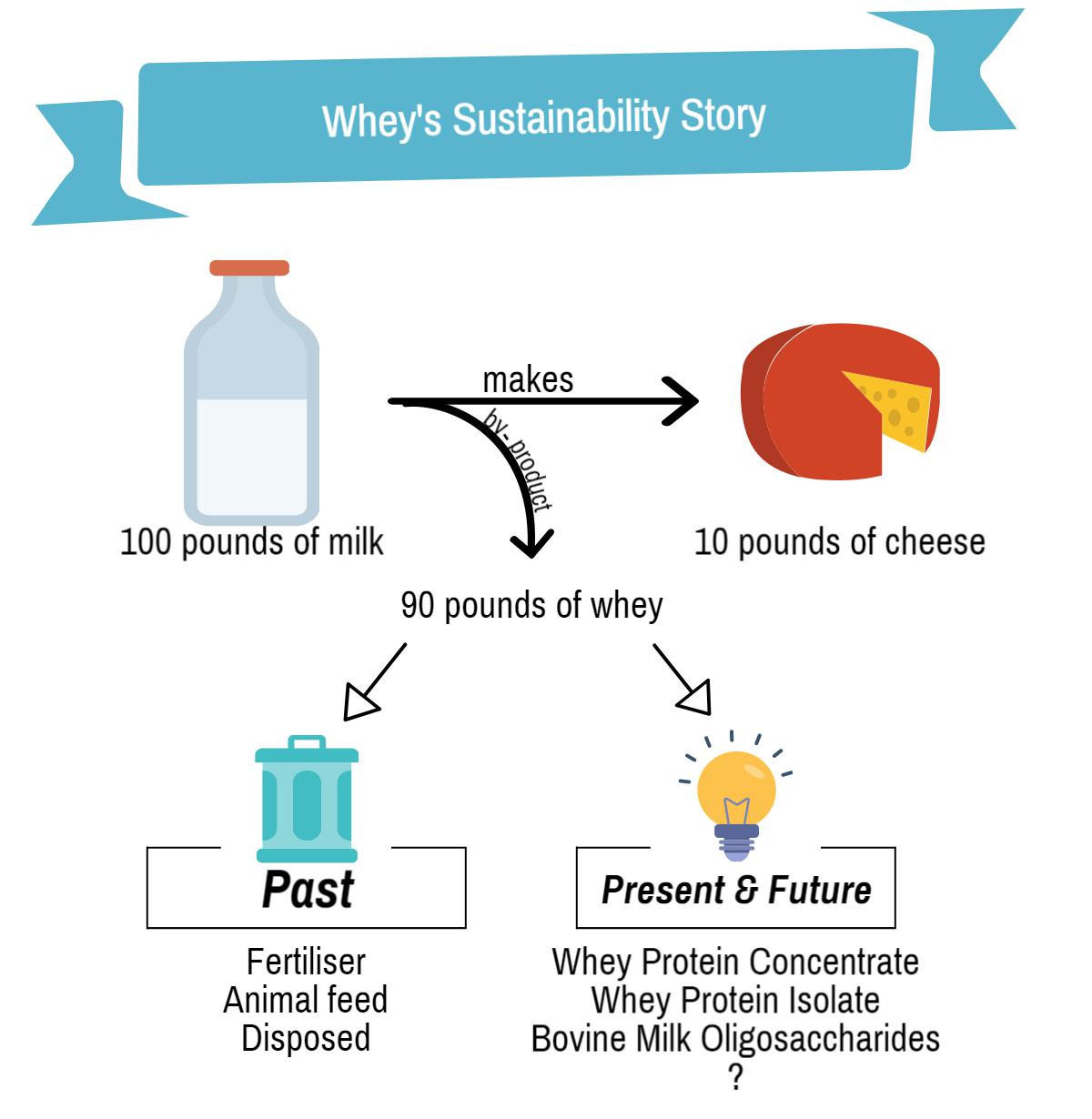
The Present
The uses of whey as an ingredient are numerous within the food sector. These successes are derived from its nutritional properties; it is an excellent source of protein and amino acids and has functional characteristics (e.g. solubility, foaming, gelling), which are applicable to many food uses and formats. Whey is considered the gold standard in terms of its protein biological value and quality. Whey is rich in many essential amino acids , especially branched-chain amino acids such as leucine, and provides a balanced supply of the sulphuric amino acids, methionine and cysteine. Whey quickly found its place as an ingredient to increase lean muscle mass. Current uses in specialised sports nutrition include enhanced performance in endurance exercise, as well as increased muscle recovery post-exercise. Whey proteins are also essential in infant nutrition as we strive to develop infant formulas which resemble human breast milk as closely as possible and have minimal allergenicity. Finally, whey protein dietary supplementation helps to maintain muscle mass and functionality during healthy ageing, particularly if combined with resistance exercise in seniors.
Read more about the importance of protein for exercise performance.
The Past

With such an array of uses and benefits, it is difficult to imagine that over five decades ago, whey was considered a troublesome waste product from hard cheese production. The watery yellow liquid that resulted from the coagulation of casein during the manufacture of hard cheese was traditionally disposed of in the most economical manner at the time, either by spraying it onto fields as a fertilizer, or discharging it into waterways or sewage systems. However, it was soon realised that its disposal posed a significant burden on the environment. This realisation was followed by strict controls over its management and disposal, regulated under specific legislation (e.g. Regulation (EC) No. 1069/2009). As a result, the dairy industry was motivated to innovate and create new opportunities to utilise whey and whey fractions in a sustainable way.
The development of technologies and processes to facilitate the crystallisation, isolation and purification of lactose (the main sugar in dairy products) from whey allowed for the creation of whey protein products that we see commercialised today. Specifically, membrane techniques and ion exchange methods were the most profitable innovations, yielding high protein, low-fat whey protein concentrates (WPC) and isolates (WPI). The main difference is that whey isolates (made from whey concentrates) undergo further processing to partially remove non-protein components. This yields an end product with more protein per unit than whey concentrate. Both WPC and WPI have been used in a myriad of food applications, from supplemental protein sources in nutritional beverages and infant formula to texturizing agents in pasta manufacture and meat based products.
The Future
There is very little doubt that the strong consumer demand for health and wellbeing will continue to thrive in the coming decades, and that whey-based products will still form a part of the strategies to fulfil this need. The superior protein quality of whey will be crucial in addressing specific lifestyle-related health issues such as obesity and sarcopenia. Whey will undoubtedly play a role in meeting the protein requirements of the increasing world population.
 Although WPC manufacture began as a highly-valuable revenue stream, improvements in technology and cost-efficiency led to a flood of new businesses entering the market, ultimately leading to a decrease in profitability. The saturation of the whey protein market led manufacturers to look for new innovative ingredients in by-products of milk production. In recent times, the liquid that remains from the initial production of whey (known as “mother liquor”, which is virtually protein and lactose-free) has been a focus of research. Due to the beneficial role that human milk oligosaccharides (HMO) present in breast milk play in infant health and nutrition, bovine milk oligosaccharides (BMO) available in the mother liquor have been investigated as a plausible source of these beneficial prebiotics, and are currently being used in infant milk formulas. The development of extraction and enrichment methods to isolate and concentrate BMO from the mother liquor is one example of the next generation of value-added ingredients identified from milk by-products.
The food industry needs to work under sustainable principles, and it is likely that in meeting the required sustainable criteria, innovation will be at the forefront of developing new value-added products. Advances in processing technologies and improved understanding of the biological function of novel ingredients will be paramount to allow further fractionation and separation of whey components until only water remains. Innovations such as this will continue to help whey streams on their journey from “gutter to gold”.