The past decade brought a rise in sugar-related discussions amongst the food and beverage industry, public health officials and the general population. While demand for sugar and sweeteners has never been higher, the need for sugar reduction has also continued to grow.
Sugar, in the form of the carbohydrate glucose, is the primary energy of life. It is the main source for the human body, as all carbohydrates are broken down into sugars by our body to perform. For instance, the human brain needs around 50 grams of sugar per day to function.
This is one of the reasons humans evolved to find the taste of sugar favourable. This was especially important during human evolution when sources of sugar were not as easily accessible as they are now.
However, there is a difference between naturally occurring / free sugars and added sugars. How do consumers tell the difference?
The WHO definition of term free sugars refers to ‘monosaccharides (such as glucose, fructose) and disaccharides (such as sucrose or table sugar) added to foods and drinks by the manufacturer, cook or consumer and sugars naturally present in honey, syrups, fruit juices and fruit juice concentrates’.
By this definition, for example, fruit juice would contain free sugars but might not be considered an ‘added sugar’ unless it was added to another food or beverage for the purpose of sweetening.
The EFSA and FDA go into further detail about definitions of what is and isn’t an added sugar. Added sugars are considered empty calories (i.e. supplying energy but little else nutritionally) and therefore have been the focus of increasing attention in dietary guidelines in recent years.
As per European Regulation (EU) No 1169/2011 on the provision of food information to consumers “sugars” are defined as “all monosaccharides and disaccharides present in food, but excludes polyols”. To date, there is no similar clear-cut definition of the term ‘added sugars’ in the same piece of Regulation.
However, Regulation (EC) No 1924/2006 on nutrition and health claims made on foods does reference a “No Added Sugar” claim as “where the product does not contain any added mono- or disaccharides or any other food used for its sweetening properties.”
Within the food industry, this then prompts discussion on how to define “any other food used for its sweetening properties”.
In the United States, the FDA definition of added sugars includes sugars that are either added during the processing of foods, or are packaged as such and include sugars (free, mono- and disaccharides), sugars from syrups and honey and sugars from concentrated fruit or vegetable juices that are in excess of what would be expected from the same volume of 100 percent fruit or vegetable juice of the same type.
The definition excludes fruit or vegetable juice concentrated from 100 percent fruit juice that is sold to consumers (e.g. frozen 100 percent fruit juice concentrate) as well as some sugars found in fruit and vegetable juices, jellies, jams, preserves and fruit spreads.
It is the consumption of increased added sugars that is blamed for various health conditions such as increase of a person’s risk for heart disease, type two diabetes and obesity. Additionally, there is a strong link between sugar intake and dental caries, or more commonly known as tooth decay or cavities.
It has been estimated that, globally in 2010, US$ 298 billion was spent on direct costs associated with dental caries.
It’s no surprise the focus from the authorities around sugar reduction. Reducing sugar consumption is a global focus as a health imperative, the WHO recommends reducing free sugar intake for both children and adults to under 10 percent of total daily calories, equivalent to around 50 grams of free/added sugar maximum for the average person per day.
It is undeniable that overconsumption of sugars – added sugars – has been recognised as a worldwide problem by top public health agencies and consumers’ interest regarding reducing sugar consumption over time is maintained high.
Environmental Impact of Sugar Production
Sugar is a major industry with significant effects on the global environment resulting from growing, harvesting, refining and distribution. On average, sugarcane accounts for nearly 80% of global sugar production, with some 110 countries currently producing sugar from either cane or beets.
For the period October/ September 2019, the top 10 producing countries (India, Brazil, Thailand, China, the US, Mexico, Russia, Pakistan, France and Australia) accounted for nearly 70% of global output, with more than 170 million tonnes consumed annually (International Sugar Organisation).
The production of sugar is a highly water intensive operation, especially from sugar cane which has deep roots.
According to a recent sugar life cycle analysis and report conducted by Kerry, manufacturing 1kg of cane sugar uses 1,110 litres of water and leads to 0.42kg of CO2 emissions. For the case of beet sugar, it would require 640 liters of water and emit 0.85kg of CO2 emissions (LCA).
The increase in global demand for sugar is resulting in high water consumption, air and water pollution, soil degradation and change in natural habitat. It is estimated that 10% of soil is lost during harvest of beet sugar and 3-5% of soil in sugar cane harvest.
This has resulted in the clearing of natural habitats such as rain forests, coastal wetlands and savannah (WWF Action for Sustainable Sugar).
Global Sugar Reduction Initiatives
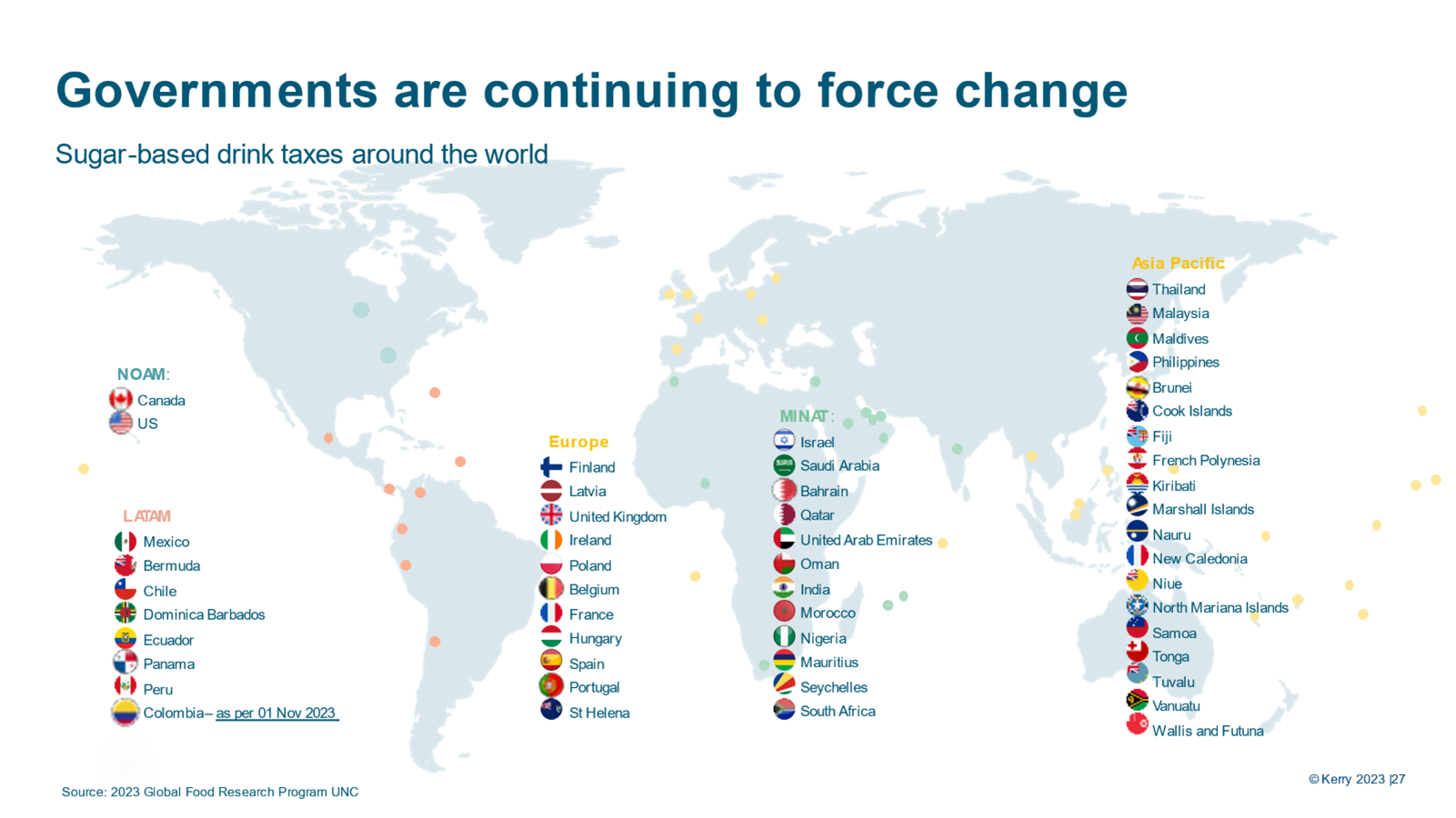
Following the 2015 publication of the WHO’s “Global Action Plan for the Prevention and Control of Noncommunicable Diseases 2013–2020” (GAP), 20 governmental bodies introduced taxation intended to reduce obesity and rising levels of diabetes, most often by targeting sugar sweetened beverages (SSBs) as they have been determined to be a major source of added/ free sugars.
By mid-2018, 39 countries, states and cities had introduced nutritional taxation with more working toward voluntary sugar reduction approaches to encourage optimised nutrition.
Today, that number continues to grow, with more than 50 countries or jurisdictions having implemented taxes on sugary drinks as a way to discourage consumption. Among the latest places to turn to taxation as a means of encouraging healthy habits and fighting obesity-related illness are Spain and Poland, which introduced new sugar taxes in January of 2021.
In the same time, there are front-of-pack labelling initiatives that are implemented across the countries on a global level. Those initiatives seem to attract even more consumer’s attention.
They are easier to be interpreted by the consumer and have alerted manufacturers since they have an impact on the marketing of a products as they may restrict the advertisement of unhealthy foods.
- Although sugar taxes have been a developed world reality, some of the earliest and most enthusiastic adopters are emerging markets. According to the PLoSONE journal article “Regulatory initiatives to reduce sugar-sweetened beverages (SSBs) in Latin America”, 14 Latin American countries have adopted public and private SSB initiatives since 2006. These include Mexico, which has one of the highest rates of diabetes globally and Chile which coupled its tax with warning labels on foods high in sugar, fat or sodium.
- Hungary was another early adopter, with the introduction of its broad “health tax” in 2011 which took aim at a range of products including those containing high fat and sodium. Today, around a dozen European countries have some form of sugar or health tax, including the UK, Ireland, France and Portugal.
- Canada introduced a front-of-pack nutrition symbol in 2023 that is required on foods high in sugar, sodium and/or saturated fat. The United States does not currently have a national strategy for SSB taxation, although city authorities such as those in Berkeley, California and Boulder, Colorado, have introduced local measures.
- Among nations in the Middle East and Africa, sugar taxes are in play in countries including Saudi Arabia, the United Arab Emirates, Oman, Morocco, Nigeria and South Africa. In Asia Pacific, several long-standing sugar taxes are in effect and more recent legislation has been applied in Thailand, Philippines and Malaysia.

The structure of the taxes often follows a similar pattern, usually with a tiered system that awards a higher tax for products with higher sugars. In most cases the tax is passed on to the final consumer, though some manufacturers have managed to mask price increases through the introduction of smaller pack sizes.
In addition to applying pressure to cost-conscious consumers, sugar taxes incentivise manufacturers to rethink recipes and create nutritionally optimised food and beverages.
For example, ahead of the introduction of the UK Soft Drink Industry Level (SDIL) sugar tax in April of 2018, manufacturers began reformulating products, shrinking the number of high- and mid-sugar soft drinks in their portfolio and increasing their low- and zero-sugar offerings.
A study in BMC Medicine found that six of the top ten brands affected by the SDIL reformulated more than half of the products in their portfolios between 2015 and end of 2018.
As these products hit the market, the total volume sales of high- and mid-sugar soft drinks was cut in half, while volume sales of low- and zero-sugar drinks rose by 40%. A separate report on the SDIL found that around its implementation, sugar content in soft drinks was reduced by an average of 44%.
A similar pattern can be seen across Latin America, where 15% of the carbonated soft drinks launched in 2023 had a reduced/low/no or free sugar claim, reflecting the current focus of both the industry and the consumer.
In Brazil, the food and beverage industry agreed to voluntarily reduce sugar in over 1,100 products by 2022. Some participating manufacturers have also made voluntary commitments to the reduction of sodium, suggesting that overall nutrition optimisation is an increasingly popular goal.
New labelling requirements, including in Mexico and Brazil, are also pressuring brands to create lower sugar products.
Even in markets and categories without formal legislation, there is still considerable pressure on manufacturers. In the United States, The National Salt and Sugar Reduction Initiative (NSSRI) is in the process of setting voluntary sugar reduction targets after having gotten widespread commercial support for its salt reduction infrastructure.
In the UK, some SSBs that fall outside of the SDIL purview, including unsweetened juices and sweetened milk-based beverages, have seen sugar reductions of around 10% following requests from Public Health England.
In Germany, voluntary targets have been set and, although no official taxes have been introduced, a small consumer survey suggests such efforts would have popular approval.
As low sugar, no added sugar, reduced and free sugar claims become more prominent in new product launches, reformulation efforts are improving and consumer perceptions about reduced sugar beverages—which have historically faced taste and texture challenges—are changing.
Consumers Attitudes Toward Different Sweeteners
Striking the balance between taste and nutrition is now more crucial than ever before. People are not demanding but expecting food and drink that provide them with accessible and nutritional solutions that also cater to their taste buds.
The need for sugar reduction is undeniable – 79% of global consumers believe that reduced sugar food and drinks are healthier than full sugar versions.
Consumer’s sweetness expectations are no longer nebulous. They are voicing their sugar reduction desires and laying down rules. The degree of ‘desired’ sugar reduction is complex.
What sweetener? In what product? Natural or artificial? And how much?
The type of sweetener used in food and drink is important to 77% of consumers globally. There’s lots of variables in the reduced sugar conversation and consumers’ preferences vary considerably depending on the food or drink in question.
The figure below shows consumer familiarity when it comes to different types of sweeteners:
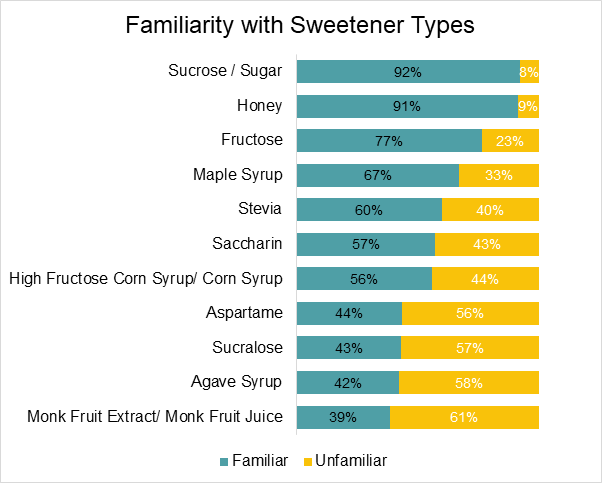
This understanding is important to consider when we look at which sweeteners consumers would prefer.
In the table below, honey was the most preferred sweetener among all consumers, followed by sucrose. Neotame, advantame were the least preferred (do not prefer).
Preference for Sweeteners (% – Global; Base = Total Respondents)
Although taste remains a primary driver of sugar consumption, consumers increasingly acknowledge and turn to reduced sugar products as healthier alternatives.
81% of global consumers indicate diabetes and weight gain as significant drawbacks of sugar consumption, which are major deterrents.
Hence, the need for sugar reduction is undeniable, with 79% of global consumers believe that reduced sugar food and drinks are healthier than full sugar versions. (© Kerry Proprietary Consumer Research | Sensibly Sweet 2023 | n=12.784)
Where to Start for Successful Reduction?
The responsibility and cost of helping consumers reduce their sugar intake is being pushed onto the food and beverage industry. Why so many sugar-reduced products fail?
Though consumers cite taste as the biggest driver of their intention to repurchase, what are the other key factors that may stop great-tasting products from getting off the shelf.
Every product category has different challenges when reformulating or developing from a low/no sugar added base. From beverages to dairy, from bakery to sauces the approach is different.
Reducing sugar or developing from a low/no sugar base in beverages needs to address simultaneously various challenges; low overall sweetness, high sourness, appearance of bitterness and off-notes while product mouthfeel is low.
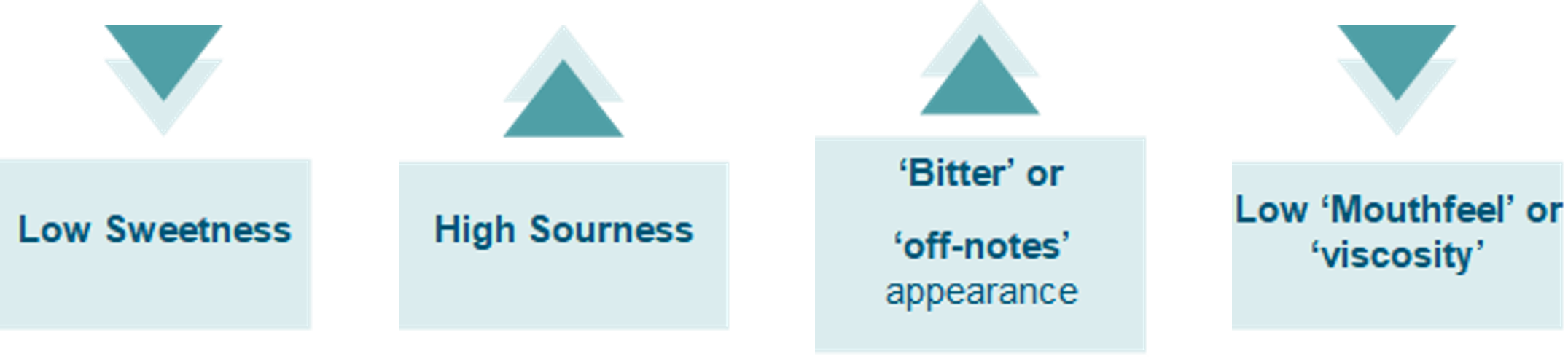
Considering the bakery product category the challenges are different to beverages; sweetness and mouthfeel are low, however now parameters as texture, shelf life, colour and crumb porosity are also impacted.
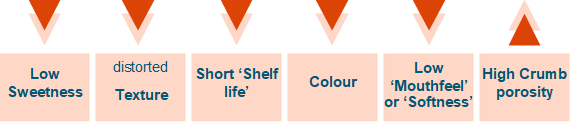
There is not one solution fits all. The approach is usually a combination of various ingredients that work in synergy to address the various challenges.
From the selection of the desired sweetening system, to texturants and preservation systems the choices are dependent to your formulation and target consumer. However, as taste is the primary driver when it comes to consumer’s purchase behaviour, flavours have a significant role to play in the formulation of reduced and low/no sugar containing products.
Flavours with modifying properties, mouthfeel and masking are used to optimise the sweetness profile of the product, deliver clean sweet taste and offer full-bodied mouthfeel with no off notes while optimising the flavour profile when sugar is being reduced/ low or not present in the product formulation.
They work in synergy with the rest of the ingredients present in food and beverages enabling great clean taste without off notes that consumers will crave for.
The sugar market has been greatly challenged the last years, with global deficit in the 2021/22 season replaced by a global surplus in 2022/23 season. This crop uncertainty has a high impact on the whole supply chain of sugar.
Sugar is universally used across food and beverages industry. Hence there is a major need for cost stabilisation and potentially savings in the various product offerings to address consumer need for affordable nutrition in the current volatile environment.
Conclusion
Although there has been significant progress in sugar reduction and sweetness optimisation technology, there is still some way to go. The sugar consumption is increasing in the years.
Diabetes, obesity and teeth decay are still high in the health agenda’s agendas globally. Therefore, there is still much to play for as manufacturers stride to offer great tasting products that meet lower sugar targets and do not impact taste, texture and shelf life.
It’s no surprise that reducing sugar consumption is a global focus, but did you know that reducing sugar consumption can also be linked to sustainability improvements?
Sugar production can have an adverse impact on the environment in many ways, so reducing consumption can also promote sustainability.

Sugar Reduction for Health – Why?
High sugar intake is known to increase a person’s risk for heart disease, type two diabetes and obesity. Sugar-sweetened beverages have been a primary target of tax legislation in many countries due to their high calorie and sugar content.
Additionally, there is a strong link between sugar intake and dental caries, or more commonly known as tooth decay or cavities. Dental caries develop when bacteria in the mouth metabolizes sugar left on teeth which produces acid that then breaks down the enamel and dentine on the tooth.
It has been estimated that, globally in 2010, US$ 298 billion was spent on direct costs associated with dental caries (WHO).
Therefore, the World Health Organisation recommends reducing free sugar intake for both children and adults to under 10 percent of total daily calories, equivalent to around 50 grams of free/added sugar maximum for the average person per day.
Sugar Reduction and Sustainability
Environmental Impact of Sugar Production
Sugar is a major industry with significant effects on the global environment resulting from growing, harvesting, refining, and distribution. On average, sugarcane accounts for nearly 80% of global sugar production, with some 110 countries currently producing sugar from either cane or beets.
For the period October/ September 2019, the top 10 producing countries (India, Brazil, Thailand, China, the US, Mexico, Russia, Pakistan, France, and Australia) accounted for nearly 70% of global output, with more than 170 million tonnes consumed annually (International Sugar Organisation).
The production of sugar is a highly water intensive operation, especially from sugar cane which has deep roots.
According to a recent sugar life cycle analysis and report conducted by Kerry, manufacturing 1kg of cane sugar uses 1,110 liters of water and leads to 0.42kg of CO2 emissions. For the case of beet sugar, it would require 640 liters of water and emit 0.85kg of CO2e (LCA).
The increase in global demand for sugar is resulting in high water consumption, air and water pollution, soil degradation, and change in natural habitat. It is estimated that 10% of soil is lost during harvest of beet sugar and 3-5% of soil in sugar cane harvest.
This has resulted in the clearing of natural habitats such as rain forests, coastal wetlands, and savannah (WWF Action for Sustainable Sugar).

What does the global supply chain need to consider to support sugar reduction? In this report, the World Health Organisation proposes answers to questions like:
- What are the incentives and disincentives for industry to reduce the amount of sugar in manufactured food and drink products?
- At what point along the supply chain do these incentives and disincentives operate?
- Are there opportunities to effectively enhance the incentives and/or lessen the disincentives for reducing sugar?
The Landscape of Sugar Alternatives
It’s not always easy to reduce sugar because of its taste and functional purposes. Sugar plays many functional roles in food and beverage products apart from sweetness.
The baking industry relies on sugar to make bread rise when it goes through a fermentation process with yeast. It is also used as a bulking agent in other baking applications where yeast isn’t present.
From a molecular standpoint, sugar will bind with water which is used for both shelf life preservation as well as melting or freezing point requirements.
As a result, there is no substitute for sugar in the market that is a one-for-one replacement. However, two common alternatives that can improve nutrition and also improve sustainability metrics are flavourings with modifying properties (FMPs) and stevia.
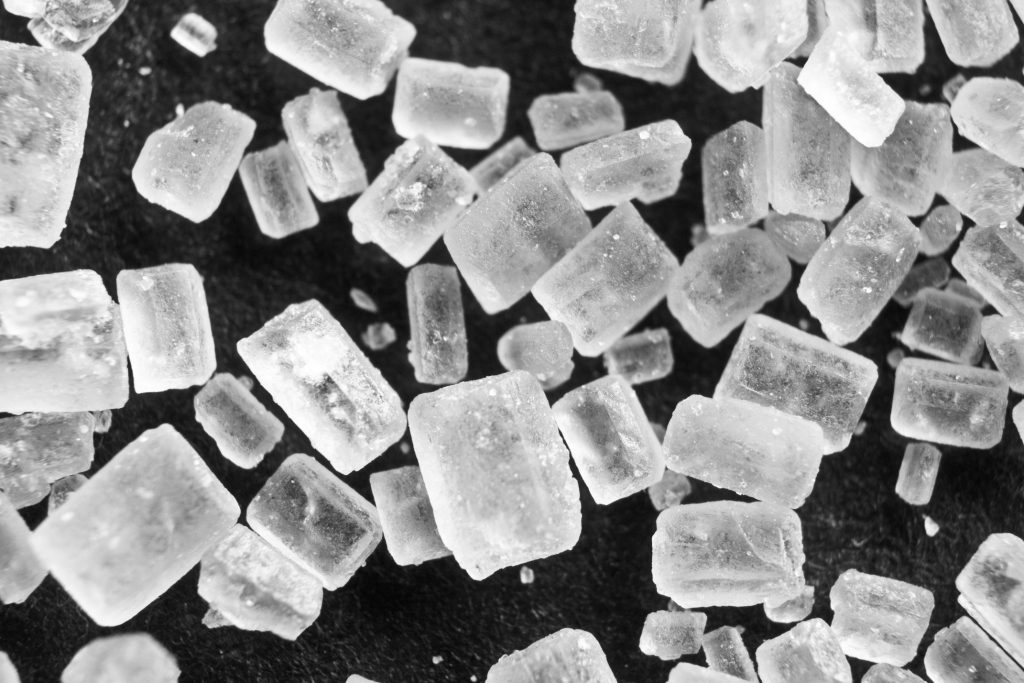
Flavouring with Modifying Properties (FMPs)
Another example in the market used to replace sugar is flavouring with modifying proprieties (FMP). As called out in the name, this option can often be labeled as Natural Flavouring in applications.
FMPs can be used at low quantities as well to replace large amounts of sucrose. This option is seen as a more nutritious and sustainable alternative to sugar, while also being clean label.
To put the nutrition piece into perspective, let’s look at an example of removing 30% of the sugar used in all European full sugar Cola beverages and replacing with FMPs. This would be the equivalent of removing 68 billion sugar cubes, the equivalent of 1,200 billion hours of cycling worth of calories.
From a sustainability standpoint, the amount of sugar removed is the equivalent of 29,800 cars driven for one year and the amount of water used for 11 billion people’s annual showers (EPA).
Stevia
Stevia can be up to 300 times more sweet than sucrose, meaning you can replace 100g of sucrose with 1/3g of stevia (Pure Circle Stevia Institute). The overall caloric impact of stevia into an application is negligible due to the small quantity used.
The main compound found in stevia leaves imparting sweetness is called steviol glycosides and can come in many different varieties. Stevia’s effectiveness at adding sweetness plateaus after 200 ppm because at this level you will start to perceive bitterness and off-notes.
Since less stevia leaves are required versus sugar to provide the same level of sweetness, stevia is the more sustainable option as it would require less land and water to grow and result in lower manufacturing emissions.
Addressing sustainable nutrition is central to the future of the food and beverage industry.
Many companies are transforming their strategies to improve measures such as water use, carbon emissions, animal welfare, and food waste while also addressing societal challenges such as obesity and malnutrition.
However, addressing sustainable nutrition can often come with unique taste and mouthfeel challenges.
The phrase “the least nutritious food is the one that goes uneaten” emphasises the importance of understanding taste science as a tool to achieve sustainable nutrition strategies.
Sugar reduction and plant-based diets are two major focus areas of innovation in sustainable nutrition.
In this webinar, learn about:
- The science of flavour modulation and how it can help achieve sustainable nutrition goals
- How flavour modulation can account for taste and mouthfeel challenges in reduced sugar applications
- Strategies to understand and account for unique challenges of different plant protein sources
- How to bring this science to life in examples from the beverage market
Sustainable Nutrition: Sugar Reduction
Producing one kilogram of sugar cane requires 1,110 litres of water and results in 0.42kg of CO2 emissions. This means that sugar reduction is not just important for improving health, but is also important in developing products that are better for the planet.
However, reducing sugar affects not only the sweetness of a beverage, but also its mouthfeel. Alternative solutions to sugar often come with detectable flavour off-notes.
Learning how to account for each of these challenges in sugar reduction is essential to meeting the taste expectations of consumers.
Sustainable Nutrition: Plant Proteins
The popularity of plant-based diets and use of plant protein is continually rising, leading to tremendous growth in markets like alternative dairy. This is both due to the health halo of plant-based foods, as well as the positive impact plant-based diets can have on the environment.
Different types of plant proteins are entering the market daily, but each plant protein comes with unique taste and mouthfeel challenges depending on the plant from which they are derived, where they’re grown, and how they’re processed.
Understanding the science of accounting for challenges specific to each ingredient being used can be a great advantage in product development.
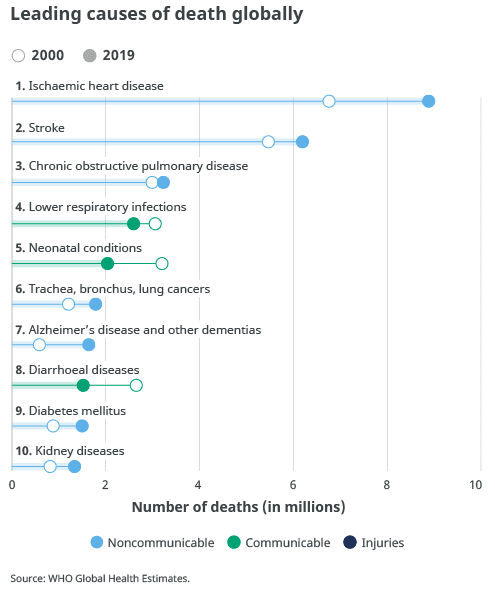
Diseases like heart disease, diabetes, cancer, and stroke are leading causes of death worldwide. Poor diet, including overconsumption of saturated fat, trans fat, sodium, and sugar, are linked to increased risk of these diseases. For example, one quarter of deaths in Europe are attributed to poor diet. Despite decades of effort to educate global populations on the link between poor diet and preventable death, these nutrients are still overconsumed in most developed countries.
One strategy to improve public health is to reformulate foods to be healthier, which can have an effect at a population-level and does not necessarily rely on individual behaviour change to improve health. This can be initiated voluntarily by the food and beverage industry. For example, some companies have set public goals for reducing a nutrient like sodium in their foods by a certain percentage over a time period. In some parts of the world, reformulation is mandated. Greater improvements in sodium intakes have been shown in countries where is it mandatory rather than voluntary.
A recent scientific review titled “What is the impact of food reformulation on individuals’ behaviour, nutrient intakes and health status? A systematic review of empirical evidence” summarises our existing knowledge of how effective food reformulation can be as a public health strategy by analysing results of 35 published studies.
Results from the review
The review analysed results from 35 published studies on food reformulation.
Consumers were accepting of reformulation of foods in the marketplace
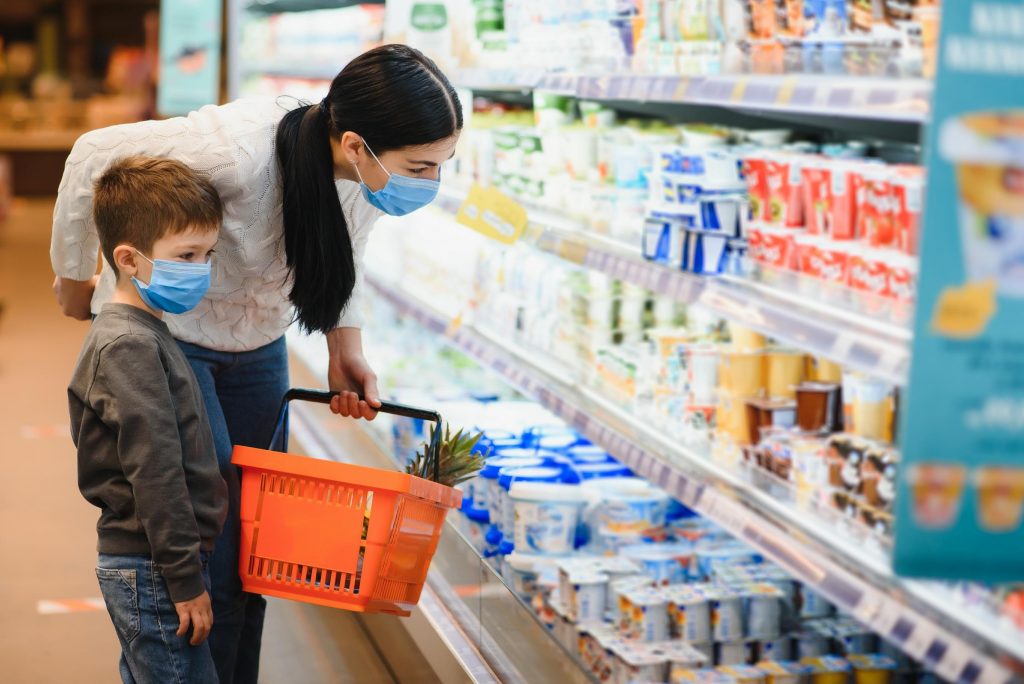
A promising finding was that consumers still purchased reformulated products, meaning they didn’t specifically avoid foods formulated to be healthier. 22 different studies showed improvements in the nutrient content of the average consumer basket (total food purchased from a store).
81% of studies showed positive results for consumer acceptability of reformulated foods, based on comparing sales/purchases of the reformulated product before and after reformulation
Reformulation improved nutrient intake
73% of studies showed that reformulation improved nutrient intakes of consumers
Sodium reformulation led to a decrease in sodium intake between 4%-15% per year, depending on study population. Analysing studies from Europe and the US, the review found that daily population-wide salt intake after reformulation was 0.57g lower than before (equivalent to 221mg sodium), or equivalent to around 10% of the daily limit of 5 grams per day recommended by the World Health Organisation.
Trans fat reformulation led to decreased intakes of 38-85%. This value is much higher than sodium because mandated trans fat reformulation laws require drastic reductions due to its clear link to heart disease. Partially hydrogenated oils, which are the main source of artificial trans fat in the diet, are not considered safe for the food supply in the United States, for example. In Europe, there is a maximum limit of 2 grams of trans fat per 100 grams of total fat in a food.
Trans fat reformulation and decreased mortality
Of the 6 studies which measured the impact of nutrient intake on morbidity or mortality rates, 5 showed a positive effect on reducing mortality
Five of the studies measuring effects on health status looked at trans fat reformulation and found that reducing trans fat in the food supply led to a reduction in mortality of 4.3-6.2%.
Sodium reformulation led to an improvement in blood pressure measurements in the UK. These findings show promise for nutrient reformulations to affect public health in a positive way.
Challenges for nutrient reformulation
Taste
Reducing nutrients that contribute strongly to the taste of a food or beverage, like sodium or sugar, without reducing consumer liking is the main challenge when it comes to nutrient reformulation.
For sugar, low-calorie sweeteners can drastically reduce total sugar content of a food or beverage. However, these sweeteners have their own challenges. They have poor perception among many consumers, and also bring their own flavour off-notes with them. They are also not recommended as a long-term strategy for reducing sugar content in foods by authority publications like the Dietary Guidelines for Americans.
Sodium reduction faces similar challenges because alternatives to sodium, like potassium chloride, also have off-notes. Many companies will slowly decrease sodium content in foods over a period of years because sodium sensing is adaptive. In other words, the less sodium someone is used to tasting, the less they need in a food to stimulate the same salty sensations. Gradually reducing sodium over time will be unnoticed by many consumers, as a result.
Flavour modulation, which can enhance the inherent sweetness in sugar, mask off-notes, or enhance mouthfeel or saltiness, is a great tool for nutrient reformulation. This technology is one way to reduce sugar without requiring low-calorie sweeteners or to mask notes of sodium or sugar alternatives.
Functionality
Sugar, sodium, and certain fats have roles in food beyond taste. Both sugar and sodium can have roles in food safety, as well as important roles in chemical reactions for many baked foods. These nutrients also have roles in moisture migration, shelf life, etc. Finding ways to minimise the impact of nutrient reformulation requires a system-level approach and in-depth expertise in food science and applications.
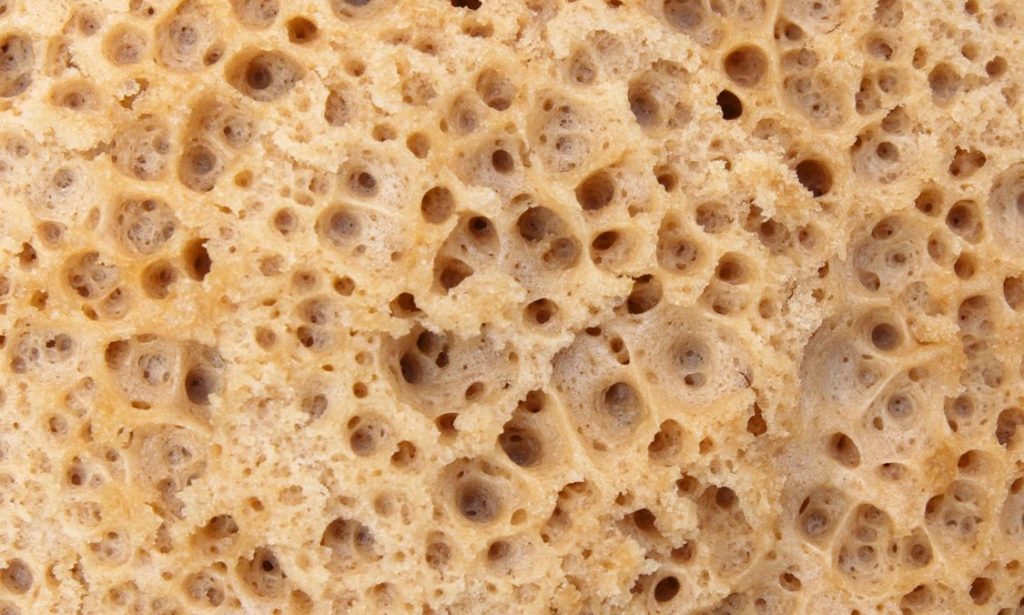
Fibres are seeing some popularity in low-sugar foods and beverages because of their ability to contribute bulk and mouthfeel, as well as sweetness in the case of some fibres. Fibre is under-consumed in many populations, so this could have additional benefits to public health.
Consumer perception
Due to the taste and functionality challenges listed above, many consumers will associate nutrient reformulations with less taste.
“Consumer acceptance is a key driver of the effectiveness of reformulation in changing dietary intakes, in the absence of which unwarranted substitutions may take place.”
The review summarised in this article found that, despite having high consumer acceptance, compensation for the nutrient content of reformulated foods did occur. Some studies did not find a link between reformulation and decreased intakes, or smaller decreases than predicted.
This happened more often when reformulation was noticed by consumers, possibly due to it being advertised on a package. Silent reformulation is one strategy that could be used to reduce the effect of compensation.
The study’s findings encourage future reformulation efforts
“Given the challenges involved in changing behaviours and food choices, reformulation can provide the means to improve dietary intakes and health by changing the environment in which people make their food choices. Nonetheless, the success of reformulation as a public health strategy crucially depends on the breadth of products reformulated and the extent to which they are reformulated.”
The study did not address energy density or calorie reduction, which is another reformulation initiative that is important to address the global obesity issue. Developing knowledge in sensory science and food science is critical to the future of not only calorie reduction, but nutrient reformulation as a whole.
Read a webinar summary in the article “Calorie reduction to become a “critical component” of future food design“.
Consumers are often unaware of the energy density of the foods they consume, making them vulnerable to excess calorie consumption. As a result, initiatives to reduce the number of calories in foods and beverages are emerging globally, either voluntarily or government-led.
Recent findings highlight opportunities to reduce calorie density while maintaining sensory appeal. The food and beverage industry has the potential to improve the health of entire populations by bringing this science to life.
By keeping sensory appeal at the heart of product reformulation, we can reduce the risk of excess calorie consumption without having to compromise on the product experience.
In this webinar, we share original research that explores:
- How specific sensory cues can support calorie reduction and maintain the sensory appeal of food and beverage products
- How this comes to life in real product applications
Want to know more about the science of food and beverage texture? See this resource.
In a world that loves sugar’s familiar qualities…where do you start for its successful reduction?
Sugar ranks at the top of the list when it comes to consumer nutrition concerns, but sugar reduction poses a challenge across all product categories.
The responsibility and cost of helping consumers reduce their sugar intake is being pushed onto the food and beverage industry by legislation like sugar taxes.
We look at why so many sugar-reduced products fail. Though consumers cite taste as the biggest driver of their intention to repurchase, we explore other key factors that may stop great-tasting products from getting off the shelf.
Hear from nutrition and applications experts on how to succeed with sugar reduction. Find out what makes healthier products likeable while fitting into labelling and tax legislation across the world.
Bringing together consumer perception research, true nutrition science and practical formulation expertise, you’ll come away with actionable insights, practical examples and industry-relevant solutions for sugar reduction.
The Role of Flavours in Nutrition
With busy lifestyles, many consumers are relying on the food industry for convenient and affordable sources for meals. There is a big emphasis not only on the cost and nutritional value of these options, but also on the taste and eating experience from the purchased items.
Flavours play an essential role in enhancing the taste experience. This experience, which includes aspects like flavour, aroma and mouthfeel, becomes more important in the case of healthy food options where fat, sugar, salt and calories reduction are emphasised.
Flavours are extremely essential in rebalancing the taste profiles associated with removal of excess fat, sugar, salt. For example, a reduced fat ranch dressing may be improved with the addition of dairy flavours that would give the perception of creaminess that is reduced when the actual fat component is lowered.
In sweetened beverages, the replacement of sugar with a high-intensity sweetener usually results in off-tastes of the sweetener, i.e. bitter/ metallic notes, lingering sweetness and loss of mouthfeel.

These off-notes can be reduced and improved upon with the addition of flavours. Nutritionally enriched food items such as meal replacement/nutrition beverages or bars fortified with high amounts of protein, vitamins and minerals come with a lot of taste challenges.
Proteins often have strong flavours that can create off-notes or can interact with vitamin and minerals and create flavours frequently described as bitter, beany, metallic and chalky.
Flavour solutions can help reduce the off-note perception of the nutritional enrichment. In short, flavours are very much an essential tool for the food manufacturer in the pursuit of introducing healthier, cost-effective and also good-tasting food options to the consumer.
Natural Flavours
Currently, the trend for natural flavours has been on the rise due to the consumer’s desire for wholesome and minimally processed foods.
With the advent of food bloggers and also natural and organic food movements, there has been an even bigger momentum for food manufacturers to move away from artificial additives in food and replace them with natural ingredients such as natural flavours in their food.
The definition of healthy is expanding to include foods without additives and with easy-to-read ingredients, similar to a food that was home-cooked. Common requests from consumers include: does not contain artificial flavours, colours or preservatives, GMO-free and free from pesticides and hormones.
However, unlike the label ‘organic’, which has a fixed set of rules and regulations to receive the correct labelling status, the label ‘natural’ in the US is not regulated.
Natural flavours can be briefly described as an extract derived from foods (plant, animal, spice etc.) or from a ‘natural’ process such as fermentation and enzymatic conversion.
In the EU, there are more specific regulations and guidelines for the labelling of natural flavours. Flavourings can be labelled with the term “natural” only if their flavouring part consist of entirely “natural flavouring substances” and/or “flavouring preparations”.
The definitions of these natural flavouring components include the source materials they are obtained from and the processes they are obtained by.
The specific descriptions of natural flavourings labelling would depend on what is present in the flavouring part and the flavour perception how they were made i.e. natural flavouring, natural flavouring substances, natural (example) raspberry flavouring and natural (example) strawberry flavouring with other natural flavourings.
For a named natural flavour, for example natural orange flavouring, at least 95% (by weight) of the flavour must originate from orange and the flavour perception of the named source needs to be easily recognised.
For the other type of natural flavour label, e.g. ‘natural orange with other natural flavourings’, flavouring components derived from orange are present and their flavour can easily be recognised. For the other ‘natural flavourings’ in this label, the flavours can be derived from different source materials other than orange.
Challenges with Natural Flavours
The use and sourcing of natural flavours are not without its challenges.
Natural flavours are usually more expensive to manufacture and also not as potent as their synthetic counterparts. For example, a vanilla extract made from the extraction process of vanilla beans costs significantly more than synthetic vanillin.
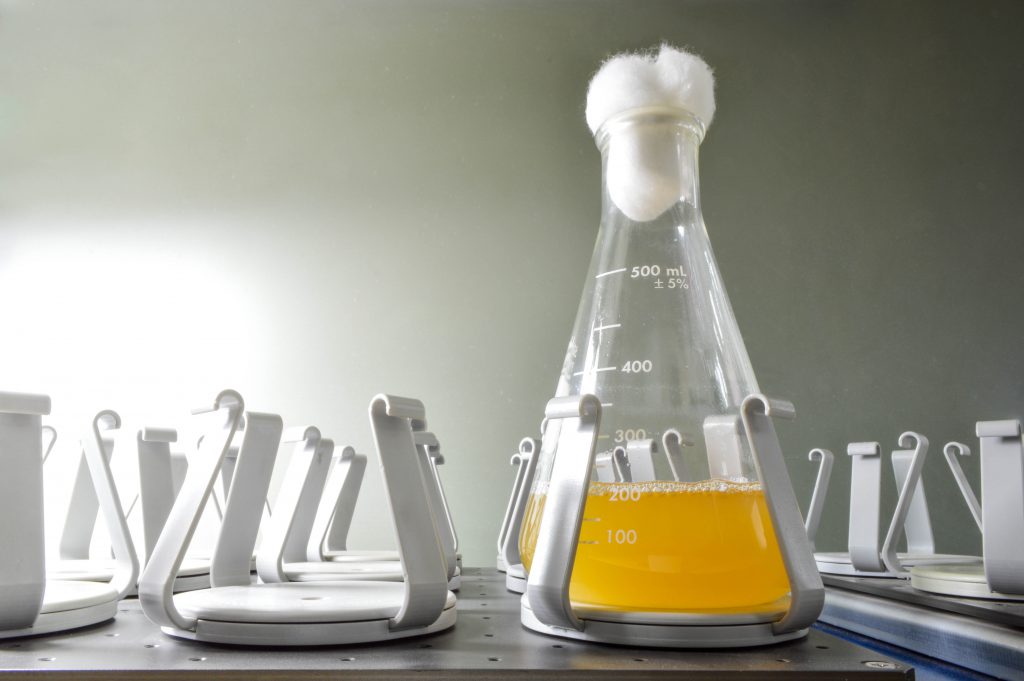
Because natural flavours are not usually as potent as synthetic, a higher dosage of flavour will have to be used which would increase cost in use (CIU) in the final product.
There are also problems associated with obtaining raw materials for natural flavour extraction. For example, vanilla crop yield is very susceptible to poor weather conditions and also unstable political/humanitarian situations and citrus based flavours which have been severely impacted in the past decade and a half by the greening disease.
The greening disease is caused by the bacterium Candidatus Liberibacter asiaticus which results in diseased unhealthy trees with small, dark green fruit with bitter tasting juice.
There is no cure for this disease except by the burning of the infected trees to prevent further transmission of the bacterium and this has severely reduced and affected citrus production in the US, Brazil, Asia and other parts of the world.
The Future of Natural Flavours
There have been many groups advocating for a formal regulatory process to obtain the ‘natural’ labelling status for foods and flavours, as is seen in the case of ‘organic’ labelling which has very strict and defined guidelines.
In the US, the FDA is in the process of evaluating the status of the ‘natural’ label. With an even stronger demand by consumers for foods which are free of additives, preservatives and flavours (both natural and unnatural), there might be a push to even remove the label ‘flavour’ entirely from processed foods.
This would pose definite challenges on food processors to deliver good tasting foods without flavours. Labelling of the flavours might also be changed, e.g. in a cheese flavour, it would not be declared as a flavour but as cheese, water and enzymes instead.
There might be more of a push from the food industry to modify the way a food is processed and the base ingredients used to maximise flavour development of a product instead of topical application of a flavour. For example, slow roasting of a food to develop complex savory flavours. This would lead to higher costs of the final product which the consumer must be willing to bear in exchange for removing items like natural flavours from food labels.