Cognitive health refers to the state of an individual’s cognitive abilities, including memory, attention, reasoning, language and problem-solving skills.
Maintaining cognitive health is essential for overall well-being and quality of life, as cognitive decline can affect daily functioning and lead to conditions such as dementia and Alzheimer’s disease 1.
Stress
The impact of stress on cognitive function, memory and the role of stress hormones in modulating cognitive health plays a significant role in current society.
The concept of stress, however, was first defined by the “father of stress”, Hans Selye, a Hungarian – Canadian endocrinologist back in 1956. Selye defined stress as the non-specific response of the body to any demand placed upon it, which he termed a “stressor.”
He proposed that stressors could be both external (e.g., physical threats) and internal (e.g., psychological pressures). The response of the body to these stressors is called the “stress response,” which includes physiological and behavioural changes aimed at adapting to the stressor 2.
Physiology of Stress
The physiology of stress is a well-characterised and extensively studied phenomenon in the field of biology and neuroscience. When the body encounters a perceived threat or challenge, it initiates a complex cascade of physiological responses to cope with the stressor.
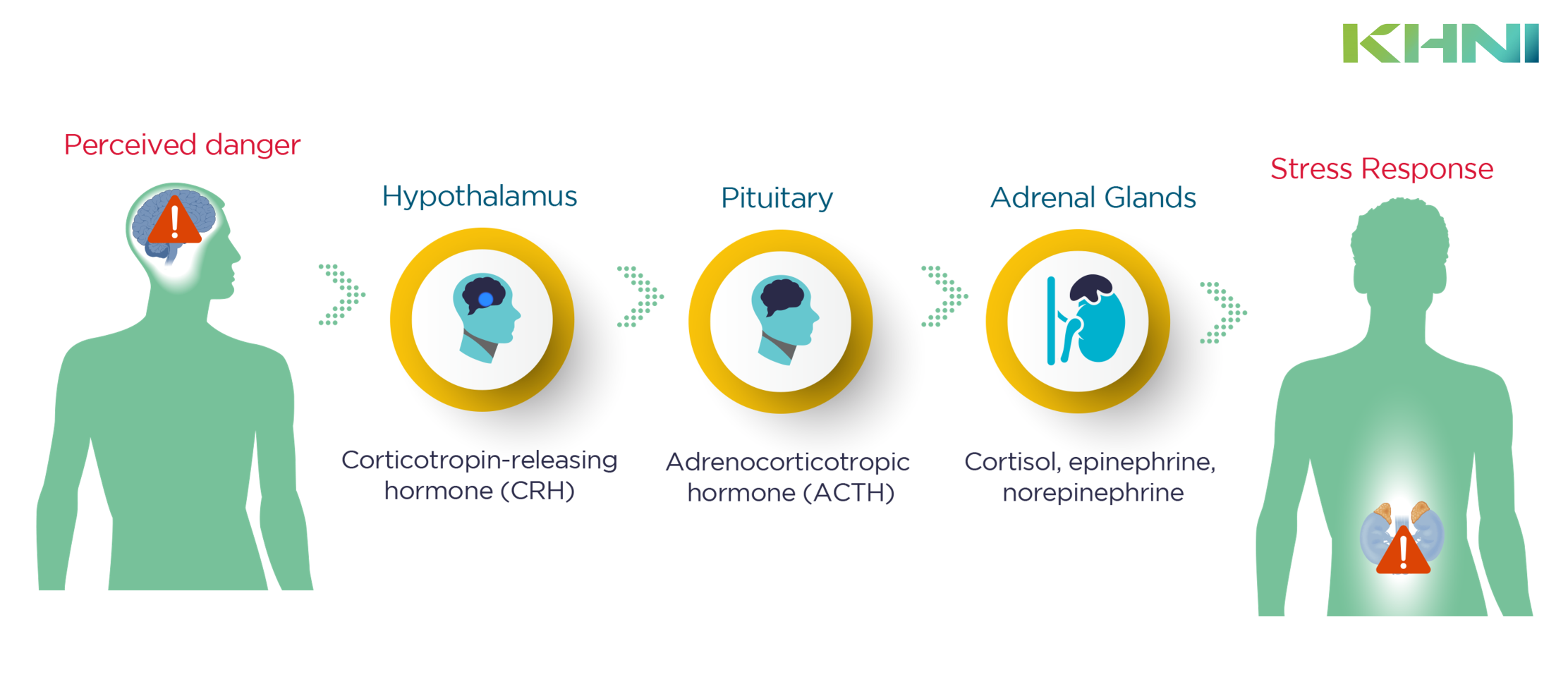
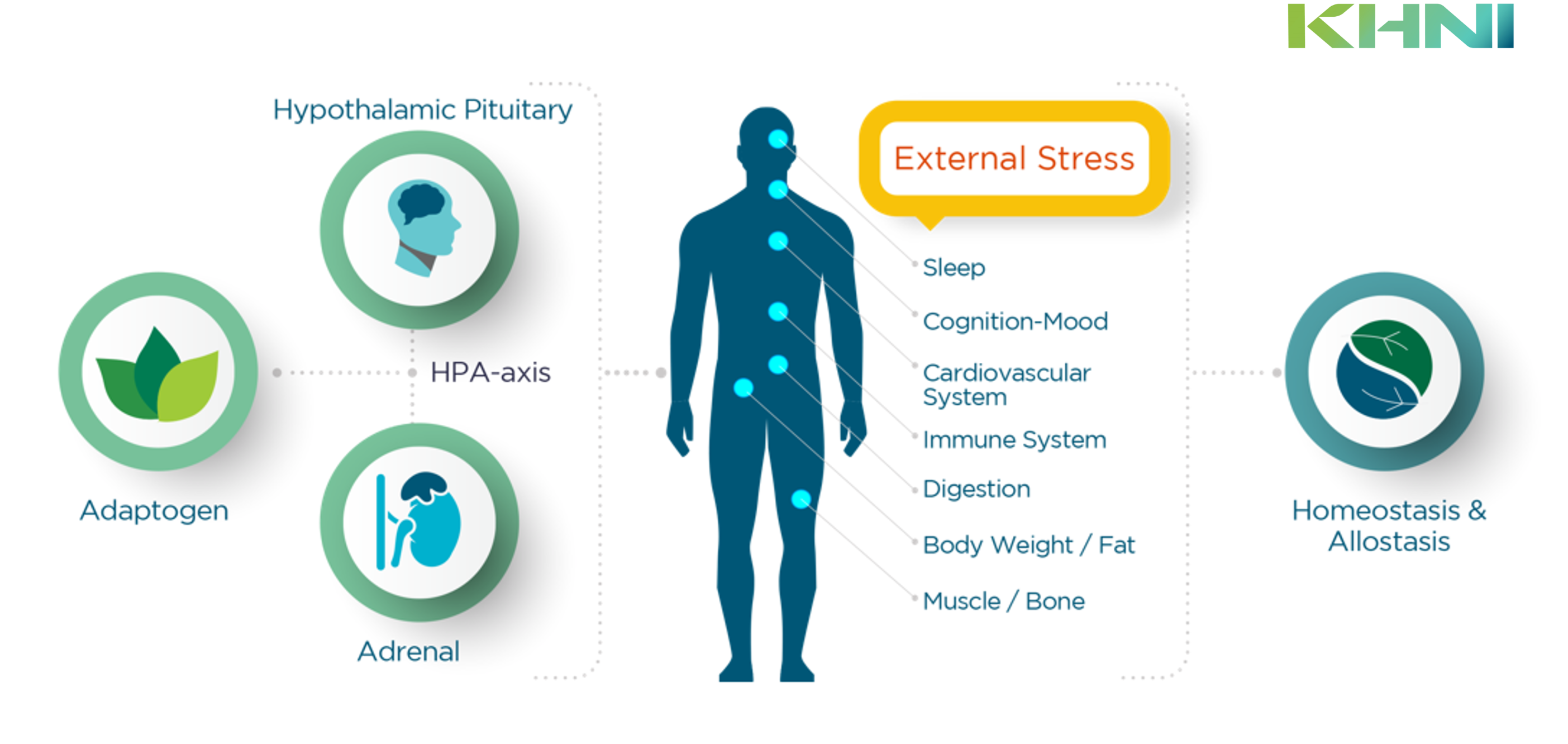
The central player in this response is the hypothalamic-pituitary-adrenal (HPA) axis, a critical neuroendocrine system that coordinates the stress response 19.
Upon encountering a stressor, the hypothalamus, a small region located in the brain, is activated and releases corticotropin-releasing hormone (CRH) into the bloodstream. CRH, in turn, stimulates the anterior pituitary gland, a pea-sized structure located just below the hypothalamus, to release adrenocorticotropic hormone (ACTH)20.
ACTH travels through the bloodstream and reaches the adrenal glands, which are located on top of the kidneys. The adrenal cortex, the outer layer of the adrenal glands, responds to ACTH by releasing glucocorticoid hormones, with cortisol being the primary glucocorticoid in humans20.

Cortisol, a potent stress hormone, plays a pivotal role in orchestrating the body’s response to stress. It mobilises energy reserves by increasing glucose availability, enhances cardiovascular function to support physical readiness, and temporarily suppresses non-essential bodily functions like digestion and immune response.
These actions prepare the body for a fight-or-flight response, enabling it to confront or flee from the stressor21. In parallel with the HPA axis, the sympathetic nervous system (SNS) is also activated during stress.
SNS activation leads to the release of adrenaline and noradrenaline, which prepare the body for immediate physical response to the stressor (fight-or-flight response)22.
Once the stressor is resolved, a negative feedback loop operates to restore the body to its baseline state.
High cortisol levels signal the hypothalamus and pituitary gland to decrease CRH and ACTH release, respectively, leading to a decline in cortisol production23 (overviewed in Figure 1).
However, chronic stress or ongoing exposure to stressors can disrupt the balance of the HPA axis, resulting in prolonged elevation of cortisol levels. This dysregulation may lead to adverse health effects, including anxiety, depression, metabolic disorders, immune dysfunction, and cardiovascular problems24,25,26.
Adapting to Stress
In 2022, the WHO released a scientific brief that stated the COVID-19 pandemic triggered a 25% increase in the prevalence of anxiety and depression worldwide17. Therefor adapting to stressors has become common practice in modern life.
Consumers are now employing various to manage stress-related conditions and promote overall well-being such as using wearable technology with stress management tools3, practicing mindfulness and mediation 4, breathing practices5, physical exercise6, social support and avoiding isolation7, sleep management18 and consuming the correct nutrition8.
Nutrition and Cognitive Health
Epidemiological studies, such as the Mediterranean Diet, have shown numerous beneficial outcomes including reduced cardiovascular (CV) risk and prevention of non-communicable diseases (NCDs), which include cognitive decline and dementia.
Adherence to the Mediterranean diet and cognitive decline and other dietary interventions are excellently reviewed in8. The Mediterranean diet, which emphasizes whole grains, fruits, vegetables, fish, and olive oil.
Therefore elucidation of key components of these epidemiological studies supporting cognitive health are now underway and several have been studied and show to have benefits (see Table 1).
Table 1: Overview of nutrients and their role in cognitive health
Ayurveda is an ancient traditional system of medicine that originated in India more than 5,000 years ago. It is considered one of the oldest holistic healing systems in the world and focuses on balancing the mind, body, and spirit to promote health and prevent disease.
Ayurveda extensively uses herbal remedies derived from plants, minerals, and other natural substances. These herbs or botanicas are believed to have specific properties that can balance the doshas and promote healing27.
Both the modern medical literature and traditional Ayurveda writings report many potential health benefits of the ashwagandha herb (Withania somnifera, also known as Indian Ginseng or Winter Cherry) under the rubrics of anti-stress, neuroprotective effects, immunomodulatory effects and rejuvenating effects, via the herb’s interplay with the nervous system, the endocrine system, the cardiopulmonary system, the energy production system and the immune system including analgesic, antimicrobial, anti-inflammatory, anti-tumour, anti-stress, anti-diabetic, neuroprotective, immune-protective and cardio-protective effects27-32.
This literature has only a small set of published papers, which is surprising because traditional Ayurveda explicitly advocates the use of ashwagandha toward “Bala”, which means “strength” in the Sanskrit language28,29.
Ashwagandha is a member of the family of herbs referred to as “adaptogens”. The term adaptogen was introduced into scientific literature by Russian toxicologist Nikolay Lazarev in 1957 to refer to substances that increase the “state of non-specific resistance” in stress.
The term “adaptogen” is applied to an herb with phytonutrients that regulate metabolism when a body is perturbed by physical or mental stress and help the body adaptation30.
The adaptogen family of herbs has many members, noteworthy among them being ashwagandha, rhodiola, ginseng, schisandra and maca. Adaptogens are used commonly for stress relief, brain health and for ameliorating HPA-axis dysfunction.
More recently, adaptogens have started to be used in sports supplements that aim to enhance physical fitness31,32.
Ashwagandha is classified as a “rasayana” (rejuvenator and have been used toward promoting health and longevity, slowing the aging process, revitalizing the body and generally creating a sense of well-being33.
It also stimulates respiratory function, causing smooth muscle relaxation and stimulates thyroid activity34. Studies in humans show that Ashwagandha is well tolerated and is associated with decreases in cortisol35 and increases in testosterone36.
There are a number of biochemical parameters that are indicators of activation of the stress response, such as salivary alpha-amylase, an important enzyme in the oral cavity that has been proposed as a potential marker of sympathetic activation and rises in response to prolonged stress.
Exposure to stress activates the autonomic nervous system and increases sympathoadrenomedullary drive, which causes a widespread reaction that can stresses in the face of challenges. Numerous additional systems, such as the pro-inflammatory cytokines interleukin-1β, interleukin-6, and tumour necrosis factor-α, also have temporal connections to stressful events34.

Sleep disorders and stress are related. The central nervous system and metabolism are both impacted by the bidirectional link between stresses and sleep disorders.
High levels of stress hormones are connected to shorter sleep duration, while obesity and metabolic syndrome are both associated to stress and sleep-related issues.
Common sleep disorders include insomnia (difficulty falling and/or staying asleep), hypersomnia (excessive daytime sleepiness), and sleep apnea (airflow is limited while sleeping, causing low oxygen saturation and disrupted sleep).
Stress can cause insomnia and be the result of it, thereby explaining the positive association between stress and insomnia that is often observed.
In general, stress alone had a stronger association with mental health problems than sleep disorders alone, and the combination of stress and sleep disorders had the strongest association.
Consumers are constantly looking for ways to get “energy”, but what does that actually mean and why are so many people seeking it? The answers to both of those questions are likely as varied as the people you may ask.
The main solution that people are looking for is a way to help compensate for the 24-hour, 7-day a week race that has become our normal lifestyle.
Whether it is the lack of sleep, long hours, juggling competing priorities, or even searching for a sense of calm in the midst of chaos, we are looking for ways to accomplish more.
The challenge is to figure out where on the consumer spectrum products should be developed for, as well as understanding the benefit the consumer is expecting to experience.
Why are Consumers Seeking Energy Solutions?
- Compensate for lack of sleep- 24/7 lifestyle.
- Perform better in physical tasks (e.g. sports, labor intensive jobs, keeping up with kids/grandkids).
- Perform better mentally (e.g. test taking, cognition, focus, memory).
- Perform better both mentally and physically.
- Calmness during stressful situations to help focus.
What is Energy and Where Does it Come From?
Despite so many people wanting energy, the actual definition of it is difficult to pin down. In the purest sense, it simply equals calories. At the food level, it comes from the macronutrients (carbohydrates, fat, protein) we eat.
Calories from the food that we eat provide the fuel we need to keep our bodies running (IOM, 2005). Nutrients like B vitamins are often associated with energy, but don’t actually provide any themselves.
Instead, they help our body unlock the energy found in carbohydrates, proteins, and fat.
Energy-Yielding Nutrients
- Carbohydrates – whole grains provide longer-lasting energy and are great for meals and snacks, while refined grains are metabolized more quickly and are more appropriate for exercise.
- Fat – a slower-burning energy, except for medium-chain triglycerides, which are a rapidly metabolised and also have a mental focus healthy halo among consumers.
- Protein – key for muscle energy, especially branched-chain amino acids, and can also provide more feelings of fullness
Energy can also defined as the boost we get from stimulants like caffeine. Most of us drink a cup of coffee or tea in the morning to “help us get going”.
That boost comes from caffeine. When you consume caffeine or other stimulants, you feel energised because they are, in part, increasing your heart rate, blood pressure and brain activity (McLellan et al. 2016).
This wouldn’t fit the traditional definition of energy (calories), but still falls under the general population’s definition of energy.
Is Energy Mental, Physical or Both?

When cramming for exams or preparing for a big presentation, we all want to feel focused and sharp.
Mental energy can be defined as alertness, ability to complete a task, or not feeling mentally tired.
Focusing on work for longer periods of time is a main consumer need because it has become more difficult amidst other things competing for attention, whether it be email alerts popping up on a laptop or distractions while working from home.
Some definitions of mental energy have overlap with consumer definitions of mood, which can both include things like focus, patience, calmness, longer attention span, etc.
Physical energy, on the other hand, can come in many different versions.
Perhaps it is the energy to get through the day after being up all night, or the fuel you need to do your job (e.g. construction) or even just that extra burst of energy to help you finish a race faster. It is what helps us overcome the fatigue and sluggishness that comes from our hectic 24-7 lives.
Finally, energy could be a combination of mental and physical factors, depending on the consumer. For example, a soldier may seek energy to keep them awake for long periods of time while performing physically taxing exercises.
Adaptogens – Emerging Functional Ingredients
The quest for energy is not a new phenomenon. In fact, traditional medicines from all over the world (Traditional Chinese Medicine, Ayurveda from India) have many ingredients/botanicals, called adaptogens, which have been used to help people cope during stressful times (Panossian 2017).
These traditional medicines have also used ingredients/botanicals to help provide a sense of overall wellbeing.
What is an Adaptogen?
Adaptogens are typically plant extracts that are thought to help the body adapt to different stressors.
Stress can change the way the human body functions, and adaptogens are theorised to help restore normal physiological function. For example, it could mean helping stay calm during a stressful situation.
 Many adaptogens have a history in ancient and traditional medicine. While the stressors in ancient times versus now are very different, the need for energy is still relevant.
Ginseng has been used as an endurance performance enhancer, while Rhodiola rosea helps increase resistance to muscle fatigue (Sellami 2018).
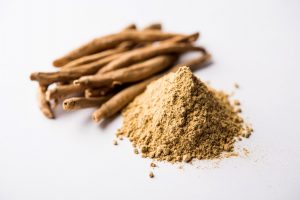
Ashwagandha was traditionally used to help enhance the body’s resilience to stress (Singh 2011). These ingredients are becoming more common in functional foods and beverages targeting energy for consumers.
Clinical science is still emerging with these and other traditional ingredients (e.g. turmeric, ginger); however, the initial results suggest there may actually be something to these ancient practices (Panossian 2017, Liao 2018).
Regulations around the term ‘adaptogen’ vary by country due to the fact that science is still emerging, so caution and a thorough review of the science for each ingredient should be taken to be sure consumers are not misled when using these types of ingredients.
What is the Right Approach for Foods and Beverages?
First and foremost make sure you understand where on the energy spectrum the product needs to deliver. Is it mental or physical, is it lack of sleep, or it is supposed to help provide calm in order to enhance performance?
If it’s a snack bar for the morning, it’s likely the consumer is looking for both a physical and mental energy benefit. For an athlete trying to fuel through a workout, physical energy (calories) might be more of a focus. For afternoon energy, maybe the goal is to provide a feeling of focus without the buzz from caffeine or the worry about interfering with sleep.
Once you have that answer, finding the right functional ingredients to help support those benefits should hopefully be a bit easier.
One thing is for sure, as we continue to lead 24-hour, 7-day a week hectic schedules the need for energy is only going to increase.