Can you quantify the value of extra shelf-life days in food?
As a consumer, it can allow for more time in a busy life to eat foods before they end up as unintended waste. This time can be about saving money and protecting health.
For the industry, it can be about longer and more resilient supply chains, as well as insurance policies against spoilage and contamination risks.
For brands, extending freshness increases brand loyalty and their ability to delight consumers.
For the planet, it’s stretching the planet’s resources so we can feed more people and reduce the contribution of greenhouse gases from food waste.
One third of all food produced globally goes to waste which has a huge impact on the sustainability and economics of food production and consumption. With inflation soaring and supply chain pressures growing, it’s never been more important to prevent this.
Seventy-two percent of consumers agree that extending the shelf life of a food or drink would help them reduce waste. Given that up to half of consumer food waste could be prevented by shelf-life extension, it is a great place to start.
How do we Approach Shelf-Life Extension or Problem Solve for an Unknown Limiting Factors?
To extend shelf life, scientists will need to look at which exact bacteria are contributing to spoilage defects, also known as “specific spoilage organisms”.
While these strains may seem invisibly small, they leave behind evidence as to which microbial culprits are responsible for food spoilage.
Often, these clues come in the form of the product defects themselves, so discussing with a processor what is happening in their product, or directly observing it in the laboratory can start the investigation.
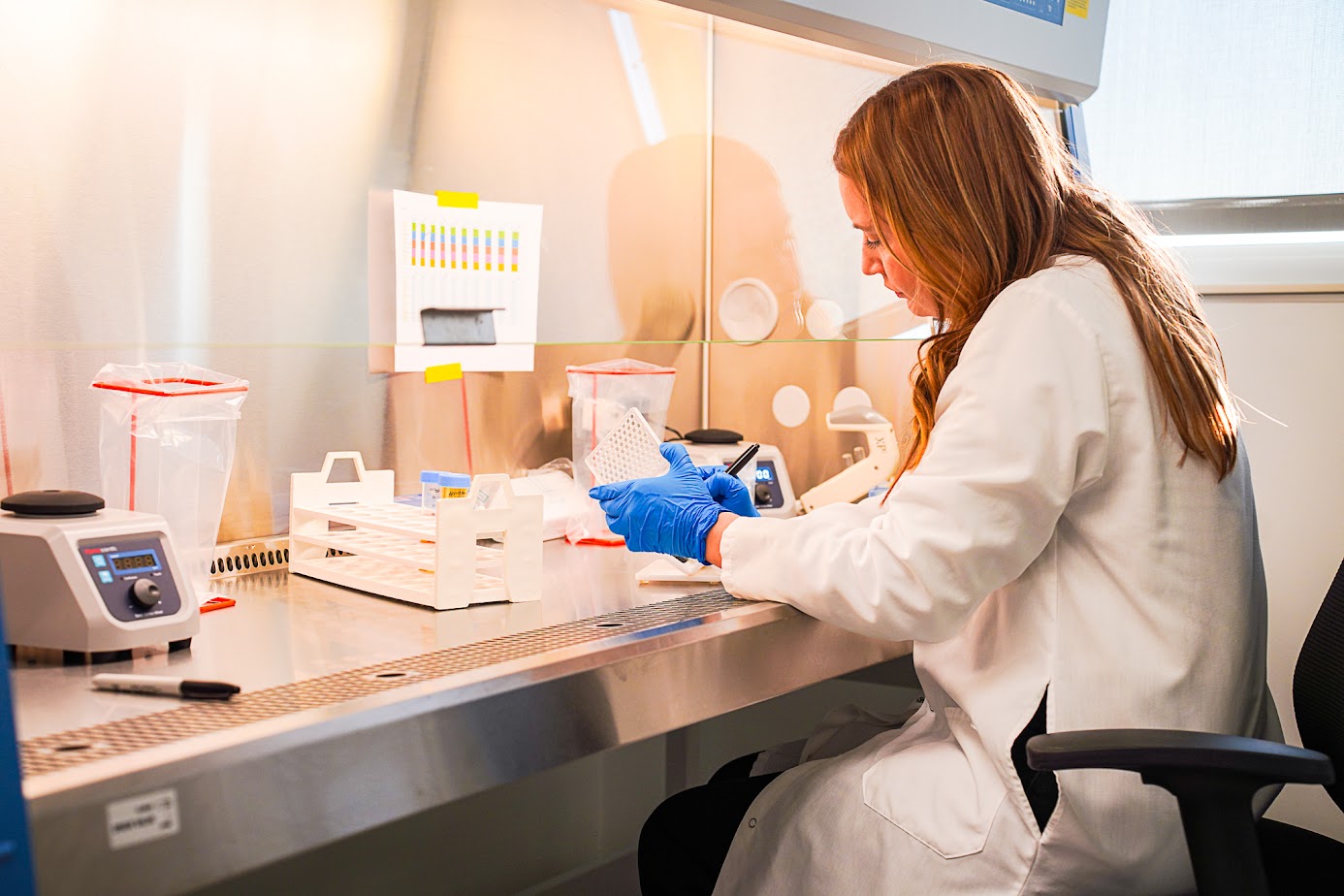
Different microbiomes produce volatiles because of their metabolic activities, so organoleptic evaluation can help understand the system. For example, lactic acid bacteria can often ferment sugars, making sulfuryl/sour off-odours, while pseudomonads are known for their floral/fruity ketones and alcohols.
Beyond odour, some bacteria leave “footprints” behind in the form of slime (often seen with Leuconostoc contamination) or colour changes.
In other cases, the microbiome may be made of a dynamic mix of genera, with many spoilage defects, complicating the mystery, or they could be in an emerging system with an under-profiled microbiome, such as plant-based meat alternatives.
In these systems, scientists can directly catch the microbial suspects through their DNA, rather than sifting through clues. Rather than isolating one organism at a time, scientists can now extract all the DNA from a sample and sequence it, revealing the “group photo” of who is present at the spoilage crime scene.
If a particular sequence of DNA is found in high abundance, it could be possible that the culprit has been found, and scientists can get to work isolating it to prove it responsible.
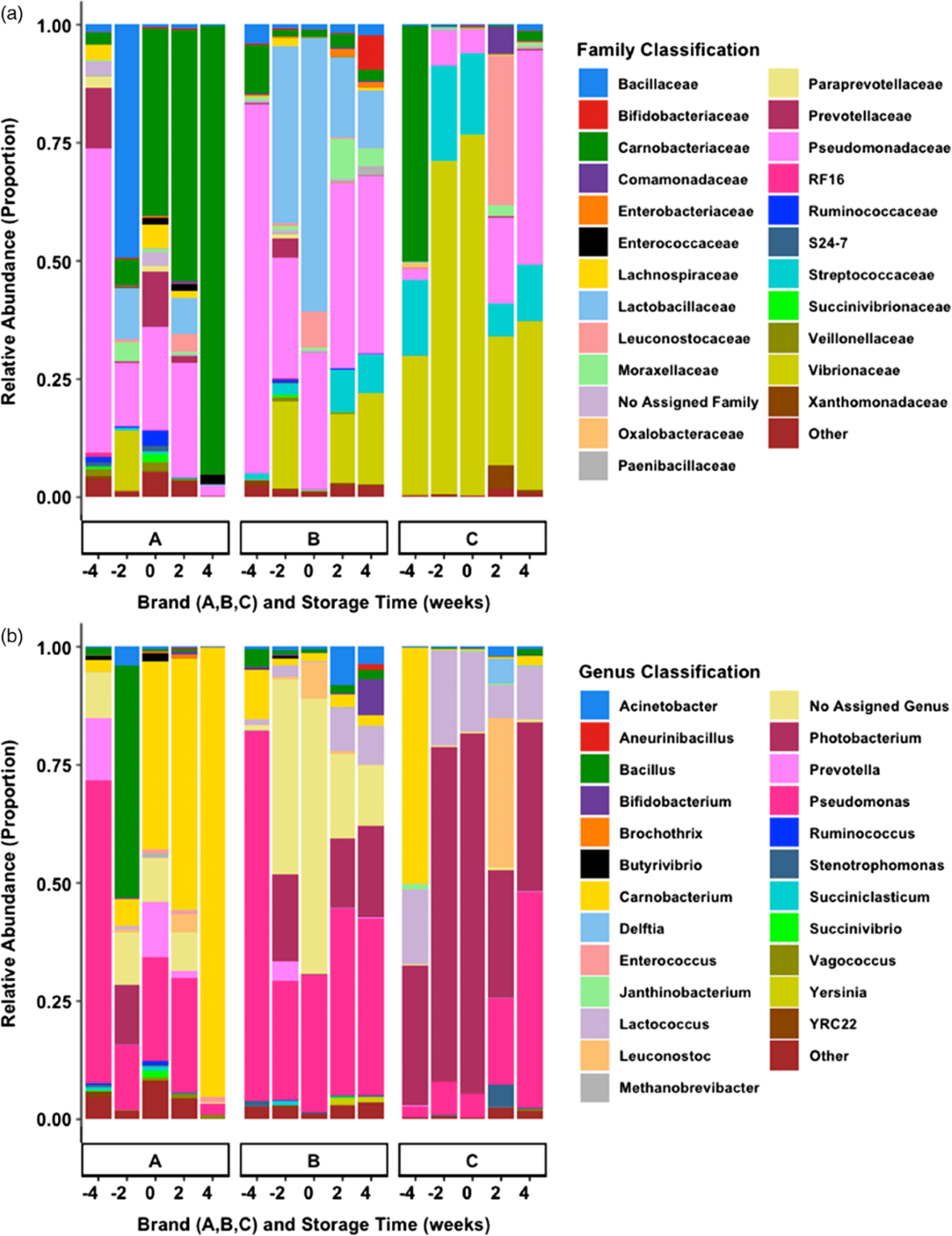
From the sights, smells, and sequencing activities, scientists know which strains are present, and can pick the right media to isolate them from the food matrix.
Different bacteria have different preferences for nutrients, so knowing the strain makes it easier to pick or develop their preferential media for culturing.
Once the strains are cultured, they can be reintroduced into a food matrix to make sure they exhibit the defect of concern to implicate their role in spoilage, as well as compare them to other strains in challenge testing.
The specific spoilage organism has been caught, so solutions can now be tested.
Second Step: “Precision Shelf-Life Extension”
Once the microorganism is known, scientists can be more specific about the different factors that have enabled it to grow, as well as the hurdles that can be put in its way.
A favourite way to simplify well-known concepts surrounding microbiology for the less familiar is to compare them to all the (intrinsic, extrinsic, and implicit) factors that would contribute to a child growing and thriving in school, across their environment, diet, comfort, energy inputs into other areas and to leverage hurdles that may prevent that growth.
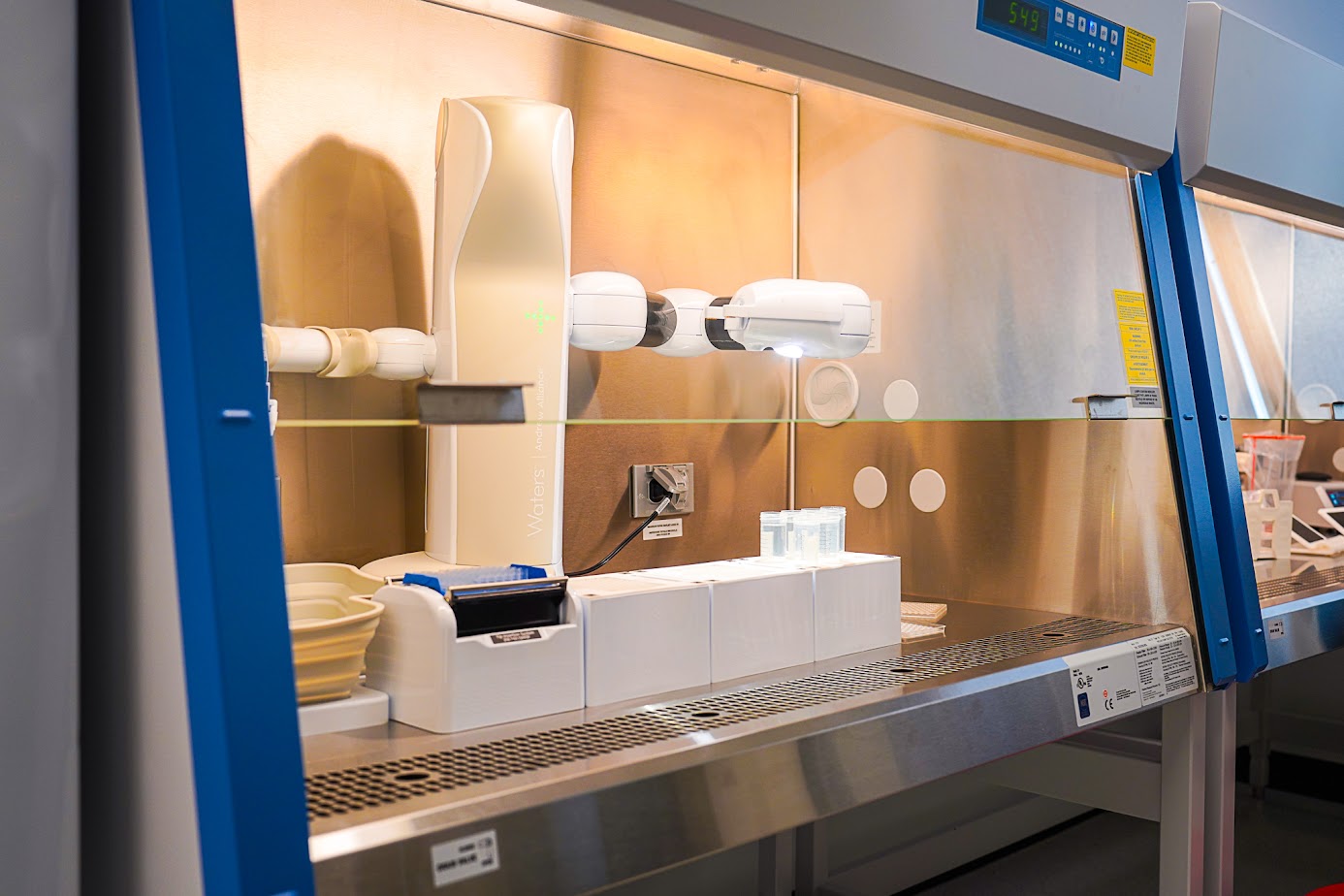
Bacteria have personalities, patterns and some predictable responses, so scientists can leverage reference literature, or previously conducted work with similar strains to assess which solutions may work best.
Just as people go to the doctor to know which medicine can best help their problem, microbiologists seek to give a precise solution as well.
For example, Pseudomonas spp. are generally known, and internally tested to be sensitive to organic acid solutions. In this case, vinegar may be appropriate. Certain lactic acid bacteria however, as their name suggests, produce lactic acid, and thus can be more resistant to organic acids as solutions.
In these cases, scientists will need to layer in solutions with different or multiple modes of action, that are designed to inhibit these robust strains. It is not usually just one strain in a product microbiome.
Some bacteria can tolerate stress much more readily than others, so ensuring a diverse array of strains is used for shelf-life testing can lead to the development robust solutions that work against a broad spectrum of microbiomes.
Ingredients, bacteria and people do not always behave the same in various groups as they do in isolation. This again is why testing with layered ingredients and multiple strains will dramatically improve the replicability of any inoculated tests, out in the real world.
Single ingredients that have limited efficacy on their own may become superheroes against stubborn bacteria when they have an organic acid present to fight off the usual suspects.
For meat processors, this is of great importance, as formulas can be produced by co-manufacturers in facilities with different microbiomes, or ingredients such as spice blends could change, bringing in different organisms. Through knowing your microbial enemy, shelf-life extension is possible.
Vitamin B12 is a water-soluble vitamin, also known as cobalamin, this cannot be made in the body and needs to be ingested through food, supplements, or medication. It is essential for red blood cell formulation, keeping nerve and brain function healthy, production of DNA and maintaining cell metabolism.
Vitamin B12 is absorbed by the stomach with the help of a protein named intrinsic factor which is a glycoprotein, this protein substance binds to the B12 molecule and aids in the red blood cells absorbing it. Excess B12 can be stored in the liver for future use or excreted through urine.
With more consumers choosing plant based diets or veganism, meeting essential B12 requirements can sometimes be challenging. Unlike many essential vitamins that can be readily sourced from plants, Vitamin B12 is primarily found in animal products, making it difficult for vegans and vegetarians to obtain adequate amounts of through their diet alone. Understanding the role of Vitamin B12 in the body is crucial for maintaining optimal health and wellness.
How Much B12 Does the Body Need?
The Recommended Daily Intake (RDI) of Vitamin B12 is 2.4 micrograms daily for adults and children over the age of 4 years old. Those who are vegetarians, vegans, pregnant and breastfeeding may need to increase their intake slightly or could run the risk of deficiency.
Older adults, those with intestinal issues, those who are pregnant and breastfeeding, infants of vegan and vegetarian mother’s, vegetarians and vegans are all at higher risk for developing a deficiency in B12. It was also reported that 1 in 10 adults over 75 years and 1 in 20 adults aged between 65-74 years had a deficiency of Vitamin B12.
What are the Main Dietary Sources?
B12 can naturally be found in foods of animal origin such as meat, fish, eggs and dairy products, specific examples include animal liver and kidneys, beef, tuna, salmon, broccoli, peas and brussels sprouts.
It can also be added to fortified nutritional yeasts and fortified breakfast cereals. In cases of Vitamin B12 deficiency, it can also administered in the form of supplements and injections.
What Happens If Vitamin B12 Intake Is Not Sufficient?
Insufficient intake of Vitamin B12 can lead to deficiency. This can occur when Vitamin B12 levels in the blood drop, resulting in metabolic abnormalities.
These abnormalities lead to the onset of physical and psychological symptoms, such as as nausea, constipation, diarrhoea, metal health issues, low red and white blood cell count, deterioration in walking, vision impairment and fatigue.
The long-term symptoms of include, pernicious or macrocytic anaemia, heart conditions, temporary infertility and issues with the nervous system. If untreated, this can then result in the development of pernicious or macrocytic anaemia.
Pernicious anaemia is when the immune system attacks the healthy cells within the stomach which results in a lack of absorption of Vitamin B12 in the body. Macrocytic anaemia is when the body produces abnormally large blood cells that lack the required nutrients and do not function as they should.
Vitamin B12 deficiencies are treated by taking supplements or Vitamin B12 injections (hydroxocobalamin) depending on GP advice and severity of the deficiency.
Supplements/injections may be required long-term if symptoms persist. However, a beneficial start to improving Vitamin B12 levels in the body is to consume a high about of Vitamin B12 rich foods.
The preventative steps we can take to avoid a Vitamin B12 deficiency is to consume foods rich in B12, as listed above. Additionally, a deficiency in Vitamin B12 may not always be due to an inadequate dietary consumption of foods containing B12, it is possibly due to the lack of the intrinsic factor, this is most common among older adults which is associated with an autoimmune disease called pernicious anaemia.
How Does Vitamin B12 Interact With Other Vitamins?
It should be noted that taking Vitamin C in close proximity to Vitamin B12 foods/supplements should be taken with caution as Vitamin C can reduce the amount of B12 in the body, therefore spacing out the consumption of both vitamins is recommended.
Vitamin B12 and Folate (B9) work together to produce a compound that aids in immune functionality and red blood cell formulation. Therefore, consuming a balanced amount of foods containing B12 and Folate is beneficial for the overall health.
It should also be noted that consuming over 1mg of folic acid daily can mask the symptoms of a Vitamin B12 deficiency.

Vitamin B12 Production Process and Sustainability
For those who cannot get enough Vitamin B12 through their diet, supplementing B12 may be necessary.
Supplemental Vitamin B12 is produced commercially through a bacterial fermentation process, taking up to two weeks from beginning to final product. It is one of the most complex vitamins to produce beginning with bacteria growing in large vats holding over 100,000 litres, this amount still only produces a small yield of final product.
It is not a sustainable process and can be harmful to the environment as it traditionally uses cobalt and cyanide and the harmful and hazardous surplus is expensive to be disposed of to ensure environmental health measures are not affected.
Research from the University of Kent took place in 2023 to develop a sustainable manufacturing process for Vitamin B12. The team manufactured a strain of E-coli that contains a smaller amount of cobalt that is then absorbed during the production process and there is no surplus cobalt left to be disposed of, therefore it is not a high health or environmental risk and is less of an expense.
This is a step in the right direction and is a template that other bacterial processes could benefit from and become more sustainable in the future.
Vitamin B12 plays a vital role in the functionality of a healthy body. Ensuring a holistic diet to include certain meats, dairy products, fish and certain vegetables will help reduce the risks that come with its deficiency.
Increasing the availability of knowledge surrounding the importance of Vitamin B12 and its sources would advocate for a better understanding among individuals. This, in turn, will reduce the risks associated with lower consumption of this vital vitamin.
Additionally, looking towards the future of supplemental B12 production, a long-term plan to formulate a universal sustainable production process of Vitamin B12 would reduce the harmful environmental impact and costs all while benefitting those with a deficiency.
Why we Need a More Sustainable Food System
As the world continues to confront the coronavirus pandemic, we have a striking opportunity and obligation to create a more inclusive, resilient and sustainable food system. Enzymes can play an important role in this.
Today, our food system is responsible for over 30% of greenhouse gas emissions, with food loss and waste alone accounting for 8-10%. The pandemic exposed the fragility of our global food supply chains.
From field to fork, unprecedented stresses led to disruption at every level and many weaknesses in our food system were exposed. The pandemic exposed the fragility of our global food supply system and now the Ukrainian conflict is further shaking this system.
Ukraine is, in fact, a critical food hub, in particular for wheat and fertilizers.
By 2050, our global population expected to swell to almost 10 billion people and coupled with rising incomes and urbanisation, demand for animal-based protein will increase.
The World Resources Institute has predicted that by 2050, we will require 50% more food and 70% more animal-based protein to feed everyone.
Reducing Environmental Impact of Food Production
If we continue with our current-day food production practices and consumption patterns, we would need to convert a landmass twice the size of India to agriculture, leading to significant deforestation and biodiversity loss.
It would also result in a failure to meet the Paris Agreement goal of limiting global warming to below 1.5°C.
Food producers all over the world are responding by adopting sustainable practices to reduce their environmental impact. On this sustainability journey, enzymes have become an increasing important ally due to their high efficiency, their specificity and their ability to create a more efficient food production system.
The use of enzymes in food preparations is an age-old process. Humans, unknowingly at first, used enzymes to their advantage for millennia in industries such as cheese making, brewing and bakery.
The term enzyme was first coined in 1877 by Wilhelm Kühne, coming from the Greek word for “in leaven”; while the original purpose of including enzymes in manufacturing processes was to improve the efficiency of the process and reduce cost.
However, it is now well established that enzymes go much further and can unlock significant sustainability benefits and greatly enhance product quality.
How are Enzymes Used in Food Production?
In most cases, the enzymes used in food are used as processing aids, where they aid in the manufacturing of the food but do not have a function in the final product.
Improve Product Quality
In the baking industry, different types of enzymes are used to deliver different functionalities and properties to the final product.

- Amylases (bacterial, fungal and maltogenic) improve the gas-retention of fermented dough, keeping the bread fresher, softer, flavoursome for longer, which can lead to less food waste.
- Proteases are important for bread-making because they have a softening effect on dough and make kneading easier. They are used in large scale production of bread, baked goods, crackers, and waffles as these enzymes reduce mixing time, decrease dough consistency, assure dough uniformity, regulate gluten strength in bread, control bread texture and improve flavour.
- Lipases and phospholipases are also used to improve dough tolerance, significantly increasing bread volume after baking.
- Xylanases are used in baking to hydrolyse arabinoxylans and improve gluten formation.
In brewing applications, haze-negative proteases reduce haze in the final beer and improve shelf-life. In the animal nutrition industry, alpha-galactosidase have shown to improve nutrient digestibility of feed.
In dairy production, lactase enzymes enable the manufacturing of lactose-free products for lactose-intolerant consumers.
Achieving Operational Efficiencies
Amylase, glucanase and glucoamylase enzymes are essential for food and beverage manufacturers to speed up production processes and improve finished product yield, therefore significantly lowering energy and water usage. These enzymes are widely used for producing dairy-alternative plant-based beverages.
The growing preference for plant-based food and beverages requires new enzymes that can allow plant-based protein sources to have similar functionalities to animal-derived protein sources and improve the taste and texture of final products.
Enzymes have the ability to increase the stability of plant-based nutritional beverages, optimize process conditions and enable the production of finished products with a consistent mouthfeel, reduced added sugar and improved taste.
By using these amylase, glucanase and glucoamylase enzymes, manufacturers can reduce production time by 25% and use a wider range of raw materials, allowing improvements in extract yield and increased volume as well as a decreased carbon footprint.
Enable Use of Local Sustainable Rraw Materials
Enzymes can enable a wider variety of raw materials to be used in different processes. In the brewing industry, the most common brewing grain is barley. However, it is a cool-season, temperate-climate cereal, and in many parts of the world, it is not widely grown.
The use of exogenous enzymes has enabled brewers to use alternative local grains for brewing such as sorghum, maize, rice and cassava for producing a consumer-acceptable beer at an economically attractive price point.

Thermostable α-amylase for high adjunct brewing, along with glucanase, proteases and glucoamylase enables use of alternative, un-malted, more cost effective local and sustainable raw materials without negatively impacting final product integrity.
The benefits to the local economy of using local grains is significant; it creates employment, provides incomes for local farmers, and supports the overall economy.
For example, cassava is a tuber crop grown primarily in Nigeria, Brazil, Indonesia and Thailand, which is rich in available starch. It is underused for sugar production and beer production.
With pressures on the supply and demand of other starches and cereal crops, locally sourced, low-cost cassava represents a potential alternative source of sugar for syrup extract producers, brewers, distillers, confectioners and ethanol producers.
With the optimal application of thermostable amylases and glucoamylase, extracts of the desired quality can be unlocked from the cassava tuber supporting the creation of a high-quality, affordable and sustainable alternative other than that brewed with imported barley.
How do Enzymes Benefit the Environment?
An estimated one third of all food produced is lost or wasted. The resources and efforts for producing this food is also lost as the food is not used for nutritional benefit.
According to the World Food Program (USA), if we can reverse the trend on food waste, we would save enough food to feed 2 billion people, more than twice the amount of people who are undernourished whilst also making a significant contribution towards reversing climate change.
Enzymes are an increasingly important ally as we all seek to create a more sustainable food system. Examples include:
- Shelf life extension of foods to significantly reducing food waste
- Transformation of waste streams into value-added products
- Improvement of overall production efficiency and quality of final products. Some industry examples of this in action include:
Brewing Industry
Brewing has environmental challenges both during production and in the waste management phase. The largest waste by volume is brewers’ spent grain (BSG), followed by yeast.
Approximately 70% of BSG is used as animal feed, but due to its high moisture content and microbial load, its shelf life is extremely short – less than 48 hours. Around 10% of spent grain goes to produce biogas, and the remaining 20% is landfilled.
Every tonne of BSG in landfill releases 513 kg CO2 equivalent of greenhouse gases. This by-product of the brewing process has extraordinary circular economy potential, making it a perfect candidate for upcycling into human food supply, feed or for pharmaceutical purposes.
Exogenous enzymes, such as amylases, proteases and NSP (Non-Starch Polysaccharides Enzymes) can help improve extract yield thereby reducing waste and enabling re-use of waste or by-product like spent grain into value added products.
These enzymes have a great potential to help cereal-based products manufacturers, and in particular breweries, valorise the by-products waste stream and convert it into value-added products by reutilising wasted proteins and fibre molecules.
Enzymes and processing aids deliver a significant reduction in energy consumption and CO2 emissions. There is potential for 19% energy savings, and 41% CO2 emission reduction by using enzymes and processing aids at different stages of the brewing process.
Bakery Industry
The bakery industry represents the largest volume of food waste. It is a major challenge for bakeries as they seek to ensure fresh availability for consumers yet also to minimise surplus. Increasing the shelf life of baked goods by two days reduces those items going to waste by 40%.

In bakery applications, enzymes not only reduce waste, but also improve production efficiencies and enhance the quality of baked goods.
Amylases break down starch to smaller molecules to improve softness over shelf-life, xylanases hydrolyse non-starch polysaccharides like arabinoxylan and hemicellulose so that insoluble hemicellulose is converted to soluble hemicellulose and improve water holding capacity, gluten development and elasticity.
With doughnuts, for example, some specialised enzymes can double shelf life whilst maintaining the softness, moisture, volume and other desired sensory attributes.
Meat Production
Meat is the highest value category of all food waste offenders. 20% of meat produced globally goes to waste and it is the most carbon intensive category of food waste globally.
Specific protease enzymes can help meat processors efficiently transform meat protein waste into valuable resources that can be utilized in a variety of applications, including biofertilizers.
Proteases valorise animal by-products that would otherwise be waste bound, helping meat processors become more sustainable in their manufacturing process.
Fish Industry
In the fish industry, where waste is also a major challenge, advances in enzyme technology have enabled the extraction of value from fish waste, converting protein-rich fish by-product waste into cost-efficient fish oils and proteins.
The traditional linear economy is one based on an ethos of take-make-dispose, with insufficient consideration given to the impact or opportunity from our waste streams.
Circular economy utilizing food waste gives us a great opportunity to upcycle “waste” into “value added” products, thus reducing waste accumulation and increasing resource productivity.
Enzymes are fast becoming a hero in the circular economy due to their ability to turn waste streams into a potential revenue stream.
What are the Future Prospects of Enzymes?
The future of our food production will rely on advances in microbiology, artificial intelligence and bioprocessing.
Across all of these scientific and technical advances, enzymes have the power to play a significant role in creating the future of our food, to make it healthier, more sustainable and to add value to waste streams.
Innovation in enzymes through collaborations between experts in biochemistry, bioinformatic, molecular modelling, enzymology, molecular biology, fermentation, system biology, food science and regulatory will drive enzymology research for waste stream valorisation and play a critical role in acceleration of circular economy.
With advancements in enzymes engineering, these natural biocatalysts are fast becoming pivotal tools to valorise agri-food and by-products waste, unlocking the recovery of essential nutrients and, in many cases, converting by-products waste streams into substantial revenue returns.
When you couple this incredible potential with increased consumer focus on health, environment, sustainability and the ongoing research and innovation focus on enzymes optimisation, it is clear that the future of enzymes is to positively disrupt our food system by building a more efficient and sustainable food chain.
Food Protection is Key to a Sustainable Future
Food protection and sustainability go hand-in-hand, and audacious innovation is key to minimizing food waste.
A staggering one-third of food is wasted at an annual cost of $940bn to the global economy. The number of people chronically under-nourished in 2019 is almost 690 million and this figure is set to be much higher in 2020¹.
Distribution limitations, food safety and quality issues, along with misconceptions over when food is spoiled contribute to inefficiencies & food loss. The COVID pandemic heightened awareness of the complex nature of our global food supply chain.
Consumers are also becoming increasingly aware of the environmental and societal impact of the origin of their food, driving a desire for more sustainable choices.
Food manufacturers are increasingly looking to protective ingredient solutions to enhance safety, extend shelf life as well as help achieve their food waste reduction goals.
Food protection strategies and mechanisms differ by food type, stage in the manufacturing process or supply chain as well as conformance to regulatory requirements.
In this webinar, our experts explore ways to reduce waste, prioritise food safety & quality while addressing consumer demands for sustainable food choices.
Key Takeaways from the full-length webinar recording
- Where food is lost and wasted?
- How to reduce food waste and maintain food safety & quality
- Prevention strategies against pathogenic contamination of food, the top reason for food recalls
- The future of sustainable food
During the early phases of the plant-based trend, many products received a free pass on nutrient content or ingredient labels. The novelty of being ‘plant-based’ was enough, and products during this time focused on creative new ways to deliver alternatives to animal-derived foods, riding the coattails of the strong health halo consumers associate with plant-based foods. However, nutrition is becoming more and more critical to address when formulating plant-based foods.
Now that the trend is becoming a mainstay in the global food economy, these foods and beverages are no longer getting a free pass on nutrition. In the United States, for example, health and nutrition are the top two reasons consumers purchase plant-based cheese, yogurt, or ice cream and health is ranked third for plant-based meat alternatives (Winning with Plant-based, Kerry Proprietary Research 2020).
Studies are also beginning to show that people who replace animal-based foods with plant-based alternatives can end up decreasing their intake of important nutrients while increasing their intake of nutrients linked to disease like saturated fat, sodium, and sugar. These studies emphasize the importance of addressing nutrients beyond protein for this trend.
As a result, the nutrition attributes of plant-based foods and beverages are under more scrutiny worldwide. We talked to our nutrition, food science, and marketing experts across the globe to understand the challenges in plant-based nutrition and keys to success for the future.
Common nutrition challenges when formulating plant-based foods and beverages
Choosing the right protein source
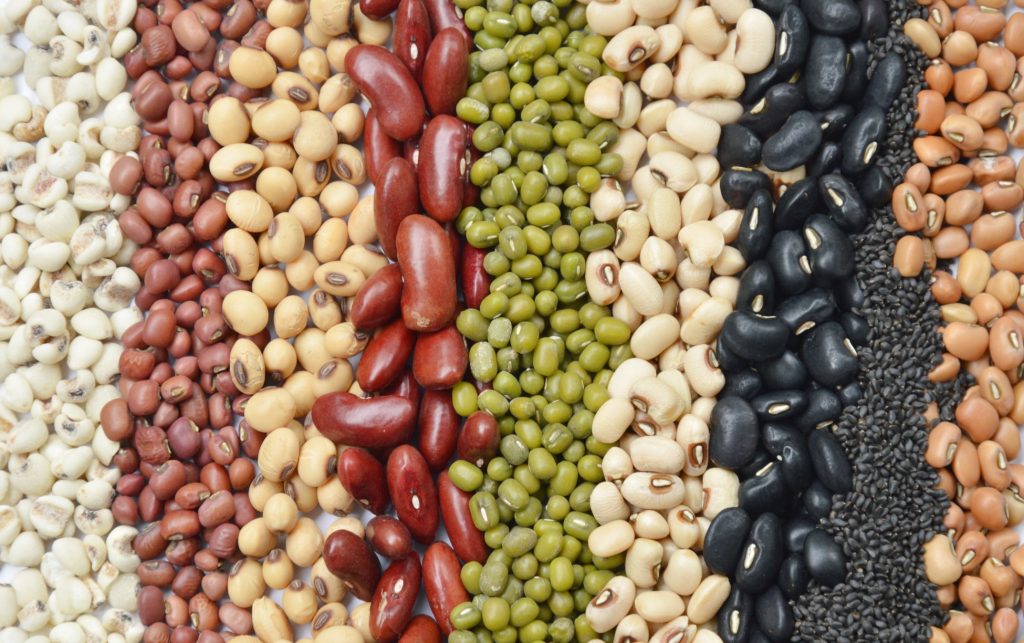
There are a lot of considerations that go into choosing the protein source for a plant-based product from the multitude of options available. Supply chain, consumer perception, taste, flexibility in formulation, sustainability, and nutrition can all be deciding factors in whether to choose soy, pea, sunflower, hemp, chickpea, rice, and so on.
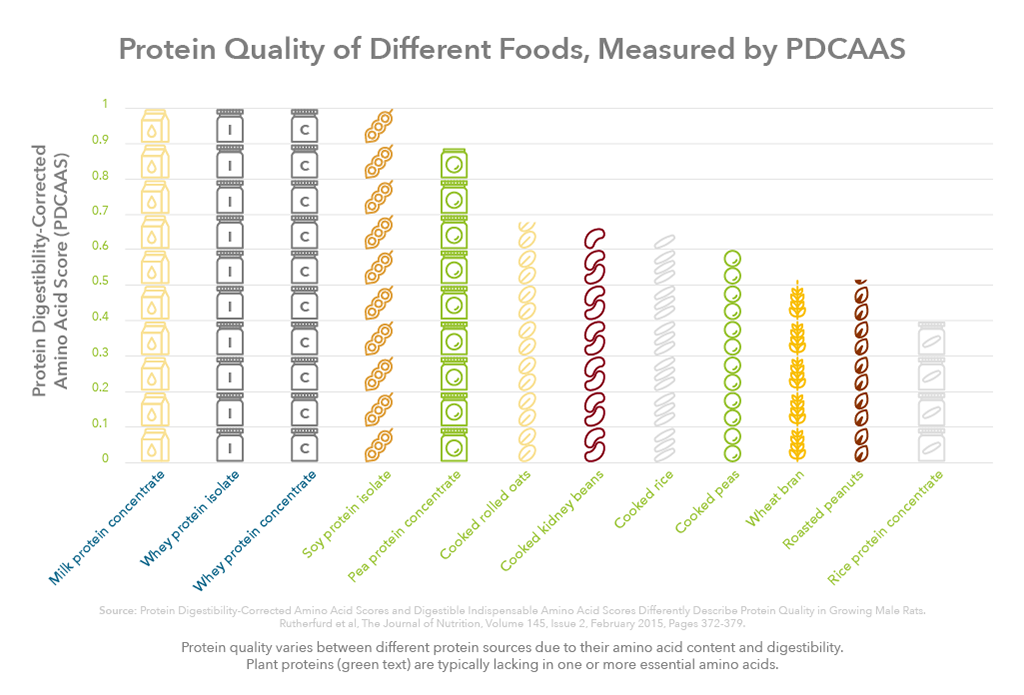
For nutrition, protein quantity and quality matter are the main things to consider. Most plant proteins are missing specific amino acids the human body needs, and this will differ depending on source. Plants are generally low in methionine (e.g. beans, nuts and seeds), lysine (e.g. grains like wheat), or tryptophan (e.g. corn), and higher in non-essential amino acids arginine, glycine, alanine and serine.
This, along with digestibility, mean many plant proteins have different protein quality ‘scores’. You can see some examples below, but for more information check out our article “Nutrition Benefits of Plant Protein Taking Root with Consumers”.
Lengthy ingredient declarations
When making plant-based alternatives to dairy or meat, it’s often necessary to use many ingredients to build the same taste, texture, and functionality that you’d see in a dairy-based milk or a beef patty. This makes sense in some respects, because something like cow’s milk is made up of many different proteins, fats, carbohydrates, and other compounds when it’s produced by a cow.
A product must have the right taste and texture to be appealing and taste good, but the challenge is that long ingredient labels can be overwhelming or not preferred by consumers. The average plant-based cheese has 11 ingredients while traditional cheese has only four (Winning with Plant-based, Kerry Proprietary Research 2020), for example.
Salt and sugar content
Salt (in plant-based meat alternatives) and sugar (in plant-based dairy alternatives or beverages) can be a major nutrition concern for two key reasons. The first is that it takes away from the consumer appeal of a plant-based product. If health and nutrition are the top reasons why a consumer would choose a plant-based yogurt, then it should deliver on that expectation of healthy and not be abnormally high in sugar. The second is the impact adding sugar or salt can have on product labels, especially in parts of the world where front-of-pack labeling systems call out high sugar or salt levels on a product.

Many countries in Latin America have warnings on foods that contain high levels of salt or sugar. The Nutri-Score system continues to spread across Europe, among other calorie-reduction initiatives, so high salt and sugar levels can give foods unfavorable front-of-pack ratings in those countries, as well.
Sugar or salt are often used to build taste in plant-based products that have challenges compared to their animal-based counterparts, but it is important to remember the reason why consumers choose plant-based foods in the first place and to make sure foods are delivering on the expectation of health.
“The ultimate goal is to have a product which delivers an equal or better nutritional profile to their meat equivalent. Currently, many products are delivering a “less healthy” product due to the addition of high levels of fat and salt in order to meet the taste and mouthfeel requirements.” – Nicky Dear, Business Development Director for Plant Protein, Kerry Europe & Russia
Dairy and meat are sources of important nutrients that plant-based alternatives may lack
Dairy and meat contribute important nutrients to the diet, including vitamin D, calcium, iron, zinc, protein, and potassium. Many meat or dairy alternatives do not consider the nutrient content of the foods they are replacing, which can have an impact on people making changes to their diet to include more plant-based options.
For example, dairy is the #1 contributor of vitamin D and calcium in the diet of people in the United States and in Canada, and a major contributor of many nutrients to the diets of those living in Europe.. These are key nutrients for health and are already under-consumed in the US. If plant-based dairy alternatives do not deliver similar amounts of calcium or vitamin D, then a plant-based alternative could actually be less healthy for a consumer than the animal-based version. As a result, it is not delivering on the reason why the consumer chose the plant-based alternative in the first place.
A key challenge for formulating plant-based foods and beverages, then, is to think about the nutrition of the food the alternative is replacing.
“To deliver on consumer expectations, ‘plant-based’ should offer the same nutritional quality of animal-based foods in terms of nutrients like protein, vitamins, and minerals.” – Denise Wilkes, Nutrition Scientist, Kerry Latin America
Opportunities for improving nutrition of when formulating plant-based foods and beverages
Offer nutrients beyond protein
“A major opportunity is pairing the nutrition of plants, like fiber, vitamins, and minerals you’d see in vegetables, grains, and fruit, with improved plant-based protein – taking the best of both and combining them to make a truly healthy product” – Genny Tan, MSc, Business Development Manager, Kerry Asia Pacific
For meat and dairy alternatives, consider the nutrition of the food that’s being replaced. Dairy is a key source of vitamin D, potassium, vitamin A, protein, iodine, and calcium in the diet of many people across the globe, so plant-based dairy alternatives should strive to match those nutrient contributions. Iron, zinc, and B vitamins are important to consider for plant-based meat alternatives, alongside protein.
There are many nutrients that are harder to get enough of when consuming more plant-based foods. The article “Nutrition for Plant-based Diets: Managing Nutrient Intake and Bioavailability” is a great resource for which nutrients to consider for plant-based foods.
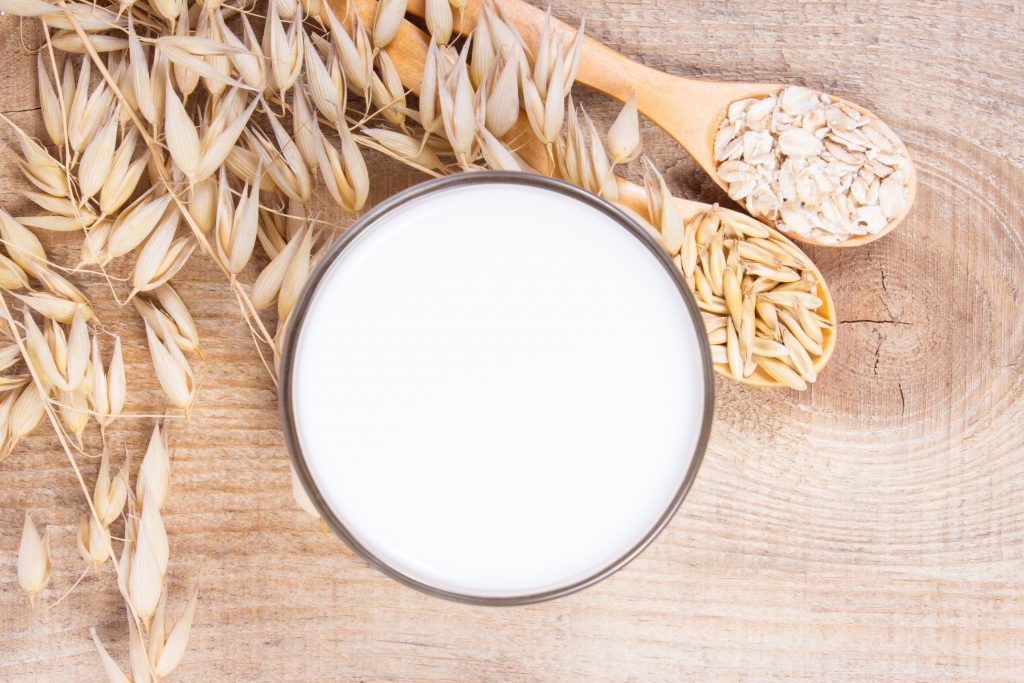
Another option is to offer a new nutrition benefit, rather than match that of the animal-based food. For example, a plant-based milk alternative made from oat might offer a serving of whole grains and some fiber. Most people in developed countries do not consume enough whole grains or fiber, so the product can still deliver on the expectation of ‘healthy’ without having to be identical in nutrition to milk from cows.
Keep ingredient declarations short by using multi-functional ingredients that offer nutrition and help with taste and texture.

Some fibers offer nutrition benefits but can also bind ingredients together in a bar or thicken a beverage. By being diligent about the selection of each ingredient, you can maximize the effectiveness of each one to keep the ingredient label short when formulating plant-based foods.
Innovation by suppliers in this area is ongoing and will be key for the future of the plant-based trend. Artificial intelligence is being used more often to screen plant sources for unique properties, such as mimicking the behavior of dairy-based proteins to make plant-based chees more authentic. Finding unique ways to process whole plant ingredients, like oat flour, to improve their functionality in foods and beverages while still delivering nutrition can make plant-based offerings more appealing to both consumers and product developers.
Keep sodium and sugar low to avoid front-of-pack warnings and improve health
Sugar and salt are important for overcoming some of the taste challenges in plant-based foods, but using too much can prevent foods from delivering on consumer expectations for plant-based foods to be healthy.
Unfortunately, there is no 1-1 replacement for sodium chloride in foods. “Challenges and Opportunities in Sodium Reduction” is a great resource to learn more about balancing sodium content.
Many options exist to reduce sugar. Taste modulators, low-calorie sweeteners, or intense flavors are all possibilities. Our webinar recording “Sugar Reduction: Formulating for Success” is a place to hear nutrition and formulation experts talk about the challenges and solutions for sugar reduction.
The association between eating red meat and risk of developing colon cancer has been of great interest over recent years. In a recent systematic review, researchers tried to establish if there is a plausible link based on experimental data. A key finding of the review was that red meat intake may not have a causative link with colon cancer when it’s part of a healthy diet pattern.

Many of the recommendations to limit red meat consumption are based on observational studies that show a correlation between red meat intake and colon cancer. However, the phrase “correlation does not equal causation” should come to mind and the best scientific evidence is able to be repeated in controlled experiments.
For more information about the debate on red meat’s link with cancer, check out our blog “Red Meat Can Still Be ‘What’s for Dinner'”.
The team conducting the review focused on experimental studies, either in vitro or in animal studies, and reported that most studies looking into this research area used amounts of meat or meat components that are much higher than typically present in the human diet. Researchers stated that the current guidelines to reduce meat consumption in order to protect against colon cancer risk are based on data from studies where meat consumption is elevated and consumption of fruits, vegetables, and whole-grains are reduced.
On the other hand, experiments where protective dietary compounds were used to counteract the extreme levels of meat and meat-derived compounds showed protection against colon cancer, with some essentially negating the impact of meat in the diet. The study concluded that there is currently insufficient evidence to validate a mechanistic link between red/processed meat consumption and colorectal cancer risk, and also adds even more reason for everyone to get their ‘5 a day’ of fruits and vegetables. The researchers also concluded that it is important for properly designed studies to be conducted using appropriate concentrations of meat or meat-derived compounds in complex diets representative of human dietary patterns.