On 30 April 2026, the Kerry Health & Nutrition Institute (KHNI) hosted an expert scientific webinar on Megatrends Shaping Tomorrow’s Food. The panel featured the KHNI Scientific Advisory Council: Professor Imed Gallouzi, Dr Lisa Ryan and Professor Martin Bloem.
A central theme was longevity—defined not simply as living longer, but as enabling people to remain cognitively sharp, physically active and independent throughout extended lifespans.
The panel highlighted key nutrients that contribute to healthy aging, and that approaches to longevity differ significantly across socio‑economic groups, influencing both affordability and access to nutritious foods. Therefore, equitable longevity solutions must consider these disparities.
With the rapid rise of GLP‑1 medications, the panel discussed both their benefits and emerging concerns. The panel outlined nutrients and food formats that may be particularly supportive for GLP‑1 users. This led to a broader conversation about food processing.
While often viewed negatively, processed foods remain a practical necessity and an essential source of nutrition for many populations.
The panel also examined how AI and emerging technologies—such as wearables and smart health systems—are reshaping personalised nutrition. These tools may help individuals monitor stress, understand their nutritional needs and tailor dietary choices to their lifestyles.
However, the speakers stressed that the value of these tools depends entirely on the quality, accuracy and representativeness of the data that underpins them. As technology accelerates, ensuring robust, high‑quality data will be critical for delivering meaningful health outcomes.
To close the webinar, just before the Q&A session, each member of the Scientific Advisory Council shared a final take‑home message for the audience.
Professor Martin Bloem emphasised the importance of simplicity—whether in health or nutrition, consumers need straightforward practical solutions to help them stay healthy.
Dr Lisa Ryan highlighted that optimal health relies on both good nutrition and regular physical activity.
Professor Imed Gallouzi underscored the potential of technology, noting that emerging tools can support better eating habits, healthier routines and improved overall lifestyle.
What is the Role of Vitamin D in Human Health?
Vitamin D, sometimes known as ‘the sunshine vitamin’, is a fat-soluble vitamin important for bone health, muscle function and the immune system1-4. Vitamin D is also being investigated for its role in protecting against some chronic diseases including cardiovascular disease and type-2 diabetes1.
Vitamin D exists in two primary forms:
- vitamin D2 (ergocalciferol) which is obtained from plant and fungi sources that have been exposed to UV light.
- vitamin D3 (cholecalciferol), found in animal-based products such as fatty fish, eggs and liver3.
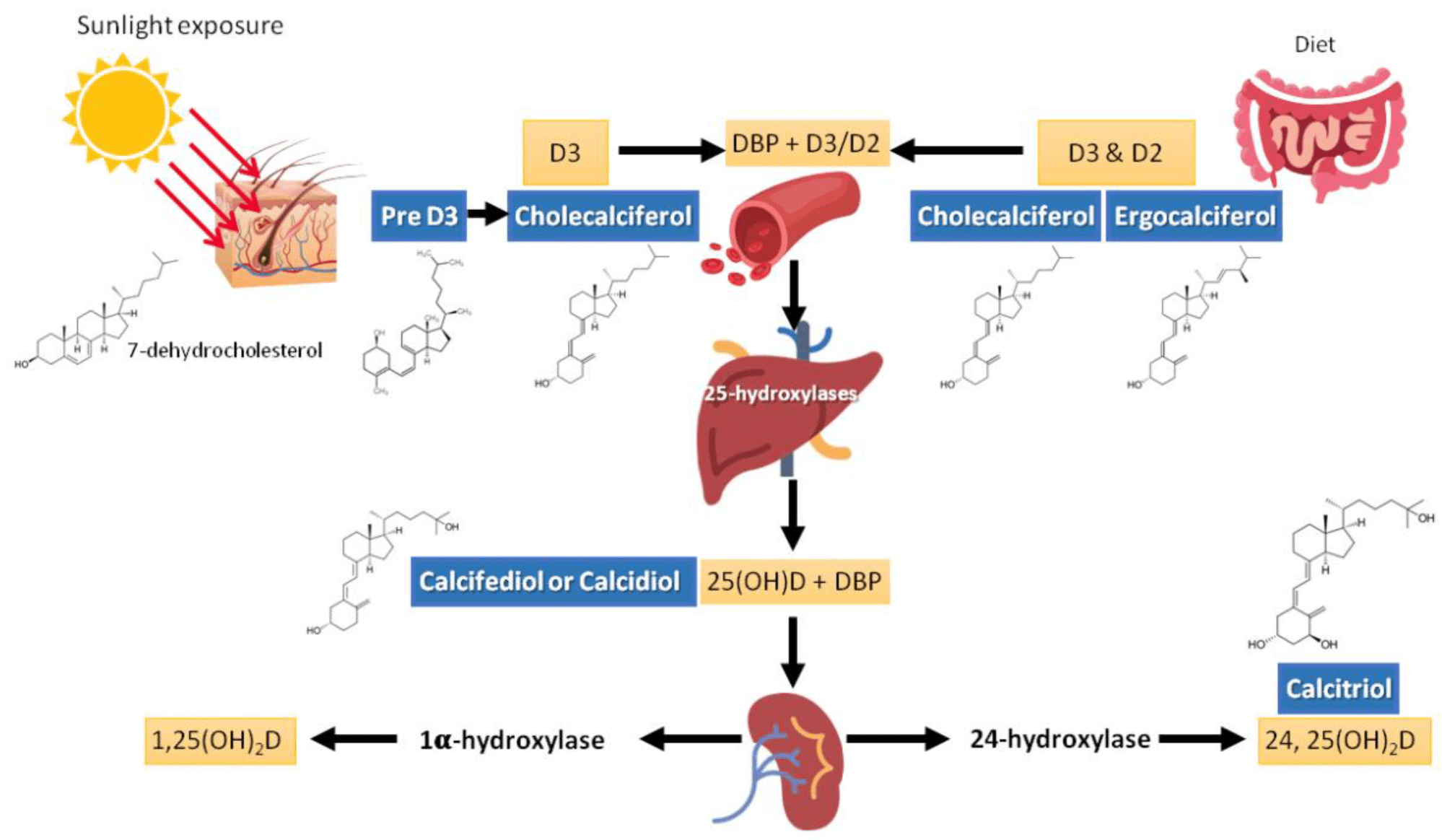
Both forms of vitamin D are biologically inactive when ingested and are absorbed in the small intestine. They are transported to the liver and converted into 25-hydroxyvitamin D (25(OH)D), also known as calcifediol or calcidiol, followed by conversion in the kidneys into 1,25-dihydroxyvitamin D (1, 25(OH)2D), or calcitriol, which is the biologically active form used by the body (Figure 1)3.
Studies have shown that vitamin D3 leads to a greater increase of serum 25(OH)D than vitamin D25.
The ‘sunshine vitamin’ gets its name from the fact that it is also produced in human skin from 7-dehydrocholesterol when exposed to sunlight, or more specifically, UVB rays.
Functions
Research shows that vitamin D plays a significant role in bone health, muscle health and the immune system:
-
- Bone health: Vitamin D is a critical regulator of calcium absorption. In its active form, 1,25(OH)2D, it interacts with the vitamin D receptor (VDR) in the small intestine resulting in an increase in calcium and phosphate absorption2. However, calcium homeostasis is primarily regulated to maintain serum calcium within a narrow range for metabolic reasons with the parathyroid gland, bone, intestine and the kidney working together in this role4. Chronic vitamin D deficiency that results in an increase in parathyroid hormone leads to increased bone resorption, compromising the structure of the skeleton and increasing the risk of fracture thus vitamin D sufficiency is important to optimise skeletal health4.
- Immune health: Vitamin D plays a crucial role in regulating both the innate and adaptive immune responses. The expression of VDR in many different immune cells has been well demonstrated6. It modulates the activity of immune cells such as B cells, T cells and antigen-presenting cells and promotes a balanced immune response. Vitamin D deficiency is associated with an increased risk of hospitalisation for respiratory tract infections7 and supplementation has been shown to boost antigen-specific immunity in older adults with sub-optimal vitamin D status8. Genetic variation in the VDR genes has also been linked to Vitamin D deficiency and the development of autoimmune disease6.
- Muscle function: The identification of a VDR in skeletal muscle cells, along with the strong association between vitamin D deficiency, muscle atrophy and sarcopenia, suggests an important role in muscle function9. Proposed mechanisms include modulation of protein synthesis, mitochondrial metabolism and energy production, which may influence performance. However, the effects of vitamin D3 supplementation on muscle mass, strength and physical performance remain debated, with conflicting findings. Meta-analyses of randomised controlled trials in athletes have not shown conclusive benefits, highlighting the need for further research10,11. In contrast, supplementation has been associated with improved muscle strength in postmenopausal women12. Interpretation of trial results should consider whether populations have insufficient or sufficient vitamin D status and whether any supplementation used has increased 25(OH)D levels sufficiently as these factors may influence outcomes13.
- Mental health: Emerging evidence suggests a link between vitamin D and mental health – its neuroprotective properties may contribute to its role in mental wellbeing, reducing neuroinflammation, supporting serotonin synthesis and improving brain plasticity14. Recent meta-analysis suggests no benefit of supplementation in healthy individuals15 but potential effects on depressive symptoms in those with major depressive disorder or with milder, clinically significant depressive symptoms14. However, more high-quality research trials are needed.
- Other Potential Roles: Vitamin D has other roles in the body, including modulation of cell growth, neuromuscular function and glucose metabolism16. Ongoing research is also exploring the potential benefits on other health conditions including heart disease, diabetes and musculoskeletal diseases like multiple sclerosis17.
In European Union countries, approved health claims are available for the role of Vitamin D in supporting a wide range of functions including maintaining normal bones and teeth, muscle and immune function as well as supporting absorption of calcium and phosphorous subject to conditions.
In China, claims relating to the health of bones and teeth and the absorption and utilisation of calcium and phosphorus are also available for vitamin D containing foods subject to conditions.
Recommended Intakes
In some countries, national dietary reference tables can lag behind updated clinical practice or more recent Vitamin D supplementation policies.
-
- United States: The Institute of Medicine (IOM) Recommended Dietary Allowance (RDA) for vitamin D is 600 IU (15 micrograms) daily for adults aged 19–70 and 800 IU (20 micrograms) daily for adults over 70 years, assuming minimal sun exposure18.
- Europe: The European Food Safety Authority (EFSA) has set an adequate intake at 15 micrograms per day for healthy individuals over one year of age including pregnant and lactating women to ensure the majority of the population will achieve a serum 25(OH)D concentration near or above the target of 50 nmol/L19.
- China: The Chinese Nutrition Society have set a daily Reference Nutrient intake of 400 IU (10 micrograms) for adults aged 18-50 and 600 IU (20 micrograms) for adults over 50 years20.
Dietary Sources
Foods rich in vitamin D include oily fish (e.g., salmon, mackerel and sardines), egg yolks and offal. However, sources are limited and there are high levels of inadequacy of vitamin D intake globally21.
In some countries, fortification of staple food (e.g., milk, margarine, cereals) is used to increase vitamin D intake but these policies differ by region and are often voluntary, leading to variable dietary contributions.
For this reason, local food composition data and values should be used when estimating intakes. For example, milk is frequently quoted as a source of vitamin D but only when vitamin D fortified milk is available.
Liver is a source of vitamin D but is not widely consumed and is not recommended during pregnancy because of its high vitamin A content22.
Among plant-based options, mushrooms exposed to sunlight or UV radiation can supply vitamin D2.
Vitamin D – Beyond Food
The level of 25(OH)D in populations varies geographically due to latitude, skin pigmentation, sun exposure, diet and supplement use.
While endogenous production of vitamin D from sun exposure is also a potential source, recommendations to limit sun exposure to prevent skin cancer and limited sunlight in higher latitudes during winter mean that it cannot be relied upon as a source.

In many countries, vitamin D supplementation is recommended either during winter or throughout the year for more vulnerable populations (e.g. pregnant women, elderly, those with darker skin)23-25.
The Endocrine Society also recommend supplementation for children aged 1 to 18 years and those aged 75 years and older as well as pregnant women and those with high-risk prediabetes26.
Vitamin D Deficiency
The concentration of 25(OH)D in blood serum is currently the main indicator of vitamin D status as it reflects vitamin D produced through both sunlight and from the diet. There is no universal agreement on the threshold for vitamin D ‘deficiency’.
However, there is widespread acknowledgement of vitamin D deficiency using the most conservative 25(OH)D threshold of < 25/30 nmol/L, in both low- and high-income countries1. Depending on the world region, the prevalence of serum 25(OH)D below this threshold ranges from ~5 to 18% and 24 to 49% for levels below 50 nmol/L21.
Vitamin D deficiency in toddlers and young adults can cause rickets and slow brain development. Deficiency in adults causes osteomalacia (brittle bones) increasing susceptibility to fractures.
Confirmed vitamin D deficiency is typically treated with high-dose supplements for a limited number of weeks followed by a maintenance dose28.
Excess Intakes
It is important to remember that as a fat-soluble vitamin, vitamin D can be stored in the liver and excessive amounts should be avoided.
An upper daily limit of 100 micrograms from all sources has been set in the US by the IOM for those 9+ years18 while an upper daily limit of 50 micrograms for children and 100 micrograms for adults has been recommended by the EFSA27.
In Closing
Ongoing research continues to explore vitamin D’s potential benefits further refining our understanding of its role in human health. While vitamin D is essential, further research is needed to fully understand its role in various health conditions and to establish clear guidelines for supplementation.
This article was originally published on March 18, 2025 and updated on March 3, 2026.
The KHNI Health and Nutrition Megatrends, now in its eighth edition, highlights the scientific, technological, and consumer-driven changes redefining global food systems.
It’s no surprise that reducing sugar consumption is a global focus, but did you know that reducing sugar consumption can also be linked to sustainability improvements?
Sugar production can have an adverse impact on the environment in many ways, so reducing consumption can also promote sustainability.

Sugar Reduction for Health – Why?
High sugar intake is known to increase a person’s risk for heart disease, type two diabetes and obesity. Sugar-sweetened beverages have been a primary target of tax legislation in many countries due to their high calorie and sugar content.
Additionally, there is a strong link between sugar intake and dental caries, or more commonly known as tooth decay or cavities. Dental caries develop when bacteria in the mouth metabolizes sugar left on teeth which produces acid that then breaks down the enamel and dentine on the tooth.
It has been estimated that, globally in 2010, US$ 298 billion was spent on direct costs associated with dental caries (WHO).
Therefore, the World Health Organisation recommends reducing free sugar intake for both children and adults to under 10 percent of total daily calories, equivalent to around 50 grams of free/added sugar maximum for the average person per day.
Sugar Reduction and Sustainability
Environmental Impact of Sugar Production
Sugar is a major industry with significant effects on the global environment resulting from growing, harvesting, refining, and distribution. On average, sugarcane accounts for nearly 80% of global sugar production, with some 110 countries currently producing sugar from either cane or beets.
For the period October/ September 2019, the top 10 producing countries (India, Brazil, Thailand, China, the US, Mexico, Russia, Pakistan, France, and Australia) accounted for nearly 70% of global output, with more than 170 million tonnes consumed annually (International Sugar Organisation).
The production of sugar is a highly water intensive operation, especially from sugar cane which has deep roots.
According to a recent sugar life cycle analysis and report conducted by Kerry, manufacturing 1kg of cane sugar uses 1,110 liters of water and leads to 0.42kg of CO2 emissions. For the case of beet sugar, it would require 640 liters of water and emit 0.85kg of CO2e (LCA).
The increase in global demand for sugar is resulting in high water consumption, air and water pollution, soil degradation, and change in natural habitat. It is estimated that 10% of soil is lost during harvest of beet sugar and 3-5% of soil in sugar cane harvest.
This has resulted in the clearing of natural habitats such as rain forests, coastal wetlands, and savannah (WWF Action for Sustainable Sugar).

What does the global supply chain need to consider to support sugar reduction? In this report, the World Health Organisation proposes answers to questions like:
- What are the incentives and disincentives for industry to reduce the amount of sugar in manufactured food and drink products?
- At what point along the supply chain do these incentives and disincentives operate?
- Are there opportunities to effectively enhance the incentives and/or lessen the disincentives for reducing sugar?
The Landscape of Sugar Alternatives
It’s not always easy to reduce sugar because of its taste and functional purposes. Sugar plays many functional roles in food and beverage products apart from sweetness.
The baking industry relies on sugar to make bread rise when it goes through a fermentation process with yeast. It is also used as a bulking agent in other baking applications where yeast isn’t present.
From a molecular standpoint, sugar will bind with water which is used for both shelf life preservation as well as melting or freezing point requirements.
As a result, there is no substitute for sugar in the market that is a one-for-one replacement. However, two common alternatives that can improve nutrition and also improve sustainability metrics are flavourings with modifying properties (FMPs) and stevia.
Flavouring with Modifying Properties (FMPs)
Another example in the market used to replace sugar is flavouring with modifying proprieties (FMP). As called out in the name, this option can often be labeled as Natural Flavouring in applications.
FMPs can be used at low quantities as well to replace large amounts of sucrose. This option is seen as a more nutritious and sustainable alternative to sugar, while also being clean label.
To put the nutrition piece into perspective, let’s look at an example of removing 30% of the sugar used in all European full sugar Cola beverages and replacing with FMPs. This would be the equivalent of removing 68 billion sugar cubes, the equivalent of 1,200 billion hours of cycling worth of calories.
From a sustainability standpoint, the amount of sugar removed is the equivalent of 29,800 cars driven for one year and the amount of water used for 11 billion people’s annual showers (EPA).
Stevia
Stevia can be up to 300 times more sweet than sucrose, meaning you can replace 100g of sucrose with 1/3g of stevia (Pure Circle Stevia Institute). The overall caloric impact of stevia into an application is negligible due to the small quantity used.
The main compound found in stevia leaves imparting sweetness is called steviol glycosides and can come in many different varieties. Stevia’s effectiveness at adding sweetness plateaus after 200 ppm because at this level you will start to perceive bitterness and off-notes.
Since less stevia leaves are required versus sugar to provide the same level of sweetness, stevia is the more sustainable option as it would require less land and water to grow and result in lower manufacturing emissions.
Conscious consumers want to feel that a food or beverage aligns with their beliefs, which has led to a push for claims like ‘free from artificial colors or preservatives’, ‘organic’, and ‘made with natural ingredients’.
Consumers who seek foods that they perceive as natural and healthy don’t offer the industry a consistent definition of what they accept on product labels – simply put, they expect food as it should be.
Consumer research helps us to group the main categories of what consumers are looking for when it comes to ‘clean label’, trustworthy foods: ingredients, nutrition and sustainability. 84% of American consumers are seeking more natural and less processed foods.
At the same time, foodborne illness is the #1 food safety concern for consumers, rising above issues like chemicals or food additives (International Food Information Council, 2019), so as the food industry tries to meet these demands, they are faced with the challenge of finding the balance between convenience and safety, while also offering foods that are as close to homemade as possible.
When we decode consumer demands, we may find ourselves layering in challenges that consumers care about, but have not even considered.
For example, natural foods create challenges surrounding:
- Food waste
- Food safety
- Food appearance
Balancing Food Waste and the Movement Towards Natural Foods
Natural homemade foods made with locally-sourced kitchen cupboard ingredients are the standard narrative targeted by many consumers – unfortunately they have a very short shelf-life.
Consider a homemade loaf of brown bread, it typically becomes stale within a few days and may develop mould within a week. The perceived premium homemade quality helps offset the limited shelf-life, making its freshness part of its appeal.
However, the short lifespan of homemade foods can sometimes create a sense of obligation to eat them before they spoil rather than simply enjoying them.
The same emotional consumer journey does not translate for purchased food with natural positioning, which usually comes at a premium.
When the consumer realises that the shelf life of natural food is inconvenient and doesn’t fit into their busy lifestyle, there is a negative association with the money wasted and the pressure not to let the product go to food waste.
The intent to repurchase is diminished due to the inconvenience of wasting a premium food product or having to shop more often to accommodate a product’s short shelf life. One-third of food globally goes to waste and this rises to 40% in North America.

Consider store-bought bread. Across the US and Europe, bread has the highest volume of waste but is generally a low value product.
The solution is to look to naturally-derived methods of maintaining shelf life that meet consumers’ label and ingredient expectations that can be scaled up to create commercial solutions. Like adding lemon juice to fruit salad or rinsing fresh berries in vinegar, a combination of traditional methods and scientific studies can be used to solve these challenges. In bread for example, sourdough (fermented wheat flour) is an authentic shelf life solution.
The Food Safety Problem
The number one claim in new product launches across many categories is “No Additives/Preservatives”(Mintel GNPD).
Consumers want ingredients which they can understand and trust, but at the same time hold food safety as a top priority.
In the meat category for example, there is a distinction between fresh meat whose appearance and freshness is key and which must be handled and cooked correctly by the consumer.
Consumers will scrutinise the source, freshness and appearance of fresh meat more than any other category.
Processed meats are highly regulated by bodies such as USDA for pathogen control to ensure food safety over shelf-life.
As consumers reject traditional preservatives, the industry must look to nature for solutions that help them to meet consumer demands without compromising food safety.
Consumers are not willing to risk their family’s safety by feeding them preservatives, but equally, they are not willing to risk food poisoning for the same cause…

We see that meat brands who can find the balance with the removal of artificial preservatives but meet consumer shelf-life and federal food safety regulations see growth in an otherwise stagnant market.
With a range of natural shelf life options such as extracts, fermented vegetable juices, functional flavours and vinegar becoming more accessible globally and being backed by challenge and shelf life studies, there are options for brands looking to reformulate for health and wellness.
For more information on how these solutions work, read the article Fermented Ingredients for Natural Preservation.
The Aesthetics of ‘Natural’ Food
Consumer awareness of the natural appearance of certain foods can vary by region and education. For example, tarama (a Greek meze made from fish roe) is naturally beige/grey, but the French market has been conditioned for it to appear pink as a sign of quality.
When confronted with the highest quality natural product, consumers are concerned that it has spoiled due to the unfamiliar colour.
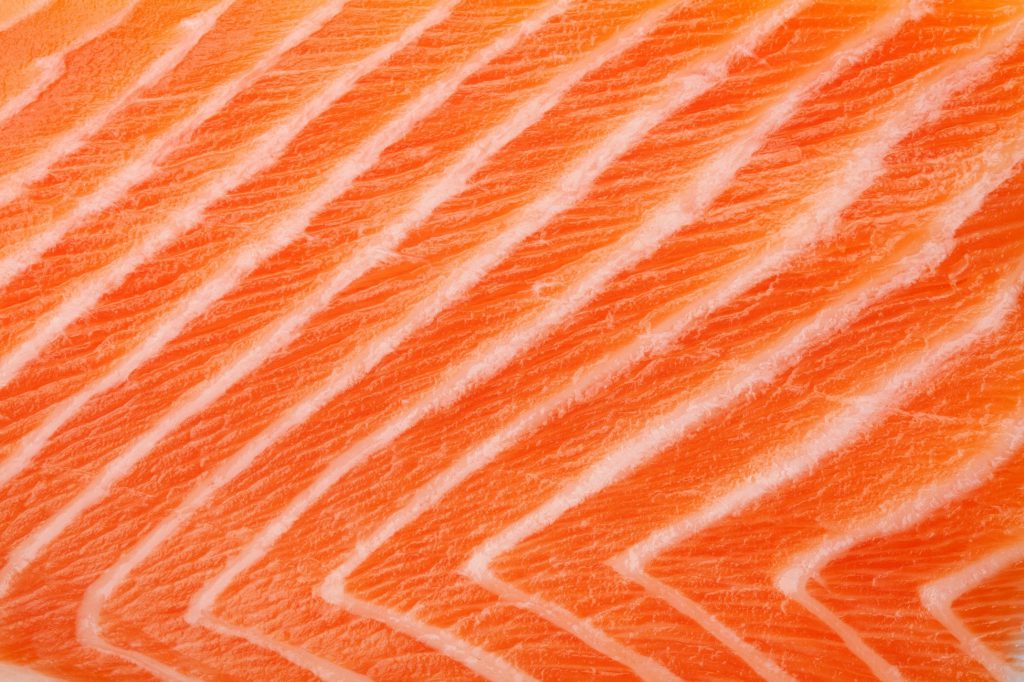
Wild salmon may be white, depending on its diet or ability to process certain pigments. The deep red colour comes from pigments in crustaceans in the salmons’ diet.
Farmed salmon is fed compounds to give it the familiar orange colour. Both of these are additives of sorts but they are unconsciously demanded by consumers through conditioning to recognise colour as a sign of quality.
Turkey deli meat is another example. In the US, to meet shelf life demands, it is often cured with sodium nitrite or natural alternatives for pathogen control.
The resulting turkey deli meat carries a lot of the colour and flavour characteristics of ham, so many times the turkey flavour and appearance need to be built back in. Consumers confronted with whiter turkey deli meat may wonder if it is bleached, or bland in comparison to what they are used to.
Like has been done in recent years in other categories with claims such as “naturally cloudy” in apple juice, “natural sediment may occur” in craft beer or “separation is natural, stir me up” in natural nut butters, we must find ways to reassure consumers who may be surprised by the natural appearance of certain foods.
The Future of ‘Natural’
In short, consumers want it all and they want it now…but they don’t always understand what they are asking for. Science-backed innovation in this novel foods space is ongoing, gaps still exist to allow manufacturers to reduce packaging and maintain quality with naturally-derived processes and ingredients.
Market solutions need to be backed with food safety data and assessed as GRAS (generally recognised as safe) by regional bodies such as EFSA and the FDA for safety of new substances or new proposed uses for currently authorised substances.
As the industry moves towards greater transparency, there is an opportunity for consumer education to ensure products developed meet their unexpected expectations.
To watch our webinar on Clean Label: More Than Ingredients click here.
I often find myself wondering “what difference would personalized nutrition make?” Even if you could tell someone what food is healthy specifically for their genetics or lifestyle, so what? People have known for decades to eat more fruits and vegetables to improve their health, yet most people aren’t doing it. Scientists are debating every day whether the concept of personalized nutrition is even feasible.
Despite this, it almost seems like a topic that nobody can get away from. Media headlines are touting it as the future of nutrition and new start-up companies are creating products claiming to deliver nutrition personalized to measurements taken from blood or stool samples.
However, when I attended the American Society of Nutrition’s annual meeting for 2019 in Baltimore, a session about watermelon juice gave me a reminder: personalized nutrition is exciting, feasible, and it’s coming.
Personalized nutrition is exciting
What if I told you that you could improve your health by drinking watermelon juice every day, but if your friend drank the juice every day, they’d get no benefit?
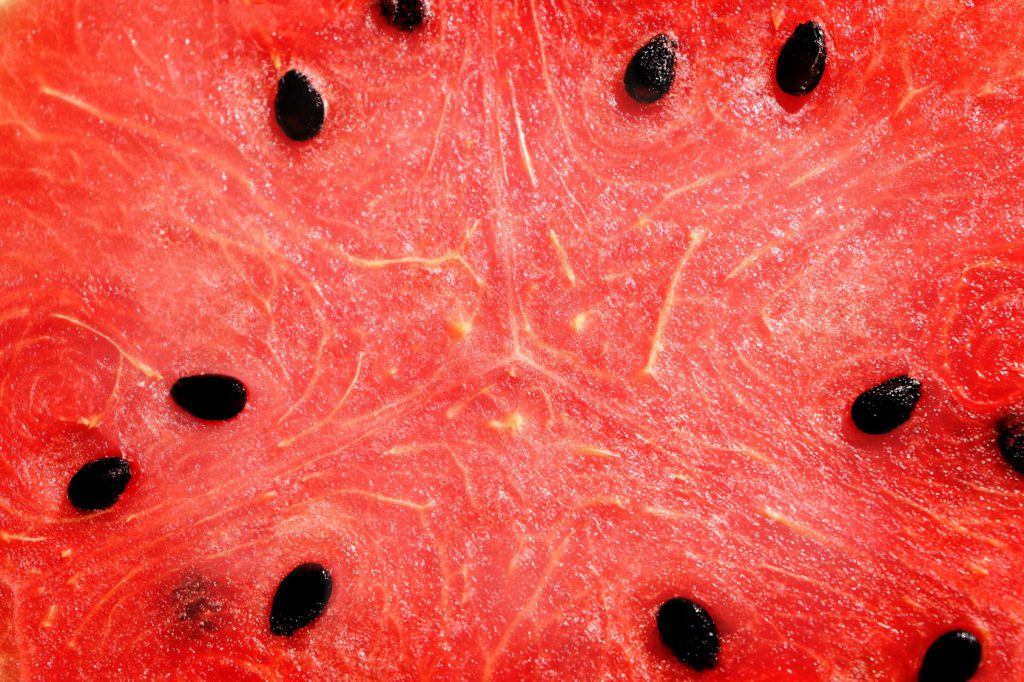
Watermelons are rich in lycopene, an antioxidant possibly linked to heart health and other benefits. A recent study from the University of Alabama showed that watermelon juice was effective at raising lycopene levels in blood, meaning it could be beneficial for health.
In the study, the watermelon juice increased lycopene levels in blood by an average of 7.3 (µmol/L), but the reason personalized nutrition is exciting is what you see when you look at how each individual participant responded to the juice.
There was a wild variation in how well the watermelon juice actually increased lycopene levels in the blood for different particiapnts. For some people, the juice increased lycopene levels by 26 (µmol/L), but for other participants there was no effect at all. The researchers were able to attribute this to variations in genetics between each individual.
Personalized nutrition will help us make dietary recommendations more efficient for each person
Dietitians have been doing personalized nutrition for years: recommending dietary changes based on a specific person’s need states (e.g. heart health, exercise) and behaviors. For example, for heart health, a dietitian might recommend to increase intake of colorful vegetables, whole grains, and fiber, and this would most likely be effective at improving heart health measures.
But what if a dietitian could recommend foods to choose that were twice as effective for that individual’s specific genetics? Instead of ‘eat more fiber’, it’s ‘eat more barley’? This is the future you can see when you look at how different people’s bodies responded to the lycopene in the watermelon juice. You can make dietary recommendations, or tailored foods or beverages, much more effective without requiring any more work on the consumer’s part. It’s likely that someone knowing how effective a treatment will be will make them more likely to adopt and continue healthy behaviors.
It’s not here yet
Despite many companies and products claiming to deliver personalized nutrition solutions, science is still a long ways off from providing a true solution. Libraries will need to be built that link how different genes or microbiomes respond to different foods and nutrients. This is underway, and with fields like metabolomics becoming more efficient, it could come sooner than we think.
In a world that loves sugar’s familiar qualities…where do you start for its successful reduction?
Sugar ranks at the top of the list when it comes to consumer nutrition concerns, but sugar reduction poses a challenge across all product categories.
The responsibility and cost of helping consumers reduce their sugar intake is being pushed onto the food and beverage industry by legislation like sugar taxes.
We look at why so many sugar-reduced products fail. Though consumers cite taste as the biggest driver of their intention to repurchase, we explore other key factors that may stop great-tasting products from getting off the shelf.
Hear from nutrition and applications experts on how to succeed with sugar reduction. Find out what makes healthier products likeable while fitting into labelling and tax legislation across the world.
Bringing together consumer perception research, true nutrition science and practical formulation expertise, you’ll come away with actionable insights, practical examples and industry-relevant solutions for sugar reduction.
What is Soy?
Soy is a plant that originated in Asia and is now grown in many places around the globe.
The plant’s beans (the soybeans) can be eaten on their own (like edamame) or used to make soy foods (like tofu, miso, tempeh, soy milk and soy sauce).
Soy flour and protein are also added to many prepared foods, from breads to breakfast cereals to energy bars.

Soy contains high amounts of isoflavones, which are phytonutrients. Phytonutrients are compounds found in plants that have actions in our body, but are not vitamins or minerals.
Isoflavones belong to a group of substances called phytoestrogens (plant oestrogens). As the name implies, they can have certain actions in our body that are similar to the hormone oestrogen. Because oestrogen can play a role in breast cancer development and survival, there have been many questions raised about the risks and benefits of diets high in soy.
What is the Relationship Between Soy and Development of Breast Cancer?
It is not likely that eating moderate amounts of soy foods increases the risk of breast cancer.
The majority of high-quality studies and analyses have found that eating soy foods does not increase risk, even when eaten at levels much higher than those typically seen in the US (Trock 2006, Wu 2008).
Many studies suggest that soy may help protect against breast cancer (Trock 2006, Wu 2008).
Results from an analysis that combined findings from multiple studies in Asian populations found that soy may have a protective effect on breast cancer incidence.
However, when the same analyses were done in studies of US and other Western populations, there was no link between soy and breast cancer risk (Wu 2013).
It seems the benefit only comes with a pattern of intake that is seen in most Asian countries, where women begin eating soy early in life and eat it in amounts many times greater than typically seen in the US.
In Japan, for example, soy intake ranges from 38 g to around 78 g per day, equivalent to 26 to 54 mg isoflavones. In the US, soy intake ranges from less than 1.5 to 4.3 g per day, or 1 mg to 3 mg isoflavones (Nagata 2010).
As a Breast Cancer Survivor, Is Soy Safe?

Current studies suggest that eating moderate amounts of soy foods is safe for breast cancer survivors (Shu 2009, Cassileth 2012, Nechuta 2012).
Evidence suggests that a diet high in soy may improve survival and lower the risk of recurrence in women with breast cancer.
The benefits don’t appear to be limited to Asian populations, either.
One analysis combined data from three large, long-running studies of survivors from both Asian and Western countries.
It found that women who ate at least 10 mg of soy isoflavones per day after a breast cancer diagnosis had a 25 percent lower risk of recurrence compared to those eating less than 4 mg soy isoflavones per day (Nechuta 2012).
Should Soy Be Part of an Overall Healthy Diet?

Moderate amounts of soy are likely safe to eat and can be part of an overall healthy diet. Soybeans are high in fibre, healthy oils and protein.
Just 100 grams of raw soybean (less than half of a cup) contains 13 grams of protein, 4 grams of dietary fibre, 3 grams of polyunsaturated fatty acids, as well as 20% of our daily value of calcium and iron, 48% of our daily value of vitamin C and 18% of our daily value of potassium (USDA Food Composition Database).
Most of these are nutrients which Americans are encouraged to increase in their diet, solidifying soy’s role in a healthy diet.
Cutting back on animal products by moving toward a more plant-based diet that is rich in fruits, vegetables, whole grain and legumes (like black beans, peanuts and soybeans) has overall health benefits and could also have additional cancer risk reduction benefits.
Soy is one of the few plant protein sources that contains all of the essential amino acids required by our bodies, making it a great candidate to substitute animal products in the diet.
Summary
There’s been a lot of study on a possible link between soy and breast cancer.
Current research suggests that eating soy at higher levels typically seen in Asian countries may be associated with lower risk of breast cancer.
Eating moderate levels of soy may also lower the risk of recurrence and mortality in breast cancer survivors.
In moderation, soy can be part of an overall healthy diet that focuses on more plant-based foods and less red meat.
 In today’s marketplace, consumer demand for dairy-free foods like soy- or nut-based beverages seems ever growing.
Contrary to this movement, the scientific evidence for dairy as a key component of a healthy diet has never been stronger.
Studies continue to show that the quality of dairy milk protein is unrivalled and dairy remains a major source of essential nutrients lacking in many of our diets, such as calcium, potassium and vitamin D.
A recent review paper found that dairy’s rich nutrient content is associated with improved bone, cardiometabolic, cognitive and digestive health (Hess, JM et al. 2016).
Why, then, have we seen consumers shifting away from such a nutrient rich food?
It is difficult to identify one specific reason – trendiness and perceived health benefits of dairy-free diets are certainly two key drivers, but the good news is that it’s not all doom and gloom on the horizon.
According to a report by New Nutrition Business, the future for dairy is positive.
The changing dynamics in the marketplace, combined with continued positive scientific support for dairy, make it a great time to take a closer look into the essential role dairy plays in healthy diets throughout the life cycle.
Dairy’s Role in Health Begins Early in Life
Dairy is often one of the first complimentary foods introduced into the diet in infancy following the period of exclusive breastfeeding, which is globally recommended for at least the first six months of life.
While cow’s milk is not recommended as a beverage until after the child’s first birthday, cheese and yogurt can be included in the child’s first foods.
For more information on getting children to eat those first foods, take a look at our blog on Turning Fussy Young Eaters into Foodies.
The Food and Agriculture Organisation (FAO) of the United Nations notes that the protein, vitamins, minerals and lactose in dairy products help support a child’s growth and development.
Specific dietary guidance for dairy intake in early childhood varies from country to country.
Dietary Guidelines for Americans, for example, recommend 2 – 2.5 cup-equivalents of dairy products per day for children between 2 and 8 years of age.
These dairy products can include milk, fortified soy beverages, yogurt and cheeses, but dairy items low in calcium, such as dairy-based desserts are discouraged.
Most other countries recommend two or more servings for all ages over 2 years. In the event that diet alone does not meet the needs of children, the WHO advises that calcium-fortified foods and nutrient supplementation may help provide adequate amounts of micronutrients.

During adolescence, dairy can provide many nutrients that are critical to support the rapid growth an development of this life stage. For instance, up to 90% of peak bone density is achieved by the time we reach 18-20 years of age.
Sufficient intake of calcium during this time is critical to support this rapid bone growth and may help protect against loss of bone mass and osteoporosis in adulthood.
Dairy products are an important food source because their calcium is more efficiently absorbed than calcium from plant-based foods.
Other important dairy nutrients that support growth and development include protein, phosphorus, potassium, magnesium, zinc and vitamin D.
Not Just For Kids
The calcium and protein combination found in dairy appears to be beneficial all the way into our later years. These nutrients work together to protect aging bones and reduce the risk of fracture.
Dairy effects on bone are particularly strong when adult populations with low daily calcium intake increase dairy consumption.
Sarcopenia, the loss of muscle mass and strength associated with aging, often occurs hand in hand with osteoporosis, where bones become brittle and fragile.
It’s thought that many older adults consume too little protein and that a higher protein intake could reduce the risk of sarcopenia. S
tronger muscles also help protect joints. The protein in dairy products supplies all essential amino acids in a bioavailable and digestible matrix, making it one of the highest quality proteins available.

Metabolic syndrome, the name for a group of conditions, including abdominal obesity, hypertension and hyperglycaemia, is a growing global health threat affecting all life stages.
Several research groups have associated dairy foods, including higher fat items such as whole milk and cheese, with lower risk of abdominal obesity.
Dairy products appear to help lower blood pressure and are a key element of the Dietary Approaches to Stop Hypertension (DASH) diet for preventing and treating hypertension.
This is likely due to the combination of minerals and protein found in dairy. Dairy fats may also support healthy blood cholesterol levels.
Further research is needed to assess the relationship between dairy products and management of blood glucose.
Key Dairy Messages for Consumers
To meet general recommendations for dairy products and their nutrients:
- Aim for at least two daily servings of milk, yogurt, cheese and foods prepared with them. When using dairy substitutes, choose those that are fortified to match the protein, calcium and other nutrients in cow’s milk.
- Opt for dairy products that are low in both added sugars and sugar substitutes. Limit dairy desserts.
- Until the relationship between dairy fat and health is better understood, select mostly lower-fat dairy products.
- When consuming full-fat dairy products, avoid those that do not provide adequate calcium and balance calories by cutting back on saturated fats, solid fats and/or added sugars elsewhere in your diet.

The science supporting the contribution of dairy’s rich nutrient profile to positive health outcomes, combined with dairy’s presence provides a perfect platform for growth in the dairy market in coming years.
Re-imagining traditional dairy products to fit other market trends, such as snacking, is one way the industry may be able to effectively deliver the nutrition of dairy to consumers.
With the inclusion of recommendations for added sugar intake in the Dietary Guidelines for Americans, sugar reduction may also be a critical step in coming years for dairy products in North American markets.
Ultimately, there is room for creativity and innovation in the dairy market horizon and it is essential for us to consider the most effective way to deliver the nutritional benefits of dairy to consumers.