According to the Food and Agriculture Organisation of the United Nations (FAO) an estimated 14% of the world’s food is lost per year between harvest and retail market. Additionally, approximately 17% of this food waste is generated at the retail and consumer levels1.
With an ever-growing population (expected to reach 9.6 billion by 2050), sustainable nutrition solutions to tackle food waste are a necessity. One method being implemented in the food industry is using Food Waste estimators.
These tools are used by food industry leaders to calculate the potential food waste reduction and the nutritional and environmental impact by extending shelf-life of foods.
This raises the question: How do these tools work and how effective are they at reducing food waste? A recent study investigated these tools with promising results.
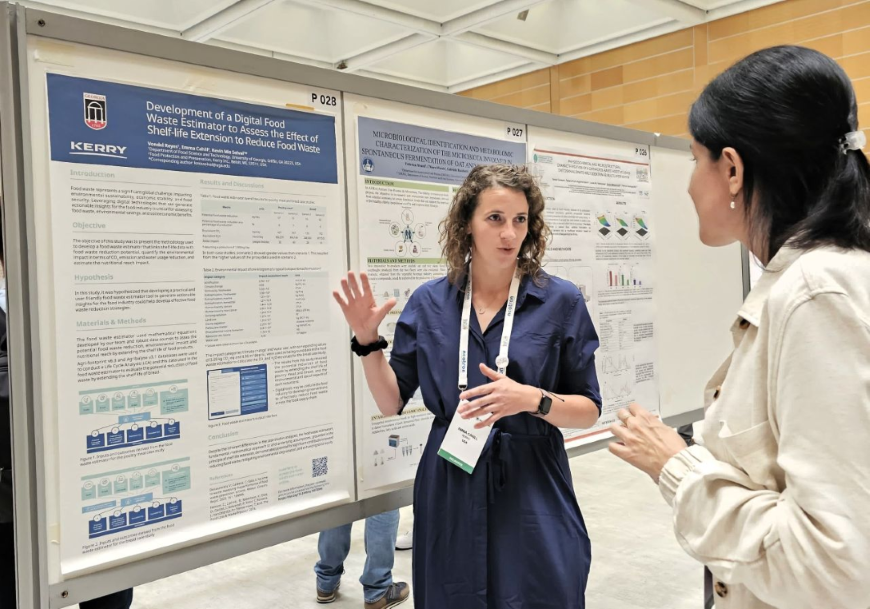
Emma Cahill, MSc, presenting on recent research regarding the use of digital food waste estimators and their impact on shelf-life extension at IUFoST 2024.
What is a Food Waste Estimator and How Does it Work?
A food waste estimator is a digital tool designed to quantify and predict the potential reduction in food waste by analysing the downstream impact of food’s extra shelf-life days.
The goal of developing these food waste estimators is not only to make them accurate, but also user-friendly for ease of use connecting multiple data sources and making it easy to draw actionable conclusions.
These tools typically use data inputs about food category, region, production volumes and current shelf life to model the scale to which extending a product’s shelf life can reduce waste.
By doing so, they offer actionable insights, helping businesses and consumers optimize food use, minimise waste and make more sustainable choices, reducing environmental impacts such as greenhouse gas emissions and water consumption.
How Impactful are These Food Waste Estimators?
In a recent study conducted by the Department of Food Science and Technology at the University of Georgia (in collaboration with Kerry, Inc.), researchers investigated the use of a food waste estimator and the outcomes of its use2.
The objective of this study was to present the methodology used to develop a food waste estimator that links shelf-life data with food waste reduction potential, quantify the environmental impact in terms of CO2 emission and water usage reduction, and estimate the nutritional reach impact. The study analysed two case studies.
Case study 1 – Poultry Farming
With poultry being one of the most widely consumed meats in the world (~140 million tons per year), the study selected poultry as one model to demonstrate the effectiveness of the food waste estimator.
The scenarios evaluated the percentage of product that goes to waste when known (scenario 1) and unknown (scenario 2). Assuming 1,000 kg/day production rate and using a product shelf-life of 25 days with poultry produced in Europe, the study evaluated the potential for food waste reduction by extending the shelf-life.
Figure 1 – Inputs and outcomes derived from waste estimator for poultry.
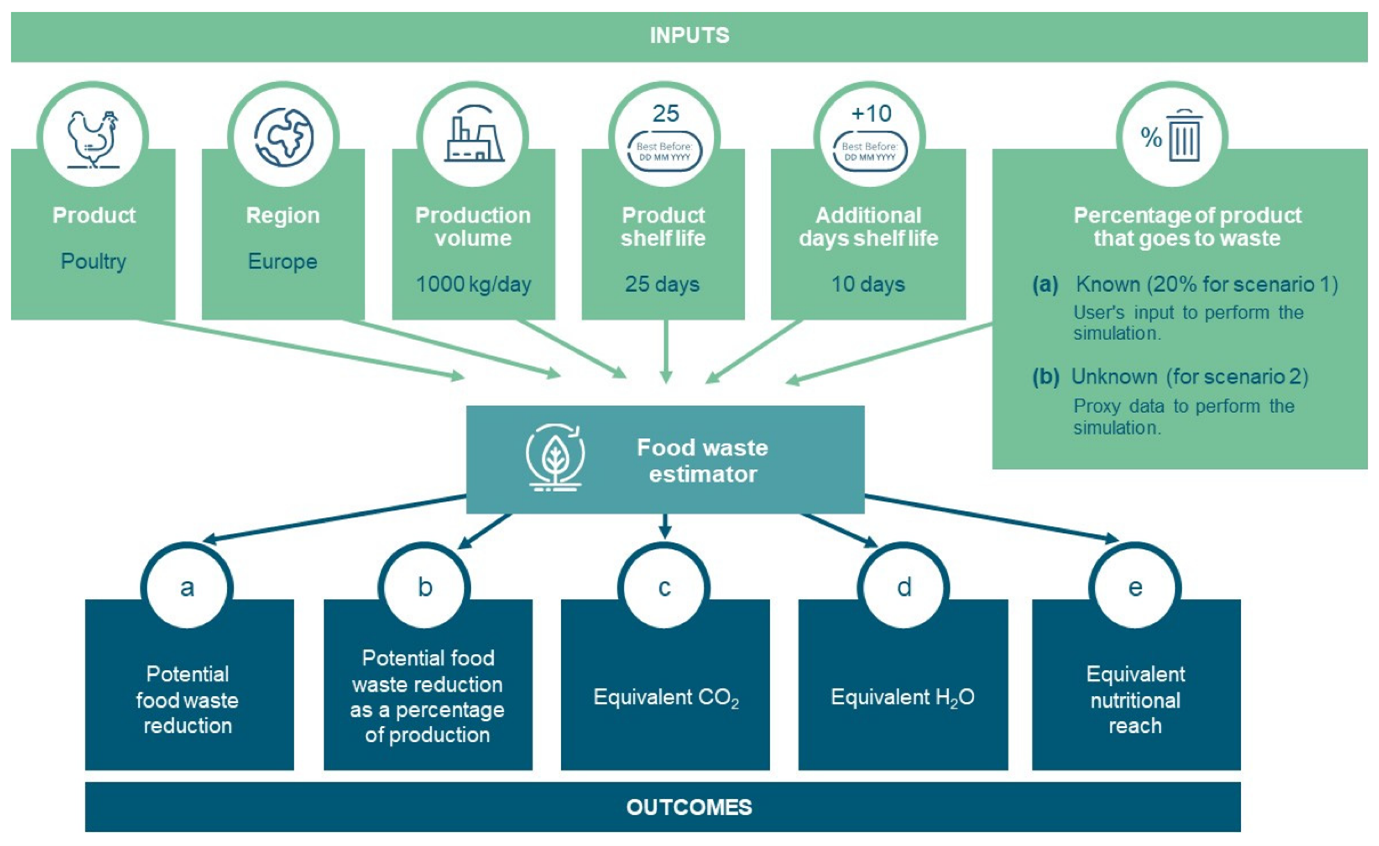
In scenario 1, assuming an extended shelf life of poultry meat by ten days (40% shelf-life extension) with 20% of the product going to waste, it was discovered that it is possible to achieve a potential reduction in waste volume of 57 kg/day (at a production scale of 1000 kg/day).
That quantity of 57 kg corresponds to a reduction of 6% in the total volume of poultry meat production per day, specific to food waste.
In terms of environmental impact, a daily emission of 457 kg of carbon dioxide (CO2) emissions and a daily consumption of 656,571 L of water would be avoided. Lastly, the social impact of prolonging the poultry meat’s shelf life by ten days would be that 32 people could be fed per day.
In scenario 2, where the amount of product that goes to waste across the stages of the supply chain is unknown, extending the shelf life of poultry meat by 40% (ten days) saw a potential volume waste reduction of 71 kg/day of poultry meat.
This corresponds to 7% of food waste that would be reduced from the total volume production of poultry meat in a single day. Regarding environmental impact, an emission of 567 kg of CO2 and a consumption of 814,149 L of water would be avoided.
Finally, the social benefit of extending the poultry meat product’s shelf life by two days would be that 40 people could be fed per day.
Case Study 2 – Bread Manufacturing
Researchers also evaluated bread in the food waste estimator due to it being a staple food consumed daily in many countries globally and due it being regarded as a significant source of nutrients.
Similar to the Poultry case study, bread was evaluated in two scenarios where the food going to waste was known and unknown. The bread was again assumed to be produced Europe at a rate of 1,000 kg per day with a 5-day shelf-life.
Figure 2- Inputs and outcomes derived from the food waste estimator for the bread case study.
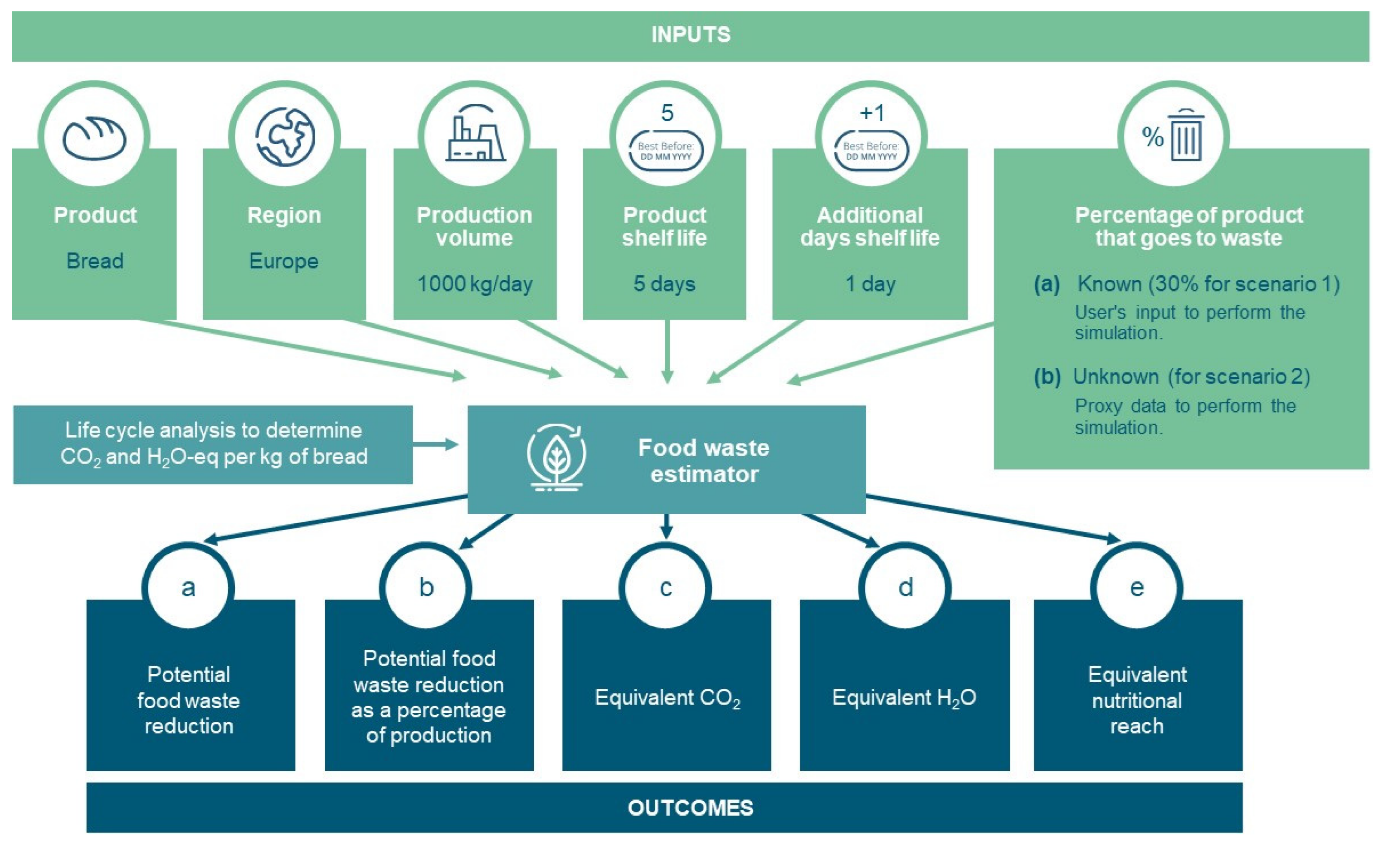
In scenario 1, the product going to waste was known to be 30%. This was based on information from FAO where it was reported that the average global waste of bread was 29.1%.
Based on the food waste estimator, it was determined that there was a 5% reduction in waste when increasing the shelf-life by 1 day (or 20%) while resulting in the avoidance of 155 kg of CO2 emission and the consumption of 248,000 L of water. This in turn could potentially feed 28 individuals per day.
In scenario 2, where the waste was considered to be unknown, again by increasing the shelf-life by just 1 day saw a 7% reduction in waste and reduction in 192 kg of CO2 emission and 307,520 L of water consumption.
Outcomes
It was found that tools like the food waste estimator studied could provide valid indicative comparisons of the downstream food waste impact of shelf-life extension, whether based on own-data or market estimates.
These insights can be used for project valuation and prioritisation by the food and beverage industry and effectively link shelf-life extension to downstream food waste reduction.
Conclusion
In the ongoing goals of reducing food waste, extending the shelf-life of food products has rapidly emerged as a powerful to support and promote sustainability.
From this work, it has been demonstrated that food waste calculators play a vital in shelf-life extension strategy, offering insights into reducing food waste, carbon emissions, and water usage.
These cases studies underscore the value of data-driven digital tools used for building more sustainable food systems as well as a future focused on sustainable nutrition.
Ready to eat (RTE) meat products have short shelf lives unless special precautions are taken to maintain and extend their shelf life. They are subject to spoilage by various bacteria that cause organoleptic and eating quality changes that make them unacceptable to consumers.
They are also subject to some pathogenic bacteria that can cause food borne illnesses.
The most prominent is Listeria monocytogenes. This particular organism is found commonly in the environment, but it is eliminated in food processing plants by proper cleaning and sanitation.
Various interventions have been researched over the past 25 years that can reduce the risk of the presence of Listeria in RTE meat products.
The most common methods include the use of various anti-Listeria ingredients, higher levels of sanitation and high-pressure processing (HPP). During HPP, the food product, encased in its package, is subjected to ultra-high pressure for a specific period of time.
The high pressure is sufficient to inactivate various bacteria, including Listeria, without compromising the nutritional value and quality of the food product. The HPP process has been used for many years by several large meat processors in the USA and is a proven non-thermal technology that does not change the ingredient profile of the food product.
Typically, packages of the product are placed into the HPP vessel filled with water where the pressure is increased to about 87,000 psi for around three minutes, then the pressure is released. The whole process including the time to come to pressure, hold and decompress takes approximately 10 minutes per batch.
High Pressure Processing (HPP) is Good, But Has Practical Limitations
There are many aspects of HPP that offer unique benefits through its use. However, its impact of sustainability over ingredient processing could be significant.
Are There Other Options to HPP?
Fortunately, Listeria is sensitive to weak organic acids; consequently, ingredient interventions containing such compounds/chemicals have been found to inhibit the growth of Listeria throughout the whole shelf life of the product, even after package opening.
These weak organic acids include vinegar (acetic acid), potassium and sodium lactate, sodium diacetate and other versions thereof.
Many of these ingredients are produced from various fermentations and result with the inclusion of some anti-Listeria peptides as well. An ingredient solution may also provide a more sustainable solution in the production of RTE meat products compared to HPP for several reasons:
- More sustainable packaging is possible when it does not need to withstand ultra-high pressures.
- Providing some protection post-opening (secondary shelf life) has the potential to reduce food waste.
- More streamlined processing lines and reduced potential for bottlenecks and extra transportation.
- Improved supply chain flexibility for decarbonization.
A unique blend of organic acids and peptides can improve product quality through clean label inhibition of pathogens and spoilage in RTE poultry products. This product can be used in uncured (no added sodium nitrite) and can work in high moisture-containing poultry products.
It results in a more natural colour and flavour and is efficacious against Listeria, Clostridium perfringens and Clostridium botulinum as well as some spoilage organisms. The product is labelled as “buffered vinegar and cultured dextrose” which falls into the more “clean label” category.
It has a less expensive cost-in-use than HPP. Studies at the Food Research Institute (University of Wisconsin) have shown no growth in Listeria for 14 weeks (1) when used in a low sodium turkey product (76% moisture, pH 6.2, 1.55% salt) when used at a rate of 2.0% (Fig. 1).
In addition to Listeria, this combination was successfully able to control resistant lactic acid bacteria in fresh poultry (2) and beef systems (3).
Figure 1: Listeria monocytogenes control with Buffered Vinegar and Cultured Dextrose
HPP’s Impact on Food Waste
In a case study where HPP-processed meat waste volumes were measured in foodservice and retail deli counter environments. The main sources were from damaged packaging and products that were not consumed/sold in the short shelf-life after opening.
The value captured was significant enough to warrant exploring the waste reduction from the secondary shelf-life extension that would occur through the potential replacement of the process with an ingredient-based solution.
Add this to the difference in environmental resources required for the ingredient-based approach versus the energy-intensive process and the impact of the switch became compelling4.
The Kerry Food Waste Estimator was used to give an indication of the volumes of waste that would be reduced downstream through the extra days after opening delivered by the switch.
Conclusions
The old saying that one size does not fit all applies to the different anti-Listeria interventions available to meat processors in the production of RTE meat products. Listeria monocytogenes represents a real threat to the safety of consumers.
This is because of increased monitoring, sanitation and the use of effective antimicrobial interventions. Meat processors have the options of various proven interventions including HPP and various ingredients.
The choice of which to use depends upon the company’s business goals and food safety philosophy. So, one shoe does not fit all sizes.
The plant-based meat and dairy alternative markets are growing and innovating to capitalize on global consumer demands driven by health, wellness, and sustainability interests. Plant-based is no longer a niche market for those with dietary restrictions and as a result, expectation for convenience, taste, quality maintenance and shelf-life are table stakes.
Consumers are thinking about food safety and food waste in plant-based meat alternatives
Consumer concern for food safety has increased, with 60% of consumers saying they are more concerned about food safety due to the COVID-19 pandemic (2021 Kerry Proprietary Insights– Food Safety Fundamentals). Specifically, 49% of consumers are concerned about food safety in plant-based meat alternatives (2021 Kerry Proprietary Insights – Food Safety Fundamentals). Plant-based meat and dairy alternatives topped the list in terms of concerns, outranked only by fresh and processed meat. This increased concern can be attributed to consumer unfamiliarity with plant-based products. Consumers have limited experience with plant-based meat alternatives, which can result in inconsistent quality and taste. Product recalls are another factor with plant-based products, with media publicity raising public awareness and concern.
Sustainability and avoiding artificial preservatives are also top-of-mind when it comes to plant-based products. “No artificial preservatives” is a top claim consumers look for when purchasing plant-based products (Innova 2021). Consumers are paying closer attention to product labels than ever before. In a previous consumer research survey, 64% of plant-based consumers stated they read nutritional labels (Kerry Proprietary Insights 2019 – Meat: The Challenge).
Finding the balance with sustainability (reduced food waste) and ingredients that align with consumer’s health and wellness goals can be challenging. Now is the time for plant-based producers to rise to this challenge as increased market growth continues.
Plant-based meat alternatives have different food safety challenges than meat and require different solutions
Extensive food safety data, shelf-life data, and predictive models for food protection exist for meat and poultry products, but the same cannot be said for novel plant-based foods. It’s important to understand the technical challenges to formulate safe and quality plant-based meat alternatives. These technical challenges and considerations can include:
- Plant-based ingredients have different levels and forms of macronutrients (carbohydrate, fat, protein) than their animal counterparts. For instance, the primary carbohydrate in milk is lactose, in meat it’s glycogen, and in pea, soy, and mushroom it’s various starches and oligosaccharides. This can lead to variation in the types and resultant levels of microorganisms able to thrive in the product. This means that threshold levels for what is considered “spoilage” (e.g. 106 CFU/g) traditionally agreed upon for meat and poultry products may not be appropriate for plant-based products. In a survey of commercially available U.S. plant-based meats, starting bacterial populations varied from non-detectable to >107 CFU/g at the time of purchase (Stafl 2020). This level of variability between products is significant and further emphasizes that there is more we need to understand about these products.
 The array of ingredients used in plant-based foods can bring different microbial loads. Plant-based products typically have higher diversity in their ingredient lists than animal products, which consist mainly of one major raw ingredient (e.g. milk, beef). Including ingredients with high microbial loads (e.g. yeast extract, spices) to mimic meat flavor can introduce different bacteria into plant-based meat alternatives than those traditionally found in animal products.
- The U.S. regulatory bodies governing plant-based foods and animal-based meats differ (FDA and USDA, respectively). With the FDA, a minimum cooking temperature of 135°F is suggested. For animal-based meats, the USDA recommends a minimum cooking temperature of 160°F for beef products and 165°F for poultry products. This could lead to confusion or inconsistent “best practices” being carried into consumer homes, with some consumers treating plant-based meats like meat and some like other foods. Manufacturers must therefore educate on what “best practice” is for their protein. Cooking to temperatures 145-165°F was shown to kill Gram-positive and Gram-negative pathogens at equal rates in beef- and plant-based burgers, suggesting cooking guidance for animal products could be applicable to plant-based analogs.
- Many legacy technologies (curing, smoking, carcass washing, fermentation) used by meat and poultry processors have not been vetted or are non-transferrable to plant-based meat alternatives. Nevertheless, some learnings from meat can be applied to their plant-based counterparts. For example, ground or ground/formed products (i.e. products with additional handling) will have higher microbial counts than “whole muscle” products.
From an industry perspective, ingredient suppliers are often testing antimicrobial ingredient efficacy and product shelf-life in a lab environment which may not correctly mimic the specific production environment factors that are impacting a plant-based meat alternative’s ability to meet its shelf-life and safety goals. This means that microorganisms impacting the antimicrobial ingredient efficacy and plant-based shelf life may differ from findings based on lab or pilot-plant produced product trials. Product manufactures should consider testing in their production environment early in the product development process.
Learn more about unique food protection challenges and solutions for plant-based foods in our webinar Reducing Food Waste: Optimising Safety and Sustainability
The solution is an integrated approach
Taking an integrated approach to food protection in plant-based products is critical as these products continue to become mainstream. A science-backed approach to formulation with application and substrate-specific hurdles to avoid early spoilage and food safety risks is key as consumers demand quality and convenience.
This means understanding the specific microbes a plant-based meat is exposed to from ingredients or during production, the packaging used for a specific product and how well it offers shelf life protection, and selecting the appropriate ingredients that can solve these unique challenges.
Ensuring food safety is at the core of new product development will always be in the consumer’s best interest and will lend well to market success for plant-based meat manufacturers.
Food Protection is Key to a Sustainable Future
Food protection and sustainability go hand-in-hand, and audacious innovation is key to minimizing food waste.
A staggering one-third of food is wasted at an annual cost of $940bn to the global economy. The number of people chronically under-nourished in 2019 is almost 690 million and this figure is set to be much higher in 2020¹.
Distribution limitations, food safety and quality issues, along with misconceptions over when food is spoiled contribute to inefficiencies & food loss. The COVID pandemic heightened awareness of the complex nature of our global food supply chain.
Consumers are also becoming increasingly aware of the environmental and societal impact of the origin of their food, driving a desire for more sustainable choices.
Food manufacturers are increasingly looking to protective ingredient solutions to enhance safety, extend shelf life as well as help achieve their food waste reduction goals.
Food protection strategies and mechanisms differ by food type, stage in the manufacturing process or supply chain as well as conformance to regulatory requirements.
In this webinar, our experts explore ways to reduce waste, prioritise food safety & quality while addressing consumer demands for sustainable food choices.
Key Takeaways from the full-length webinar recording
- Where food is lost and wasted?
- How to reduce food waste and maintain food safety & quality
- Prevention strategies against pathogenic contamination of food, the top reason for food recalls
- The future of sustainable food
Conscious consumers want to feel that a food or beverage aligns with their beliefs, which has led to a push for claims like ‘free from artificial colors or preservatives’, ‘organic’, and ‘made with natural ingredients’.
Consumers who seek foods that they perceive as natural and healthy don’t offer the industry a consistent definition of what they accept on product labels – simply put, they expect food as it should be.
Consumer research helps us to group the main categories of what consumers are looking for when it comes to ‘clean label’, trustworthy foods: ingredients, nutrition and sustainability. 84% of American consumers are seeking more natural and less processed foods.
At the same time, foodborne illness is the #1 food safety concern for consumers, rising above issues like chemicals or food additives (International Food Information Council, 2019), so as the food industry tries to meet these demands, they are faced with the challenge of finding the balance between convenience and safety, while also offering foods that are as close to homemade as possible.
When we decode consumer demands, we may find ourselves layering in challenges that consumers care about, but have not even considered.
For example, natural foods create challenges surrounding:
- Food waste
- Food safety
- Food appearance
Balancing Food Waste and the Movement Towards Natural Foods
Natural homemade foods made with locally-sourced kitchen cupboard ingredients are the standard narrative targeted by many consumers – unfortunately they have a very short shelf-life.
Consider a homemade loaf of brown bread, it typically becomes stale within a few days and may develop mould within a week. The perceived premium homemade quality helps offset the limited shelf-life, making its freshness part of its appeal.
However, the short lifespan of homemade foods can sometimes create a sense of obligation to eat them before they spoil rather than simply enjoying them.
The same emotional consumer journey does not translate for purchased food with natural positioning, which usually comes at a premium.
When the consumer realises that the shelf life of natural food is inconvenient and doesn’t fit into their busy lifestyle, there is a negative association with the money wasted and the pressure not to let the product go to food waste.
The intent to repurchase is diminished due to the inconvenience of wasting a premium food product or having to shop more often to accommodate a product’s short shelf life. One-third of food globally goes to waste and this rises to 40% in North America.

Consider store-bought bread. Across the US and Europe, bread has the highest volume of waste but is generally a low value product.
The solution is to look to naturally-derived methods of maintaining shelf life that meet consumers’ label and ingredient expectations that can be scaled up to create commercial solutions. Like adding lemon juice to fruit salad or rinsing fresh berries in vinegar, a combination of traditional methods and scientific studies can be used to solve these challenges. In bread for example, sourdough (fermented wheat flour) is an authentic shelf life solution.
The Food Safety Problem
The number one claim in new product launches across many categories is “No Additives/Preservatives”(Mintel GNPD).
Consumers want ingredients which they can understand and trust, but at the same time hold food safety as a top priority.
In the meat category for example, there is a distinction between fresh meat whose appearance and freshness is key and which must be handled and cooked correctly by the consumer.
Consumers will scrutinise the source, freshness and appearance of fresh meat more than any other category.
Processed meats are highly regulated by bodies such as USDA for pathogen control to ensure food safety over shelf-life.
As consumers reject traditional preservatives, the industry must look to nature for solutions that help them to meet consumer demands without compromising food safety.
Consumers are not willing to risk their family’s safety by feeding them preservatives, but equally, they are not willing to risk food poisoning for the same cause…

We see that meat brands who can find the balance with the removal of artificial preservatives but meet consumer shelf-life and federal food safety regulations see growth in an otherwise stagnant market.
With a range of natural shelf life options such as extracts, fermented vegetable juices, functional flavours and vinegar becoming more accessible globally and being backed by challenge and shelf life studies, there are options for brands looking to reformulate for health and wellness.
For more information on how these solutions work, read the article Fermented Ingredients for Natural Preservation.
The Aesthetics of ‘Natural’ Food
Consumer awareness of the natural appearance of certain foods can vary by region and education. For example, tarama (a Greek meze made from fish roe) is naturally beige/grey, but the French market has been conditioned for it to appear pink as a sign of quality.
When confronted with the highest quality natural product, consumers are concerned that it has spoiled due to the unfamiliar colour.
Wild salmon may be white, depending on its diet or ability to process certain pigments. The deep red colour comes from pigments in crustaceans in the salmons’ diet.
Farmed salmon is fed compounds to give it the familiar orange colour. Both of these are additives of sorts but they are unconsciously demanded by consumers through conditioning to recognise colour as a sign of quality.
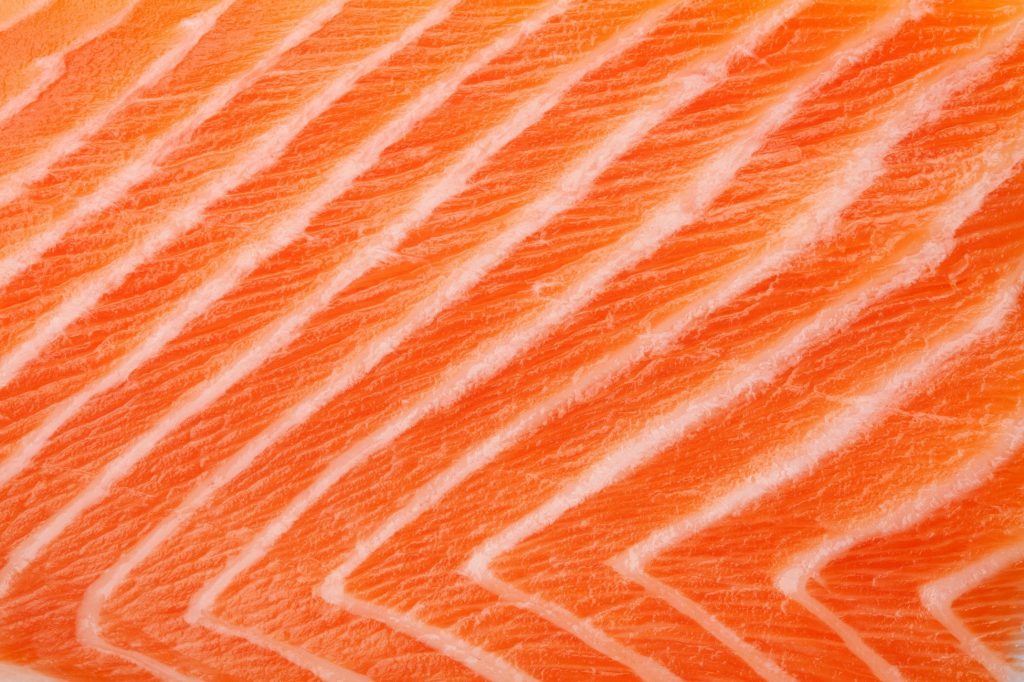
Turkey deli meat is another example. In the US, to meet shelf life demands, it is often cured with sodium nitrite or natural alternatives for pathogen control.
The resulting turkey deli meat carries a lot of the colour and flavour characteristics of ham, so many times the turkey flavour and appearance need to be built back in. Consumers confronted with whiter turkey deli meat may wonder if it is bleached, or bland in comparison to what they are used to.
Like has been done in recent years in other categories with claims such as “naturally cloudy” in apple juice, “natural sediment may occur” in craft beer or “separation is natural, stir me up” in natural nut butters, we must find ways to reassure consumers who may be surprised by the natural appearance of certain foods.
The Future of ‘Natural’
In short, consumers want it all and they want it now…but they don’t always understand what they are asking for. Science-backed innovation in this novel foods space is ongoing, gaps still exist to allow manufacturers to reduce packaging and maintain quality with naturally-derived processes and ingredients.
Market solutions need to be backed with food safety data and assessed as GRAS (generally recognised as safe) by regional bodies such as EFSA and the FDA for safety of new substances or new proposed uses for currently authorised substances.
As the industry moves towards greater transparency, there is an opportunity for consumer education to ensure products developed meet their unexpected expectations.
To watch our webinar on Clean Label: More Than Ingredients click here.