Vitamin A is more frequently associated with vision but it plays multiple roles in supporting the immune system, including: maintaining the integrity of skin and mucosal barriers that protect from pathogen invasion. supporting the innate (general) immune system (e.g. regulating Natural Killer (NK) cell production, supporting phagocytic activity of macrophages). supporting the adaptive (specialised) immune… Read more »
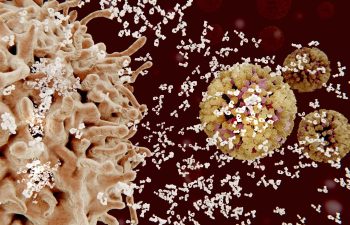
Immune Health
Empower your immune system with nutrition that works. This section covers the nutrients, foods, and lifestyle habits that enhance immune function. From vitamins and minerals to immune-supporting ingredients, find our more how your nutrition and diet helps keep your body’s defences strong.
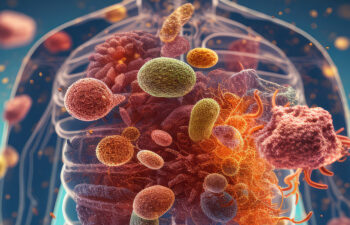
The Gut Microbiota The ‘gut microbiota’ refers to the microorganisms (which may include bacteria, fungi and viruses) living in our intestines and they play a vital role in gut health and the management of several gastrointestinal disorders. The term ‘microbiome’ refers to both microorganisms along with their collective genomes and metabolites (the molecules they produce)… Read more »
Early human microbiome studies overlooked the mammary glands, but in 2000 the discovery of lactobacilli in healthy breast milk shifted scientific attention towards Human Milk Probiotics (HMPs) and their benefits on maternal and infant health. HMPs are the live beneficial bacteria that are naturally present in breast milk. Over the past number of years, HMPs… Read more »
Amla, also known as Phyllanthus emblica Linn (Euphorbiaceae family) or the Indian gooseberry is referred to as balakka, kimalaka, kemlaka, kemloko, or malaka in Indonesia. The plant has thirteen synonyms listed in the World Flora Online database. This plant has been revered for centuries in the traditional medicine systems of Southern Asia, such as Ayurveda,… Read more »
Deep dive into the world of biotics and the microbiome. This webinar looks to explore the science behind postbiotics, along with the potential role postbiotics can play as a vehicle to meet consumer needs in not only digestive health, but beyond this to other areas of consumer interest, such as immune and cognitive… Read more »

Almost 100 years ago when childhood mortality due to infectious disease was high, Dr. Carl Naslund noticed that Swedish children who received a tuberculosis vaccine not only were protected from tuberculosis but were three times less likely to succumb to any disease compared with children who were not vaccinated. Decades later, this observation was noticed… Read more »

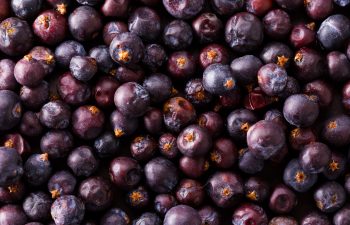
The Elderberry Market In the wake of the COVID-19 pandemic, ‘natural’ proactive and immune health solutions have been highlighted as a growing area of consumer interest, with over half of global consumers outlining a willingness to use supplements if they had a greater understanding about the ingredients those supplements contain (1). As consumers continue to… Read more »
A postbiotic is defined as a “preparation of inanimate microorganisms and/or their components that confers a health benefit on the host”. Emerging science on postbiotics is showing a role in digestive health and even mood for humans, as well as the potential to improve the safety and efficiency of our food supply by improving animal health.
Immunomodulators often come up in online searches about immunity’s link with food and nutrition, but what are they? In this article, Sonja Nodland, PhD provides examples of immunomodulators found in food and describes the science of how they work.
The boom in microbiome research in recent years has led to a greater understanding of how we interact with the microbes that live in the human body. It has also brought a multitude of different ways to manipulate the microbiome to improve health along with it, including probiotics, prebiotics, and now the postbiotics. Probiotics are… Read more »
A resource providing antioxidant content for over 3000 foods and beverages is only becoming more relevant with time. Antioxidants continue to be a hot topic in nutrition science and with consumers. Research studies have shown potential roles of antioxidants in improving cardiovascular health, cognitive health, and exercise performance, to name a few. As demand for… Read more »

The benefits of probiotics may extend to improving quality of life for allergy sufferers.
Food choices and eating habits have changed dramatically around the world over the past fifty years. Our diets have been influenced by a range of factors; technologies in our kitchen, modes of transport supplying our shops, media, government as well as trade and migration.
This webinar takes a full view of the immune health space including a look at the market and consumer demand and how nutrition can play a key role in immune health.