Food allergy is a significant public health issue worldwide. Every three minutes, a food allergy reaction sends someone to the emergency room in the U.S.. About 17 million Europeans suffer from food allergies, with 3.5 million of them less than 25 years of age. The number of children with allergies has doubled in the last ten years in Europe, and visits to emergency room have increased seven-fold.

What are food allergies?
A food allergy happens when the immune system attacks harmless proteins in foods. Unlike a food allergy, an intolerance does not involve the immune system. It is a problem that affects people who have trouble digesting certain ingredients in foods. Lactose intolerance, a problem digesting milk sugar, is the most common intolerance. It is caused by a deficiency of lactase enzyme, which digests lactose sugar, and typically has less severe symptoms than a food allergy.
Food allergies can be fatal. An allergic reaction to food can affect the skin, the gastrointestinal tract, the respiratory tract and, in the most serious cases, the cardiovascular system. Reactions can range from mild to severe, including the potentially lifethreatening condition anaphylaxis. Certain foods are more likely to cause dangerous reactions. For example, peanut, tree nut, shellfish, and fish allergies are usually more severe than fruit or vegetable allergies. Severity may be related to the amount eaten, with more dangerous symptoms following a larger amount ingested.
A person can develop a food allergy at any age. However, food allergies most often develop in infancy and childhood. Genetic predisposition (allergies running in families) and environmental factors (exposure to foods, components of the diet, and other factors) play a role.
Any food can cause food allergies. Over 170 have been noted to cause reaction. We hear so much about peanut allergy because it is widespread and usually persistent, and it accounts for most of the reported fatal reactions to foods. Peanuts, tree nuts, fish and shellfish cause the majority of allergic reactions in adults. In children 90% of the reactions are caused by cow’s milk, chicken’s eggs, wheat, peanuts, tree nuts and soybean protein.

Symptoms of allergic reactions
Mild to moderate
- Hives
- Redness of the skin near mouth and eyes
- Itchy mouth or ear canal
- Nausea, vomiting, or stomach pain
- Sneezing or a dry cough
Severe
- Trouble swallowing
- Shortness of breath, wheezing
- Feeling faint or passing out
- Chest pain
Food allergy labelling around the world
As the current treatment for food allergy involves dietary exclusion of the problem food, information for food‐allergic consumers provided on food labels about the nature of allergenic ingredients is important for the management of their condition. Consumers with food allergies and food intolerances rely on food labelling to enable them to make informed choices about the foods they eat.
A number of countries and regulatory bodies have recognized the importance of providing this information by enacting laws, regulations or standards for food allergen labelling of “priority allergens”. However, different governments and organizations have undertaken different approaches in identifying these “priority allergens” and in designing labelling declaration regulatory frameworks. Increasing volumes of international food trade suggests that there would be value in supporting sensitive consumers by harmonizing (to the extent possible) these regulatory frameworks. The foods that are currently identified as priority allergens in different regulatory frameworks are shown in the table below.
Food labelling information is vitally important for those individuals who have food allergies to enable them to make informed choices about the foods they eat. Differences in the patterns of sensitivity country to country make it unlikely that a single list of allergens will be appropriate for all jurisdictions.
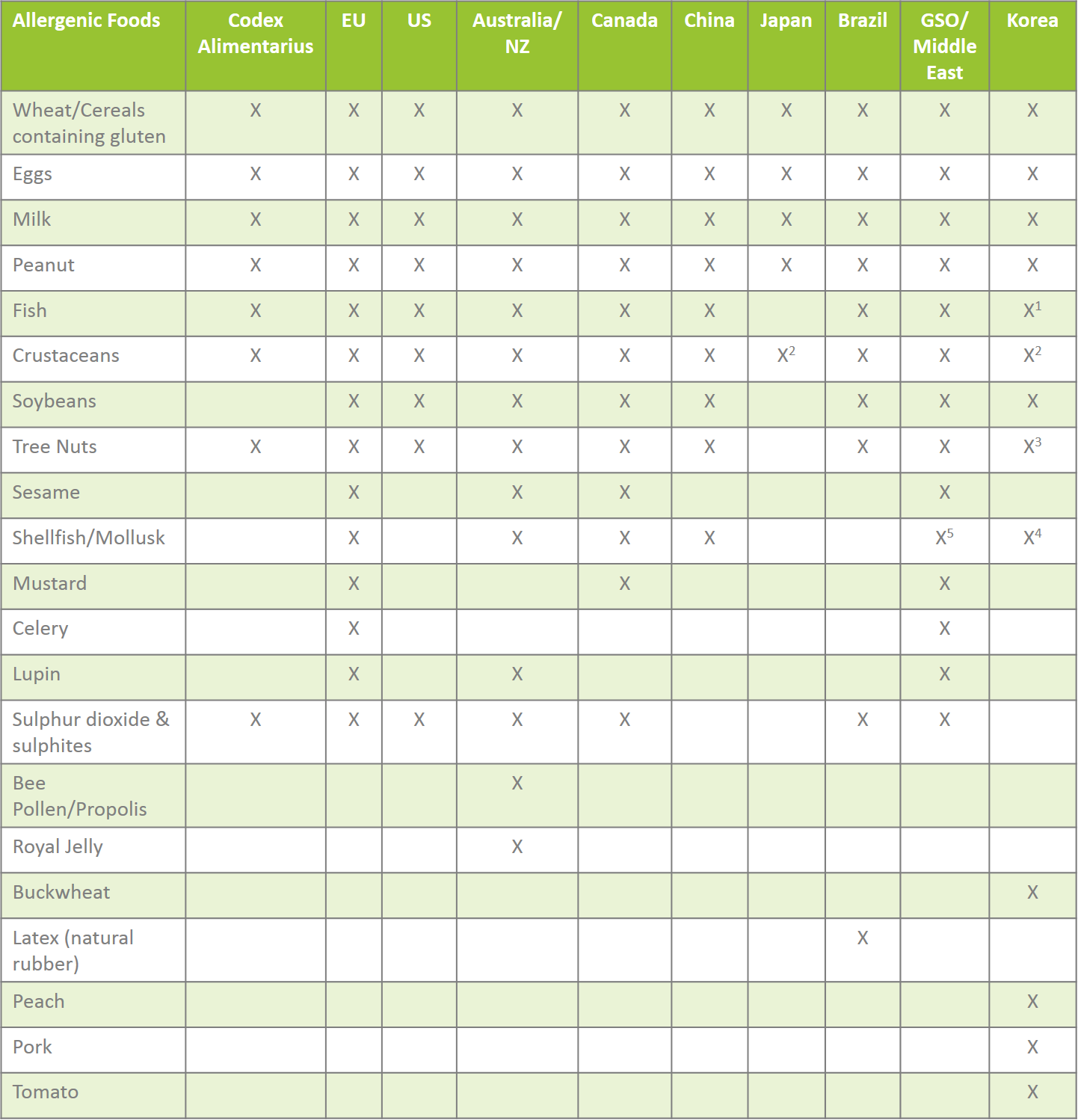
1 Mackerel is the only fish listed.
2 Crab, shrimp, prawn are the only crustaceans listed.
3 Walnut is the only tree nut listed.
4 Squid, clam, oyster, abalone, mussel.
5 Clams.
6 For Canada – directly added or ≥10 mg/kg; For Brazil – no limit; Others ≥10 mg/kg.
New research studies show that rising carbon levels may impact the nutrition of crops globally.
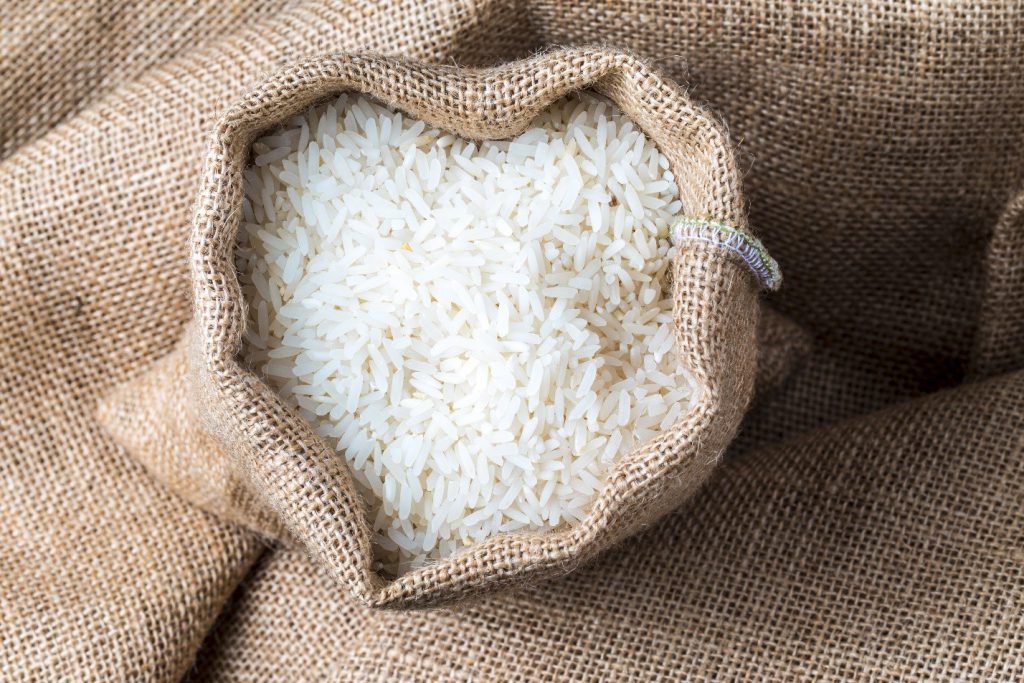
Carbon dioxide is one of just a few resources plants need to grow, along with water and sunlight. As CO2 levels increase in our atmosphere due to global warming, plants will see an abundance of this resource, which can have an impact on how plants grow.
A recent study in the journal Environmental Health Perspective found that rising CO2 levels lead to a decrease in protein content of crops like wheat and rice, which use a type of photosynthesis that is impacted by elevated CO2 levels. Protein deficiency is one of the most common deficiencies in the world, so this decrease in protein content could be especially concerning on developing countries where the bulk of protein intake comes from staple crops like wheat or rice. The study found that protein content of crops which use alternative photosynthesis, like legumes, maize, and sorghum, were not impacted by the elevated CO2 levels, meaning the effects of elevated CO2 levels could be specific to different countries based on which staple crop is most commonly eaten.
Another study in the journal GeoHealth found that elevated CO2 levels can also impact iron content of crops. This impact was seen across many different crops, unlike the protein findings above, meaning the decrease in iron intake would not be isolated to specific countries.Iron deficiency is the most common micronutrient deficiency worldwide, and can have severe impacts on health, so a decrease in iron content of staple crops could lead to even more individuals being put at risk for deficiency.
These findings could have implications for nutrition and may suggest fortification strategies may need to change in the future.