These changes, which include stricter limits on added sugars and sodium and an emphasis on whole grains and locally sourced foods, require manufacturers to adapt their product formulations to meet these new standards.

The decisions made by the USDA on Child Nutrition Programs focus on improving child health through nutritious school meals and addressing challenges such as added sugars, sodium levels, whole grains and procurement of American-grown foods.
Added Sugars and Sodium Limits
USDA has introduced a gradual, multi-year approach to limit added sugars in high-sugar products like grain-based desserts, breakfast cereals, yogurt and flavoured milk.
By School Year (SY) 2027-2028, the limit will ensure that no more than 10% of calories per meal come from added sugars.
Sodium limits will also be gradually reduced over several years, with a focus being packaged meats and meals. By SY 2027-2028, schools will implement a 10% reduction for breakfast and a 15% reduction for lunch1,2.
Whole Grains and Flavoured Milk
Schools are required to ensure that 80% of weekly grains are primarily whole grain, but they can occasionally offer non-whole, enriched grain foods.
Flavoured milk is allowed for all K-12 grades, with proposed changes that may limit it to certain grade levels. USDA is seeking public input on this matter3.
Flexible Meal Planning and Traditional Foods
The proposed rule allows more flexibility at breakfast by including meats and meat alternates such as yogurt, eggs or tofu. It also supports more culturally inclusive meals, including traditional Indigenous foods.
A significant financial investment in the Healthy Meals Incentives initiative, with $100 million dedicated to improving the nutritional quality of school meals, is also part of the changes1,4.
Supporting Local Foods and Schools
The USDA is providing nearly $1 billion to support schools in purchasing American-grown foods for their meal programs, aiming to ease procurement challenges and encourage the use of locally grown products.
The Keep Kids Fed Act, which was signed into law, also provides extra resources to schools, summer meal sites and childcare food programs to address high food costs and supply chain disruptions4.

Why are these Changes Happening?
These updates to school nutrition standards aim to align with international practices by limiting added sugars and reducing sodium content.
For instance, the new regulations will cap added sugars at 10% of total caloric intake by 2027 and implement a 10% reduction in sodium for breakfast and 15% for lunch by the same year.
These standards resemble approaches in countries like the UK and Canada, where similar limits on sugars and sodium have been implemented to combat rising concerns about childhood obesity and health1,4.
In the UK, the School Food Standards require that high-quality meat, poultry, or oily fish are provided and limits are set on the amount of sugar and fats available in school meals.
Meanwhile, Canada’s guidelines focus on providing meals rich in fruits, vegetables and whole grains while minimising processed sugars and sodium, aiming to foster healthier eating habits among children5.
These international approaches underline a common global trend towards enhancing children’s health through better nutrition standards in schools, emphasising reduced sugar and sodium while promoting whole grains and locally sourced foods.
This convergence suggests a growing recognition of the importance of healthy school meals as a foundation for lifelong healthy eating habits.
What does this Mean for the Industry?
For food manufacturers, these changes mean investing in research and development to reduce the sugar and sodium content of their products without compromising taste or texture.
For example, the new rules set limits on added sugars in flavoured milks, a popular item in school cafeterias, which will push dairy processors to innovate lower-sugar formulations that still appeal to children1.
Similarly, with sodium reduction targets set for the coming years, manufacturers of processed foods products such as bread rolls, meats, packaged products, etc. typically used in school meals will need to find ways to maintain flavour while reducing salt content.
Additionally, the emphasis on locally sourced and unprocessed agricultural products opens new markets for local farmers and producers but poses challenges for larger, national manufacturers who may need to adjust their supply chains to meet local sourcing requirements.
This could mean forming new partnerships with local farmers or investing in local production facilities1,4.
These changes not only reflect an increased focus on health and nutrition in school meals but also represent a growing consumer demand for healthier, locally sourced foods across the market.
Food manufacturers who successfully adapt to these standards can not only continue to serve the school meals market but also leverage their innovations to cater to broader consumer trends towards healthier eating.
School lunches are a vital source of nutrition for children from low‑income families worldwide, and milk can be an important component of this support.
Milk provides high‑quality protein for growth, along with calcium for bone development, B vitamins, and vitamin A for eye health. However, ensuring access to safe milk in school lunches—particularly in developing countries—can be difficult. When milk is unsafe, children cannot benefit from its nutritional value.
Honduras is one of the poorest countries in Latin America, where one in four children suffer chronic malnutrition. Recurrent natural disasters and a susceptibility to the effects of climate change contribute to food insecurity. Weather extremes such as prolonged drought and hurricanes severely affect the ability of subsistence farmers to produce enough food to feed their families.
Project Leche was a pioneering 2017-2020 partnership between Kerry Group and the United Nations World Food Programme (WFP) focused on improving school meals in Honduras by integrating sustainably produced dairy, enhancing local dairy farming, and boosting community incomes.
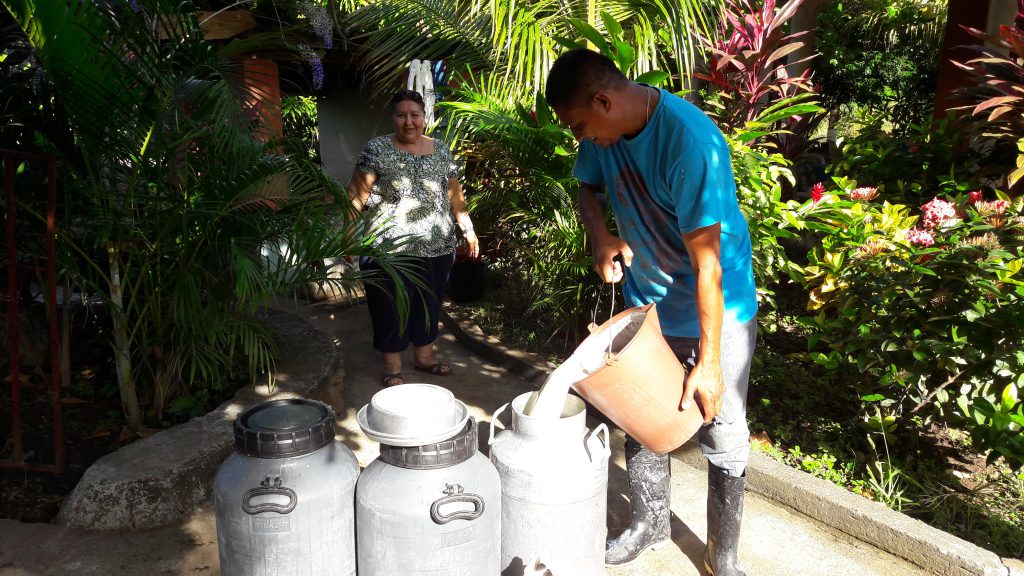
Kerry shared expertise in dairy, nutrition, and processing, helping create a safer milk supply and supporting WFP’s Home Grown School Meals (HGSM) program to combat malnutrition and build economic resilience.
To promote good practice at farm level, a peer-to-peer learning model was established similar to that used among Kerry’s own milk suppliers in Ireland.
In essence, “Project Leche” was Kerry’s initial flagship project with WFP, demonstrating how expertise in dairy and nutrition can support food security and economic development in vulnerable communities, a model continued in subsequent projects like Amata
In essence, Project Leche was Kerry’s initial flagship project with WFP, demonstrating how expertise in dairy and nutrition can support food security and economic development in vulnerable communities. This program later evolved into Project Amata in Burundi.