A healthy and diverse ecosystem is vital to providing life’s essential needs. The food we eat, the water we drink, and the air we breathe are natural assets that we depend deeply on. We rely on nature for so much of what we do, yet we often take it for granted.
Our reliance on nature, coupled with the continued degradation of natural systems, creates risks for society and has led to an increased consumer expectation that businesses will take greater responsibility for their impact on ecosystems and the planet.
In response to these risks and consumer expectations, companies are embedding nature into their sustainability commitments and strategies.
Guided by frameworks such as the Kunming-Montreal Global Biodiversity Framework and The Taskforce on Nature-related Financial Disclosures (TNFD), companies are setting targets and taking action to achieve nature-positive* outcomes.
* Definitions of key terms are provided in Appendix 1.
What is Nature and Biodiversity?
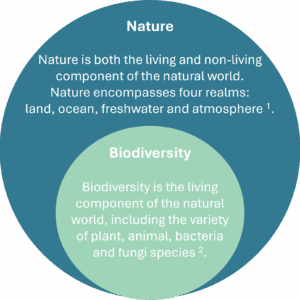
These terms are often used interchangeably because biodiversity is an integral part of nature. Threats to one will almost always affect the other.
Biodiversity flourishes within healthy natural ecosystems, and those ecosystems, in turn, rely on biodiversity to remain resilient and functional.
This creates a relationship which is so profound that addressing one effectively means addressing both3.
The Climate, Nature and People Connection
Nature is a critical ally in addressing climate change and strengthening our ability to adapt to its impacts. Climate change and nature loss are deeply intertwined challenges that can impact food security and that must be tackled together4.
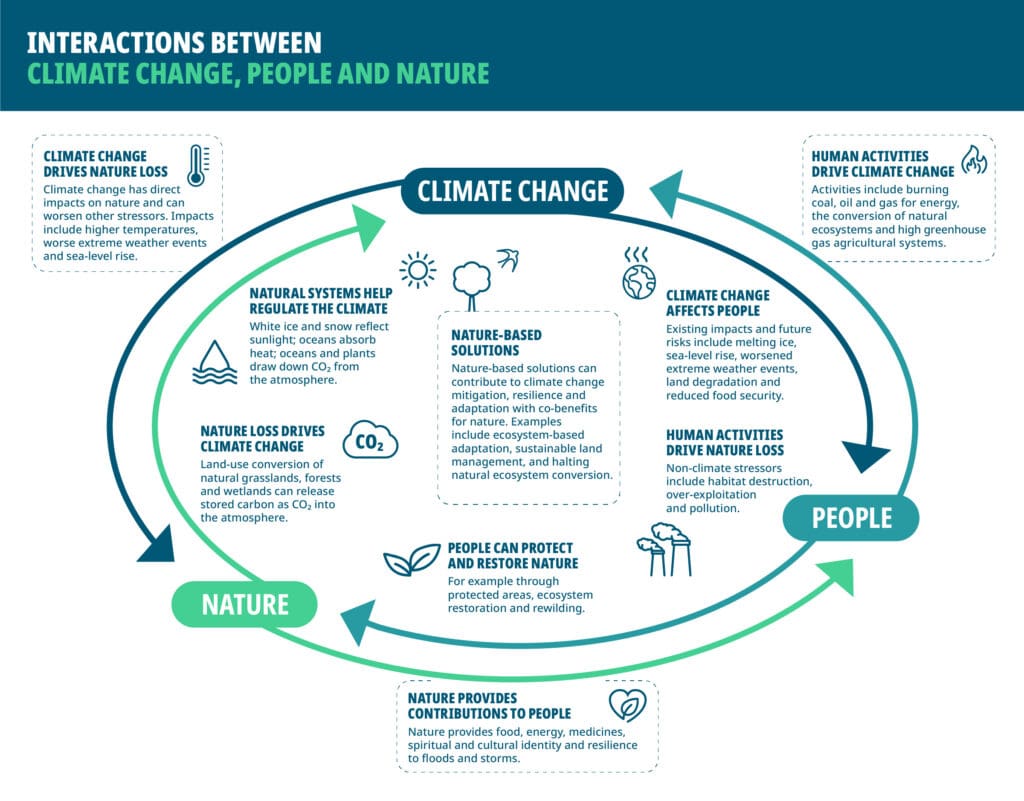
Figure 1. The relationship between Climate Change, Nature, and People4
Source: Adapted from WWF. (2019). Climate, Nature and our 1.5°C Future. WWF International.
The three pillars of climate change, nature loss, and people are often considered in isolation. However, adopting a holistic perspective allows for a deeper understanding of their interactions and the development of integrated solutions4.
Climate change contributes to nature loss through rising temperatures and extreme weather events, which affect terrestrial and aquatic ecosystems.
Conversely, nature loss exacerbates climate change, as the conversion of natural habitats – such as grasslands, forests, and wetlands – for agriculture or urban development releases stored carbon into the atmosphere5.
Human activity is central to this feedback loop, being one of the primary drivers of both climate change and nature loss6.
Despite the challenges, there is a clear opportunity; natural systems play a vital role in regulating the climate, sustaining food production, and supporting communities.
Investing in nature can provide co-benefits for climate mitigation, adaptation, and social wellbeing, ultimately creating a more sustainable and equitable future7.
The Nature Crisis and The Food System
Nature loss poses a significant threat to business operations, particularly within the agricultural and food production sector, where there is a direct dependency on environmental factors including soil health, water security, and pollinator species.
We need ecosystems to thrive to ensure that food production can sustain the planet’s growing population.
For decades, agricultural policy has helped deliver abundant food, but often at the cost of biodiversity, fertile soil, water resources and a stable climate, prioritising high yields to meet demand over long-term sustainability8.
Currently, 50% of all habitable land is used for agriculture9. To meet growing population pressures, forests are increasingly cleared for farmland, leading to habitat destruction which reduces biodiversity and raises CO₂ emissions.
In fact, food systems account for over a third of global greenhouse gas emissions10.
Moreover, agriculture accounts for 70% of global freshwater withdrawals and is a leading source of water pollution, which can create challenges in regions already facing water risk11.
Consequently, in just over 50 years (1970-2020), there has been a decline of approximately 73% in the average size of monitored wildlife populations4. This decline can be attributed to five major drivers of biodiversity loss12, which are outlined in Table 1 :
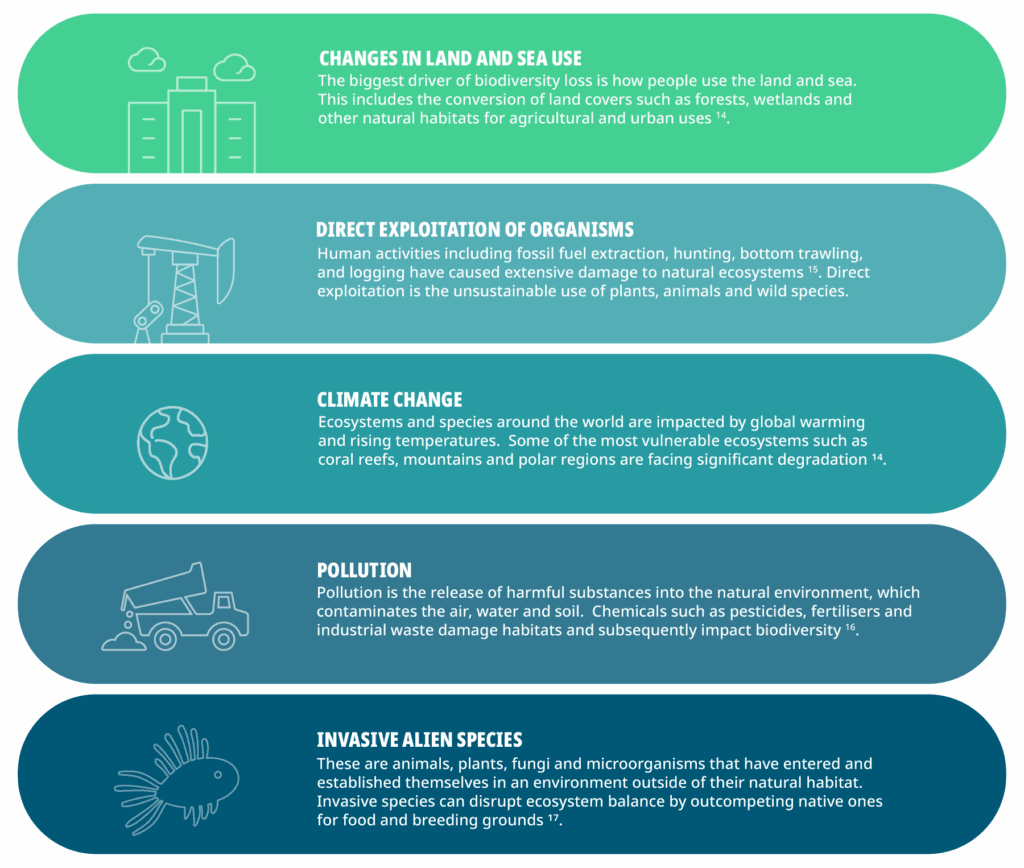
Table 1. Major drivers of biodiversity loss12
Transforming food systems is not just an environmental imperative which can address the root causes of biodiversity loss – it is a strategic necessity for the global community to ensure economic prosperity, climate resilience, and long-term food security17.
Protecting Nature and Biodiversity for Food Security
Protecting and preserving our oceans, forests, species, and soils safeguards our natural resources and can help us realise a world of sustainable nutrition.
By working in harmony with nature, the food and beverage industry has a unique opportunity to drive real environmental change across supply chains.
Some important areas of focus for our industry are soil health, avoiding further land conversion, and protecting the abundance of species that surround us and the area in which we operate.
Restoring soils
Around 95% of our food relies on healthy soil, yet one-third of the world’s soil is already degraded18. If conventional farming practices continue, we may be facing a future with only sixty harvests remaining8.
With topsoil eroding 100 times faster than can be naturally replenished19, immediate intervention at farm-level is essential.
Soil holds 25% of the world’s biodiversity20, providing plants and crops with the essential nutrients and moisture they need to grow and survive. Studies have highlighted the important role regenerative agriculture can play in reviving degraded soil, promoting long-term productivity and ecosystem health.
Fertile soil can support carbon sequestration, with the top metre of soil around the world containing three times more carbon than the entire atmosphere21. This highlights the strong link between soil quality, climate stability, and nature-positive benefits.
Supporting farmer education and offering incentives for practices including cover cropping, intercropping, reduced tillage, and organic composting is a practical and effective way to enhance soil health across arable land22.
These practices also deliver co-benefits that address climate change, water conservation, and pollution.

Conserving land
Agricultural expansion stands as the primary driver of global deforestation23 as forests are converted to make room for plantations cultivating high-demand crops such as palm oil, soy oil, rubber, coffee, tea, and rice.
This transformation is driven by the rising global appetite for food and consumer goods24. Companies in the food and beverage industry have a responsibility and an opportunity to ensure their supply chains do not contribute to further deforestation.
By eliminating deforestation and land conversion, companies can ensure that the raw materials they source are not linked to environmentally destructive practices.
Implementing a clear Deforestation and Conversion Free (DCF) policy and collaborating with suppliers to enhance supply chain transparency are key to achieving this goal.
Preventing deforestation and conversion benefits both local and global communities. Forests store carbon, enhance soil fertility, safeguard watersheds, and provide habitat for a range of species. This, in turn, strengthens biodiversity and food security25.
Supporting Species
When a species’ population declines below a certain threshold, its ability to perform natural functions can be disrupted.
This includes processes such as seed dispersal, pollination, grazing and nutrient cycling which contribute to ecosystem health and agricultural productivity.
Many pollinator species are facing the threat of extinction, an alarming trend given their role in sustaining 35% of the world’s crop production26. Statistically, nearly 75% of crops that yield fruits and seeds consumed by humans rely on pollinators to some extent26.
A decline in crop yields also poses a serious risk to the stability of supply chains and drives up food prices globally. A diverse range of species on farmland plays a valuable role in managing pests and parasites that threaten food-producing crops and livestock27.
These species are also key contributors to crop reproduction, enhancing both the quality and quantity of harvests. Working with farmers to develop diversified farming systems that include hedgerows, wildflower strips, and different varieties of the same crop create habitats for pollinators and is beneficial to insects28.
In Summary
As the food and beverage industry responds to the compounding climate and nature risks, it is evident that working in harmony with nature offers a powerful means to address food insecurity through actions that protect, sustainably manage and restore ecosystems29.
Industry awareness of our reliance on nature is growing as businesses recognise their dependence on natural systems, the risks posed by nature loss, and the strategic value of integrating nature for long-term resilience and delivering against climate goals30.
By embedding nature-positive practices into food production and supply chains, businesses can harness the benefits of nature while actively contributing to its preservation.
Nature is not an unlimited resource, and our food systems are key to helping safeguard it.
Companies are facing increasing regulatory and consumer pressure report robust sustainability metrics and targets. Consumers have become more educated about sustainability and are actively researching product claims and expose greenwashing.
In response to these pressures, companies are increasingly adopting regenerative agriculture practices which offer a sustainable solution to progress their ambitious sustainability commitments.
What is Regenerative Agriculture?
Regenerative agriculture is an innovative approach to farming that blends age-old traditions with modern sustainable practices. It draws inspiration from indigenous farming techniques that work in harmony with nature to revitalize ecosystems and enhance biodiversity1.
This approach is not only about sustaining current resources but also about actively restoring and regenerating the health of our planet. More than half of the world’s agricultural land is degraded, resulting in $400 billion a year in productivity losses and posing a significant risk to future food security2.
Regenerative agriculture offers a crucial solution to this pressing issue by focusing on topsoil regeneration, increasing biodiversity, improving the water cycle, and enhancing ecosystem services3.
At its core, regenerative agriculture aims to reverse climate change by rebuilding soil organic matter and restoring degraded soil biodiversity, leading to carbon drawdown and an improved water cycle4.
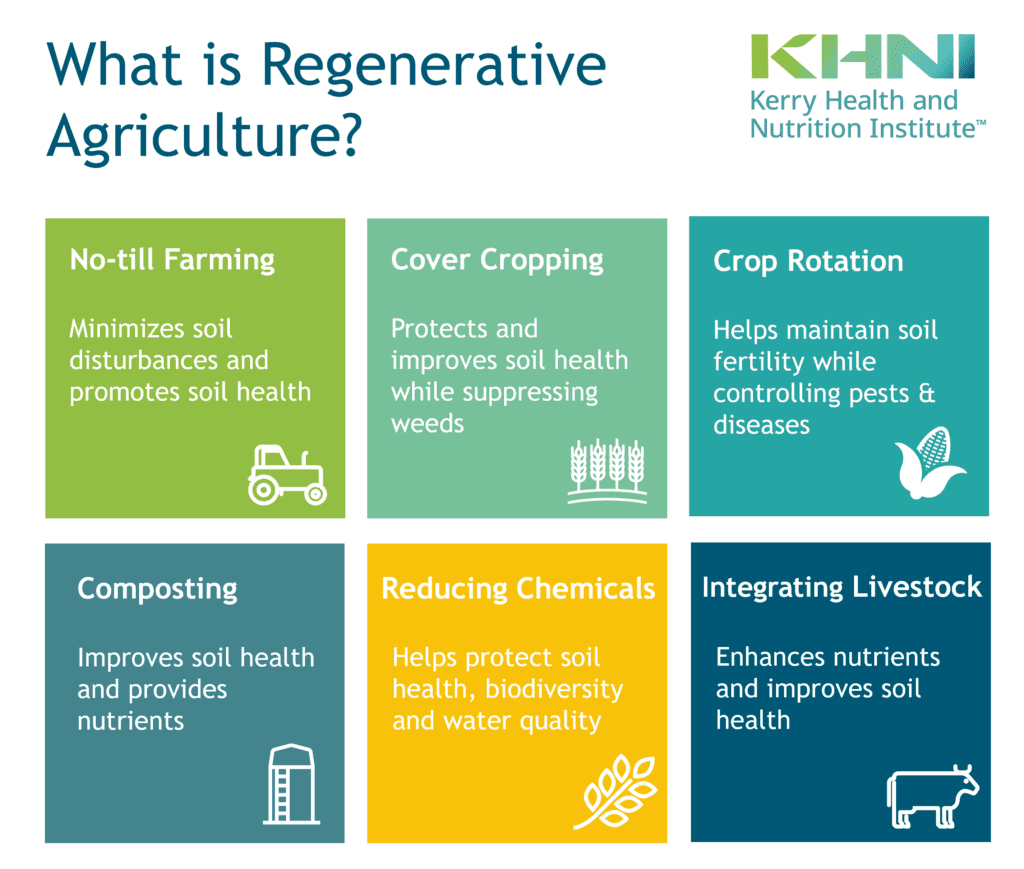
Regenerative agriculture has a few main practices:
-
- No-till Farming: Avoiding tillage minimizes soil disturbance and promotes soil health5. This practice helps to preserve soil structure, reduce erosion, and enhance water infiltration.
- Cover Cropping: Planting cover crops protects the soil, improves soil health, and suppresses weeds6. Cover crops also help to increase biodiversity and provide habitat for beneficial insects.
- Crop Rotation: Rotating crops helps maintain soil fertility and control pests and diseases6. This practice also helps to break pest cycles and reduce the need for synthetic pesticides.
- Composting: Adding compost to the soil improves soil health and provides nutrients7. Compost adds organic matter to the soil, enhancing its water-holding capacity and nutrient content.
- Reducing Chemical Inputs: Regenerative agriculture prioritizes the use of natural inputs and minimises reliance on synthetic fertilizers, pesticides, and herbicides6. This helps to protect soil health, biodiversity, and water quality.
- Integrating Livestock: Incorporating livestock into farming systems enhances nutrient cycling and improves soil health1. Livestock grazing can be managed to mimic natural grazing patterns, promoting plant growth and soil fertility.
Each of these practices can be adopted independently, or paired with one or all other regenerative agricultural practices.
Regardless of which practices are adopted, the aim is to reduce the negative planetary impact of farming, which can be exacerbated by conventional farming practices, and preserve the land for years to come.

The Challenges Regenerative Agriculture
While regenerative agriculture offers numerous benefits, it’s important to acknowledge potential disadvantages.
It can take several years to see significant improvements in soil health and yields. Some practices, such as rotational grazing and cover cropping, can be labour-intensive, requiring careful planning and management8.
In most cases, the transition from conventional to regenerative farming practices involves a high upfront cost for the farmer, of which the return on investment may not be seen for years.
While there are incentives from organizations like the USDA that can support the transition to regenerative farming practices, the initial cost for the farmer is often a barrier to adoption.
Soil Health & Carbon Sequestration
Regenerative agriculture practices enhance soil health by increasing soil organic matter, improving soil structure, and promoting beneficial microbial activity10. Healthy soils are more resilient to extreme weather events, such as droughts and heavy rainfall11.
Soils around the world store more carbon than the atmosphere, helping to naturally remove and hold carbon from the air. However, globally, soil carbon stocks have been declining due to factors like land conversion and overgrazing.
Regenerative agriculture aims to restore soil carbon by utilising the carbon that plants have absorbed from the atmosphere12. Regenerative practices like cover cropping and reduced tillage help maintain soil integrity, preventing carbon release, and promoting carbon storage13.
Agriculture is a major contributor to climate change due to deforestation and greenhouse gas emissions, making carbon sequestration a crucial aspect of regenerative agriculture14.
A key benefit to more widespread adoption of regenerative agriculture is that of soil health and it’s sustainability for future generations.
Conventional farming practices such as tillage and intensive use of chemical fertilizers and pesticides can lead to soil degradation and a decline in productivity.
Regenerative agriculture is purported by advocates as a solution to these issues that focuses on enhanced soil health and carbon sequestration9.
Carbon sequestration is the most preferred method for large companies looking to reduce their footprint and meet their sustainability goals.
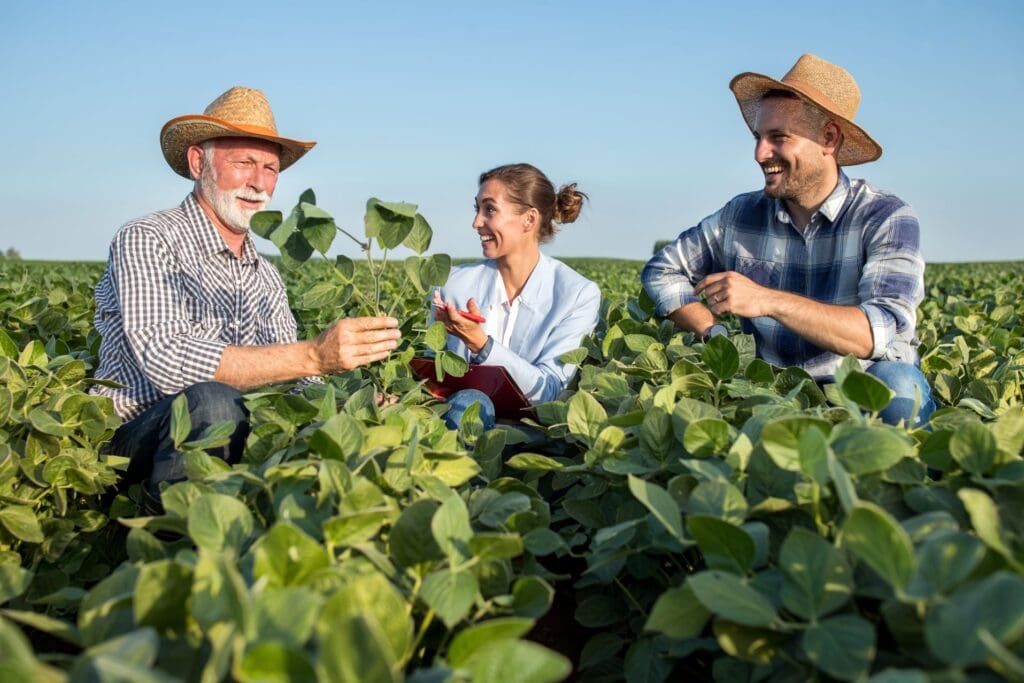
As food and beverage companies turn to regenerative agricultural practices to make a positive environmental impact and move closer to their sustainability targets, the main benefits are around farmer engagement and support, ingredient sourcing, and product labelling.
Appealing to the environmentally conscious consumer is crucial for these organisations as consumers become more educated on the topics of sustainability.
Responsible sourcing and growing practices offered by regenerative agriculture has certainly piqued the interest of these sustainability-forward consumer bases.
Sourcing ingredients for their products from farmers who implement regenerative agricultural practices at farm-level, financially incentivising farmers to convert from typical farming practices to regenerative ones, and the ability to claim the positive carbon impact in their reporting are all reasons food and beverage companies are increasingly interested in regenerative agriculture.
Here is an example of a regenerative agriculture program relating to dairy production in Ireland.
It is likely that the adoption of regenerative agricultural programs and use in products will continue to be widely adopted across the food and beverage industry as companies work to meet their climate commitments.
A reminder that often-achieving progress against sustainability targets requires humanity to go back to age-old practices to keep the Earth healthy and bountiful for future generations.