The plant-based meat and dairy alternative markets are growing and innovating to capitalize on global consumer demands driven by health, wellness, and sustainability interests. Plant-based is no longer a niche market for those with dietary restrictions and as a result, expectation for convenience, taste, quality maintenance and shelf-life are table stakes.
Consumers are thinking about food safety and food waste in plant-based meat alternatives

Consumer concern for food safety has increased, with 60% of consumers saying they are more concerned about food safety due to the COVID-19 pandemic (2021 Kerry Proprietary Insights– Food Safety Fundamentals). Specifically, 49% of consumers are concerned about food safety in plant-based meat alternatives (2021 Kerry Proprietary Insights – Food Safety Fundamentals). Plant-based meat and dairy alternatives topped the list in terms of concerns, outranked only by fresh and processed meat. This increased concern can be attributed to consumer unfamiliarity with plant-based products. Consumers have limited experience with plant-based meat alternatives, which can result in inconsistent quality and taste. Product recalls are another factor with plant-based products, with media publicity raising public awareness and concern.
Sustainability and avoiding artificial preservatives are also top-of-mind when it comes to plant-based products. “No artificial preservatives” is a top claim consumers look for when purchasing plant-based products (Innova 2021). Consumers are paying closer attention to product labels than ever before. In a previous consumer research survey, 64% of plant-based consumers stated they read nutritional labels (Kerry Proprietary Insights 2019 – Meat: The Challenge).
Finding the balance with sustainability (reduced food waste) and ingredients that align with consumer’s health and wellness goals can be challenging. Now is the time for plant-based producers to rise to this challenge as increased market growth continues.
Plant-based meat alternatives have different food safety challenges than meat and require different solutions
Extensive food safety data, shelf-life data, and predictive models for food protection exist for meat and poultry products, but the same cannot be said for novel plant-based foods. It’s important to understand the technical challenges to formulate safe and quality plant-based meat alternatives. These technical challenges and considerations can include:
- Plant-based ingredients have different levels and forms of macronutrients (carbohydrate, fat, protein) than their animal counterparts. For instance, the primary carbohydrate in milk is lactose, in meat it’s glycogen, and in pea, soy, and mushroom it’s various starches and oligosaccharides. This can lead to variation in the types and resultant levels of microorganisms able to thrive in the product. This means that threshold levels for what is considered “spoilage” (e.g. 106 CFU/g) traditionally agreed upon for meat and poultry products may not be appropriate for plant-based products. In a survey of commercially available U.S. plant-based meats, starting bacterial populations varied from non-detectable to >107 CFU/g at the time of purchase (Stafl 2020). This level of variability between products is significant and further emphasizes that there is more we need to understand about these products.
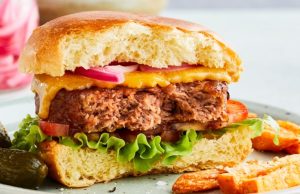 The array of ingredients used in plant-based foods can bring different microbial loads. Plant-based products typically have higher diversity in their ingredient lists than animal products, which consist mainly of one major raw ingredient (e.g. milk, beef). Including ingredients with high microbial loads (e.g. yeast extract, spices) to mimic meat flavor can introduce different bacteria into plant-based meat alternatives than those traditionally found in animal products.
- The U.S. regulatory bodies governing plant-based foods and animal-based meats differ (FDA and USDA, respectively). With the FDA, a minimum cooking temperature of 135°F is suggested. For animal-based meats, the USDA recommends a minimum cooking temperature of 160°F for beef products and 165°F for poultry products. This could lead to confusion or inconsistent “best practices” being carried into consumer homes, with some consumers treating plant-based meats like meat and some like other foods. Manufacturers must therefore educate on what “best practice” is for their protein. Cooking to temperatures 145-165°F was shown to kill Gram-positive and Gram-negative pathogens at equal rates in beef- and plant-based burgers, suggesting cooking guidance for animal products could be applicable to plant-based analogs.
- Many legacy technologies (curing, smoking, carcass washing, fermentation) used by meat and poultry processors have not been vetted or are non-transferrable to plant-based meat alternatives. Nevertheless, some learnings from meat can be applied to their plant-based counterparts. For example, ground or ground/formed products (i.e. products with additional handling) will have higher microbial counts than “whole muscle” products.
From an industry perspective, ingredient suppliers are often testing antimicrobial ingredient efficacy and product shelf-life in a lab environment which may not correctly mimic the specific production environment factors that are impacting a plant-based meat alternative’s ability to meet its shelf-life and safety goals. This means that microorganisms impacting the antimicrobial ingredient efficacy and plant-based shelf life may differ from findings based on lab or pilot-plant produced product trials. Product manufactures should consider testing in their production environment early in the product development process.
Learn more about unique food protection challenges and solutions for plant-based foods in our webinar Reducing Food Waste: Optimising Safety and Sustainability
The solution is an integrated approach
Taking an integrated approach to food protection in plant-based products is critical as these products continue to become mainstream. A science-backed approach to formulation with application and substrate-specific hurdles to avoid early spoilage and food safety risks is key as consumers demand quality and convenience.
This means understanding the specific microbes a plant-based meat is exposed to from ingredients or during production, the packaging used for a specific product and how well it offers shelf life protection, and selecting the appropriate ingredients that can solve these unique challenges.
Ensuring food safety is at the core of new product development will always be in the consumer’s best interest and will lend well to market success for plant-based meat manufacturers.
The use of plant-based proteins has been growing around the world in the food and beverage market in recent years, especially for use in meat analogues.
However, the protein sources used in these foods can bring unpleasant tastes such as bitter, earthy, beany, astringent, and green which have become major obstacles for consumers as well as for food manufacturers. Reducing the off-taste of different plant-based proteins is more complicated than it seems, but understanding how to do so is a key to helping plant-based foods thrive in mainstream markets.
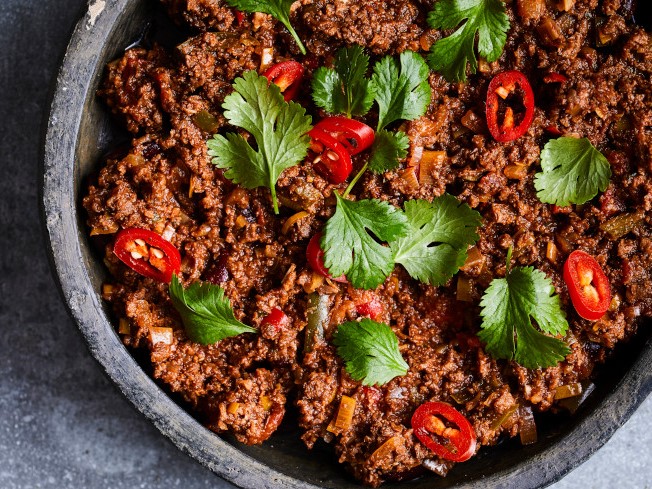
The growth of plant-based meat alternatives can be linked to health. Over the years, meat consumption’s repeated link to disease like cancer in studies and media headlines has caused many people to eat less meat.
Pea protein continues to be a popular choice of plant protein in meat alternatives. The main reason for this is their high protein content, as well as the low saturated fat and high fiber content.
As the plant protein trend continues, both consumers and manufacturers look towards new and innovative sources for their food and beverage products. Among the plant-based proteins, lentil, chickpea, rice, fava, hemp and potato are rapidly growing in interest.
What Affects the Off-Tastes of a Plant Protein?
-
- Amount of protein in the product
- Type of protein used
- Extraction process: pH, temperature, processing time
- Precipitation process: centrifugation conditions, fermentation microorganisms used, etc.
- Drying temperature
- Consumer storage and preparation conditions
Understanding the source of off-tastes is the first step in properly masking them. Typical plant-based protein off-tastes include: beany, bitter, cardboardy and chalky.
There might also be unpleasant perceptions around aroma, mouthfeel, and astringency.
The off-tastes can be associated with varying amino acid profiles which are derived from plant-based proteins. They all have unique, inherent off-tastes along with green aftertaste depending on the plant source.
The amount of plant-based proteins used, the types of protein used, and the protein extraction/processing/drying methods all play critical roles in generating the types of off-tastes perceived in the finished application.
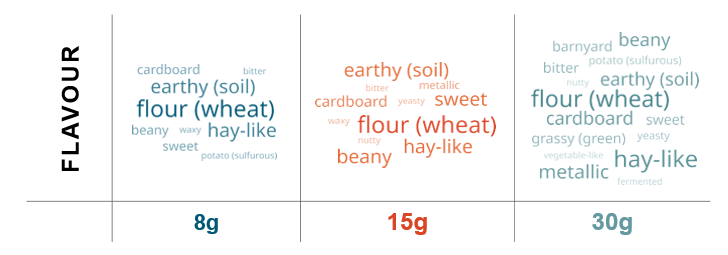
Starting at the raw material, the type of protein and its serving size both dramatically contribute to off-tastes. It’s then important to take into account how the plant protein has been extracted, precipitated, and dried from the manufacturer.
During extraction, the pH, temperature, processing time, and the types of treatment chemicals used can all contribute to off-notes. During precipitation, the sedimentation method, centrifuge condition (rpm, flow rate, operation time) and, if fermentation is involved, the type of microorganisms used, can all contribute to off-notes as well.
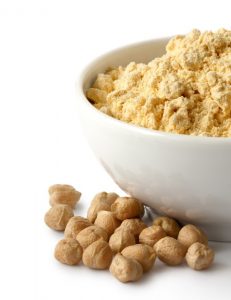
During drying, the temperature (inlet and outlet) of the spray dryer and the drying methods (freeze drying, drum drying and etc.) can contribute to off-notes.
In summary, the proprietary process that a manufacturer is using to produce the plant-based proteins will contribute its own unique off-taste.
To further complicate the matter, there are a number of challenges for the developer when formulating with plant-based proteins such as different product formats, consumer’s cooking methods, storage conditions of the finished products, working with multiple suppliers with different off-note challenges and batch to batch off-taste variation.
The Principles of Plant-Based Protein Flavour Masking
To mask multidimensional off-tastes, a multidisciplinary approach is required.
During the manufacturing process, off-flavouring molecules (e.g. specific amino acids) can be removed using physical or chemical treatments such as soaking, thermal treatment, germination, enzymatic treatment or solvent extraction.
Another option is to mask off-taste using making agents. A major challenge is the increase in demand for natural and organic masking agents.
Claims such as natural, halal, kosher, non-GMO, and organic make it difficult to use many traditional or artificial flavouring agents.
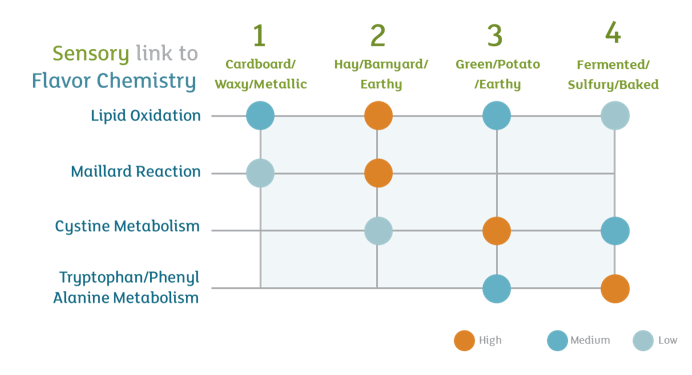
To develop clean labelled flavour masking agents, an understanding of analytical chemistry and sensory science for volatile and non-volatile compounds are required.
By understanding the flavour chemistry mechanisms, one is in a better position to correlate the off-tastes to critical flavour compounds as well as to enable to the development of effective flavour masking solutions.
For example, prolamin coating is a known method for bitter taste masking. Prolamin is a plant storage protein which is mainly found in the seeds of cereal grains such as oat and rice and accounts for about 5-10 % of the total proteins in those plants.
Manufacturers and flavour companies could produce a clean labelled flavour masking agent through extraction, separation, and purification of prolamin-rich fractionation.
Traditionally, addition of sugars, salts, and acids are used for suppressing the inherent off-taste through trial and error.
However, understanding the chemistry and source of off-notes can help the masking process be more time efficient and better for health, without requiring excessive use of sugars or salts that are linked to poor health.
During the early phases of the plant-based trend, many products received a free pass on nutrient content or ingredient labels. The novelty of being ‘plant-based’ was enough, and products during this time focused on creative new ways to deliver alternatives to animal-derived foods, riding the coattails of the strong health halo consumers associate with plant-based foods. However, nutrition is becoming more and more critical to address when formulating plant-based foods.
Now that the trend is becoming a mainstay in the global food economy, these foods and beverages are no longer getting a free pass on nutrition. In the United States, for example, health and nutrition are the top two reasons consumers purchase plant-based cheese, yogurt, or ice cream and health is ranked third for plant-based meat alternatives (Winning with Plant-based, Kerry Proprietary Research 2020).
Studies are also beginning to show that people who replace animal-based foods with plant-based alternatives can end up decreasing their intake of important nutrients while increasing their intake of nutrients linked to disease like saturated fat, sodium, and sugar. These studies emphasize the importance of addressing nutrients beyond protein for this trend.
As a result, the nutrition attributes of plant-based foods and beverages are under more scrutiny worldwide. We talked to our nutrition, food science, and marketing experts across the globe to understand the challenges in plant-based nutrition and keys to success for the future.
Common nutrition challenges when formulating plant-based foods and beverages
Choosing the right protein source
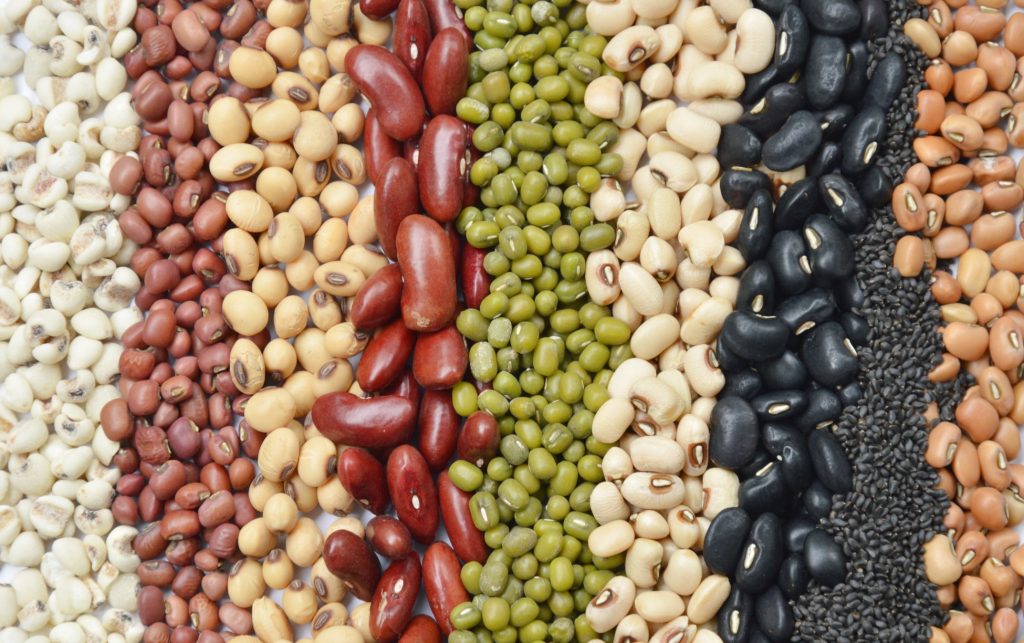
There are a lot of considerations that go into choosing the protein source for a plant-based product from the multitude of options available. Supply chain, consumer perception, taste, flexibility in formulation, sustainability, and nutrition can all be deciding factors in whether to choose soy, pea, sunflower, hemp, chickpea, rice, and so on.
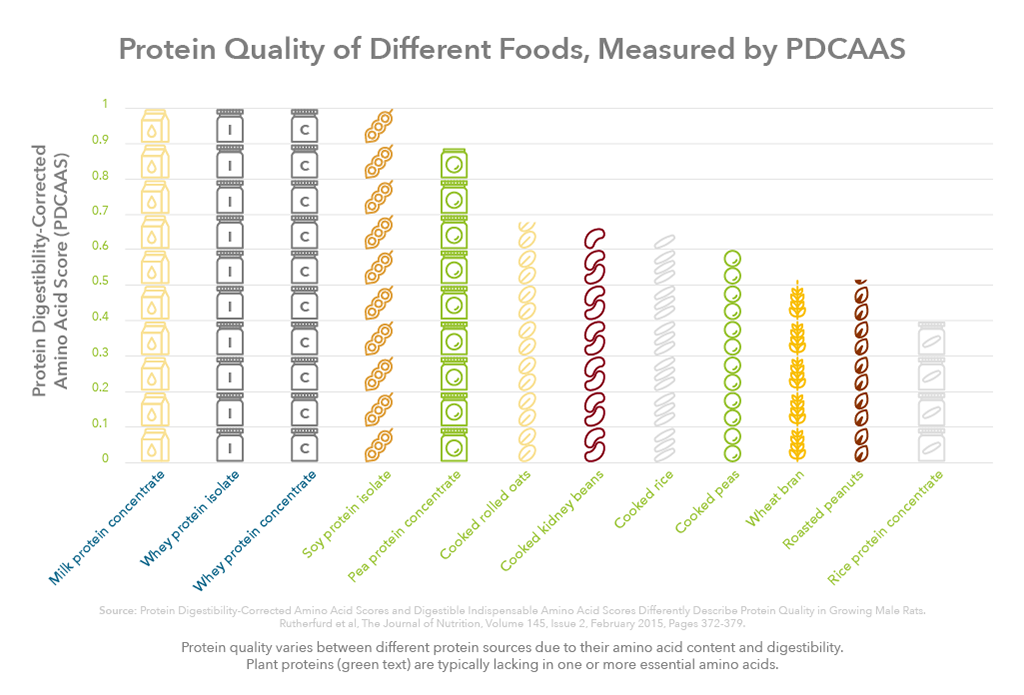
For nutrition, protein quantity and quality matter are the main things to consider. Most plant proteins are missing specific amino acids the human body needs, and this will differ depending on source. Plants are generally low in methionine (e.g. beans, nuts and seeds), lysine (e.g. grains like wheat), or tryptophan (e.g. corn), and higher in non-essential amino acids arginine, glycine, alanine and serine.
This, along with digestibility, mean many plant proteins have different protein quality ‘scores’. You can see some examples below, but for more information check out our article “Nutrition Benefits of Plant Protein Taking Root with Consumers”.
Lengthy ingredient declarations
When making plant-based alternatives to dairy or meat, it’s often necessary to use many ingredients to build the same taste, texture, and functionality that you’d see in a dairy-based milk or a beef patty. This makes sense in some respects, because something like cow’s milk is made up of many different proteins, fats, carbohydrates, and other compounds when it’s produced by a cow.
A product must have the right taste and texture to be appealing and taste good, but the challenge is that long ingredient labels can be overwhelming or not preferred by consumers. The average plant-based cheese has 11 ingredients while traditional cheese has only four (Winning with Plant-based, Kerry Proprietary Research 2020), for example.
Salt and sugar content
Salt (in plant-based meat alternatives) and sugar (in plant-based dairy alternatives or beverages) can be a major nutrition concern for two key reasons. The first is that it takes away from the consumer appeal of a plant-based product. If health and nutrition are the top reasons why a consumer would choose a plant-based yogurt, then it should deliver on that expectation of healthy and not be abnormally high in sugar. The second is the impact adding sugar or salt can have on product labels, especially in parts of the world where front-of-pack labeling systems call out high sugar or salt levels on a product.

Many countries in Latin America have warnings on foods that contain high levels of salt or sugar. The Nutri-Score system continues to spread across Europe, among other calorie-reduction initiatives, so high salt and sugar levels can give foods unfavorable front-of-pack ratings in those countries, as well.
Sugar or salt are often used to build taste in plant-based products that have challenges compared to their animal-based counterparts, but it is important to remember the reason why consumers choose plant-based foods in the first place and to make sure foods are delivering on the expectation of health.
“The ultimate goal is to have a product which delivers an equal or better nutritional profile to their meat equivalent. Currently, many products are delivering a “less healthy” product due to the addition of high levels of fat and salt in order to meet the taste and mouthfeel requirements.” – Nicky Dear, Business Development Director for Plant Protein, Kerry Europe & Russia
Dairy and meat are sources of important nutrients that plant-based alternatives may lack
Dairy and meat contribute important nutrients to the diet, including vitamin D, calcium, iron, zinc, protein, and potassium. Many meat or dairy alternatives do not consider the nutrient content of the foods they are replacing, which can have an impact on people making changes to their diet to include more plant-based options.
For example, dairy is the #1 contributor of vitamin D and calcium in the diet of people in the United States and in Canada, and a major contributor of many nutrients to the diets of those living in Europe.. These are key nutrients for health and are already under-consumed in the US. If plant-based dairy alternatives do not deliver similar amounts of calcium or vitamin D, then a plant-based alternative could actually be less healthy for a consumer than the animal-based version. As a result, it is not delivering on the reason why the consumer chose the plant-based alternative in the first place.
A key challenge for formulating plant-based foods and beverages, then, is to think about the nutrition of the food the alternative is replacing.
“To deliver on consumer expectations, ‘plant-based’ should offer the same nutritional quality of animal-based foods in terms of nutrients like protein, vitamins, and minerals.” – Denise Wilkes, Nutrition Scientist, Kerry Latin America
Opportunities for improving nutrition of when formulating plant-based foods and beverages
Offer nutrients beyond protein
“A major opportunity is pairing the nutrition of plants, like fiber, vitamins, and minerals you’d see in vegetables, grains, and fruit, with improved plant-based protein – taking the best of both and combining them to make a truly healthy product” – Genny Tan, MSc, Business Development Manager, Kerry Asia Pacific
For meat and dairy alternatives, consider the nutrition of the food that’s being replaced. Dairy is a key source of vitamin D, potassium, vitamin A, protein, iodine, and calcium in the diet of many people across the globe, so plant-based dairy alternatives should strive to match those nutrient contributions. Iron, zinc, and B vitamins are important to consider for plant-based meat alternatives, alongside protein.
There are many nutrients that are harder to get enough of when consuming more plant-based foods. The article “Nutrition for Plant-based Diets: Managing Nutrient Intake and Bioavailability” is a great resource for which nutrients to consider for plant-based foods.
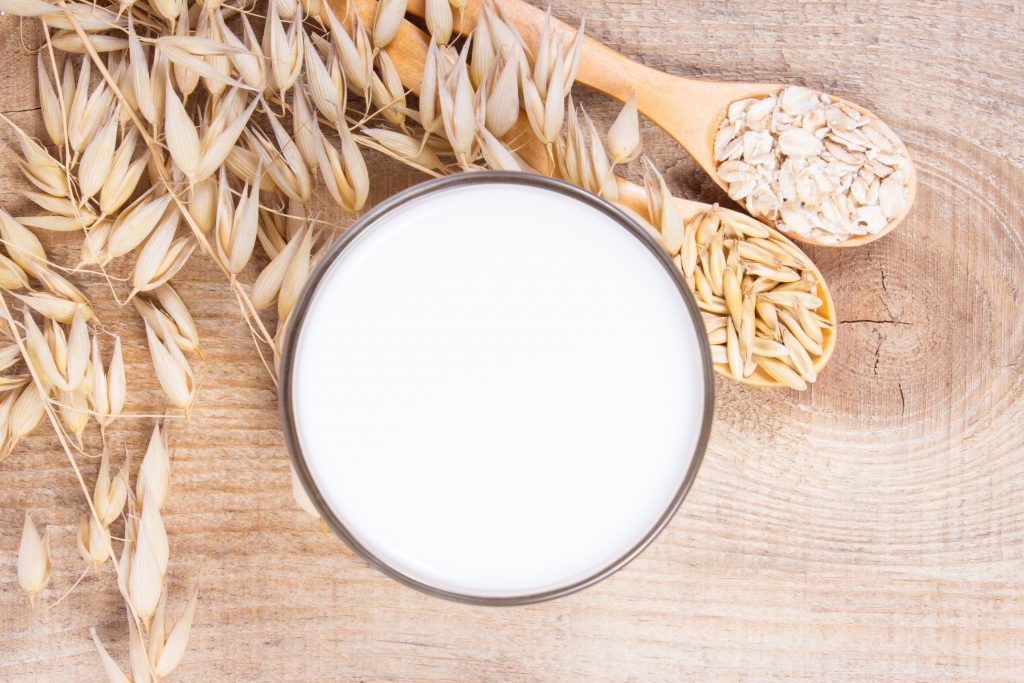
Another option is to offer a new nutrition benefit, rather than match that of the animal-based food. For example, a plant-based milk alternative made from oat might offer a serving of whole grains and some fiber. Most people in developed countries do not consume enough whole grains or fiber, so the product can still deliver on the expectation of ‘healthy’ without having to be identical in nutrition to milk from cows.
Keep ingredient declarations short by using multi-functional ingredients that offer nutrition and help with taste and texture.

Some fibers offer nutrition benefits but can also bind ingredients together in a bar or thicken a beverage. By being diligent about the selection of each ingredient, you can maximize the effectiveness of each one to keep the ingredient label short when formulating plant-based foods.
Innovation by suppliers in this area is ongoing and will be key for the future of the plant-based trend. Artificial intelligence is being used more often to screen plant sources for unique properties, such as mimicking the behavior of dairy-based proteins to make plant-based chees more authentic. Finding unique ways to process whole plant ingredients, like oat flour, to improve their functionality in foods and beverages while still delivering nutrition can make plant-based offerings more appealing to both consumers and product developers.
Keep sodium and sugar low to avoid front-of-pack warnings and improve health
Sugar and salt are important for overcoming some of the taste challenges in plant-based foods, but using too much can prevent foods from delivering on consumer expectations for plant-based foods to be healthy.
Unfortunately, there is no 1-1 replacement for sodium chloride in foods. “Challenges and Opportunities in Sodium Reduction” is a great resource to learn more about balancing sodium content.
Many options exist to reduce sugar. Taste modulators, low-calorie sweeteners, or intense flavors are all possibilities. Our webinar recording “Sugar Reduction: Formulating for Success” is a place to hear nutrition and formulation experts talk about the challenges and solutions for sugar reduction.