While the life expectancy of both men and women has risen over the last 200 years, this does not always translate to a better quality of life.
Women may be living longer, but the extra years are spent in poor health due to the disparity in women’s health research, data, care and investment.
The women’s health gap equates to 75 million years of life lost per year and can affect other areas of a woman’s life too- a woman will spend approximately nine years in poor health, negatively affecting her ability to be present and/or productive at home, in the workforce and in the community1.

Addressing the gender health gap, while crucial for women, benefits everyone.
Investments in women’s health could add years to life and life to years, potentially boosting the global economy by 1 trillion USD annually by 20401.
In fact, for every $1 USD invested in women’s health, around $3 USD is projected in economic growth – a significant return on investment.
As more and more women prioritize their long-term wellbeing, they are seeking products that not only address immediate health concerns but support their quality of life at every stage.
Companies who empathise and understand women’s evolving health priorities are seen as more credible by these informed and empowered consumers.
The Hormonal Lifecycle
The hormone lifecycle represents a unique journey for every woman. Beginning with menstruation and continuing into late age with menopause, it spans across a woman’s whole life.
Hormones are crucial for regulating various bodily processes, including appetite, metabolism, sleep cycles, reproductive cycles, sexual function, body temperature and mood.
Achieving the right hormone balance is essential for meeting women’s needs and maintaining their overall wellbeing.
50% of global female consumers state they are concerned about women’s health issues, such as menopause and hormonal imbalances, menstruation and fertility.
When it comes to health, 48% of women are prioritising hormonal balance2.
Thanks to advances in medical research and more open dialogues, the link between hormonal imbalances in women and health problems such as mood swings, weight gain and reproductive issues is now more widely acknowledged.
Menstruation
The introduction of menstruation during adolescence is the beginning of the hormonal lifecycle and fertility.
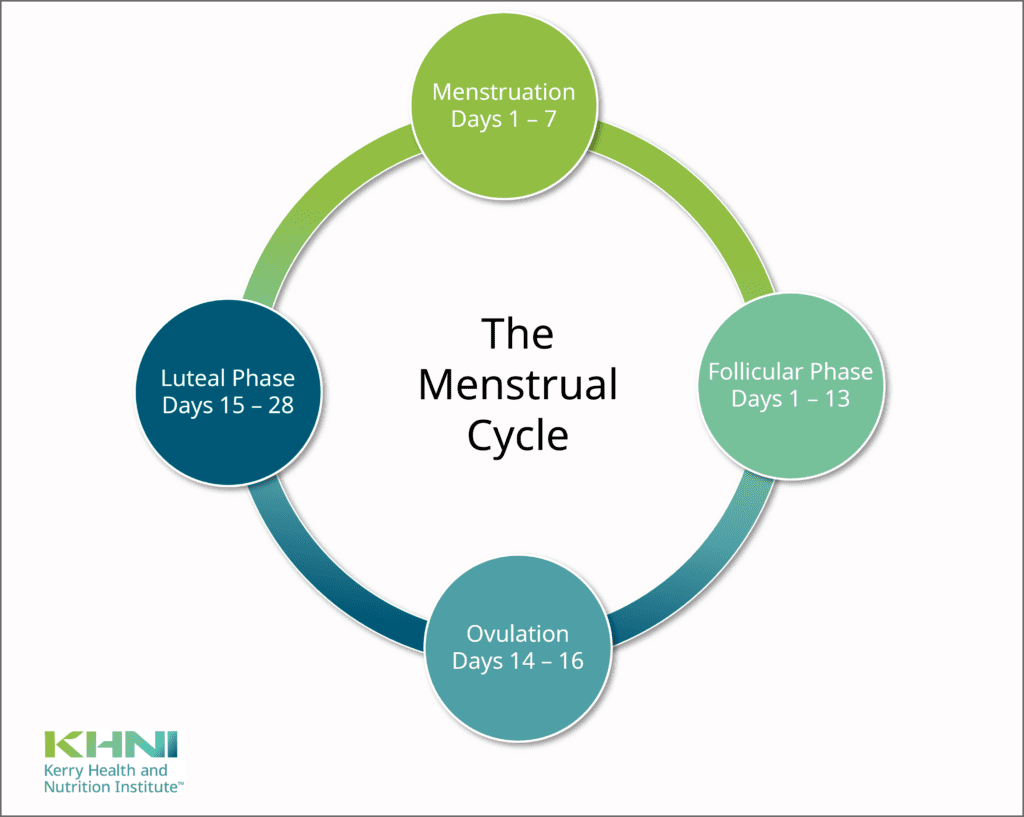
Hormonal fluctuations of oestrogen, progesterone, luteinising hormone (LH) and follicle stimulating hormone (FSH) across an average of 28 days prepare the ovaries and uterus for pregnancy or menstruation.
The menstrual cycle (Figure 1) is divided into four phases: menstruation, the follicular phase, ovulation and the luteal phase. Each phase has unique hormonal changes, physical symptoms, nutrient requirements and emotional states.
Figure 1. The Menstruation Cycle
For more information on nutritional and physical activity recommendations across the menstrual cycle see here.
Polyendocrine Metabolic Ovarian Syndrome (PMOS)
PMOS is also the most common cause of female infertility.
Polyendocrine Metabolic Ovarian Syndrome (PMOS), formerly known as Polycystic Ovary Syndrome (PCOS), is a common hormonal disturbance affecting an estimated 6-13% of women of reproductive age3 and up to 70% of cases are undiagnosed.
PMOS is a female-specific endocrine disorder related to a deficiency of inositol, a type of sugar made by the body which aids in balancing chemicals that control blood sugar and fertility and specifically a systemic deficiency in the D-chiro-inositol and ovarian deficiency in Myo-inositol.
Symptoms of PMOS can differ from person to person but often include irregular or absent menstrual cycles, excessive hair growth on hair or body, acne and weight gain.
Lifestyle interventions such as physical activity and a balanced diet can improve some symptoms of PMOS.
A combination of Myo-inositol and D-chiro-inositol (3.6:1) has been shown to support the hormonal and metabolic balance in a woman’s reproductive cycle, promoting fertility and wellbeing, showing excellent clinical results with increased pregnancy rates, decreased miscarriage rates and improved live birth rates4-7.
Menopause
For far too long, menopause was a topic shrouded in stigma and largely ignored by both society and the medical community. This silence forced countless women to navigate this transition alone, often without the support or resources they needed.
‘The menopause lifecycle’ is the period of time from peri to post menopause.
- Perimenopause is the transition to menopause, typically lasting 3-7 years where menstrual periods become irregular and symptom onset occurs.
- Post-menopause is the time after a woman has gone without a menstrual period for 12 consecutive months. While symptoms typically last 4 years from their final period, women may spend up to 40% of their lifetime in their postmenopausal years 8.
Menopause describes the stage of a woman’s life when her menstrual periods stop permanently due most notably to a gradual decline in the hormone oestrogen.
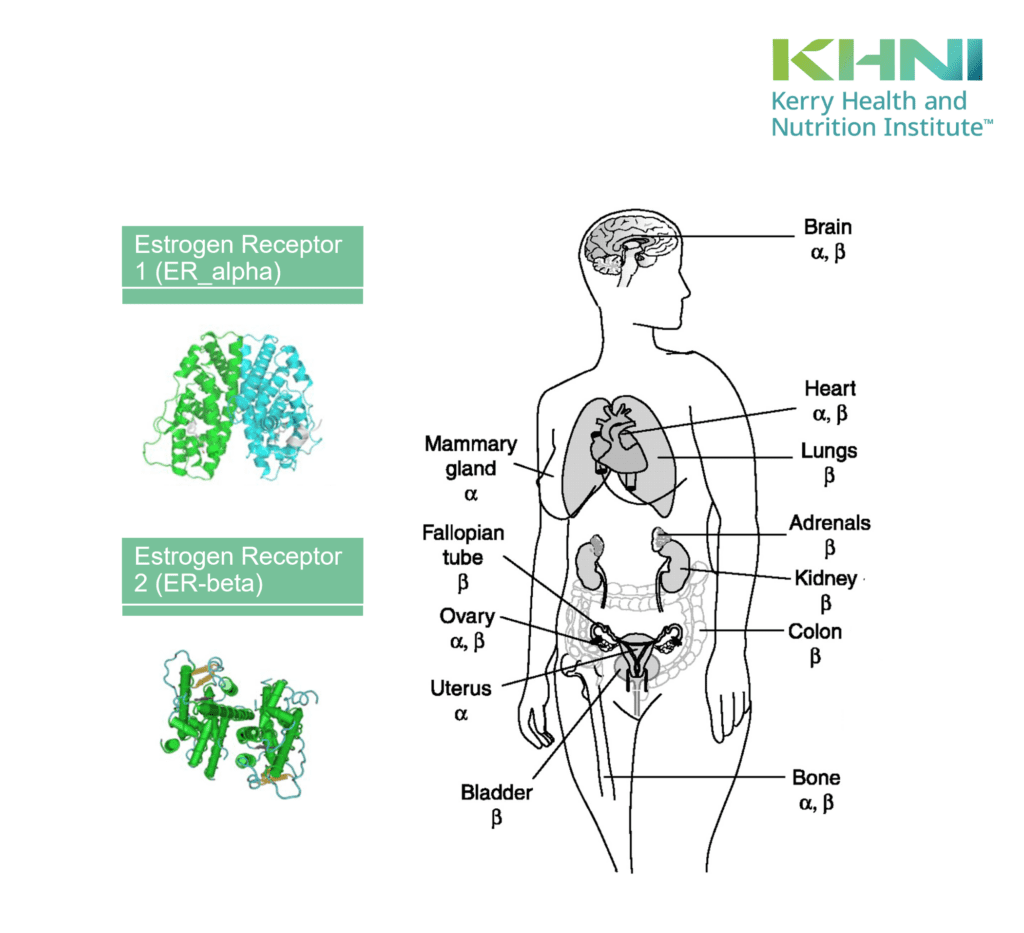
Oestrogen is a hormone that regulate the growth, development and physiology of the human reproductive system and are also involved in the neuroendocrine, skeletal, adipogenesis and cardiovascular systems.
Oestrogen has a protective effect on bone density, as this hormone declines during and after menopause, there is an increased risk of osteoporosis.
It is therefore important that interventions such as high calcium diet and physical activity are part of a woman’s daily lifestyle habits to protect bone density and quality of life in later years.
Figure 2. The Mechanism of Action Behind Menopause Symptom Onset
With 1 billion women estimated to be experiencing menopause in 20259 and 80% of these individuals experiencing symptoms10, menopause is more than just a women’s health issues: it’s a societal health issue with far-reaching impacts.
Given the more than 45 possible symptoms that can affect a woman’s physical, cognitive, mental and social wellbeing, there is an urgent need for effective and innovative solutions.
These advancements hold the potential to greatly enhance the quality of life for millions of women and their families worldwide.
The use of herbal, plant-based treatments for managing menopausal symptoms has gained popularity as many women seek natural alternatives, with 33% of consumers taking supplements to support their health through menopause.
As a traditional Ayurvedic ingredient, ashwagandha is a natural adaptogen that reduces the negative impacts of stress on the body by managing cortisol levels11.
Ashwagandha supports cognitive health by alleviating stress, improving sleep quality, enhancing mood, amplifying energy levels and sharpening focus12.
Research in this area has also shown that supplementation with ashwagandha has resulted in reduced invasive menopause symptoms, vascular dysfunction and bone turnover/resorption, as well as inflammation and oxidative stress associated with oestrogen deficiency in post-menopausal women13.
Phytoestrogens have also been found to have positive effects on menopause symptoms, reducing the frequency and intensity of hot flushes. Phytoestrogens are plant-based compounds that mimic the effects of oestrogen in the body.
8-Prenylnaringenin (8-PN), one of the strongest known phytoestrogens, showed a 40% reduction in hot flashes and a 32% improvement in symptoms of nervousness, fatigue and excessive sweating, making it an effective solution for supporting menopausal and post-menopausal health.
Conclusion
Changes in hormones present unique female health challenges from menstruation to menopause, with almost 50% of women prioritising hormonal balance.
Menopause is one of the key stages in a woman’s hormonal lifecycle where significant changes occur, directly impacting an individual’s health.
Clinically supported, natural solutions that address symptom management present an opportunity for women to be supported throughout the hormonal lifecycle and for quality of life to be improved through dietary supplementation.
For more on women’s health, read our guide on the Unique Health and Nutritional Needs of Women.
Probiotics, prebiotics, botanicals, vitamins, macronutrients and micronutrients may help women manage their physical and emotional wellbeing, but what should be considered?

Women’s Unique Nutritional Needs
“When you consider the various stages of a woman’s life, adolescence, reproductive age, pregnancy, lactation, peri-menopause, menopause and post-menopause, it’s not surprising that each of these stages requires distinct nutrition to support overall wellbeing. For example, adolescent females have an increased requirement for calcium to build life-long bone density. A deficiency in calcium at this life stage can result in increased risk of osteoporosis post-menopause, when the protective effects of oestrogen decline,” said Dr Lisa Ryan.
By understanding the specific nutritional requirements of each life stage, women can make informed choices about their own health.
Nutrition and Fertility
 One in six women experience infertility. Hormonal imbalances can disrupt a woman’s delicate reproductive process, leading to irregular cycles, failure to ovulate (anovulation), difficulty conceiving, or infertility.
There are some unknown causes of infertility, but one in three cases of female infertility is caused by polycystic ovary syndrome (PCOS) – the most common hormonal disbalance affecting women.
What is Polyendocrine Metabolic Ovarian Syndrome (PMOS)?
Polyendocrine Metabolic Ovarian Syndrome (PMOS)*, formerly known as Polycystic Ovary Syndrome (PCOS), is a common condition that affects how a woman’s ovaries work.
Polycystic ovaries are bigger than healthy ovaries and have twice the number of follicles than healthy ovaries do.
In PMOS ovulation doesn’t take place each month causing women to stop having periods or have irregular periods and can also cause fertility issues.
It’s a complex, chronic condition associated with a range of endocrine and metabolic symptoms.
PMOS can have a profound impact on a woman’s health, fertility, self-esteem and body image, leading to emotional distress. It is not just a fertility issue but one affecting a woman’s overall health, including her mental wellbeing. PMOS is leading cause of female infertility.
“The exact cause of PMOS is unknown. It’s thought to be linked to abnormal hormone levels in the body, including high levels of insulin.
PMOS is also related to a deficiency in inositol (a sugar made in the body and found in foods) and specifically a systemic deficiency in the D-chiro-inositol and ovarian deficiency in Myo-inositol.
Women with PMOS need to ensure an adequate intake of inositol through their diet or consider taking a supplement,” said Dr Monica Maria Olivares.
Monica added: “The benefits of inositol in PMOS are very well known there are more than 300 scientific publications about this topic, more than 50 clinical trials and 20 metanalysis demonstrating the benefits of inositol on fertility, skin, cardiovascular disease, hyperandrogenism and hyperinsulinemia.”

Nutrition in Pregnancy and Breastfeeding
The first 1,000 days of a child’s life – beginning with conception through the first two years of childhood – critically impact development and health throughout life.
Therefore, it is essential that women have the nutrition, care and the support they need for the healthiest possible future for themselves and for their children.
Vitamin and mineral needs can vary greatly between pre-pregnancy, pregnancy and lactation.
A carefully chosen diet can meet recommendations for most nutrients, but the diets of pregnant and lactating women often fall short of many essential nutrients. For example, many pregnant women under-consume:
-
-
- folic acid (to help protect against neural tube defects)
- choline (for foetal brain and nervous system development)
- iron (for increased maternal and foetal blood volume)
- calcium (for bone growth and reduced risk of maternal hypertension)
- Omega-3 fatty acids (for foetal brain and eye maturation)
-
During lactation, the mother is able to provide all of a child’s nutrient needs via breastfeeding. For optimal health of the infant, the WHO recommends exclusive breastfeeding for the first six months.
For the mother, this means that the required intake of many nutrients becomes even greater than during pregnancy – after all, the baby is still totally dependent on the mother for nutrition, but it is now bigger than it has ever been.
As a result, it is essential for the mother to eat a balanced diet during this time to ensure both she and her baby are healthy. For some nutrients, the mother’s body will ensure the breast milk contains enough for the baby even at the risk of depleting her own body’s reserves.
These are mostly nutrients that are absolutely essential for proper growth and development of the baby, such as protein, calcium and zinc. Inadequate intake by the mother could lead to higher risk of iron deficiency, anaemia, or loss of bone mineral density.
Some mothers don’t get the support they need to 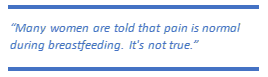 sustain breastfeeding. Mastitis is the leading medical cause of women ceasing breastfeeding with ~15% of women experiencing mastitis during breastfeeding. The main symptom is pain.
What is Mastitis?
Mastitis is an inflammation of breast tissue and is associated with an imbalance of the microbiota of the mammary gland. The main symptom is pain – and the pain, heat and swelling can be very intense.
Other symptoms include inflammation and obstruction of mammary ducts and it can be associated with systemic symptoms like fever and tiredness. Mastitis a very common problem during breastfeeding, affecting around 15% of women.

Nutrition in Menopause
Peri-menopause, pre-menopause, menopause, post-menopause. The menopause isn’t a single event in a woman’s life, but something women experience over the course of a couple of decades.
It’s a transformative phase, marking the end of a woman’s reproductive years. This natural transition brings about a myriad of changes, both physical and emotional.
One billion women worldwide will be experiencing menopause in 2025 and 80% of whom will have menopausal symptoms, symptoms that can severely impact their quality of life.
What is Menopause?
Menopause is the consequence of the reduction in the ovarian function as it’s a gradual decrease in the level of oestrogens in a woman’s system.
Oestrogens regulate the growth development and physiology of the human reproductive system, but also are involved in neuroendocrine, skeletal, adipogenesis and cardiovascular system.
The low level of oestrogen during menopause reduces the activation of oestrogen receptors and causes the symptoms associated with menopause.
There are more than 30 different symptoms associated with the menopause. Common symptoms include:
-
-
-
- hot flushes
- night sweats
- difficulty sleeping
- fatigue
- lack of energy
- low mood or anxiety
- problems with memory or concentration
- vaginal dryness and pain, itching or discomfort
- reduced sex drive (libido)
- discomfort during sex
- irregular periods
- headaches
- heart palpitations
- recurring UTIs
- loss of muscle
- weight gain
- joint aches and pains
-
-
Women choose to manage their symptoms and look ahead to healthy ageing in many different ways – pharmaceutical treatments, herbal remedies, life-style changes and increasingly nutritional changes, like adding more phytoestrogens to their diet.
Monica said: “Phytoestrogens are plant-based compounds that mimic the effects of oestrogen in the body. They occur in different botanicals, for example in red clover, soybeans and hops and have been shown in clinical studies to reduce the frequency and intensity of menopause symptoms without serious side effects, which is very important.
In fact, there are more than 1,500 scientific publications, 300 clinical trials and 30 metanalysis demonstrating how phytoestrogens can help to address symptoms in menopause.”
Lisa added: “There are also specific nutritional considerations for post-menopausal women. For instance, many experience changes in taste perception and suffer from severe dry mouth.
Their food preferences may shift and they may require different supplements or novel botanicals to support these changes. This presents opportunities for food and nutrition innovation specifically tailored to women’s health.”
Conclusion
There is a growing recognition of the unique health needs of women and a shift toward prioritising women’s wellbeing.
That said, every woman is different and their needs are distinct and unique throughout various stages of life. Nutrition therefore needs to be personalised.
New technology is making personalisation easier. By tracking what happening in their bodies, women can better understand the symptoms they are experiencing, allowing them to make decisions about taking a specific diet or ingredient to meet their individual needs.
“There is wealth of information available about how women can use nutrition to manage their physical and emotional wellbeing throughout their lives. What’s important is to seek out science-based information and products that have been tried and tested in clinical studies,” concluded Lisa.
*This article was updated on July 31st 2026 to reflect the new terminology for PMOS
October 18th is World Menopause Day. It’s a day to come together an recognise the significance of menopause in the lives of women worldwide.
With the importance of Women’s Health across the life stages, we would like to share key insights from our women’s health webinar that explored the intricate relationship between menopause, health and nutrition.
Menopause is an inherent and transformative phase in a woman’s life. This natural transition brings about a myriad of changes, both physical and emotional.
Our webinar delved into the diverse aspects of menopause, shedding light on its impact on women’s overall well-being.
In the video from the webinar, our experts Dr Izaskun Monsalve and Dr Monica Maria Olivares discuss the science behind menopause and the opportunities to innovate. More importantly, they explored the crucial roles that health and nutrition play in managing symptoms and promote long-term health.
Join us on this informative journey as we celebrate World Menopause Day by fostering awareness and encouraging informed choices.
Together, let’s embark on this journey towards better health and well-being for women globally.