The word ‘Kokumi’ combines the Japanese words koku (richness) and mi (taste) and it is a sensory concept that has long been recognised in Japanese cuisine.
While it is often described as a taste sensation, Kokumi differs from the five basic tastes—sweet, sour, salty, bitter and umami—because it does not deliver a distinct taste on its own. Instead, kokumi enhances existing flavours, increasing perceptions of richness, mouthfeel and overall flavour depth1.
Kokumi is commonly associated with foods such as aged cheeses, fermented products, yeast extracts, wine and slow-cooked dishes. These foods are often perceived as more satisfying and succulent due to the presence of kokumi-active compounds.

Interestingly, garlic has also been mentioned in early kokumi focused research as Ueda et al.2 reported that water extracts from garlic enhance umami taste intensity.
How food tastes is one of the most important aspects when it comes to consumer food choices and preferences. This may be a contributing factor to the increased fascination with taste modulators such as kokumi in recent years.
What is the Science of Kokumi?
Kokumi acts as a flavour enhancer and is unlike umami, which is a distinct taste perception by itself. Kokumi peptides amplify characteristics such as fullness, body and lasting flavour, working alongside umami, sweetness and saltiness to create a more rounded sensory experience1.
Research suggests that compounds such as glutathione and γ-glutamyl peptides contribute to kokumi perception1,3. These compounds are generated during ageing, fermentation and cooking processes, which helps explain why matured cheeses, fermented foods and slow-cooked stews develop greater flavour complexity over time.
At a physiological level, kokumi substances are believed to interact with calcium-sensing receptors (CaSR) on taste cells4, that transmit signals to our brain. Activation of these receptors enhances other taste signals, increasing perceptions of thickness, continuity and flavour intensity rather than creating a new taste quality.
Studies have shown that there is a correlation between the amount of calcium-sensing receptor activity and the intensity of richness associated with kokumi5,6.
Why Kokumi is Important for Food Innovation
Kokumi has attracted growing interest within the food industry because of its potential to improve taste while supporting both clean-label product development and sodium reduction strategies.
Product Application and Clean Label Solutions
The development of plant-based alternatives to animal-derived foods has accelerated in recent years, driven by sustainability and health considerations.
However, many plant-based products, including meat and dairy alternatives, often provide lower perceptions of taste continuity, flavour richness and overall mouthfeel compared with their animal-derived counterparts1. These sensory limitations can negatively affect consumer acceptance and repeat purchase.
As taste-modulating compounds, kokumi substances have attracted interest for their potential to enhance flavour complexity and positive sensory attributes, including mouthfeel and overall flavour intensity, thereby helping to more closely replicate the sensory characteristics associated with animal-based foods7,8.
Research has shown that γ-glutamyl peptides contribute to kokumi perception and are associated with increased CaSR activation in products such as dry-cured ham7,9,10.
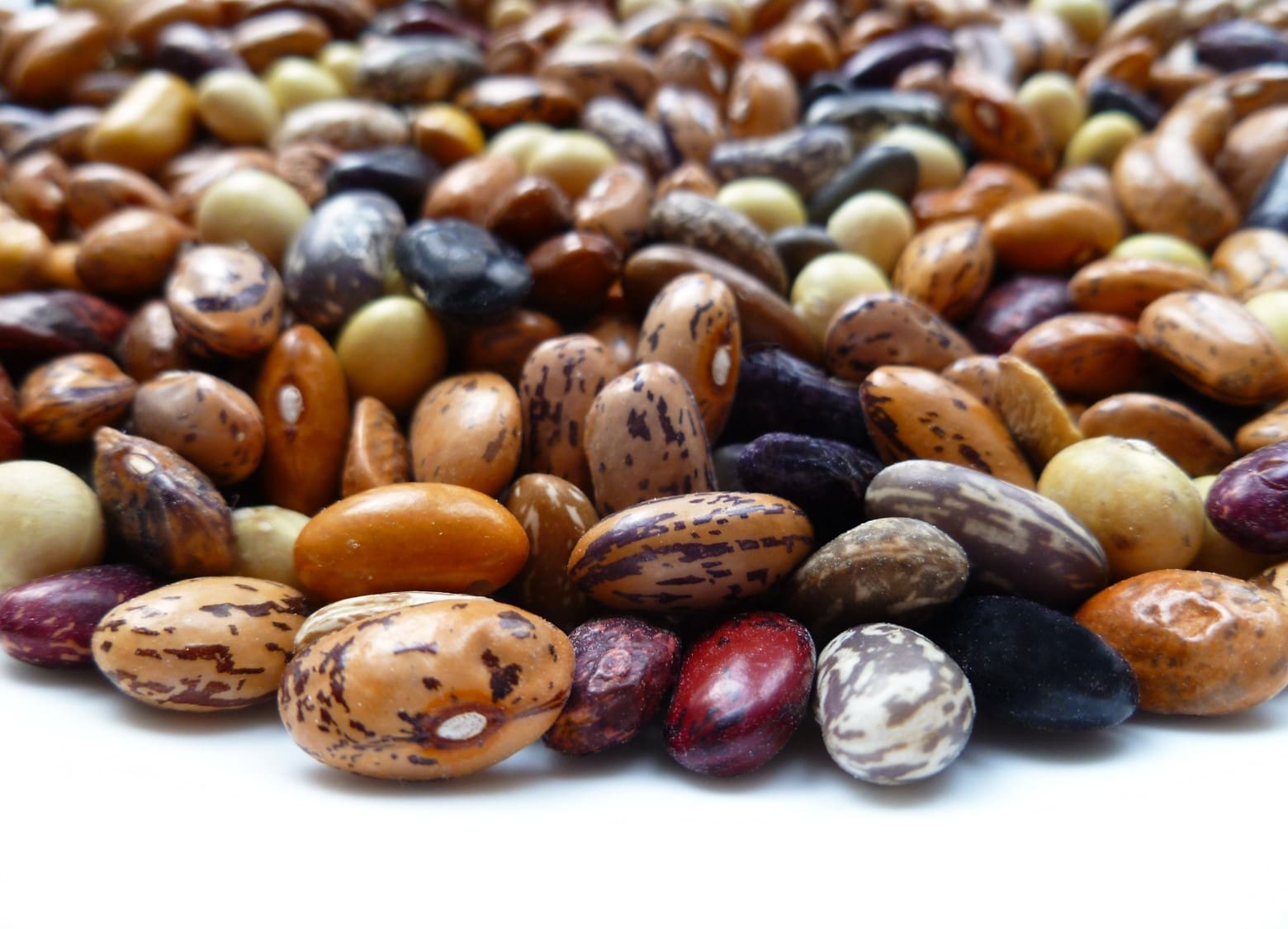
In addition, plant-based meat analogues formulated from legumes may exhibit undesirable bitter notes and several kokumi-active compounds have been reported to suppress bitterness while enhancing overall flavour perception11,12.
Together, these properties suggest that kokumi ingredients could improve the sensory quality and consumer appeal of plant-based food products13.
Furthermore, the combination of kokumi compounds with appropriate flavour systems may help deliver savoury sensory characteristics comparable to those found in conventional meat products14.
However, the effects of kokumi substances are highly dependent on the food matrix in which they are incorporated. As flavour modulators rather than primary taste contributors, their impact on sensory perception can vary considerably between products, making their functionality difficult to predict across different food systems.
Further application-focused research is therefore needed to better understand and optimise their use in plant-based formulations.
Reformulation – Sodium Reduction
Because kokumi substances enhance taste intensity, they are considered useful for addressing public health issues such as reducing salt, fat and sugar intake1,15.
Given increasing consumer interest in healthier food choices, their application may help overcome key sensory barriers associated with reformulation and facilitate efforts to improve dietary health outcomes1.
The need to reduce sodium in food products while maintaining consumer-acceptable sensory quality has driven interest in taste-modulating peptides, especially kokumi15,16.
γ-Glutamyl peptides, a key class of kokumi-active compounds, have been shown to enhance saltiness perception17.
Growing evidence from application-focused studies suggests that the addition of kokumi-active and saltiness-enhancing peptides at low inclusion levels can partially offset reductions in salt while maintaining sensory acceptability and overall product palatability15.
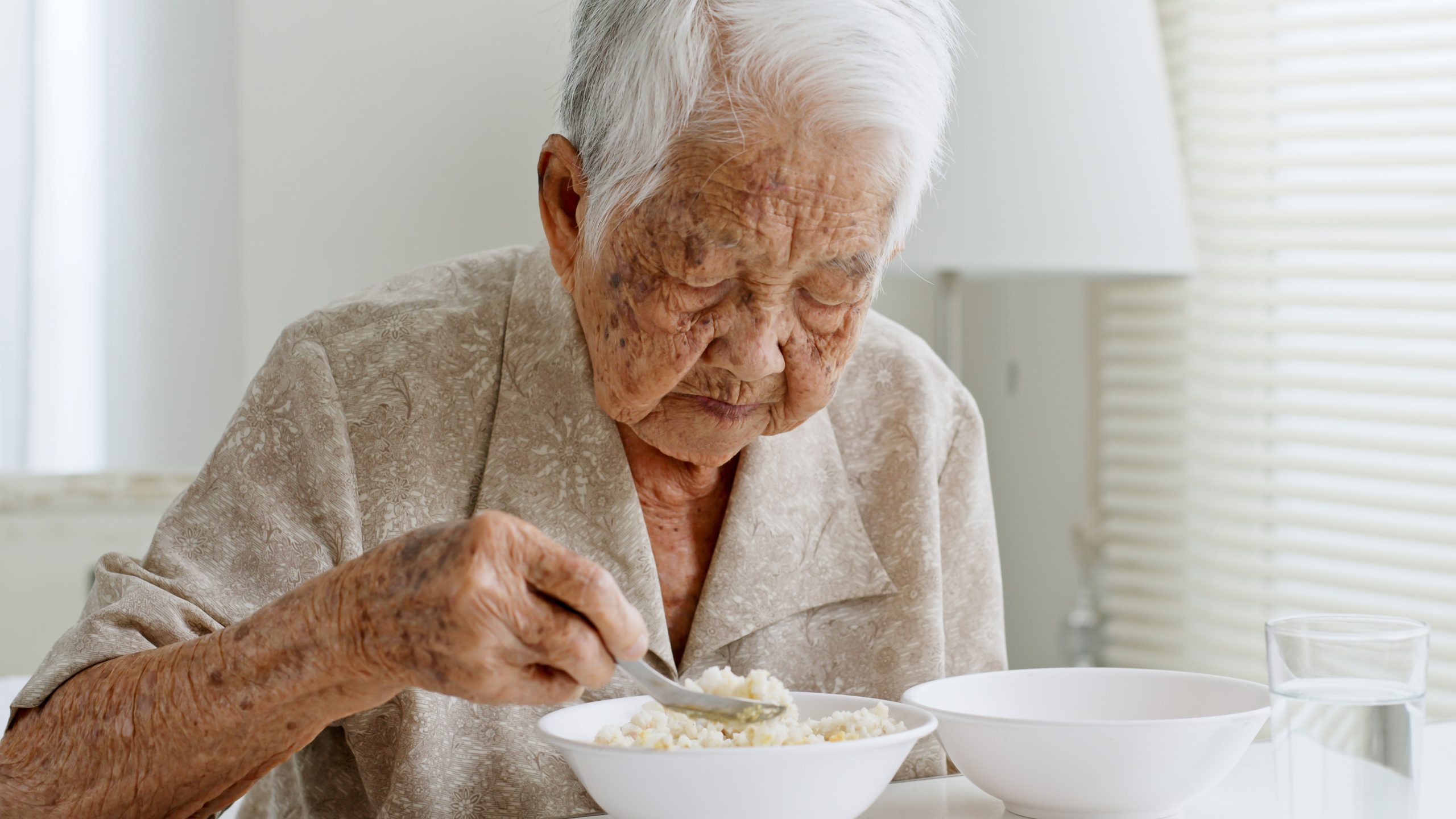
As taste perception naturally declines with age, maintaining the palatability of foods becomes increasingly important to support adequate food intake and help reduce the risk of malnutrition.
Older adults often experience diminished sensitivity to taste, which can encourage the addition of extra salt to enhance flavour. Consequently, kokumi has the potential to reduce salt intakes in this population cohort, which may improve their heart health outcomes.
However, translation of these findings into food applications remains limited15. Published studies have predominantly evaluated kokumi ingredients in savoury liquid and semi-solid matrices, including broth-like systems, selected meat products, sweet beverages and reduced-fat foods1.
A more comprehensive understanding of the mechanisms through which kokumi peptides enhance saltiness perception is needed to inform the rational design of sodium-reduced foods.
In parallel, evaluation of their flavour interactions, stability during processing and safety in diverse food systems will be important to support wider commercial application.
The taste of food changes as one gets older. Considerable differences exist between an elderly person and a younger person in regards to sensory perception and pleasantness of food flavours and taste.
Salt and bitter taste acuity declines with age, but sweet and sour perceptivity does not (Methven L. et al., 2012). Olfactory acuity also declines with age. The sense of smell is more impaired by aging compared with the sense of taste. These changes affect an older individual’s food preferences and choices, appetite, dietary intake and nutritional status.

The Impact of Taste Changes
As one ages, the body goes through changes that are triggered by both the aging process and alterations in health, nutrition, sleep and exercise that affect the body at the cellular level. These changes affect the sensory system of the body and can impact an individual’s dietary intake.
Older people slowly lose their sense of taste and smell, affecting how much they eat and the kinds of food they choose. Changes in smell and taste can affect food preferences.
Food can become tasteless and unappetizing as a result of declining taste and smell perception. If food doesn’t taste appetising or smell appealing, it is likely it won’t be eaten.
Recommended changes in diet such as limiting intake of salt, sugar or fat, can also lead to lower food intake. Elderly should be encouraged to add seasonings to their food instead of relying on excessive consumption of salt and sugar to give their food flavour.
Taste helps us detect spoiled food or liquids; a problem with taste perception can weaken or remove this early warning system.
A distorted sense of taste can also be a serious risk factor for illnesses that require sticking to a specific diet for example loss of taste can cause one to eat too much sugar or salt to make food taste better, which can be a problem for people with such illnesses as diabetes or high blood pressure. In severe cases, loss of taste can lead to depression.
Taste and olfaction disorders should be considered a part of the aging process. Loss of taste does not happen drastically with age. Instead, it begins around middle age and continues to decline through the remainder of life.
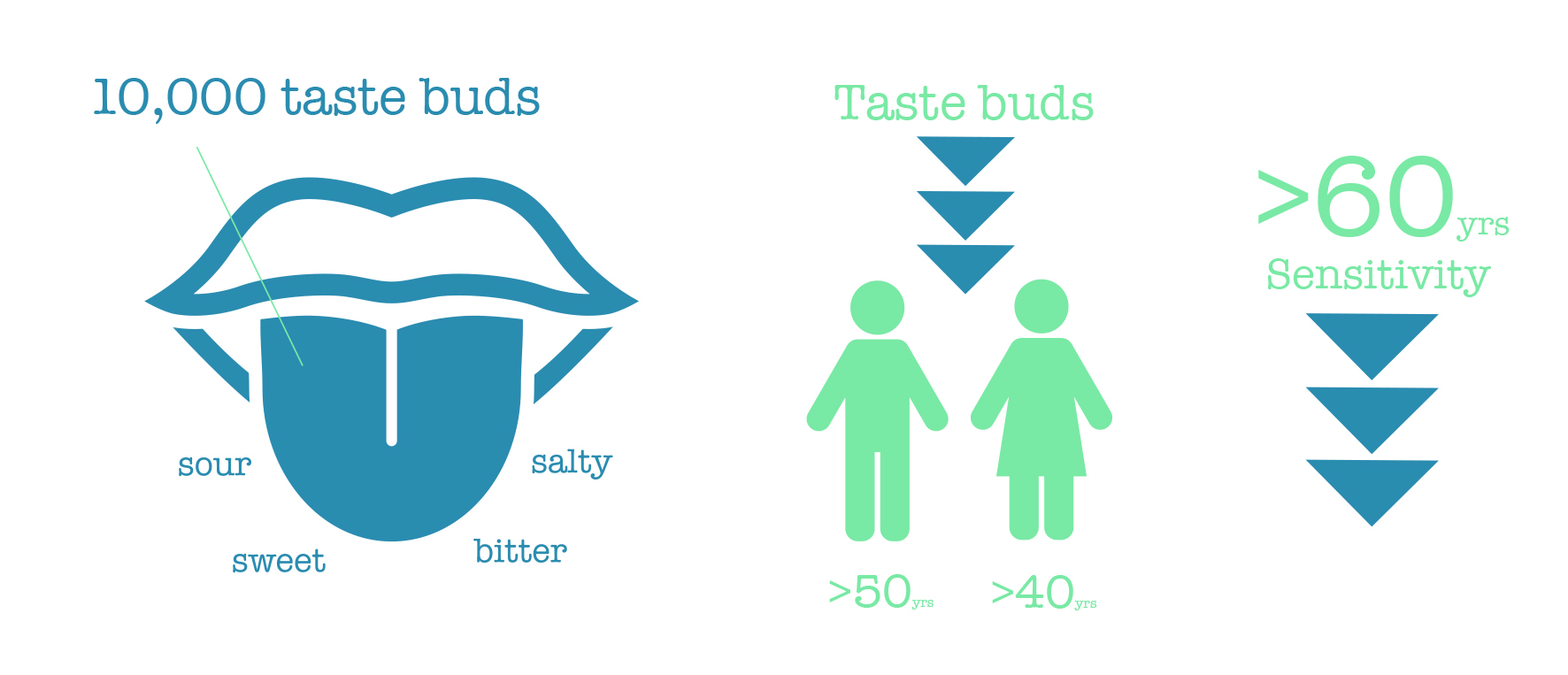
The tongue has approximately 10,000 taste buds that are responsible for differentiating sour, sweet, salty and bitter tastes. That number of taste buds begins to decrease beginning at age 40 in women and 50 in men. Sensitivity doesn’t begin to decrease until after age 60.
As one ages and produces less saliva, dry mouth can also affect the sense of taste. Changes in the function of taste can also result from prior upper respiratory infections, head injuries, medication use and other idiopathic causes more common in the elderly, such as tooth loss and dentures.
Individually, each taste bud goes through a constant cycle of birth, death and rebirth that lasts about two weeks. A healthy tongue sloughs off and regrows these taste buds constantly. With the onset of middle age, the taste buds continue to die and be shed, however a smaller number regenerate as the years go on, contributing to fewer taste buds in the mouth and consequently flavours begin to taste blander. Loss of taste or changes in taste are often localised to one area of the tongue and not the whole tongue.

Taste and smell are interconnected – the decline in ability to smell and differentiate smells influences taste perceptions. Sense of smell declines once we hit middle age; there is ongoing research to explore the neuroscience behind these changes.
Decline in smell can be attributed to a decrease in the number of nerve fibres in the olfactory system. Even without an illness or disease, age can trigger a decrease in the effectiveness of the nerve cells.
A reduced number of cells and reduction in sensitivity of those remaining cells, results in a change in the ability of the individual to interpret smell, which in turn impacts taste.
Food and beverages targeting older individuals should offer flavours that are more appealing to their taste preferences, they should utilise higher intensity aromas in certain cases and lower intensity of others, with varying textures and smaller portion sizes to accommodate the changes in taste, smell, appetite and food preferences.