Selenium is a mineral that is important for a group of proteins called selenoproteins, which have a few different functions in the body, ranging from helping our reproductive system function to storing selenium in the liver.
Some selenoproteins, called glutathione peroxidases, are important for the body’s antioxidant system, which protects DNA and cells from oxidative damage. This includes protecting the body’s immune cells from damage1, 2.
Selenium also plays a role in activating immune cells 1 and helping them function, such as assisting macrophages to more effectively destroy or engulf pathogens. The role of selenium in the response to vaccines continues to be investigated3.
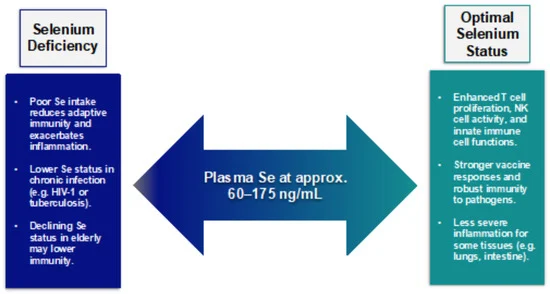
Figure 1. A summary of selenium and immune responses1. © 2018 by the authors 1. Licensee MDPI, Basel, Switzerland. Creative Commons Attribution (CC BY) license (http://creativecommons.org/licenses/by/4.0/).
Recommended Intakes
The recommended daily intake of selenium varies around the world2. The Chinese Nutrition Society4 set a Reference Nutrient Intake (RNI) of 60mg per day for adults. Similarly, in the US the Institute of Medicine has set a Recommended Dily Allowance of 55mg per day5. In addition, the European Food Safety Authority set an adequate intake (AI) of 70mg per day for adults6.
Dietary Sources
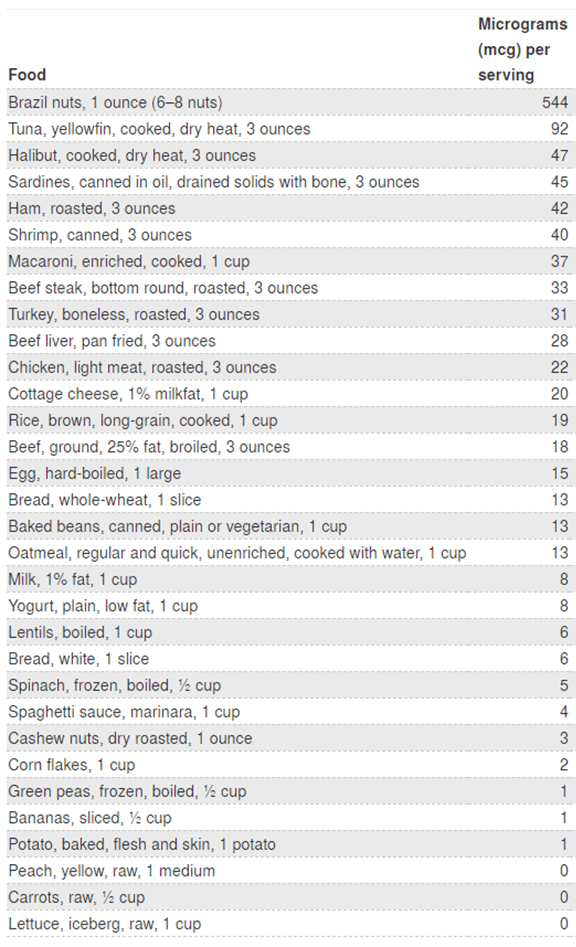
Meats, eggs, nuts, seeds, seafood and whole grains are good sources of selenium. The selenium content of foods is linked to the selenium content of the soil (see ‘Deficiency’ section below).
Table 1. Selenium content of common foods in the diet7
Deficiency
Selenium deficiency is expected to affect up to 1 billion people worldwide. This deficiency primarily affects people in areas where the soil is low in selenium7 and, as a result, the foods that grow in that soil are low in selenium.
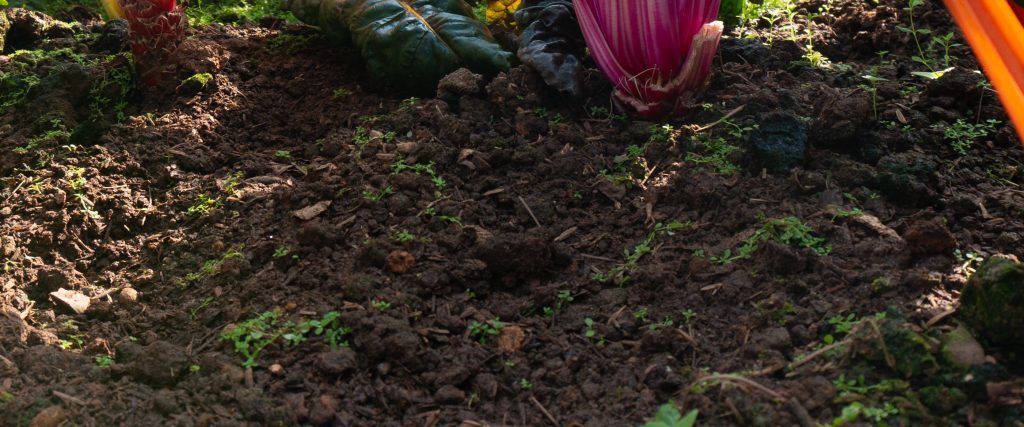
The distribution of selenium in the soil is extremely uneven, with significant differences even within countries. Regions with lower selenium intakes8 include certain areas of New Zealand, China and Italy, among many others.
In areas where the soil is rich in the soil, selenium deficiency is rare. For example, the average daily intake of selenium in the US is almost twice the daily recommendation. Certain regions of China, where selenium is plentiful in the soil, also have high intakes of selenium9.
Excess Intakes
Selenium has a narrow window between adequate and toxic levels. Getting too much selenium can lead to symptoms like gastrointestinal or neurological symptoms, hair loss, nausea and fatigue, among others7.
For this reason, in the US a tolerable upper limit of selenium has been set at 400mg per day for adults3 . The EFSA recently revised their upper limit to 255mg per day for adults including pregnant and lactating women10. Lower limits are recommended for younger groups.
Selenium Supplementation
People who are deficient in selenium are shown to have impaired immune responses2 and studies show that reinstating selenium status through supplementation can improve the body’s ability to fight infection.
Those with adequate selenium intake through their diet are unlikely to see additional benefits. A recent meta-analysis of selenium11 supplementation trials showed a very mixed picture of effects but no conclusive evidence of an beneficial effect on the immune system beyond the recommended dietary intake.
This article was publishing in March 2020 and updated on April 07, 2026.
What are Gut Microbiota?
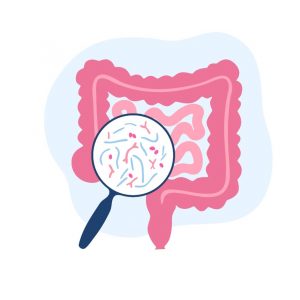
The ‘gut microbiota’ refers to the microorganisms (which may include bacteria, fungi and viruses) living in our intestines and they play a vital role in gut health and the management of several gastrointestinal disorders.
The term ‘microbiome’ refers to both microorganisms along with their collective genomes and metabolites (the molecules they produce)1.
The composition of gut microbiota can be affected by a wide variety of dietary components including carbohydrates, dietary fibres, fat, polyphenols, plant extracts and by ingredients such as fermented foods, prebiotics and probiotics2.
What are Probiotics?
Probiotics are defined as “live microorganisms that, when administered in adequate amounts, confer a health benefit on the host”3. Usually, this benefit is exerted in the gastrointestinal tract.
Probiotics influence health through non-specific, species-specific and strain-specific mechanisms. Non-specific effects—varying across strains and species—include inhibiting pathogenic microbes in the gut, producing bioactive compounds like short-chain fatty acids and lowering colonic pH.
Species-specific actions may involve vitamin synthesis, strengthening the gut barrier, bile salt metabolism, enzymatic functions and toxin neutralisation. Together, these mechanisms can broadly affect human health and disease4.
It is key to remember that the health benefits of probiotics are considered to be strain specific.
For more information on how probiotics work see this section.
How do Probiotics Impact the Immune System?
Immune health is one of the more commonly studied health outcomes of probiotics and the following mechanisms have been proposed4, 5:
- Probiotics have been shown to help protect against infection by improving the strength of the intestinal barrier. This reduces the ability of infectious microbes to enter the body via the gastrointestinal tract.
- Enhancing phagocytic activity (the process of engulfing and ingesting solid particles, such as bacteria by the cell membrane).
- Some probiotics, or the products they produce, can interact with immune cells of the human body to influence their effectiveness. For example, some probiotics can increase the production of cytokines (e.g. Interleukin-1 (IL-1), IL-2, IL-10, IL-12, tumour necrosis factor alpha (TNF-α)) in the intestine. These cytokines act as chemical messengers to regulate immune responses.
When it comes to researching aspects of immunity, studies often measure the frequency of the common cold or upper respiratory tract infections (URTIs) and the duration and severity of symptoms among study participants.
A 2022 Cochrane Review5 titled “Probiotics for Preventing Acute Upper Respiratory Tract Infections”, which included 23 randomised controlled trials, found that probiotics were significantly better than placebo or no treatment for reducing the number and duration of URTIs.
They also reduced the number of participants who used antibiotics for URTIs. This means that probiotics are likely working with the immune system to have a protective effect against the pathogens that cause URTIs.
Because studies have shown that probiotics may have an impact on upper respiratory tract infections (URTIs), there was significant interest in their potential role during the COVID-19 pandemic.
However, the International Scientific Association for Probiotics and Prebiotics (ISAPP) stated that no probiotics or prebiotics have been shown to prevent or treat COVID-19 or to inhibit the growth of SARS-CoV-26.
In the post-pandemic period, probiotics continue to be studied for their possible role in areas such as vaccine effectiveness and support for individuals experiencing post-COVID-19 syndrome7.
Antibiotics can disturb gastrointestinal microbiota and lead to reduced resistance to pathogens such as Clostridioides difficile and associated diarrhoea (CDAD). The use of probiotics for the prevention of Clostridioides difficile infection has been researched for many years.
A recent Cochrane meta-analysis concluded that probiotics may be effective for preventing CDAD in those receiving an antibiotic for any reason, suggesting that for every 65 people taking probiotics, one case of CDAD may be prevented8.
Large trials comparing probiotics with placebo in people with a low risk of CDAD are needed. This will be an interesting area to keep an eye on as the science progresses.
How to Choose a Probiotic
Resources from the International Scientific Association for Probiotics and Prebiotics (ISAPP)
The probiotic marketplace can be confusing for consumers. See for some basic information on how to choose a probiotic for healthy people. There is also useful information about how to read a US and hypothetical European probiotic label.

Here are some basic principles to guide your search:
-
- There is no one strain or one dose that is best. Sometimes lower dose products or products with fewer strains have the best evidence.
- Any health benefit claim made should be substantiated with a human trial. The types of claims allowed in the US on foods and dietary supplements are restricted by law. Contact the manufacturer to get information on what studies have been conducted, or consult Clinical Guide for Probiotic Products Available in the United States9 or the Guide to Probiotic Products Available in the United Kingdom10.
- One of the biggest challenges in the probiotic market is keeping the probiotic strain alive. Responsible manufactures go to great lengths to be sure their probiotics retain viability and deliver an efficacious dose through the end of the product’s shelf-life. Unfortunately, not all products on the market are responsibly formulated so consumers should buy products from companies they trust.
Resources for Healthcare Professionals
In addition to resources from ISAPP, in 2023, the World Gastroenterology Organisation published a resource for professionals working specifically in gastroenterology “WGO Practice Guideline. Probiotics and Prebiotics”11.
Resources for Researchers
Health benefits of probiotics can be strain-specific and meta-analysis may not represent the ‘gold standard’ for evidence in this area. This paper identifies common mistakes and offers expert panel recommendations for conducting meta-analysis for probiotic studies12.
This perspective literature review describes state-of-the-art tools for harnessing the microbiome for precision health and a corresponding future vision of healthcare13.
This article was first published in April 2020 and updated on March 11, 2026.
This article is the first in a 3-part series covering the impact of social isolation on older adults, addressing the key challenges with solutions for maintaining holistic well-being.
‘Deconditioning’ and the Potential of Muscle Mass Loss
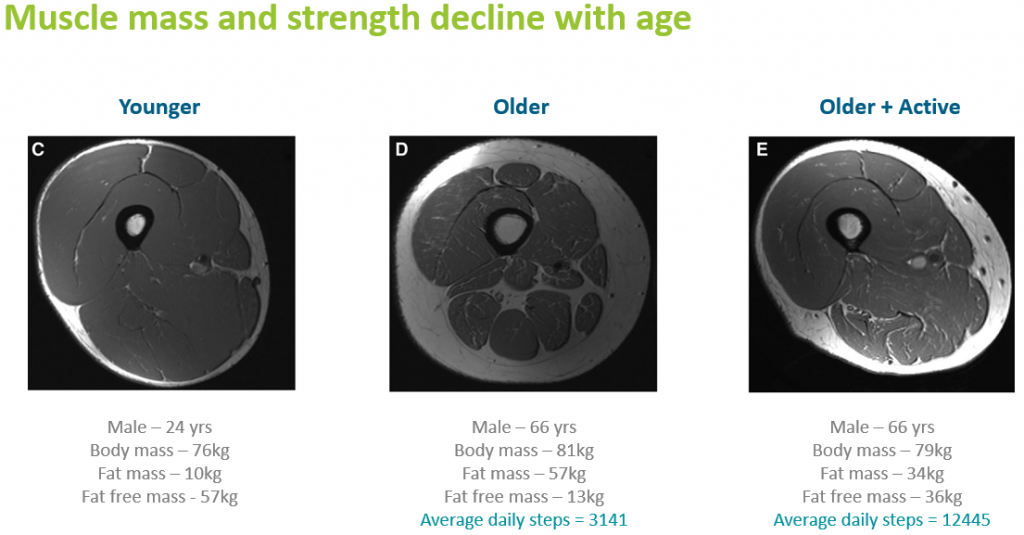
For many people, staying at home may lead to a reduction in time spent walking and engaging in other physical activities. Even relatively short periods (~2 weeks) of very low physical activity / low daily step count (<2,000 – 3,000 steps per day) are known to adversely affect skeletal muscle health (1, 2).
This is of particular concern among older adults who are already at high risk of muscle mass and strength loss.
Unlike younger adults who “bounce back” relatively easily from transient periods of inactivity, recovery in older adults is slow and may be incomplete (1, 2).
As such, these periods of inactivity may have long lasting negative effects on physical function and mobility. Fortunately, simple measures can be taken to minimise the deterioration in muscle health.
Nutrition and Maintaining Muscle Mass for Older Adults
What we eat can help us to maintain our muscle health while remaining at home, especially when combined with resistance exercise.
Protein-rich foods combined with a balanced diet of whole grains, fruits, and vegetables can be an important part of staying healthy and maintaining mobility.
Protein Power
Compared to younger adults, older adults are less efficient at using the protein they eat (found in foods like milk, yoghurt, fish, eggs, meat, beans, nuts) to build new muscle (3). This means that older adults need more protein in their diets than younger ones and not eating enough protein can contribute to muscle loss.

Expert groups recommend that healthy older adults should consume 1.0 – 1.2 g of protein per kilogram of body weight per day to help preserve muscle (4, 5).
It is particularly important to ensure that older adults continue to consume adequate amounts of protein while isolating.
Some tips include:
- Prioritise protein – as physical activity levels fall during social distancing, the number of calories we burn per day decreases and appetite may also decline. Prioritising protein-rich foods can help maintain a similar protein intake as before social distancing was introduced.
- Choose high quality sources – higher quality protein sources (e.g. milk, yoghurt, fish, eggs, meat, poultry) are better at stimulating muscle growth compared to lower quality protein sources (6). Getting a moderate-size serving of high quality protein (25-30 grams) at each meal can improve muscle retention.
- Boost breakfast – breakfast tends to be low in protein, so breakfast foods are an opportunity to boost daily protein intake. Making porridge with milk rather than water, adding Greek yoghurt to muesli or a smoothie, making an omelette or scrambled eggs, or drinking a glass of milk alongside your meal are all common ways of boosting protein at breakfast.
- Pair protein with exercise – the exercise will make muscles more efficient at using the protein from the meal to build new muscle (7).
- Pre-bed protein – consume a protein-rich snack (e.g. Greek yogurt, cottage cheese) before bed to boost muscle building rates overnight (8).
Calories Count
Studies indicate that consuming either too few or too many calories over several weeks can worsen muscle loss during periods of inactivity (9, 10).
It is normal for people to have a slightly lower appetite when they are less active than usual at home. However, if appetite drops considerably and results in weight loss, this may accelerate muscle loss.
 Small, nourishing snacks frequently throughout the day to give a constant source of protein (e.g. milky drinks, yoghurts, crackers and cheese, custard) and add extra calories to meals (e.g. add milk, skimmed milk powder or cream to soups and mashed potatoes, use full fat dairy products) are two ways to prevent appetite-related weight and muscle loss.
Alternatively, some people may find that, despite decreased activity levels, they are eating more than usual due to boredom or stress. In this case, eating plenty of fruit and vegetables which are low in calories and high in fibre can people stay full.
Prioritising protein-rich foods as discussed above and reducing intake of high-calorie, low protein foods (e.g. biscuits, chocolate, crisps, sweets, butter) can help reduce risk of weight gain.
Physical Activity to Maintain Muscle Mass
Use it or Lose it
The best way to protect muscles against the adverse effects of inactivity is to keep using them.
Resistance exercise, defined as exercising muscles against an external force (e.g. weights, resistance bands, our own body weight), is by far the most potent strategy to maintain muscle mass and strength.
Research has shown that incorporating resistance exercise during periods of reduced activity can attenuate or even abolish the decline in muscle mass (11, 12) and strength (12, 13).
Importantly, even relatively low amounts of resistance exercise appear to be effective once performed regularly (e.g. every other day) (12).
Although most older people may not have access to resistance training equipment at home, body weight exercises can be performed (e.g. sit-to-stands, wall push ups, leg extensions from a chair).
It is important for people to check with their doctor to find out if they have any contra-indications to exercise or if there are any reasons to modify their workout.
Reduce Sedentary Time – Exercise “Snacks”
Engaging in physical tasks around the house each day like gardening, active chores (e.g. sweeping, hoovering) or even walking around while on the telephone can help to minimise inactivity while staying at home, thus reducing the detrimental effect on muscle.
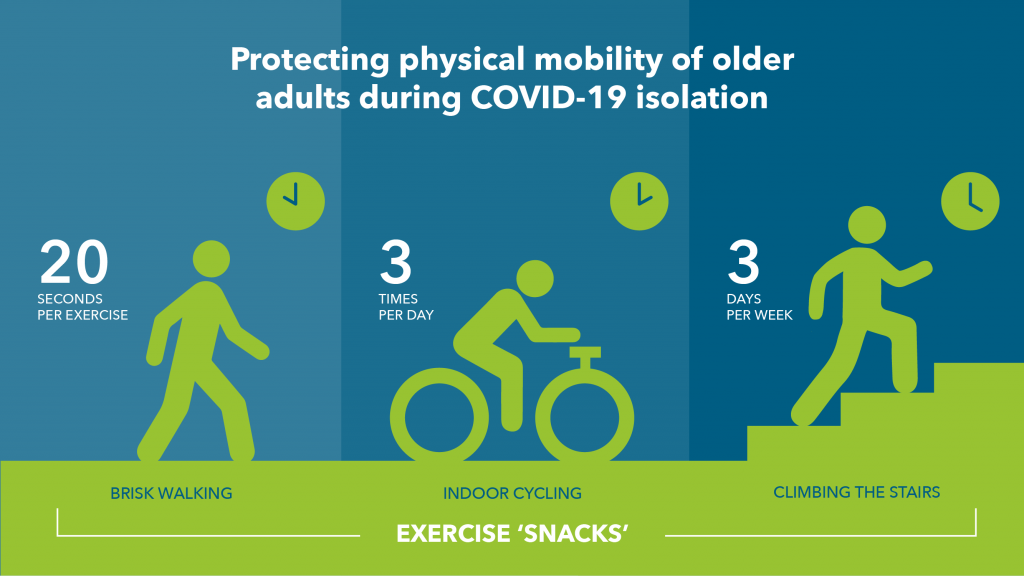
People can also break up prolonged periods of sitting with “exercise snacks”.
Exercise snacks are short bursts of exercise spread throughout the day (e.g. briskly climbing the stairs during ad breaks on TV).
A recent study reported that performing brisk stair climbing (approximately 20 seconds of climbing per “snack”) three times per day, three days per week, improved fitness and leg power in sedentary people (14).
Therefore, exercise snacks like these may help to reduce declines in fitness that occur during periods of inactivity.
Stay on Track
Staying motivated can be difficult, especially when we are isolated at home and separated from loved ones.
To maintain muscle health it is important to keep up the exercise and healthy eating for the duration of isolation. Some tips to help stay motivated include:
- Set goals about when and where to do the exercise (15)
- Choose activities you enjoy (16)
- Monitor your exercise using diaries or apps or ask a friend or family member to monitor you (15)
- Plan your protein-rich meals for the week ahead and make a shopping list
- Keep a stock of protein-rich foods (e.g. tinned fish, freeze extra poultry, meat and fish)
- Experiment with new protein-rich recipes to keep things interesting