Early human microbiome studies overlooked the mammary glands, but in 2000 the discovery of lactobacilli in healthy breast milk shifted scientific attention towards Human Milk Probiotics (HMPs) and their benefits on maternal and infant health.
HMPs are the live beneficial bacteria that are naturally present in breast milk.
Over the past number of years, HMPs have seen a surge in scientific interest, driven by growing awareness of the microbiome’s role in maternal and early-life health and immunity.
Recently, the science on HMPs was presented by KHNI experts at two industry conferences, ChinaGut in Zhejiang, China, and Growth Asia Summit in Singapore.
ChinaGut 2025
The ChinaGut 2025 conference with the theme of “GUTSY Young, Bright Future “, was held from June 6 – 8, 2025 at the Ningbo International Conference Centre, Zhejiang, China. This year’s event featured over 30 academic sessions, more than 10 industry-focused sessions, and fourteen key scientific areas including the microbiome, nutrition, digestive system diseases, and immunity.
Dr. Jaume Núñez, Product Manager for Vegetative Probiotics at Kerry, presented the latest scientific research on HMPs as well as providing market trends and consumer insights. Breast milk is the gold standard of infant nutrition, containing all nutrients required to support a baby’s healthy growth.
However, many mothers lack support or experience difficulties in breastfeeding leading to infants not reaping the benefits of consuming breast milk.

One of the top reasons why women stop breastfeeding is due to mastitis which occurs in approximately 10-20% of mothers who are breastfeeding. Dr. Núñez highlighted that mastitis is associated with a dysbiosis in the microbiota in breast ducts.
Research findings presented showed the benefits of HMPs supplementation (specifically Lactobacillus) for the prevention and treatment of mastitis, as well as improving infant health. HMPs are believed to play a role in antimicrobial defence by inhibiting bacterial growth.
Other potential mechanisms of action include increasing the abundance of microbes which produce favourable metabolites, reducing intestinal dysbiosis, and activating the host’s immune response.
A comment from Dr. Núñez:
“Over half of Asian female supplement consumers are seeking alternative solutions to support their pregnancy and breastfeeding journey. When a mother’s microbiota is transmitted to her baby, this plays a key role in immune system development, allergy and asthma prevention, and nutrient absorption. Therefore, the addition of HMPs may play an important role for bottle-fed babies. We need to keep deepening into HMPs mechanisms of action and how they adapt to the different metabolic and immune characteristics of a woman or a child.”
Growth Asia Summit 2025
At the recent Growth Asia Summit 2025 in Singapore in July, two main research topics stood out namely Healthy Ageing, particularly the role of cellular interventions in extending people’s health span versus lifespan, and Women’s Health, with strong focus on nutrition across life stages.
A presentation on HMPs and their positive impact on maternal and infant health was given by Dr Mónica Maria Olivares, RDA Director of Women’s and Infant Health at Kerry. The audience heard about the fast-growing probiotics market in the Asia Pacific region.
Dr. Olivares followed on by emphasizing the importance of an infant’s first 1,000 days of life, i.e. from conception to two years, for lifelong health.
Similar with what Dr. Núñez discussed in China, one of Dr. Olivares key messages was that breast milk provides essential nutrients and probiotics that nurture an infant’s gut and immunity.
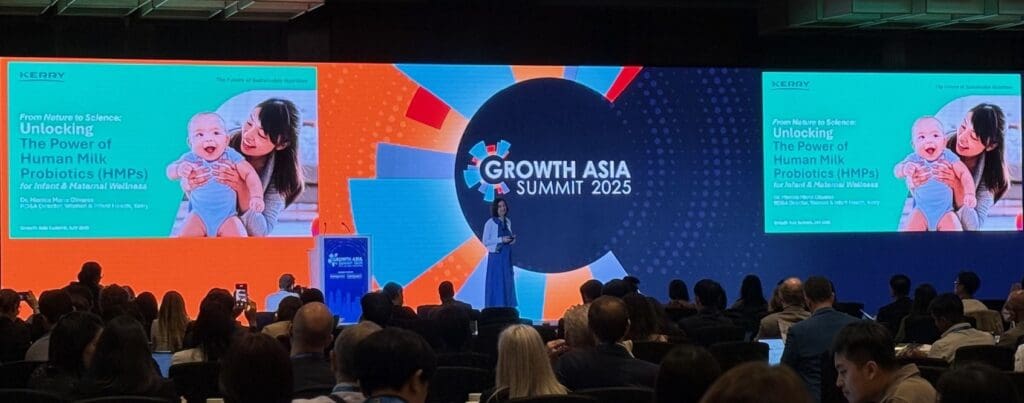
Research documenting the benefits of HMPs such as enhanced infant gut microbiome development and improved resistance to gastrointestinal and respiratory infections was presented.
Different mechanisms, such as the competition with pathogenic bacteria, production of antimicrobial compounds, maturation of the immune system, and improvement of the immune response, have been attributed to the anti-infectious activity of HMPs.
In summary, our understanding on the health benefits of HMPs for mothers and infants continues to evolve. Further research will give further insights into their health promoting effects and may elucidate the distinct mechanisms of action for specific strains.
Subsequently, this will increase the availability of targeted products to support mothers and infants through breastfeeding.
Whether it’s preparing for a family, going through pregnancy, or breastfeeding, motherhood is a transformative time in a woman’s life.
Such an intricate journey is filled with moments of anticipation, joy and connection. But it can also include challenges and health considerations that require thoughtful attention and care.
The link between a mother’s health and their infant’s wellbeing has created a strong consumer demand for products targeting conception, pregnancy and breastfeeding.
Of recent launches in the Women’s Supplements Market, 38% were related to pregnancy and/or fertility1.
The fertility stage is oftentimes the gateway to family living. Around 186 million individuals live with infertility worldwide, at times leading to feelings of guilt, fear and self-blame2.
Support, whether from healthcare professionals, family and/or friends, is key to helping people navigate the complexities of the fertility journey with dignity, resilience and hope.
Polyendocrine Metabolic Ovarian Syndrome (PMOS)
Polyendocrine Metabolic Ovarian Syndrome (PMOS), formerly known as Polycystic Ovary Syndrome (PCOS), affects an estimated 6 – 13% of women, with up to 70% of cases being undiagnosed.
Around 40% of all female fertility disorders are due to ovulatory disorders3, with 85% of these linked to PMOS4.
Considering PMOS causes one in three cases of female infertility and affects 6 – 13% of women of reproductive age, there’s demand for naturally derived, science-backed solutions to help promote fertility for those living with PMOS5.
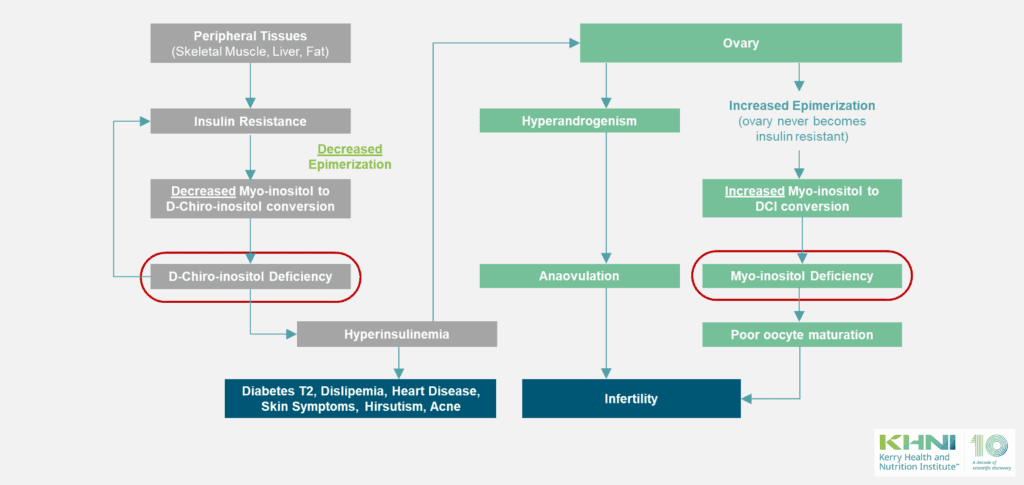
However, it is evident from the research that one of the main factors that impact this condition is insulin resistance.
This insulin resistance has a direct effect on Myo-inositol (MI) to D-Chiro-Inositol (DCI) conversion, ultimately causing a DCI deficiency.
This deficiency can lead to hyperinsulinemia, i.e., high levels of insulin, which can cause an overstimulation of the ovary to produce testosterone. i.e., hyperandrogenism, which in turn causes anovulation.
In parallel to this, there is a MI deficiency in the ovary which leads to poor oocyte maturation. This is because MI is involved oocyte maturation.
This together with anovulation can contribute to infertility associated with PMOS.
Biosynthesis of myoinositol (MI) occurs endogenously, primarily in the kidney, with a rate approaching 4g per day. The conversion rate of MI to D-chiro-inositol (DCI) ranges from 3% to about 9%6.
In women suffering PMOS, they have a systemic deficiency of DCI7,8. Consequently, the level of DCI in tissues can decrease significantly.
On the contrary, the situation seems to be different in the ovary, where there is a deficiency of MI9. Therefore, women experiencing PMOS have DCI deficiency at a systemic level and MI deficiency at the ovary level.
To tackle both deficiencies, varying combinations of MI and DCI have been researched. For instance, a ratio 40:1 MI:DCI taken by healthy women resulted in better clinical results that the use of MI or DCI alone10,11.
Interestingly, a clinical trial comparing the benefits of a MI:DCI ratio at 3.6:1 versus ratio 40:1 showed significantly better results in the MI:DCI 3.6:1 group with almost four times more live births than the 40:1 MI:DCI group12.
Furthermore, a MI:DCI 3.6:1 ratio has multi-dimensional benefits to women with PMOS such as regularising menstrual cycles and improving insulin resistance, hormonal, glycaemic and lipid profiles, with considerable efficacy and tolerability12-15.
Pregnancy
Pregnancy is a time of incredible change for women as their bodies prepare to nurture a new life. A mother’s health becomes paramount as her well-being and that of her baby is intricately connected.
Emotional health is equally important during this time, as hormonal changes bring about a variety of feelings, from joy and excitement to anxiety and mood swings.
A strong support network is crucial to help expecting mothers navigate the changes and challenges with strength and confidence.
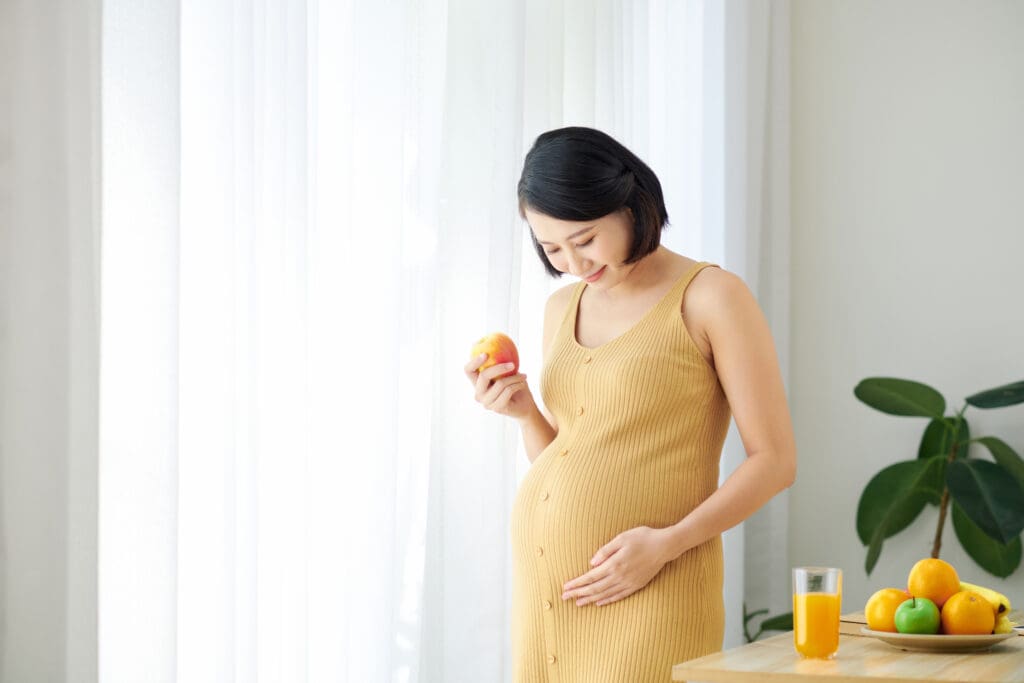
A well-balanced diet of good quality carbohydrates, proteins, specific fatty acids, vitamins and minerals is essential to support changes to the mother’s body and for optimal growth and development of the baby16.
It is also important that mothers are aware of the foods that must be avoided during pregnancy including unpasteurised dairy foods, soft cheeses, raw meat and fish and alcohol16.
Mothers’ diets have also been found to influence a baby’s health into adulthood, with good prenatal nutrition reducing the risk of heart disease, diabetes and high blood pressure in adulthood.
Interestingly, a study reported that up to 92% of pregnant women reported taking prenatal vitamins and/or other supplements17.
Some of the most popular supplements are folic acid, which is essential for preventing neural tube defects in the developing foetus and Docosahexaenoic acid (DHA), which is key for cognitive, eye and heart development.
Omega-3 DHA fatty acids are critical for the development of the baby’s brain and eyes, reduces the risk of preterm birth, supports maternal health and contributes to healthy birth weight.
Breastfeeding
From conception to their second birthday, babies’ first 1,000 days of life are a critical window for good nutrition and infant wellbeing.
During this time, a baby’s gut and immune system develop rapidly as they move from a protected environment to one exposed to many immune challenges.

Breastfeeding is a journey that fosters a unique bond between mother and baby. Regarded as the gold standard of infant nutrition, it offers a host of extraordinary benefits for both mother and baby.
A nutrient-rich diet and good hydration is vital for breastfeeding mothers, especially for those who are exclusively breastfeeding as they generally need an extra 300 – 500kcal per day16.
However, it is important to understand that every mother’s situation is unique and breastfeeding comes with its own challenges, which means it isn’t always possible.
Acknowledging these challenges openly helps to create a more supportive environment that equips mothers with the tools they need to best care for themselves and their babies.
One of the main medical reasons for women stopping breastfeeding is mastitis. According to the World Health Organisation (WHO), up to 30% of lactating women suffer from mastitis18.
Through extensive research, intake of a probiotic strain isolated from woman breastmilk, Lactobacillus fermentum CECT 5716, promoted breast health and comfort.
This, in turn, prevented premature cessation of breastfeeding due to pain, by reducing mastitis pain symptoms and the incidence or recurrence of mastitis19-21.
Summary
Addressing fertility and health challenges for women requires a multifaceted approach that includes dietary and lifestyle modifications.
Emerging research underscores the powerful role of nutrition in managing the key drivers of PMOS.
Incorporating nutrient-rich foods, maintaining a balanced macronutrient intake and adopting sustainable dietary patterns can empower women to improve their fertility outcomes.
As science continues to advance, personalised nutrition strategies show promise for tailoring solutions to individual needs, offering hope for those navigating fertility challenges.
Supporting women on this journey is not just about dietary choices; it’s about fostering overall health and well-being for the future.
Probiotics, prebiotics, botanicals, vitamins, macronutrients and micronutrients may help women manage their physical and emotional wellbeing, but what should be considered?

Women’s Unique Nutritional Needs
“When you consider the various stages of a woman’s life, adolescence, reproductive age, pregnancy, lactation, peri-menopause, menopause and post-menopause, it’s not surprising that each of these stages requires distinct nutrition to support overall wellbeing. For example, adolescent females have an increased requirement for calcium to build life-long bone density. A deficiency in calcium at this life stage can result in increased risk of osteoporosis post-menopause, when the protective effects of oestrogen decline,” said Dr Lisa Ryan.
By understanding the specific nutritional requirements of each life stage, women can make informed choices about their own health.
Nutrition and Fertility
 One in six women experience infertility. Hormonal imbalances can disrupt a woman’s delicate reproductive process, leading to irregular cycles, failure to ovulate (anovulation), difficulty conceiving, or infertility.
There are some unknown causes of infertility, but one in three cases of female infertility is caused by polycystic ovary syndrome (PCOS) – the most common hormonal disbalance affecting women.
What is Polyendocrine Metabolic Ovarian Syndrome (PMOS)?
Polyendocrine Metabolic Ovarian Syndrome (PMOS)*, formerly known as Polycystic Ovary Syndrome (PCOS), is a common condition that affects how a woman’s ovaries work.
Polycystic ovaries are bigger than healthy ovaries and have twice the number of follicles than healthy ovaries do.
In PMOS ovulation doesn’t take place each month causing women to stop having periods or have irregular periods and can also cause fertility issues.
It’s a complex, chronic condition associated with a range of endocrine and metabolic symptoms.
PMOS can have a profound impact on a woman’s health, fertility, self-esteem and body image, leading to emotional distress. It is not just a fertility issue but one affecting a woman’s overall health, including her mental wellbeing. PMOS is leading cause of female infertility.
“The exact cause of PMOS is unknown. It’s thought to be linked to abnormal hormone levels in the body, including high levels of insulin.
PMOS is also related to a deficiency in inositol (a sugar made in the body and found in foods) and specifically a systemic deficiency in the D-chiro-inositol and ovarian deficiency in Myo-inositol.
Women with PMOS need to ensure an adequate intake of inositol through their diet or consider taking a supplement,” said Dr Monica Maria Olivares.
Monica added: “The benefits of inositol in PMOS are very well known there are more than 300 scientific publications about this topic, more than 50 clinical trials and 20 metanalysis demonstrating the benefits of inositol on fertility, skin, cardiovascular disease, hyperandrogenism and hyperinsulinemia.”

Nutrition in Pregnancy and Breastfeeding
The first 1,000 days of a child’s life – beginning with conception through the first two years of childhood – critically impact development and health throughout life.
Therefore, it is essential that women have the nutrition, care and the support they need for the healthiest possible future for themselves and for their children.
Vitamin and mineral needs can vary greatly between pre-pregnancy, pregnancy and lactation.
A carefully chosen diet can meet recommendations for most nutrients, but the diets of pregnant and lactating women often fall short of many essential nutrients. For example, many pregnant women under-consume:
-
-
- folic acid (to help protect against neural tube defects)
- choline (for foetal brain and nervous system development)
- iron (for increased maternal and foetal blood volume)
- calcium (for bone growth and reduced risk of maternal hypertension)
- Omega-3 fatty acids (for foetal brain and eye maturation)
-
During lactation, the mother is able to provide all of a child’s nutrient needs via breastfeeding. For optimal health of the infant, the WHO recommends exclusive breastfeeding for the first six months.
For the mother, this means that the required intake of many nutrients becomes even greater than during pregnancy – after all, the baby is still totally dependent on the mother for nutrition, but it is now bigger than it has ever been.
As a result, it is essential for the mother to eat a balanced diet during this time to ensure both she and her baby are healthy. For some nutrients, the mother’s body will ensure the breast milk contains enough for the baby even at the risk of depleting her own body’s reserves.
These are mostly nutrients that are absolutely essential for proper growth and development of the baby, such as protein, calcium and zinc. Inadequate intake by the mother could lead to higher risk of iron deficiency, anaemia, or loss of bone mineral density.
Some mothers don’t get the support they need to 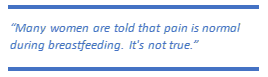 sustain breastfeeding. Mastitis is the leading medical cause of women ceasing breastfeeding with ~15% of women experiencing mastitis during breastfeeding. The main symptom is pain.
What is Mastitis?
Mastitis is an inflammation of breast tissue and is associated with an imbalance of the microbiota of the mammary gland. The main symptom is pain – and the pain, heat and swelling can be very intense.
Other symptoms include inflammation and obstruction of mammary ducts and it can be associated with systemic symptoms like fever and tiredness. Mastitis a very common problem during breastfeeding, affecting around 15% of women.

Nutrition in Menopause
Peri-menopause, pre-menopause, menopause, post-menopause. The menopause isn’t a single event in a woman’s life, but something women experience over the course of a couple of decades.
It’s a transformative phase, marking the end of a woman’s reproductive years. This natural transition brings about a myriad of changes, both physical and emotional.
One billion women worldwide will be experiencing menopause in 2025 and 80% of whom will have menopausal symptoms, symptoms that can severely impact their quality of life.
What is Menopause?
Menopause is the consequence of the reduction in the ovarian function as it’s a gradual decrease in the level of oestrogens in a woman’s system.
Oestrogens regulate the growth development and physiology of the human reproductive system, but also are involved in neuroendocrine, skeletal, adipogenesis and cardiovascular system.
The low level of oestrogen during menopause reduces the activation of oestrogen receptors and causes the symptoms associated with menopause.
There are more than 30 different symptoms associated with the menopause. Common symptoms include:
-
-
-
- hot flushes
- night sweats
- difficulty sleeping
- fatigue
- lack of energy
- low mood or anxiety
- problems with memory or concentration
- vaginal dryness and pain, itching or discomfort
- reduced sex drive (libido)
- discomfort during sex
- irregular periods
- headaches
- heart palpitations
- recurring UTIs
- loss of muscle
- weight gain
- joint aches and pains
-
-
Women choose to manage their symptoms and look ahead to healthy ageing in many different ways – pharmaceutical treatments, herbal remedies, life-style changes and increasingly nutritional changes, like adding more phytoestrogens to their diet.
Monica said: “Phytoestrogens are plant-based compounds that mimic the effects of oestrogen in the body. They occur in different botanicals, for example in red clover, soybeans and hops and have been shown in clinical studies to reduce the frequency and intensity of menopause symptoms without serious side effects, which is very important.
In fact, there are more than 1,500 scientific publications, 300 clinical trials and 30 metanalysis demonstrating how phytoestrogens can help to address symptoms in menopause.”
Lisa added: “There are also specific nutritional considerations for post-menopausal women. For instance, many experience changes in taste perception and suffer from severe dry mouth.
Their food preferences may shift and they may require different supplements or novel botanicals to support these changes. This presents opportunities for food and nutrition innovation specifically tailored to women’s health.”
Conclusion
There is a growing recognition of the unique health needs of women and a shift toward prioritising women’s wellbeing.
That said, every woman is different and their needs are distinct and unique throughout various stages of life. Nutrition therefore needs to be personalised.
New technology is making personalisation easier. By tracking what happening in their bodies, women can better understand the symptoms they are experiencing, allowing them to make decisions about taking a specific diet or ingredient to meet their individual needs.
“There is wealth of information available about how women can use nutrition to manage their physical and emotional wellbeing throughout their lives. What’s important is to seek out science-based information and products that have been tried and tested in clinical studies,” concluded Lisa.
*This article was updated on July 31st 2026 to reflect the new terminology for PMOS