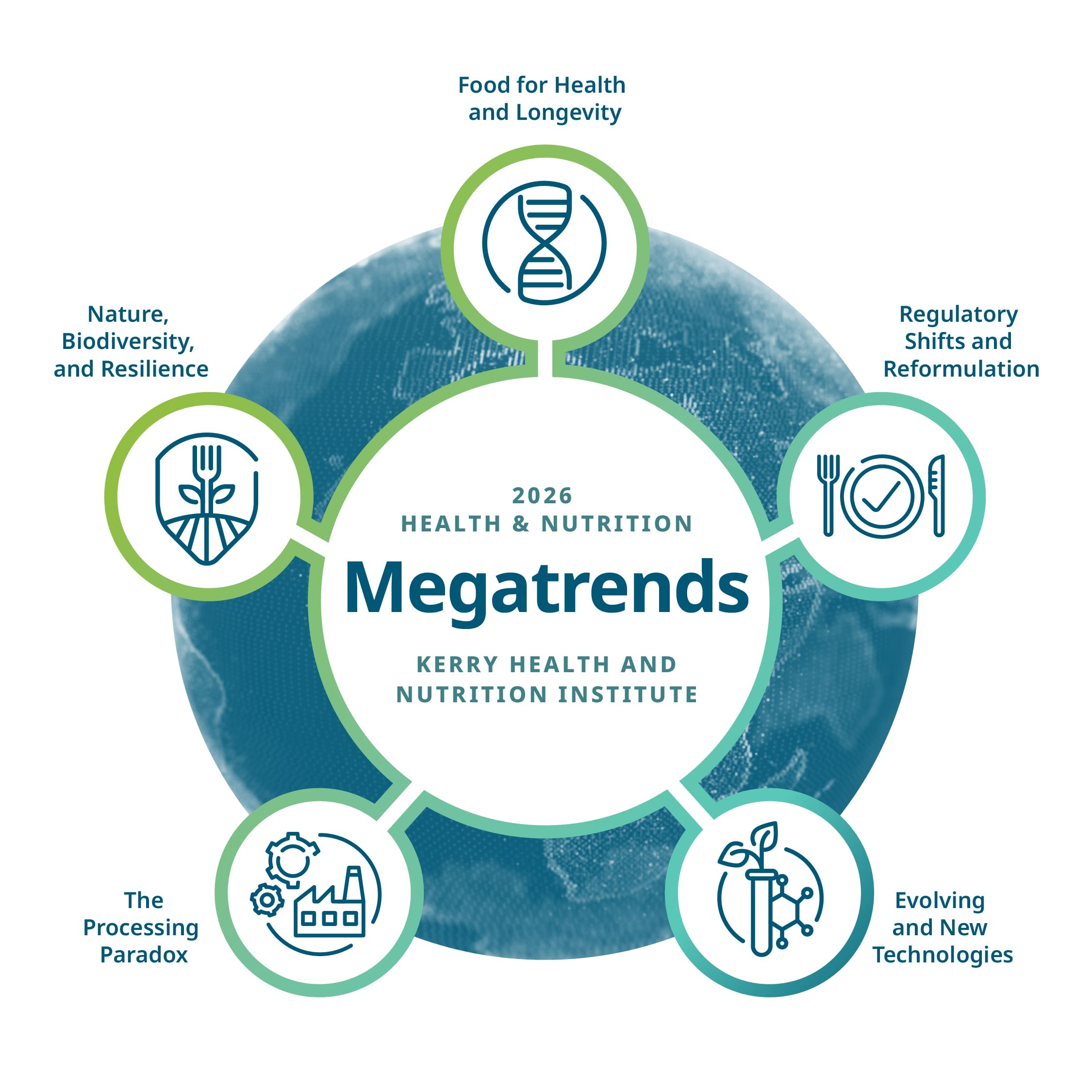

This is a very interesting article that was first posted in June 2025, and due to its popularity the KHNI would like to draw your attention to this informative read. Over the past decade, the global prevalence of obesity has escalated to alarming levels, prompting significant public health concerns. In 2022, approximately 1 in 8… Read more »

Nutrition Regulations and Policy Shifts
Regulations and policies around nutrition and food are accelerating at speed, reshaping how food is formulated, labelled, and marketed. In this section we keep readers up-to-date on the current and potentially forthcoming regulations and polices surrounding nutrition and food across the globe.
The U.S. Department of Agriculture (USDA)’s recent updates to child nutrition standards have significant implications for the food industry, particularly for manufacturers that produce foods for school meal programs. These changes, which include stricter limits on added sugars and sodium and an emphasis on whole grains and locally sourced foods, require manufacturers to adapt their… Read more »

Salt intake is significantly higher than the daily recommendation in many countries. What is being done globally to reduce salt intake, and how effective have these strategies been?
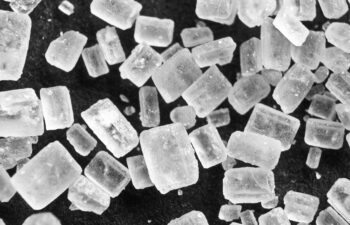
The past decade brought a rise in sugar-related discussions amongst the food and beverage industry, public health officials, and the general population. While demand for sugar and sweeteners has never been higher, the need for sugar reduction has also continued to grow. Sugar, in the form of the carbohydrate glucose, is the primary energy of… Read more »

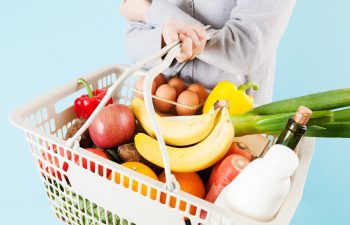
In recent years, the importance of ensuring that the food we eat is sustainably sourced and nutritionally complete has been to the forefront for consumers and policy makers alike. Many governments globally have begun to incorporate sustainability into their country’s food based dietary guidelines (FBDGs). They wish to ensure that the food that they recommend… Read more »
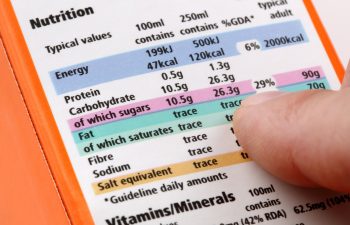
It has been more than 15 years since the EU published legislation limiting the types of claims that can be made on ‘unhealthy’ foods, but there is still not agreement on the exact nutrient profiles to be used. What challenges have led to this long journey, when can we expect unified guidelines on nutrient criteria for claims and front-of-labelling, and how will it impact the food and beverage market?
Upcoming EU regulations will change which types of natural flavouring sources are acceptable in organic products. Nicolas Barthes, BSc walks through the legislation, how extracts are made, and how to decide which type of extracts are appropriate for different foods and beverages.
Upcoming legislation will restrict advertising and price promotions of unhealthy foods in the UK. We share formulation tips to improve nutrition scores based on the criteria used in the legislation.
A new study published in the journal Obesity Reviews finds the answer seems to be “yes”, sugar taxes are working. The analysis showed that the equivalent of a 10% tax on sugar-sweetened beverages (SSB) is associated with an average of a 10% reduction in beverage purchases and dietary intake of SSBs. The systematic review and… Read more »
Sugar taxes have seen news coverage in recent years as a way to decrease sugar intake, but a new study found potential merit for additional price changes to improve health. A study from Tufts University published in BMC Medicine found that changing the price on 7 foods by 10% could prevent an estimated 23,000 deaths per… Read more »
Learn about the role of food additives and regulations in place to ensure their safety.
In 2010, Australia implemented a number of taxes on unhealthy foods alongside subsidies on fruits and vegetables. A new study in the journal of PLOS medicine reveals that Australia could save AUD $3.4 billion (USD $2.3 billion) in healthcare costs. The greatest impact, the researchers concluded, came from a sugar tax, which could avert 270,000 years… Read more »