The Gut Microbiota
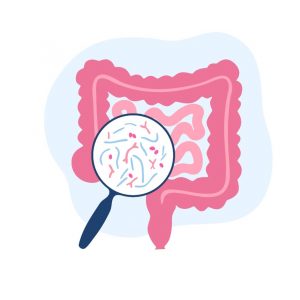
The ‘gut microbiota’ refers to the microorganisms (which may include bacteria, fungi and viruses) living in our intestines and they play a vital role in gut health and the management of several gastrointestinal disorders. The term ‘microbiome’ refers to both microorganisms along with their collective genomes and metabolites (the molecules they produce) 1.
The composition of gut microbiota can be affected by a wide variety of dietary components including carbohydrates, dietary fibres, fat, polyphenols, plant extracts and by ingredients such as fermented foods, prebiotics, and probiotics 2.
What are Probiotics?
Probiotics are defined as “live microorganisms that, when administered in adequate amounts, confer a health benefit on the host” 3. Usually, this benefit is exerted in the gastrointestinal tract.
Probiotics influence health through non-specific, species-specific, and strain-specific mechanisms. Non-specific effects—varying across strains and species—include inhibiting pathogenic microbes in the gut, producing bioactive compounds like short-chain fatty acids, and lowering colonic pH.
Species-specific actions may involve vitamin synthesis, strengthening the gut barrier, bile salt metabolism, enzymatic functions, and toxin neutralisation. Together, these mechanisms can broadly affect human health and disease 4. It is key to remember that the health benefits of probiotics are considered to be strain specific.
For more information on how probiotics work see this section.

How do Probiotics Impact the Immune System?
Immune health is one of the more commonly studied health outcomes of probiotics and the following mechanisms have been proposed 4, 5:
- Probiotics have been shown to help protect against infection by improving the strength of the intestinal barrier. This reduces the ability of infectious microbes to enter the body via the gastrointestinal tract.
- Enhancing phagocytic activity (the process of engulfing and ingesting solid particles, such as bacteria by the cell membrane).
- Some probiotics, or the products they produce, can interact with immune cells of the human body to influence their effectiveness. For example, some probiotics can increase the production of cytokines (e.g. Interleukin-1 (IL-1), IL-2, IL-10, IL-12, tumour necrosis factor alpha (TNF-α)) in the intestine. These cytokines act as chemical messengers to regulate immune responses.
When it comes to researching aspects of immunity, studies often measure the frequency of the common cold, or upper respiratory tract infections (URTIs) and the duration and severity of symptoms among study participants.
A 2022 Cochrane Review 5 titled “Probiotics for Preventing Acute Upper Respiratory Tract Infections”, which included 23 randomised controlled trials, found that probiotics were significantly better than placebo or no treatment for reducing the number and duration of URTIs. They also reduced the number of participants who used antibiotics for URTIs. This means that probiotics are likely working with the immune system to have a protective effect against the pathogens that cause URTIs.
Because studies have shown that probiotics may have an impact on upper respiratory tract infections (URTIs), there was significant interest in their potential role during the COVID-19 pandemic. However, the International Scientific Association for Probiotics and Prebiotics (ISAPP) stated that no probiotics or prebiotics have been shown to prevent or treat COVID-19 or to inhibit the growth of SARS-CoV-2 6. In the post-pandemic period, probiotics continue to be studied for their possible role in areas such as vaccine effectiveness and support for individuals experiencing post-COVID-19 syndrome 7.
Antibiotics can disturb gastrointestinal microbiota and lead to reduced resistance to pathogens such as Clostridioides difficile and associated diarrhoea (CDAD). The use of probiotics for the prevention of Clostridioides difficile infection has been researched for many years. A recent Cochrane meta-analysis concluded that probiotics may be effective for preventing CDAD in those receiving an antibiotic for any reason, suggesting that for every 65 people taking probiotics, one case of CDAD may be prevented 8. Large trials comparing probiotics with placebo in people with a low risk of CDAD are needed. This will be an interesting area to keep an eye on as the science progresses.
Choosing a Probiotic
Resources from the International Scientific Association for Probiotics and Prebiotics (ISAPP)
The probiotic marketplace can be confusing for consumers. See for some basic information on how to choose a probiotic for healthy people. There is also useful information about how to read a US and hypothetical European probiotic label. Here are some basic principles to guide your search:
-
- There is no one strain or one dose that is best. Sometimes lower dose products or products with fewer strains have the best evidence.
- Any health benefit claim made should be substantiated with a human trial. The types of claims allowed in the US on foods and dietary supplements are restricted by law. Contact the manufacturer to get information on what studies have been conducted, or consult Clinical Guide for Probiotic Products Available in the United States 9 or the Guide to Probiotic Products Available in the United Kingdom 10.
- One of the biggest challenges in the probiotic market is keeping the probiotic strain alive. Responsible manufactures go to great lengths to be sure their probiotics retain viability and deliver an efficacious dose through the end of the product’s shelf life. Unfortunately, not all products on the market are responsibly formulated so consumers should buy products from companies they trust.
Resources for Healthcare Professionals
In addition to resources from ISAPP, in 2023, the World Gastroenterology Organisation published a resource for professionals working specifically in gastroenterology “WGO Practice Guideline. Probiotics and Prebiotics” 11.
Resources for Researchers
Health benefits of probiotics can be strain-specific and meta-analysis may not represent the ‘gold standard’ for evidence in this area. This paper identifies common mistakes and offers expert panel recommendations for conducting meta-analysis for probiotic studies 12. This perspective literature review describes state-of-the-art tools for harnessing the microbiome for precision health and a corresponding future vision of healthcare 13.
This article was first published in April 2020 and updated on March 11, 2026.
Contributor:
Kerry Health and Nutrition Institute
 The KHNI was founded by Kerry to ensure science has a clear, credible voice in addressing the food and beverage sector’s toughest questions, supported by a global network of over 1,000 Kerry scientists, external collaborators, and our Scientific Advisory Council.
-
References
- International Scientific Association for Probiotics and Prebiotics (ISAPP) Microbiome. Last accessed March 11, 2026.
- Zheng Y, Qin C, Wen M, et al. (2024) The Effects of Food Nutrients and Bioactive Compounds on the Gut Microbiota: A Comprehensive Review. Foods 13: 1345. DOI: 10.3390/foods13091345.
- Hill C, Guarner F, Reid G, et al. (2014) Expert consensus document. The International Scientific Association for Probiotics and Prebiotics consensus statement on the scope and appropriate use of the term probiotic. Nat Rev Gastro Hepatol 11: 506–514. DOI: 10.1038/nrgastro.2014.66.
- Probiotics Fact Sheet for Health Professionals https://ods.od.nih.gov/factsheets/Probiotics-HealthProfessional. Last accessed March 11, 2026.
- Zhao Y, Dong BR, Hao Q. (2022) Probiotics for preventing acute upper respiratory tract infections. Cochrane Database Syst Rev 8: CD006895. DOI: 10.1002/14651858.CD006895.pub4
- International Scientific Association for Probiotics and Prebiotics (ISAPP). (2025) ISAPP provides guidance on use of probiotics and prebiotics in time of COVID-19. Last accessed March 11, 2026.
- Amrouche T, Lammi S, Drider D. (2025) Probiotics and Prebiotics Intervention in Respiratory and Digestive Infections Linked to Covid-19. Prob Antimicro Prot 17: 1356–1367. DOI: 10.1007/s12602-024-10404-2.
- Esmaeilinezhad Z, Ghosh NR, Walsh CM, et al. (2025). Probiotics for the prevention of Clostridioides difficile-associated diarrhea in adults and children. Cochrane Database Syst Rev 9: CD006095. DOI: 10.1002/14651858.CD006095.pub5
- AEProbio. (2026) Clinical Guide to Probiotic Products Available in USA Applications, Dosage Forms and Clinical Evidence to Date – 12th edition. Last accessed March 11, 2026.
- AEProbio. (2025) Guide to Probiotic Products Available in the United Kingdom Applications, Dosage Forms and Evidence – 1st Edition. Last accessed March 11, 2026.
- WGO. (2023) World Gastroenterology Organisation Global Guidelines Probiotics and Prebiotics. Last accessed March 11, 2026.
- McFarland LV, Hecht G, Sanders ME, et al. (2023) Recommendations to Improve Quality of Probiotic Systematic Reviews With Meta-Analyses. JAMA Netw Open 6: e2346872. DOI: 10.1001/jamanetworkopen.2023.46872.
- Gibbons SM, Gurry T, Lampe JW, et al. (2022) Perspective: Leveraging the Gut Microbiota to Predict Personalized Responses to Dietary, Prebiotic, and Probiotic Interventions. Adv Nutr 13: 1450–1461. DOI: 10.1093/advances/nmac075