What are Enzymes?
Enzymes are proteins produced by all living organisms. They are biological catalysts which conduct all biochemical reactions.
This is a natural part of physiological processes essential for growth and allow life. When your body wants to transform food such as starch in bread or pasta into energy enzymes are used to convert the starch to simple sugars which can be used by your cells.
Enzymes are efficient, and specific performing typically only one defined reaction over and over again. The fact that they come from nature means that they act at specific pH and temperature conditions/ranges, which make them sustainable and biodegradable alternatives to chemical processing in the food industry.
Industrial enzymes can be extracted from plants or produced by microbial fermentation and purified.

Why are Enzymes in Food?
Enzymes have been used in food production for thousands of years. Our early ancestors discovered that cows stomach could turn milk into cheese.
Today, we use enzymes in food to manufacture of everything from bread, wine, beer, juice and dairy processing and much more besides.
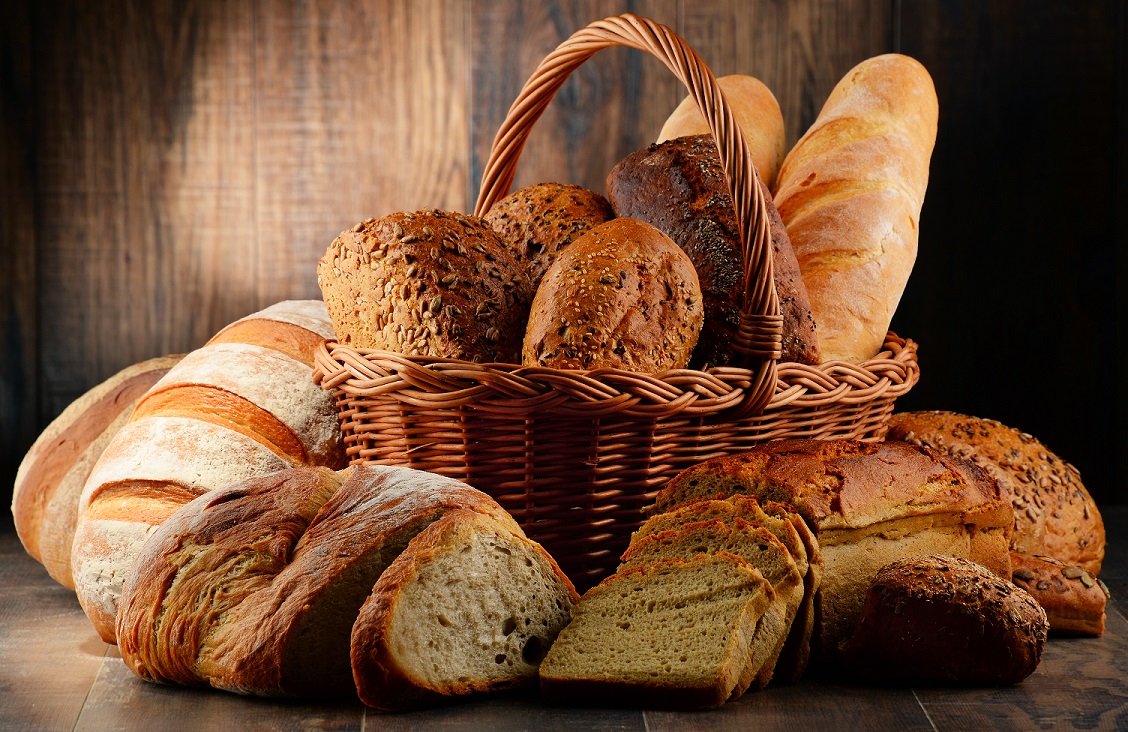
In the bakery industry, different type of enzymes can be used as a natural way to keep bread softer for longer, enhance dough tolerance during processing or allow for reduction the egg content.
Enzymes also enable manufacturers to use local grains like cassava to make beer and make dairy products suitable for those with lactose intolerance.
Sustainability Benefits of Enzymes in Bakery
In the bakery industry, different type of enzymes are a natural way to optimize raw material performance despite varying/seasonal quality, enhancing manufacturing efficiencies, softness, moistness, antistaling or desirably sensory properties of baked goods over extended shelf life, reducing additives and energy usage, food loss and food waste, with sustainability benefits.
A recent environmental footprint estimated calculation found that (www.epa.gov) just 1 loaf of bread releases 1.15kg of CO2 emissions and uses 194L of water, which is equivalent to the same CO2 emissions from fully charging 140 smart phones and 2 average daily showers.
Delving deeper into food waste, according to United nations environment programme up to 10% of GHG are linked to uneaten food, and 30% of all food produced in wasted, costing the global economy over $900 billion per year.
More especially the various type of bakery enzymes are offering different functionalities. Maltogenic amylase allows to keep bread softer for longer, to extend shelf life, by improving product sensory characteristics and appearance over longer shelf life, prolonging the onset of staling characteristics and reducing likelihood of food being wasted at home.
Xylanases are known to improve dough tolerance during processing. Asparaginase, to make baked good healthier by reducing the acrylamide content.
Some phospholipases allow to successfully reduces egg content by up in fine bakery applications such as muffins, stirred cakes, whipped cakes, croissants, donuts and brioche, with no change in dough handling or crumb structure versus a full egg recipe, eggs being crucial to bakers because of their specific functional properties and unique contribution to finished product sensory attributes: texture, softness, crumb structure, taste, including “binding”, “aeration”, “emulsification” and “colour”.
How Can Enzymes be Used for Nutrition & Health?
Digestive Enzymes – Reducing Lactose Intolerance Symptoms with Lactase
Lactose, the sugar found in dairy products, can cause problems like bloating and other gastrointestinal discomforts in people with lactose intolerance.
Lactose intolerance affects a significant amount of people worldwide, especially in places where dairy farming is not common. The incidence of lactose intolerance can be as high as 75% of the population in these areas.
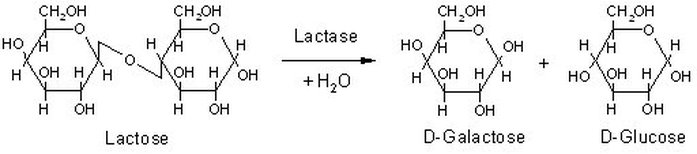
Enzymes can help lactose intolerant individuals enjoy dairy products with minimal side effects. Lactose is a sugar made of two smaller sugars: galactose and glucose (see figure below).
These sugars have a greater relative sweetness than lactose meaning that lactose free or low-lactose products that have been made with the lactase enzyme are sweeter in taste than those not treated with lactase.
In the food industry this can allow dairy products like yoghurt to be made with a reduced amount of added sugar but with the same taste profile.
Lactase is an enzyme that cleaves lactose into these two smaller sugars, neither of which cause the negative side effects of lactose in those with lactose intolerance. This is why you see the ingredient ‘lactase’ in lactose-free milks, for example.
Digestive Enzymes – Helping Infants Digest Formula
It is recommended by the world health organisation that infants be exclusively breastfed for the first six months of life so as to give the infant the greatest chance of achieving optimal growth, development and health, but for cases where this is not realistic or possible, infant formula is required.
Some infants have a hard time digesting certain types of formula, but enzymes can help in a few ways.
Comfort Protein – Infant Milk Formula (IMF)
Comfort infant formulas are made with partially hydrolysed milk proteins which are marketed as “easier to digest” infant formula made from cows milk.
These formulas can be produced using natural enzymes, called proteases, which target proteins and are derived from animal, plant or microbial sources.
Hydrolysis of milk proteins by proteases results in the formation of smaller peptides which are reported to be more readily digested than intact proteins.
In particular, parents of infants suffering from conditions such as colic, cite the use of comfort protein as reducing the severity of symptoms.
Hypoallergenic Formulas (IMF)
Most common IMFs use cow’s milk as a base, but a small percentage of infants are born with cow’s milk protein allergy (CMPA).
Formulas sold to address this condition can be divided into two types – those which are extensively hydrolysed (peptide-based) and those which are amino acid based.
Extensively hydrolysed proteins for this application are produced via enzymatic hydrolysis where the protease enzyme extensively breaks down the structure of the whey and/or casein protein to smaller peptides.
From the American Academy of Family Physicians: “Hypoallergenic formulas contain extensively hydrolyzed proteins that are less likely to stimulate antibody production. Infants with milk protein allergy fed hypoallergenic formula have slightly greater weight gain during the first year than infants fed standard formula. In addition, many infants show improvement in atopic symptoms. A few infants continue to have symptoms despite switching to hypoallergenic formula; nonallergenic amino acid–based formulas are effective for these rare cases.”
Enzymes for the Plant-Based Trend
The market for nutritional beverage is growing and cereal based beverages such as Horlicks, Bournvita, etc. have traditionally been very popular in certain markets.
The plant-based beverage market has continued to grow with milk-alternatives like soy or oat milk.
Enzymes are often used to help make these beverages more acceptable to consumers. For example, plant-based beverages like oat or rice milk can have poor emulsion stability, meaning products might separate out over their shelf life instead of remaining a consistent mixture.
Enzymes like amylase can help improve stability of the product. Much like lactase, amylase can also reduce the need for added sugar because the products of starch hydrolysis are sweeter than the starch itself.
If high viscosity is caused by high molecular weight (Mw) beta-glucan, as in the case of a beverage like oat milk, beta-glucanase can be used to make an easier to process, less viscous product.
However, since beta-glucan is the fiber associated with health benefits in oats, cleaving beta glucan with an enzyme would likely reduce the potential health benefit. If health benefits and fiber content are a focus, beta glucanase may not be the best solution.
Making Plant-Based Protein Hydrolysates Taste Better
With the rise in demand for plant-based proteins, there has been an increased demand for inexpensive plant-derived protein hydrolysates, owing to their significant potential in nutritional applications.
Hydrolysed plant protein (HPP) is most commonly produced via the enzymatic hydrolysis of a plant protein source such as soy, wheat, rice, sunflower, potato and alternative pulse proteins, and are used in a wide variety of food applications such as protein fortified bars and beverages.
Protease enzymes are most commonly used in the production of HPPs and under controlled conditions are used maximise protein yields from different plant sources and also to improve taste and sensory attributes.
From a commercial standpoint, plant proteins maintain unique taste attributes, and today’s HPP products are synonymous with bitter, unpleasant tastes often attributed to a high concentration of hydrophobic free amino-acids, smaller peptides and volatile compounds in the HPP mixture.
Enzymatic hydrolysis, both pre- and post-hydrolysis can help to significantly improve these undesirable sensory properties of HPPs.
This article was originally published on 15 September 2020. It was updated 19 June 2023 to reflect new information.
Protein Quality Opportunities
Over the past decade, protein quality has come under intense scrutiny. Due to growing consumer focus on health and rising interest in proactive—versus reactive—nutrition, proteins have moved well beyond specialised nutrition and are now thriving in the general wellness space.
In the last five years (2017-2021), the number of food and beverage global product launches with a ‘high/source of protein’ claim grew by 9%, according to Innova Market Insights.
Alongside the focus on health and wellness, consumers are more focused on sustainability, driving the growth of plant-based protein food and beverage.
With the pool of protein sources diversifying, parameters such as protein source and protein quality are becoming more important for consumers in their daily product choices.
Therefore, there is an opportunity for food and beverage manufacturers to meet consumers’ needs by investing in protein quality while formulating protein food and beverage.
Protein Quality Differs Depending on Food Source
Protein quality is a growing driver for consumers when purchasing protein products.
With the increased popularity of plant-based food alternatives in the market, it is important to recognise that not all proteins are created equal. Certain protein sources are better suited to meet our nutritional and physiological requirements than others.
There are several parameters to rank the nutritional quality of these different protein sources and consumers are becoming more familiar with them.
Protein Amino Acid Composition
Amino acids (AAs) are the building blocks of proteins. Proteins are composed of 20 common AAs, 9 of which (Phenylalanine, Valine, Tryptophan, Threonine, Isoleucine, Methionine, Histidine, Leucine and Lysine) are categorised as essential amino acids (EAAs) or indispensable amino acids (IAAs).
Arginine and Histidine are classified as conditionally essential as they are required in populations with specific physiological needs (growth, pregnancy, disease recovery, etc.).
EAAs cannot be synthesised by the body; therefore, these must be consumed in adequate amounts in the diet to prevent nutritional deficiencies (Lopez and Mohiuddin, 2022). Some proteins naturally contain adequate levels of EAAs, this is very often the case with animal-derived sources such as egg or milk.
However, many plant proteins are deficient in one or more EAAs. For example, rice is deficient in Lysine and pea in Tryptophan.
The AA profile of a protein source varies based on a number of factors, including crop variety, seasonality, protein extraction method and further processing (e.g., protein hydrolysis, heat treatment, etc.).
For this reason, EAA composition can differ significantly depending on the starting ingredient, i.e., bean/grain, flour, protein concentrate or protein isolate.
Protein Digestibility
Another factor that affects protein quality is digestibility. During digestion protein is broken down by the gastrointestinal enzymes into peptides and AAs.
AAs are responsible for important physiological functions such as hormone or neurotransmitter production, muscle protein synthesis as well as various cellular processes (Lopez and Mohiuddin, 2022; Boye et al., 2012).
The body is not capable of absorbing intact proteins (i.e. how proteins exist natively in food) and must break them down to absorb them. Therefore, protein digestibility is an important factor to take into consideration since it can directly affect the nutritional value of proteins.
In general, animal proteins are easier to digest than plant proteins. The reason for lower digestibility of plant proteins is linked to the presence of anti-nutritional factors in plants (e.g., protease inhibitors, phytic acid, tannins, lectins, etc.).
These anti-nutritional factors can hinder protein digestibility and consequently reduce their bioavailability. Antinutritional factor levels may be reduced during protein extraction from plants following fractionation and heat inactivation.
It has been reported that plant protein isolates, the ingredient with the highest protein purity, contain low levels of antinutritional factors (Nosworthy, 2017). For this reason, isolation of plant protein is a means to improving protein digestibility.
Other processing methods can be used to improve plant protein digestibility, such as soaking, boiling, microwaving, fermentation, or hydrolysis (Boye et al., 2012).
Consumers Raising Awareness on Protein Quality
The COVID-19 pandemic accelerated consumer’s interest in their overall health and wellness. They were actively seeking information and tools to increase their understanding of health, its link with food and beverage, as well as functional attributes and nutritional benefits that their food can provide them with.
Proteins are perceived not only as a critical macronutrient, but also as a supporter of overall health, muscle health and exercise, weight management, energy and even immune health.
Kerry undertook a global consumer research ‘The Protein Mindset’ where they surveyed more than 6,300 consumers across 12 countries within North America, Europe, Latin America and the Asia-Pacific region to examine wellness consumer attitudes, perceptions and preferences about dairy and plant protein-fortified food and beverage.
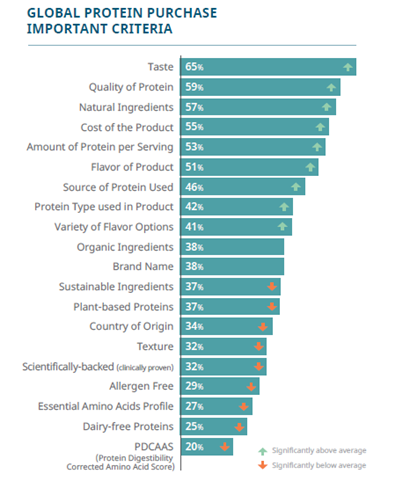
What the research highlighted is that while taste is still the primary driver of purchase for protein-fortified food and beverage, the quality of protein is the second most important driver.
This gives a very good indicator that consumers are putting more importance on protein quality than ever before. However, protein quality is a wide subject that comprises many parameters, it is important to go further and understand what ‘protein quality’ means to consumers.
While protein quality is at the top of the list of important purchase criteria, other protein quality specificities such as ‘source of protein used’, ‘protein type used in product’ were also highly ranked.
However, other more technical protein quality specificities such as the Protein Digestibility Corrected Amino Acid Score (PDCAAS) and EAA profile were taking a comparatively lower ranking. This is due to PDCAAS and EAA not being automatically linked to ‘protein quality’.
However, technical terms such as PDCAAS or EAA are being increasingly explained and commonly used in nutrition focused social media platforms which is highlighting that protein quality is a hot topic and consumers are getting increasingly familiar with it.
The research also highlighted that Asian consumers and younger generations (millennials and gen Z) were the most familiar with protein quality specificities.
On the market there have been more product launches that are communicating on protein quality by putting on back claims such as ‘complete essential amino-acid profile’, ‘high protein quality’ and ‘complete protein’ or mention of PDCAAS.
This is an excellent strategy to stand out in a product offering that is getting more and more busy as protein mainstreaming keeps increasing.
Measuring Protein Quality
PDCAAS
Multiple methods have been developed by the scientific community to assess the nutritional quality of proteins (for review, see Boye et al., 2012).
A common nutritional score used in the food industry is the PDCAAS, recommended by the FAO/WHO 1991 Expert Consultation. This score takes into consideration the level of limiting EAAs in the protein as well as protein digestibility (Equation 1).

Casein is used as the reference protein. The EAA requirements for a target population of children aged 2-5 years are recommended in the FAO/WHO 1991 report.
PDCAAS varies between 0 and 1, it can also be expressed as a %, ranging between 0-100 %. In instances where a protein yields a score > 1, it is recommended that the PDCAAS should be reported as 1.
Proteins having a PDCAAS of 1 are classified as nutritionally complete since they are not lacking EAAs.
Initially, PDCAAS determination involved in vivo animal studies (rat). However, in recent years, an in vitro kit based on a patented method (Plank, 2017) using Medallion’s Animal-Safe Accurate Protein (ASAP) procedure was introduced by Megazyme to determine the protein digestibility.
PDCAAS is used to calculate the % Daily value (DV) in the USA and the Protein Efficiency Ratio (PER) in Canada (Marinangeli et al., 2018). Nutritional protein claims can be made based on DV or PER of foods as follows:
‘Good source of Protein’ for DV of protein for Reference Amount Customarily Consumed (RACC) ≥ 10% or PER ≥ 20;
‘Excellent source of Protein’ for DV of protein for RACC ≥ 20% or PER ≥ 40.
DIAAS (Digestible Indispensable Amino Acid Score)
In 2013, the FAO made the new recommendation of substituting PDCAAS with the Digestible Indispensable Amino Acid Score (DIAAS).
DIAAS, which was developed by the team of Prof. Moughan in the Riddet Institute (NZ), has been positioned as a superior method to quantify the nutritive value of proteins more accurately.
The DIAA ratio is calculated for each IAA relative to the reference IAA and its true ileal digestibility (Equation 2).
The reference AA scoring pattern (AA requirements/protein requirements for maintenance and growth) used is for children aged between 6 months to 3 years. The DIAAS corresponds to the lowest DIAA ratio.

With DIAAy ratio, the Digestible Indispensable Amino Acid ratio for AA residue y; SID, the true ileal digestibility of Indispensable AA residue y.
DIAAS assesses the ileal digestibility of proteins using animal (pig) testing. Pigs have a digestion that is similar to humans, which makes them a good model for digestibility determination.
DIAAS determines the amount of EAAs actually absorbed by the body, through the small intestine instead of theoretical calculation based on residual EAAs in feces as per the PDCAAS method. In addition, DIAAS values for single foods are not truncated to 1.
Therefore, DIAAS is positioned as more adequate to rank the nutritional quality of proteins. The DIAAS value can be used to categorise protein quality (FAO, 2013):
- ‘High in protein’ for DIAAS value ≥1.00;
- ‘Source of protein’ for DIAAS between 0.75-0.99;
- No protein nutritional quality claim for DIAAS <0.75
Opportunity – Protein Nutritional Optimisation Strategies
As outlined earlier, not all protein sources are able to deliver all the EAAs in sufficient amounts and differences in digestibility exist.
Consumers are also getting more familiar with protein quality. Several strategies are used by the food industry to manufacture protein ingredients and foods with a complete nutritional profile.
These strategies rely on knowledge of protein composition, a good understanding of how to complement different protein sources and/or enhance protein digestibility.
Combining Plant Proteins
The most common way to optimise EAA profile in protein formulations is by combining different plant protein sources in a complimentary fashion. The plant protein combination is informed by the limiting EAA in each protein source.
In early studies, Methionine, Lysine, Tryptophan and Threonine have been identified as the most common EAAs lacking in dietary proteins (Pieniaźek et al., 1975; Chardigny et al., 2016).
Most plant proteins are reported as uncomplete in terms of their ability to provide EAAs. However, there are a few exceptions, such as soy, potato and canola, which have a balanced EAA profile.
With numerous plant protein ingredients displaying uncomplete EAA profile, it is common practice to combine complementary plant proteins to improve the EAA profile in the view of increasing their DIAAS or PDCAAS value (Gorissen et al., 2018; Herreman et al., 2020). An enhanced DIAAS/PDCAAS value can be achieved by combining pulses (which are generally limited in sulfur-containing AA (Methionine/Cysteine) or Tryptophan) with cereal/grains (generally limited in Lysine).
Food Formulation with Hybrid Proteins
A few examples of products formulated with hybrid proteins have been available on the market for several years.
However, these were not positioned as hybrid products as the main objective of combining protein sources was to achieve a cost saving. These products, which are fortified with a blend of dairy and plant protein, include mostly protein bars and nutritional beverages.
There is an opportunity for food companies to better communicate on the hybrid positioning of these products and the benefits of hybrid formulations.
The rise in vegan food product launches is driven by the increasing number of consumers embracing a flexitarian diet. These consumers are eating animal-derived products, therefore, formulations combining plant and animal proteins are still consistent with the dietary choices of flexitarians.
The nutritional objective of hybrid food is to allow consumers to increase their intake in plant proteins while reducing animal proteins in their diet (Alves & Tavares, 2019).
Combining both animal and plant protein is an excellent strategy to improve the nutritional quality of a protein product as animal proteins are often complete and deliver all EAAs. However, there are to date only limited numbers of hybrid food launches on the marketplace.
Recent products were launched, mostly in the dairy alternative area by companies such as Premier Nutrition (Creamy Shake with oat and dairy), Live Real Farms (dairy and almond beverage), Bel (Margot brand combining milk and pulses) and Triballat (Paquerette brand blending dairy and various plant beverages).
Nutritional Fortification of Foods
AA supplementation of foods is not a novel practice. It has been employed mostly for bioactive properties of selected free AAs or AA blends (e.g., L-carnitine, Branched Chain Amino Acids – BCAAs).
More recently, we are witnessing a shift whereby AA fortification of foods is used as a means to enhance their nutritional profile.
Products formulated with free AA are found in nutritional beverage applications.
Combination of Intact and Hydrolysed Proteins
Protein hydrolysis can be leveraged to further improve protein digestibility, which may result in a better PDCAAS value.
Protein hydrolysates have been used for many years in the formulation of specialised nutrition products (e.g., enteral nutrition, infant formulae, hypoallergenic products, foods for medicinal purposes, etc.).
The food industry has since investigated their broader incorporation into products for the general population as they can be used as fast digestible proteins (Potier and Tomé, 2018).
Beyond Dairy and Plant Proteins
Novel alternative proteins are emerging on the protein ingredient market. These sources originate from mycoproteins, algae, yeast and edible insects.
They generally have an interesting sustainability positioning. In addition, diversification of protein sources could help alleviate the pressure on supply for conventional proteins linked to the popularity of vegan products.
Nowadays, these alternative protein options are niche since they are not manufactured at a very large scale. In addition, research on these ingredients is still in its infancy and significant work is required to better understand their nutritional profile and potential health concerns such as allergenicity and toxicity which are very much unknown.
Conclusion
With consumers integrating more plant-based protein options in their diet, protein quality is becoming an important subject matter for consumers and might become in the future a important tool of product differentiation in a crowded market.
However, more education is required regarding the different parameters linked to protein quality such as EAA profile, PDCAAS and DIAAS.
This is an opportunity for protein food and beverage manufacturers to develop formulas with improved nutritional and digestibility quality while educating consumers about protein quality and how this is linked to optimal nutrition and health.
Many strategies are available to deliver better protein quality and with the increasing number of new protein sources introduced on the market the protein quality will be a key tool for consumers to choose between these different sources.
Using protein quality parameters will support consumers making an informed choice for foods with good nutritional quality.
The use of plant-based proteins has been growing around the world in the food and beverage market in recent years, especially for use in meat analogues.
However, the protein sources used in these foods can bring unpleasant tastes such as bitter, earthy, beany, astringent, and green which have become major obstacles for consumers as well as for food manufacturers. Reducing the off-taste of different plant-based proteins is more complicated than it seems, but understanding how to do so is a key to helping plant-based foods thrive in mainstream markets.
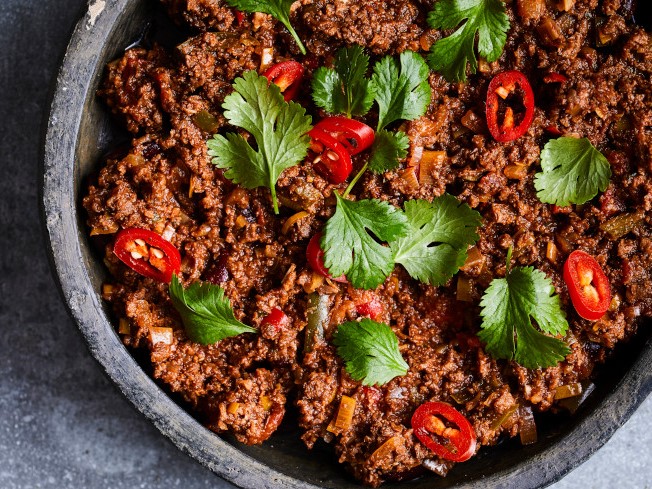
The growth of plant-based meat alternatives can be linked to health. Over the years, meat consumption’s repeated link to disease like cancer in studies and media headlines has caused many people to eat less meat.
Pea protein continues to be a popular choice of plant protein in meat alternatives. The main reason for this is their high protein content, as well as the low saturated fat and high fiber content.
As the plant protein trend continues, both consumers and manufacturers look towards new and innovative sources for their food and beverage products. Among the plant-based proteins, lentil, chickpea, rice, fava, hemp and potato are rapidly growing in interest.
What Affects the Off-Tastes of a Plant Protein?
-
- Amount of protein in the product
- Type of protein used
- Extraction process: pH, temperature, processing time
- Precipitation process: centrifugation conditions, fermentation microorganisms used, etc.
- Drying temperature
- Consumer storage and preparation conditions
Understanding the source of off-tastes is the first step in properly masking them. Typical plant-based protein off-tastes include: beany, bitter, cardboardy and chalky.
There might also be unpleasant perceptions around aroma, mouthfeel, and astringency.
The off-tastes can be associated with varying amino acid profiles which are derived from plant-based proteins. They all have unique, inherent off-tastes along with green aftertaste depending on the plant source.
The amount of plant-based proteins used, the types of protein used, and the protein extraction/processing/drying methods all play critical roles in generating the types of off-tastes perceived in the finished application.
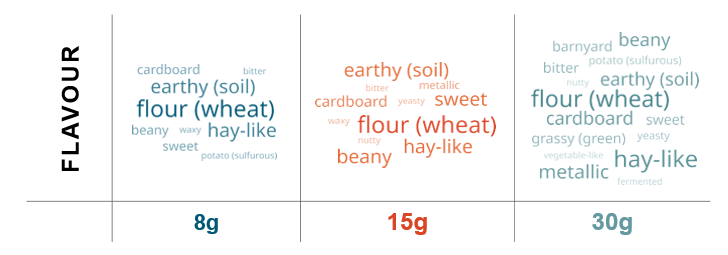
Starting at the raw material, the type of protein and its serving size both dramatically contribute to off-tastes. It’s then important to take into account how the plant protein has been extracted, precipitated, and dried from the manufacturer.
During extraction, the pH, temperature, processing time, and the types of treatment chemicals used can all contribute to off-notes. During precipitation, the sedimentation method, centrifuge condition (rpm, flow rate, operation time) and, if fermentation is involved, the type of microorganisms used, can all contribute to off-notes as well.
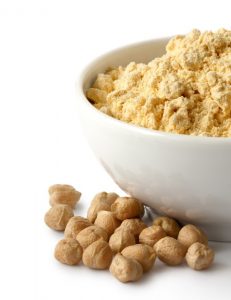
During drying, the temperature (inlet and outlet) of the spray dryer and the drying methods (freeze drying, drum drying and etc.) can contribute to off-notes.
In summary, the proprietary process that a manufacturer is using to produce the plant-based proteins will contribute its own unique off-taste.
To further complicate the matter, there are a number of challenges for the developer when formulating with plant-based proteins such as different product formats, consumer’s cooking methods, storage conditions of the finished products, working with multiple suppliers with different off-note challenges and batch to batch off-taste variation.
The Principles of Plant-Based Protein Flavour Masking
To mask multidimensional off-tastes, a multidisciplinary approach is required.
During the manufacturing process, off-flavouring molecules (e.g. specific amino acids) can be removed using physical or chemical treatments such as soaking, thermal treatment, germination, enzymatic treatment or solvent extraction.
Another option is to mask off-taste using making agents. A major challenge is the increase in demand for natural and organic masking agents.
Claims such as natural, halal, kosher, non-GMO, and organic make it difficult to use many traditional or artificial flavouring agents.
To develop clean labelled flavour masking agents, an understanding of analytical chemistry and sensory science for volatile and non-volatile compounds are required.
By understanding the flavour chemistry mechanisms, one is in a better position to correlate the off-tastes to critical flavour compounds as well as to enable to the development of effective flavour masking solutions.
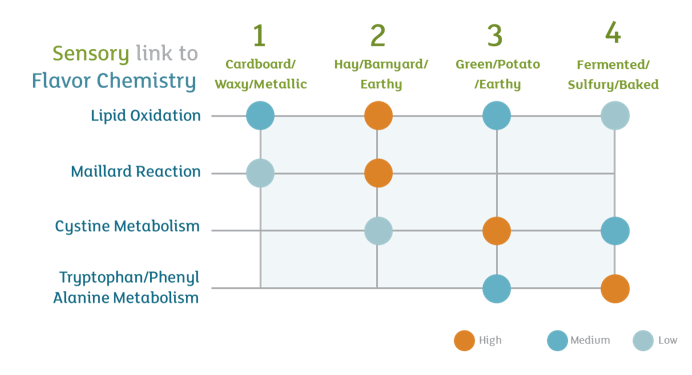
For example, prolamin coating is a known method for bitter taste masking. Prolamin is a plant storage protein which is mainly found in the seeds of cereal grains such as oat and rice and accounts for about 5-10 % of the total proteins in those plants.
Manufacturers and flavour companies could produce a clean labelled flavour masking agent through extraction, separation, and purification of prolamin-rich fractionation.
Traditionally, addition of sugars, salts, and acids are used for suppressing the inherent off-taste through trial and error.
However, understanding the chemistry and source of off-notes can help the masking process be more time efficient and better for health, without requiring excessive use of sugars or salts that are linked to poor health.
In the article “Active Ageing – Why is Protein So Important?”, we showed how greater protein intakes at ages 50+ can fight the natural loss of muscle mass that comes with ageing, helping people keep active lifestyles later into life than if they didn’t consume adequate protein. Although plant proteins are seen as key to the future of the planet, they may have some limitations for supporting muscle health as we age. How can we improve plant proteins to maximize benefits for healthy ageing?
A study by Houston et al. (2008) showed that ageing adults who had a daily protein intake of 1.1 grams of protein per kilogram of body weight (around 88g per day for an 80kg male) lost 40% less muscle over the course of three years when compared to those who were consuming 0.8g/kg BW (around 64g per day for an 80kg male).
Let’s look at the science of plant proteins and muscle health, and how plant proteins could be optimised for active ageing.

Not all proteins are the same when it comes to healthy ageing
Plant proteins are often missing important amino acids or can be harder to digest
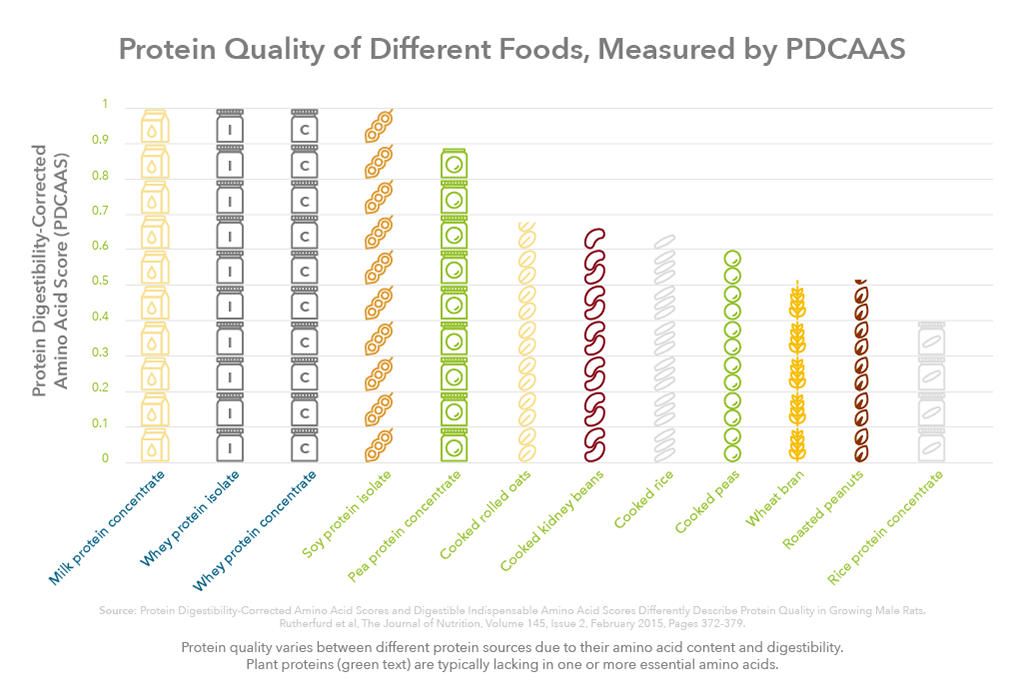
Most plant-based proteins are lower in certain essential amino acids than animal-based proteins and can also be harder to digest. This is reflected in the figure below, which uses a score called PDCAAS to represent the amino acid content of different proteins relative to the needs of the human body. Protein quality can also be measured using a score called DIAAS, which measures the amount of amino acids absorbed by the small intestine after protein is consumed.
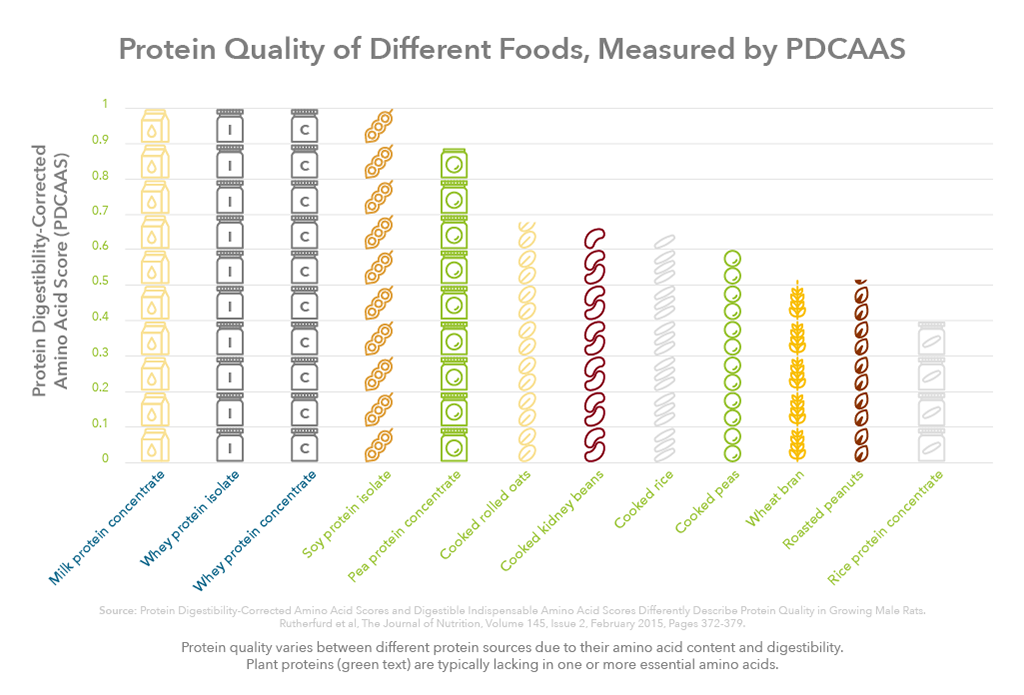
What this chart shows is that consuming the same amount of whey protein compared to wheat protein will not result in the same amount of amino acids being absorbed into the body. In this example, the whey protein would provide all of the necessary amino acids for adequate muscle maintenance, whereas consuming the same amount of wheat protein would result in a lack of some of the amino acids the body needs.
When it comes to active ageing, this means plant proteins may be less efficient at activating muscle growth and repair and this must be considered when making recommendations for active ageing. For example, this article discusses the importance of leucine in activating muscle growth and repair. However, wheat protein has 37% less leucine than the same amount of whey protein (Herreman et al., 2020).
Plant proteins can be limited in their ability to stimulate muscle growth and repair in older individuals
The limited effectiveness of plant proteins to stimulate the muscle protein synthesis system, when compared to animal-derived protein, was shown by Gorissen et al. (2016) in a study where the ability of 35g of whey, casein, or wheat protein to stimulate muscle protein synthesis was measured in 60 healthy older men (70 -72 years old).
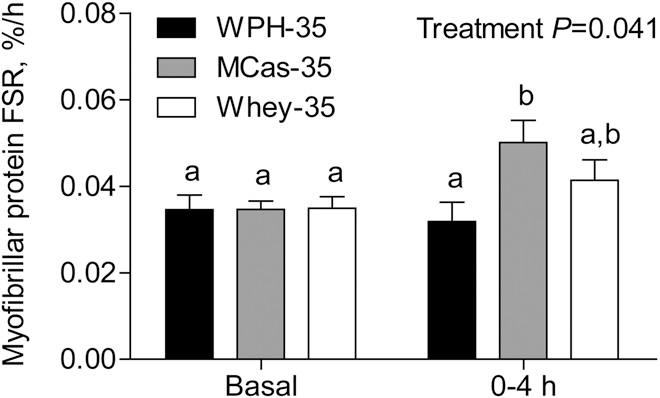
The results from the study, shown in the figure above, show that 35g of wheat protein had little to no impact on muscle protein synthesis beyond the baseline rate (i.e., resting rate before a meal).The subjects who consumed whey or casein proteins (which are animal derived) showed an increase in muscle synthetic response. The higher response to the consumption of the animal-derived whey and casein proteins is attributable to the greater content of essential amino acids, and higher overall digestibility which is reflected directly in their protein quality values: wheat=0.48, whey=0.85 and casein=1.17, as measured by DIAAS (Herreman et al., 2020).
The participants needed to eat almost twice as much wheat protein (60g) to see the same response in muscle protein synthesis as 35g of whey or casein. This would be a difficult amount of protein to eat in one sitting, especially in older individuals where diminished appetite is common. Another consideration is the environmental impact of growing the quantity of plant protein required to maintain this increased level of consumption which could counteract some of the benefits attributed to switching from animal protein to plant protein.
How can we improve the ability of plant proteins to support muscle health during ageing?
Choose the right protein source
Plant proteins with high protein quality scores are a good place to start when it comes to active ageing. Soy protein has a DIAAS value of 0.9, which is higher than most other plant sources. Soy protein has been shown to efficiently meet the body’s need to form new muscle but some negative perceptions around soy’s role in health, many of which are unwarranted, has led some consumers to stop consuming soy protein and search for other alternatives.
Pea protein (DIAAS value of 0.71) and rice protein (DIAAS value of 0.47) have become more prevalent and application of these ingredients is increasing over recent years. Emerging plant proteins of nutritional interest also include potato (DIAAS value of 1), pseudo-cereals (such as quinoa, amaranth and buckwheat), legumes (lentils, chickpeas and lupin) and oilseeds (canola, rapeseed and hemp) due to their levels of essential amino acids (Herreman et al., 2020; Martínez-Villaluenga et al., 2020). Mostly, methionine, cysteine, lysine and leucine are four essential amino acids that cause low DIAAS values for plant proteins and, therefore, limit their nutritional quality (Lonnie et al., 2018). Much scientific research has been conducted in this area to identify plant protein sources that are more nutritionally complete and have similar levels of these essential amino acids to that of soy and animal-derived proteins.
An alternative to finding a single source of plant protein which can act as complete source of nutrition for the healthy growth and maintenance of muscle in ageing individuals is to modify the physical, chemical or functional nature of plant proteins to optimise the effect they have on muscle growth and repair.
Improve digestibility via processing
One of the major limitations preventing plant proteins from having a high protein quality score is their limited digestibility and bioavailability. Within plants, proteins are usually encased in fibre-rich husks or layers that are very difficult for the body to digest, limiting our access to the protein when we eat it. Additionally, plants contain a range of bio-compounds, termed phytochemicals, which slow or inhibit protein digestion (Lonnie et al., 2018).
Physical processes such as cooking (i.e. heating), extrusion, drying, and enzymatic hydrolysis have all been shown to increase the digestibility of numerous plant proteins (Sá et al., 2019). For example, processing a soy flour into a soy protein isolate increases the PDCAAS score from 0.86 to 1.0. These processes can degrade the bio-compounds that limit digestibility or change the structure of the proteins to make them more accessible to the digestive enzymes in the intestine. These physical processing treatments (i.e. heating, wet fractionation, dry fractionation, drying, etc.,) are commonly used in the enrichment and isolation of plant proteins to produce protein-rich flours (e.g. protein concentrates or isolates), which results in the a large improvement in digestibility.
Blend different plant proteins together to improve amino acid profiles
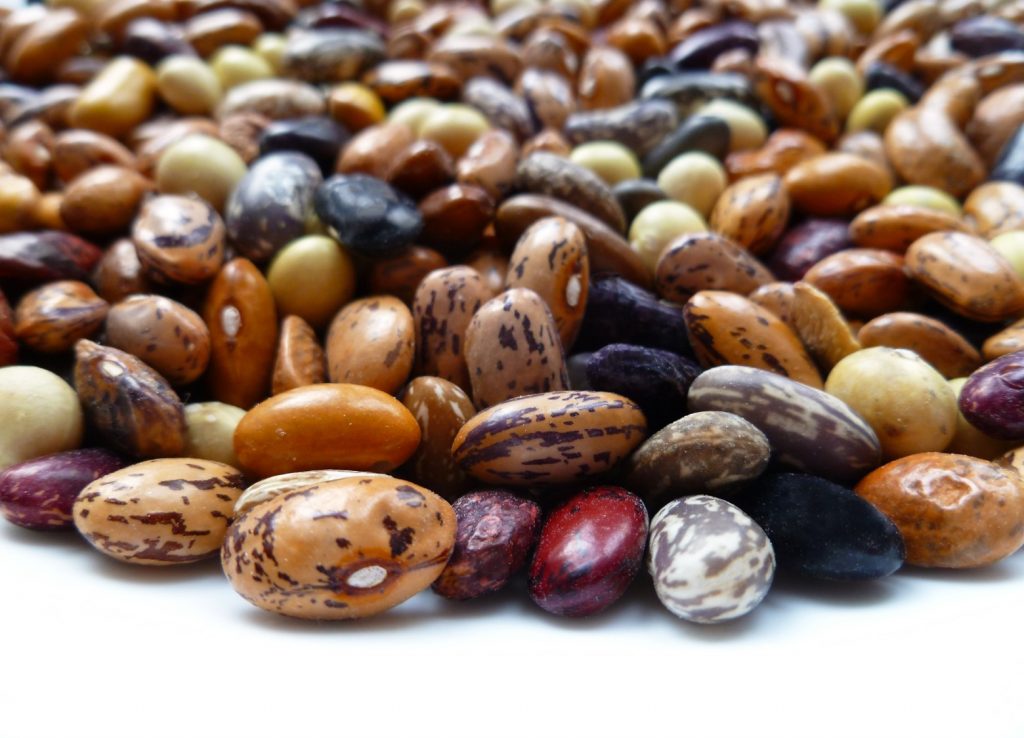
Since many plant proteins are lacking in just a few essential amino acids, such as cereals being low in lysine and legumes being low in methionine, different plant protein sources can be blended to account for the other’s “amino acid weakness” so to speak. The right blend of rice and pea protein will have sufficient amounts of both lysine and methionine, creating a “complete” protein that is more efficient, gram for gram, at delivering amino acids to our muscles than either protein alone.
Plant-animal protein blends are also a possibility, since the plant-based market has expanded beyond vegans and vegetarians to flexitarians or those just looking to eat more plant-based foods. Blends of plant and animal proteins have already seen some use to enhance the functionality (e.g. solubility, taste, texture) of plant proteins in foods and beverages. A series of studies have tested the ability of milk protein, soy protein and a milk-soy protein blend to stimulate protein synthesis after exercise in both older men and young adults. Results from these studies showed that the muscle protein synthesis rates were higher and remained higher for a longer period of time for the milk-soy protein blend (Borack et al., 2016; Reidy et al., 2014, 2013), suggesting possible health benefits in consuming a plant-animal blend of protein. More research would be needed to fully understand how different protein blends interact and their potential health benefits.
Increase leucine content of plant protein
As mentioned earlier, the amino acid leucine has an important role in activating muscle growth and repair. Many plant proteins contain around 20-30% less leucine than animal proteins, although there are a few plants high in leucine, such as corn, soy, and potato (Herreman et al., 2020). It stands to reason, then, that adding leucine to plant proteins or breeding plants to contain higher levels of leucine might improve their ability to promote active ageing.
A study by Wall et al. (2013) found that the addition of crystalline leucine (2.5g) to a 20g serving of casein had a greater effect on protein synthesis compared to the consumption of 20g of casein alone. Although this study used animal-sourced protein, it shows that addition of leucine can help overcome the reduced sensitivity of the mTOR system (responsible for initiating muscle growth and repair) that is seen during ageing. A study done in mice found that adding leucine to a wheat protein to match the leucine content typically found in whey protein led to a similar ability to stimulate muscle growth compared to whey (Norton et al., 2012).
Conclusion
To promote active ageing it is key that not only the right quantity of protein is consumed but the quality of the protein should also be considered. There are actionable strategies such as processing, protein blending, or targeting leucine content that can improve the ability of plant proteins to promote active ageing while also addressing growing concerns over the environmental impact of animal proteins.
Addressing sustainable nutrition is central to the future of the food and beverage industry.
Many companies are transforming their strategies to improve measures such as water use, carbon emissions, animal welfare, and food waste while also addressing societal challenges such as obesity and malnutrition.
However, addressing sustainable nutrition can often come with unique taste and mouthfeel challenges.
The phrase “the least nutritious food is the one that goes uneaten” emphasises the importance of understanding taste science as a tool to achieve sustainable nutrition strategies.
Sugar reduction and plant-based diets are two major focus areas of innovation in sustainable nutrition.
In this webinar, learn about:
- The science of flavour modulation and how it can help achieve sustainable nutrition goals
- How flavour modulation can account for taste and mouthfeel challenges in reduced sugar applications
- Strategies to understand and account for unique challenges of different plant protein sources
- How to bring this science to life in examples from the beverage market
Sustainable Nutrition: Sugar Reduction
Producing one kilogram of sugar cane requires 1,110 litres of water and results in 0.42kg of CO2 emissions. This means that sugar reduction is not just important for improving health, but is also important in developing products that are better for the planet.
However, reducing sugar affects not only the sweetness of a beverage, but also its mouthfeel. Alternative solutions to sugar often come with detectable flavour off-notes.
Learning how to account for each of these challenges in sugar reduction is essential to meeting the taste expectations of consumers.
Sustainable Nutrition: Plant Proteins
The popularity of plant-based diets and use of plant protein is continually rising, leading to tremendous growth in markets like alternative dairy. This is both due to the health halo of plant-based foods, as well as the positive impact plant-based diets can have on the environment.
Different types of plant proteins are entering the market daily, but each plant protein comes with unique taste and mouthfeel challenges depending on the plant from which they are derived, where they’re grown, and how they’re processed.
Understanding the science of accounting for challenges specific to each ingredient being used can be a great advantage in product development.
In this webinar, learn:
- How we can optimize plant based protein for taste and nutrition – what we do and don’t know about healthy diets and the role of protein sources
- How we can optimize new plant-based proteins for the environment – highlighting the trade-offs and unknowns of plant-based protein development
- Which new protein sources have the most promise? – addressing the limitations of a few ‘hot’ sources and highlighting a few under-explored but high-potential options
Plant-based alternatives are perceived as being a healthier and more environmentally friendly protein source and can play a key role in reducing the environmental footprint of food production systems.
However, this should not overshadow that the over-reliance on a limited number of crops can cause issues such as water scarcity, deforestation and biodiversity loss in some parts of the world.
Plant-based protein can provide complete amino acid nutrition when consumed as part of a balanced diet.
As plant-based foods are introduced as snacks or indulgence foods, there is a need for transparency in their health credentials – products which are highly refined, or high in fat, sugar, salt or artificial preservatives may not retain the benefits of eating plant-based.
The above issues are key considerations to ensure the hoped-for potential of a plant-based future, can indeed, become a reality.
Soy has received more attention in the past few years due to the growing popularity of plant protein and plant-based diets.
However, there have also been mixed messages about soy in the media over the past few decades, which leaves many people confused about soy’s role in health.
“Is soy unhealthy or healthy?” is the common question this article will answer based on recent science.
What is Soy?
Soy is a plant that originated in Asia and is now grown in many places around the globe.
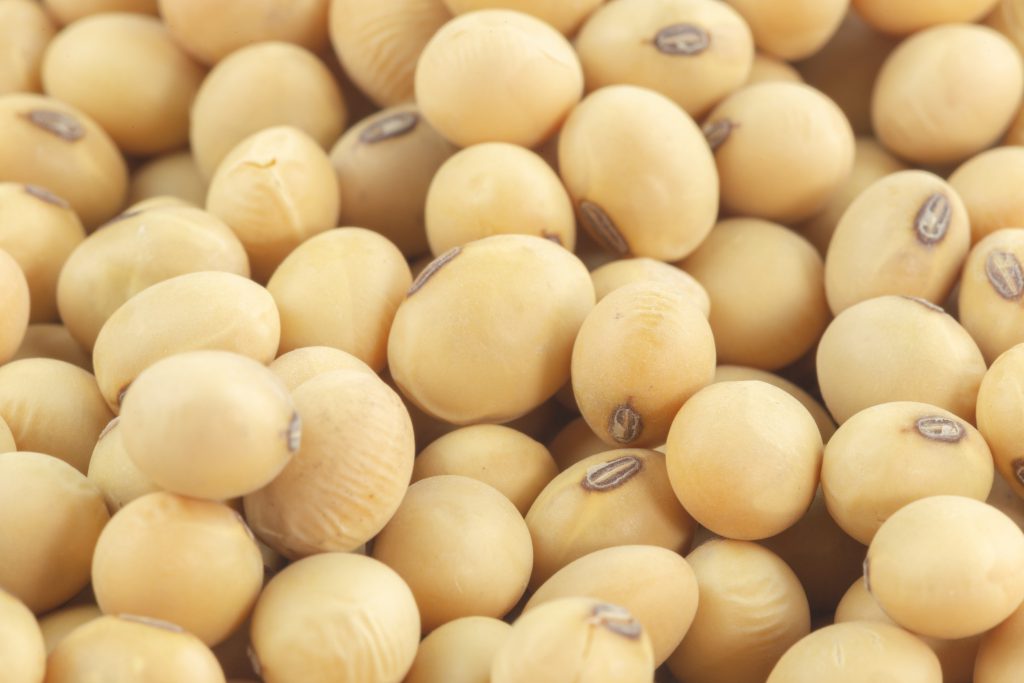
The plant’s beans (the soybeans) can be eaten on their own (like edamame) or used to make soy foods (like tofu, miso, tempeh, soy milk and soy sauce).
Soy flour and protein are also added to many prepared foods, from breads to breakfast cereals to energy bars.
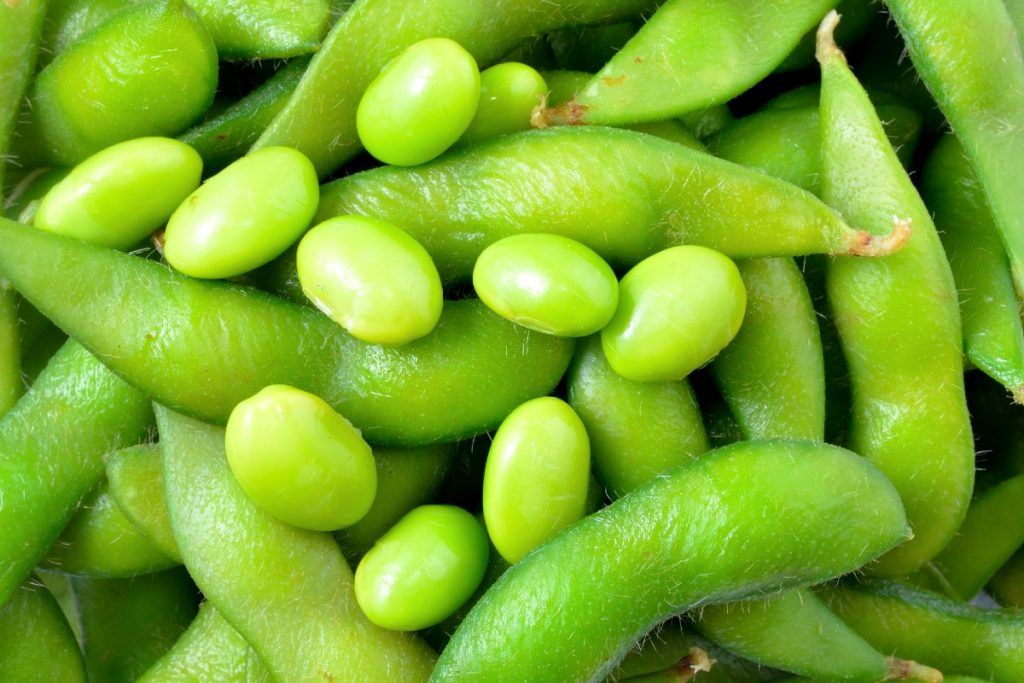
Soy contains high amounts of isoflavones, which are phytonutrients. Phytonutrients are compounds found in plants that have actions in our body, but are not vitamins or minerals.
Isoflavones belong to a group of substances called phytoestrogens (plant oestrogens). As the name implies, they can have certain actions in our body that are similar to the human hormone oestrogen, but with much weaker effects.
Because oestrogen can play a role in breast cancer development and survival, there have been many questions raised about the risks and benefits of diets high in soy.
Is Soy Unhealthy or Healthy?
The main takeaway from published research is that soy is a nutritious food.
Science shows that typical consumption of soy (1-2 servings of soy-based foods or drinks per day) in a balanced diet is unlikely to cause harm, and may provide health benefits, to the general public.
Soy as a food is:
- Low in calories and saturated fat
- Rich in high quality protein, especially among plant protein sources
- High in fibre
Just 100 grams of raw soybean (less than half of a cup) contains (USDA Food Composition Database):
- 13 grams of protein
- 4 grams of dietary fibre
- 3 grams of polyunsaturated fatty acids
- 20% daily value of calcium and iron
- 48% daily value of vitamin C
- 18% daily value of potassium
Dietary guidelines around the world encourage most of these are nutrients in the diet, solidifying soy’s role in a healthy diet.
These traits make soy a great food to include in a balanced diet.
In the sections below, we review the specific roles soy has in health.
It is important to note that, although research shows that consuming soy can improve some health outcomes, soy is considered an allergen and would be inappropriate to consume for those with a diagnosed allergy to soy.
Soy as a Plant Protein Option
Soy is a healthy source of plant protein for most people.
When it comes to choosing a plant protein source, protein quality is one of the key deciding factors.
Protein quality is a measure of how the amino acid content of a protein measures to what the human body needs, as well as how digestible that protein is.
As shown in the graph below, soy is one of the few plant-based proteins that is equivalent in quality to animal-based proteins.
This is because soy contains all nine essential amino acids in significant amounts.
This can be useful for vegans, as other vegan sources of protein are often low in the essential amino acids lysine and methionine.
It can also be helpful in achieving protein claims in certain parts of the world. For this reason, soy is often a great choice for a plant-based protein in foods and beverages.
Soy, Oestrogen and Cancer
- Overall evidence from human studies shows that consuming soy doesn’t increase the risk of cancer.
- Recent research has found that consuming 1-2 portions of soy per day does not cause any harm for breast cancer survivors.
- Soy is considered to be safe for men to consume and does not affect testosterone concentrations.
What is the relationship between soy and development of breast cancer?
It is not likely that eating moderate amounts of soy foods increases the risk of breast cancer.
The majority of high-quality studies and analyses have found that eating soy foods does not increase risk, even when eaten at levels much higher than those typically consumed in countries like the US(Trock 2006, Wu 2008).
Many studies suggest that soy may help protect against breast cancer (Trock 2006, Wu 2008).
Results from an analysis that combined findings from multiple studies in Asian populations found that soy may have a protective effect on breast cancer incidence.
However, when the same analyses were done in studies of US and other Western populations, there was no link between soy and breast cancer risk (Wu 2013).
It seems the benefit only comes with a pattern of intake that is seen in most Asian countries, where women begin eating soy early in life and eat it in amounts many times greater than typically seen in the US.
In Japan, for example, soy intake ranges from 38 g to around 78 g per day, equivalent to 26 to 54 mg isoflavones. In the US, soy intake ranges from less than 1.5 to 4.3 g per day, or 1 mg to 3 mg isoflavones (Nagata 2010).
As a breast cancer survivor, is soy safe?
Current studies suggest that eating moderate amounts of soy foods is safe for breast cancer survivors (Shu 2009, Cassileth 2012, Nechuta 2012).
Evidence suggests that a diet high in soy may improve survival and lower the risk of recurrence in women with breast cancer. The benefits don’t appear to be limited to Asian populations, either.
One analysis combined data from three large, long-running studies of survivors from both Asian and Western countries.
It found that women who ate at least 10 mg of soy isoflavones per day after a breast cancer diagnosis had a 25 percent lower risk of recurrence compared to those eating less than 4 mg soy isoflavones per day (Nechuta 2012).
An analysis of 6235 breast cancer survivors found that, after 9.4 years after diagnosis, soy intake did not increase risk of mortality.
The study found that those with the highest soy consumption had a trend toward reduced risk of mortality, although these results were not statistically significant (Zhang 2017).
Soy and Heart Health
Research has shown soy intake has a role in reducing LDL and total cholesterol, both of which are outcomes linked to improved heart health.
A scientific review of 46 studies on soy’s role in heart health was published in 2019 (Mejia 2019).
In the study, researchers found that consuming soy protein at a dose of ~25 grams per day led to a decrease in LDL cholesterol of 4.76 mg/dL (3-4%) and a decrease in total cholesterol of 6.41 mg/dL over 6 weeks, which could be considered a clinically significant reduction.
Around 75% of the studies reviewed showed a positive effect for consuming soy protein, according to the researchers.
This review is important in helping solidify the role of soy protein in heart health and counter the unwarranted negative perception of soy among many consumers.
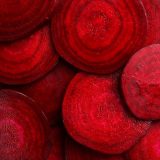 Plant-based diets are becoming increasingly popular, but not all sources of nutrients are the same.
Animal-based foods like milk or meat are rich sources of certain essential nutrients that are easily absorbed by the human body.
These same nutrients are present in many plants but can sometimes be less available to the human body to digest and absorb.
Therefore, nutrient bioavailability must be considered when consuming a plant-based diet. Many factors can affect nutrient bioavailability such as anti-nutrients[1] like oxalates, phytates, and tannins; cooking and processing methods; and factors in the human body
The nutrients of special concern in plant-based diets are (click to jump to that nutrient on the page):
What Does Bioavailability Mean?
The European Food Information Council (EUFIC) defines bioavailability as “the proportion of a nutrient that is absorbed from the diet and used for normal body functions”[2].
Everything food that is eaten needs to be digested and absorbed in the intestine, and the presence of some compounds in plants can make that process more difficult for the body.
For example, antinutrients can block digestive enzymes from reaching parts of a food to be digested.
Oxalic acid is a molecule that plants produce to bind extra calcium within the plant. This molecule helps the plant function properly, but it also means that when we eat the plant, the calcium is harder for the human body to digest and absorb. In this example, the calcium would have a low bioavailability.
Calcium
Plant-based Sources
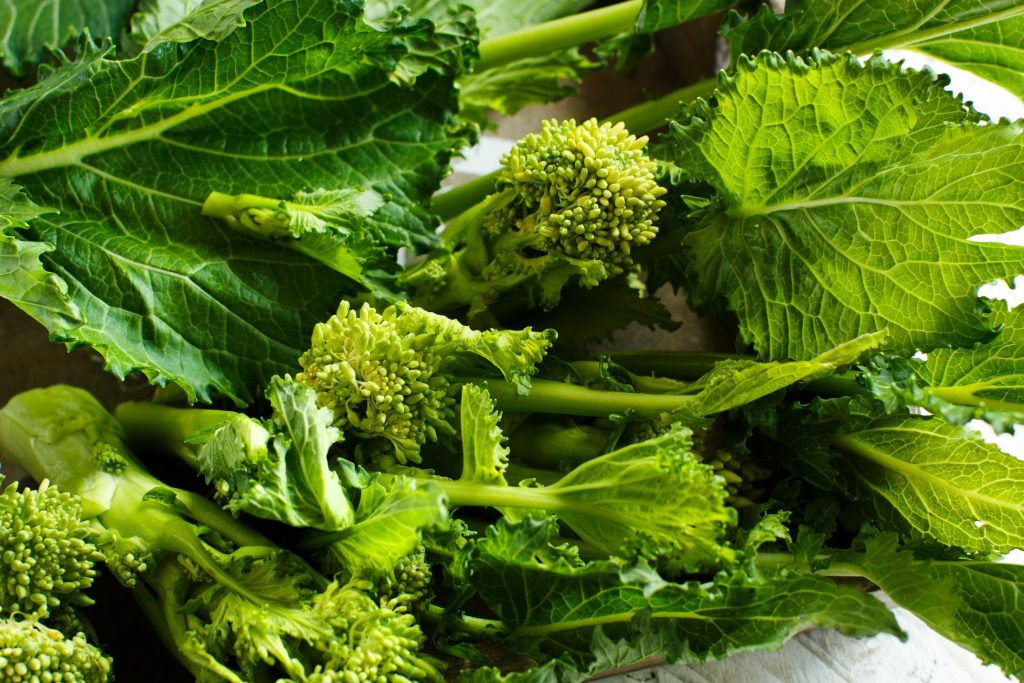
Plant sources that are naturally rich in bioavailable calcium are limited[3],[4]. Commonly recommended plant sources of calcium include kale, legumes, figs, bok choy, and broccoli.
However, the quantity and bioavailability of calcium within these foods is far lower than dairy products or calcium fortified foods[5],[6].
For example, the EPIC-Oxford cohort observed that vegans had inadequate intakes of calcium, approximately half the mean intake level of non-vegetarians[7].
The presence of oxalic acid, or oxalate, reduces calcium bioavailability[8]. Oxalic acid, which is present in many calcium rich plant foods, particularly leafy vegetables[9], binds to calcium to form oxalate, which is not very well absorbed across the gut[10].
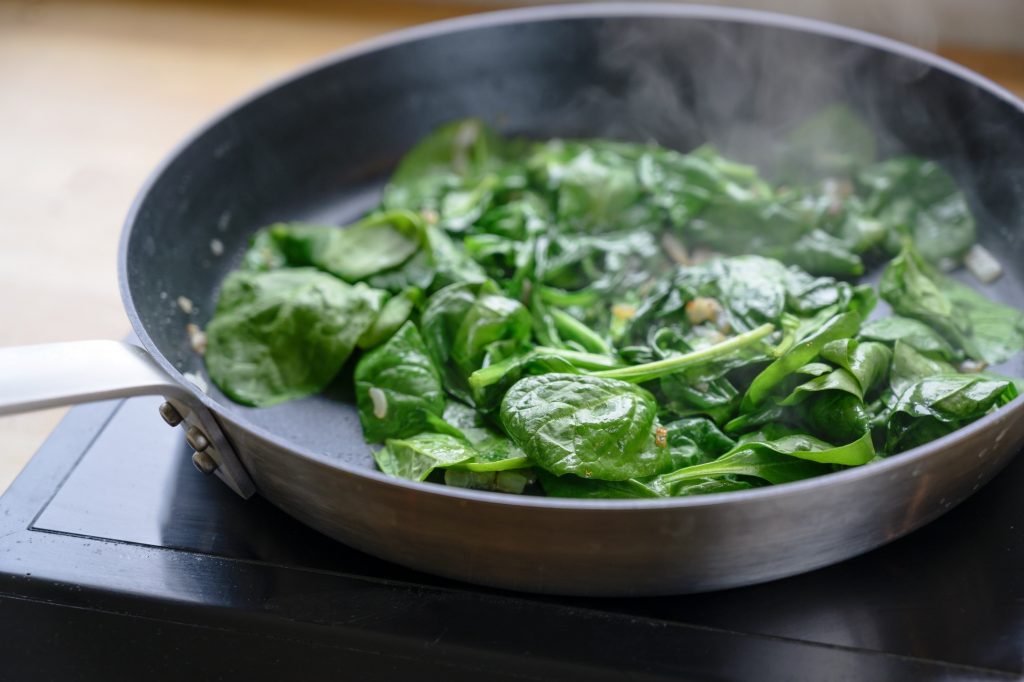
Spinach is a renowned example of a food high in calcium, yet absorption is very low due to the oxalate content.
Turnip greens have a similar calcium level but lower oxalate content, thus absorption is significantly higher than from spinach[11].
Grains and legumes, which in general make up a substantial part of a plant-based diet, are high in phytates, which bind calcium strongly and these complexes are insoluble in the small intestine, making them hard to digest and absorb.
It is estimated that 32% of calcium from dairy-based foods is absorbed, but only 5% of calcium from spinach is absorbed.
Improving Bioavailability
Studies have shown reducing phytates levels significantly increases calcium absorption from grains, pulses and legumes[12],[13].
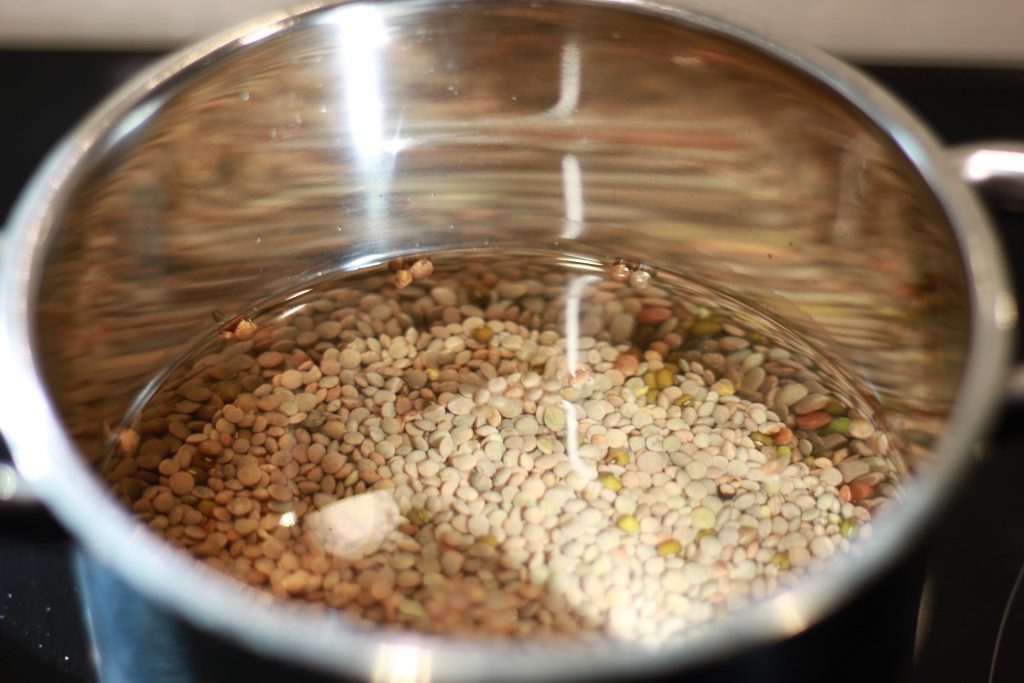
Tannins and fibre can also negatively affect calcium bioavailability. In vitro tests have shown that germinating and de-hulling cowpeas, lentils or chickpeas to reduce tannin and fibre levels can significantly increase calcium bioavailability[14].
Factors in the human body can also influence calcium bioavailability. Calcium is absorbed across the gut by vitamin D dependent active transport and facilitated diffusion.
Therefore, an individual’s vitamin D levels can affect calcium absorption. Factors such as sex, age, and individual calcium stores affect the rate of facilitated diffusion.
The lower a person’s calcium stores, the more the gut will absorb this nutrient, but this ability decreases with age[15].
To summarise, bioavailability of calcium in a plant-based diet is not optimum mainly due to the quantity and presence of innate inhibitors.
Cooking or processing plants to remove antinutrients can improve bioavailability, and some plant-based sources of calcium are more bioavailable than others.
However, it is commonly suggested that people who do not consume animal products, particularly dairy, should eat foods fortified with calcium or take a calcium and vitamin D supplement to meet the recommended daily allowance (RDA) for this mineral[16],[17].
Protein
Plant-based vs and animal-based
The most obvious concern regarding protein in plant-based diets is that sources are generally limited in one or more essential amino acids that cannot be made by the human body.
Therefore, plant-sourced proteins are often referred to as ‘incomplete’. This is contrary to animal derived protein sources, which contain complete combinations of essential amino acids.
The most common limited essential amino acids in plant-based diets are lysine (mainly limited in cereals), methionine (legumes, nuts and seeds), tryptophan (cereals) and cysteine (legumes)[18].
Protein Complementation
Protein complementation, the combination of vegetable proteins to get all of the amino acids that are essential for the body, is the most effective way to meet protein needs when consuming a plant-based diet[19].
Individuals who eat a variety of plant protein sources such as legumes, nuts, grains, and seeds in enough quantities can meet optimum protein needs through plant sources alone.
Interestingly, protein complementation is not required for each meal, as the body has the capability of storing amino acids[20],[21].
Table 1. Examples of Protein Complementation[22],[23]
| Food | Limited Amino Acid | Complement |
| Grains
(Oat, Brown Rice, Wheat) |
Lysine, Threonine | Legumes
(e.g. Soy, Pea, Lentils, Beans) |
| Nuts and Seeds | Lysine | Legumes
(e.g. Soy, Pea, Lentils, Beans) |
| Legumes
(e.g. Soy, Pea, Lentils, Beans) |
Methionine | Brown Rice, Wheat, Potato |
| Corn | Tryptophan | Legumes
(e.g. Soy, Pea, Lentils, Beans) |
However, the amino acid content is not the only limitation to plant protein bioavailability.
The presence of other components such as fibre, tannins, and phytates can reduce protein digestibility, thus making it more difficult for the body to utilise the amino acids.
Vitamin D
Sources
The human body acquires vitamin D by two methods: (1) vitamin D is produced in the skin via UV rays from sunlight and (2) intake from the diet.
There are two forms of vitamin D: vitamin D3 (active form) and vitamin D2.
Vitamin D3 is considerably more bioavailable than the plant source vitamin D2, which means vitamin D3 is more effective than vitamin D2 at raising serum 25(OH)D concentrations, which is an important molecule for the body to actively absorb calcium[24].
Vitamin D3 is produced by human skin in the presence of ultraviolet light from the sun, or sourced from animal products are rich in vitamin D3, whereas plant sources contain vitamin D2 only[25],[26].
Vitamin D levels of Vegans and Non-Vegetarians
The EPIC-Oxford cohort reported the average vitamin D intakes of vegans were approximately 73% lower than non-vegetarians[27].
Vitamin D deficiency is evident within the European population at concerning rates of prevalence[28]. Recent national UK surveys identified 1 in 5 people with low vitamin D levels (serum levels below 25 nmol/L)[29].
Individuals that derive vitamin D from sunlight and a plant-based diet alone will unlikely meet the RDA for vitamin D, especially during winter.
The Scientific Advisory Committee on Nutrition (SACN) advises to consume fortified foods and supplements to meet adequate vitamin D requirements[30].
More recently, England’s national health service (NHS) extended their recommendation of taking a daily supplement containing 10 micrograms vitamin D to the entire UK population.
This is to counteract the risk of getting less sun exposure due to current measures enforced by UK government to keep people in their homes to control the spread of Covid-19[31].
Iron
The WHO describes iron deficiency as the most common and widespread nutritional disorder in the world[32]. It is prevalent in developing countries where diets are predominantly plant-based.
Deficiency is a major issue due to a significant amount of the population having high iron needs such as women of childbearing age, combined with the low bioavailability of iron in available foods.
Haem Iron vs Non-Haem Iron
Iron is present in two forms: haem and non-haem iron.
Haem iron is more readily absorbed across the gut compared to non-haem iron[33]. Red meat and other animal derived foods are rich sources of haem iron[34].
Plant sources contain non-haem iron only[35] and include foods such as green leafy vegetables, legumes, nuts, seeds, and grains.
Iron bioavailability can vary significantly due to inhibitors within the same or other foods in a meal[36].
Phytates, which are complexes found in legumes, grains, oil seeds and nuts, are arguably the most potent inhibitors to non-haem iron absorption[37].
Phytates form insoluble complexes in the gut, reducing iron bioavailability considerably[38].
Increasing Iron Bioavailability
Many studies have shown that common cooking and preparation methods such as fermenting, germinating and de-hulling legumes, and malting cereals can reduce phytate levels and, hence, increase iron bioavailability from these foods[39].
Phenolic compounds such as tannins and polyphenols, which are abundant in tea and coffee, also inhibit iron absorption.
Avoiding drinking tea and coffee within two hours of consuming a meal rich in iron is recommended for individuals with low iron status[40],[41],[42].
Nutrient-nutrient interactions can also affect bioavailability. For instance, calcium is another inhibitor of iron bioavailability, due to competition for absorption across the intestinal wall.
This is more often observed when calcium and iron are part of the same meal and calcium quantity is high[43].
On the other hand, foods rich in vitamin C can increase plant-based iron absorption[44] because this vitamin binds to non-haem iron to form a chelate that is soluble and digestible within the small intestine.
However, it is important to note that cooking vitamin C-rich foods at a high temperature can destroy some of the vitamin C present in foods, reducing its ability to improve iron absorption[45],[46].
There is evidence to suggest individuals can maintain adequate iron stores without consuming animal derived foods, provided effective planning of meals to reduce the presence of inhibitors and increase enhancers is applied[47],[48].
This approach takes careful management, and the prevalence of iron deficiency globally would suggest fortification and supplementation are supported, especially for menstruating women[49].
Zinc
Zinc deficiency is prevalent globally, particularly for developing countries that consume a primarily plant-based diet[50]. This is mainly due to the low bioavailability of zinc in plant foods rather than a lack of plant zinc sources[51].
The EPIC-Oxford cohort reported that average zinc intakes of vegans were approximately 20% lower than non-vegetarians[52].
In this study, even non-vegetarians had zinc intakes that were below the RDA, suggesting that plant-based eaters might be at an even higher risk of deficiency due to the low bioavailability of plant-based zinc[53].
However, the American Dietetic Association and Dietitians of Canada expressed no considerable concern for vegetarians and inadequate zinc intakes in their position paper on vegetarian diets in 2003[54].
Plant-based Zinc Bioavailability
In research studies, zinc bioavailability from plant-based diets is often measured alongside iron. In general, good quality plant-based diets predominantly consist of whole grains and legumes, which are rich sources of zinc.
As with non-haem iron, phytic acid has a significant inhibitory effect on zinc absorption[55],[56]. However, processing methods that can increase the activity of phytate degrading enzymes counteract this considerably.
Processes such as heating, germination, soaking, and fermentation of legumes and grains increase zinc bioavailability, provided the optimum pH is achieved.
Enzymes for degrading phytates work best in an acidic pH environment for cereals and neutral or alkaline for some legumes[57].
The high fibre content in whole grains and legumes inhibit zinc absorption but preparation methods like de-hulling, pressure-cooking, and fermentation can breakdown the fibre and enhance zinc bioavailability[58],[59].
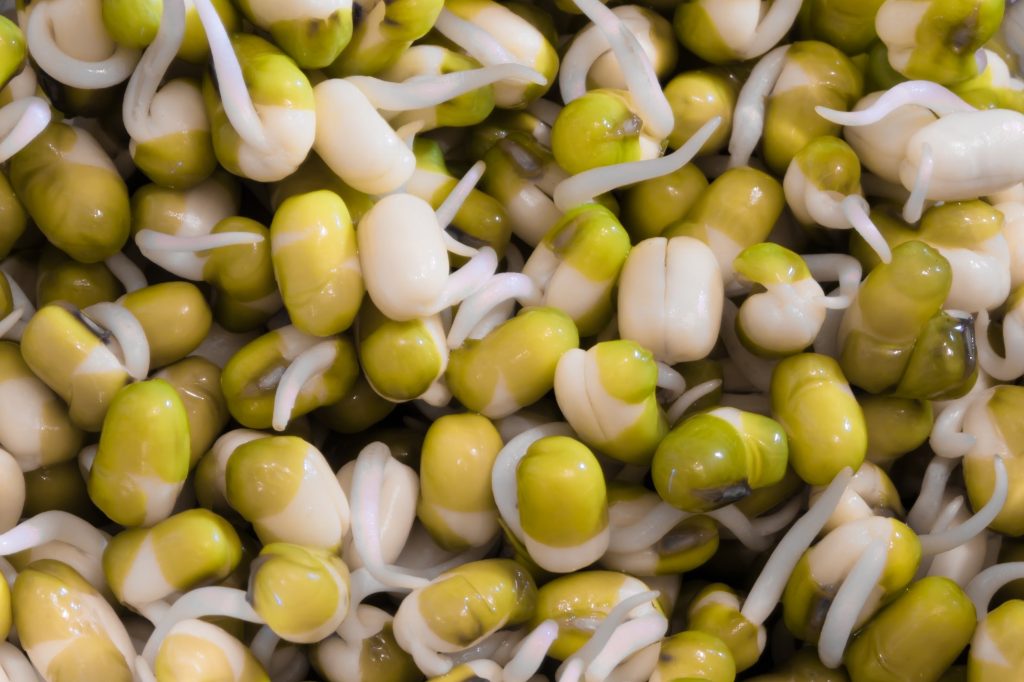
There are studies suggesting that consuming a meal that is both high in protein and zinc has a positive effect on zinc bioavailability[60],[61],[62].
Although bioavailability of zinc in plant-based diets is low, with prudent cooking and meal planning, it is possible to meet adequate body needs.
Vitamin B12
The main dietary sources of Vitamin B12 are products derived from ruminants, such as cows, because microorganisms present in the digestive tracts of ruminants produce this nutrient[63].
Vitamin B12 is generally not present in plant foods, but fortified breakfast cereals are a readily available source of vitamin B12 with high bioavailability for vegetarians.
This aligns with the EPIC-Oxford cohort observation that on average vegans consumed approximately 93% less vitamin B12 than meat eaters[64].
However, inadequate vitamin B12 quantities in plant-based diets are widely acknowledged and individuals following a plant-based diet are advised to consume foods fortified with vitamin B12 and to take a supplement[65],[66],[67].
Vitamin B12 absorption depends on two compounds produced in the stomach: (i) a protein called “intrinsic factor” (IF) and (ii) gastric acid.
The ability of the stomach to produce these compounds functionality declines with age, thus the ability to absorb vitamin B12 reduces over time[68].
Vitamin B12 is typically added to foods and supplements in its free form, meaning gastric acid is not required to make this type of vitamin B12 absorbable.
However, the IF is at capacity at only 1-2 mcg vitamin B12, and absorption decreases considerably then[69]. Therefore, vitamin B12 is best absorbed in small quantities.
To ensure adequate intake individuals following a plant-based diet should eat vitamin B12 fortified foods on more than one occasion throughout the day[70].
Vitamin A
Sources
Vitamin A deficiency is a major issue in developing counties.
There are two forms of vitamin A available in the human diet; preformed vitamin A, for example retinol, and provitamin A carotenoids. Animal derived products such as liver, fish oils, milk, and eggs are rich in preformed vitamin A.
Both provitamin A carotenoids and preformed vitamin A must be metabolised before use by the body[71].
The most abundant and efficiently converted carotenoid in plant-based diets is beta-Carotene, and provides fruits and vegetables, such as mangos, oranges, carrots, and beetroot, with a yellow/orange/red colour[72].
Conversion of beta-Carotene to retinol is not very efficient in the body; therefore, the daily requirement of beta-Carotene is considerably higher than the RDA for vitamin A[73].
Hence, RDAs for vitamin A are given as retinol activity equivalents (RAE) to account for the different bioactivities of retinol and provitamin A carotenoids. One mcg RAE is equivalent to 1 mcg retinol and 12 mcg dietary beta-Carotene[74].
Vitamin A Bioavailability
However, a healthy plant-based diet is abundant in fruit and vegetables that are rich in beta-Carotene.
Therefore, meeting the required amount is feasible[75], unless part of a population that depends on a staple diet of poor vitamin A source grain, such as rice.
Cooking methods can increase the bioavailability of carotenoids, particularly heating in a little fat/oil[76],[77] or adding acidulants or antioxidant spices such as lime, tamarind, onion or turmeric[78].
Although beta-Carotene bioavailability is lower than vitamin A, this can be overcome with a varied diet of fruit and vegetables and specific cooking processes.
Essential Fatty Acids
Omega-6 and Omega-3 fatty acids are both essential for the human body, meaning they need to be consumed in the diet to support adequate amounts in the body.
The long chain omega-3 fatty acids eicosapentaenoic acid (EPA) and docosahexaenoic acid (DHA) are key nutrients for optimum health and development.
They contribute to many functions in the body such as normal brain and eye development and maintenance of cardiovascular health[79].
Oily fish are the richest source of these fatty acids, while plant-based diets are low in these nutrients[80].
The current UK dietary recommendation for essential fatty acid intake is to eat at least two portions of fish a week, one of which should be oily[81].
For some individuals, fish may not be part of a plant-based diet; therefore, levels of these fatty acids are generally sub-optimal.
Plant-Based Sources
The body can convert a plant sourced omega-3 fatty acid, a-linoleic acid (ALA) to EPA and DHA, however the conversion efficacy is low[82].
Good quality plant-based diets are high in ALA. Rich sources include chia seeds, flaxseeds, hemp seeds, and rapeseed oil[83],[84].
However, bioavailability of ALA is reduced by the presence of the omega-6 fatty acid linoleic acid (LA), which is also abundant in plant-based foods.
Sources of LA include sunflower oil, sesame oil, almonds, and cashews[85]. LA competes with ALA for enzymes needed to convert ALA to EPA and DHA[86].
Therefore, good quality plant-based diets will aim to have a ratio of 1:3 omega-6 to omega-3 fatty acids in the diet and avoid them within the same meal[87].
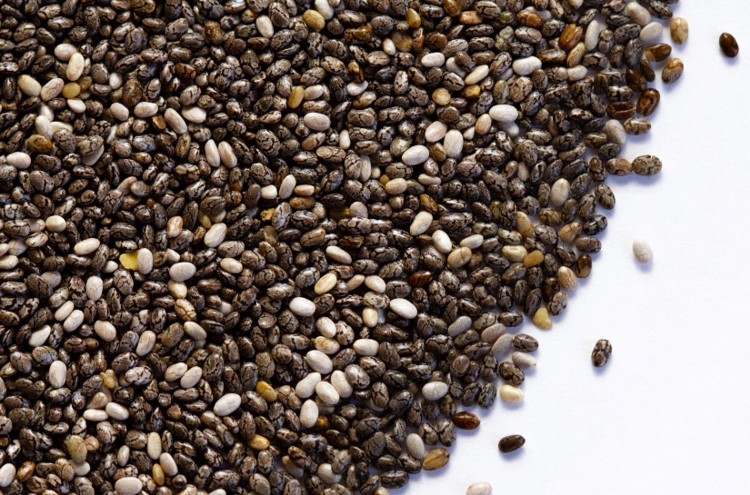
Protein, calcium, biotin, magnesium and zinc can increase ALA bioavailability[88],[89], and a good quality plant-based diet is sufficient in these nutrients.
According to the American Dietetic Association, a sufficient intake of ALA in the diet is adequate to meet EPA and DHA needs; however, if an individual has increased needs or poor conversion then a direct source such as DHA-rich microalgae is advised[90].
EPA and DHA supplementation is a controversial topic, as there were concerns regarding the safety of over consumption, however the European Food Safety Authority (EFSA) has concluded 5g of long-chain omega-3 fatty acids raise no safety concerns for adults[91].
Iodine
Iodine is an essential trace element imperative for brain development, normal growth and metabolism[92]. Plant foods can be insufficient and unreliable iodine sources[93].
Adequate iodine intake is a concern for people who follow a plant-based diet. Iodised salt policies were implemented in various countries across the globe to eradicate deficiency.
However, recommendations to reduce salt intake to support heart health also mean reducing iodine intake. Most salt used in packaged foods is not iodised.
Iodine in Plant-Based Diets

In the US, Ireland, UK, and most of Europe, the main source of iodine is from milk and milk products, followed by fish and meat.
The high content in milk is a result of iodine addition in cow feed and iodine-containing disinfectants used during milking[94].
Therefore, it is important to note that vegetarians who swap dairy milk to a plant-based alternative may be at risk of inadequate iodine intake.
Furthermore, a study conducted by the University of Surrey reported that organic milk was 42% lower in iodine than conventional milk[95].
Seaweed is a very rich source of iodine, particularly kelp. However, the iodine content can be too high, and excessive iodine intake can have negative health effects.
For this reason, it is advised to limit seaweed consumption to once a week, particularly if you are pregnant[96].
There is limited research investigating the bioavailability of iodine in plant-based diets, although it appears to be high[97].
However, most literature papers investigating vegan diets highlight iodine as a nutrient at risk of inadequate intakes[98],[99],[100].
Summary of Bioavailability for Plant-Based Nutrients
Conclusion
Plant sources of certain nutrients have a significantly lower quantity and bioavailability compared with animal derived foods.
Many factors can affect nutrient bioavailability including the presence of anti-nutrients; cooking and processing methods; host factors; and nutrient-nutrient interactions.
Bioavailability is an important factor when evaluating the quality of a diet because it has a substantial effect on the amount of nutrients available to the body for important functions.
Therefore, rating foods and diets on nutrient quantities alone is not fully reflective of nutritional quality.
It is important to note that plant-based diets can meet the nutritional needs of an individual, provided they are good quality and supplemented with specific nutrients, if needed[101] [102].
It is an exciting time for legumes. They are appearing in every ‘top 10 nutrition trends’ list you see and have a lot to gain from the increasing popularity of plant protein. Products made with ingredients like chickpea flour or faba bean protein are becoming common sights at industry trade shows and store shelves. The secret to the popularity of legumes lies in their ability to satisfy a few of the highest-demand traits in food and beverage right now: nutrition, sustainability, and flexibility in formulation.
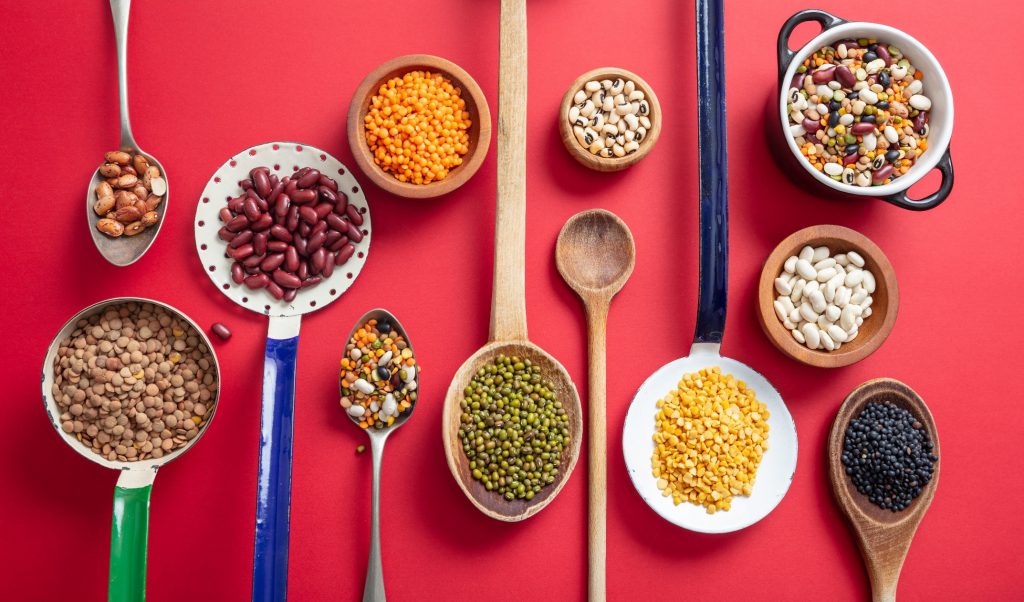
Packing a Nutritional Punch
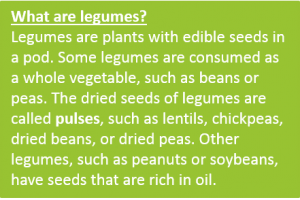
Legumes are one of the most naturally well-rounded foods in the world from a nutritional perspective, containing a variety of vitamins and minerals, as well as protein and fiber. This nutrition profile helps them fit 5 (Digestive Wellness, Plant-based, Good Carbs Bad Carbs, Protein, and Snackification) of the top 10 Key Health and Nutrition Trends for 2018!
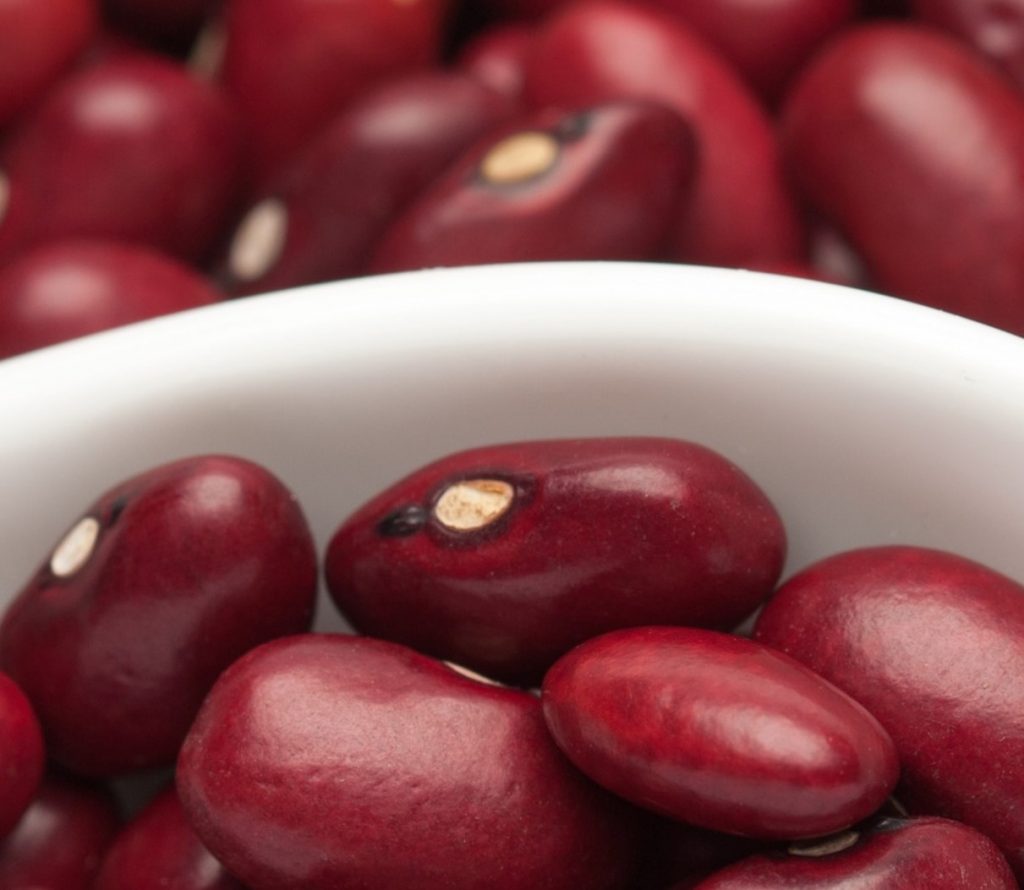
The 2015 Dietary Guidelines for Americans state that calcium, fiber, iron, potassium, and vitamin D are nutrients of concern for under-consumption in the United States. Kidney beans provide fiber (29% of Daily Value, or DV, per serving), calcium (8%), iron (11%), and potassium (11%) while also providing B vitamins and zinc. Legumes are also naturally low in sodium and saturated fat, which are nutrients the Dietary Guidelines for Americans list as a concern for overconsumption in the United States. In addition, consuming legumes is associated with reduced risk of type 2 diabetes, cardiovascular disease, and some cancers.
It’s amazing to think that one type of food naturally addresses so many public health concerns. It should be no surprise, then, that legumes are included in all dietary guidelines worldwide. In fact, the Eatwell Guide in the UK even recommends we replace some meats in our diet with vegetable protein sources like legumes.
Substantially more Sustainable
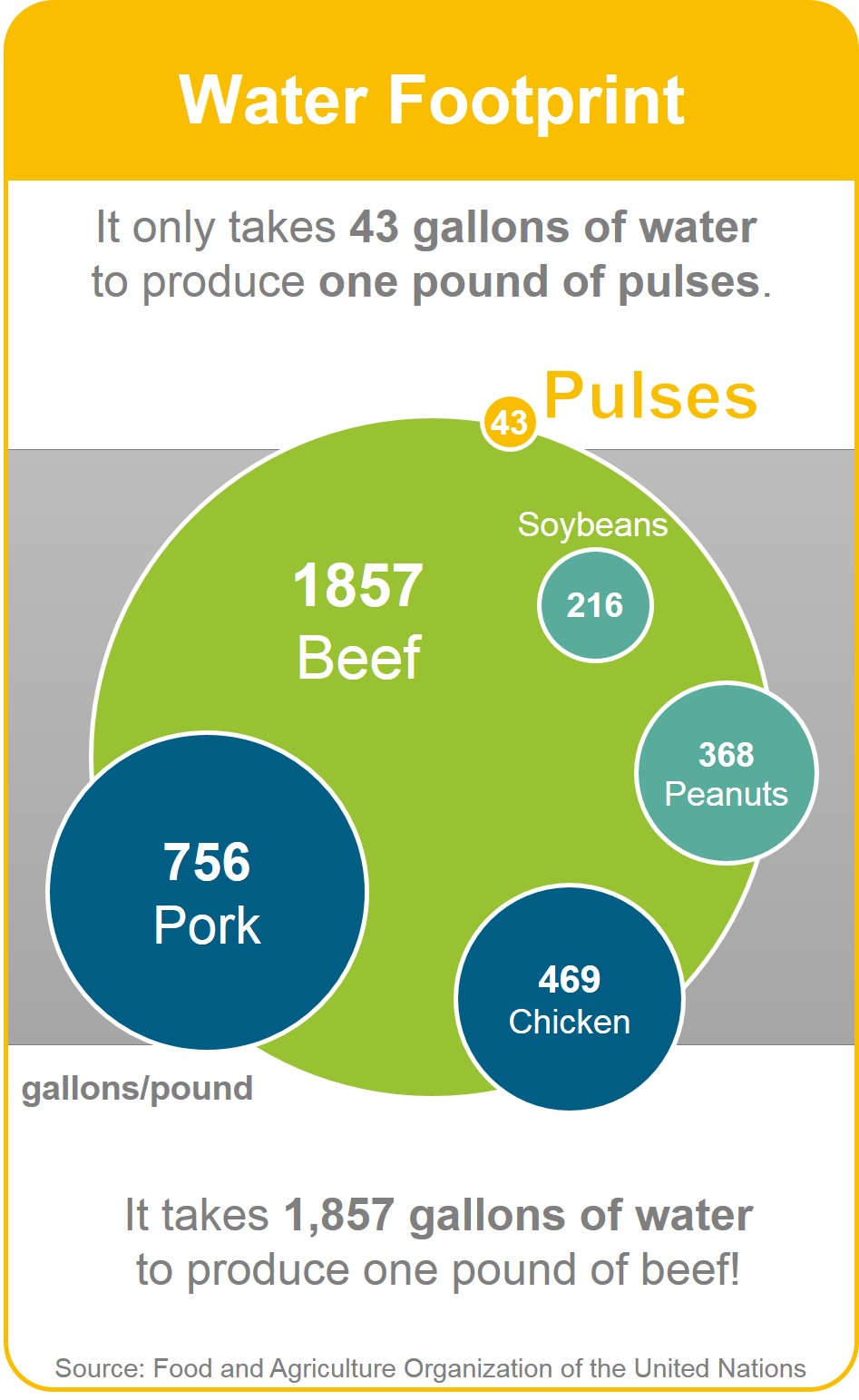
In addition to their rich nutrient content, legumes are one of the most environmentally sustainable sources of protein. They can draw nitrogen from the air, rather than from the soil, meaning they do not require fertilizers. In fact, growing legumes increases the nitrogen content of soil and feeds soil microbes, improving soil quality for subsequent crop growth. They also require significantly less water than other protein sources; it only takes 43 gallons (195 litres) of water to produce a pound of pulses. To put this in perspective, it takes 1,857 gallons (8,442 litres) of water to produce a pound of beef and 469 gallons (2,132 litres) to produce a pound of chicken. Finally, producing legumes results in a fraction of the greenhouse gas emissions compared to protein sources such as beef or poultry. For more resources on pulses, head to the FAO’s website on the International Year of the Pulse.
Innovation Opportunity for Legumes in Snacks
New processing technologies bring ever-increasing flexibility for legumes as ingredients in food. Hummus is a great example of the opportunity for legumes in the marketplace, which has massively grown in popularity in recent years; according to a 2015 Mintel Report on Sweet and Savory Spreads, hummus sales totaled $5 million annually 15 years ago but is projected to be a billion dollar industry by 2022. To this point in time, soy has been the dominant legume around the world. It is found in over 50% of legume-containing products globally (Pulses and Legumes Ingredient Insight, Mintel 2017). However, many other types of legumes are stepping into the spotlight.
Other examples of protein-rich legume snacks include pea crisps, lentil crackers, plant protein powders and roasted bean mixes. The versatility of legumes has allowed them to penetrate nearly every product category (Mintel 2017). Vegan eggs made from mung bean, cheese made from cashews, or nacho cheese dip made with chickpea flour are just some examples of the breadth of innovation coming down the pipeline for legumes.
Formulation Considerations
Although legumes are nutritionally rich and consumers are seeking what they have to offer, the true challenge may lie in developing legume-containing products that consumers want to eat.
Some challenges in legume product development include:
- Legumes have unique and distinct flavors and cannot be used in all applications. Finding the right application is a challenge and a potential opportunity for product developers. Some examples of how developers can improve flavors are shown on our Application of Flavour page.
- Since each legume is unique in its macronutrient composition (example: chickpeas are 6% fat by weight, but black beans are only 1.5%), cooking and processing has to be tailored for each legume.
- Processing and cooking the legumes to produce the best product (taste and texture) while maintaining whole piece identity requires control and balance. In addition to maintaining piece identity, the nutritional benefit of the legume itself must also be maintained. For example, frying legumes would produce a very tasty and good textured product, but the process will add calories.
- Even though legumes are high in protein, their PDCAAS values (a measure of protein quality) are not comparable to animal proteins, with the exception of soybeans. A diet of legumes and cereal combinations will improve the quality of the protein.
Despite these challenges, we can expect to see a variety of legume innovations entering the marketplace in response to the momentum legumes are gaining with consumers.