‘Fibremaxxing’ Unpacked
Anyone with a teenager is no stranger to the wave of curious trends that frequently emerge from social media, many of which revolve around the term ‘maxxing’.
However, the latest term ‘fibremaxxing’ has caught the attention of social media followers and the food and nutrition community alike.
Protein has been such a huge trend that it has been difficult for other nutrients to get attention. But the world of social media moves quickly and within the last year there has been a wave of ‘fibremaxxing’ clips flooding social platforms, with influencers of all ages sharing their favourite ways to boost daily fibre intake.
As ever, these clips range from the sensible and inspiring through to the more extreme. Some engage in a type of ‘gamifying’ of fibre to ‘max out’ with the message becoming more about the game than health.
But at its core, the message about fibre is grounded in evidence linking higher intakes to reduced risk of cardiovascular disease and several cancers1,2, especially colorectal cancer, as well as type 2 diabetes3.

The Good and Not-So-Good of ‘Fibremaxxing’
Table 1 summarises the pros and cons of ‘Fibremaxxing’. There is a significant gap between fibre recommendations and actual intakes in most western countries so any focus on increasing fibre through cereal-based wholegrain foods, fruit and vegetables, pulses, legumes, nuts, and seeds, is to be welcomed.
However, if fibre intake is low, increasing consumption is best done gradually to avoid issues like bloating, cramping, constipation or diarrhoea.
Table 1. ‘Fibremaxxing’ Pros and Cons
Many types of insoluble fibre also bind water in the large intestine and an increase in fluid intake is needed for the fibre to do its work properly. Where dietitians and/or nutritionists have weighed in on this social media trend, these caveats are highlighted.
Counting fibre intake may initially help consumers identify their own fibre gap but this is best used short-term until healthy choices and habits become embedded. Getting caught up in obsessive tracking of fibre intake rather than enjoying a balanced diet is not the goal.
On the positive side, many ‘fibremaxxing’ posts are useful in calling out the benefits of fibre beyond ‘keeping you regular’.
Previous research has shown that if individuals are regular in their bowel habits, they don’t feel the need to worry about fibre intake4, so it is important to clarify that regularity alone shouldn’t be the only goal.
Inspiring social media posts that include tasty high fibre recipes can also help dispel the myth of fibre as ‘bland and boring’.
Some ‘maxxers’ attempt to ‘fix’ their fibre gap with the use of supplements. While supplements have their place, particularly if constipation is the issue5, the benefits observed from prospective cohort studies are based on consuming a diverse range of dietary fibres.
The good news is that ‘Fibremaxxing 2.0’ is on its way in 2026, according to Mintel, with consumers shifting from simply maximising intake to consuming a variety of fibres6.
This is a positive progression of the trend, reflecting the science which shows that a diversity of sources is likely to be of most benefit.
How Much Fibre is Enough?
Fibre recommendations vary around the world but in general adults should aim for between 25-30g per day3,7,8, with fibre intakes for children and younger teens being lower and in proportion to their energy intakes.
The US daily fibre recommendations from the Dietary Guidelines for Americans 2020-2025 are 22–28g for adult women and 28–34g for adult men, varying by age7.
Both the World Health Organisation3 and European Food Safety Authority (EFSA)8 recommend a minimum of 25g per day for adults based on normal laxation rather than a wider range of health benefits. In South Africa and India, recommended fibre intake ranges can be as high as 38-40g per day9.
But conversations about “optimal” fibre intakes shouldn’t distract from the bigger issue: that most people aren’t getting enough in the first place and this needs to be addressed (Figure 1).
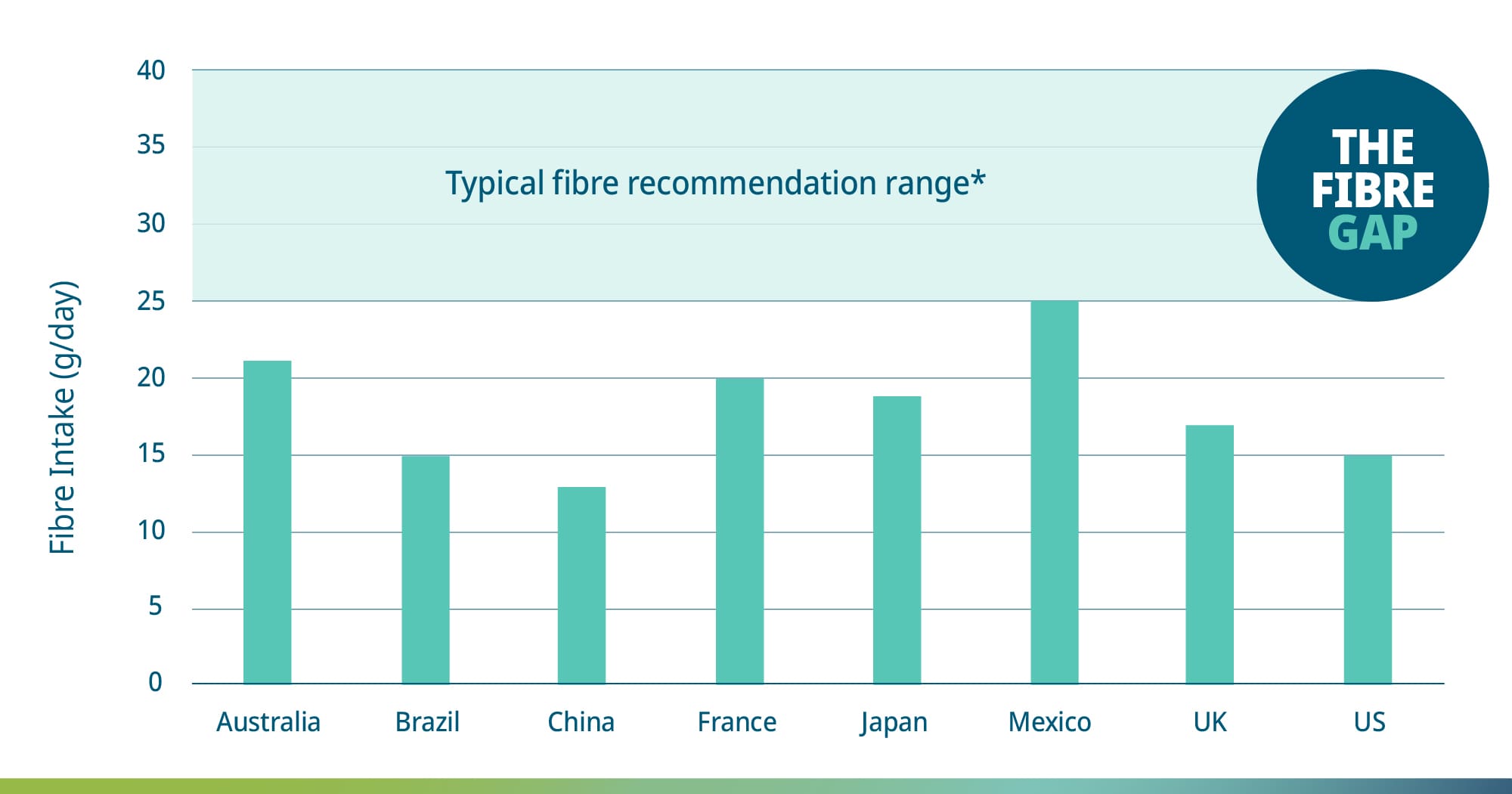
Figure 1. A fibre gap exists in many countries7,10-17
Diversity of Dietary Fibres
With its focus on a single fibre target, dietary recommendations may suggest that it is all about quantity, but the term dietary fibre covers a wide range of complex structures with different mechanisms of action.
Fibres that are poorly fermentable, e.g. wheat bran fibre, help to decrease transit time in the gut promoting good bowel function18.
Fibres that are more fermentable act as a food source for the gut microbiota and produce metabolites which can be beneficial to health, e.g. short-chain fatty acids.
Some fibres exert health benefits even before reaching the large intestine by slowing down the absorption of glucose19.
Emerging research shows that even small differences in the structure of the same fibre can create very different metabolic “fingerprints” in the gut20, which could one day help target health benefits, with more precise recommendations for different types of fibre.
But for now, the smartest approach is simply to eat a wide variety of fibre containing foods21.
Harnessing the ‘Fibremaxxing’ Movement
Fibre Innovation for Food Industry
-
- Look at the overall nutritional profile when considering fibre fortification. With increasing nutrition literacy, consumers are savvy about products that offer a ‘health halo’ and question the levels of other less favourable nutrients including added sugars, saturated fat, and salt. Manufacturers aiming to make fibre claims should therefore also assess whether reformulation of other nutrients including saturated fat, sugars and/or salt is needed and/or address portion size offerings.
- Fibre can be leveraged to replace sugar or fat or to improve structure in gluten-free products and at 2 kcal/g (values may vary according to local regulations) it can contribute to a reduced energy value when replacing carbohydrates (4 kcal/g) or fat (9 kcal/g).
- Consider ‘upcycled’ sources of fibre that help reduce food waste, e.g. brewer’s grain. Any additional reasons to enrich with fibre, such as an improved environmental footprint or offering technical functions could offer an alternative way to justify any costs associated with fibre enrichment.
- Consider tolerance and format. Isolated dietary fibres are tolerated differently and have been well described22. Tolerance can also depend on the food format – whether the fibre is delivered in a drink, a solid food, or within a particular matrix – so consumer trials are often essential. Manufacturers face a real balancing act: adding a smaller, well-tolerated amount of fibre may only achieve a “source of fibre” claim, while adding enough to reach a “high in fibre” claim may risk digestive discomfort and reduce repeat purchase. In many cases, combining different fibres may offer a better solution by improving both tolerance and functionality. Clear communication of recommended serving sizes is also key to managing expectations and supporting a positive consumer experience.
- Check for any allergen considerations, e.g. wheat derived fibre.
Recommendations for Healthcare Professionals
-
- Fibre has been waiting a long time for its moment, and as interest in ‘Fibremaxxing’ grows, the responses from healthcare professionals need to be positive and constructive rather than focused on dismissing influencers – though some of the more extreme claims will inevitably need correction. When a patient is active on social media and their healthcare provider isn’t, recommending reputable suitably qualified dietitians or nutritionists online becomes especially important.
- Equally, it is worth bearing in mind that newer patients who are coming through with digestive complaints may well have been overdoing this trend and therefore worth exploring any recent changes in their diet.
- There is also a need for more effective public health messaging that offers clearer, more actionable guidance on the frequency, quantity, and quality of fibre-rich foods. For example, Australian researchers23 found that consumers responded better to specific recommendations – such as “consume legumes once per day” and “eat more than half of your grain foods from whole grain choices” versus more vague statements. The recent 2026 US Dietary Guidelines for Americans recommends prioritising fibre-rich whole grains (2 – 4 servings per day)24.
In Summary
‘Fibremaxxing’ may have emerged from yet another social media trend, but its value should not be ignored as it represents a long-overdue shift toward recognising the essential role fibre plays in long-term health.
The excitement surrounding high-fibre recipes and inspiring food swaps can be a powerful driver of dietary change, but the trend works best when twinned with evidence-based guidance, gradual increases in intake, and a focus on fibre variety.
For consumers, this moment offers an opportunity to rethink what fibre looks like in everyday eating – not as a bland add-on, but as a naturally rich element of wholegrains, legumes, nuts and seeds, fruits, vegetables, that can support health far beyond regularity.
For industry and healthcare professionals, it is a reminder that meeting people where they are, with clear messaging and products that prioritise both nutrition and enjoyment, will be key to closing the persistent fibre gap.
If the ‘Fibremaxxing’ trend continues to evolve towards a more balanced perspective, rather than extremes and quick wins – it has the potential to do what few nutrition fads achieve: create meaningful, sustainable improvements in public health.
Disclaimer: This article should not be considered as medical advice. For personalised health guidance, consult a qualified healthcare professional.
Acacia fibre (also called gum acacia or gum arabic) is a novel source of soluble dietary fibre.
In recent years, the popularity of Acacia fibre as a food ingredient has grown strongly at 27% CAGR (2016-2020), with Western Europe accounting for greater than 50% of new product launches (Innova Ingredient Sizing, 2022) due to its health benefits and functionality in foods and beverages.
What is Acacia Fibre?
Acacia fibre (gum arabic/gum acacia) is a form of soluble dietary fibre produced using the natural exudate from the Acacia tree in the Sahel Region in Africa.
It is harvested in a very similar way to another exudate you may be more familiar with: maple syrup from the Maple tree. Acacia’s use in food dates as far back as the 9th century, where it expanded its global footprint through trading on ancient spice routes.

Fibre is Under-Consumed in the US and Europe
Fibre is linked to a wide range of health benefits, but many parts of the world consume fibre-deficient diets.
Reformulating with fibre presents an exciting opportunity for food and beverage manufacturers to innovate through fibre fortification while simultaneously reducing the calorie content of food by enabling sugar or fat reduction.
Fibre is mainly found in foods like fruits, vegetables, and legumes, which many people do not consume enough of. There is an opportunity for the food and beverage industry to improve public health by adding fibre to foods and beverages people are already consuming.
Fibre Statistics
| Europe & UK | US | |
| Recommended daily fibre intake (RDI) | 25g Europe (UK 30g) | 25g for women, 38g for men |
| % of adults consuming RDI of fibre | <20% Europe (UK <10%) | <10% |
| Current average intake | 17g Europe (UK 19g) | 16g |
Although people are under consuming fibre, consumers are catching on to the health benefits of fibre and are looking to get it more easily in the foods they are already consuming.
-
- More than 60% believe that eating more fibre is the best way to manage digestive health (Kerry Global Consumer Survey – Digestive and Immune Health, 2019).
- Fibre is the most widely used positioning related to digestive health (Innova 2021).
- 68% of global consumers are influenced by sustainability when purchasing F&B products in store (Kerry Consumer Research, Sustainability in Motion, 2021), 42% of consumers agree that ‘a product is not healthy if it is not also sustainable’ (Innova, 2021).
Choosing a Fibre can be Challenging
These figures show that there is great opportunity to fill a public health need and consumer demand at the same time.
This important public health challenge is being taken up by food and drink manufacturers through such programs as the UK Food and Drink Federation’s recently launched initiative dubbed “Action on Fibre”, with organisations proactively pledging to bridge the fibre gap across bakery, beverage, cereal and snacks categories.
However, fibre addition is not always straightforward. It can be hard to find a source of fibre that is easy to add to foods and beverages. For example, some fibres cause beverages to thicken or become more viscous, which can be undesirable.
Different fibres also interact in different ways with the human body, which means fibre sources vary in their health benefits and side effects when consumed. It can be challenging to choose a fibre source, but acacia fibre is one source that can deliver health benefits while making formulation easier in certain applications.
Why is Acacia Fibre Gaining Ground?
Studies on Acacia show prebiotic effects and a role in digestive health
Clinical studies have shown Acacia fibre promotes the growth of healthy bacteria in the human digestive system.
In a clinical trial, doses of 10 grams of acacia fibre per day led to a significant increase in Bifidobacterial and Lactobacilli, and the prebiotic effect was more effective than the same dose of inulin.
A similar prebiotic effect was shown in another study by Cherbut et al., which was also linked to a greater stool weight, indicating a potential links to positive digestive health benefits.

Acacia fibre has been linked to improvements in satiety and cardiometabolic health in studies
Acacia fibre may also play a role in weight management.
In clinical studies, Acacia fibre has bene shown to significantly improve satiety at 5g/serving and subsequently significantly reduced the energy intake at first meal three hours after ingestion and the feeling of hunger for at least three hours after consumption with no compensation effect.
When incorporated into foods and beverages, acacia fibre was linked to decreased hunger and improved fullness. Acacia fibre intake has also been linked to cardiometabolic health such as significantly improving fasting glucose levels, expanding potential uses for Acacia fibre beyond digestive health.
Acacia fibre does not cause as much GI discomfort as other prebiotic fibres
A major complaint with many consumers is that, despite a role in health, some fibres can cause negative side effects like excess gas production and bloating even when consumed at amounts as small as 5-10 grams per day.
This has led many to seek alternative fibres that are linked to health benefits but do not cause GI discomfort.
In studies using acacia fibre, doses up to 40 grams per day were well-tolerated with no significant increase in discomfort and led to fewer reported side effects than FOS, demonstrating excellent digestive tolerance for acacia fibre.
*Check with local regulatory bodies for country specific claims
Global regulatory bodies recognise the health benefits of Acacia as a fibre source. The application of Acacia fibre can deliver a high concentration of soluble dietary fibre (minimum 85%) that enables a “High in Fibre” claim (6g of fibre per 100g of product in Europe).
Last year, the U.S. Food and Drug Administration announced that it intends to propose that “Acacia (Gum Arabic)” also known as gum acacia, be included as part of the FDA’s definition of dietary fibre further propelling Acacia fibre as a key solution to increase the uptake of dietary fibre.
The FDA has determined that the scientific evidence supports that gum acacia can help reduce blood glucose and insulin levels after it is eaten with a meal containing a carbohydrate that raises blood glucose levels.
Acacia Fibre is Sustainable
-
 It has a role in sustainable agriculture. The Acacia tree helps helps combat desertification and increase other crops yields in the Sahel region in Africa.
- Farming of Acacia supports local communities. the harvesting of Acacia fibre is carried out by local farmers in a way that does not damage tree growth and forms an important source of secondary revenue, making it a critical income generator among vulnerable communities – up to 38% of total annual income.
Acacia’s Functional Role Beyond Contributing Fibre
Acacia fibre is non-cariogenic with minimum impact on the taste, aroma, texture and visual properties of food and beverage products.
This makes it highly versatile across numerous applications such as bread, beverages, nutritional bars and cereals for manufacturers wishing to achieve a fibre claim and/or improve the nutri-score of their final product.
White bread: Although white bread is the most popular type of bread globally, its low fibre content gives it a poor mark on the nutrition scale.
Acacia fibre–fortified white bread can provide up to a 300% increase in fibre per serving versus non-fortified white bread, a level that approximates the fibre content of whole wheat—all whilst maintaining the taste and consistency that leads so many consumers to purchase white bread products.
Through application testing, sensory and texture analysis results confirm taste and aroma are unaffected negatively when Acacia fibre is incorporated.
The same is true of measurements of loaf volume, softness, crumb and crust colour and there is little impact on dough rheology, making it easy for bakers to handle.
Further application trials carried out demonstrated that other fibres on the market such as citrus fibre, soluble corn fibre, and inulin can negatively impact the sensory and dough handling properties of bread. For example, inulin resulted in the bread being much more dense, lower volume, firmer and with an undesirable texture.
Favourably, Acacia fibre fortified bread remains comparable to reference “control” bread, making it a great candidate when choosing a suitable fibre for fortified baked goods.
Beverages: In beverages there are important practical considerations to take into account when fortifying with fibre. The fibre ingredient needs to be easily dispersible, highly stable in low pH and void of negative influences such as gelling, swelling or thickening.
Acacia fibre meets these criteria with added benefits of improving mouthfeel and flavour enhancements.
It has a role in reduced-sugar beverages due to the ability of the polysaccharide structure to improve the mouth coating effect, which holds sweeteners or flavour modulators in the mouth for a longer period of time and extending the sweetness perception.
It has the ability to reduce the GI of food products and is Low-FODMAP and KETO diet suitable. The high fibre, increased satiety attributes of acacia fibre are particularly suitable for beverages in categories such as sports nutrition and those positioned as meal replacements.
Nutritional Bars and Cereals: Nutritional bars and cereals frequently fall into the high fat/sugar/salt category. Manufacturers looking to optimise their nutri-score and fortify with fibre should consider acacia fibre to improve the nutritional positioning of their product.
Along with delivering a high concentration of soluble dietary fibre, acacia fibre supports the overall reduction of sugar in final application by working as a binder to partially replace sugar syrups.
It also maintains moisture balance preventing dry mouthfeel over shelf-life, which is a common challenge of nutritional bars and cereals/ granola. This binding function is different than that provided by soluble fibres like inulin or FOS, which can act as bulking agents and provide sweetness but do not aid in binding.
As a result, including Acacia fibre as part of a blend of fibres may enhance functionality of the entire system.
Fibre is very well associated with many health benefits when consumed as part of a healthy and balanced diet. There are a variety of different sources and types of dietary fibre that have different health benefits, but they can also be used as functional ingredients in foods and beverages. Dietary fibre is an ingredient that can influence many attributes of the product, such as the texture, succulence, cohesiveness, appearance, and sensory properties.
These unique properties of fibre can improve the sensory properties of many types of foods and beverages. This can include texture improvements such as providing a firmer bite to a burger, enhancing the product’s processability such as increasing the cooking yield, and improving the nutritional quality due to the inherent nutritional properties.
In many meat and plant-based meat alternative products, other functional ingredients to fibres cannot be neglected or completely replaced. However, thorough understanding of the functionality of fibres within application allows the improvement of characteristics such as texture, cooking yield, fat reduction, while also adding the health benefit of fibre enrichment to meat and plant-based meat alternative products. This article will look at these aspects in more detail, focusing mainly on the functional role of fibre in meat and plant-based meat alternatives.

Functional Properties of fibre
Besides their nutritional benefit, dietary fibres provide a range of technological properties when incorporated in food systems. Some of these are shown in the list below:
-
- Water binding – The ability to bind water and swell.
- Oil binding – The ability to bind oil and swell.
- Anti-caking – The ability to prevent lump formation in powder materials.
- Texturizing – The ability to enhance texture properties of food products (e.g. by providing viscosity, thickness, etc.).
- Bulking agent – The ability to increase the volume in food products and thus increase the sense of satiety, especially in foods designed for weight reduction.
- Fat mimetic – The ability to mimic (not replace) some of the organoleptic and physical properties of fat molecules while simultaneously providing lower energy values to the food products.
- Gelling – The ability to thicken and form a gel. This depends on the product’s hydration properties and its ability to form a network
These unique technological properties result in fibres being used across a wide range of food products, from baked goods and confectionary, to dairy and beverages. And although someone might not think about it at first, fibres are also widely used in meat and plant-based meat alternative products.
Fibre functionality in meat and plant-based meat alternatives
When it comes to meat and plant-based meat alternatives, fibre incorporation can deliver important functional properties while also also improving the nutrition of a product.
One key consideration when using fibres in meat and meat alternative applications is understanding how fibres behave in a complex matrix (proteins, starches, fat, salts, etc.). As already mentioned, fibre has many unique functional properties, and each property can differ based on various parameters, such as:
-
- Fibre source
- Fibre extraction method
- Chemical structure, pH, ionic strength
- Fibre type: Soluble / Insoluble
- Length of fibre
- Fibre purity
Adding fibre to foods – how does this impact the product?
Depending on the fibre source (e.g. root vegetables, fruit peels, etc.) and extraction method (e.g. chemical vs microbial methods), different types of fibres can be obtained 1.
The most common classification divides fibres into soluble and insoluble, based on their solubility in water. Insoluble fibres consist mostly of cellulose, hemicellulose and lignin, and soluble fibres consist mostly of pentosanes, pectins, gums, and mucilage2,3.

Insoluble fibres like bamboo or wheat have good water and oil holding capacity which will help in firming up the texture of cooked products. Water and oil binding properties are related to chemical structure, ionic strength, pH and particle size of fiber 4. This feature can be helpful in the development of meat and plant-based burgers or sausages where we want to achieve a firmer structure by binding the extra water in the system. Depending on the extraction process, some fibres might still contain higher levels of starch that can gel upon heating and further enhance texture properties.
Another example is Psyllium, a soluble fibre that dissolves in water and can help with increasing viscosity of liquid systems such as brines. When going through a heat treatment process, psyllium also forms a gel-like structure that cannot be achieved with the use of insoluble fibres such as bamboo, wheat, or oat fibre.
The impact of water quantity on fibre functionality
Incorporating fibre in a food product can result in a higher or lower water (and/or oil) uptake. As with many other ingredients, fibre will “compete” for the water in the system and this can also influence the functionality of some other ingredients, for example proteins and hydrocolloids. One challenge in using fibres in plant-based meat alternatives is that very high concentrations of fibres can bind high amounts of water, making it less accessible to other ingredients.
If fibres are used in excess without enough hydration, the network formation between starches, proteins, and hydrocolloids can be disrupted, resulting in a very dry and perhaps too firm product. Using fibres at very high quantities can also bring an additional and sometimes undesirable taste impact. Flavour can be a challenge with plant-based products in general, as discussed in Flavour Masking Challenges in Plant-Based Meat Alternatives – Kerry Health And Nutrition Institute.
Benefits of adding fibre to meat and plant-based meat alternatives
As we have already briefly discussed above, fibre incorporation in meat and plant-based burgers and sausages can bring some application challenges. However, a thorough understanding of different types of fibre and their functionality in application can result in very positive outcomes, such as:
-
-
- Increasing the yields of cooked minced products like burgers and sausages
- Giving burgers a firmer bite with a more cohesive structure
- Fat reducing properties while also keeping burgers and sausages juicy
- Binding and upholding the water in fresh or cooked minced products
-

The FODMAP diet is an eating pattern designed to help people with irritable bowel syndrome or other gastrointestinal discomfort choose foods that can help them with their symptoms like bloating and abdominal pain.
Many consider it to be the next wave of the gluten-free trend. Researchers from Monash University in Australia have conducted much of the work around understanding FODMAPs and that research is the basis for many of the answers in this Q&A.

What are FODMAPs?
FODMAPs are a family of carbohydrates that cause gas, bloating, diarrhoea, constipation, distention and pain. FODMAPs are fermented by the bacteria living in your intestines.
They draw more water into your stomach and intestines, which can cause more gas to be produced. This gas can lead to bloating and distension in the intestine, which can then cause the muscles in your gut contract, resulting in pain, diarrhoea, and constipation.
What Does FODMAP Stand For?
Fermentable
FODMAPs are broken down by bacteria producing gas in a process called ‘fermentation’. This produces more gas in your intestines and can cause discomfort.
Oligosaccharides
Oligosaccharides are a number of small carbohydrates found in foods like wheat, onion, garlic, pulses and legumes. They are poorly absorbed by some people and can cause gastrointestinal upset.
Disaccharides
Disaccharides are two simple sugars that are attached to one another. A common disaccharide is lactose, which is found in dairy foods. Many people are intolerant to lactose due to a lacking of the lactase enzyme present in their gut to help break it down.
Monosaccharides
Monosaccharides are simple sugars such as glucose and fructose. Consuming foods that are low in glucose but high in fructose can cause an individual to mal-absorb fructose, which can cause cramping. Such foods include honey, apples and high-fructose corn syrups.
Polyols
Polyols are sugar alcohols, such as sorbitol and mannitol, that are found in some fruits and vegetables. Polyols are often extracted for use as an artificial sweetener and can be found in many manufactured foods in place of sugar. Polyols are known to cause diarrhoea at high intake levels.
Everyone is Different
Among each of these types of carbohydrates, different people have different sensitivities. The goal of the FODMAP diet is to help each person find which FODMAPs they are specifically sensitive to so they can eliminate those foods from their diet.

Are FODMAP Diets Backed by Science?
Yes. The low-FODMAP diet was developed by doctors and dietitians at Monash University in Australia. Clinical trials of people with Irritable Bowel Syndrome (IBS) has been shown to help IBS suffers reduce their symptoms in up to 75% of patients.
Does Cooking Make FODMAPs Easier to Digest?
Studies have found that in canning food under acidic conditions, water-soluble FODMAPs can be leached out. So, if you’re eating a low FODMAP diet, you can discard the canning water and wash your legumes before use to reduce your exposure to FODMAPs.
It is also possible that very high temperatures may also break down FODMAPs. However, the extent of this reaction can vary greatly depending on the food being cooked, and the cooking conditions.
Currently, the most reliable approach to reduce FODMAP symptoms is to use low FODMAP diet.
What Foods are Best for IBS?
Low-FODMAP Vegetables
- Green beans
- Bell peppers
- Carrots
- Cucumbers
- Lettuce
- Potatoes
- Tomatoes
- Zucchini
Low-FODMAP Fruits
- Blueberries
- Cantaloupe
- Citrus fruits
- Grapes
- Kiwi
- Pineapple
- Raspberries
- Strawberries
Low-FODMAP Grains
- Corn
- Oats
- Buckwheat
- Millet
- Quinoa
- Rice
- Seeds (chia, pumpkin, etc)
- Sorghum
Low-FODMAP Proteins
- Eggs
- Tofu
- Protein concentrates or isolates
- Certain cheeses (cheddar, brie, cottage, mozzarella, parmesan)
- Meats & Seafood
- Peanuts
- Walnuts
Are Meats Low in FODMAPs?
Animal proteins such as chicken, meat, eggs and fish are low in FODMAPs. However, ingredients used in the preparation of meat foods such as onions, garlic, bread crumbs, marinades and sauces, may contain levels of FODMAPs.
What Happens if I Take a Break from the Diet?
The goal of the FODMAP diet is to reduce symptoms and to resume you normal diet slowly at quantities that you can tolerate.
Intake of FODMAPs may not induce symptoms when the overall load of FODMAPs is reduced.
If you do experience gastrointestinal symptoms after consuming FODMAPs, resume the low FODMAP diet and symptoms should improve within one week.
Is this the Low FODMAP Diet for Life?
No, the goal of the Low FODMAP Diet is to help your gut heal and to reintroduce certain foods back into your diet over a period of time. Ideally a low FODMAP diet is followed for 2-6 weeks.
After the initial low FODMAP diet, individuals are able to return to their usual eating habits, while only having to avoid very specific high FODMAP foods.
Navigating the Trend
Digestive health is one of the top 10 trends in nutrition for 2019 and previous years, meaning plenty of people will be seeking diets like the low FODMAP diet, as well as plenty of companies creating low FODMAP solutions for these people. For both of these groups, there are some watch-outs to keep in mind as well as opportunities to capture.
What are the Watch-Outs?
The most important watch-out for the FODMAP diet is making sure the diet is still healthy. You may have noticed already, but many high FODMAP foods are also considered healthy foods.
Apples, onions, artichokes, yogurt, and more are all foods that might come to mind when someone asks ‘what foods are healthy?’, yet here we see them listed as high FODMAP foods to be avoided for people with IBS.
For people following the low-FODMAP diet, this means replacing healthy high-FODMAP foods with healthy low-FODMAP foods, rather than trying to avoid FODMAPs altogether.
For companies trying to create low-FODMAP solutions, it’s essential to make sure these solutions provide similar nutrition to the foods they are replacing rather than just removing FODMAPs.
This means being sure to include vitamins and minerals people would normally be getting from high-FODMAP foods they are eliminating in their diet, as well as polyphenols and non-digestible fibres, when possible.
What are the Opportunities for Industry?
Food and beverage companies that can create great tasting solutions while also formulating with low-FODMAP foods like those in the table above have a great opportunity get out ahead of a trend that could be as big as the gluten-free trend has been in recent years.
Companies who make strong, science-backed healthy solutions have consistently been able to garner strong followings from consumers on specific diets in the past, and this will continue for the low-FODMAP diet as it spreads across the world.
Low-FODMAP certifications do exist for companies wanting to draw consumer attention to their efforts in creating low-FODMAP foods.
Consider the fundamental change from milk to brie cheese or grapes to wine. Such is the power of fermentation.
Fermented foods result from the growth and metabolism of live cultures, transforming a precursor food (such as milk) into a fermented food (cheese).
The fermentation process may result in changes in taste, texture, aroma, nutritional value, microbial content and perhaps health benefits that extend beyond the basic nutritional value of the food.
Because of this last property, some call fermented foods ‘probiotics’, but in fact they are not (necessarily) the same.

Probiotics are live microorganisms that, when administered in adequate amounts, confer a health benefit on the host (Hill et al. 2014).
Unlike fermented foods, probiotics must have been tested in human studies and shown to have a beneficial health effect. Fermented foods don’t require such testing, although some have been.
Further, some fermented foods are treated after they are made (for example, sourdough bread is baked), and do not contain live microbes at the point of consumption.
To the extent a fermented food has been tested in human studies and shown to be beneficial and delivers a sufficient ‘dose’ of beneficial live microbes, it meets the bar of a probiotic. (See figure below).
This is the case with several probiotic yogurts and fermented milks on the market today.
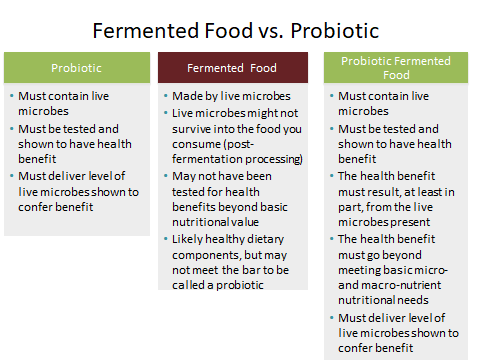
There has been a lot of publicity and testimonials about how good fermented foods such as kombucha or sauerkraut are for health. But this is not the same as evidence from controlled, human studies.
Many of these foods may be good for gut health or immune system, but in the absence of studies, we can’t confidently say.
Scientists are now speculating that any source of live microbes may turn out to be beneficial and are even suggesting addition of an RDA for live microbes as part of a healthy diet.

For a comprehensive dive into the science of probiotics and human health, head to this review.
The body of evidence substantiating benefits of probiotics is quite extensive. Over 1800 human trials have been conducted using probiotics.
Table 1 lists some benefits of probiotics shown in human trials. Keep in mind that benefits are tied to specific strains.
Table 1. Overview of some benefits of probiotics in humans as established in randomized, clinical trials. Consult individual references cited for strains and doses. Adapted from Sanders, Merenstein, Merrifield and Hutkins, Nutrition Bulletin.
| Benefit | Population | Reference |
| Treat colic in breastfed infants | Infants | Sung et al. 2018 |
| Prevent atopic dermatitis/food hypersensitivity | Infants | Zhang et al. 2016 |
| Prevent necrotizing enterocolitis | Premature infants | AlFaleh & Anabrees 2014 |
| Treat acute diarrhea | Infants, children | Szajewska et al. 2013 |
| Manage symptoms of occasional constipation | Adults | Eskesen et al. 2015 |
| Manage symptoms of lactose intolerance | Children, adults | EFSA Panel on Dietetic Products 2010 |
| Reduce incidence and duration of common infectious diseases (upper respiratory tract and gastrointestinal) | Children, adults | King et al. 2014 |
| Prevent antibiotic-associated diarrhea | Children, adults | Goldenberg et al. 2015 |
| Extend remission of ulcerative colitis | Adults | Naidoo et al. 2011 |
| Improve therapeutic efficacy of antibiotic treatment of bacterial vaginosis | Adult women | Martinez et al. 2009 |
| Reduce low density lipid cholesterol | Adults | Jones et al. 2012 |
| Prevent Clostridium difficile diarrhea | Children, adults | Goldenberg et al. 2017 |
| Reduced prevalence of dental caries and gingivitis | Infants, children | Martin-Cabezas et al. 2016 |
It’s easy to grasp this concept by looking to the animal world.
Different breeds of horses, for example, have quite different strengths and functions. Similarly, different strains of even the same species of a probiotic may have different benefits.
In some cases, more than one independently tested probiotic product confers the same benefit. In other cases, only a single probiotic product has been shown to be effective.
The best evidence for probiotic use is for prevention of antibiotic-associated diarrhea and C. difficile infection, management of certain gut symptoms, and prevention of necrotizing enterocolitis in preterm infants.
People often wonder if probiotics have any benefit for healthy people.
Benefits such as improved tolerance of dietary lactose for lactose intolerant people, management of blood lipids, improved oral health, reduced incidence of common infectious diseases such as the common cold, and management of gut symptoms all are demonstrated in reasonably healthy people.
The probiotic marketplace can be confusing for consumers.
See here for some basic information on choosing a probiotic and reading a probiotic label. Some basic principles to guide a search:
- There is no one strain or one dose that is best. Sometimes lower dose products or products with fewer strains have the best evidence.
- Any health benefit claim made should be substantiated with a human trial. But the types of claims allowed in the USA on foods and dietary supplements are restricted by law. Contact the manufacturer to get information on what studies have been conducted, or consult Clinical Guide for Probiotic Products Available in the United States.
- One of the biggest challenges in the probiotic market is keeping the probiotic strain alive. Responsible manufactures go to great lengths to be sure their probiotics retain viability and deliver an efficacious dose through the end of the product’s shelf life. Unfortunately, not all products on the market are responsibly formulated. Consumers should buy products from companies they trust.
For product manufacturers interested in offering consumers fermented foods, adding research-supported probiotics can ensure consumers are getting the health benefits they expect from fermented foods.
Dietary fibre has become an important functional ingredient in recent times due to growing consumer interest in the many health benefits of fibre touted by the scientific community (Anderson 2009).
Fibre has been recently defined by the FDA as “non-digestible soluble and insoluble carbohydrates (with three or more monomeric units) and lignin that are intrinsic and intact in plants; isolated or synthetic non-digestible carbohydrates (with three or more monomeric units) determined by the FDA to have physiological effects that are beneficial to human health.”
Here, the monomeric units refer to individual sugar molecules. Current food trends point strongly to dietary fibre due to its versatility as a food ingredient, connection with weight management and digestive wellness, and association with the concept of natural.
Fibres play an important role in gastrointestinal health, with new scientific findings into the effect the fibre on bowel movements, cardiovascular health, blood glucose metabolism, and the microbiome constantly adding to the growing evidence that fibre is a critical component to a healthy diet (Vuksan 2008, Pereira 2004, Giacco 2000, Maslowski 2011).
Sources of Fibres
Dietary fibres are typically derived from the indigestible parts of plant materials and made up of long repeating chains of sugars. The most common fibres are from the exterior husk of cereals and grains, which contain the insoluble fibres cellulose and lignin.
Both cellulose and lignin are main components of most plants and can be found in the tough, fibrous materials of plant-based products. Plants use these fibres to protect themselves. Wood is an example of a material made from cellulose and lignin, but these fibres are also a main part of the skin of fruits and vegetables.
The edible interior of the seeds contains mostly digestible starch, with some fraction of resistant starch. These resistant starches are in a form that cannot be broken down by the starch-degrading enzymes released by the human intestines due to either being enclosed by other indigestible fibres or existing in a high-density crystalline form.
Unlike digestible starch, crystalline starch has no gaps for the enzymes to effectively bind. Beans also have similar fibre components as well as a large portion of raffinose, a simple three-sugar carbohydrate.
Some beans produce specialty fibre materials which are used as thickening agents in product formulation, such as locust bean gum and guar gum.
These gums are commonly used in gluten-free doughs for improve viscosity, as well as ice cream to enhance texture quality.
Fruits are an important source of lignin, as well as pectin, which is used as a gelling agent to produce jams, jellies, and marmalades.

Marine products are also a rich source of fibre ingredients. Carrageenan, agar, and alginic acid are all soluble fibres with gelling properties traditionally extracted from sea algae.
Chitin and chitosan are non-plant fibres both sourced from the hard shells of marine crustaceans such as crabs, lobsters, and shrimp.
Inulin, another important fibre used in the industry, is found abundantly in chicory root or Jerusalem artichoke. Xanthan gum, a thickening agent and stabilizer, is produced from simple sugars using a specific strain of bacteria.
Some dietary fibres are produced synthetically by chemically modifying starches to form another subclass of resistant starches. These synthetic resistant starches are either chemically linked together across sugar chains or modified at each individual sugar unit to generate food ingredients that cannot be readily broken down by human digestive enzymes.
Other fibres can be chemically or enzymatically modified to change their functional properties as food ingredients. For example, pectins can be reacted with either ammonia or hydrochloric acid to create semi-soluble fibres that gel at lower sugar concentrations than the parent molecule.
Dietary Fibre for Health
Dietary fibre is a nutrient most people know is beneficial but few people get enough of. Despite research consistently showing a variety of health benefits associated with fiber, less than 10% of people in the US meet dietary recommendations.
When it comes to health, fibres can have many different definitions. They can be categorized as water insoluble, water soluble, viscous, non-viscous, fermentable or prebiotic, to name a few.
The number of different categories speaks to the complexity of these ingredients. Each of these types of fibres can have different behaviours and benefits in our bodies, and the scientific community continues to reveal what these benefits are.
Here are some examples.
- Insoluble fibres, which do not dissolve in water, can serve as bulking agents for stool and contribute to regularity. These are the main fibres associated with digestive health. They are most often found in fruit and vegetable skins, whole wheat, seeds and nuts.
- Soluble fibres dissolve in water and are most known for their association with satiety, heart health, and blood sugar regulation. Studies have shown some soluble fibres can slow the rate food moves through our digestive tract, which can reduce the speed we absorb sugar and also make us feel full for longer. Fibres like beta glucan (mainly found in oats) have been shown to reduce LDL cholesterol, potentially reducing risk of heart disease. Oats, beans, flax seed, and some fruits and vegetables, such as apples, contain soluble fibre.
- Some fibres are also categorized as prebiotic, which means they provide beneficial bacteria in our colon with a source of energy. When these bacteria digest prebiotic fibres, they create metabolites like short chain fatty acids which can have a variety of beneficial effects. Inulin is a widely used prebiotic fibre. For more information on how prebiotic fibres work, read ‘Fiber and Prebiotics: Mechanisms and Health Benefits’ by Dr. Joanne Slavin.

Fibre as a Food Additive
While the health benefits of consuming dietary fibre are clear, consumer perceptions of fibre are still influenced by the sensory characteristics imparted by these ingredients. In particular, formulators are challenged to include fibre in food products while maintaining consumer acceptability for taste, texture, colour, and aroma.
Several challenges exist for product developers interested in incorporating more dietary fibres into food products. The physical and chemical behaviour of fibres create a natural constraint for the amount of fibre that can be added to any one product.
For example, acidic foods can cause some fibres to break down into simple sugars over time, which may result in a product that falls short of the regulatory requirements needed for health claims. Pectins, alginic acids, carrageenans, and guar gum all readily gel in the presence of calcium, which can pose problems when formulating with dairy or other high calcium products.
The taste and texture of a food product are also affected by fibre concentration, as many insoluble fibres can produce a gritty sensation when eaten. Some prebiotic fibres may cause bloating and discomfort due to the gas produced as a by-product of bacterial digestion.
Fibre and the Future
Designer fibres are increasingly becoming important functional ingredients for incorporating more fibre into food products while maintaining desirable healthful and sensory properties. Chitosan-coated konjac glucomannan is a hybrid fibre ingredient used to improve the viscosity of foods used for weight reduction (Woodgate 2003).
Resistant glucan and hydrogenated resistant glucan are newly developed soluble fibres composed of glucose that are being studied for their potential role in reducing incidence of metabolic syndrome, the cluster of conditions that contribute to lifestyle diseases (Nakamura 2016).
Several novel processes are currently in development to produce novel resistant starches.
Continued innovation in the dietary fibre space will require an understanding of consumer demand for functional food products balanced with the desire for great taste.
Whole-grain consumption seems to have cardiovascular benefits in adults, but not as much is known about whole-grain benefits in children.

Most of us eat do not eat enough wholegrains to get the health benefits from the whole range of nutrients they contain such as fiber, B vitamins, essential fatty acids, protein, antioxidants and other micronutrients with health benefits. In a recent observational study, researchers measured associations between whole grain intake and health in children. The researchers found that higher whole grain consumption was associated with lower serum insulin (one of a few markers used to measure metabolic health) in the population of 8- to 11-y-old Danish children. Furthermore, whole grain oat intake was linked to improved measures of fat mass, systolic blood pressure, LDL cholesterol, and serum insulin. In other words, whole grain oat consumption may protect cardiovascular health and decrease diabetes risk in children.
There are many challenges in getting kids to eat whole grains, such as taste and texture. Identifying innovative ways to deliver whole grain servings in convenient, tasty ways to kids becomes increasingly important as the evidence for health benefits piles up. Parents can also help their kids eat healthier through modeling behavior, which is discussed in our blog Turning Fussy Young Eaters into Foodies.
Joanne Slavin, PhD, RD is a leading nutrition researcher in the areas of fiber and general wellness. We sat down with her to get her perspective on the future of nutrition, including hot topics like plant proteins, changing fiber regulations, and what’s on the horizon.
Dr. Slavin is a Professor in the Department of Food Science and Human Nutrition at the University of Minnesota and a member of our Scientific Advisory Council.
 Optimum digestive health has been a mainstay consumer desire for over 20 years, but it has been experienced an upsurge in recent years. Digestive health driven trends like gluten free and dairy free are becoming more popular, fuelled in part by consumers’ increased willingness to discuss their gastrointestinal woes.
With 86% of US consumers report experiencing gastrointestinal issues on a regular basis, it should come as no surprise that the digestive health market is booming at a value of over €64 billion and set to grow globally at 4.4% (CAGR 2015-2020) (Euromonitor 2016).
What Digestive Health Benefits Do Consumers Want?
Emerging research is seeing digestive health moving beyond symptoms isolated to the gut, such as bloating, constipation and diarrhoea and start to encompass total health of the body and mind.
Every day, media headlines are linking the gut microbiome to a myriad of benefits for conditions such as anxiety, depression, stress, weight management and obesity, diabetes, auto-immune disorders and allergies. This is what has been coined the ‘Digestive Wellness 2.0’ trend.
There is a budding excitement amongst researchers and consumers alike at the plethora of possibilities that unique microbe strains may bestow. Prebiotics have long been recognised for their digestive and immune health benefits, as 70% of immune cells reside within the digestive tract.
A recent study highlighting the role of prebiotic Bimuno galactooligosaccharide (B-GOS) in reducing cortisol (sometimes referred to as the ‘stress hormone’) levels in healthy subjects (Shmidt et al., 2015) led prebiotics to be termed the new ‘mood food’.
This game changer in digestive health could see these functional ingredients take centre stage within the evolving ‘mindful’ consumer lifestyle trend, which sees more and more consumers seeking out sophisticated and user-friendly solutions that help manage their mood, de-stress and achieve more mental balance within their hectic and busy lives.
Free From is the Driving Force in Digestive Health
The digestive health market is extremely dynamic and most likely underestimated. The quest for digestive wellness is not only driven by functional ingredients but dually by ingredient avoidance.
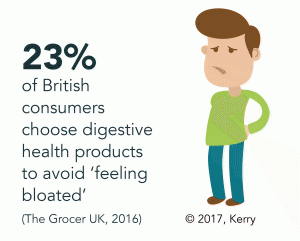
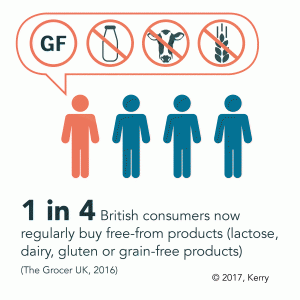
The ‘free from’ trend can be tracked back to a central desire for digestive health. It has been reported that more than 1 in 4 British consumers now regularly buy free from products (lactose, dairy, gluten or grain-free products) with 23% choosing such products to avoid ‘feeling bloated’ (The Grocer UK 2016).
Gluten is often slated as the cause of digestive discomfort and removed from the diet. One in three (31% of UK and 36% of US) consumers are likely to limit their intake or avoid of gluten despite the fact that only around 1% are diagnosed with Coeliac Disease (Mintel, Gluten-Free Foods Report, October 2016).
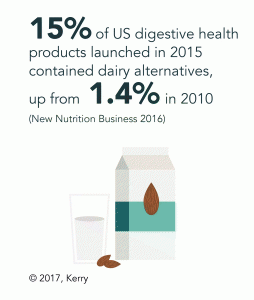
In parallel, the launch of dairy alternative products has grown substantially, accounting for 15% of digestive products in the US in 2015, up from 1.4% in 2010, whilst the number of dairy product launches has reduced from 48% to 35% within the same time period (New Nutrition Business 2016).
Fuelled by the growing tendency amongst consumers to self-diagnose themselves with a food allergy or intolerance, the free from trend is now worth over €11 billion globally and is forecast to grow at 5% CAGR from 2015-2020 (Euromonitor 2016).

The Rise of FODMAP Friendly Foods
‘FODMAP friendly’ foods could be the next generation in the lucrative free from market. FODMAPs (Fermentable Oligosaccharides, Disaccharides, Monosaccharide’s and Polyols) are a group of ingredients that may be responsible for digestive discomfort.
They are rapidly fermentable, short chain carbohydrates, which are poorly absorbed within the gastrointestinal tract. The Low FODMAP Diet was developed by researchers at Monash University, Australia, in an effort to control the gastrointestinal symptoms associated with Irritable Bowel Syndrome (IBS).
There are many high FODMAP foods, from milk and ice cream (lactose), to apples and pears (free fructose), to wheat, onions and garlic (fructans), to legumes (galacto-oligosaccharides), and prunes, bell peppers and sugar-free gums (polyols).
Although this diet is aimed at people suffering from IBS, it’s likely that as awareness of the diet expands, coupled with the growing tendency to self-diagnose, other consumers seeking digestive wellness may be drawn to ‘FODMAP friendly’ claims.
The ‘FODMAP friendly’ logo, developed by the Australian-based FODMAP Friendly certification programme, is the only government approved accreditation that tests products to determine if they are eligible to display the logo.
Opportunities for food manufacturers who wish to develop new products in this space include optimising processing capabilities to reduce FODMAP levels in food and beverages (e.g. milling process, baking process, wheat type and duration of fermentation) and fortifying low FODMAP friendly foods with nutrients that are restricted with this diet e.g. calcium.
The Horizon of the Digestive Health Product Market
 New products are quickly emerging in this growing market. Within food and beverages, prebiotics and functional fibres are the leading digestive health ingredients and dairy is the largest category for products touting digestive health benefits, accounting for 22% of new food and beverage launches globally carrying a digestive health claim from 2011-2016 (Mintel, Emerging Science Global Annual Review, 2016).
Emerging digestive health ingredients include fruit enzymes such as kiwi enzymes as well as proteolytic enzymes, which are primed to grow in popularity with the trend towards ‘high protein’, as these enzymes are thought to help digest protein.
Next generation ‘Plusbiotics’ claim to support the regrowth of intestinal mucosa (the innermost layer of the gastrointestinal tract) by repairing damage and strengthening the intestinal lining.
Innovative ingredients with a natural positioning will win consumer appeal within food and beverage products aimed at the digestive health market.
Digestive Wellness 2.0 is undoubtedly an exciting platform that connects with personalisation, holistic health and consumer desire for food-based contributors to positive mental health.
As the science unravels, food and beverage manufacturers can lead in innovation in delivering these much anticipated health benefits to consumers.