The immune system is constantly active and needs energy from macronutrients like carbohydrates, fats and proteins. Protein also supplies amino acids to build immune cells and enzymes that help destroy pathogens. These enzymes also require vitamins and minerals as cofactors to function properly.
So, while it may sound obvious, a varied and balanced diet that provides adequate nutrients is the foundation of a healthy immune system. However, some nutrients receive particular attention for their role in immune health, including vitamins A, C and D, as well as the minerals such as zinc and selenium1.
There is also evidence for the immune benefits of other nutrients and ingredients, such as long-chain omega-3 fatty acids, probiotics and beta-glucans2.
Immunonutrition
Read how each of the nutrients listed below support the immune system. It is important to bear in mind that micronutrients have additional health benefits to immune health. Click on each nutrient/non-nutrient below to learn more:
How the Immune System Works?
The immune system is the body’s way of protecting itself from infection by foreign invaders like bacteria and viruses. It helps the body stay healthy and recover when illness does occur and is made up of the innate (general) and adaptive (specialised) immune system3.
The innate immune system is the body’s first line of defence. When pathogens like infectious bacteria or viruses get into the respiratory tract or gastrointestinal system, the innate immune system responds by sending cells like neutrophils or macrophages to remove the threat. These cells try to engulf the invading pathogen or create enzymes to destroy it.
The adaptive immune system specifically targets the pathogen and takes over from the innate immune system. It is often described as the ‘memory’ of the immune system. Once exposed to a pathogen, the immune system can remember the identity of that pathogen for the future and quickly mount a defence specific to that pathogen.
Impact of Age and Physical Activity on Immune Health

Immune health becomes especially important in vulnerable age groups like infants and the elderly. Both physical and psychological stress can also compromise the immune system. Examples include over-exercising, emotional stress and surgery.
This article was published in March 2022 and updated on June 15, 2026.
Selenium is a mineral that is important for a group of proteins called selenoproteins, which have a few different functions in the body, ranging from helping our reproductive system function to storing selenium in the liver.
Some selenoproteins, called glutathione peroxidases, are important for the body’s antioxidant system, which protects DNA and cells from oxidative damage. This includes protecting the body’s immune cells from damage1, 2.
Selenium also plays a role in activating immune cells 1 and helping them function, such as assisting macrophages to more effectively destroy or engulf pathogens. The role of selenium in the response to vaccines continues to be investigated3.
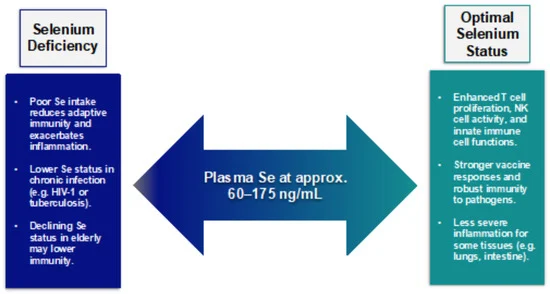
Figure 1. A summary of selenium and immune responses1. © 2018 by the authors 1. Licensee MDPI, Basel, Switzerland. Creative Commons Attribution (CC BY) license (http://creativecommons.org/licenses/by/4.0/).
Recommended Intakes
The recommended daily intake of selenium varies around the world2. The Chinese Nutrition Society4 set a Reference Nutrient Intake (RNI) of 60mg per day for adults. Similarly, in the US the Institute of Medicine has set a Recommended Dily Allowance of 55mg per day5. In addition, the European Food Safety Authority set an adequate intake (AI) of 70mg per day for adults6.
Dietary Sources
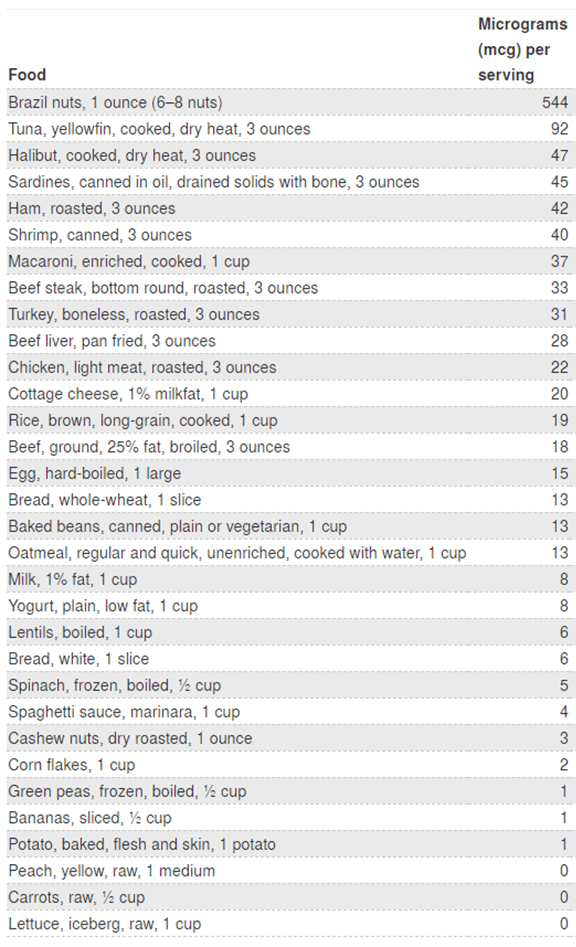
Meats, eggs, nuts, seeds, seafood and whole grains are good sources of selenium. The selenium content of foods is linked to the selenium content of the soil (see ‘Deficiency’ section below).
Table 1. Selenium content of common foods in the diet7
Deficiency
Selenium deficiency is expected to affect up to 1 billion people worldwide. This deficiency primarily affects people in areas where the soil is low in selenium7 and, as a result, the foods that grow in that soil are low in selenium.

The distribution of selenium in the soil is extremely uneven, with significant differences even within countries. Regions with lower selenium intakes8 include certain areas of New Zealand, China and Italy, among many others.
In areas where the soil is rich in the soil, selenium deficiency is rare. For example, the average daily intake of selenium in the US is almost twice the daily recommendation. Certain regions of China, where selenium is plentiful in the soil, also have high intakes of selenium9.
Excess Intakes
Selenium has a narrow window between adequate and toxic levels. Getting too much selenium can lead to symptoms like gastrointestinal or neurological symptoms, hair loss, nausea and fatigue, among others7.
For this reason, in the US a tolerable upper limit of selenium has been set at 400mg per day for adults3 . The EFSA recently revised their upper limit to 255mg per day for adults including pregnant and lactating women10. Lower limits are recommended for younger groups.
Selenium Supplementation
People who are deficient in selenium are shown to have impaired immune responses2 and studies show that reinstating selenium status through supplementation can improve the body’s ability to fight infection.
Those with adequate selenium intake through their diet are unlikely to see additional benefits. A recent meta-analysis of selenium11 supplementation trials showed a very mixed picture of effects but no conclusive evidence of an beneficial effect on the immune system beyond the recommended dietary intake.
This article was publishing in March 2020 and updated on April 07, 2026.
Beta glucans are ingredients that are becoming more common to see in functional foods and beverages positioned for immune health. While many people might be aware of the role of oat beta glucans in reducing cholesterol for heart health, there are many types of beta glucans that have different health benefits based on their chemical structure1-3.

Dietary Sources
Beta glucans are naturally occurring polysaccharides that serve as energy stores and structural components of plant walls found in a variety of foods including oats, barley and seaweed, as well as many types of microorganisms (bacteria, yeast and fungi).
While they all share a “common” beta chemical bond between the individual glucose units, there are many subtle, but important, differences in structure within the beta glucan family that lead to large differences in function and potential health benefits.
When choosing a beta glucan, it is key to focus on what clinical research is available to support the specific ingredient’s mechanism of action, demonstrate effectiveness for the desired benefit and show the safety of the ingredient.
Mushroom Beta-Glucans
 As the chemical composition of each type of mushroom varies, so does the biological activities of their beta glucans.
Although are associated with immune health benefits, their molecular structure is varied and inconsistent, making it difficult to characterise their efficacy2.
The most studied strain of mushroom beta glucan is lentinan, a substance derived from Lentinus edodes (Shiitake) with a beta-1,3-D-glucan backbone comprising very short beta-1,6 side chains.
Further clinical research is needed to fully understand how each type of mushroom beta glucan works2.
Yeast Beta-Glucans
Yeast beta-glucan are one of the most extensively studies of the beta-glucans.
A recent review recommends that future research should define the origin, molecular weight and structure of yeast beta-glucans by using standardised tools (e.g. structural analysis, chemical degradation and/or nuclear magnetic resonance) to accurately characterise and clarify structure–function relationships3.
For this reason, choosing a generic yeast beta-glucan may not deliver the targeted health benefit which should be demonstrated using a well characterised ingredient in clinical trials.
Yeast-derived beta glucans usually originate from either baker’s yeast or brewer’s yeast.
Even though both are structured as beta 1,3/1,6 glucan from Saccharomyces cerevisiae, differences in the source (or strain) of yeast and the method used to isolate and purify the yeast beta-glucan are important factors affecting the final structure of the yeast beta-glucan4 and may ultimately influence biological activity4.
Yeast Beta-Glucans Impact on Immune Health
The immune system has the ability to recognise and eliminate pathogens by first activating the innate (general) immune response, which acts in a fast and un-targeted manner to phagocytose and eliminate the invader. Innate immune cells can also adapt to challenge and alter subsequent responses, which is referred to as trained immunity.
The current paradigm for the immunomodulating action of yeast beta-glucans is through improving the innate immune system by making key white blood cells better able to find and kill potential pathogens1, 5.
Studies into the cellular and molecular mechanisms of action show that beta-1,3/1,6-glucans are engulfed and processed by macrophages and dendritic cells that later travel to the different immune organs releasing fragmented soluble beta-1,3-glucan particles.
This results in the priming of leukocytes via certain receptors including Dectin-1 and leads to enhanced immuno-surveillance and improved antimicrobial and inflammatory responses1. In theory this should translate into enhanced resistance to infection.

Upper respiratory tract infections (URTIs) are the leading cause of acute disease in humans and poses a substantial burden to the healthcare system6. A specific baker’s yeast beta-glucan containing a highly purified natural beta-1,3/1,6-glucan has been shown to reduce either the incidence and/or duration or severity of URTIs in clinical trials with children7, athletes8 and those engaging in intense exercise9,10.
A meta-analysis of 13 randomised controlled trials has also demonstrated that yeast beta-glucans could significantly reduce the incidence and duration of URTIs. However, due to the high heterogeneity and small number of included studies, more high-quality research and clinical trials are warranted11.
Yeast beta-glucans area also being explored for their potential to improve vaccine effectiveness12.
This article was published in April 2020 and updated on April 14, 2026.
What is the Role of Zinc in Immune Health?
Zinc is a popular nutrient in winter supplements. It is an essential nutrient and the second most abundant trace element in the body, after iron1.
It is found in every cell in the body and involved in many bodily processes. It is required by cells from both the innate (general) and adaptive (specialised) immune system2.
The innate immune system is the body’s first line of defence. When pathogens like infectious bacteria or viruses get into the respiratory tract or gastrointestinal system, the innate immune system responds by sending cells like neutrophils or macrophages to remove the threat. These cells try to engulf the invading pathogen or create enzymes to destroy it.
The adaptive immune system specifically targets the pathogen and takes over from the innate immune system. It is often described as the ‘memory’ of our immune system. Once exposed to a pathogen, the immune system can remember the identity of that pathogen for the future and quickly mount a defence specific to that pathogen.
 The role of Zinc in the immune system includes:
-
- helping to maintain the integrity of the skin and muscular membranes, preventing pathogen entry into the body.
- supporting the growth and differentiation of immune cells.
- supporting the phagocytic activity of monocytes and help regulate cytokine release.
- antibody production, particularly IgG and helping the immune system distinguish between “self” and “non-self”3.
This role has been recognised in an approved European Union health claim for zinc stating that it “contributes to the normal function of the immune system” and is available to foods that meet defined criteria within the EU4.
Are there Recommended Intakes for Zinc?
Zinc recommendations range from 5 to 11mg per day for adults, varying by each global region5. In the US, the Institute of Medicine (IOM) recommendations are 11mg per day for men and 8mg per day for women6.
Similarly, the Chinese Nutrition Society Reference intake (RNI) is 12mg per day for adult men and 8.5 mg per day for women8. In Europe, the European Food Safety Authority has established a Population Reference Intake of 9.4 to 16.3mg per day for men with low to higher intakes of dietary phytate and 7.5 to 12.7mg per day for adults women with low to higher intakes of phytate7.
Most people in developed countries get enough zinc through their diet, meaning their immune system isn’t missing the zinc it needs. For example, in the US around 18% of people do not meet the Estimated Average Requirement (EAR) of zinc per day.
This means most people are not zinc deficient, but certain people may still benefit from eating more zinc in their diet.
Where can Zinc be Sourced in Dietary Sources
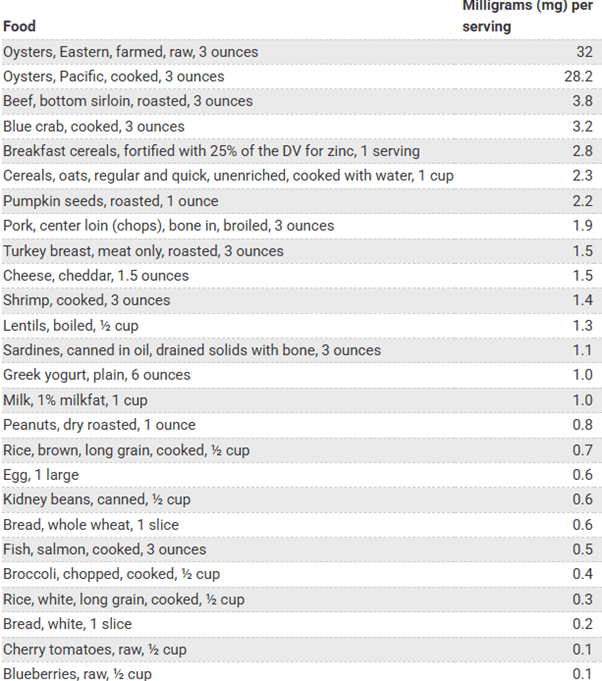
Zinc is mostly found in seafood, beef, poultry, beans, nuts or fortified cereal. Phytic acid, found in cereals, legumes and nuts, is known to decrease zinc bioavailability1. Evidence shows that the biofortification of varieties of staple crops may be useful in improving the zinc status of an individual5.
Table 1. Zinc content of common foods in the diet9
What Happens with a Zinc Deficiency?
Zinc deficiency is a widespread global health issue, particularly prevalent in low- and middle-income countries. About 17.3% of the world’s population10 is at risk of inadequate zinc intake. When the body doesn’t have enough zinc, it does not develop a strong immune response.
Zinc deficiency affects many different organs and tissues in the body with signs and symptoms varying by age9. For example, zinc deficiency can delay growth and cause diarrhoea and alopecia in children and it can alter cognitive and psychological function in older adults.
Most people in developed countries get enough zinc through their diet but it can affect more vulnerable groups. For example, the percentage of people in the US that do not meet the Estimated Average Requirement (EAR) of zinc varies from 16% in households with full food security to 27% in those with very low food security11.
In Europe, the average intake of zinc is above the recommended amount. However, certain vulnerable populations may benefit from including more zinc rich foods or supplements in their diet e.g. those on plant-based diets with little animal foods and the elderly5.
Are there Health Risk of Excess Intakes?
Excessive amounts of zinc can cause nausea, dizziness, headaches, gastric distress, vomiting and loss of appetite and chronic large doses of 50mg of zinc or more can inhibit copper absorption and reduce immune function9.
Excessive intakes from food sources are unlikely but may occur with excessive supplementation. The IOM Tolerable Upper Intake Level for zinc is 40mg per day for adults. EFSA has set the Tolerable Upper Intake Level (UL) for total daily zinc intake from all sources (diet and supplements) at 25mg per day for adults.
This level is based on the reduction of copper status12. Lower limits are recommended for younger groups.
Is Zinc Supplementation Effective?
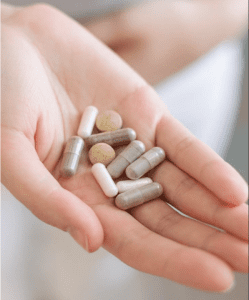 A 2024 Cochrane review 13 based on 34 randomised controlled trials in children and adults (15 prevention, 19 treatment) showed that compared with placebo, taking zinc preventatively may make little to no difference to whether a person catches a cold or to the duration or severity of the cold.
Taking zinc for treatment of an existing cold may reduce the duration but the authors were not confident of the quality of the result which they describe as low to very low.
The most common negative sides effects were irregularities in taste and stomach upset. A recent review however supports a preventive role of zinc supplementation in reducing the incidence and burden of respiratory infections, particularly in children with recurrent disease and in zinc-deficient populations14.
This article was published in March 2020 and updated on March 31, 2026.
What is the Role of Vitamin C in Immune Health?
Vitamin C is one of the most common nutrients that comes to mind when thinking about immune health. It is a water-soluble vitamin that serves as a cellular antioxidant, which means it protects cells from reactive oxygen species and cellular damage1.
By protecting both skin barriers and immune cells from damage, vitamin C enables them to function properly. It is required by cells from both the innate (general) and adaptive (specialised) immune system2.
The innate immune system is the body’s first line of defence. When pathogens like infectious bacteria or viruses get into the respiratory tract or gastrointestinal system, the innate immune system responds by sending cells like neutrophils or macrophages to remove the threat. These cells try to engulf the invading pathogen or create enzymes to destroy it.
The adaptive immune system specifically targets the pathogen and takes over from the innate immune system. It is often described as the ‘memory’ of the immune system. Once exposed to a pathogen, the immune system can remember the identity of that pathogen for the future and quickly mount a defence specific to that pathogen.
Vitamin C promotes barrier function, supports the function of neutrophils, monocytes and macrophages and the activity of NK cells. It also has a role in the differentiation and function of T cells, especially cytotoxic T cells and in antibody production1.
This role has been recognised in an approved European Union health claim for vitamin C, stating that it “contributes to the normal function of the immune system” and is available to foods subject to condition within the EU3.
Are there Recommended Intakes for Vitamin C?
 Global daily vitamin C intake recommendations range from 40 to 110mg per day, depending on region4. In the US, the Institute of Medicine’s (IoM) recommendations are 90mg per day for men and 75mg per day for women5.
In the EU, the European Food Safety Authority has established a Population Reference Intake of 110mg per day for adult men and 95mg per day for adult women6. Similarly, the Chinese Nutrition Society Reference Nutrient intake is 100mg per day for adult men and women7.
What are the Dietary Sources of Vitamin C?
Vitamin C can be found in many fruits and vegetables, such as kiwis, oranges, peppers and broccoli. The table below shows amounts of vitamin C found in commonly consumed foods.
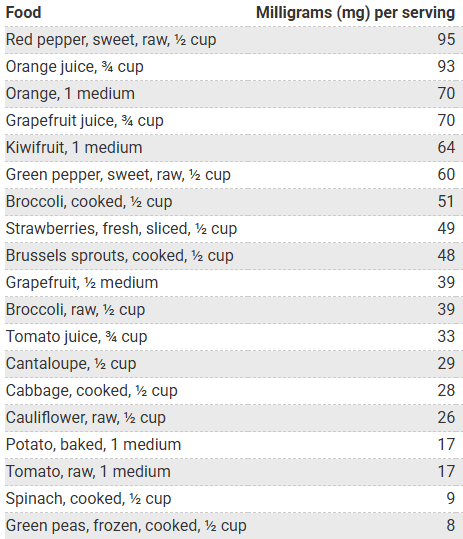
Source: National Institutes of Health Vitamin C Fact Sheet for Health Professionals 8
What Happens with Vitamin C Deficiency?
About 53% of the global population have an inadequate intake of vitamin C 9, but the exact number varies depending on global region. Inadequate intakes were more prevalent in men than women and in areas like South Asia.
Scurvy is a nutritional disorder caused by low vitamin C levels which manifests with varied symptoms affecting multiple organ system due to its role in connective tissue synthesis. Although it is rarely seen, sporadic cases still occur.
In developed countries, it is mainly diagnosed in the elderly and malnourished individuals and is associated with alcoholism and poor dietary habits10.
People who smoke or are exposed to second-hand smoke need more vitamin C in their diets because smoke increases the amount of vitamin C that the body needs to repair damage caused by free radicals5.
Are there and Risks with Excess Intakes of Vitamin C?
In general, vitamin C has low toxicity and high intakes of vitamin C do not cause serious adverse effects. However, high doses of vitamin C can lead to diarrhoea, nausea, abdominal cramps and other gastrointestinal disturbances5.
There are some concerns surrounding high vitamin C intakes, such as the formation of kidney stones and excess iron absorption, but these are not generally considered a risk in healthy individuals.
While EFSA did not establish an upper limit, the IoM Tolerable Upper Intake Level for vitamin C ranges from 400 to 2,000mg per day, depending on age5.
What about Vitamin C Supplementation?
 There is some evidence that vitamin C doses exceeding recommended daily values could have potential benefit.
A Cochrane review11 of clinical trials testing vitamin C’s effect on immune health found that regular supplementation (>200mg per day) did not influence how often participants got common colds but reduced the duration of cold symptoms.
A recent meta-analysis12 of trials which used doses of Vitamin C above 1g per day found a greater benefit on more severe measures of the common cold.
Severe Acute Respiratory Syndrome Coronavirus, which is a respiratory condition, is marked by significant oxidative stress and an excessive inflammatory response that results in tissue damage of the respiratory system.
For this reason, there has been interest in combining antioxidants like vitamin C with antiviral and anti-inflammatory treatments to improve patient outcomes. However, a recent review13 suggests that further trials are necessary to determine optimal doses and conditions of use.
This article was first published in May 2022 and updated on March 24, 2026.
What are Gut Microbiota?
The ‘gut microbiota’ refers to the microorganisms (which may include bacteria, fungi and viruses) living in our intestines and they play a vital role in gut health and the management of several gastrointestinal disorders.
The term ‘microbiome’ refers to both microorganisms along with their collective genomes and metabolites (the molecules they produce)1.
The composition of gut microbiota can be affected by a wide variety of dietary components including carbohydrates, dietary fibres, fat, polyphenols, plant extracts and by ingredients such as fermented foods, prebiotics and probiotics2.
What are Probiotics?
Probiotics are defined as “live microorganisms that, when administered in adequate amounts, confer a health benefit on the host”3. Usually, this benefit is exerted in the gastrointestinal tract.
Probiotics influence health through non-specific, species-specific and strain-specific mechanisms. Non-specific effects—varying across strains and species—include inhibiting pathogenic microbes in the gut, producing bioactive compounds like short-chain fatty acids and lowering colonic pH.
Species-specific actions may involve vitamin synthesis, strengthening the gut barrier, bile salt metabolism, enzymatic functions and toxin neutralisation. Together, these mechanisms can broadly affect human health and disease4.
It is key to remember that the health benefits of probiotics are considered to be strain specific.
For more information on how probiotics work see this section.

How do Probiotics Impact the Immune System?
Immune health is one of the more commonly studied health outcomes of probiotics and the following mechanisms have been proposed4, 5:
- Probiotics have been shown to help protect against infection by improving the strength of the intestinal barrier. This reduces the ability of infectious microbes to enter the body via the gastrointestinal tract.
- Enhancing phagocytic activity (the process of engulfing and ingesting solid particles, such as bacteria by the cell membrane).
- Some probiotics, or the products they produce, can interact with immune cells of the human body to influence their effectiveness. For example, some probiotics can increase the production of cytokines (e.g. Interleukin-1 (IL-1), IL-2, IL-10, IL-12, tumour necrosis factor alpha (TNF-α)) in the intestine. These cytokines act as chemical messengers to regulate immune responses.
When it comes to researching aspects of immunity, studies often measure the frequency of the common cold or upper respiratory tract infections (URTIs) and the duration and severity of symptoms among study participants.
A 2022 Cochrane Review5 titled “Probiotics for Preventing Acute Upper Respiratory Tract Infections”, which included 23 randomised controlled trials, found that probiotics were significantly better than placebo or no treatment for reducing the number and duration of URTIs.
They also reduced the number of participants who used antibiotics for URTIs. This means that probiotics are likely working with the immune system to have a protective effect against the pathogens that cause URTIs.
Because studies have shown that probiotics may have an impact on upper respiratory tract infections (URTIs), there was significant interest in their potential role during the COVID-19 pandemic.
However, the International Scientific Association for Probiotics and Prebiotics (ISAPP) stated that no probiotics or prebiotics have been shown to prevent or treat COVID-19 or to inhibit the growth of SARS-CoV-26.
In the post-pandemic period, probiotics continue to be studied for their possible role in areas such as vaccine effectiveness and support for individuals experiencing post-COVID-19 syndrome7.
Antibiotics can disturb gastrointestinal microbiota and lead to reduced resistance to pathogens such as Clostridioides difficile and associated diarrhoea (CDAD). The use of probiotics for the prevention of Clostridioides difficile infection has been researched for many years.
A recent Cochrane meta-analysis concluded that probiotics may be effective for preventing CDAD in those receiving an antibiotic for any reason, suggesting that for every 65 people taking probiotics, one case of CDAD may be prevented8.
Large trials comparing probiotics with placebo in people with a low risk of CDAD are needed. This will be an interesting area to keep an eye on as the science progresses.
How to Choose a Probiotic
Resources from the International Scientific Association for Probiotics and Prebiotics (ISAPP)
The probiotic marketplace can be confusing for consumers. See for some basic information on how to choose a probiotic for healthy people. There is also useful information about how to read a US and hypothetical European probiotic label.

Here are some basic principles to guide your search:
-
- There is no one strain or one dose that is best. Sometimes lower dose products or products with fewer strains have the best evidence.
- Any health benefit claim made should be substantiated with a human trial. The types of claims allowed in the US on foods and dietary supplements are restricted by law. Contact the manufacturer to get information on what studies have been conducted, or consult Clinical Guide for Probiotic Products Available in the United States9 or the Guide to Probiotic Products Available in the United Kingdom10.
- One of the biggest challenges in the probiotic market is keeping the probiotic strain alive. Responsible manufactures go to great lengths to be sure their probiotics retain viability and deliver an efficacious dose through the end of the product’s shelf-life. Unfortunately, not all products on the market are responsibly formulated so consumers should buy products from companies they trust.
Resources for Healthcare Professionals
In addition to resources from ISAPP, in 2023, the World Gastroenterology Organisation published a resource for professionals working specifically in gastroenterology “WGO Practice Guideline. Probiotics and Prebiotics”11.
Resources for Researchers
Health benefits of probiotics can be strain-specific and meta-analysis may not represent the ‘gold standard’ for evidence in this area. This paper identifies common mistakes and offers expert panel recommendations for conducting meta-analysis for probiotic studies12.
This perspective literature review describes state-of-the-art tools for harnessing the microbiome for precision health and a corresponding future vision of healthcare13.
This article was first published in April 2020 and updated on March 11, 2026.
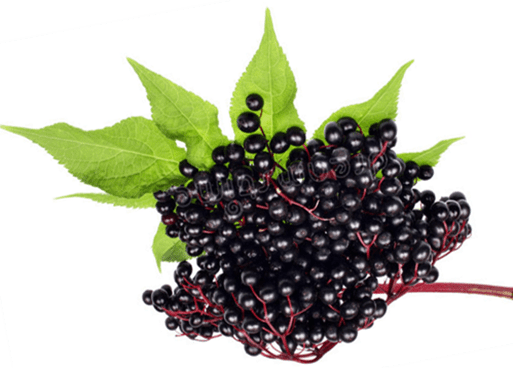
The elderberry plant, Sambucus nigra L., possesses a rich history, deeply embedded in traditional medicine and folklore across continents for centuries1, 2. Various parts of the plant, including the bark, leaves, flowers, and berries, were utilised by ancient and native cultures for a wide array of medicinal and practical applications.
This long history as a folk remedy laid the groundwork for elderberry’s dramatic resurgence in the recent wellbeing market.
In the past number of years, consumer demand for natural, plant-based ingredients to support health has surged, a trend amplified by public health events such as the global COVID-19 pandemic.
During these periods, elderberry became a leading ingredient in the immune-support supplement category, with consumers seeking natural alternatives to support respiratory health3.
This success in the supplement sector has since resulted in its expansion into the broader functional food and beverage industry4.
Elderberry extracts are now increasingly incorporated into products such as flavoured beverages, snack bars, yogurts, and wines5-7, valued not only for their potential health benefits but also for their unique flavour profile and natural colouring capabilities.
What are the Key Varietals?
For the food and nutraceutical industries, three subspecies of Sambucus nigra L. are of primary interest:
-
-
- Sambucus nigra ssp. nigra (European Elderberry): Native to Europe, North Africa, and parts of Asia, this is the most extensively studied and commercially cultivated subspecies.
- Sambucus nigra ssp. canadensis (American Elderberry): Native to a large portion of North America, this subspecies is gaining significant commercial attention because it may confer greater stability during processing compared with its European counterpart.
- Sambucus nigra ssp. cerulea (Blue Elderberry): Native to western North America, this subspecies is distinguished by its ecological resilience, including notable drought and fire resistance, making it a sustainable crop option in challenging climates.
-
The foundational nutritional value of elderberry provides a complex matrix of proteins, lipids, and fibre2.
A thorough understanding of the nutritional and phytochemical composition of elderberry is essential for its effective application as a functional ingredient. The distribution of these compounds varies significantly across different parts of the plant.
The Phytochemical Matrix
Not only are elderberries good sources of vitamins and minerals, but they also have an extensive and complex phytochemical composition4,8.
Phytochemicals form the cornerstone of elderberry bioactivities, responsible for its antioxidant properties, vibrant colour, and many of its health benefits.
The concentration and profile of these compounds vary dramatically depending on the elderberry subspecies, plant part, and growing conditions2,4. The types of phytochemicals found in elderberries include flavonoids, anthocyanins, and carotenoids among others.
Anthocyanins, Flavonols and Other Flavonoids
Anthocyanins are responsible for the characteristic deep purple-black colour of elderberries and are central to their market identity as an immune-supporting ingredient1,2.
Quantitative analysis reveals significant variation among subspecies where the European Elderberry contains the highest levels of anthocyanins, followed by the American Elderberry, whereas Blue Elderberry has the lowest anthocyanin content.
A noteworthy distinction of the American Elderberry is its high concentration of acylated anthocyanins, which can enhance pigment stability against degradation from heat and light, a highly desirable trait for food and beverage applications.
Beyond anthocyanins, elderberry is a rich source of other flavonoids, particularly flavonols, which contribute significantly to its overall antioxidant and anti-inflammatory capacity. The flowers and leaves are often more concentrated sources of these compounds than the berries.
Carotenoids and Tocopherols
Elderberries are also rich in carotenoids and tocopherols, with a distribution that is highly specific to the plant part.
Berries are an exceptionally potent source of the carotenoids Lutein and Zeaxanthin, which are recognised for their role in eye health.
In contrast, the leaves are the exclusive source of other powerful antioxidant carotenoids, Astaxanthin and Canthaxanthin.
Furthermore, leaves are the primary reservoir of α-tocopherol, the most biologically active form of vitamin E. Regional variations are also pronounced, with studies showing that samples from southern climates may accumulate higher levels of tocopherols.
Bioactivity and Health Benefits
The rich and diverse phytochemical profile of the elderberry translates into a broad spectrum of potential bioactivities1-5.
Figure 1 outlines the potential benefits of Elderberries and the way in which these are mediated through bioactive compounds have been proposed9.
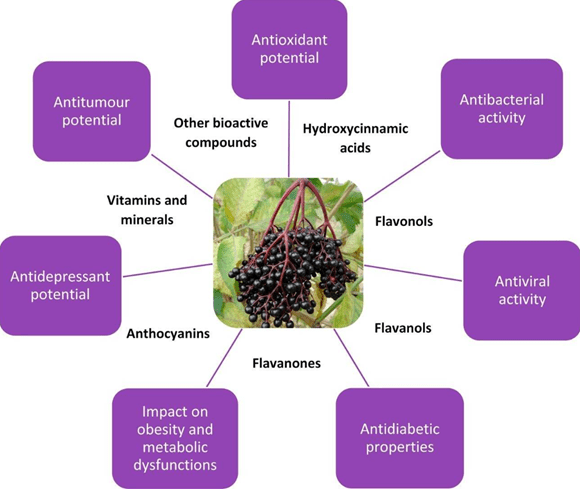
Figure 1. Proposed Potential Health Benefits of Elderberry9.
Potential Antioxidant Activity
A foundational mechanism underpinning many of the elderberry health benefits is its potent antioxidant capacity1,10.
The antioxidant effects are multifaceted including mechanisms such as direct free-radical scavenging and metal chelation, which position elderberry as a potential effective natural antioxidant ingredient.
Extracts from the flowers, berries, and leaves all demonstrate significant ability to neutralise harmful free radicals and mitigate oxidative stress, which is a key driver of ageing and chronic disease.
Anti-Inflammatory and Immunomodulatory Effects
The most well-known and commercially significant application of elderberry is for immune support, particularly in the context of respiratory health3. Its efficacy is rooted in anti-inflammatory and immunomodulatory activities.
Elderberry extracts have been shown to modulate the immune response by inhibiting the production of pro-inflammatory mediators. This action helps to balance the immune response, preventing excessive inflammation that can cause tissue damage during an infection10,11.
Neuroprotective Properties
An emerging area of research is the neuroprotective potential of elderberry. The bioactive compounds in elderberry can cross the blood-brain barrier and exert protective effects directly within the central nervous system5.
In vitro and in vivo studies have shown that elderberry extracts and their constituent polyphenols can protect neuronal cells from oxidative damage, reduce neuroinflammation, and improve cognitive and motor function in animal models.
Application in Functional Foods and Beverages
The application of elderberry is twofold: as a natural additive for colour and preservation, and as a core functional ingredient to deliver potential health benefits2.
Elderberry as a Natural Additive: Colour and Preservation
In response to strong consumer demand for “clean-label” products, elderberry serves as an excellent natural alternative to synthetic additives.
The final colour is pH-dependent, exhibiting red shades in acidic environments (e.g., yogurts, fruit beverages) and shifting towards blue and purple in more neutral or alkaline conditions 5,12.
Beyond colour, elderberry’s potential antioxidant properties make it a valuable natural preservative.
By inhibiting lipid and protein oxidation, elderberry extracts may extend the shelf-life and maintain the quality of perishable foods. This has been demonstrated effectively in meat products, where encapsulated elderberry extract was shown to significantly delay the oxidative processes that lead to rancidity and discolouration in beef burgers13.
Formulation with Elderberry as a Functional Ingredient
The primary driver for incorporating elderberry into food products is its status as a functional ingredient, capable of imparting health benefits beyond basic nutrition14. Its versatility allows for its use in a wide range of food matrices.
In the dairy sector, elderberry has been successfully incorporated into products such as yogurt and kefir15,16. Studies have shown that the addition of elderberry juice, puree, or pomace powder increases the product’s total phenolic and anthocyanin content, thereby boosting its antioxidant capacity.
However, formulation requires careful consideration of texture; direct addition of juice can decrease viscosity, while using restructured or encapsulated forms can maintain or even improve consistency and has been shown to lead to higher consumer acceptance.
The stability of the bioactive compounds is also a key factor, with evidence showing that elderberry anthocyanins can remain stable during the shelf-life of yogurt15, particularly when protected within a restructured matrix.
In bakery applications, elderberry adds both functional and nutritional value17. The incorporation of elderberry powder into gluten-free wafers has been shown to increase the final product’s flavonoid and mineral content while also improving batter properties by reducing delamination18.
Similarly, adding elderberry juice to croissants or fermented elderberry to bread enhances their antioxidant capacity and bioactive compound content without negatively impacting nutritional quality.
Fermentation has been shown to enhance the bioactivity of the elderberry before its incorporation, leading to a final product with a higher phenolic content and an extended shelf-life.
The meat industry represents a significant opportunity for elderberry application. Due to the high susceptibility of meat to oxidative degradation, the antioxidant properties of elderberry are particularly valuable.
A study on beef burgers demonstrated that an encapsulated elderberry extract acted as a highly effective “meat extender,” significantly delaying both lipid and protein oxidation more effectively than synthetic antioxidants during refrigerated storage13. This not only extends shelf-life but also adds a health-promoting, clean-label ingredient to the product.
Another novel application is the use of elderberry vinegar as a marinade or spray for grilled meats, which has been shown to inhibit the formation of harmful polycyclic aromatic hydrocarbons by over 80%19.
A central challenge in utilising elderberry is the need for thermal treatment to ensure safety conflicts with the desire to preserve heat-sensitive bioactive compounds.
Raw elderberries should not be consumed because certain parts contain cyanogenic glycosides (CNGs)2, which must be degraded through heating to render the product safe for consumption.
Therefore, it is critical that elderberry products intended for consumption must undergo a heating step.
Considerations
As consumer interest in more natural, proactive health products continues to grow, science-backed, botanical ingredients, such as elderberry, have an opportunity to take a further foothold in the health and wellbeing market.
While future studies are needed to further confirm the efficacy of elderberries and how they mediate immune benefits, the research has shown that, at a minimum, elderberry is a safe option with the botanical showing no evidence of over stimulating the immune system.
The functional potential of an elderberry ingredient is not uniform. Factors such as climate, soil type, and genotype directly influence the concentration of key bioactive compounds.
Therefore, sourcing elderberry cannot be a simple commodity-based decision. It requires a strategic approach that aligns the specific phytochemical profile of a given source with the desired health benefit and final product application, moving beyond a generic “elderberry extract” to a precisely characterised, high-performance functional ingredient.
Early human microbiome studies overlooked the mammary glands, but in 2000 the discovery of lactobacilli in healthy breast milk shifted scientific attention towards Human Milk Probiotics (HMPs) and their benefits on maternal and infant health.
HMPs are the live beneficial bacteria that are naturally present in breast milk.
Over the past number of years, HMPs have seen a surge in scientific interest, driven by growing awareness of the microbiome’s role in maternal and early-life health and immunity.
Recently, the science on HMPs was presented by KHNI experts at two industry conferences, ChinaGut in Zhejiang, China, and Growth Asia Summit in Singapore.
ChinaGut 2025
The ChinaGut 2025 conference with the theme of “GUTSY Young, Bright Future “, was held from June 6 – 8, 2025 at the Ningbo International Conference Centre, Zhejiang, China. This year’s event featured over 30 academic sessions, more than 10 industry-focused sessions, and fourteen key scientific areas including the microbiome, nutrition, digestive system diseases, and immunity.
Dr. Jaume Núñez, Product Manager for Vegetative Probiotics at Kerry, presented the latest scientific research on HMPs as well as providing market trends and consumer insights. Breast milk is the gold standard of infant nutrition, containing all nutrients required to support a baby’s healthy growth.
However, many mothers lack support or experience difficulties in breastfeeding leading to infants not reaping the benefits of consuming breast milk.

One of the top reasons why women stop breastfeeding is due to mastitis which occurs in approximately 10-20% of mothers who are breastfeeding. Dr. Núñez highlighted that mastitis is associated with a dysbiosis in the microbiota in breast ducts.
Research findings presented showed the benefits of HMPs supplementation (specifically Lactobacillus) for the prevention and treatment of mastitis, as well as improving infant health. HMPs are believed to play a role in antimicrobial defence by inhibiting bacterial growth.
Other potential mechanisms of action include increasing the abundance of microbes which produce favourable metabolites, reducing intestinal dysbiosis, and activating the host’s immune response.
A comment from Dr. Núñez:
“Over half of Asian female supplement consumers are seeking alternative solutions to support their pregnancy and breastfeeding journey. When a mother’s microbiota is transmitted to her baby, this plays a key role in immune system development, allergy and asthma prevention, and nutrient absorption. Therefore, the addition of HMPs may play an important role for bottle-fed babies. We need to keep deepening into HMPs mechanisms of action and how they adapt to the different metabolic and immune characteristics of a woman or a child.”
Growth Asia Summit 2025
At the recent Growth Asia Summit 2025 in Singapore in July, two main research topics stood out namely Healthy Ageing, particularly the role of cellular interventions in extending people’s health span versus lifespan, and Women’s Health, with strong focus on nutrition across life stages.
A presentation on HMPs and their positive impact on maternal and infant health was given by Dr Mónica Maria Olivares, RDA Director of Women’s and Infant Health at Kerry. The audience heard about the fast-growing probiotics market in the Asia Pacific region.
Dr. Olivares followed on by emphasizing the importance of an infant’s first 1,000 days of life, i.e. from conception to two years, for lifelong health.
Similar with what Dr. Núñez discussed in China, one of Dr. Olivares key messages was that breast milk provides essential nutrients and probiotics that nurture an infant’s gut and immunity.

Research documenting the benefits of HMPs such as enhanced infant gut microbiome development and improved resistance to gastrointestinal and respiratory infections was presented.
Different mechanisms, such as the competition with pathogenic bacteria, production of antimicrobial compounds, maturation of the immune system, and improvement of the immune response, have been attributed to the anti-infectious activity of HMPs.
In summary, our understanding on the health benefits of HMPs for mothers and infants continues to evolve. Further research will give further insights into their health promoting effects and may elucidate the distinct mechanisms of action for specific strains.
Subsequently, this will increase the availability of targeted products to support mothers and infants through breastfeeding.
Premenstrual disorder (PMD) encompasses a spectrum of symptoms experienced by women in the luteal phase of the menstrual cycle, manifesting as physical, emotional, and behavioural changes that can significantly impact daily life.
While the exact cause of PMD remains multifactored and complex, emerging research highlights the influential role of diet and the gut microbiome in modulating hormonal balance and mood regulation.
Understanding the intricate relationship between the gut, diet, and PMD is crucial.

PMD, as its name suggests, occurs 2 to 7 days (and sometimes more) before period and stops when it begins or on the following days. PMD affects millions of women of all backgrounds.
Recent studies establish that approximately 90% of women of childbearing age experience at least one mild symptom and that between 20-40%, the symptoms interfere with their daily activities1.
The most common symptoms of PMD include many manifestations, both physical and emotional. These symptoms are sore or tender breasts, headache, fatigue, skin changes, acne, irritability, mood swings, food cravings, and depression.
There are also gastrointestinal (GI) symptoms such as intestinal pain and bloating, diarrhoea or constipation2. PMD is not associated with age, educational level, or revenue3.
The pathophysiology of PMD is not clear, but experts link PMD with hormonal changes, serotonergic dysfunction, impaired gamma-aminobutyric acid (GABA) function, stress, and poor lifestyle habits such as longer durations of internet use and shorter sleep durations.
Treatment of PMD includes prescribed drugs, such as oral contraceptives or serotonin reuptake inhibitors (with some adverse effects), lifestyle modifications (meditation, exercise, diet, etc). Dietary changes include consuming soy isoflavones and soy products, although not every woman is responsive to these natural compounds.
A recent review concluded that diet is an essential modulating factor to manage PMD symptoms although clear and specific recommendations are difficult to conclude. It is suggested that calcium, magnesium, vitamins B & D, and some herbal supplements can be useful and effective to support quality of life and help to control some PMD symptoms3.
Role of Gut Microbiome in Premenstrual Disorder
The gut microbiome comprises trillions of microorganisms residing in the gastrointestinal tract, including bacteria, viruses, fungi, eukaryotic parasites, and archaea4. These microbes play a crucial role in host physiology, influencing nutrient metabolism, immune function, and neurological signalling.
The composition and diversity of the gut microbiome are influenced by various factors, including diet, lifestyle, medications, and hormonal fluctuations. An increasing number of studies are now linking PMD with imbalance of the gut microbiome.
Dysbiosis, characterised by an imbalance in microbial composition and function, has been associated with increased inflammatory markers, hormonal imbalances, and neurotransmitter disturbances—all of which are implicated in PMD symptomatology. Moreover, dysbiosis can disrupt intestinal barrier integrity, leading to the translocation of microbial products and triggering systemic inflammation, further exacerbating PMD symptoms.
Takeda et al.5 compared the structure of the faecal microbiome of women experiencing PMD that negatively affect their daily activities to women with no serious PMD (controls). Slight differences in microbiome were observed and the authors concluded that Parabacteroides and Megasphaera negatively predicted the more severe symptoms of PMD5.
In another study comparing Japanese women experiencing PMD, it was observed that alpha diversity was increased, and beta diversity was different in the PMD group than the control group. The composition of the faecal microbiome differed between women with PMD vs controls. After controlling for confounders, Collinsella spp. had the highest effect size in participants of 30-40 years of age6. But it is not just about who is there, i.e. what type of microorganism are part of the gut microbiome.
The gut microbiome plays a pivotal role in the production of various metabolites, including S-(-)equol, short-chain fatty acids (SCFAs), neurotransmitters, and hormones. Interestingly, it has been shown that only about 30-60% of people have a gut microbiome able to produce S-(-)equol, a metabolite biotransformed from isoflavones by certain gut microbes. S-(-)equol has agonist-antagonist oestrogen action, which contributes to improvement of PMD symptoms7.
SCFAs (butyrate, acetate, and propionate), have anti-inflammatory properties and exert regulatory effects on immune function and synthesis of neurotransmitter.
Furthermore, certain gut bacteria can produce neurotransmitters like serotonin, dopamine, and gamma-aminobutyric acid (GABA), which modulate mood, cognition, and behaviour8. Dysregulation of these microbial metabolites may contribute to the mood disturbances and cognitive changes observed in PMD.
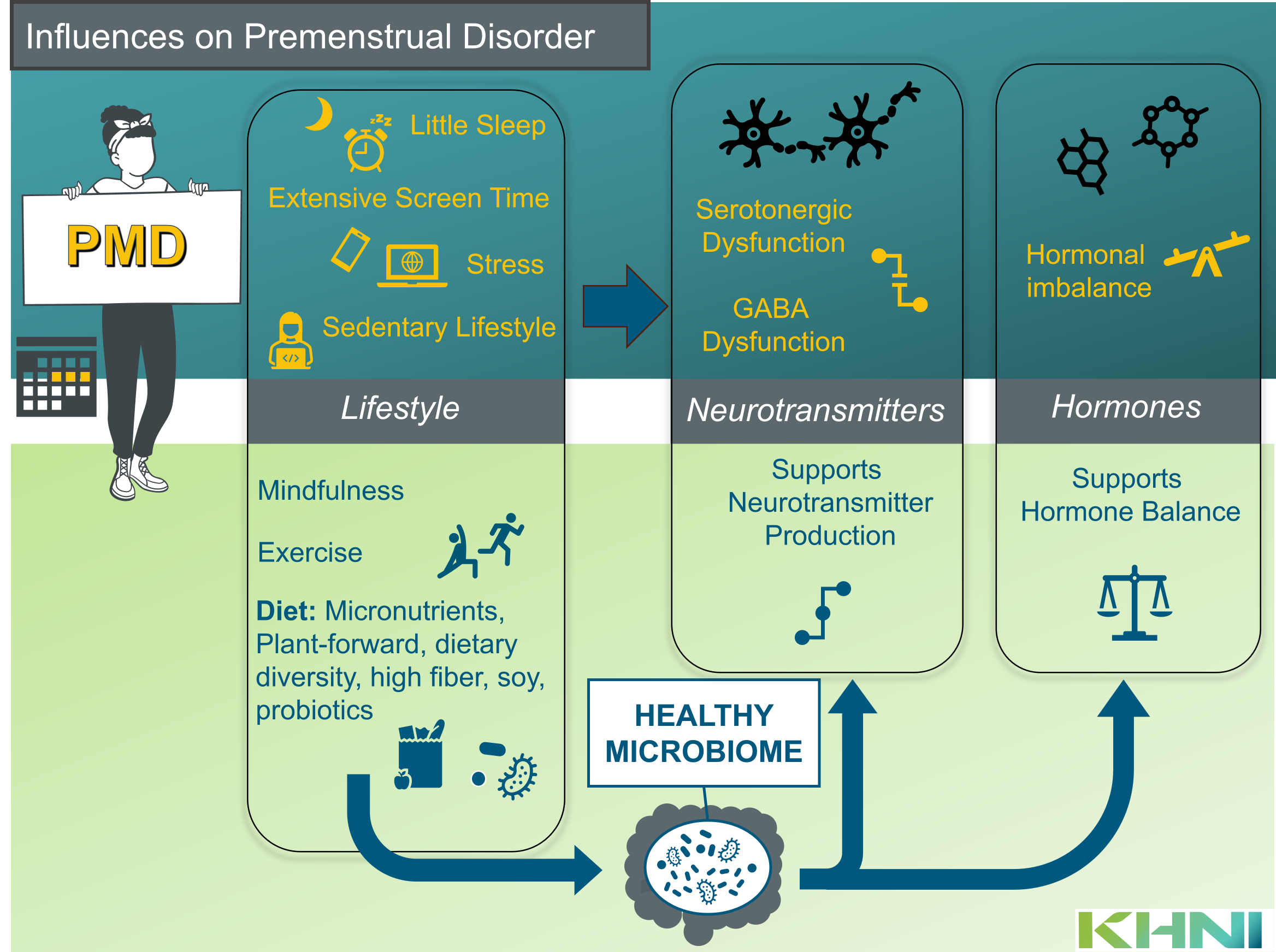
There are many influences on PMD. From lack of sleep and extensive use screens to added stress and sedentary lifestyles. These lifestyles result in dysfunction in serotonergic and GABA transmitters and hormonal imbalance.
By modifying one’s lifestyle to include exercise, mindfulness, and a healthy diet (including dietary diversity, high fibre, probiotics, etc.), this improves the gut microbiome, which supports neurotransmitter production and hormone balance.
Premenstrual Disorder and Probiotics
Some probiotics have been shown to synthesise metabolites such as SCFAs, neurotransmitters, and hormones. Probiotics have also been evaluated to alleviates symptoms of PMD.
In 1996, a study on sixteen women administered three capsules daily of a probiotic containing one billion of L. acidophilus NCDO 1748 and one billion of Bifidobacterium bifidum NCDO 2203 strains in combination with antidepressant drug (S-adenosyl-L-methionine) revealed modulation of their gut microbiome, normalization of enzymatic activities of faecal enzymes and relief of PMD symptoms, as observed in most participants9.
More recently, in a study on 80 women experiencing PMD, women receiving 10 billion L. paragasseri OLL2809 daily had less irritability and greater change in premenstrual arousal score compared to placebo after three menstrual cycles10.
Tablets of L. gasseri CP2305 were administered daily to 56 women over the course of 6 cycles. Overall, the probiotic group reported less PMD symptoms than placebo, including depressed mood and anxiety. Also, in this group, an increase in salivary oestradiol and progesterone in the luteal phase was observed11.
Unfortunately, the exact mechanisms of action (MoAs) of probiotics to alleviates symptoms of PMD is not clearly known.
Action on the mucosal barriers and immune system to modulate gut inflammation, antimicrobial activity against pathogenic microbes, secretion of gut hormones, and neurotransmitters are some MoAs that have been associated with probiotics in this context.
Lactobacilli and Bifidobacteria have been shown to biotransform dietary isoflovanes into S-(-)equol or dietary fibres in to SCFA, two types of metabolites that have been associated with better outcomes in PMD.
Conclusion
The gut microbiome exerts profound effects on various aspects of women’s health, including the pathophysiology of PMD.
Dysbiosis-driven inflammation, hormonal dysregulation, and alterations in neurotransmitter signalling contribute to the complex symptomatology of PMD. More research in this field is needed to fully explain these complicated interactions so optimal treatments are available to relieve the symptoms of PMD.
However, these initial research developments suggest that women who suffer from PMD may be able to manage their symptoms through dietary approaches to support their gut microbiome such as incorporating micronutrients, prebiotics, probiotics or probiotic-rich foods.
By focusing on gut health, women can have a holistic and accessible approach to mitigate the symptoms of PMD, ultimately enhancing their quality of life.
Almost 100 years ago when childhood mortality due to infectious disease was high, Dr. Carl Naslund noticed that Swedish children who received a tuberculosis vaccine not only were protected from tuberculosis but were three times less likely to succumb to any disease compared with children who were not vaccinated.
Decades later, this observation was noticed again, where vaccinated children in high-mortality areas of West Africa had a significantly lower mortality rate1.
In 2012, the mystery behind these observations was finally solved and a new type of immune protection was identified, which is now called trained immunity2.
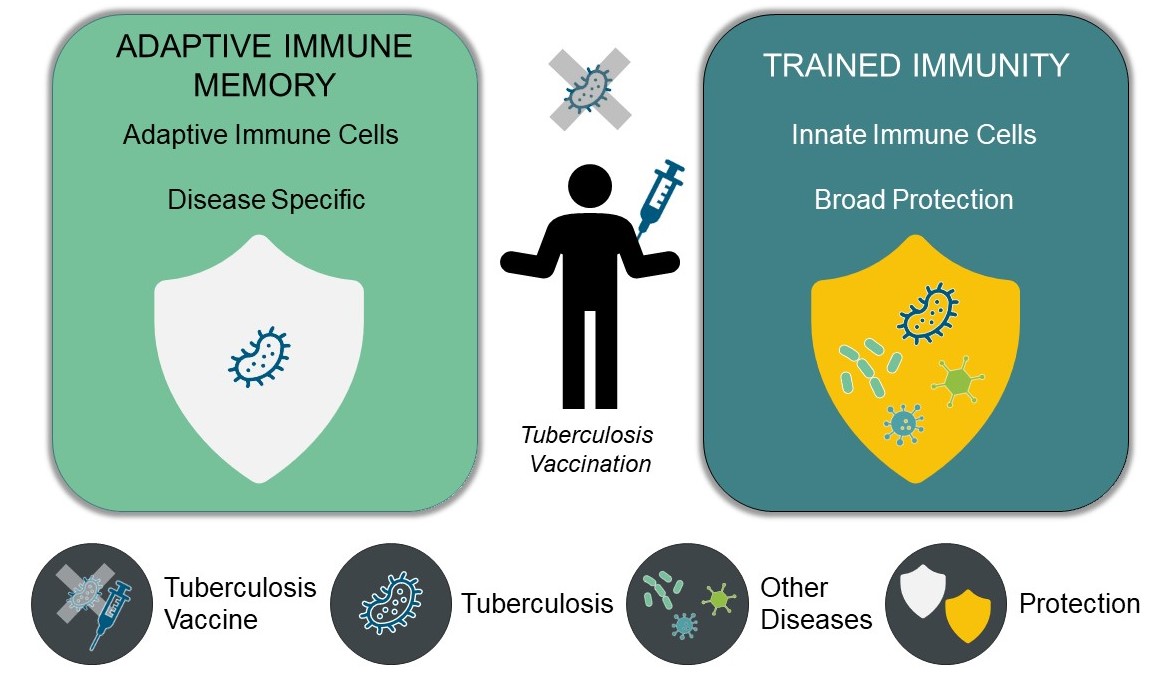
The understanding of immune memory has been centred around the idea of targeted disease-specific approaches. The aim of a vaccine is to induce a disease specific memory in the adaptive immune system (memory T and B cells), which then can spring into action if an individual is exposed to that disease.
However, trained immunity research has been ground-breaking within the field of immunology due to its differences in immune memory.
It revealed that cells of the innate immune system also have a kind of memory, although this memory works in a very different way and results in defence against a broad range of threats.
With the discovery of trained immunity, we now know that it is possible to also increase protection against multiple, unrelated diseases.
This important discovery has therefore presented new opportunities to bolster immune defences against a myriad of threats in a non-targeted manner; a new method to protect ourselves from future disease.
Moreover, research has recently shown that it is possible to induce trained immunity through food3.
How Does Innate Training Occur?
A growing body of research over the past decade has helped identify key mechanisms which explain how innate training occurs.
Innate training agents, such as the BCG vaccine2,4 and the adenoviral ChAdOx1 nCoV-19 vaccine5 are able to induce trained immunity via metabolic reprogramming and epigenetic modifications6.
Epigenetic Changes – Placing a Bookmark
DNA contains instructions for making proteins, including proteins crucial for launching immune responses. However, DNA is a very tightly coiled structure where gaining access to the instructions required can take precious time.
Training stimuli, such as the BCG vaccine, in essence creates bookmarks in this instruction manual to be placed on crucial pages for launching immune responses.
This act of “placing the bookmark” is done via epigenetic changes; reversible chemical modifications to the DNA structure that loosen the DNA at certain sites, making the genes/instructions at those sites more easily accessible.
These epigenetic changes are made possible due to altered metabolism within the cell, which provides the materials for these chemical modifications to occur.
Consequently, when a subsequent danger is detected in future, the relevant pages/genes are more easily read, allowing an immune response that is more rapid and potent, compared with non-trained immune cells.
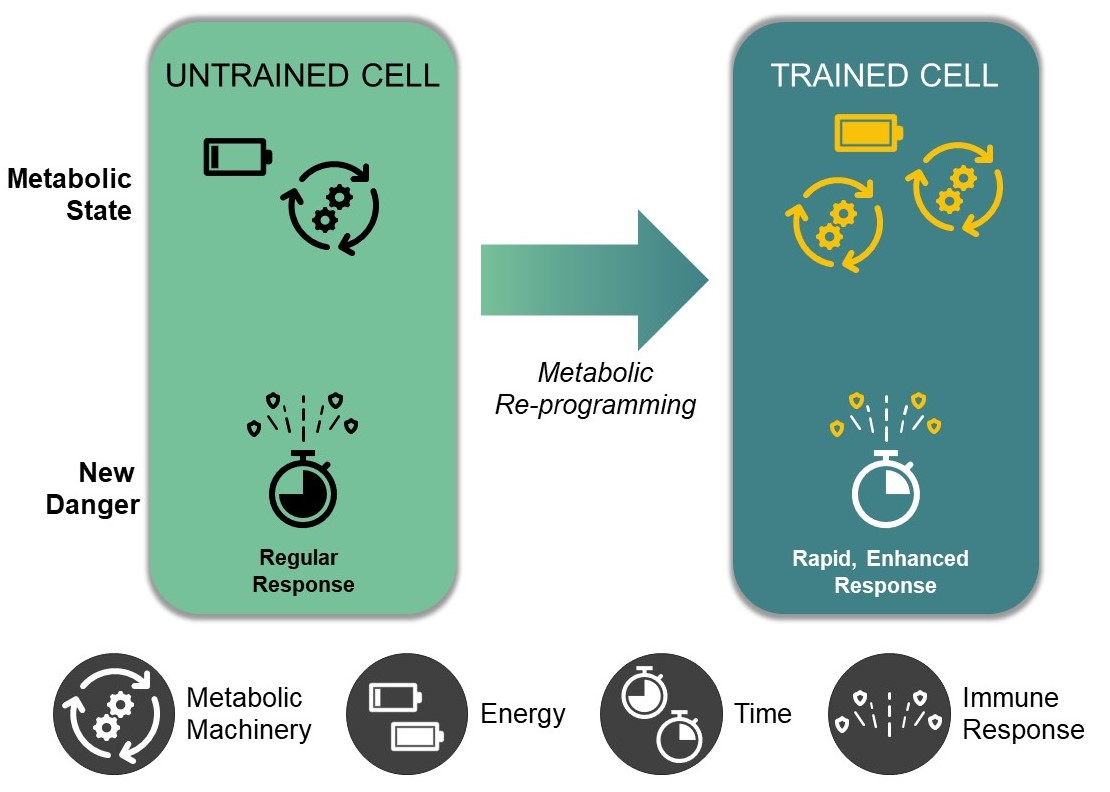
This more potent response is also possible due to metabolic reprogramming.

Metabolic Reprogramming – Meeting Energy Requirements
When an immune cell is activated as part of launching an immune response, processes engage which require a lot of energy and the production of numerous compounds, such as immune messenger signals.
These energy and production demands are met by metabolic machinery.
Innate training stimuli initiate metabolic reprogramming, which not only provides the necessary building blocks for epigenetic changes to occur to the DNA (“placing the bookmark”), but also increases the metabolic machinery available to the cell, to meet future energy and production requirements.
This could be seen as the trained cell building up its energy infrastructure to be better prepared for future challenges.
When a subsequent danger is detected, the innate immune cells can immediately spring into action, as this enhanced metabolic machinery is ready to meet the required energy and production needs, facilitating a rapid and robust immune response 7.
Is Trained Immunity Long Lasting?
A hallmark of the adaptive immune response is the induction of long-lived memory cells, which mobilise should a “memorised” danger appear again.
This is the type of memory targeted with a vaccine, to induce long-lived protection. Trained immunity has also been shown to last for several months, despite innate immune cells not living for very long.
Innate immune cells are replaced regularly, both by cell division and by influx of new cells, coming from hematopoietic stem cells in bone marrow.
These stem cells divide and mature into different types of immune cells, replenishing the body’s immune cells as needed.
The explanation of innate training above has focused on individual innate immune cells coming across training stimuli and thus having a more efficient responses against subsequent dangers.
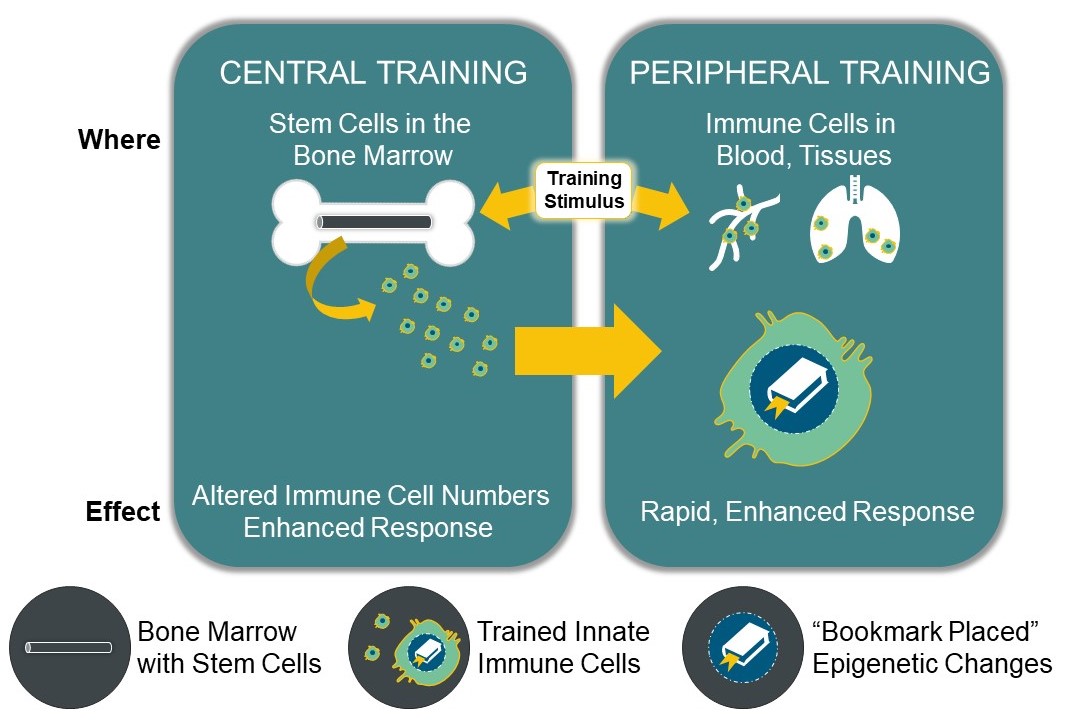
This type of trained immunity is known as peripheral trained immunity and is thought to be maintained, at least to a degree, by cell division – where epigenetic modifications (bookmarks) can be passed on to daughter cells8.
Although this is believed to contribute to the longevity of trained immunity, the core component is due to training of hematopoietic stem cells in the bone marrow, as identified by epigenetic changes therein. This is known as central trained immunity9.
How this training occurs is not fully understood, although certain immune messenger signals have been identified to contribute to this phenomenon.
It has also been postulated that stem cells may be able to detect danger signals, in a similar manner as innate immune cells, possibly leading to similar metabolic and epigenetic outcomes.
Because stem cells divide and become lots of different immune cells, their training can result in altered amounts of certain immune cells, as well as affect their responses.
For instance, central trained immunity induced by BCG vaccination, has been shown to result in a higher number of innate immune cells that are more effective at fighting off infections up to five months post vaccination, due to altered gene expression10.
Although studies have shown that innate training can be long lasting, there is an important aspect of this phenomenon that needs to be highlighted: it is reversible.
Epigenetic changes, placing bookmarks at relevant pages, are a core component of trained immunity, which are caused by chemical modification to the DNA.
However, these modifications can be reversed and the bookmarks consequently removed11,12. This is a highly dynamic feedback system, where the innate immune response is adapting to new information all the time.
Can The Immune Response Be Trained?
There are numerous substances and challenges that have been shown to cause trained immunity, such as the earlier mentioned BCG and adenovirus COVID-19 vaccines and more are being discovered all the time.
However, most identified innate trainers need to be either administered by medical staff or occur as the result of an infection/being sick, neither of which is ideal for day-to-day protection.
To both induce and maintain trained immunity, the most desirable approach is something an individual can eat or drink.
Fortunately, research suggests that certain functional/bioactive ingredients found in everyday food, beverages and dietary supplements may be able to induce and maintain this process of trained immunity.
For instance, food-safe whole beta glucan particles (WGPs) not only induce trained immunity in isolated innate immune cells (peripheral trained immunity) but also resulted in central trained immunity when ingested by mice3.
This discovery has opened new dietary possibilities to bolster defences against immune challenges.
Summary
There is growing enthusiasm in understanding the influence of diet and supplementation on the immune system.
These approaches include the use of probiotics to support balanced gut flora and the inclusion of essential nutrients, such as vitamin C, to maintain regular immune function.
What is exciting about the discovery of trained immunity and the possibility to induce it through diet, is that it enables next level immune protection.
As discussed herein, it is a recently discovered, natural enhancement of the innate immune defence, enabling the immune system to be at the ready for future challenges.
In the wake of the COVID-19 pandemic, ‘natural’ proactive and immune health solutions have been highlighted as a growing area of consumer interest, with over half of global consumers outlining a willingness to use supplements if they had a greater understanding about the ingredients those supplements contain1.
As consumers continue to seek more natural, holistic health solutions and as the area of prevention over cure grows, traditional botanical and herbal ingredients have emerged as a key area of interest2,3.
While botanical extracts have been used in ancient Chinese and India medicine for centuries, this growing popularity has been spurred on by consumer desire for cleaner labels, more sustainable nutrition and ingredients that provide a halo effect4.
Globally, immune support has been outlined by consumers as the number one reason for purchasing healthy lifestyle products5, therefore making it unsurprising that botanical and herbal ingredients that are thought to support immune health have seen a growth spurt over the last number of years.
Elderberry is one of the most well-known botanicals that falls under this category, with a compound growth rate of over 25% observed in supplement launches with elderberry over the last 5 years6.
With over 50% of global consumers associating elderberry with improving immune health7, we look to explore the origins of the use of elderberry in immune health and the potential mechanism of action which mediates its suggested benefits.
Background and Potential Health Benefits
Elderberry is a plant native to both northern and southern hemisphere sub-tropical areas8.
With over 10 species within the genus, research into the structure and function of the species has assessed their effect, if any, on human health9.
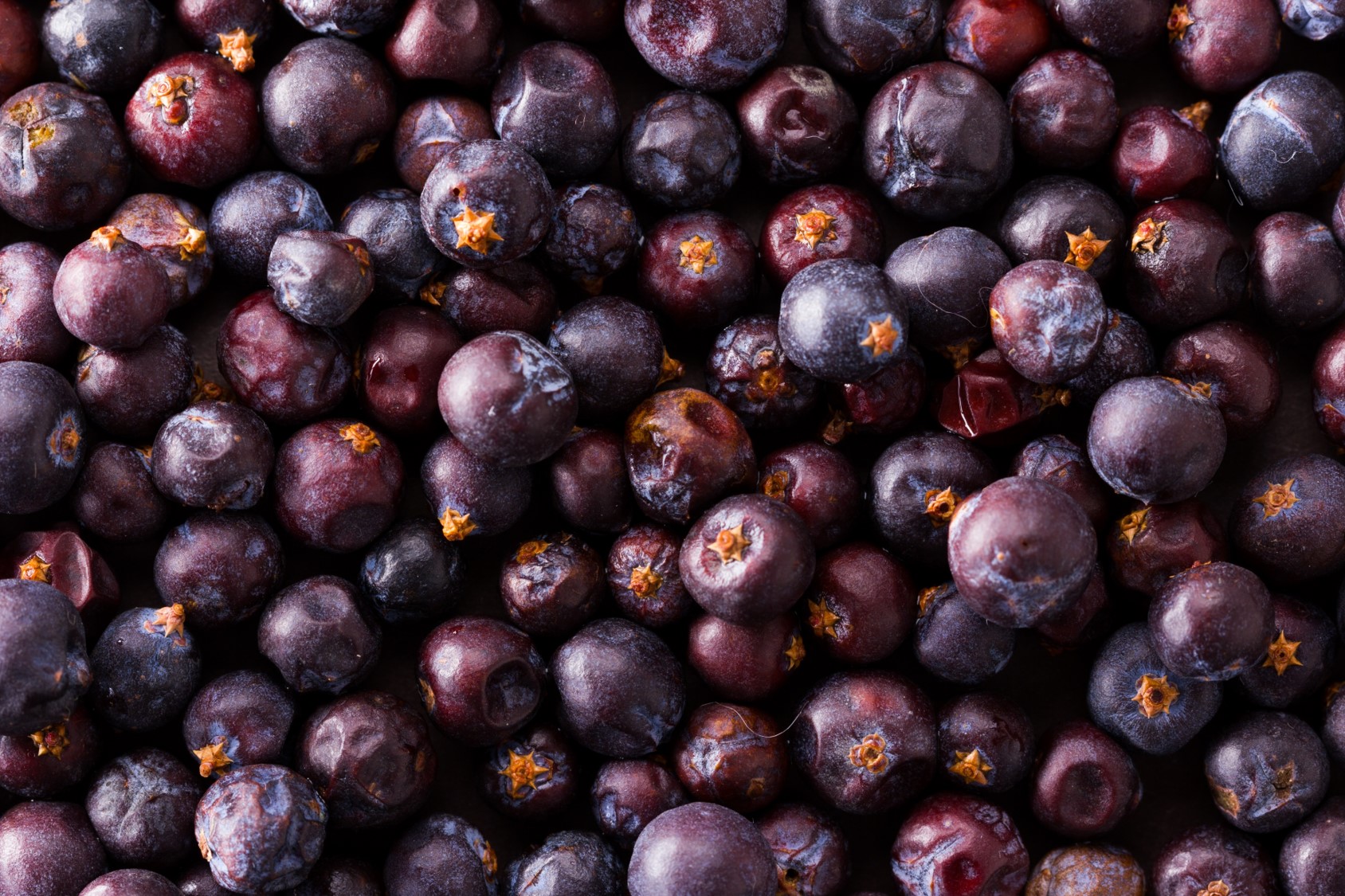
Sambucus Nigra or black elder is one such species of elderberry commonly used in supplements. Sambucus Nigra has been found to be a natural source of bioactive compounds and therefore have a high antioxidant activity10.
In addition to the proposed anti-oxidant activity of elderberry, Mlynarczyk et al., 2017 have proposed other potential benefits of the plant and the way in which these are mediated through bioactive compounds (Figure 1)11.
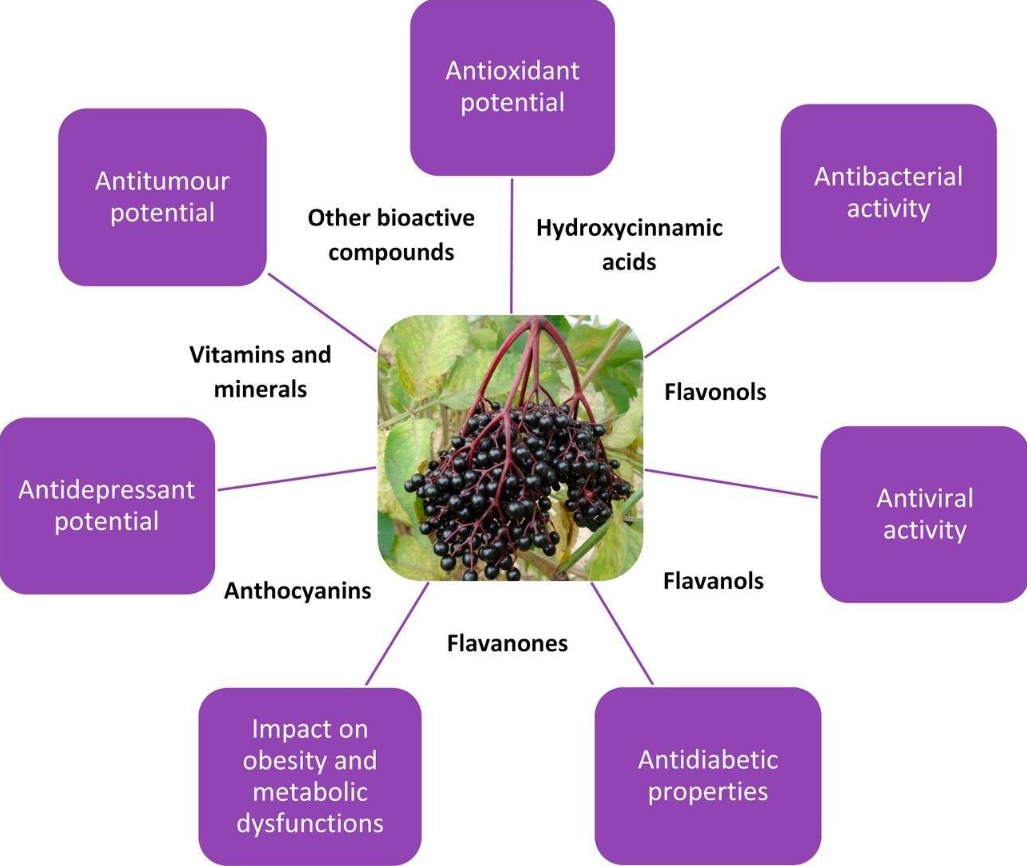
Figure 1. Proposed Potential Health Benefits of Elderberry11
While all parts of the plant (flower, bark, leaf and fruit) are a rich source of these bioactive compounds, the fruits and flowers of the elderberry plants are the most commonly used components in elderberry extracts12.
Extracts can concentrate the flavour, colour, nutritional value and active components of a fruit or plant into a smaller essence while maintaining these desired qualities.
The fruit and flowers from black elder have traditionally been used to prevent or reduce the effects of illnesses such as those relating to the respiratory tract and therefore elderberry and elderberry extract are thought to support immune health.
How Is This Health Benefit Modulated?
Elderberry extract has been shown to have antibacterial and antiviral properties in both in-vitro and in-vivo models, further positioning this as an immune modulating ingredient13.
These immune benefits are thought to be modulated through its unique composition, consisting of bioactive compounds such as phenolic compounds like anthocyanins and a variety of vitamins and minerals including vitamin C and Zinc10.
These compounds and nutrients have been shown to have antioxidant activity, demonstrating anti-inflammatory, antiviral and immunostimulatory effects in the research.
Overall, the research has shown elderberry to reduce the severity or delay the onset of oxidative stress and inflammation mediated chronic health conditions14.
In addition to this, clinical studies investigating the effectiveness of elderberry on the common cold and flu have resulted in a reduction in symptoms or reduction in the duration of illness15.
A study by Tiralongo et. al.14 found elderberry extract supplementation to reduce ‘common cold’ episode days in passengers of long-haul flights.
Passengers were given either elderberry extract or placebo, consuming this 10 days before travel until 5 days after arriving at their destination.
Those in the placebo group had a duration of 177 cold episode days collectively, versus 57 in the elderberry extract group, while over 580 symptoms were identified across the placebo group on these days versus 327 in the elderberry extract group (Figure 2).
On an individual level, this resulted in on average, a 2-day reduction in duration of the cold and decreased symptom load for those supplementing with elderberry extract versus placebo14.
This is just one study which highlights the potential effects of elderberry in immune health and improving quality of life.
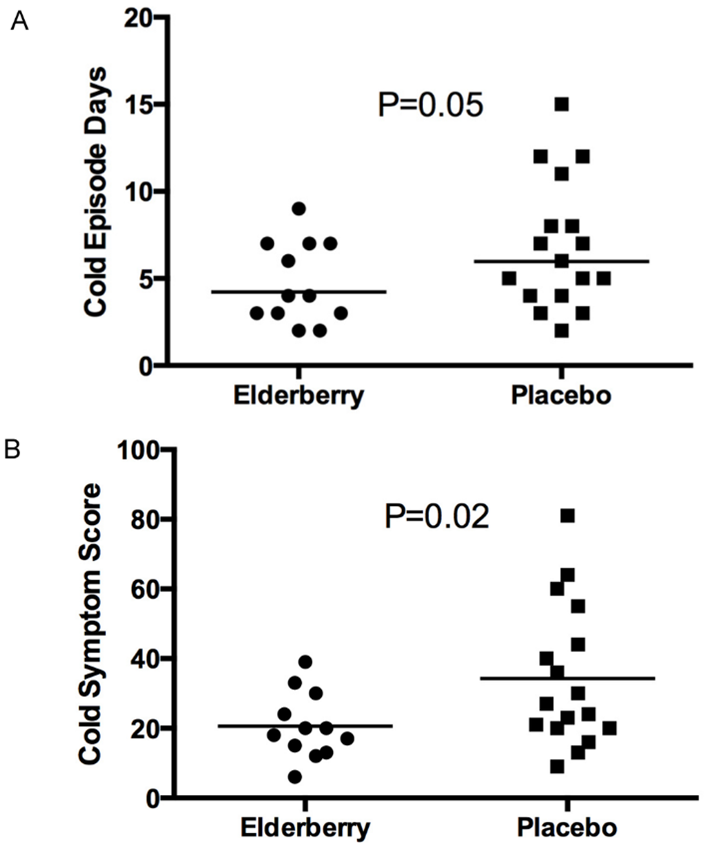
Figure 2. Cold episode days (A) and cold symptom score (B) of participants with a well-defined cold established from Jackson Score14
While future studies will be needed to further confirm its efficacy and clarify the way in which elderberry mediates immune benefits, the research has shown, that at a minimum, elderberry is a safe option with the botanical showing no evidence of over stimulating the immune system16.
In addition to this, organizations such as the German Commission E have approved the flower of Sambucus Nigra for cold and flu17, with the European Committee on Herbal Medicinal Products also concluding that Sambucus Nigra can be used in the relief of early symptoms of the common cold 18.
As consumer interest in more natural, proactive health solutions continues to grow, science-backed, botanical ingredients, such as elderberry have an opportunity to take a further foothold in this market and become the solution of choice when preventing common immune health conditions such as cold and flu.
As our understanding of the influence of the gut ecosystem on short and long-term health grows, modulation of the gut microbiota continues to be an increasingly important area of intervention. The benefits of regular consumption of functional foods containing probiotics and/or prebiotics are becoming more widely known. They include enhanced nutrient digestion and absorption, lower incidence of gastrointestinal disturbances and strengthened immunity. However, the science and our understanding of the microbiome continues to evolve and grow more complex. As a result, we are seeing more types of ‘-biotics’ products, like prebiotics and probiotics, intended to support the microbiome. Postbiotics are one type of product that is seeing growth. What are postbiotics, and how do they differ from other ‘-biotics’?
What is a postbiotic?
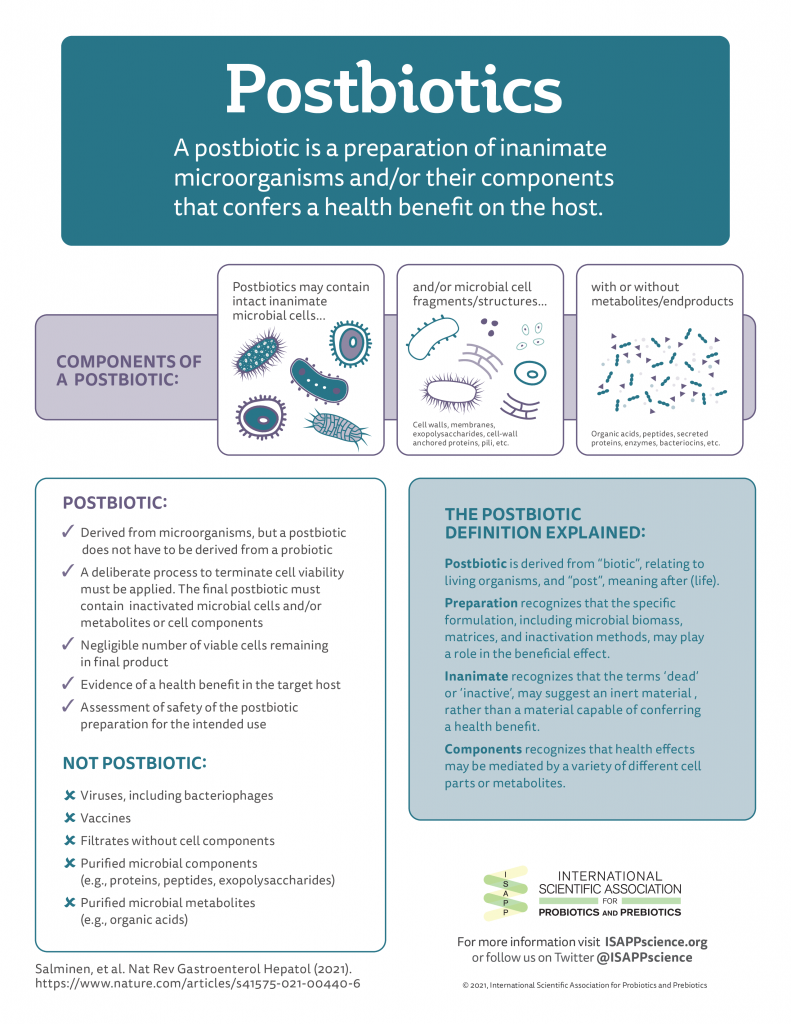
A postbiotic is defined as a “preparation of inanimate microorganisms and/or their components that confers a health benefit on the host” by The International Scientific Association of Probiotics and Prebiotics (ISAPP) consensus statement on the definition and scope of postbiotics.
This definition was agreed upon by a panel of experts specializing in nutrition, microbial physiology, gastroenterology, paediatrics, food science and microbiology by reviewing existing science, regulations, and commercial use of postbiotics.

What is the difference between probiotics and postbiotics?
The primary difference is that the phrase probiotics refers to live microorganisms, while postbiotics refers to inanimate (inactivated or dead cells) microorganisms or their components. As we learn more about how probiotics work, science has shown that some microorganisms don’t need to be alive to confer a benefit. There might be parts of a microorganism’s cell that interacts with our body (e.g. our immune system), and this part of the cell might be present whether that cell is alive or dead.
The consensus statement from ISAPP proposed that postbiotics may work by interacting with our resident microbiota, modulate immune responses, or interact with our nervous system. It is critical that the microorganism has produced enough of the bioactive molecules that cause these benefits before it is inactivated.
Postbiotics do not need to be alive to confer a benefit, so they are considered stable during industrial processing and storage.
ISAPP has created the infographic below to help clarify the definition of a postbiotic. For more science-based resources on digestive health and the microbiome, you can visit the ISAPP website.
Reaping the benefits of postbiotics in food for humans or animals
-
- Postbiotics are inanimate in nature, offering significant advantages for their application in food and feed matrices subject to varying processing conditions, as well as an inherent lower susceptibility to storage conditions
- Scientific evidence behind postbiotics highlights their ability to increase the host resilience from within by influencing gut function, its microbiota, and the interconnection with the central-nervous system (gut-brain axis)
- This is an up and coming technology in the ‘biotic’ space with multiple uses in food and feed applications, which will advance significantly in coming years as our scientific knowledge expands into dedicated life-stages and/or need-states
Benefits of postbiotics – where science is today
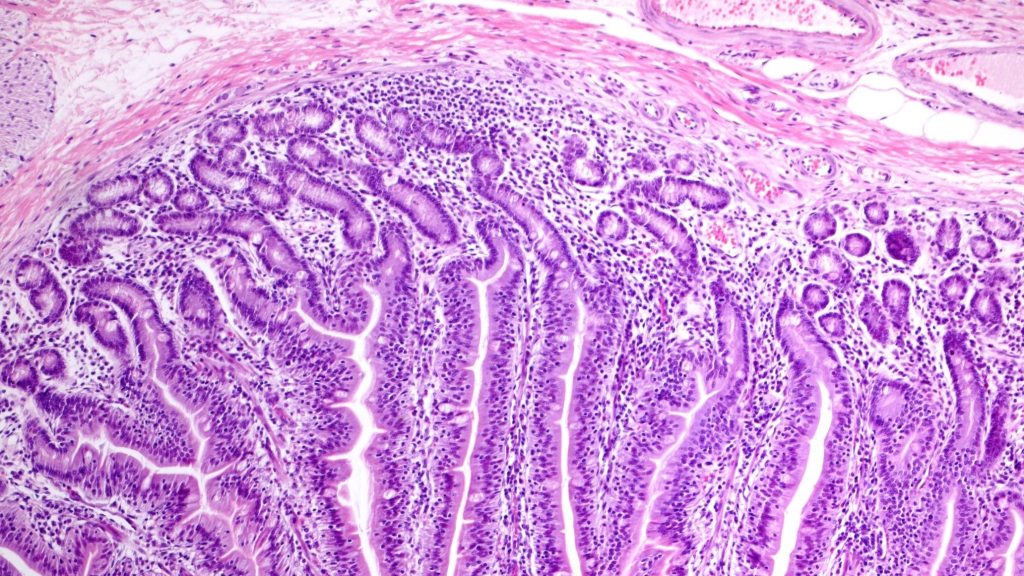
The research concerning the potential benefits of postbiotics has been focused on gut health, with Lactobacillus-derived postbiotics taking the spotlight. Postbiotics may act by cellular and molecular mechanisms involving the control of the immune and nervous systems, as suggested by their ability to boost innate immunity, reduce pathogen-induced inflammation and promote the survival of intestinal epithelial cells (Cicenia et al., 2014). Inactivated Lactobacilli preparations have been capable of reducing pain scores, bloating, and stool frequency in irritable bowel syndrome (IBS) patients (Tarrerias et al., 2011). Similarly, heat-killed L. acidophilus reduced bowel movements in patients with chronic diarrhoea, even in comparison with the live L. acidophilus-treated group (Xiao et al., 2003), which suggest a significant advantage over any concerns of viability and delivery of a live microbe to the required site of action.
Postbiotics may also play a role in early life interventions. Healthy toddlers receiving an inactivated L. paracasei fermented cow’s milk preparation showed improved measures of immunity including reduced incidence of common infectious diseases and significant changes in innate and acquired immune biomarkers, such as secretory IgA and defensins (Corsello et al., 2017). Furthermore, heat-killed L. acidophillus LB plus its culture medium reduced the recovery time of infants with non-rotaviral diarrhoea by 1 day (Liévin-Le Moal et al., 2007). Thus, postbiotics may represent a feasible intervention to mitigate the incidence and severity of common ailments in children.
How do postbiotics work – are short-chain fatty acids the key?
Provision of postbiotics from L. gasseri through traditional fermented milk beverages also improved stool consistency in healthy individuals with tendency for constipation, with an increase in short-chain fatty acid (SCFA) production (Sawada et al., 2016). SCFA may play a key role in the functionality of postbiotics, either directly as actives in the postbiotic formulation, or indirectly as metabolites resulting from induced changes in gut microbiota. SCFA are known to stimulate colonic sodium and fluid absorption, with butyrate showing positive benefits on helping colonocytes grow and repair, enhancing gut barrier function, and mucosal immunity. Due to the interconnectivity between our gut, brain, and microbiota, postbiotics have also been demonstrated to positively influence measures of anxiety and quality of sleep, as well as enhancing the mood state, of healthy adults (Murata et al., 2018; Nishida et al., 2019).
Postbiotics may also play a role in early life interventions. Healthy toddlers receiving an inactivated L. paracasei fermented cow’s milk preparation showed improved measures of immunity including reduced incidence of common infectious diseases and significant changes in innate and acquired immune biomarkers, such as secretory IgA and defensins (Corsello et al., 2017). Furthermore, heat-killed L. acidophillus LB plus its culture medium reduced the recovery time of infants with non-rotaviral diarrhoea by 1 day (Liévin-Le Moal et al., 2007). Thus, postbiotics may represent a feasible intervention to mitigate the incidence and severity of common ailments in children.
Postbiotics in animal health – a role for improving quality of our food supply
Sustainability and food safety are at the core of our success as a civilization in the centuries to come. With these aspirations, a robust food supply chain is paramount, and, thus, we need to look beyond our own health to that the animals that constitute/produce our food.
Inactivated Saccharomyces cerevisiae has been shown to reduce Salmonella Enteriditis in commercial laying hens (Gingerich et al., 2021). This pathogen is responsible for the vast majority of foodborne salmonellosis, and, as such, postbiotics could play a role in reducing foodborne illness by targeting the farming stage of food production.
A Lactic Acid Bacterium derived postbiotic has also shown potential to diminish the severity of gut lesions caused by necrotic enteritis, increasing the liveability and productivity of broilers (Duong et al., 2021). Postbiotics from L. acidophilus have also been shown to accelerate the development and establishment of microbiome clusters in nursery pigs, which correlated with increases in growth rates (Khafipour et al., 2021). Overall, there is evidence suggesting that postbiotics can facilitate the production of animals in an effective, safe and sustainable manner.
Looking to the future
The evidence behind the functionality of postbiotics is increasing rapidly. Nonetheless, in the rather populated functional biotics area, the scientific community is proposing that postbiotics should be characterized by defining the microorganisms in the starting material, identifying the inactivation procedure, and the description and quantification of the final postbiotic composition. Although this practice has not been fully entrenched yet, much of this information should be at the ready and will only make the case for the use of postbiotics in food and feed applications stronger.
Dietary fats are essential for human health, especially omega-3 fatty acids due to their role in eye health, brain health, heart health, and more, yet very few people get enough of these fats from their diet.
Dietary guidelines recommend consuming approximately 30% of total daily calories from fat, which is a significant proportion of the diet, however the quality and composition of fat is an important consideration.
Essential fatty acids, such as those in omega-3, serve many important roles in the body.
Fats provide an efficient source of energy (9kcal per gram) when consumed, and any excess is stored as fat within adipose tissue as an energy reserve.
This adipose tissue provides insulation and protection for vital organs and helps to maintain body temperature at 37°C. Essential fat soluble vitamins (A,D,E,K) require fat for absorption and functionality within the body.
Fats are a main component of every cell membrane in our body, enabling cell communication, particularly within the brain and nervous system. The human brain is made up of approximately 60% fat.
Fats also serve as important messengers within the body, as precursors to hormones, immune cells and neurotransmitters. Needless to say, fats are an important part of a healthy diet.
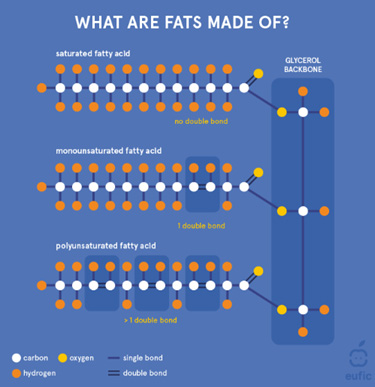
Fats in diet are classified in 3 distinct categories:
-
- Saturated fats (SFA – no double bonds in the acyl chain of the fatty acid).
- Monounsaturated fats (MUFA – one double bond).
- Polyunsaturated fats (PUFA – two or more double bonds).
Fatty acids are categorised by the number of double bonds they have in their structure. The different structures determine their function in the body as well as in foods or beverages.
In a healthy diet, MUFA and PUFA (found in fish, avocado and nuts, and in sunflower, soybean, canola and olive oils) are preferable to SFA (found in fatty meat, butter, palm and coconut oil, cream, cheese, ghee and lard). This is due to the associated risk of cardiovascular disease with SFA which has been evident in many longitudinal studies globally.
Therefore, WHO recommends limiting the intake of saturated fats to less than 10% of total energy intake.
We will focus here on the functions of PUFAs in health. There are two families of PUFAs, namely the omega-6 and the omega-3 groups.
This nomenclature refers to the carbon position in which the first double bond is present in the fatty acid chain.
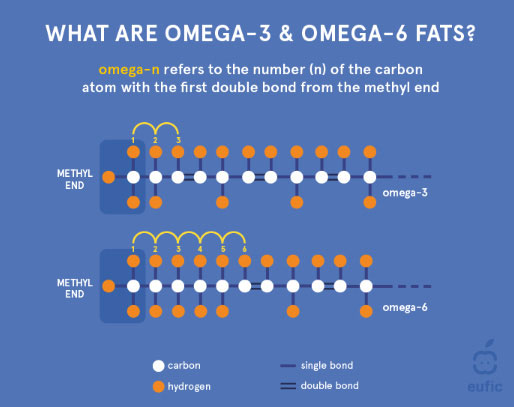
Both omega-3 and omega-6 fatty acids are important components of cell membranes and are precursors to many other substances in the body such as those involved in regulating blood pressure and inflammatory responses.
The human body is capable of producing all of the fatty acids it needs, except for two: linoleic acid (LA) – an omega-6 fatty acid, and alpha-linolenic acid (ALA) – an omega-3 fatty acid.
These are termed ‘essential fatty acids’ and they must be consumed it in the diet. LA and ALA can be found in nuts, seeds, and plant oils such as rapeseed and walnut oil.
There are also longer chain omega-3 fats, eicosapentaenoic (EPA; 20:5 n-3) and docosahexaenoic (DHA; 22:6 n 3), which can be synthesised from ALA or obtained from oily fish (e.g. salmon, mackerel, herring).
The conversion from ALA, such as those found in plant oils, is not an efficient conversion ratio and requires a high amount of ALA consumption to produce a small amount of DHA or EPA.
Consumption of DHA or EPA directly from marine sources, such as fish or algae, is often the preferred method encouraged by dietary guidelines globally. These long chain PUFA’s have been shown to have protective health benefits for brain and cardiovascular health.
Functions of Omega-3 fats (EPA/DHA)
Fatty acids are an integral component of cell membrane phospholipids, with specific function, metabolic, and signalling roles. Different cell types have different fatty acid compositions that influence membrane fluidity, flexibility and cell signalling modulating gene expression (Calder, 2015).
It can be helpful to think about the nature of these fats in food at different temperatures to imagine how each fat type would have a different role in the body. Saturated fats are typically solid at room temperature (e.g. butter, palm oil) but fats become more fluid as there is more unsaturation in the fatty acid chain.
PUFAs stay fluid even at low temperatures. This is one reason why you will find a lot of omega-3 fats in cold water fish – these fats can help the fish’s cell membranes stay fluid in cold water temperatures. Similarly, higher concentrations of omega-3 fats are located in body tissues that need a high amount of fluidity such as the eyes, heart, or brain.
These fats are also important in inflammatory biochemical pathways, meaning they have roles in immune function and mediating inflammatory conditions in the body. These structural or inflammatory roles are often related to the links to health outlined below.
Brain Function and Development
DHA is the most abundant omega-3 fatty acid in the central nervous system and plays a key role in its function and maintenance (Djuricic & Calder, 2021).
It is important for neurotransmission (communication of signals between neurons), neuroplasticity (the ability of the brain to adapt throughout life by reforming or creating new neural networks) and signal transduction.
In this context, the role of DHA in prenatal and early postnatal brain and visual development is remarkable. Brain development is a complex process that starts in the prenatal phase. It is well known how mother´s nutrition during pregnancy and breastfeeding impacts offspring development.
Consumption of DHA-rich diets in mothers has been linked to higher DHA levels in infants, which has been associated with enhanced infant neurodevelopment (Nyaradi et al., 2013; Basak & Duttaroy, 2022). The early roles of DHA in cognitive and visual development are considered well-supported, so DHA is a mandatory ingredient in infant formula in many regions.
Beyond the benefits of DHA in brain development, some additional benefits on cognitive function as well as on psychological, psychiatric, and behavioural disorders have been described. A positive association has been reported between intake/blood levels of DHA and memory function (Yurko-Mauro et al., 2015).
Although some effects on memory function have been observed in younger populations (Petrova et al., 2019), it is more evident in older populations with a significant impact on risk of cognitive decline, dementia, and Alzheimer’s disease (Zhang et al., 2016; Marti del Moral, 2019). The links between omega-3 fats and memory and cognitive function are still an emerging area of science.
Eye Health and Development
 As in the brain, the most abundant fatty acid in the retina is DHA.
This fatty acid contributes to eye development and function through its signalling and structural effects on retinal photoreceptor cells (Shindou et al., 2017; Senapati et al., 2018). Its antioxidant and anti-inflammatory role have been described as key for maintaining healthy retinal cells.
In fact, a possible protective role of DHA and their derivatives has been attributed in the pathogenesis of retinal diseases (retinopathies) like age-related macular degeneration or diabetic retinopathy (Lafuente et al., 2021; Wu et al., 2017).
Heart Health
Cardiovascular health is the most studied area of omega-3 fatty acids in human health.
As early as 1944, Sinclair described the rarity of coronary heart disease amongst Greenland Eskimos who consumed a diet rich in fish, seal, and whale (Sinclair, 1953).
Since the first studies were published in the 1980s linking the consumption of high dietary intake of EPA/DHA with a low rate of mortality from myocardial infarction and ischaemic heart disease, the protective role of these fatty acids has been extensively studied.
More recently, the largest prospective cohort study conducted to date included @420,000 participants from the National Institutes of Health AARP Diet and Health Study with a 16-year follow-up and reported a significant inverse association between fish and EPA + DHA intake and various mortality outcomes (Zhang et al., 2018).
Comparing the highest with lowest quintiles of fish EPA + DHA intake was associated with 15% and 18% lower CVD mortality in men and women, respectively, across extreme quintiles (groups of people who consumed the highest vs lowest amounts of fish EPA + DHA).
How do EPA/DHA reduce risk for heart disease?
Studies have suggested it could be due to the improvement of different risk factors like blood pressure, serum triglycerides, high-density lipoprotein (HDL)-cholesterol, post-prandial lipaemia, endothelial dysfunction, cardiac arrhythmia, heart rate and heart rate variability and inflammation (Sakamoto et al., 2019; Zhang et al., 2022; Mendivil, 2021).
Joint and Muscle
Other potential roles of omega-3 fats in health are constantly being studied.
EPA/DHA fatty acids have been found to counteract the onset and progression of osteo-arthritis by reducing bone and cartilage destruction. This benefit has been related to the anti-inflammatory and antioxidant activity (Oppedisano et al., 2021).
Several studies also suggest a potentially beneficial effect of EPA/DHA on physical performance by improved endurance capacity and delayed onset of muscle soreness, as well as on markers related to enhanced recovery and immune modulation (Thielecke & Blannin, 2020).
Skin Health
Emerging evidence is showing a role of omega-3 fats in skin health, possibly due to the role of these fats in mediating inflammation. Several small studies have shown omega-3 fats can improve skin barrier function, but larger studies will need to confirm this (Parke et al., 2021).
Sources of Omega-3 Fatty Acids
The main sources of EPA and DHA in diet are seafood and fish, especially fatty fish like salmon, tuna, and swordfish.
The specific concentrations of EPA and DHA depends on the species (Table 1). Due to the link of omega-3 fats to health, many dietary recommendations include fatty fish 1-2 times per week as part of a healthy diet.
In addition to food, the consumption of supplements containing fish or algae oils has become an increasingly common alternative for omega-3 consumption.
Algae oil is a sustainable plant-based option that is gaining interest in recent years. Species such as Schizochytrium, Crypthecodinium, Euglena and Nannochloropsis are mainly used because of their high omega-3 content.
Table 1: Average content of omega 3 EPA and DHA fatty acids in fish and seafood.
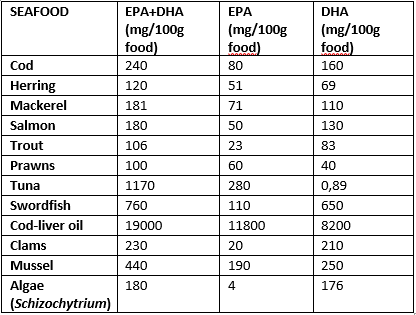
Recommended Intakes
Although omega- intake recommendations can slightly differ among countries, in general, most governments recommendations suggest consuming 2-3 servings (200-300g) of fatty fish per week (@35g per day) to achieve 250mg of EPA and DHA per day.
However, consumption differs greatly among different regions (Micha et al., 2014). The countries that consume more fish per day are in the Asia-Pacific areas such as Japan (intake 81.3g per day) in contrast to countries in the geographic areas of Central America, Central and South Asia and sub-Saharan Africa in which mean of fish daily consumption is around 10-15g per day.
In Europe, the average is about 35g per day but with considerable variability between different countries.
In the US, the average fish consumption is 20.1g per day, which is similar to Canada. In fact, data show that in the US less than 15% of population reaches the recommended fish intake (Rehm et al., 2016).
Therefore, a higher intake of fish should be promoted in population to benefit from its positive effects on health. The use of food supplements containing EPA/DHA rich fish or algae oils can also help to reach the recommended EPA/DHA intake.
Although EPA/DHA intake recommendations may slightly differ among countries, in general, recommendations are adjusted depending on specific needs of population (Table 2).
Table 2: EPA/DHA omega 3 recommended intakes in Europe (EU) and US.
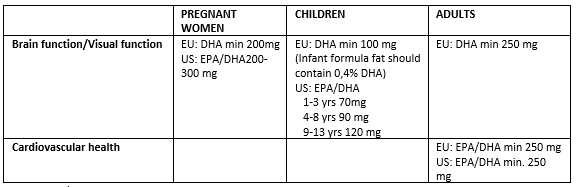
These recommendations are based on the scientific evidence about health benefits associated to the EPA/DHA consumption accumulated over the last decades.
This scientific evidence supports health claims associating specific health benefits to EPA/DHA consumption in certain parts of the world, such as the examples from Europe below:
-
- DHA and EPA contribute to the normal function of the heart (250 mg/day).
- DHA contributes to maintenance of normal brain function (250 mg/day).
- DHA contributes to the maintenance of normal vision (250 mg/ day).
Supplementation
As mentioned above, only a low percentage of countries reach dietary fish consumption that provides the recommended intake of EPA/DHA. The use of functional foods and supplements are the easy and affordable solution to complement dietary deficiencies in the supply of omega-3 in the diet.
The advancement of technology makes it possible to have fish and algae oils rich in EPA and/or DHA omega-3 fatty acids with excellent quality and taste characteristics. It is interesting to note that the fish oil refining processes also remove certain pollutants affecting the oceans which are accumulate in fish, such as heavy metals, plastic derivatives or pesticides.
These EPA/DHA rich oils can be easily incorporated to frequently consumed foods such as dairy products, juices, bakery, cereals etc thus ensuring a balanced and convenient supply of these important fatty acids in diet.
On the other hand, in the field of supplements, which is considered the main market for omega-3, there is a wide range of formulations where high concentrates are mainly used.
At the format level, we find, for example, gummies and syrups for children or capsules, gels, shoots, etc for adults.
Sustainable Sourcing
Our society is increasingly aware of the importance of protecting the environments natural resources.
Habitat destruction, pollution and ocean acidification caused by unsustainable fishing, maritime trade and other human activities have caused a serious deterioration in the health of the seas, putting access to vital marine resources at risk for future generations.
Fortunately, most of the fisheries from which fish or other marine omega-3 oils are obtained are subject to strict audits that verify environmental standards, thus verifying the use of more sustainable practices when it comes to fishing.
Among the most important certifications in terms of sustainability are: Marine Stewardship Council (MSC), Friend of the Sea and MarinTrust, which certifies that marine ingredients are obtained and produced responsibly.
Algae
Algae is a plant-based alternative source of omega-3 fatty acids. It contains helps reduce pressure on marine resources such as overfishing and promotes a more sustainable ecosystem because it is able to trap carbon dioxide similar to terrestrial plants.
The algae can be grown in open ponds or fermented in tanks and growing conditions are optimized to obtain omega 3 rich oil with concentrations comparable than those found in fish oils. A typical algal oil may contain 400 mg of EPA + DHA per gram of oil, compared to 300 mg in a standard fish oil, or 0 mg in a flaxseed oil.
For those seeking a plant-based source of omega-3, algae can serve as a direct source of EPA + DHA compared to other plant-based oils, which contain alpha-linoleic acid and must be converted by the body into EPA + DHA.
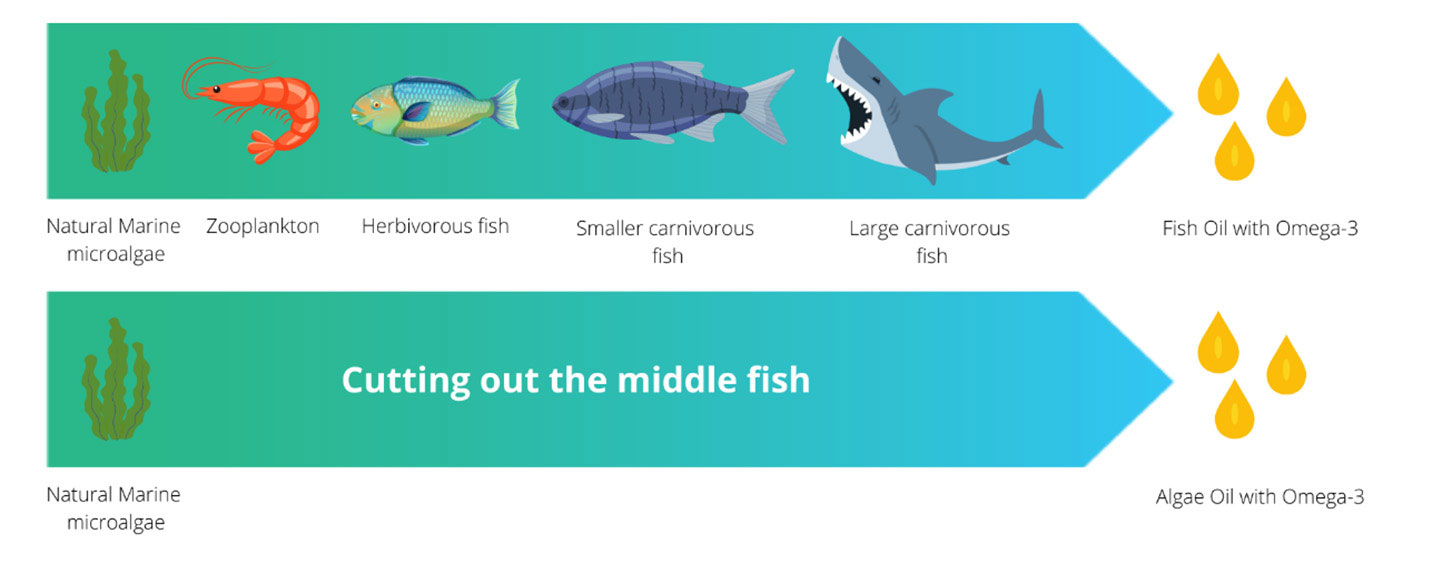
Omega-3 fats are essential for health, yet in many parts of the world people are not meeting the recommended daily intakes.
Public health messaging should encourage the consumption of sustainably sourced oily fish, algae and associated supplements, to maximize the public health benefits while protecting natural resources for future generations.
Likely since the start of the current pandemic you have given some thought to your immune system and just how well it is functioning. If you’re like many others during those first months of the pandemic you turned to internet searches to learn more about your immune system and what proactive steps you could take to support its functions. During those searches, one of the terms that you may have encountered was “immunomodulators used with words like “nutrition” and “diet” or “food”. Why is this? And can food we eat really have immunomodulatory effects? In a word, yes.
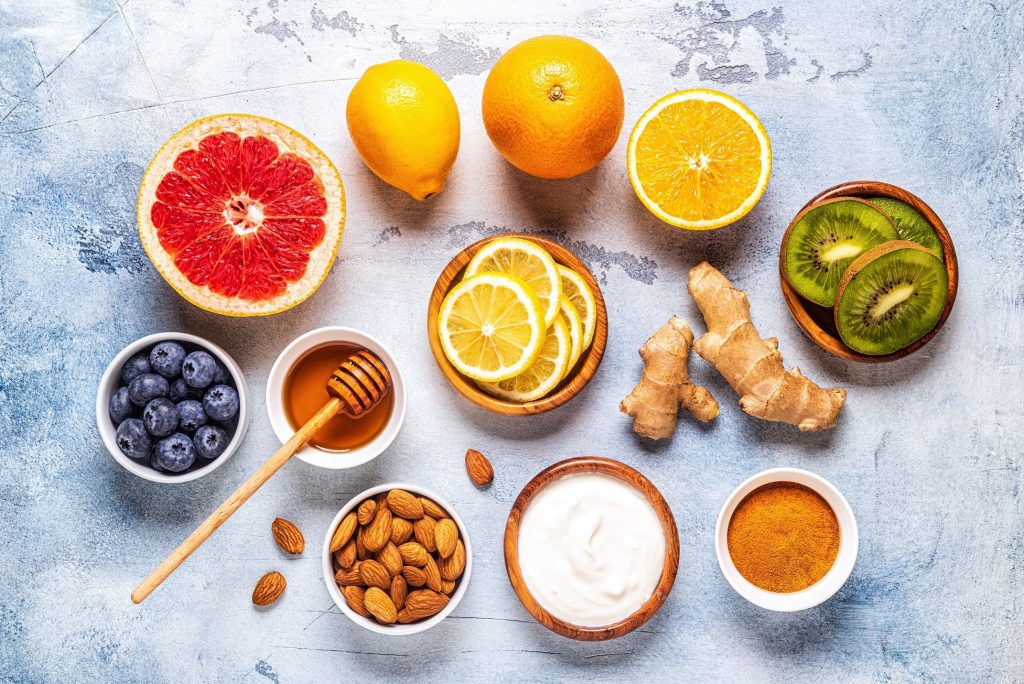
What are immunomodulators?
An immunomodulatory compound, also called a biological response modifier or BRM in the pharmaceutical industry, is one that has the capacity to interact with the immune system in a specific way, altering the outcome of specific immune processes. The resulting changes could be either an increase or decrease in function depending on how much of the immunomodulator was consumed or administered as well as how that specific immunomodulator interacts with the immune system. Immunomodulatory compounds can be produced either endogenously (inside the body) or exogenously (outside of the body). Endogenous immunomodulators are compounds normally found within our body such as cytokines, hormones and growth factors. Exogenous immunomodulators can be synthetic (many prescription medications) or naturally occurring such as ingredients in our foods and nutritional supplements. Some of these ingredients are familiar, such as vitamins and minerals which are commonly understood to be necessary for the proper functioning of our bodies.1 For example, zinc helps activate and regulate immune cells so they can perform their job in the body.2
Examples of immunomodulators
 Omega-3 and omega-6 polyunsaturated fatty acids
- Carbohydrates such as glucans, mannans, fucoidans, fructans, xylans, and pectins
- Yeast beta-glucans
- Plant components such as astragalus root or echinacea flower, to varying degrees
There are many other types of naturally occurring compounds found in the foods and supplements we consume which have at least some scientific evidence that they have immunomodulatory activity. Many of these ingredients are plant-sourced and can be easily consumed in foods and nutritional supplements. Examples include omega-3 and omega-6 polyunsaturated fatty acids (PUFA) such as linoleic acid and oleic acid which are proposed to have anti-inflammatory effects in humans.3 The more familiar fatty acids, docosahexaenoic acid (DHA) and eicosapentaenoic acid (EPA) have been studied for a wide range of biological effects, including immunomodulation but are sourced mainly from marine animals.4 Plant-derived polyphenols such as curcumin and quercetin have been tested in human clinical trials for immunomodulatory (generally anti-inflammatory) activity as well as other biological effects.5
Some of the most well-studied immunomodulatory food ingredients are polysaccharides, a type of carbohydrate. Polysaccharides that have been examined for immunomodulatory activity mainly fall into six types: glucans, mannans, fucoidans, fructans, xlyans and pectins and galactans.6 Some of these polysaccharide ingredients are well known such as pectins, glucans and inulin (a fructan) for being dietary fibers. Others, such as carrageenan (a galactan), have been used as emulsifiers and texturants in foods for decades. Many of these polysaccharides seem to have immunomodulatory properties that have been examined with various degrees of scientific rigor.7
How do immunomodulators work?
A case study with beta glucan
A polysaccharide of particular interest due to the observed positive effects on health, more than 75-year history of scientific study and overall robust scientific data portfolio is beta glucan. Beta glucan occurs naturally in many different types of organisms ranging from yeast to mushrooms to bacteria and plants such as algae and cereal grains.
The beta glucans produced by these different organisms vary in chemical structure depending on which organism made it, and science shows that the biological activity a beta glucan has in the human body is linked to its specific structure.8 Because of this structure-activity relationship inherent in beta glucan biology, it is essential to clearly identify the source and chemical structure of a beta glucan when seeking out an immunomodulator food ingredient since not all beta glucans have immunomodulatory properties.9
Breaking down the structure
Beta glucans are long chains of sugar molecules linked by one of three types of chemical bonds from which they derive their name (β-(beta)1,3; -1,6 or β-1,4). You will see beta glucans commonly described based on their chemical linkage patterns. Yeast beta glucan (called β-1,3/1,6 glucan) is one of the most well studied types of immunomodulatory beta glucans. It has a linear β-1,3-linked backbone with long β-1,3-linked branches connected through β-1,6 linkages. It was identified as the primary immunomodulatory component of yeast in laboratory experiments approximately 80 years ago 10 and has been characterized in increasing detail through subsequent decades. Once scientists discovered the receptors that recognize yeast beta glucan in our body and allow it to bring about its effects on health, called CR311 and Dectin-112, great progress has been made toward a detailed understanding of how yeast beta glucan exerts its immunomodulatory effects.
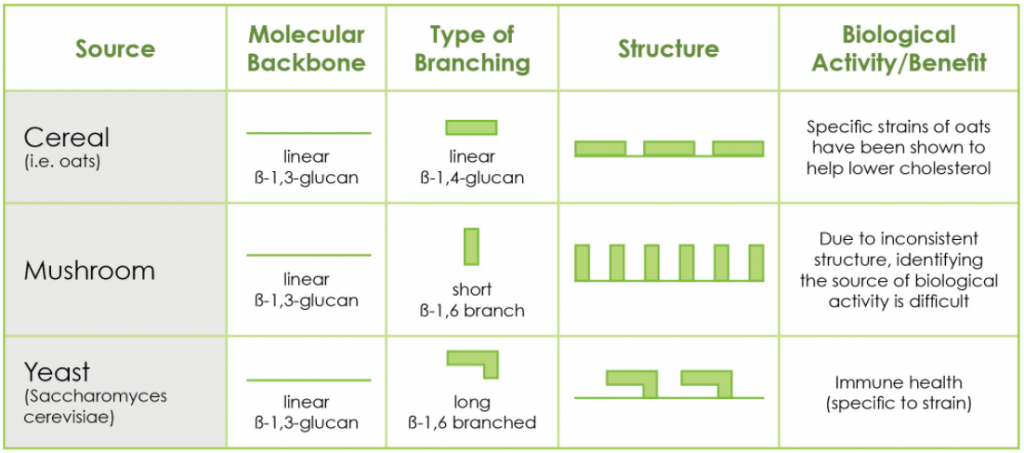
Innate immune training and yeast beta glucan
Experts in the field currently understand that yeast beta glucan modulates the immune system partially through a phenomenon referred to as innate immune training.13 Innate immune training is the term used to describe the priming of the innate immune system by some types of immunomodulators. This concept can be understood by comparing it with the more familiar concept of immune memory. Immune memory occurs when we are infected with or vaccinated against a pathogenic organism (eg measles or whooping cough). Our immune system recognizes the challenge and fights it off, making antibodies in the process. The cells that make these specific antibodies stay in the body long-term and will respond quickly to that same pathogen if it were to enter the body again, which typically prevents further symptomatic infections from that pathogen.

In contrast, the innate immune system works on a shorter time frame but can still be trained by that same encounter with the pathogen described above. Instead of “remembering” that specific pathogen for a lifetime, innate immune cells become primed for an extended period of time (months to a year), or ready to respond to the next threat (of any type) more effectively than when the cells were not primed. In this case, the pathogen would have modulated the immune system to be more effective at fighting off a specific pathogen. This training effect has been shown to have real impact on human health, for example reducing all-cause mortality in the first two years of life for infants vaccinated with the tuberculosis vaccine.14 Encouragingly, in the last decade it has been recognized that the innate immune system can also be trained by encountering compounds that are not from pathogenic organisms such as beta glucan from baker’s yeast.15,16 This means we could experience a similar training effect from consuming food instead of being infected by a pathogen.
Innate immune training could be compared to a recreational athlete training for a more intense event such as a marathon. Imagine you are the athlete. You don’t know specifically what kind of weather and race conditions you will encounter on the day of the race but you have a set of skills that will get you through the race (running pace, mental strength, breathing techniques, etc.). You can prepare yourself to use these skills most effectively on the day of the race by training generally to run the distance in varied weather or terrain conditions. The goal of the regular training is to ready (prime) all your skills to perform at your best and complete the race to the best of your ability no matter what race conditions you encounter (challenge).
Ways yeast beta glucans can act as immunomodulators
Immune training by certain yeast beta glucans works in a similar way. The immune system cannot predict what the next challenge encountered will be, but when the innate immune system is trained by yeast beta glucan, innate immune cells are primed to activate the defense skills they possess (similar to run pacing, mental strength and breathing techniques for the athlete) more efficiently in order to combat the threat. Think of primed cells as ready for action but not yet acting in the absence of a threat.
There are a plethora of scientific studies describing the effects of yeast beta glucan on the immune system. A few highlights include studies reporting
-
- increased potential for producing the innate immune system’s chemical weapons (reactive oxygen species)17
- increased capacity to produce cytokines important for an effective immune response15,18
- increased speed and directionality of innate cells migrating toward a pathogenic challenge19-21
- enhanced engulfment ability (phagocytosis) of foreign challenges22
- reversal of experimentally-induced immune suppression23
- enhancing the body’s ability to make more innate immune cells.24
This increased readiness of multiple immune defense functions likely results in the effects observed in numerous clinical trials, showing improved outcomes in upper respiratory tract infections, an indicator of immune system efficacy. 25
Constant research is being done to understand the mechanisms of action of immunomodulators, so expect to see more studies in the future describing how these components of food can support immune health.
Probiotic is a popular term that is increasingly used to describe food products and dietary supplements. But what is a probiotic exactly? And how do probiotics work?
Probiotics were defined by the World Health Organisation as live microorganisms that when applied in sufficient amounts confer a health benefit on the host. The probiotic definition is intentionally broad because it is intended to cover the use of probiotics on different body sites and for different health conditions. Yet, in all applications, the term probiotic should only be used to describe the presence of living microorganisms that have been proven to result in a health benefit. Those microorganisms should be defined at the strain level and have genome sequences which are known.
What do Probiotics do?
Human studies have shown that probiotics can be useful for improving and sustaining health in a number of ways. Strong evidence for probiotic use is available for the prevention and management of digestive disorders and infectious and antibiotic-associated diarrhoea. Beyond the digestive tract, probiotics may lower the frequency and duration of upper respiratory infections, diminish weight gain and insulin resistance, and reduce feelings of depression and anxiety.
With this broad array of beneficial health outcomes, it is reasonable to ask how this could be possible. How could the exposure to certain microorganisms as probiotics result in benefiting our health in so many ways? The answer to this question lies within our own microbiome. Our bodies are home to trillions of microorganisms that reside on the skin, mouth, digestive tract, and many other body sites. Also known as the human microbiome, these microorganisms are increasingly understood for affecting metabolism as well as our immune and nervous systems.
The presence of certain microorganisms in our microbiome are known to be good for us, while others are either associated with or known to cause harm. For example, some beneficial intestinal microorganisms can breakdown fibres that are otherwise non-digestible and convert them into short chain fatty acids that can be used by our colonic tissues for energy and also prime the immune system towards a healthy equilibrium. Other microorganisms that are more associated with harm, produce endotoxin, a compound that causes inflammation.
So with this in mind, it may be expected that certain microorganisms consumed or applied as probiotics can have significant effects on our body and that some microorganisms are more suited to be better for us than others. Even though there are far fewer microorganisms in probiotic foods or dietary supplements than the number of microorganisms in our microbiome, probiotics can cause a measurable response and potentially a lasting change at their site of action.
How do Probiotics Work in the Body?
You might be wondering what happens in your body when you use a probiotic, and how they actually generate a health benefit. Probiotics can improve health through any of several specific mechanisms:
-
- Interact with other microorganisms in our microbiome
- Stimulate growth of beneficial bacteria in our microbiome
- Inhibit growth of harmful bacteria in our microbiome
- Interact directly with our body’s organs, such as the intestine
- Produce compounds that reduce inflammation or alleviate leaky gut
- Modulate our immune system
One way some probiotics work is through modulating our microbiome. Probiotics can affect the growth and activity of bacteria in our microbiome to change what they make and do. Studies have shown that these changes are possible even when the probiotic does not colonise for long periods of time. The consequences of probiotic-induced alterations to the human microbiome may be to then change how the microbiome affects organ function. For example, some probiotic strains of Bifiobacterium and Lactobacilus make antimicrobial compounds and organic acids that inhibit, endotoxin containing, potentially harmful bacteria in the intestine. Reductions in the numbers of those harmful bacteria results in reduced inflammation and disruptions to barrier integrity. This mechanism is indirect because probiotic efficacy is dependent on the resident microbiome at that particular body site.
Alternatively, probiotics and the secreted metabolites and other compounds that they make are also directly recognised by immune, endocrine, and epithelial cells. Once recognised, a series of downstream events are activated, such as the reduction of inflammatory responses or alleviation of a leaky gut. Just as for probiotic induced changes to the gut microbiome, these direct effects of probiotics may result in sustained changes at local site where they are applied (for example, the digestive tract) as well as other sites on the body.
Importantly, any single probiotic is not expected to be universally efficacious for all conditions. Microorganisms are genetically diverse and even different strains of the same species can cause a variety of non-overlapping, physiological responses. For example, different strains of the species Lactiplantibacillus plantarum (formerly known as Lactobacillus plantarum) can elicit the production of cytokines over a physiologically-relevant range comparable to ranges observed for different bacterial species and genera.
Applications in Food and Beverages
Although it is currently yet not possible to predict which strains work best, research efforts are underway to understand exactly the specific features of probiotics that are necessary for the observed health outcomes. Whether a probiotic works directly on mucosal tissues or indirectly through modulation of the human microbiome, or some combination of both, knowledge on the molecular mechanisms of probiotic function will ultimately improve the probiotic selection process and guidelines for use. Until then, it is always a good idea to read the label of your probiotic products to find out which species and strains of those species are included.
When using probiotics in foods or beverages, the ability of the microbes you select to withstand different conditions can also be important to consider. Strains like Lactobacillus or Bifidobacterium species typically need to be refrigerated in order to remain alive. These microbes are therefore appropriate for products which will be refrigerated throughout their distribution and shelf life. These species unlikely to survive certain processing conditions like high temperature or acid environments. Endospore-forming strains can withstand a wider range of temperatures and pH ranges because of their hardy spore coat. These strains stay dormant until ideal conditions (e.g. water activity, pH, temperature) are met, similar to a seed for a plant. As a result, it’s important to consider the science, strain characteristics, and application you plan to use a probiotic in when working in foods and beverages.
Staying at home with minimal human contact can significantly increase our feelings of loneliness.
People of all ages may experience loneliness. However, older people, particularly those living alone, are especially vulnerable.
Loneliness and social isolation can negatively impact our mental and physical health (1), in part through adversely affecting behaviours like healthy eating and physical activity.
How Social Isolation Impacts Eating and Nutrition
Food and social interaction are deeply intertwined. Food is often shared and represents a way of connecting with others: eating together at mealtimes, cooking for loved ones or feasting together during celebrations.
Social distancing means that these social aspects of eating have been temporarily removed for people living alone. In addition, feelings of loneliness, reduced accessibility to food and changes to normal daily routines can pose nutritional challenges.

Research shows that social isolation and loneliness are associated with reduced appetite (2), lower food intake (3), reduced physical activity (4) and increased risk of under-nutrition among older people (5).
On the other hand, while under-consumption of food is more common in socially isolated older adults, some individuals may respond to isolation by using food as an emotional coping mechanism leading to overeating.
In addition to affecting how much we eat, isolation also appears to affect what we eat.
Socially isolated older adults consume fewer fruits and vegetables (4) and eating alone more frequently is associated with lower dietary variety (6).
Cooking for one may reduce the motivation to cook and enjoy a “proper meal” (7) and instead older adults may opt for quick, nutritionally incomplete meals like tea and toast.

Mitigating the Impact of Isolation on Health
It is imperative that we engage in healthy behaviours to mitigate the harmful effects of the physical inactivity and isolation that can accompany staying at home.
Eating well, particularly in combination with physical activity, can prevent malnutrition and nutrient deficiencies, improve our feelings of well-being, help preserve muscle mass, strength and mobility, promote gut health, support the immune system and lower the risk chronic illnesses and infectious diseases (8).
Tips for Eating Well During Social Isolation
1. Take steps to combat loneliness to help prevent the adverse effects on appetite and food intake.
- Connect virtually – make frequent telephone or video calls to family and friends
- Structure your day and your sleeping habits – having a daily routine can provide a sense or normality and control
- Keep busy – brainstorm tasks and activities you can do from home (exercising, gardening, reading, cleaning, crosswords etc.)
2. Maintain good eating habits
- Keep a regular meal pattern – this can provide structure to your day and can help to create awareness around how much and what you are eating
- Plan meals ahead of time, and try to include high protein foods, whole grains, fruits, and vegetables at each meal
- Mix it up – try to eat a variety of different food rather than sticking to the same meals each day
3. Stay motivated when cooking for one
- Have a virtual lunch or dinner date with a friend or family member

- Bulk cook easy-to-prepare, one-pot dishes like curries, stews and soups when you’re feeling energetic. Freeze individual portions for days when you don’t feel motivated to cook.
- Keep a well-stocked food cupboard so that you always have some ingredients to hand to make a simple meal
4. Check in with your appetite and your food intake
- If you find your appetite is lower than normal and / or you are unintentionally losing weight, try eating small, nourishing snacks frequently (e.g. high protein drinks, yogurts, crackers and cheese, or dried fruit and nuts) and add extra calories to meals (e.g. add milk, skimmed milk powder or cream to soups and mashed potatoes, or use full fat dairy products)
- Include physical activity in your day
- Speak to your doctor if you are worried or continue to lose weight
Adapting these Strategies to Improve Nutrition of Older Adults
For companies looking to adapt dietary strategies to improve nutrition of older adults, finding ways to increase dietary variety, nutritional density for smaller appetites, and frequent engagement can be key for success.

Sue McVie, who was Managing Director of Oakhouse Foods, outlined some ways she sees companies can bring the strategies from this article to life.
“Loneliness is a significant issue amongst the elderly consumer and can result in loss of appetite and poor nutrition.
From a nutritional perspective, we know that our customers’ appetites can be small. Some strategies that can be used to help maintain nutritional balance include more frequent, smaller portions like ‘mini-meals’ and ‘lighter bites’, as well as making sure there is a diverse range of foods offered to encourage dietary variety.”