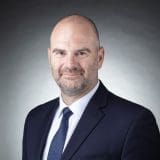
 Professor Carel le Roux graduated from medical school in Pretoria South Africa, completed his specialist training in metabolic medicine at St Bartholomew’s Hospitals and the Hammersmith Hospitals. He obtained his PhD from Imperial College London where he later took up a faculty position. Carel moved to University College Dublin (UCD) for the Chair in Chemical Pathology and Metabolic Medicine and he is now a Director of the Metabolic Medicine Group. Carel also holds the position of Professor of Metabolic Medicine at Ulster University.
Carel currently coordinates an Innovative Medicine Initiative project on obesity. He previously received a President of Ireland Young Researcher Award, Irish Research Council Laurate Award, Clinician Scientist Award from the National Institute Health Research in the UK, and a Wellcome Trust Clinical Research Fellowship for his work on how the gut talks to the brain.
Professor Le Roux has published numerous high impact papers over the years that have influenced his field. In particular, his translational research on the understanding of the physiological role and pathological changes in appetite control and the impact of bariatric surgery on diabetes has been widely acknowledged. He has also been able to take up a variety of editorial positions of peer reviewed journals.
Working within the UCD Diabetes Complications Research Centre and the Section of Surgery and Surgical Specialities, the focus of his research is primarily concerned with increased mortality and morbidity associated with obesity and diabetes. A better mechanistic understanding of how the “gut talks to the brain” will allow safer and more effective treatments to be used in future. To this end the role of gut hormones, bile acids and changes in food preference are areas of interest.