It is estimated that the world’s population will reach 10 billion in the year 2060 1. Furthermore, with as much as 40% of food lost or wasted from production to consumption, a major inefficiency persists in global food systems — despite nearly one in three people experiencing food insecurity 2.
Food sits at the centre of a defining global challenge: nourishing a growing population while addressing the accelerating degradation of our planet’s ecosystems. Ensuring universal access to healthy, nutritious food is essential, yet it must be achieved within the limits of the planet’s natural resources. Therefore, urgent shifts are needed in how food is produced and consumed to support both people and the planet.
Protecting our oceans, forests, species, and soils safeguards our natural resources and can support a world of sustainable nutrition. Across industry, sustainability reporting has risen markedly, almost tripling within a few years 3. This trend signals stronger organisational commitment and heightened recognition that sustainability must be central to business strategy. As a result, attention to sustainable nutrition has also grown substantially.
In 2015, all UN Member States adopted the UN Sustainable Development Goals (Figure 1) 4, which serve as a roadmap for sustainability goals companies are adopting around the world. The good news is that, as of 2024, 530 policies related to sustainable consumption and production were reported across 71 countries — a 6% increase from 2023 3.
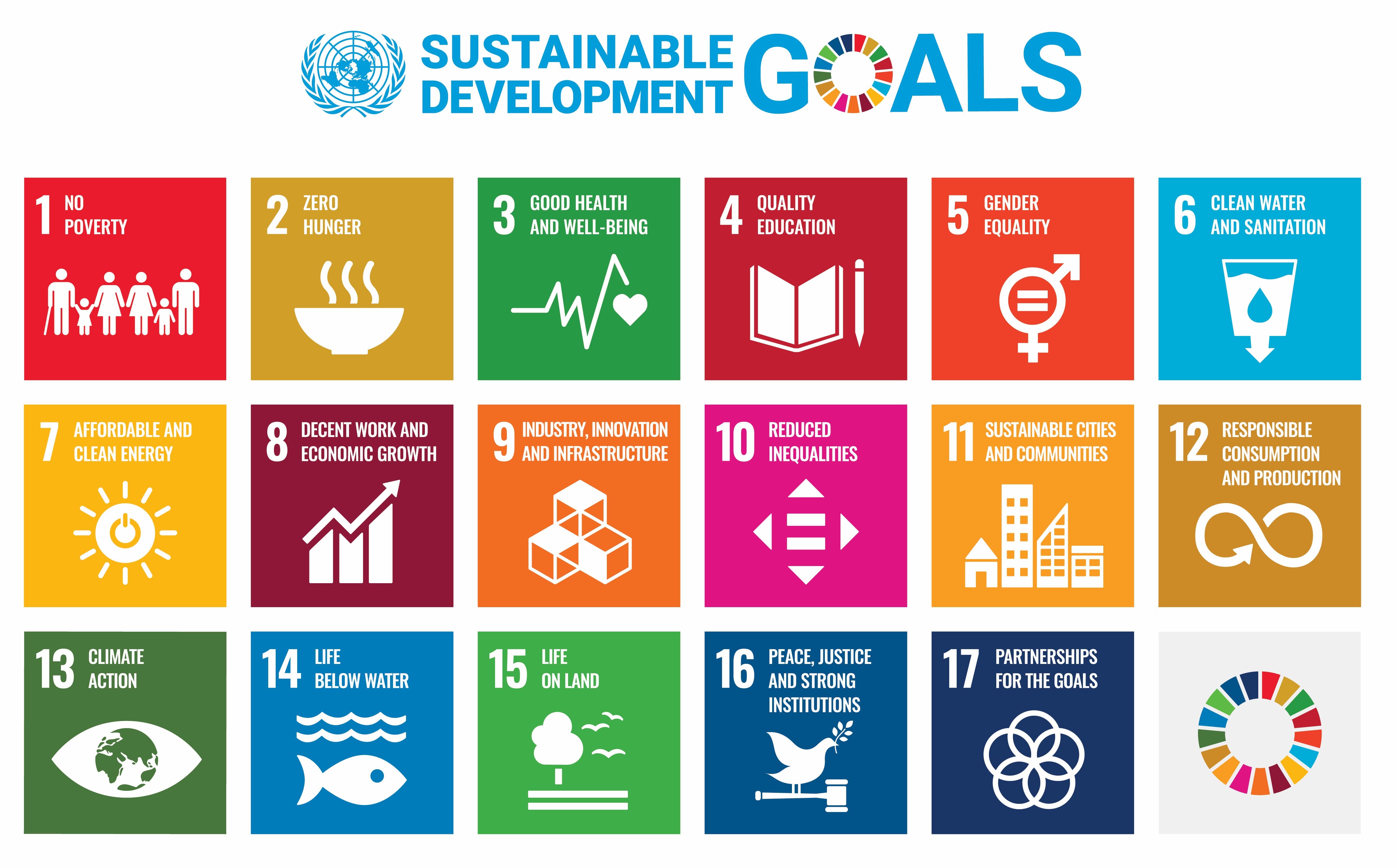
Figure 1. UN Sustainable Development Goals
What is Sustainable Nutrition?
Although ‘sustainability’ is a term without a universally accepted definition; the Brundtland Commission defined a ‘sustainable food system’ as a food system that meets the needs of the present without compromising the ability of future generations to meet their needs 5.
Sustainable nutrition encompasses interconnected elements of the food system ensuring diets support both people and the planet. Seven food system metrics were developed to assess ‘sustainable nutrition security’ 6. The chosen metrics were:
-
- Food nutrient adequacy
- Ecosystem stability
- Food affordability and availability
- Sociocultural wellbeing
- Supply chain Resilience
- Food safety
- Waste and loss reduction
These metrics were identified as essential indicators of food‑system performance, spanning human health impacts and the social, economic, and environmental pillars of sustainability.
More recently, the concept of sustainable nutrition was described as encompassing optimal and health-promoting diets while ensuring cultural acceptability, easy accessibility, along with lowering environmental impacts throughout the food system 7. Because of its complex nature, sustainable nutrition requires a holistic view to interpret all the critical elements along the food chain, from production contexts and impacts to such consequences of food consumption involving nutrient provision, health benefits, and dietary preferences 8.

How can Sustainable Nutrition be Achieved?
Sustainable nutrition, food consumption and production must combine all dimensions of sustainability to avoid unintended consequences to public health, the planet, and/or societies.
Progressing toward sustainable food systems requires coordinated action across the entire value chain — from production and processing to consumption and waste management. This encompasses shifting to healthier, lower‑impact diets, adopting more resource‑efficient and climate‑smart production practices, reducing food loss and waste, advancing circular approaches, ensuring equitable access to nutritious food, and strengthening innovation and collaboration across the value chain.
Industry momentum around sustainable nutrition is accelerating. Companies are innovating with lower‑impact ingredients, expanding sustainability reporting, aligning with global frameworks, reducing food waste especially by ways of upcycling, and investing in circularity and regenerative practices. Health, sustainability, and transparency are increasingly shaping product development, innovation, and long‑term business strategy across the food system.
To read about Sustainable Diets, click: Embedding Sustainable Nutrition into Dietary Guidelines
Conclusion
Achieving sustainable nutrition will depend on successful coordinated actions across sectors. Industry innovation, scientific insights, and cross‑sector collaboration will be essential to drive this transition. Ultimately, sustainable nutrition is about creating food systems that nourish people and protect the planet — ensuring that healthy diets are available, accessible, and environmentally responsible for generations to come.
Contributor:
Aisling Aherne, PhD RNutr FAfN FIFST CSci
Senior Nutrition Scientist
 Aisling has over 25 years of experience working in nutritional science including scientific research, clinical nutrition, science communications, and nutritional science & regulations. Her current role involves regularly adding content to the KHNI website as well as organising KHNI webinars. Additionally, Aisling will continually look for opportunities where the KHNI can participate at external events.
-
References
- Worldometer (2026) World Population Projections. https://www.worldometers.info/world-population/world-population-projections/
- Goodwin L, Lipinski B. (2024) How Much Food Does the World Really Waste? What We Know – and What We Don’t. World Resources Institute. https://www.wri.org/insights/how-much-food-does-the-world-waste#:~:text=Around%20one%2Dthird%20of%20all,spot%20in%20global%20food%20systems.
- United Nations (2026) UN Sustainable Development Goals. Goal 12: Ensure sustainable consumption and production patterns. https://www.un.org/sustainabledevelopment/sustainable-consumption-production/
- United Nations (2026) The Sustainable Development Goals – United Nations Sustainable Development
- Finley JW, Dimick D, Marshall E, et al. (2017) Nutritional Sustainability: Aligning Priorities in Nutrition and Public Health with Agricultural Production. Adv Nutr 8: 780-788. doi: 3945/an.116.013995
- Gustafson D, Gutman A, Leet W, et al. (2016) Seven Food System Metrics of Sustainable Nutrition Security. Sustainability 8: 196-212. doi : 3390/su8030196
- Gibas-Dorna M, Żukiewicz-Sobczak W. (2024) Sustainable Nutrition and Human Health as Part of Sustainable Development. Nutrients 16:225-228. doi: 3390/nu16020225
- Aleta A, Brighenti F, Jolliet O, et al. (2022) A Need for a Paradigm Shift in Healthy Nutrition Research. Front Nutr 19: 881465-881473. doi: 3389/fnut.2022.881465