In recent years, the importance of ensuring that the food we eat is sustainably sourced and nutritionally complete has been to the forefront for consumers and policy makers alike. Many governments globally have begun to incorporate sustainability into their country’s food based dietary guidelines (FBDGs). They wish to ensure that the food that they recommend benefits the health of their public and the planet.
By following a sustainable diet, the general population can meet their nutritional requirements; whilst also adhering to the environmental impact concerns that we currently face today.
What is a Sustainable Diet?
A sustainable diet as described by the Food and Agriculture Organization of the United Nations – is a dietary pattern that promotes all dimensions of health and wellbeing; has a low environmental impact; is accessible, affordable, safe and equitable; and is culturally acceptable.
In essence, a sustainable diet is one that is nutritionally complete and that accounts for the environmental and cultural context of food consumption 1,2. This definition of sustainable diets is in line with the United Nations Sustainable Development goals (SDGs). The SDGs ensure that we promote prosperity whilst also protecting the planet.
As we move forward towards a more sustainable way of producing food, it is very important for food manufacturers and consumers to be mindful of the role that sustainable FBDGs play in the future of food production and consumption.
How to Make Diets More Sustainable?
Many countries have started to incorporate sustainability aspects in their FBDGs. Some have more robust guidelines than others, however it is encouraging to see that year on year there are more countries taking ownership of sustainable diets by involving their national governments. In the current FBDGs set out by several countries, there are many overlapping topics, such as: biodiversity, reduction of food waste and incorporating more plants into the diet 3,4.
At the 2024 Federation of European Nutrition Societies conference (FENS) in Serbia, several member countries presented how sustainability is incorporated into their FBDGs and how the messages were rolled out to the nationally. They discussed their campaigns, how the projects were communicated to the public and some of the key themes. For instance, Denmark and Flanders in Belgium highlighted key messages discussing the importance of eating plant rich foods, increasing vegetable consumption, decreasing meat consumption, choosing wholegrains, choosing plant oil, reducing sweet/salty and fatty foods, quenching thirst with water and choosing sustainably sourced foods 5.
The Italian government has created a dedicated sustainability chapter in their FBDGs that discusses aspects such as packaging, socio-economic sustainability and myth busting of mis-interpreted statements related to sustainability 6.
Several organisations have commented on how important it is that the principles of sustainability are led by experts in the field. By correctly establishing these requirements in relation to public health, national governments can guarantee adherence to policy and feel confident that they can begin to transform their current food systems 7,8.
What can Consumers Do?
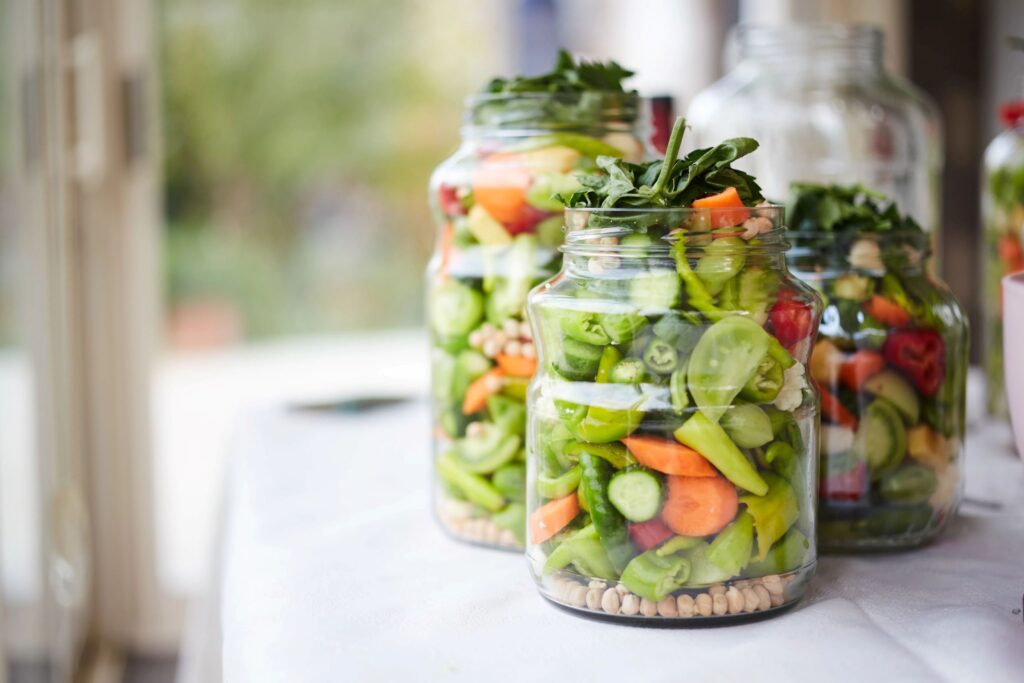
In addition to FBDGs, consumers can adopt approaches to eat in a more sustainable way. Variety in the diet is important to ensure adequate nutrient consumption and fuelling the body with enough energy. Boosting variety can be accomplished by incorporating more fruit, vegetables, and plant-based sources.
Although it may be it is easier for the body to absorb nutrients from meats, there are ways that to improve nutrient absorption from plant-based foods. For example, having a source of vitamin C (such as a glass of fresh orange juice with a meal) can assist with the absorption of iron. For more detail, click: Nutrition for Plant-based Diets: Managing Nutrient Intake and Bioavailability
In addition to increased diversity in the diet, another focus should be reducing the amounts of high fat, salt and/or sugar-containing foods in the diet. This is effective to reduce carbon production as the production of these foods contribute to greenhouse gas emissions along with high water consumption 9,10.
Food waste also contributes a large component to climate change with approximately one third of food produced each year being wasted prior to consumption 11. This is why it is important to minimise food waste where we can by only purchasing what we are going to consume, eating seasonally and understanding the difference between ‘use by’ and ‘best before’ dates 12,13.
Conclusion
As we move toward transforming how food is consumed and produced, achieving a sustainable food system must be considered. Many countries are including sustainable nutrition recommendations as part of their FBDGs to encourage their population to reflect on the environmental impact as well as the health impact of their food choices.
Many governments globally have stressed the importance of consumer buy-in to ensure the effective implementation of these guidelines. Sustainability is a key word for the public to be aware of and by strengthening their understanding of this, it will be easier to integrate environmental recommendations into public health legislation and policy.
Contributor:
Hilary McCahill, BSc RD
Food Safety and Quality - Kerry
 Hilary McCahill is a registered dietitian fascinated with food safety, quality, and sustainable nutrition. She has a qualification in human nutrition and dietetics and is registered in both Ireland and the UK. She is passionate about high quality food production and using nutrition communication effectively to breakdown scientific findings (to ensure they are accessible to all).
-
References
- British Dietetic Association. Sustainable diets [Internet]. 2018 [cited 2023 Dec 14]. Available from: Sustainable diets (bda.uk.com)
- Gonzalez Fischer C, Garnett T. Plates, pyramids and planets. Developments in national healthy and sustainable dietary guidelines: a state of play assessment [Internet]. 2016 [cited 2023 Dec 14] Available from: http://www.fao.org/3/a-i5640e.pdf
- James-Martin G, Baird DL, Hendrie GA, Bogard J, Anastasiou K, Brooker PG, et al. Environmental sustainability in national food-based dietary guidelines: A global review. The Lancet Planetary Health. 2022;6(12). doi:10.1016/s2542-5196(22)00246-7
- Food and Agriculture Organisations of the United Nations. Dietary guidelines and Sustainability [Internet]. 2023 [cited 2023 Dec 14]. Available from: https://www.fao.org/nutrition/education/food-dietary-guidelines/background/sustainable-dietary-guidelines/en/
- Positive communication for more sustainable eating by Jovanka Vis, Netherlands Nutrition Centre Iben Humble Kristensen, The Danish Veterinary and Food Administration, Loes Neven, Flemish Institute for Healthy Living
- Rossi L, Ferrari M, Ghiselli A. The alignment of recommendations of dietary guidelines with Sustainability Aspects: Lessons learned from Italy’s example and proposals for future development. Nutrients. 2023;15(3):542. doi:10.3390/nu15030542
- Safefood. Vol. 1, Building ‘sustainability’ into national healthy eating guidelines Review of international practice and practical implications for policy. Safefood; 2023 p. 1–8.
- Directorate-General for Research and Innovation (European Commission) PO of the EU. Food 2030 pathways for action [Internet]. Publications Office of the European Union; 2020 [cited 2023 Dec 14]. Available from: https://op.europa.eu/en/publication-detail/-/publication/
- British Nutrition Foundation. Adherence to government’s Eatwell guide key to more sustainable diets [Internet]. 2021 [cited 2023 Dec 14]. Available from: https://www.nutrition.org.uk/news/2021/adherence-to-government-s-eatwell-guide-key-to-more-sustainable-diets/
- British Dietetic Association. One blue dot – sustainable diets [Internet]. 2018 [cited 2023 Dec 14]. Available from: https://www.bda.uk.com/news-campaigns/campaigns/one-blue-dot.html
- World Food Programme. 5 facts about food waste and hunger: World Food Programme [Internet]. 2020 [cited 2023 Dec 14]. Available from: https://www.wfp.org/stories/5-facts-about-food-waste-and-hunger
- The European Food Information Council. How to reduce food waste at home [Internet]. 2021 [cited 2023 Dec 14]. Available from: https://www.eufic.org/en/food-safety/article/how-to-reduce-food-waste-at-home
- The European Food Information Council. Best before, use by and sell by dates explained [Internet]. 2021 [cited 2023 Dec 14]. Available from: https://www.eufic.org/en/food-safety/article/best-before-use-by-and-sell-by-dates-explained