The distinction between lifespan, defined as total years lived, and healthspan, defined as years lived in good health and functional independence, has emerged as a central framework for understanding global ageing. Advances in sanitation, infectious disease control, and acute medical care have substantially increased life expectancy worldwide. However, these gains have been accompanied by a growing burden of chronic disease, frailty, and functional decline, resulting in a widening gap between lifespan and healthspan 1.
This healthspan–lifespan gap reflects the global rise in non-communicable diseases (NCDs), including obesity, type 2 diabetes, cardiovascular disease, and neurodegenerative disorders. These conditions reduce quality of life, increase healthcare expenditures, and limit economic productivity. The burden of this gap is distributed unevenly across regions, reflecting differences in developmental history, nutritional status, and health system capacity 2.
Recent therapeutic advances, particularly GLP-1 receptor agonists (GLP-1 RAs), represent a major breakthrough in the treatment of metabolic disease 3. However, their effectiveness depends not only on biological efficacy but also on affordability, accessibility, and underlying nutritional conditions. At the same time, the drivers of disease—and therefore the strategies required for prevention—differ substantially across income settings 4. Nutrition, therefore, occupies a central position at the intersection of treatment, prevention, and economic development.
Drivers of NCDs Across Economic Contexts
A central paradox in global health is that clinical management of major NCDs has become increasingly standardised worldwide, yet the underlying causes of these conditions differ substantially across levels of economic development. While pharmacological treatments such as GLP-1 RAs act on conserved biological pathways, disease risk is shaped by developmental, nutritional, and environmental exposures that vary across populations 5.
In high-income countries, metabolic disease is driven primarily by long-term exposure to unhealthy food environments, sedentary lifestyles, and population ageing. In middle- and low-income countries, however, metabolic disease risk is strongly influenced by early-life undernutrition, including foetal growth restriction and childhood stunting. These developmental constraints permanently impair metabolic capacity, increasing vulnerability to obesity, diabetes, and cardiovascular disease later in life 6,7.
Importantly, early-life undernutrition also impairs cognitive development, physical capacity, and long-term productivity, thereby contributing to intergenerational cycles of poverty, disease, and reduced economic growth. These differences demonstrate that while treatment mechanisms may be biologically universal, the developmental origins of disease—and, therefore, prevention strategies—must be fundamentally differentiated across economic contexts 8.
How Nutrition Shapes Therapeutic Outcomes
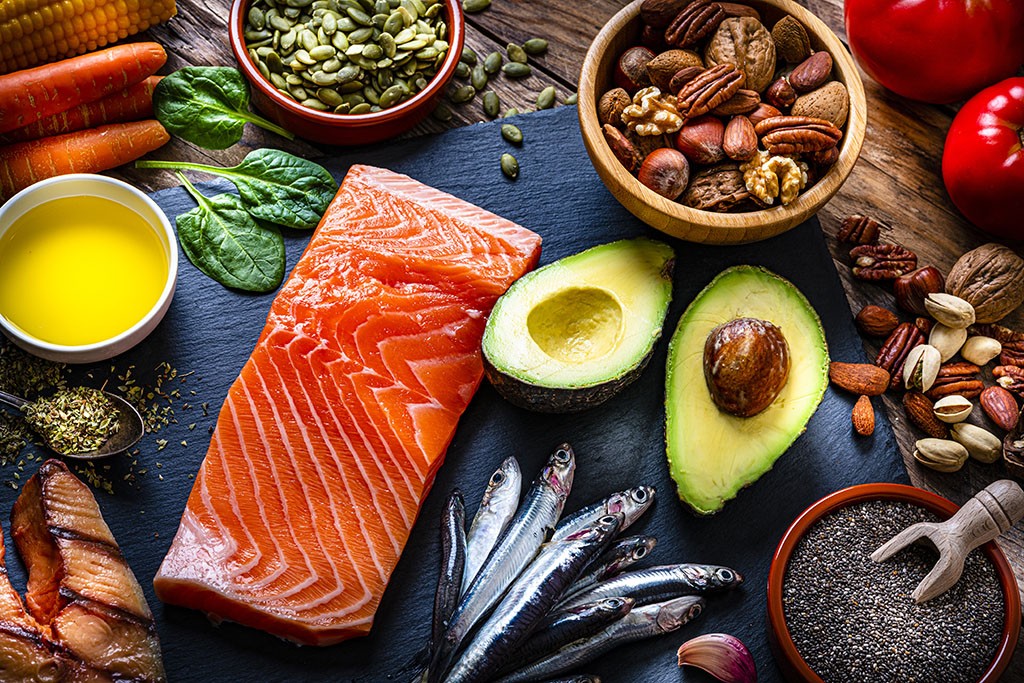
Pharmacological treatment of obesity and type 2 diabetes follows broadly similar clinical principles worldwide. GLP-1 RAs improve metabolic health through appetite regulation, improved insulin sensitivity, and reductions in cardiometabolic risk. However, treatment effectiveness depends strongly on nutritional status and dietary quality. GLP-1-induced weight loss frequently includes reductions in lean body mass, particularly in older adults and nutritionally vulnerable populations. Without adequate protein intake and micronutrient sufficiency, treatment may accelerate sarcopenia and functional decline 9.
Although pharmacological treatment is biologically universal, access to both treatment and adequate nutrition vary substantially across income settings 10. In high-income countries, access is constrained primarily by cost and lack of insurance coverage. In middle-income countries, access is limited by both affordability and health system capacity. In low-income countries, access remains severely restricted due to structural economic constraints, nutrition conditions, and competing health priorities.
How Nutrition Shapes NCD Prevention Across Economic Contexts
In high-income countries, prevention focuses primarily on reducing chronic exposure to unhealthy food environments that promote sustained positive energy balance, obesity, and metabolic dysfunction. Nutritional prevention strategies emphasise increased consumption of nutrient-dense foods, dietary fibre, and high-quality protein, alongside structural interventions such as food system reform, improved urban design, and promotion of physical activity. Because early-life undernutrition is uncommon, NCD prevention focuses primarily on mitigating the cumulative effects of excess energy intake and preserving physiological function across the lifespan 11.
In middle-income countries, prevention must address the co-existence of early-life undernutrition and adult overnutrition. Childhood stunting and foetal growth restriction permanently alter metabolism, body composition, and insulin sensitivity, increasing susceptibility to metabolic disease later in life. These developmental adaptations result in earlier disease onset and greater disease severity. NCD prevention, therefore, requires a life-course approach that simultaneously protects early-life nutrition and improves adult dietary quality through increased access to nutrient-dense foods and reduced reliance on foods high in fat, salt and/or sugar 5.
In low-income countries, NCD prevention begins with addressing persistent undernutrition and micronutrient deficiencies. Early-life undernutrition impairs organ development, immune function, and metabolic capacity, increasing vulnerability to chronic disease later in life. These effects also impair cognitive development and reduce economic productivity. Prevention strategies must therefore prioritise adequate nutrition during pregnancy, infancy, and childhood, alongside food fortification, supplementation, and improved dietary diversity. These interventions improve both immediate health outcomes and long-term metabolic resilience 12.
Affordability Shapes Both Treatment and Prevention
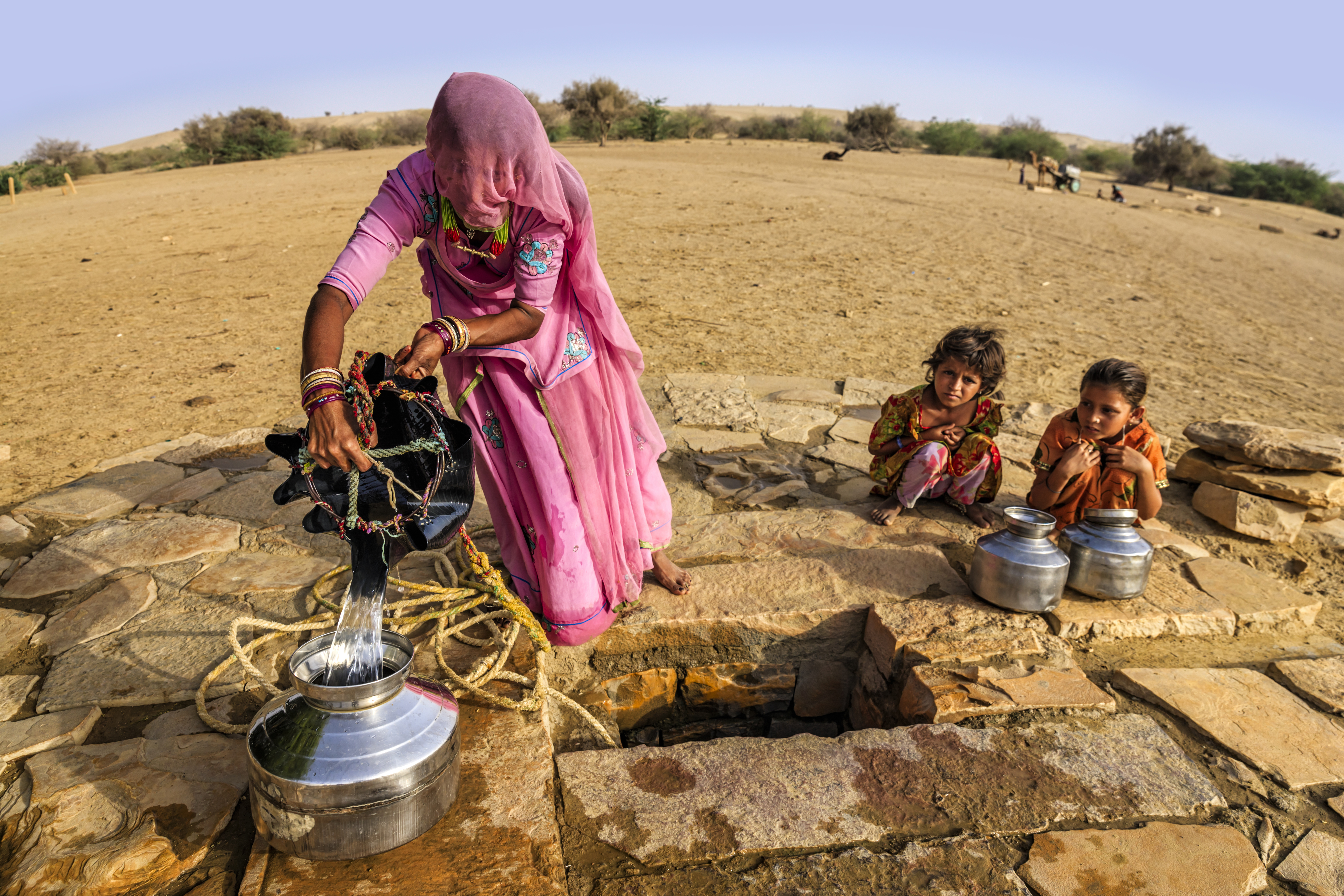
Affordability represents a fundamental determinant of both treatment implementation and prevention effectiveness. In high-income countries, healthier dietary patterns are often more expensive than unhealthier alternatives, contributing to socioeconomic disparities in disease risk. In middle-income countries, affordability constraints limit access to both adequate early-life nutrition and healthy adult diets. In low-income countries, affordability remains the primary barrier to achieving nutritionally adequate diets. Improving the affordability of nutrient-dense foods represents one of the most cost-effective strategies for reducing disease burden and extending healthspan globally 13.
The biological mechanisms underlying metabolic disease and its treatment are broadly universal. However, treatment effectiveness is constrained by affordability, access, and nutritional infrastructure. In contrast, prevention strategies must differ fundamentally across income settings due to differences in developmental history, nutritional status, and metabolic capacity. Nutrition, therefore, serves as both a determinant of treatment effectiveness and a foundational driver of prevention.
Conclusions and Future Perspectives
Closing the global healthspan–lifespan gap requires aligning therapeutic innovation with nutritional equity and affordability. Pharmacological treatments such as GLP-1 RAs offer unprecedented opportunities to improve metabolic health. However, their long-term effectiveness depends on access, affordability, and integration with adequate nutritional support. NCD prevention strategies must address the developmental origins of disease, particularly the long-term effects of early-life undernutrition on metabolic capacity and human capital formation. Future efforts must integrate pharmacological innovation, nutritional policy, and economic reform to extend healthspan and improve global health outcomes.
Contributor:
Professor Martin Bloem
Professor of Environmental Health - John Hopkins Bloomberg School of Public Health
 Martin William Bloem is a public health professional and nutritionist with a distinguished career spanning various organizations worldwide. Currently, he is a Professor of Environmental Health at the Department of Environmental Health & Engineering and the Department of International Health at the Johns Hopkins Bloomberg School of Public Health in Baltimore, USA.
-
References
1 . Wang H, et al. (2020) Global age-sex-specific fertility, mortality, healthy life expectancy (HALE), and population estimates in 204 countries and territories, 1950-2019: a comprehensive demographic analysis for the Global Burden of Disease Study. The Lancet 396: 1160–1203. DOI: 10.1016/S0140-6736(20)30977-6.
2. Vos T, et al. (2020) Global burden of 369 diseases and injuries in 204 countries and territories, 1990–2019: a systematic analysis for the Global Burden of Disease Study 2019. The Lancet 396: 1204–1222. DOI: 10.1016/S0140-6736(20)30925-9.
3. Wilding JPH, et al. (2021) Once-Weekly Semaglutide in Adults with Overweight or Obesity. N Engl J Med 384: 989–1002. DOI: 10.1056/NEJMoa2032183.
4. WHO. (2023) WHO Council on the Economics of Health for All. Health for All – transforming economies to deliver what matters. (World Health Organization, Geneva).
5. Bloem M, Mehra D. (2026) Paradigm shifts in nutritional science: from energy and deficiency to sustainability and processing—an unfinished agenda of human development. Submitted for publication.
6. Swinburn BA, et al. (2019) The Global Syndemic of Obesity, Undernutrition, and Climate Change: The Lancet Commission report. The Lancet 393: 791–846 (2019). DOI: 10.1016/S0140-6736(18)32822-8.
7. World Bank (2018) The Human Capital Project. (World Bank, Washington, DC.).
8. Victora CG, et al. (2008) Maternal and child undernutrition: consequences for adult health and human capital. The Lancet 371: 340–357. DOI: 10.1016/S0140-6736(21)00394-9.
9. Mozaffarian D, et al. (2025) Nutritional priorities to support GLP-1 therapy for obesity: A joint advisory from the American College of Lifestyle Medicine, the American Society for Nutrition, the Obesity Medicine Association, and the Obesity Society. Obesity Pillars 15: 100181. DOI: 10.1016/j.obpill.2025.100181.
10. Moiz A, et al. (2025) The expanding role of GLP-1 receptor agonists: a narrative review of current evidence and future directions. eClinicalMedicine 86: 103363. DOI: 10.1016/j.eclinm.2025.103363.
11. Brauer M, et al. (2024) Global burden and strength of evidence for 88 risk factors in 204 countries and 811 subnational locations, 1990–2021: a systematic analysis for the Global Burden of Disease Study 2021. The Lancet 403: 2162–2203. DOI: 10.1016/S0140-6736(24)00933-4.
12. Victora CG, et al. (2021) Revisiting maternal and child undernutrition in low-income and middle-income countries: variable progress towards an unfinished agenda. The Lancet 397: 1388–1399. DOI: 10.1016/S0140-6736(21)00394-9.
13. Hirvonen K, et al. (2020) Affordability of the EAT-Lancet reference diet: a global analysis. Lancet Glob Health 8, e59–e66. DOI: 10.1016/S2214-109X(19)30447-4.