Dietary fibre has become an important functional ingredient in recent times due to growing consumer interest in the many health benefits of fibre touted by the scientific community (Anderson 2009).
Fibre has been recently defined by the FDA as “non-digestible soluble and insoluble carbohydrates (with three or more monomeric units) and lignin that are intrinsic and intact in plants; isolated or synthetic non-digestible carbohydrates (with three or more monomeric units) determined by the FDA to have physiological effects that are beneficial to human health.”
Here, the monomeric units refer to individual sugar molecules. Current food trends point strongly to dietary fibre due to its versatility as a food ingredient, connection with weight management and digestive wellness, and association with the concept of natural.
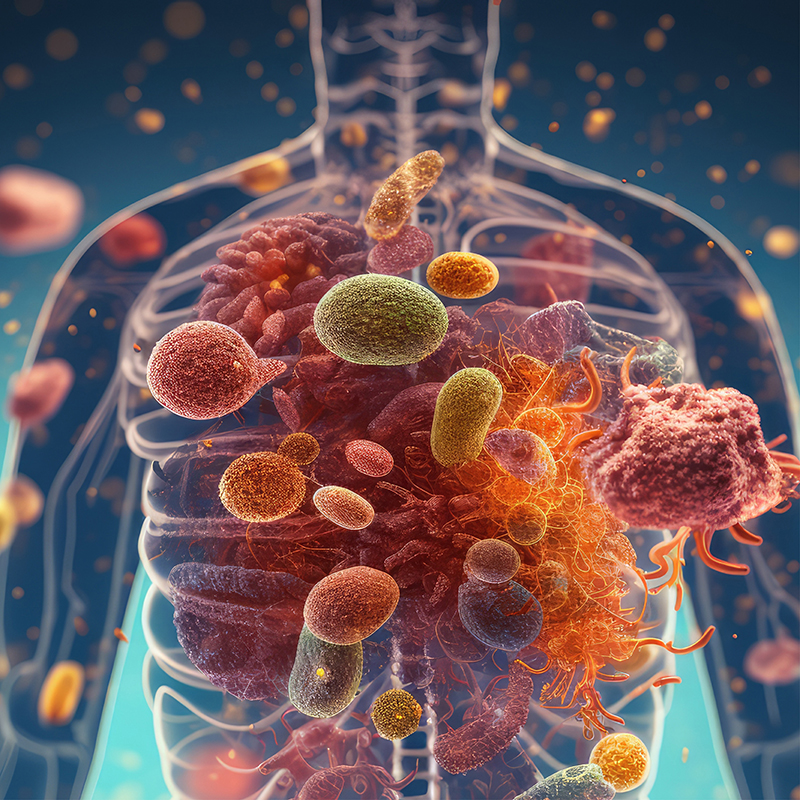
Fibres play an important role in gastrointestinal health, with new scientific findings into the effect the fibre on bowel movements, cardiovascular health, blood glucose metabolism, and the microbiome constantly adding to the growing evidence that fibre is a critical component to a healthy diet (Vuksan 2008, Pereira 2004, Giacco 2000, Maslowski 2011).

Sources of Fibres
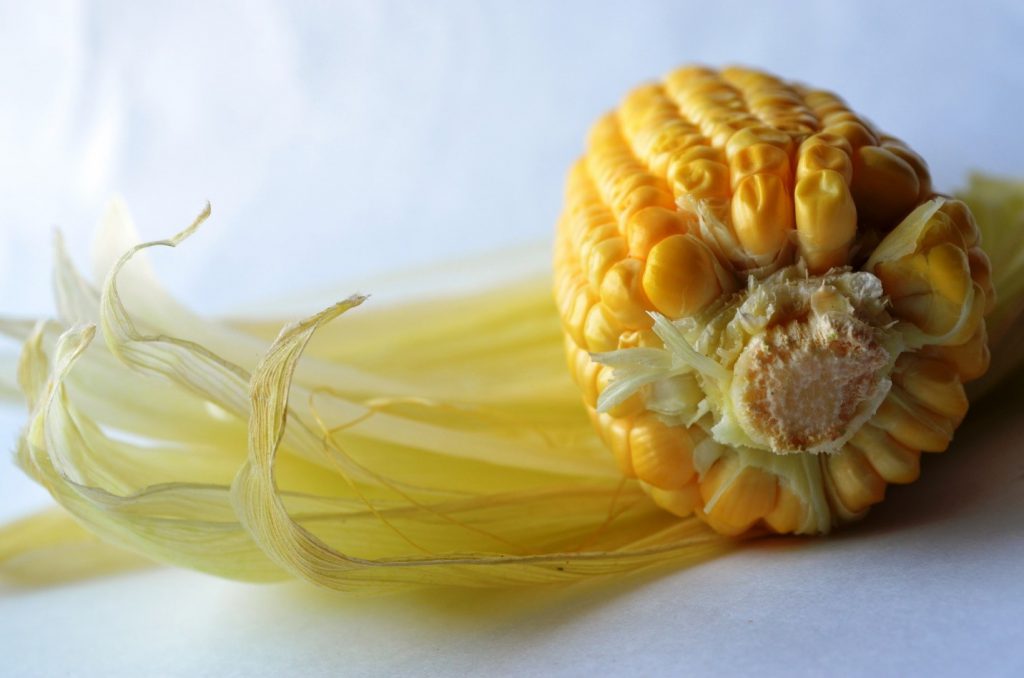
Dietary fibres are typically derived from the indigestible parts of plant materials and made up of long repeating chains of sugars. The most common fibres are from the exterior husk of cereals and grains, which contain the insoluble fibres cellulose and lignin.
Both cellulose and lignin are main components of most plants and can be found in the tough, fibrous materials of plant-based products. Plants use these fibres to protect themselves. Wood is an example of a material made from cellulose and lignin, but these fibres are also a main part of the skin of fruits and vegetables.
The edible interior of the seeds contains mostly digestible starch, with some fraction of resistant starch. These resistant starches are in a form that cannot be broken down by the starch-degrading enzymes released by the human intestines due to either being enclosed by other indigestible fibres or existing in a high-density crystalline form.
Unlike digestible starch, crystalline starch has no gaps for the enzymes to effectively bind. Beans also have similar fibre components as well as a large portion of raffinose, a simple three-sugar carbohydrate.
Some beans produce specialty fibre materials which are used as thickening agents in product formulation, such as locust bean gum and guar gum.
These gums are commonly used in gluten-free doughs for improve viscosity, as well as ice cream to enhance texture quality.
Fruits are an important source of lignin, as well as pectin, which is used as a gelling agent to produce jams, jellies, and marmalades.

Marine products are also a rich source of fibre ingredients. Carrageenan, agar, and alginic acid are all soluble fibres with gelling properties traditionally extracted from sea algae.
Chitin and chitosan are non-plant fibres both sourced from the hard shells of marine crustaceans such as crabs, lobsters, and shrimp.
Inulin, another important fibre used in the industry, is found abundantly in chicory root or Jerusalem artichoke. Xanthan gum, a thickening agent and stabilizer, is produced from simple sugars using a specific strain of bacteria.
Some dietary fibres are produced synthetically by chemically modifying starches to form another subclass of resistant starches. These synthetic resistant starches are either chemically linked together across sugar chains or modified at each individual sugar unit to generate food ingredients that cannot be readily broken down by human digestive enzymes.
Other fibres can be chemically or enzymatically modified to change their functional properties as food ingredients. For example, pectins can be reacted with either ammonia or hydrochloric acid to create semi-soluble fibres that gel at lower sugar concentrations than the parent molecule.
Dietary Fibre for Health
Dietary fibre is a nutrient most people know is beneficial but few people get enough of. Despite research consistently showing a variety of health benefits associated with fiber, less than 10% of people in the US meet dietary recommendations.
When it comes to health, fibres can have many different definitions. They can be categorized as water insoluble, water soluble, viscous, non-viscous, fermentable or prebiotic, to name a few.
The number of different categories speaks to the complexity of these ingredients. Each of these types of fibres can have different behaviours and benefits in our bodies, and the scientific community continues to reveal what these benefits are.
Here are some examples.
- Insoluble fibres, which do not dissolve in water, can serve as bulking agents for stool and contribute to regularity. These are the main fibres associated with digestive health. They are most often found in fruit and vegetable skins, whole wheat, seeds and nuts.
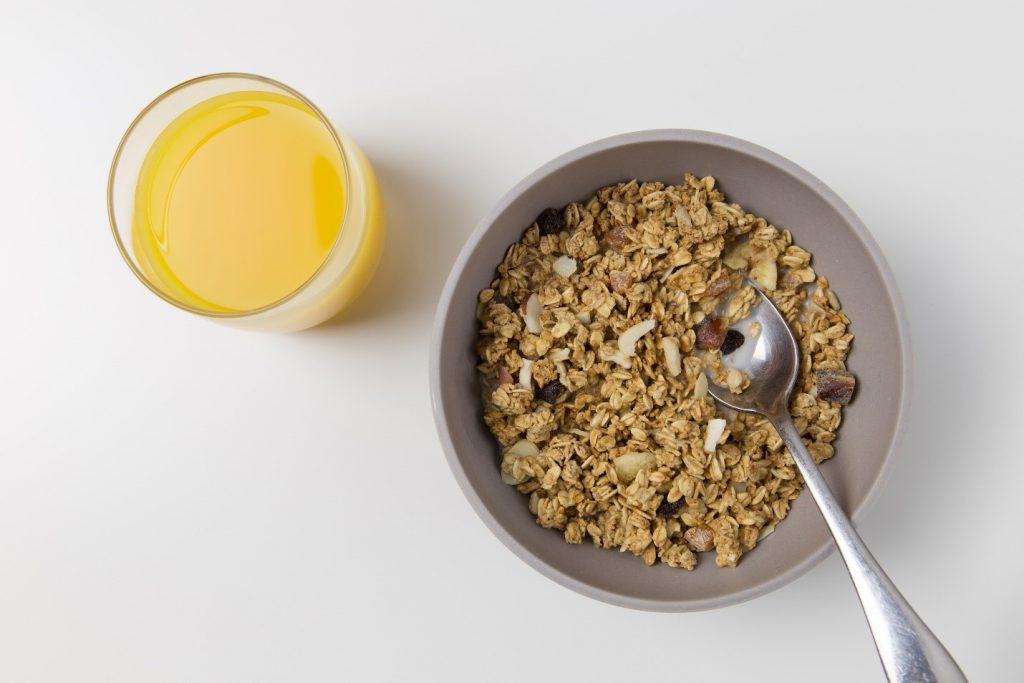
- Soluble fibres dissolve in water and are most known for their association with satiety, heart health, and blood sugar regulation. Studies have shown some soluble fibres can slow the rate food moves through our digestive tract, which can reduce the speed we absorb sugar and also make us feel full for longer. Fibres like beta glucan (mainly found in oats) have been shown to reduce LDL cholesterol, potentially reducing risk of heart disease. Oats, beans, flax seed, and some fruits and vegetables, such as apples, contain soluble fibre.
- Some fibres are also categorized as prebiotic, which means they provide beneficial bacteria in our colon with a source of energy. When these bacteria digest prebiotic fibres, they create metabolites like short chain fatty acids which can have a variety of beneficial effects. Inulin is a widely used prebiotic fibre. For more information on how prebiotic fibres work, read ‘Fiber and Prebiotics: Mechanisms and Health Benefits’ by Dr. Joanne Slavin.
Fibre as a Food Additive
While the health benefits of consuming dietary fibre are clear, consumer perceptions of fibre are still influenced by the sensory characteristics imparted by these ingredients. In particular, formulators are challenged to include fibre in food products while maintaining consumer acceptability for taste, texture, colour, and aroma.
Several challenges exist for product developers interested in incorporating more dietary fibres into food products. The physical and chemical behaviour of fibres create a natural constraint for the amount of fibre that can be added to any one product.
For example, acidic foods can cause some fibres to break down into simple sugars over time, which may result in a product that falls short of the regulatory requirements needed for health claims. Pectins, alginic acids, carrageenans, and guar gum all readily gel in the presence of calcium, which can pose problems when formulating with dairy or other high calcium products.
The taste and texture of a food product are also affected by fibre concentration, as many insoluble fibres can produce a gritty sensation when eaten. Some prebiotic fibres may cause bloating and discomfort due to the gas produced as a by-product of bacterial digestion.
Fibre and the Future
Designer fibres are increasingly becoming important functional ingredients for incorporating more fibre into food products while maintaining desirable healthful and sensory properties. Chitosan-coated konjac glucomannan is a hybrid fibre ingredient used to improve the viscosity of foods used for weight reduction (Woodgate 2003).
Resistant glucan and hydrogenated resistant glucan are newly developed soluble fibres composed of glucose that are being studied for their potential role in reducing incidence of metabolic syndrome, the cluster of conditions that contribute to lifestyle diseases (Nakamura 2016).
Several novel processes are currently in development to produce novel resistant starches.
Continued innovation in the dietary fibre space will require an understanding of consumer demand for functional food products balanced with the desire for great taste.