The human microbiome refers to the trillions of microorganisms that reside on the skin, mouth, digestive tract, and many other body sites. These microorganisms are increasingly understood to influence the body’s metabolism as well as immune and nervous systems.
Within the microbiome, there is the presence of microorganisms that either provide health benefits or are associated with or known to cause harm. For example, some beneficial intestinal microorganisms can breakdown fibres that are otherwise non-digestible and convert them into short chain fatty acids (SCFAs).
These fatty acids can be used by colonic tissues for energy and prime the immune system towards a healthy equilibrium. Other microorganisms that are more associated with harm, produce endotoxins, a compound that causes inflammation and other negative side effects.
Understanding the composition and balance of microbes residing in the human microbiome, as well as the resultant impacts on health, is rapidly expanding.
Gut-Brain Axis
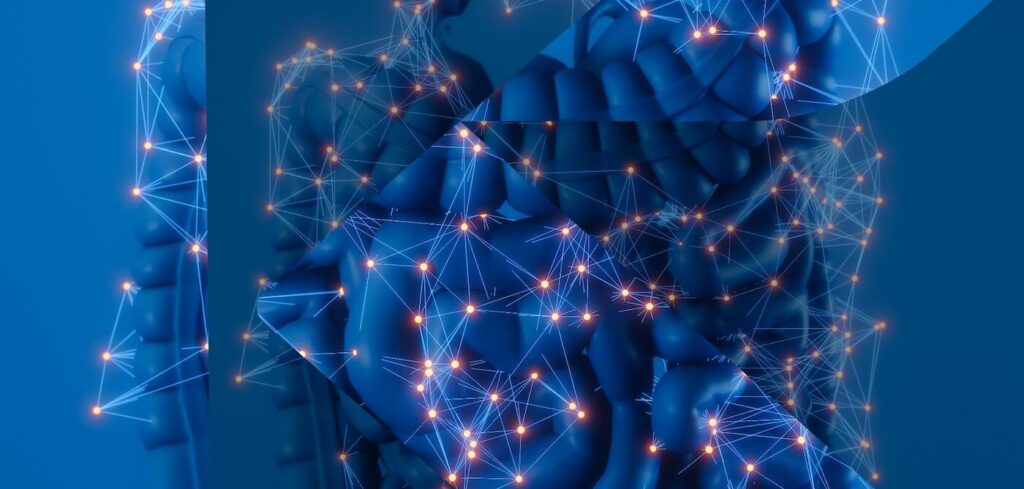
The gut-brain axis refers to the relationship between the gut and its associated ecosystem with the brain and nervous system. Specifically, the digestive system has a vast network of neurons lining the digestive tract, namely the enteric nervous system.
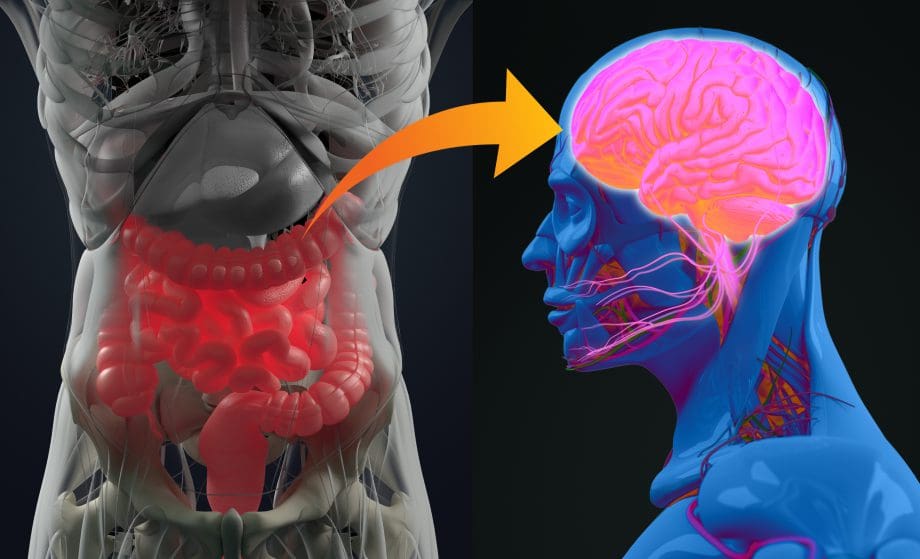
The term “second brain” refers to the enteric nervous system that operates semi‑independently and communicates closely with the brain, thus influencing mood, immunity, and digestion through its dense neural activity and neurotransmitter production.
Therefore the gut–brain axis not only manages digestion but also influences emotional health, with the gut generating most of the body’s serotonin — directly connecting gut function to mental wellbeing.
Research continues to link mental health, gut health, and the microbiome, yet the uncertainties still outweigh the answers. Growing research indicates that certain probiotic strains can modulate levels of the neurotransmitters serotonin and GABA, which are associated with relaxation, mood, depression, and anxiety.
Oral Microbiome
The oral microbiome is one of the most diverse and complex microbial communities in the human body, which reflects the wide range of nutrients and microorganisms that enter the mouth.
There are many factors affecting the oral microbial ecosystem including high sugar intake, smoking, certain medications, diabetes, genetics, age, hormonal changes, and even stress.
Oral bacteria are organised in complex structures known as biofilm, a three-dimensional ecosystem composed of a variety of microorganisms, extracellular polysaccharides, proteins, lipids and cell fragments.
Biofilm protects the oral cavity by preventing the penetration of harmful microbial agents.
Dental caries is a prevalent chronic infectious disease resulting from tooth-adherent bacteria that metabolise sugars to produce acid. Periodontal disease (gum disease) is primarily caused by harmful bacteria in dental plaque which, if not removed by brushing and flossing, irritates gums, leading to inflammation (gingivitis) and potentially progressing to tissue/bone destruction.
Endocarditis, diabetes, rheumatoid arthritis, and Alzheimer’s disease have been associated with periodontal disease.
Skin Microbiome

The microbiota on the skin is more diverse and subject to change over time than even the microbes in mucosal membranes (respiratory, digestive and urogenital tracts). Like the gastrointestinal system being protected by microbiota (friendly or ‘commensal’ microorganisms) so too is the epidermis (skin).
The skin’s dynamic bacterial ecosystem constantly changes and evolves so it can continue its role as a ‘skin barrier’, to keep harmful bacteria off the skin or out of the body.
Skin conditions can lead to more systemic conditions as is the case with Staphylococcal infections. Excess amounts of Staphylococcus aureus on the skin may reflect on the lack of beneficial microbes present to act as a barrier.
As a result, Staphylococcus aureus may enter the bloodstream through a wound or cut in the skin and can cause sepsis (blood poisoning).
Vaginal Microbiome
Microorganisms colonise in the vagina due to the moisture, nutrients, and temperature present. The microbial balance in the vagina can easily be disrupted by various internal or external factors such as hormonal fluctuations, age, certain medications, infections, and an active sex life.
Most vaginal microbes come from the gastrointestinal tract and are mainly comprised of bacteria from the Lactobacillus genus. These microorganisms maintain a homeostasis relationship with their environment and allow the release of anti-microbial and anti-inflammatory compounds.
The regulation of vaginal pH is also due, in part, to the release of lactic acid by the Lactobacillus bacteria.
The vagina plays a key role in the pathogenesis of urinary tract infections (UTIs), which are usually caused by bacteria naturally present in the intestine such as Escherichia coli. Harmful gut bacteria (uropathogens) colonise the urethra, urinary tract, and bladder which initiate UTIs.
When the E. coli population increases in the vagina, the proportion of Lactobacillus in the urogenital system notably decreases. Women lacking vaginal lactobacilli are at increased risk for a variety of urogenital disease conditions including vaginal colonisation with E. coli.
Proposed mechanisms for lactobacilli preventing UTIs include competitive exclusion of uropathogens, lowering of vaginal pH, and production of antimicrobial products (14).
Infant Microbiome
An infant’s gut microbiome is in constant development and linked directly to the mother’s microbiome through pregnancy, delivery, and breastfeeding. Many factors impact on gut microbiome development after birth which include age, diet, host genetics, antibiotic usage, mode of birth, and type of feeding.
The mode of birth determines how the baby’s gut microbiome will be colonised and by which microorganisms. A natural birth will typically lead to microbial colonisation from the mother’s birth canal whereas infants born by C-section typically have a gut microbiome that more closely resembles the mother’s skin microbiome.

Breast feeding promotes colonisation of the infant gut microbiome and facilitates immune development and metabolic health, leading to positive implications for health outcomes and reduced risks of non-communicable diseases.
Human milk contains key bioactive components, such as microbes, metabolites, human milk oligosaccharides, human milk probiotics (HMPs), and antimicrobial peptides.
Scientific research is continually looking into how these components can potentially modulate breastmilk microbiota and confer health benefits to the infant.
Improving the Gut Microbiome with Diet
Many factors may positively or negatively affect the gut microbiome. Dietary composition and habits are the most impactful factors modulating the dynamic gut microbiota. Nutrients such as proteins, carbohydrates, fats, and fibres impact the gut microbiota and, hence, overall health.
Unhealthy diets that are less favourable to a diversified intestinal microbiota can cause dysbiosis within this ecosystem and even trigger a pro-inflammatory process.
The strength of evidence for different ways we can improve our digestive health is constantly changing, but generally we know that fibres and probiotics are the most well-supported scientifically. Fibres are necessary for optimal intestinal health by increasing stool volume, regulating transit time to improve nutrient digestion and absorption.
Some fibres can be used as fuel by intestinal microbes, which are referred to as Prebiotics. Microbiome research is rapidly evolving with more types of probiotics and postbiotics being identified.
In Summary
The human microbiome affects multiple body systems — not just digestion — but also immunity, brain function, mood, skin health, and overall wellbeing.
Understanding the microbiome as a body‑wide system opens new opportunities for targeted nutrition strategies, microbiome‑based therapies, and/or personalised health interventions.