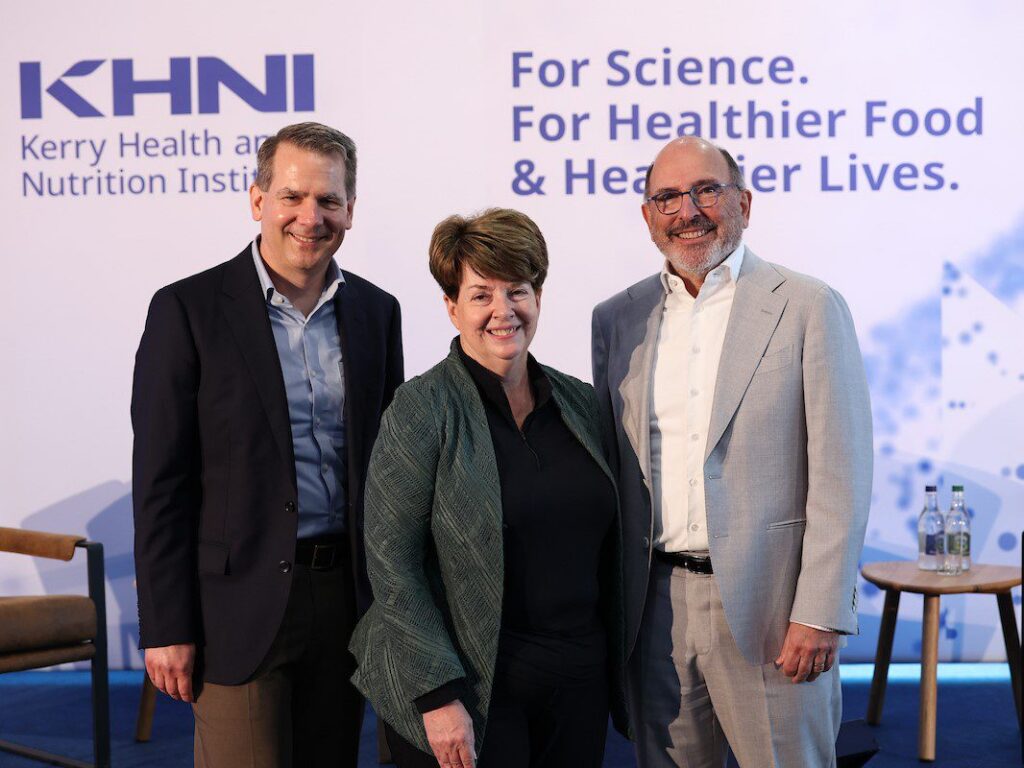
Hosted by the KHNI and moderated by Mary Shelman, founder of the Shelman Group, this session brought together Wolfram Schlenker, the Ray A. Goldberg Professor of the Global Food System at Harvard University, and Juan Aguiriano, Group Head of Marketing and Sustainability at Kerry.
The discussion examined how climate shocks, environmental pressures, and geopolitical volatility are exposing real fragility – driving all-round disruption leading to unpredictability, supply instability, and price variability.
The panel explored the growing complexity shaping food and agriculture and why resilience must sit at the centre of every decision. Embedding sustainable resilience into risk management was identified as strengthening a company’s ability to forecast and anticipate disruption and ultimately generate long‑term value.
Speakers highlighted the complexities around trade-offs between sustainability, affordability, resilience, and nutrition – while at the same time meeting consumer expectations. They pointed to the expanding role of data and AI in enabling more resilient production systems, smarter and more adaptive supply chains, and better-informed consumer decision-making.
The message is clear: sustainable resilience is no longer a cost – it’s core to risk management and long-term growth. Food’s future lies not in producing more, but in producing better — driven by partnership, innovation, and a mindset built for resilience.
The Stripe Young Scientist & Technology Exhibition (YSTE) continues to be a beacon of creativity and scientific excellence, showcasing the next generation of innovators who are shaping the future.
This year’s event brought together over 1,000 secondary school students from across Ireland, presenting 550 projects spanning artificial intelligence, climate science, mental health research and sustainable technology. A panel of 85 judges, including leading academics and industry experts, evaluated projects for their scientific rigour, creativity and real-world impact.
Among the standout projects was the entry from overall winner, Aoibheann Daly, a fourth-year student at Mercy Secondary School Mounthawk in Kerry. Aoibheann’s project, GlioScope: Multitask Deep Learning and Causal AI for Glioma & Glioblastoma Profiling, aims to transform brain cancer treatment.
By using standard MRI scans to predict genetic mutations in tumours, her innovation offers a safer, faster alternative to invasive biopsies — potentially improving outcomes for patients worldwide. Aoibheann will represent Ireland at the European Union Contest for Young Scientists in Germany later this year.
Kerry Sustainable Nutrition Award: A First for YSTE
As a proud silver sponsor of this year’s Stripe YSTE, Kerry introduced the Kerry Sustainable Nutrition Award — the first award of its kind at this long‑standing event.
This award recognises projects that demonstrate scientific innovation in solutions that help maintain good health while ensuring future generations can meet their nutritional needs — without compromising the health of the planet.
The award was presented by Catherine Keogh, Chief Corporate Affairs Officer at Kerry, to Rachel Coughlan, Moate Community School Westmeath, for her innovative project developing a biodegradable chewing gum made sustainably from Irish-grown resources.

Presenting the award, Catherine Keogh remarked: “Rachel truly exemplifies Kerry’s values and our vision for sustainable nutrition. This award recognises young scientists who are developing innovative, science-led solutions that are better for people, better for society and better for the planet — reducing environmental impact, improving health outcomes and ensuring responsible sourcing and production. The quality, creativity and ambition on display at this year’s Stripe Young Scientist & Technology Exhibition has been exceptional, reinforcing our belief that Ireland’s future as a global hub for scientific innovation is bright.”
The award was open across multiple scientific categories and age groups, with projects assessed on innovation, scientific rigour, sustainability impact, clarity of communication and real-world feasibility.
Kerry’s sponsorship and this award align with the company’s Beyond the Horizon sustainability strategy and its vision to reach more than two billion people with sustainable nutrition solutions by 2030.
Reformulation has become a vital strategy for companies striving to remain competitive while tackling diverse challenges.
It draws on science and innovation to reimagine product processing and composition, delivering healthier, more sustainable, and cost-efficient options that don’t compromise on taste or convenience.
With consumers expecting more from what they eat and keeping a closer eye on affordability, reformulation has become a non-negotiable strategy for food and beverage companies seeking to succeed in today’s complex and fast-moving market.
By prioritising cost efficiency, health-focused innovation, and waste reduction, businesses can better manage sourcing, supply chain, and trade challenges while delivering profitable, high-quality products that align with the expectations of health-conscious consumers.
As reformulation increasingly shifts from a competitive advantage to an industry requirement, manufacturers have a timely opportunity to act now and position themselves ahead of the curve.
To read more click on: The Future of Food: Reformulating for Sustainable Nutrition – Food Industry Executive
 We are very pleased to welcome Professor Martin William Bloem to the KHNI Scientific Advisory Council. Martin is a public health professional and nutritionist with a distinguished career spanning various organizations worldwide. Currently, he is a Professor of Environmental Health at the Department of Environmental Health & Engineering and the Department of International Health at the Johns Hopkins Bloomberg School of Public Health in Baltimore, USA.
Martin holds a Ph.D. from the University of Maastricht and an MD from the University of Utrecht, both in The Netherlands. His extensive professional experience includes serving as a Director and Robert S. Lawrence Professor at the Centre for a Liveable Future, as Senior Nutrition Advisor to the Executive Director/Deputy Executive Director at the United Nations World Food Program (WFP), and as Regional Director Asia-Pacific at Helen Keller International. At WFP, he also served as the Global Coordinator, representing the organisation as one of the 11 UN Cosponsor organisations to UNAIDS.
As an expert in public health and nutrition, Professor Bloem has authored several textbooks and more than 100 peer-reviewed papers, showcasing his dedication to creating sustainable, impactful solutions to pressing global health issues.
In addition, he has held various board memberships, including the Committee on World Food Security (CFS), Scaling up Nutrition (SUN), EAT Movement, and the World Food System Centre at ETH Zurich. With his wealth of experience, commitment to public health, and proven ability to address complex challenges, Martin William Bloem is a respected leader in nutrition and environmental health.
“I am delighted to join the Kerry Health and Nutrition Institute’s Scientific Advisory Council, which aims to guide Kerry’s research and innovation teams on some of the fastest growing areas in the science of nutrition and health. The task of tackling all forms of malnutrition — which involves addressing the profound global imbalance between approximately 2 billion overweight or obese individuals and the nearly 735 million people suffering from undernutrition — is the foundational priority. This mirrors the Sustainable Nutrition megatrend, which demands an integrated framework encompassing public health, food security, affordability, sustainability, and social equity. My extensive experience serving at international institutions, Johns Hopkins University and working with organisations such as Scaling up Nutrition (SUN) and the EAT Movement, confirms that achieving this systemic goal requires unified action across governments, international bodies, NGOs, and the private sector. The private sector must lead the systemic, science-driven transformation. This involves prioritising core enabling platforms like Biotechnology for the Future of Food to create sustainable and resilient supply chains, driving proactive reformulation in response to the mandates of policy shifts, and innovating to deliver accessible nutrition globally.”
Commenting on Martin’s addition to the KHNI SAC, Juan Aguiriano, Kerry Group Head of Sustainability, stated: “I’m thrilled to welcome Professor Martin Bloem to the Scientific Advisory Council of the Kerry Health and Nutrition Institute. His appointment marks a significant step forward in our mission to advance sustainable nutrition science. Martin’s deep expertise in public health, food systems, and environmental health — combined with his leadership across global institutions — will be instrumental in shaping a more integrated and impactful approach to nutrition. His understanding of the complex interplay between food security, health equity, and environmental sustainability aligns perfectly with our ambition to drive systemic change. As we work to address the dual burden of malnutrition and obesity, Martin’s insights will help guide our efforts to innovate responsibly, reformulate proactively, and build resilient supply chains that support both people and planet. We look forward to collaborating with him to accelerate the transition toward truly sustainable nutrition — where science, policy, and industry come together to deliver better outcomes for all.”
In conjunction with Climate Week NYC 2025, the Kerry Health and Nutrition Institute (KHNI) hosted a Smart Bites Showdown event on 22 September 2025, collaborating with HowGood at the Regen House.
The event focused on three of KHNI’s top 10 health and nutrition trends for 2025 and featured game-show-style rounds that quizzed six audience members on their knowledge of each trend.
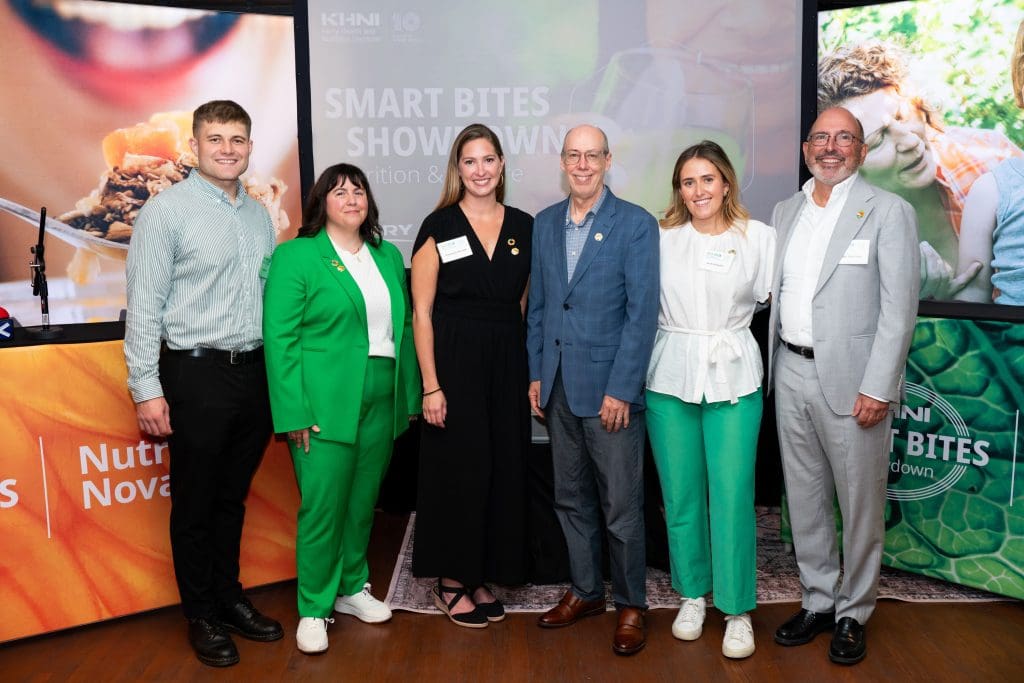
(Left to Right: Brian Short, Christina O’Keefe, Elizabeth Horvath, Jack Bobo, Aoife Kelleher, Juan Aguiriano)
Christina O’Keefe, Head of Sustainability for Kerry North America, hosted the event, keeping participants on their toes, to unpack the toughest challenges our industry faces today.
Like all good game shows, commercial breaks played a role with key note speeches in between each round.
This gave the audience time to taste and experience a food concept which highlighted solutions to address each of the trends outlined below.
1. Weight Management & Satiety – Elizabeth Horvath, VP of Marketing at Kerry, took us through the shifts that GLP-1 medication is having on consumers behaviours today.
At this point the audience were invited to try Kerry’s ‘Boost Balance’ concept, a green apple flavoured powdered beverage with hydration and probiotic benefits, to support those on their weight loss journey.
2. Policy Shifts – Juan Aguiriano, Head of Sustainability at Kerry, spoke about how shifts in policy, health, and consumer behaviour is pushing us towards reformulation.
A low sodium snack concept was available for the audience to enjoy, which highlights how reformulation for lower salt does not have to compromise on taste.
3. Accessible Nutrition – Jack Bobo, Executive Director Rothman Family Institute for Food Studies at UCLA, delivered an impactful speech on ensuring we can sustain the population with solutions for nutrition and nature in harmony, combatting supply chain challenges present in the industry today.
An RTD protein coffee drink concept was also at hand for the audience during this break, which had reduced sugar and reduced reliance on coffee supply as a volatile raw material.
Overall, The Smart Bites Showdown explored key industry challenges, showing how expert insights and collaboration can drive real solutions, pushing us further across the Sustainable Nutrition spectrum.
In recent years, the global food and beverage industry has faced significant disruptions, particularly in the supply of cocoa, citrus and coffee.
Each of these raw materials are frequently used in many products consumed in every region of the world. These challenges have led to a surge in prices, scarcity and supply chain disruptions not only impacting both the food and beverage industry, but also retailers and consumers.
What are the challenges causing these issues and what is being done to address these serious issues?

Cocoa Supply Challenges
The cocoa industry, primarily concentrated in West Africa, has been hit hard by a combination of environmental, economic and human factors. Côte d’Ivoire and Ghana, which produce around 60% of the world’s cocoa1, have seen a sharp decline in production.
With this significant share of the global production, any disruptions will have a substantial impact to the market. This sharp decline can be linked to several factors:
-
-
- Climate change: Climate change is a major driver of the cocoa shortage. Shifting and adverse weather patterns has led to unpredictable temperature extremes and variable rainfall has impacted cocoa trees, which are particularly vulnerable to these challenges2.
- El Niño Impact: The El Niño phenomenon, characterised by warming sea surfaces temperature in the Pacific Ocean, further exacerbates the issues caused by climate change. El Niño causes both drought-like conditions or increased heavy rainfall. Drought often leading to the cocoa trees becoming stressed and warm weather with rainfall allow for disease, both significantly reducing yields.
- Plant Diseases: Cocoa trees are susceptible various diseases and pests, which great negatively impact yields. For example, Black Pod disease is a fungal infection thrives in humid climates, severely affecting cocoa trees in Ghana3. Swollen Root virus also contributes to loss of yield as infected cocoa trees are cut down to reduce spread4.
- Aging trees: Many cocoa tree farms (particular in West Africa), have aging trees that become less productive and more susceptible to disease as they age. This, underinvestment in farms, hinder farmers from replanting newer, more resilient crops5.
- Labour shortages: In addition to environmental and economic challenges, labour shortages have plagued the industry. Cocoa farmers often have challenges finding and retaining skilled workers6.
- Deforestation: Deforestation, driven by the expansion of cocoa plantations has also greatly impacted cocoa production. Clearing forests disrupts key ecosystems, reduces biodiversity, and negatively impacts soil quality. This has led to lower yields and increased vulnerability to disease and pests.
-
These supply challenges meant that 2024 cocoa prices were not only quite volatile but also resulted in a significant price increase for cocoa derived raw materials.
This ripple effect is still felt across the food industry, particularly among chocolate manufacturers who rely heavily on West African cocoa. Many manufacturers are now looking to stockpile their cocoa resources in an attempt to reduce future uncertainties in their supply chains.
Such market dynamics have resulted in fast-tracked innovations in the chocolate industry, with ingredient alternatives for cocoa getting more media coverage than ever before.
Although benefits for such alternatives needs to go far beyond just cost. Innovations and solutions for cocoa will need to deliver on sustainable impacts as well with clear long-term sustainability that can benefit both manufacturers and consumers.
Citrus Supply Challenges

The citrus industry is also grappling with severe supply issues. Brazil and the US, which dominate the global orange juice market (with a combined 34% of the global orange production)8,10, are facing their own challenges.
Brazil is experiencing its smallest crop in decades due to severe drought and citrus greening disease, while Florida’s groves are similarly afflicted.
Catastrophic floods in Spain, another major citrus producer (number 6 in the world)7, have also devastated crops, leading to substantial financial losses.
These disruptions have led to a significant shortage of oranges, driving up the cost of orange juice by 130% year-on-year11.
Retailers and food manufacturers are being forced to innovate, with some turning to alternative fruits like mandarins to meet consumer demand.
Coffee Supply Challenges
 The coffee industry is no stranger to supply challenges either.
Brazil, Colombia and Vietnam, the top coffee producers, are facing a combination of adverse weather conditions, labour shortages and logistical hurdles.
Brazil, in particular, has been hit by severe droughts and frosts, leading to a significant reduction in coffee yields12. These supply constraints have caused coffee prices to soar, affecting both retailers and consumers.
Coffee shops and grocery stores are struggling to maintain stock levels, and consumers are feeling the pinch with higher prices for their daily caffeine fix.
Impact on the Food Industry and Retailers
The supply challenges in cocoa, citrus and coffee have far-reaching implications for the food industry and retailers.
Commodity inflation has become a significant concern, with the cost of ingredients rising sharply. This has led to higher prices for end products, from chocolate bars to orange juice and coffee.
Retailers are caught in a difficult position, balancing the need to pass on increased costs to consumers while managing their reputation.
It’s important to recognise that all the recent scrutiny around such commodities can influence long term product ideation and development for food and beverage manufacturers.
Food manufacturers are exploring innovative solutions to mitigate the impact of supply shortages, such as diversifying their product lines and sourcing alternative ingredients (for example using mandarin juice in place of orange juice)13. Additionally, these reformulations need to consider the impact on taste and cost within the final product, optimising for consumer preferences.
In conclusion, the commodity crisis affecting cocoa, citrus and coffee underscores the vulnerability of global supply chains to environmental and economic disruptions. As the food industry and retailers navigate these challenges, consumers are likely to continue facing higher prices for their favourite products.
The Kerry Health & Nutrition Institute (KHNI) in celebration of a decade of innovation and scientific discovery, hosted a webinar on Friday, January 24th, 2025, broadcasted from Singapore.
This special event showcased key health and nutrition trends shaping consumer preferences in the South East Asia region, and explored the Future of Sustainable Nutrition with discussions led by renowned experts within the region.
The discussion focused on how the food industry can address challenges like rising food costs, changing demographics, and evolving consumer preferences. This discussion included the following key topics:
-
- Accessible Nutrition: The speakers emphasised the UN’s sustainability goal of ending hunger and addressed the rising cost of food, particularly staples like cocoa. They discussed the need for diverse and affordable options, with a focus on reducing food waste and supporting local, sustainable agriculture.
- Aging Population: With a focus on the growing aging population in Asia, the panel discussed the nutritional needs of older adults and how to combat age-related health issues through diet. They highlighted the importance of nutrient-dense foods and convenient, healthy options.
- Women’s Health: The experts explored the unique nutritional needs of women throughout their life stages, from pregnancy and lactation to menopause. They stressed the importance of tailored nutrition strategies to support women’s health and well-being.
- Sodium Reduction: The panel discussed the global health concern of high sodium intake and its link to non-communicable diseases. They explored innovative approaches to reducing sodium in food products while maintaining taste and consumer satisfaction, particularly focusing on how to balance those efforts with the strong flavours and taste preferences common in Southeast Asia.
The panel also provided valuable insights on other important trends, including the role of the food industry in promoting sustainable practices, the importance of taste and convenience in food choices, and the potential of innovation and technology in addressing nutritional challenges.
Watch the full webinar above to learn more about the future of sustainable nutrition and be part of this celebration 10 years in the making!
Companies are facing increasing regulatory and consumer pressure report robust sustainability metrics and targets. Consumers have become more educated about sustainability and are actively researching product claims and expose greenwashing.
In response to these pressures, companies are increasingly adopting regenerative agriculture practices which offer a sustainable solution to progress their ambitious sustainability commitments.
What is Regenerative Agriculture?
Regenerative agriculture is an innovative approach to farming that blends age-old traditions with modern sustainable practices. It draws inspiration from indigenous farming techniques that work in harmony with nature to revitalize ecosystems and enhance biodiversity1.
This approach is not only about sustaining current resources but also about actively restoring and regenerating the health of our planet. More than half of the world’s agricultural land is degraded, resulting in $400 billion a year in productivity losses and posing a significant risk to future food security2.
Regenerative agriculture offers a crucial solution to this pressing issue by focusing on topsoil regeneration, increasing biodiversity, improving the water cycle, and enhancing ecosystem services3.
At its core, regenerative agriculture aims to reverse climate change by rebuilding soil organic matter and restoring degraded soil biodiversity, leading to carbon drawdown and an improved water cycle4.
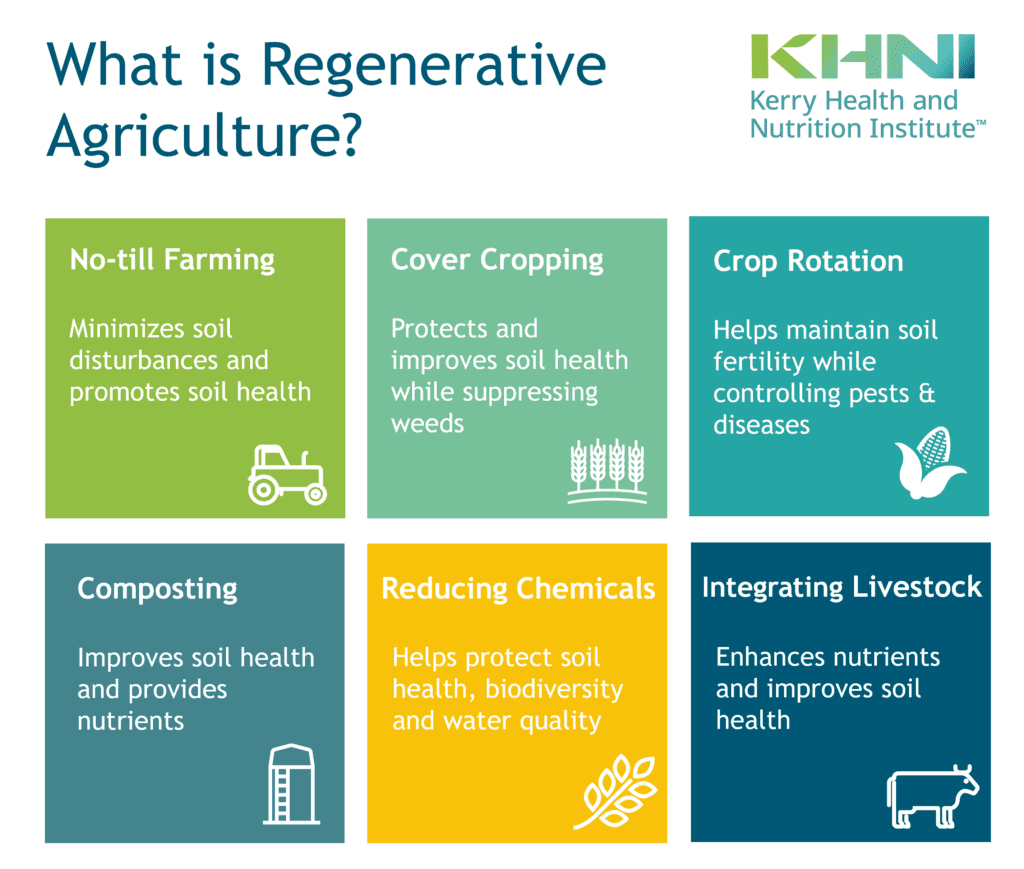
Regenerative agriculture has a few main practices:
-
- No-till Farming: Avoiding tillage minimizes soil disturbance and promotes soil health5. This practice helps to preserve soil structure, reduce erosion, and enhance water infiltration.
- Cover Cropping: Planting cover crops protects the soil, improves soil health, and suppresses weeds6. Cover crops also help to increase biodiversity and provide habitat for beneficial insects.
- Crop Rotation: Rotating crops helps maintain soil fertility and control pests and diseases6. This practice also helps to break pest cycles and reduce the need for synthetic pesticides.
- Composting: Adding compost to the soil improves soil health and provides nutrients7. Compost adds organic matter to the soil, enhancing its water-holding capacity and nutrient content.
- Reducing Chemical Inputs: Regenerative agriculture prioritizes the use of natural inputs and minimises reliance on synthetic fertilizers, pesticides, and herbicides6. This helps to protect soil health, biodiversity, and water quality.
- Integrating Livestock: Incorporating livestock into farming systems enhances nutrient cycling and improves soil health1. Livestock grazing can be managed to mimic natural grazing patterns, promoting plant growth and soil fertility.
Each of these practices can be adopted independently, or paired with one or all other regenerative agricultural practices.
Regardless of which practices are adopted, the aim is to reduce the negative planetary impact of farming, which can be exacerbated by conventional farming practices, and preserve the land for years to come.

The Challenges Regenerative Agriculture
While regenerative agriculture offers numerous benefits, it’s important to acknowledge potential disadvantages.
It can take several years to see significant improvements in soil health and yields. Some practices, such as rotational grazing and cover cropping, can be labour-intensive, requiring careful planning and management8.
In most cases, the transition from conventional to regenerative farming practices involves a high upfront cost for the farmer, of which the return on investment may not be seen for years.
While there are incentives from organizations like the USDA that can support the transition to regenerative farming practices, the initial cost for the farmer is often a barrier to adoption.
Soil Health & Carbon Sequestration
Regenerative agriculture practices enhance soil health by increasing soil organic matter, improving soil structure, and promoting beneficial microbial activity10. Healthy soils are more resilient to extreme weather events, such as droughts and heavy rainfall11.
Soils around the world store more carbon than the atmosphere, helping to naturally remove and hold carbon from the air. However, globally, soil carbon stocks have been declining due to factors like land conversion and overgrazing.
Regenerative agriculture aims to restore soil carbon by utilising the carbon that plants have absorbed from the atmosphere12. Regenerative practices like cover cropping and reduced tillage help maintain soil integrity, preventing carbon release, and promoting carbon storage13.
Agriculture is a major contributor to climate change due to deforestation and greenhouse gas emissions, making carbon sequestration a crucial aspect of regenerative agriculture14.
A key benefit to more widespread adoption of regenerative agriculture is that of soil health and it’s sustainability for future generations.
Conventional farming practices such as tillage and intensive use of chemical fertilizers and pesticides can lead to soil degradation and a decline in productivity.
Regenerative agriculture is purported by advocates as a solution to these issues that focuses on enhanced soil health and carbon sequestration9.
Carbon sequestration is the most preferred method for large companies looking to reduce their footprint and meet their sustainability goals.
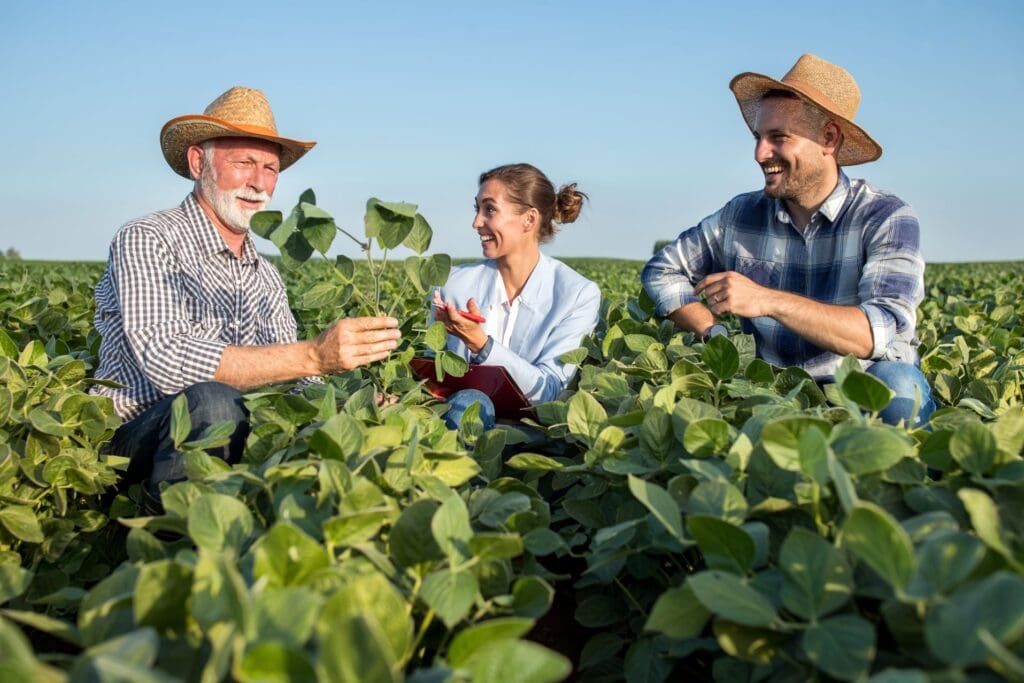
As food and beverage companies turn to regenerative agricultural practices to make a positive environmental impact and move closer to their sustainability targets, the main benefits are around farmer engagement and support, ingredient sourcing, and product labelling.
Appealing to the environmentally conscious consumer is crucial for these organisations as consumers become more educated on the topics of sustainability.
Responsible sourcing and growing practices offered by regenerative agriculture has certainly piqued the interest of these sustainability-forward consumer bases.
Sourcing ingredients for their products from farmers who implement regenerative agricultural practices at farm-level, financially incentivising farmers to convert from typical farming practices to regenerative ones, and the ability to claim the positive carbon impact in their reporting are all reasons food and beverage companies are increasingly interested in regenerative agriculture.
Here is an example of a regenerative agriculture program relating to dairy production in Ireland.
It is likely that the adoption of regenerative agricultural programs and use in products will continue to be widely adopted across the food and beverage industry as companies work to meet their climate commitments.
A reminder that often-achieving progress against sustainability targets requires humanity to go back to age-old practices to keep the Earth healthy and bountiful for future generations.
According to the Food and Agriculture Organisation of the United Nations (FAO) an estimated 14% of the world’s food is lost per year between harvest and retail market. Additionally, approximately 17% of this food waste is generated at the retail and consumer levels1.
With an ever-growing population (expected to reach 9.6 billion by 2050), sustainable nutrition solutions to tackle food waste are a necessity. One method being implemented in the food industry is using Food Waste estimators.
These tools are used by food industry leaders to calculate the potential food waste reduction and the nutritional and environmental impact by extending shelf-life of foods.
This raises the question: How do these tools work and how effective are they at reducing food waste? A recent study investigated these tools with promising results.
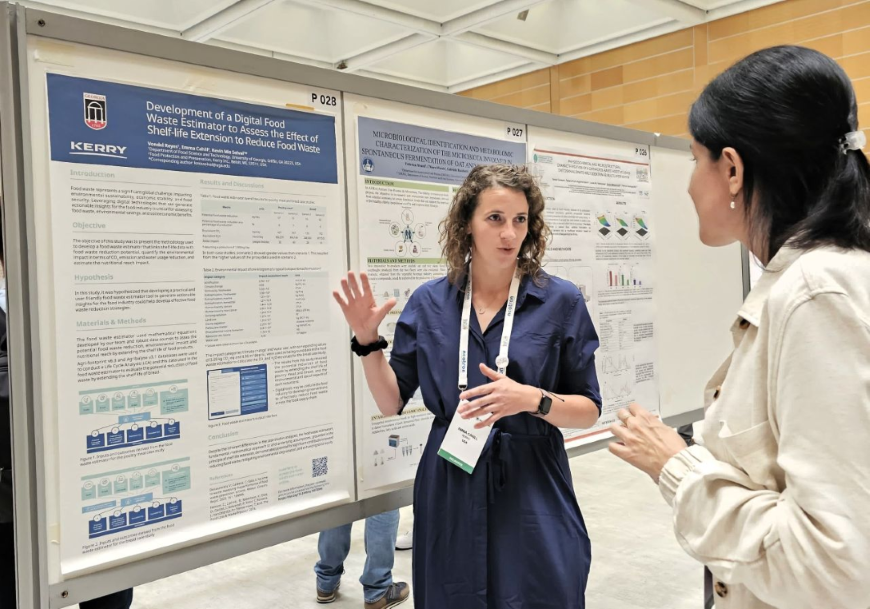
Emma Cahill, MSc, presenting on recent research regarding the use of digital food waste estimators and their impact on shelf-life extension at IUFoST 2024.
What is a Food Waste Estimator and How Does it Work?
A food waste estimator is a digital tool designed to quantify and predict the potential reduction in food waste by analysing the downstream impact of food’s extra shelf-life days.
The goal of developing these food waste estimators is not only to make them accurate, but also user-friendly for ease of use connecting multiple data sources and making it easy to draw actionable conclusions.
These tools typically use data inputs about food category, region, production volumes and current shelf life to model the scale to which extending a product’s shelf life can reduce waste.
By doing so, they offer actionable insights, helping businesses and consumers optimize food use, minimise waste and make more sustainable choices, reducing environmental impacts such as greenhouse gas emissions and water consumption.
How Impactful are These Food Waste Estimators?
In a recent study conducted by the Department of Food Science and Technology at the University of Georgia (in collaboration with Kerry, Inc.), researchers investigated the use of a food waste estimator and the outcomes of its use2.
The objective of this study was to present the methodology used to develop a food waste estimator that links shelf-life data with food waste reduction potential, quantify the environmental impact in terms of CO2 emission and water usage reduction, and estimate the nutritional reach impact. The study analysed two case studies.
Case study 1 – Poultry Farming
With poultry being one of the most widely consumed meats in the world (~140 million tons per year), the study selected poultry as one model to demonstrate the effectiveness of the food waste estimator.
The scenarios evaluated the percentage of product that goes to waste when known (scenario 1) and unknown (scenario 2). Assuming 1,000 kg/day production rate and using a product shelf-life of 25 days with poultry produced in Europe, the study evaluated the potential for food waste reduction by extending the shelf-life.
Figure 1 – Inputs and outcomes derived from waste estimator for poultry.
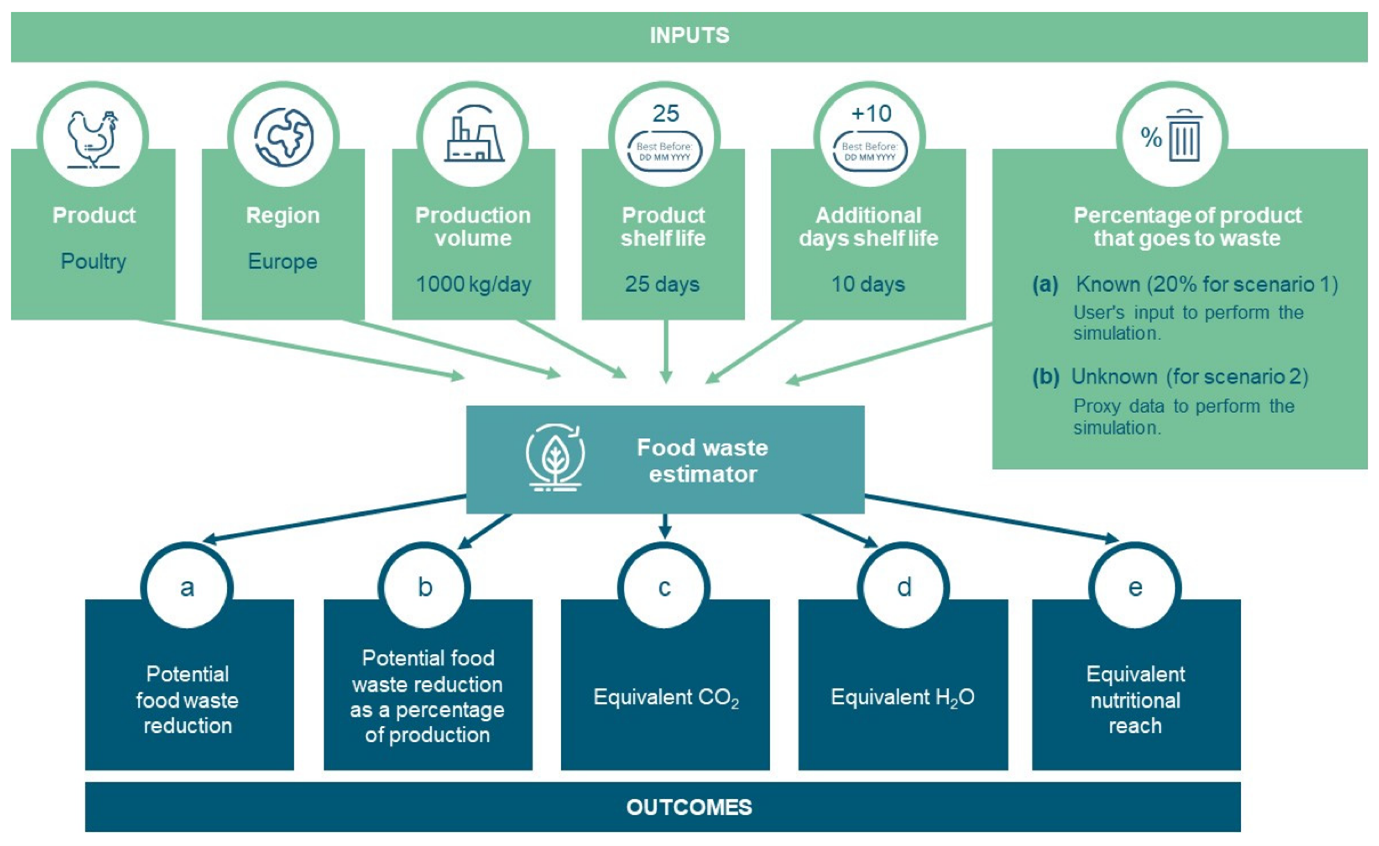
In scenario 1, assuming an extended shelf life of poultry meat by ten days (40% shelf-life extension) with 20% of the product going to waste, it was discovered that it is possible to achieve a potential reduction in waste volume of 57 kg/day (at a production scale of 1000 kg/day).
That quantity of 57 kg corresponds to a reduction of 6% in the total volume of poultry meat production per day, specific to food waste.
In terms of environmental impact, a daily emission of 457 kg of carbon dioxide (CO2) emissions and a daily consumption of 656,571 L of water would be avoided. Lastly, the social impact of prolonging the poultry meat’s shelf life by ten days would be that 32 people could be fed per day.
In scenario 2, where the amount of product that goes to waste across the stages of the supply chain is unknown, extending the shelf life of poultry meat by 40% (ten days) saw a potential volume waste reduction of 71 kg/day of poultry meat.
This corresponds to 7% of food waste that would be reduced from the total volume production of poultry meat in a single day. Regarding environmental impact, an emission of 567 kg of CO2 and a consumption of 814,149 L of water would be avoided.
Finally, the social benefit of extending the poultry meat product’s shelf life by two days would be that 40 people could be fed per day.
Case Study 2 – Bread Manufacturing
Researchers also evaluated bread in the food waste estimator due to it being a staple food consumed daily in many countries globally and due it being regarded as a significant source of nutrients.
Similar to the Poultry case study, bread was evaluated in two scenarios where the food going to waste was known and unknown. The bread was again assumed to be produced Europe at a rate of 1,000 kg per day with a 5-day shelf-life.
Figure 2- Inputs and outcomes derived from the food waste estimator for the bread case study.
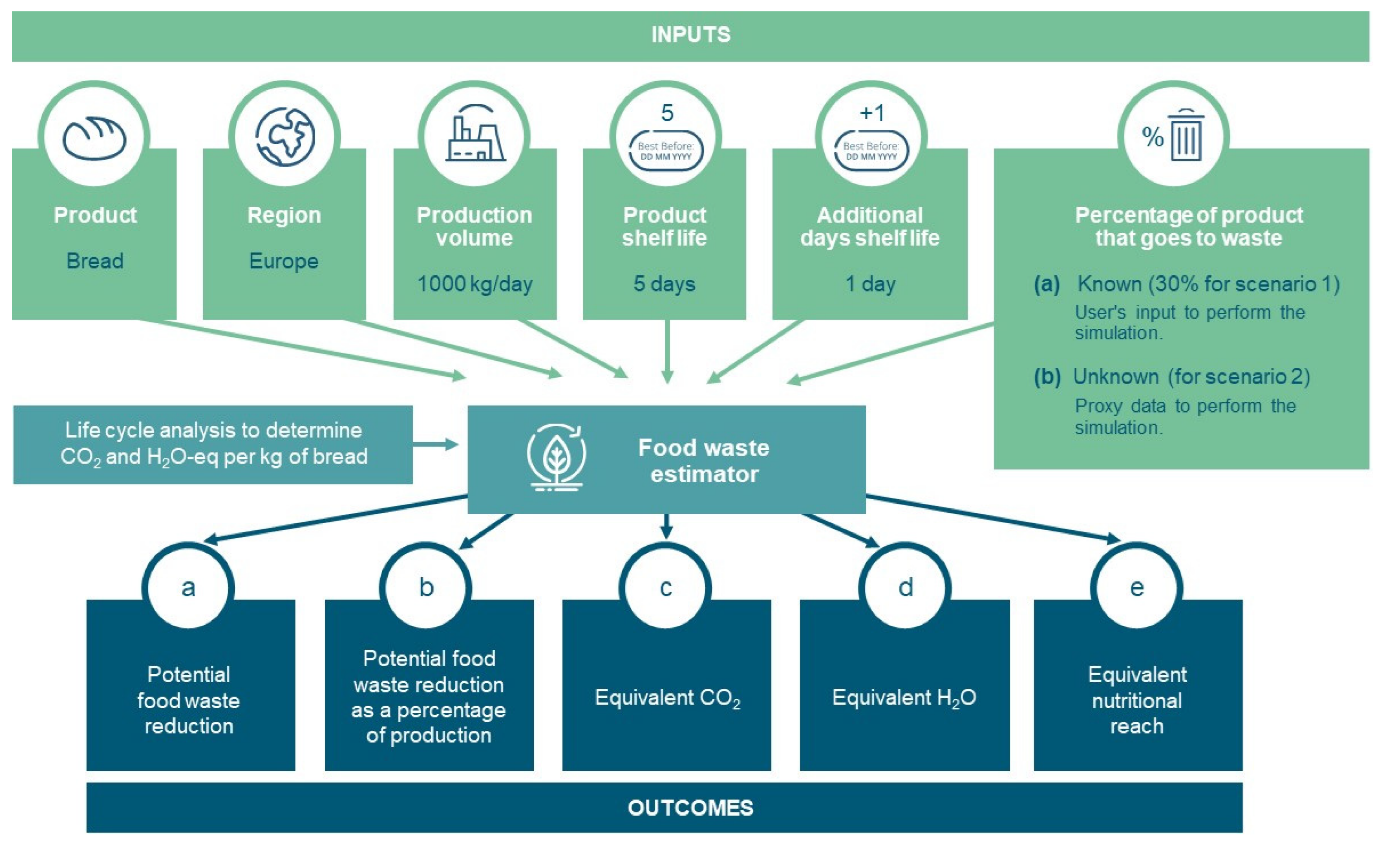
In scenario 1, the product going to waste was known to be 30%. This was based on information from FAO where it was reported that the average global waste of bread was 29.1%.
Based on the food waste estimator, it was determined that there was a 5% reduction in waste when increasing the shelf-life by 1 day (or 20%) while resulting in the avoidance of 155 kg of CO2 emission and the consumption of 248,000 L of water. This in turn could potentially feed 28 individuals per day.
In scenario 2, where the waste was considered to be unknown, again by increasing the shelf-life by just 1 day saw a 7% reduction in waste and reduction in 192 kg of CO2 emission and 307,520 L of water consumption.
Outcomes
It was found that tools like the food waste estimator studied could provide valid indicative comparisons of the downstream food waste impact of shelf-life extension, whether based on own-data or market estimates.
These insights can be used for project valuation and prioritisation by the food and beverage industry and effectively link shelf-life extension to downstream food waste reduction.
Conclusion
In the ongoing goals of reducing food waste, extending the shelf-life of food products has rapidly emerged as a powerful to support and promote sustainability.
From this work, it has been demonstrated that food waste calculators play a vital in shelf-life extension strategy, offering insights into reducing food waste, carbon emissions, and water usage.
These cases studies underscore the value of data-driven digital tools used for building more sustainable food systems as well as a future focused on sustainable nutrition.
Can you quantify the value of extra shelf-life days in food?
As a consumer, it can allow for more time in a busy life to eat foods before they end up as unintended waste. This time can be about saving money and protecting health.
For the industry, it can be about longer and more resilient supply chains, as well as insurance policies against spoilage and contamination risks.
For brands, extending freshness increases brand loyalty and their ability to delight consumers.
For the planet, it’s stretching the planet’s resources so we can feed more people and reduce the contribution of greenhouse gases from food waste.
One third of all food produced globally goes to waste which has a huge impact on the sustainability and economics of food production and consumption. With inflation soaring and supply chain pressures growing, it’s never been more important to prevent this.
Seventy-two percent of consumers agree that extending the shelf life of a food or drink would help them reduce waste. Given that up to half of consumer food waste could be prevented by shelf-life extension, it is a great place to start.
How do we Approach Shelf-Life Extension or Problem Solve for an Unknown Limiting Factors?
To extend shelf life, scientists will need to look at which exact bacteria are contributing to spoilage defects, also known as “specific spoilage organisms”.
While these strains may seem invisibly small, they leave behind evidence as to which microbial culprits are responsible for food spoilage.
Often, these clues come in the form of the product defects themselves, so discussing with a processor what is happening in their product, or directly observing it in the laboratory can start the investigation.
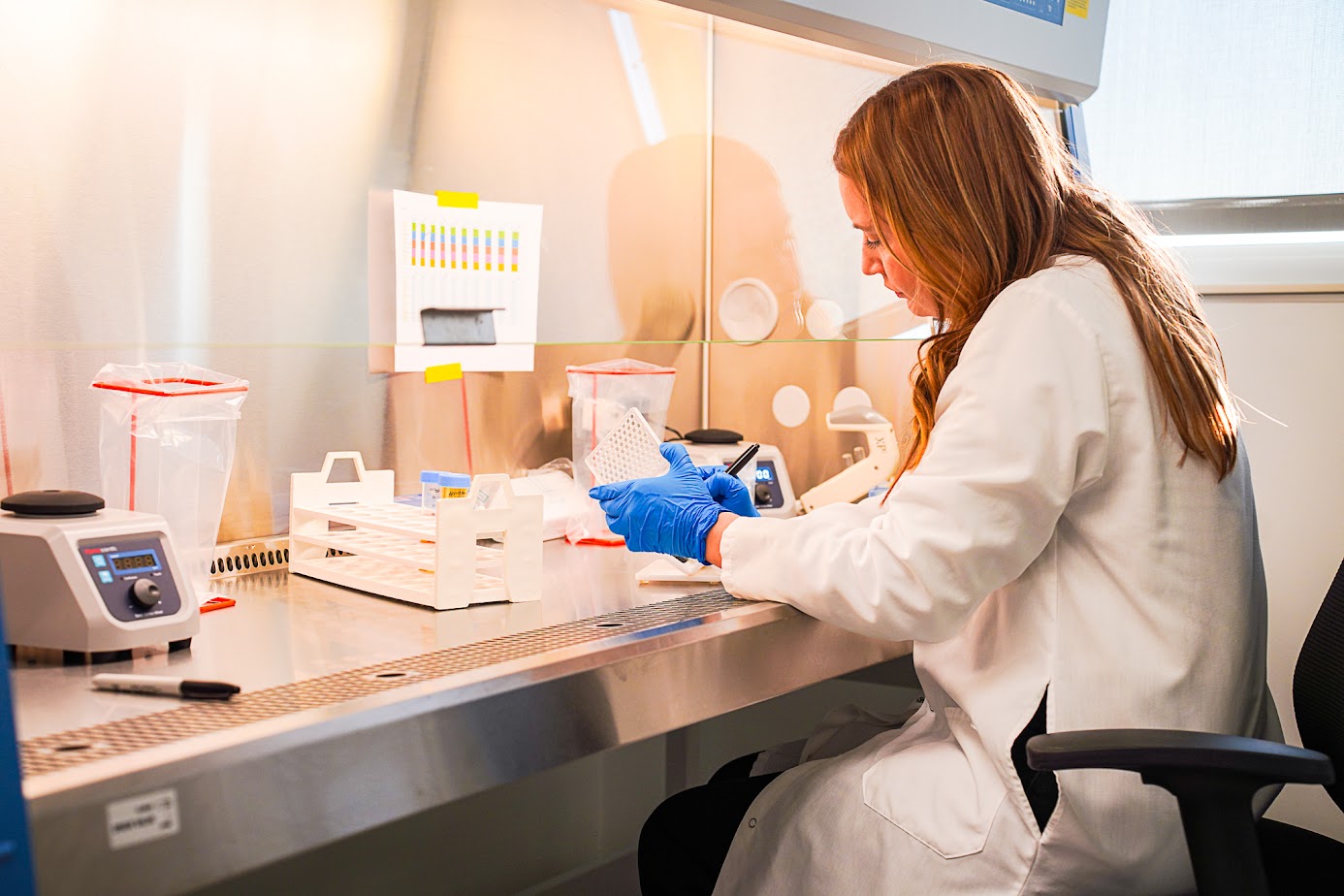
Different microbiomes produce volatiles because of their metabolic activities, so organoleptic evaluation can help understand the system. For example, lactic acid bacteria can often ferment sugars, making sulfuryl/sour off-odours, while pseudomonads are known for their floral/fruity ketones and alcohols.
Beyond odour, some bacteria leave “footprints” behind in the form of slime (often seen with Leuconostoc contamination) or colour changes.
In other cases, the microbiome may be made of a dynamic mix of genera, with many spoilage defects, complicating the mystery, or they could be in an emerging system with an under-profiled microbiome, such as plant-based meat alternatives.
In these systems, scientists can directly catch the microbial suspects through their DNA, rather than sifting through clues. Rather than isolating one organism at a time, scientists can now extract all the DNA from a sample and sequence it, revealing the “group photo” of who is present at the spoilage crime scene.
If a particular sequence of DNA is found in high abundance, it could be possible that the culprit has been found, and scientists can get to work isolating it to prove it responsible.
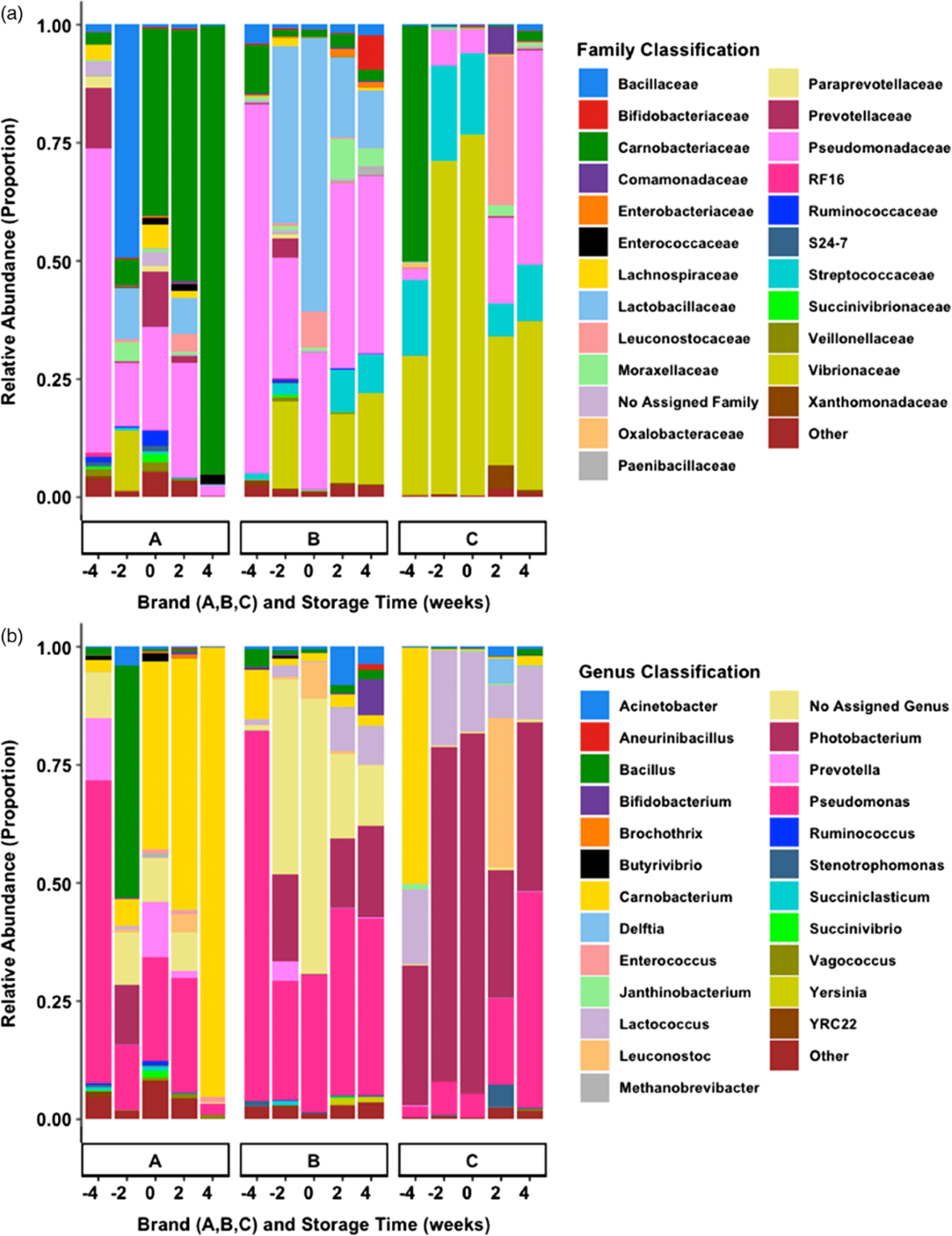
From the sights, smells, and sequencing activities, scientists know which strains are present, and can pick the right media to isolate them from the food matrix.
Different bacteria have different preferences for nutrients, so knowing the strain makes it easier to pick or develop their preferential media for culturing.
Once the strains are cultured, they can be reintroduced into a food matrix to make sure they exhibit the defect of concern to implicate their role in spoilage, as well as compare them to other strains in challenge testing.
The specific spoilage organism has been caught, so solutions can now be tested.
Second Step: “Precision Shelf-Life Extension”
Once the microorganism is known, scientists can be more specific about the different factors that have enabled it to grow, as well as the hurdles that can be put in its way.
A favourite way to simplify well-known concepts surrounding microbiology for the less familiar is to compare them to all the (intrinsic, extrinsic, and implicit) factors that would contribute to a child growing and thriving in school, across their environment, diet, comfort, energy inputs into other areas and to leverage hurdles that may prevent that growth.
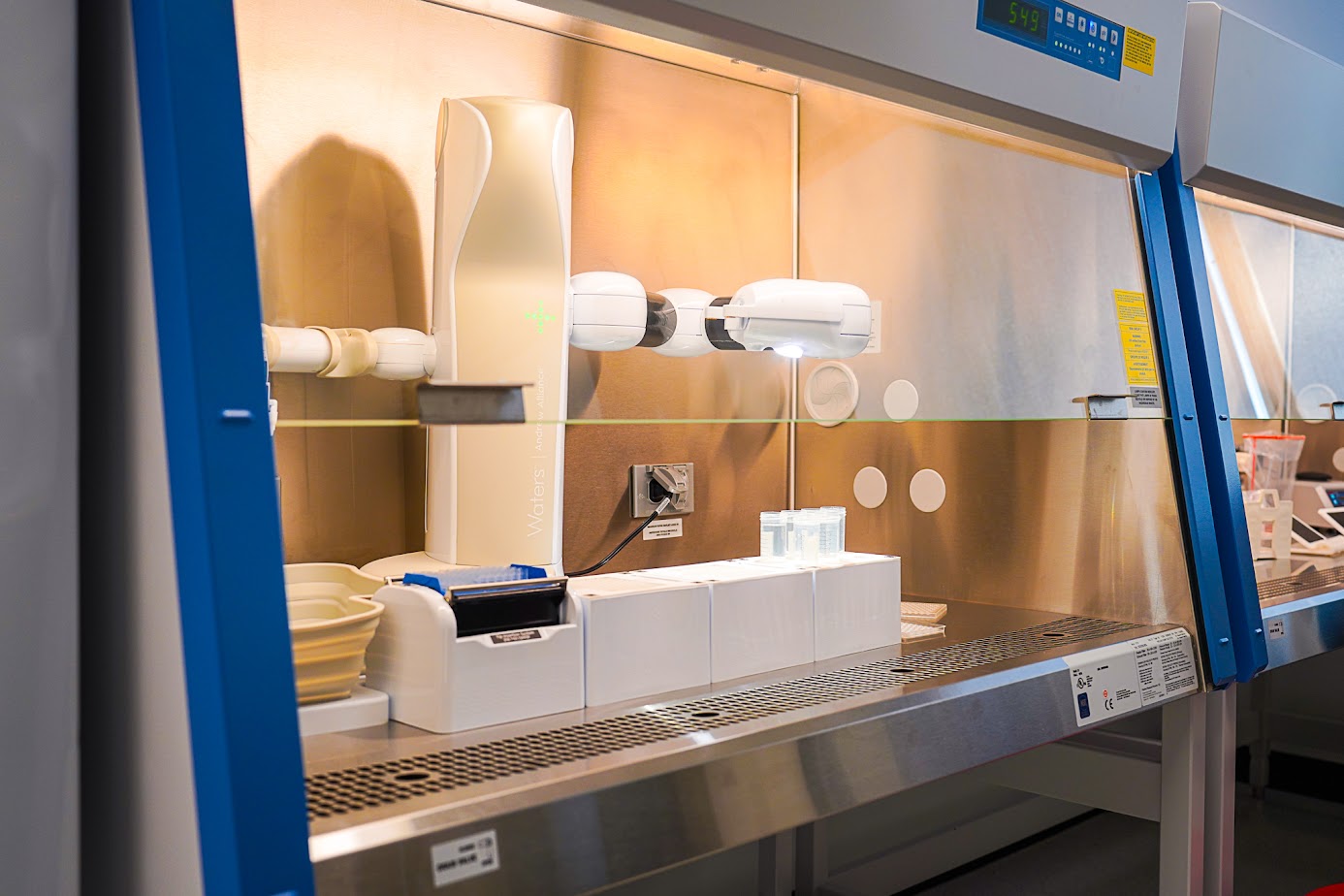
Bacteria have personalities, patterns and some predictable responses, so scientists can leverage reference literature, or previously conducted work with similar strains to assess which solutions may work best.
Just as people go to the doctor to know which medicine can best help their problem, microbiologists seek to give a precise solution as well.
For example, Pseudomonas spp. are generally known, and internally tested to be sensitive to organic acid solutions. In this case, vinegar may be appropriate. Certain lactic acid bacteria however, as their name suggests, produce lactic acid, and thus can be more resistant to organic acids as solutions.
In these cases, scientists will need to layer in solutions with different or multiple modes of action, that are designed to inhibit these robust strains. It is not usually just one strain in a product microbiome.
Some bacteria can tolerate stress much more readily than others, so ensuring a diverse array of strains is used for shelf-life testing can lead to the development robust solutions that work against a broad spectrum of microbiomes.
Ingredients, bacteria and people do not always behave the same in various groups as they do in isolation. This again is why testing with layered ingredients and multiple strains will dramatically improve the replicability of any inoculated tests, out in the real world.
Single ingredients that have limited efficacy on their own may become superheroes against stubborn bacteria when they have an organic acid present to fight off the usual suspects.
For meat processors, this is of great importance, as formulas can be produced by co-manufacturers in facilities with different microbiomes, or ingredients such as spice blends could change, bringing in different organisms. Through knowing your microbial enemy, shelf-life extension is possible.
What is a Sustainable Diet?
A sustainable diet as described by the Food and Agriculture Organisation of the United Nations – is a dietary pattern that promotes all dimensions of health and wellbeing; has a low environmental impact; is accessible, affordable, safe and equitable; and is culturally acceptable.
In essence, a sustainable diet is one that is nutritionally complete and that accounts for the environmental and cultural context of food consumption1,2.
This definition of sustainable diets is in line with the United Nations Sustainable Development goals (SDGs). The SDGs ensure that we promote prosperity whilst also protecting the planet.
As there is a move forward towards a more sustainable way of producing food, it is very important for food manufacturers and consumers to be mindful of the role that sustainable FBDGs play in the future of food production and consumption.
How to Make Diets More Sustainable?
Many countries have started to incorporate sustainability aspects in their FBDGs. Some have more robust guidelines than others, however it is encouraging to see that year on year there are more countries taking ownership of sustainable diets by involving their national governments.
In the current FBDGs set out by several countries, there are many overlapping topics, such as: biodiversity, reduction of food waste and incorporating more plants into the diet3,4.

At the 2024 Federation of European Nutrition Societies conference (FENS) in Serbia, several member countries presented how sustainability is incorporated into their FBDGs and how the messages were rolled out to the nationally.
They discussed their campaigns, how the projects were communicated to the public and some of the key themes. For instance, Denmark and Flanders in Belgium highlighted key messages discussing the importance of eating plant rich foods, increasing vegetable consumption, decreasing meat consumption, choosing wholegrains, choosing plant oil, reducing sweet/salty and fatty foods, quenching thirst with water and choosing sustainably sourced foods5.
The Italian government has created a dedicated sustainability chapter in their FBDGs that discusses aspects such as packaging, socio-economic sustainability and myth busting of mis-interpreted statements related to sustainability6.
Several organisations have commented on how important it is that the principles of sustainability are led by experts in the field.
By correctly establishing these requirements in relation to public health, national governments can guarantee adherence to policy and feel confident that they can begin to transform their current food systems7,8.
What Can Consumers Do?
In addition to FBDGs, consumers can adopt approaches to eat in a more sustainable way.
Variety in the diet is important to ensure adequate nutrient consumption and fuelling the body with enough energy. Boosting variety can be accomplished by incorporating more fruit, vegetables and plant-based sources.
Although it may be it is easier for the body to absorb nutrients from meats, there are ways that to improve nutrient absorption from plant-based foods. For example, having a source of vitamin C (such as a glass of fresh orange juice with a meal) can assist with the absorption of iron.
In addition to increased diversity in the diet, another focus should be reducing the amounts of high fat, salt and/or sugar-containing foods in the diet. This is effective to reduce carbon production as the production of these foods contribute to greenhouse gas emissions along with high water consumption9,10.
Food waste also contributes a large component to climate change with approximately one third of food produced each year being wasted prior to consumption11. This is why it is important to minimise food waste where we can by only purchasing what we are going to consume, eating seasonally and understanding the difference between ‘use by’ and ‘best before’ dates12,13.
Conclusion
As we move toward transforming how food is consumed and produced, achieving a sustainable food system must be considered.
Many countries are including sustainable nutrition recommendations as part of their FBDGs to encourage their population to reflect on the environmental impact as well as the health impact of their food choices.
Many governments globally have stressed the importance of consumer buy-in to ensure the effective implementation of these guidelines.
Sustainability is a key word for the public to be aware of and by strengthening their understanding of this, it will be easier to integrate environmental recommendations into public health legislation and policy.
It is estimated that the world’s population will reach 10 billion in the year 20601.
Furthermore, with as much as 40% of food lost or wasted from production to consumption, a major inefficiency persists in global food systems — despite nearly one in three people experiencing food insecurity2.
Food sits at the centre of a defining global challenge: nourishing a growing population while addressing the accelerating degradation of our planet’s ecosystems.
Ensuring universal access to healthy, nutritious food is essential, yet it must be achieved within the limits of the planet’s natural resources. Therefore, urgent shifts are needed in how food is produced and consumed to support both people and the planet.
Protecting our oceans, forests, species, and soils safeguards our natural resources and can support a world of sustainable nutrition. Across industry, sustainability reporting has risen markedly, almost tripling within a few years3.
This trend signals stronger organisational commitment and heightened recognition that sustainability must be central to business strategy. As a result, attention to sustainable nutrition has also grown substantially.
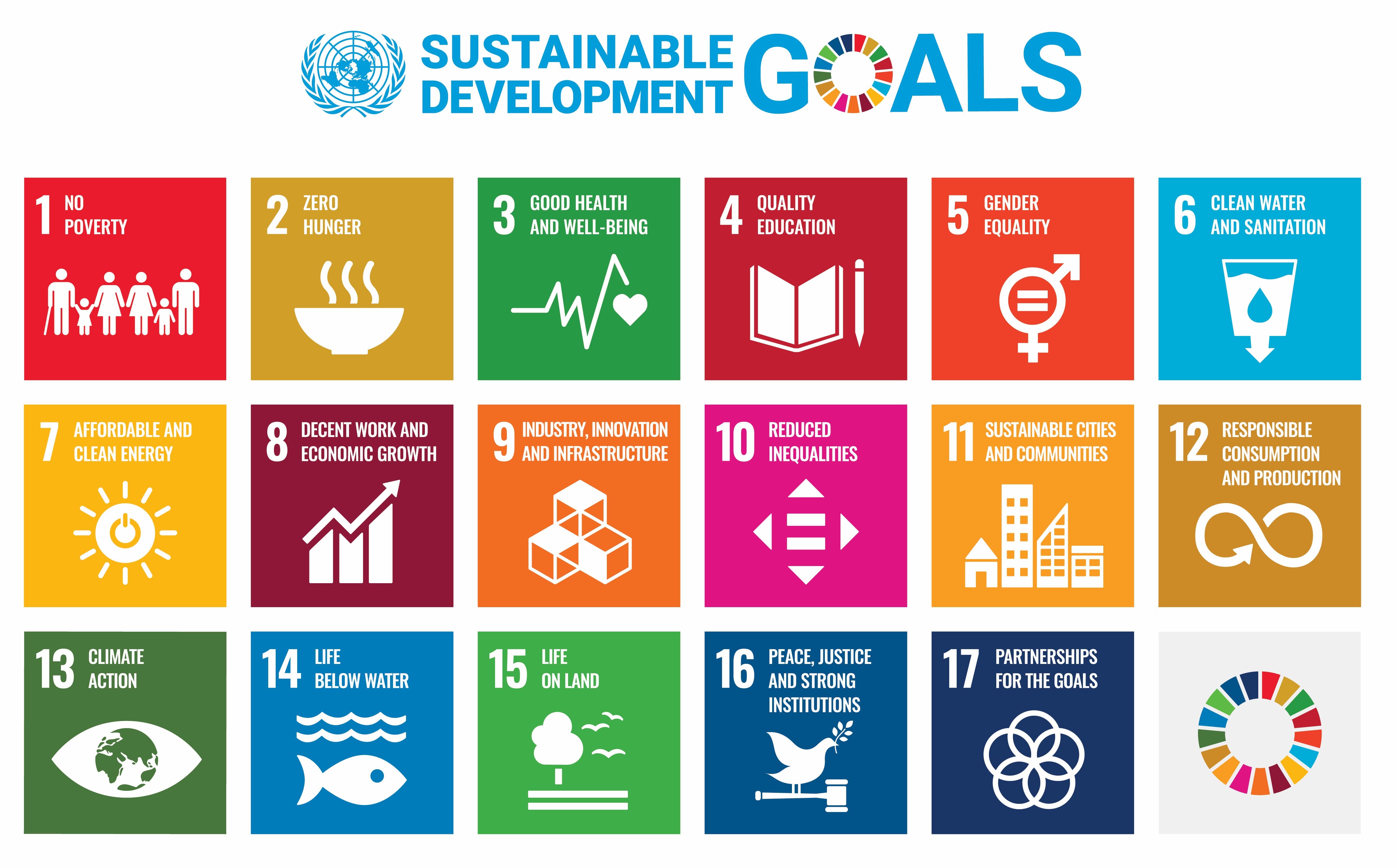
In 2015, all UN Member States adopted the UN Sustainable Development Goals (Figure 1)4, which serve as a roadmap for sustainability goals companies are adopting around the world.
The good news is that, as of 2024, 530 policies related to sustainable consumption and production were reported across 71 countries — a 6% increase from 20233.
What is Sustainable Nutrition?
Although ‘sustainability’ is a term without a universally accepted definition; the Brundtland Commission defined a ‘sustainable food system’ as a food system that meets the needs of the present without compromising the ability of future generations to meet their needs5.
Sustainable nutrition encompasses interconnected elements of the food system ensuring diets support both people and the planet.
Seven food system metrics were developed to assess ‘sustainable nutrition security’6. The chosen metrics were:
-
- Food nutrient adequacy
- Ecosystem stability
- Food affordability and availability
- Sociocultural wellbeing
- Supply chain Resilience
- Food safety
- Waste and loss reduction
These metrics were identified as essential indicators of food‑system performance, spanning human health impacts and the social, economic, and environmental pillars of sustainability.
More recently, the concept of sustainable nutrition was described as encompassing optimal and health-promoting diets while ensuring cultural acceptability, easy accessibility, along with lowering environmental impacts throughout the food system7.
Because of its complex nature, sustainable nutrition requires a holistic view to interpret all the critical elements along the food chain, from production contexts and impacts to such consequences of food consumption involving nutrient provision, health benefits, and dietary preferences8.

How can Sustainable Nutrition be Achieved?
Sustainable nutrition, food consumption and production must combine all dimensions of sustainability to avoid unintended consequences to public health, the planet, and/or societies.
Progressing toward sustainable food systems requires coordinated action across the entire value chain — from production and processing to consumption and waste management.
This encompasses shifting to healthier, lower‑impact diets, adopting more resource‑efficient and climate‑smart production practices, reducing food loss and waste, advancing circular approaches, ensuring equitable access to nutritious food, and strengthening innovation and collaboration across the value chain.
Industry momentum around sustainable nutrition is accelerating. Companies are innovating with lower‑impact ingredients, expanding sustainability reporting, aligning with global frameworks, reducing food waste especially by ways of upcycling, and investing in circularity and regenerative practices.
Health, sustainability, and transparency are increasingly shaping product development, innovation, and long‑term business strategy across the food system.
To read about Sustainable Diets, click: Embedding Sustainable Nutrition into Dietary Guidelines
Conclusion
Achieving sustainable nutrition will depend on successful coordinated actions across sectors.
Industry innovation, scientific insights, and cross‑sector collaboration will be essential to drive this transition.
Ultimately, sustainable nutrition is about creating food systems that nourish people and protect the planet — ensuring that healthy diets are available, accessible, and environmentally responsible for generations to come.
With the global population predicted to grow to 9.7 billion by 2050, there is increased focus on sustainable food production to meet rising demand worldwide.
One major consideration is how food production contributes to food waste and how food waste impacts the world.

Urgency Around Reducing Food Waste
An estimated 33% of all food produced globally, goes to waste1. In the US this figure is as high as 502.
At a time when sustainable food systems are globally imperative, food waste reduction has a role to play financially, socially and environmentally.
A loaf of bread or a pack of ham that is past its date is not just wasted food and a lost sale. This also costs water and energy and creates CO2 emissions.
It’s also a missed opportunity to nourish an ever-growing population, magnifying issues of hunger and malnutrition.
There are many opportunities throughout a products lifecycle to reduce food waste, including during the growing, post-harvesting storage, processing, packing, transport, retail stages and consumer behaviour.
A reduction in food waste through preservation can benefit manufacturers, retails and consumers through extended shelf-life, protect margins and inspiring consumer confidence with safer food which lasts longer.
Food waste reduction allows the planet’s resources to nourish more people. To put things into perspective, if food waste were a country, it would be the third highest emitter of greenhouse gases (after the US and China).
Consequently, reduction in food waste can also benefit the planet though greenhouse gas reduction.
Half of consumer food waste could be prevented by extra shelf-life days3,4.
If the food industry could transform all food loss and waste, there would be enough food to feed the number of undernourished people in the world today twice over.
Not only can the industry preserve food and reduce waste, but they can better deliver food safety solutions. Thus, reducing product recalls, which impact both the industry and consumers annually.

Where Does Food Waste Come From?
Globally, around 14% of food produced is lost between harvest and retail, while an estimated 17% of total food is wasted once produced.
Some examples of food waste through the supply chain include:
- Post-harvest – In Europe, a meat plant using a hot water rinse for carcass decontamination must cut off the “cooked” parts of the meat. This may not even be measured and just considered as a cost of doing business. The value quantification of this loss could be used to justify the investment in a different post-harvest solution. This investment would have the potential to deliver overall cost and meat savings.
- Processing – Within bakeries dough can often stick to equipment. This results in a certain number of baked goods are rejected due to lack of uniformity/warping. Solutions such as enzymes can be used to improve uniformity and prevent dough stickiness, unlocking value through eliminating this source of waste.
- Retail distribution – Retailers can often have a large number of products being removed from shelves due to their “best before” dates. A model of a “best before but still good after” sections for markdowns is being championed by Too Good To Go in many regions today. Additionally, where a product line is creating a lot of retail waste, technologies that support shelf-life extension can reduce labour rotating shelves, deliveries and overall waste in the supply chain.
- Shipping – Inadequate packing, transport and shipping can lead to physical damage of product and food packaging, including bruising of fresh product, squashing of soft items such as bakery, bursting heat seals in meat packs and denting canned goods. Auditing and revaluating packaging, palletisation, loading and shipping methods can result in less physical damage and rejections at store level.
- Foodservice distribution – Back of house waste can occur when product packaging is opened and not fully used before it reaches its open shelf-life date. Simple changes in pack size or a different preservation method can give a longer open shelf-life. There is also waste from products that have poor resilience to the supply chain and become “imperfect foods” back of house. For example, burger buns that get squashed/disintegrate through being stacked or don’t thaw well and stick to each other if frozen. Enzymes and hydrocolloids can maintain spring and freshness, while glazes can prevent visual cracking and general disintegration, maintaining consumer appeal.
- Consumer loss – The reasons for loss at a consumer level are twofold. Studies show that up to one half of consumer waste could be prevented by shelf-life extension4. Texture, taste and appeal can be the factors limiting shelf-life, long before spoilage microbes take hold. Microbial shelf-life extension can be achieved either through adding more days through preservation or through education on the suitability of a product for freezing, allowing more time for a product to be shopped and consumed. The second reason for food waste is consumer behaviour. This is where the industry can play a role in ensuring it takes a holistic approach to formulation, prioritising consumer needs across health, taste, cost, convenience, portion size and other factors linked to product appeal and enjoyment to prevent a product being left on shelf, forgotten in the pantry or ending up in landfill.
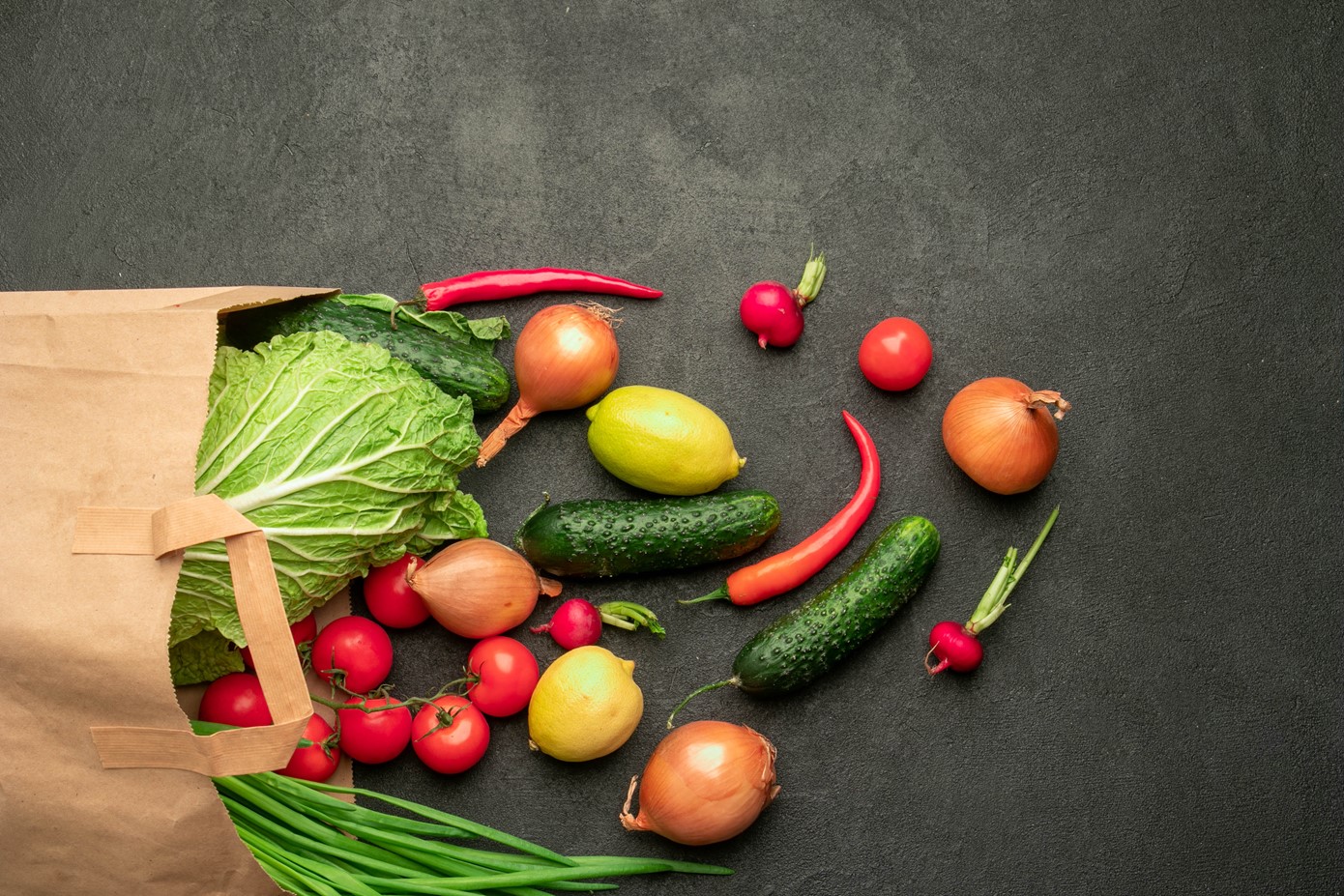
Financial Benefits of Reducing Food Waste
With food and energy prices at an all time high, reducing costs through food waste mitigation can benefit all stakeholders within the food system.
Reducing food waste can reduce costs in:
- Production: Enzymes and processing aids can improve efficiencies and yields in large scale production of breads and baked goods, reducing food waste and costs. For example, proteases have a softening effect on dough and make kneading easier. These enzymes reduce mixing time, improve dough consistency and uniformity, regulate gluten strength in bread, control bread texture and improve flavour.
- Supply chain: Extended shelf-life days allows extra time to pack, pick, transport, deliver and display products, therefore reducing the financial and environmental cost of waste. Supply chain resiliency through preservation directly reduces food loss early in the chain. In emerging markets, 60% of food waste occurs early in the supply chain, before it reaches the retailer
- Retail: when a product stays fresher for longer on shelf in-store, consumers have more time to buy and use the food while it is still safe and appealing, meaning less waste in-store and at home.
- Food Service: secondary shelf-life keeping opened product fresher for longer can mean better efficiencies back-of-house, helping food service operatives manage stock levels and cut down on waste, particularly in bulk pack formats. Additionally, packaging that allows for easy resealing can play a part in maintaining freshness, especially with larger pack formats.
- Consumer: Concern about food safety from consumers creates waste. By providing more shelf-life days, coupled with better sensory appeal, consumers can feel assured that their food is saft and delicious throughout the life. Meaning less food will be thrown out “just in case”.
- Recalls: A huge cost to the industry, in both monetary and reputational terms, product recalls due to spoilage can be avoided or eliminated with the right approach to preservation.
In essence, extra shelf-life days give people more time to use food and avoid it going to waste.
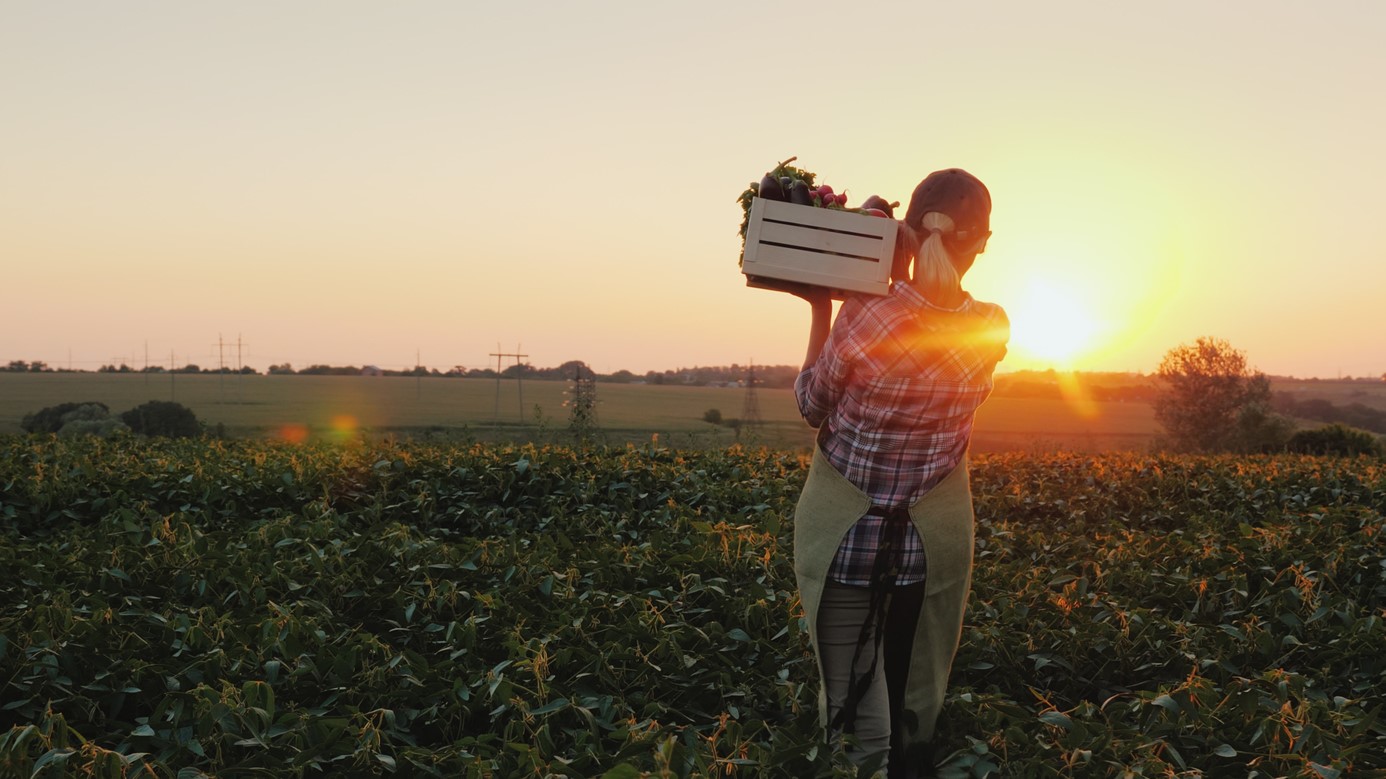
Steps to Consider When Reducing Food Waste
Food waste is multifaceted, with numerous causes. Therefore, solutions to food waste should not be one dimensional but holistic.
It should encapsulate various manageable factors across microbial, textural and taste.
- Food Safety: Ensure products are safe to consume with proven efficacy and research-backed solutions.
- Shelf-Life Extension: Utilise expertise and solutions to extend shelf-life of perishable food items.
- Taste, Nutrition, Appeal: Elevate visual and sensory appeal of products to last across the entire shelf-life.
Tools to Estimate Impact of Food Waste
The relationship between shelf-life extension and food waste impact has been developed. This food waste estimator is an online tool for both manufacturers and consumers, which quantifies the impacts of food waste and the associated cost and resource savings available with the reduction of food waste.
It can demonstrate how, for example, extending the shelf-life of bread by just one day can unlock cost savings for the manufacturer, with positive knock-on to retailers and consumers.
This example can translate to value across the industry in the form of:
- Reduced pressure on supply chain/number of deliveries to service retailers with opportunities to supply more locations.
- Better brand reach and consumer perception, both in store (when comparing Use By dates) and at home (more time to eat fresh, tasty bread before it goes bad).
- Increased retailer and consumer loyalty due to positive brand perception.
- Reduced retail returns to manufacturer.
- Reduced shelf rotations of expired stock before sale.
- Reduced mark downs for short shelf-life loaves, increased retailer profitability.
- And ultimately, less food to landfill, ensuring a more sustainable food system.
Why we Need a More Sustainable Food System
As the world continues to confront the coronavirus pandemic, we have a striking opportunity and obligation to create a more inclusive, resilient and sustainable food system. Enzymes can play an important role in this.
Today, our food system is responsible for over 30% of greenhouse gas emissions, with food loss and waste alone accounting for 8-10%. The pandemic exposed the fragility of our global food supply chains.
From field to fork, unprecedented stresses led to disruption at every level and many weaknesses in our food system were exposed. The pandemic exposed the fragility of our global food supply system and now the Ukrainian conflict is further shaking this system.
Ukraine is, in fact, a critical food hub, in particular for wheat and fertilizers.
By 2050, our global population expected to swell to almost 10 billion people and coupled with rising incomes and urbanisation, demand for animal-based protein will increase.
The World Resources Institute has predicted that by 2050, we will require 50% more food and 70% more animal-based protein to feed everyone.
Reducing Environmental Impact of Food Production
If we continue with our current-day food production practices and consumption patterns, we would need to convert a landmass twice the size of India to agriculture, leading to significant deforestation and biodiversity loss.
It would also result in a failure to meet the Paris Agreement goal of limiting global warming to below 1.5°C.
Food producers all over the world are responding by adopting sustainable practices to reduce their environmental impact. On this sustainability journey, enzymes have become an increasing important ally due to their high efficiency, their specificity and their ability to create a more efficient food production system.
The use of enzymes in food preparations is an age-old process. Humans, unknowingly at first, used enzymes to their advantage for millennia in industries such as cheese making, brewing and bakery.
The term enzyme was first coined in 1877 by Wilhelm Kühne, coming from the Greek word for “in leaven”; while the original purpose of including enzymes in manufacturing processes was to improve the efficiency of the process and reduce cost.
However, it is now well established that enzymes go much further and can unlock significant sustainability benefits and greatly enhance product quality.
How are Enzymes Used in Food Production?
In most cases, the enzymes used in food are used as processing aids, where they aid in the manufacturing of the food but do not have a function in the final product.
Improve Product Quality
In the baking industry, different types of enzymes are used to deliver different functionalities and properties to the final product.

- Amylases (bacterial, fungal and maltogenic) improve the gas-retention of fermented dough, keeping the bread fresher, softer, flavoursome for longer, which can lead to less food waste.
- Proteases are important for bread-making because they have a softening effect on dough and make kneading easier. They are used in large scale production of bread, baked goods, crackers, and waffles as these enzymes reduce mixing time, decrease dough consistency, assure dough uniformity, regulate gluten strength in bread, control bread texture and improve flavour.
- Lipases and phospholipases are also used to improve dough tolerance, significantly increasing bread volume after baking.
- Xylanases are used in baking to hydrolyse arabinoxylans and improve gluten formation.
In brewing applications, haze-negative proteases reduce haze in the final beer and improve shelf-life. In the animal nutrition industry, alpha-galactosidase have shown to improve nutrient digestibility of feed.
In dairy production, lactase enzymes enable the manufacturing of lactose-free products for lactose-intolerant consumers.
Achieving Operational Efficiencies
Amylase, glucanase and glucoamylase enzymes are essential for food and beverage manufacturers to speed up production processes and improve finished product yield, therefore significantly lowering energy and water usage. These enzymes are widely used for producing dairy-alternative plant-based beverages.
The growing preference for plant-based food and beverages requires new enzymes that can allow plant-based protein sources to have similar functionalities to animal-derived protein sources and improve the taste and texture of final products.
Enzymes have the ability to increase the stability of plant-based nutritional beverages, optimize process conditions and enable the production of finished products with a consistent mouthfeel, reduced added sugar and improved taste.
By using these amylase, glucanase and glucoamylase enzymes, manufacturers can reduce production time by 25% and use a wider range of raw materials, allowing improvements in extract yield and increased volume as well as a decreased carbon footprint.
Enable Use of Local Sustainable Rraw Materials
Enzymes can enable a wider variety of raw materials to be used in different processes. In the brewing industry, the most common brewing grain is barley. However, it is a cool-season, temperate-climate cereal, and in many parts of the world, it is not widely grown.
The use of exogenous enzymes has enabled brewers to use alternative local grains for brewing such as sorghum, maize, rice and cassava for producing a consumer-acceptable beer at an economically attractive price point.
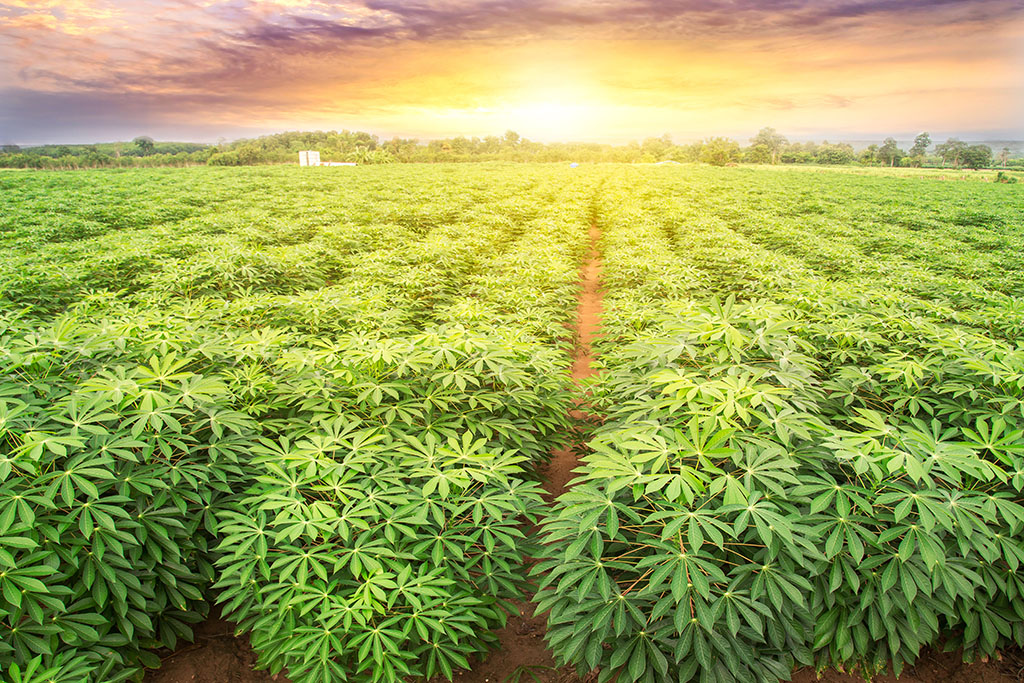
Thermostable α-amylase for high adjunct brewing, along with glucanase, proteases and glucoamylase enables use of alternative, un-malted, more cost effective local and sustainable raw materials without negatively impacting final product integrity.
The benefits to the local economy of using local grains is significant; it creates employment, provides incomes for local farmers, and supports the overall economy.
For example, cassava is a tuber crop grown primarily in Nigeria, Brazil, Indonesia and Thailand, which is rich in available starch. It is underused for sugar production and beer production.
With pressures on the supply and demand of other starches and cereal crops, locally sourced, low-cost cassava represents a potential alternative source of sugar for syrup extract producers, brewers, distillers, confectioners and ethanol producers.
With the optimal application of thermostable amylases and glucoamylase, extracts of the desired quality can be unlocked from the cassava tuber supporting the creation of a high-quality, affordable and sustainable alternative other than that brewed with imported barley.
How do Enzymes Benefit the Environment?
An estimated one third of all food produced is lost or wasted. The resources and efforts for producing this food is also lost as the food is not used for nutritional benefit.
According to the World Food Program (USA), if we can reverse the trend on food waste, we would save enough food to feed 2 billion people, more than twice the amount of people who are undernourished whilst also making a significant contribution towards reversing climate change.
Enzymes are an increasingly important ally as we all seek to create a more sustainable food system. Examples include:
- Shelf life extension of foods to significantly reducing food waste
- Transformation of waste streams into value-added products
- Improvement of overall production efficiency and quality of final products. Some industry examples of this in action include:
Brewing Industry
Brewing has environmental challenges both during production and in the waste management phase. The largest waste by volume is brewers’ spent grain (BSG), followed by yeast.
Approximately 70% of BSG is used as animal feed, but due to its high moisture content and microbial load, its shelf life is extremely short – less than 48 hours. Around 10% of spent grain goes to produce biogas, and the remaining 20% is landfilled.
Every tonne of BSG in landfill releases 513 kg CO2 equivalent of greenhouse gases. This by-product of the brewing process has extraordinary circular economy potential, making it a perfect candidate for upcycling into human food supply, feed or for pharmaceutical purposes.
Exogenous enzymes, such as amylases, proteases and NSP (Non-Starch Polysaccharides Enzymes) can help improve extract yield thereby reducing waste and enabling re-use of waste or by-product like spent grain into value added products.
These enzymes have a great potential to help cereal-based products manufacturers, and in particular breweries, valorise the by-products waste stream and convert it into value-added products by reutilising wasted proteins and fibre molecules.
Enzymes and processing aids deliver a significant reduction in energy consumption and CO2 emissions. There is potential for 19% energy savings, and 41% CO2 emission reduction by using enzymes and processing aids at different stages of the brewing process.
Bakery Industry
The bakery industry represents the largest volume of food waste. It is a major challenge for bakeries as they seek to ensure fresh availability for consumers yet also to minimise surplus. Increasing the shelf life of baked goods by two days reduces those items going to waste by 40%.

In bakery applications, enzymes not only reduce waste, but also improve production efficiencies and enhance the quality of baked goods.
Amylases break down starch to smaller molecules to improve softness over shelf-life, xylanases hydrolyse non-starch polysaccharides like arabinoxylan and hemicellulose so that insoluble hemicellulose is converted to soluble hemicellulose and improve water holding capacity, gluten development and elasticity.
With doughnuts, for example, some specialised enzymes can double shelf life whilst maintaining the softness, moisture, volume and other desired sensory attributes.
Meat Production
Meat is the highest value category of all food waste offenders. 20% of meat produced globally goes to waste and it is the most carbon intensive category of food waste globally.
Specific protease enzymes can help meat processors efficiently transform meat protein waste into valuable resources that can be utilized in a variety of applications, including biofertilizers.
Proteases valorise animal by-products that would otherwise be waste bound, helping meat processors become more sustainable in their manufacturing process.
Fish Industry
In the fish industry, where waste is also a major challenge, advances in enzyme technology have enabled the extraction of value from fish waste, converting protein-rich fish by-product waste into cost-efficient fish oils and proteins.
The traditional linear economy is one based on an ethos of take-make-dispose, with insufficient consideration given to the impact or opportunity from our waste streams.
Circular economy utilizing food waste gives us a great opportunity to upcycle “waste” into “value added” products, thus reducing waste accumulation and increasing resource productivity.
Enzymes are fast becoming a hero in the circular economy due to their ability to turn waste streams into a potential revenue stream.
What are the Future Prospects of Enzymes?
The future of our food production will rely on advances in microbiology, artificial intelligence and bioprocessing.
Across all of these scientific and technical advances, enzymes have the power to play a significant role in creating the future of our food, to make it healthier, more sustainable and to add value to waste streams.
Innovation in enzymes through collaborations between experts in biochemistry, bioinformatic, molecular modelling, enzymology, molecular biology, fermentation, system biology, food science and regulatory will drive enzymology research for waste stream valorisation and play a critical role in acceleration of circular economy.
With advancements in enzymes engineering, these natural biocatalysts are fast becoming pivotal tools to valorise agri-food and by-products waste, unlocking the recovery of essential nutrients and, in many cases, converting by-products waste streams into substantial revenue returns.
When you couple this incredible potential with increased consumer focus on health, environment, sustainability and the ongoing research and innovation focus on enzymes optimisation, it is clear that the future of enzymes is to positively disrupt our food system by building a more efficient and sustainable food chain.
Global conditions like sodium reduction initiatives and disruptions in supply and pricing of lactic acid mean acetates are getting increased attention.
Meat preservation is a serious business—and rightly so, as contaminated meat carries the possibility of such health threats as Listeria, Salmonella and E. coli. These well-known pathogenic bacteria, which can proliferate in unprotected meats, can lead to a range of deadly medical conditions.
For global consumers, the ongoing fear of meat contamination as a threat to human health keeps meat products at the top of the list whenever the subject of food safety arises. Fortunately, the risk can be controlled with proper care and attention paid to preservation techniques and products.
Can Effective Preservation in Meat Reduce Food Waste
In addition to ensuring safe consumption for individual consumers, meat preservation and protection is an important and valuable component of a global food supply chain charged with feeding a global population set to rise from seven billion currently to nine billion by the late 2030s.
For perspective, over one-third of all food produced today ends up in either the “loss” or “waste” category, costing the global economy an estimated $940 billion annually and contributing 8–10% of worldwide greenhouse gas emissions.
Since meat represents the highest category of economic and environmental impact of wasted food globally, the preservation and protection of meat is more than just a personal issue—it’s a society-wide concern.
Lactates as Preservatives
Formulating solutions for meat food safety requires trained microbiologists and in-application challenge and shelf-life studies.
Challenge studies mimic a potential contamination to demonstrate a preservative can keep food safe during a worst-case scenario.
The food safety process takes time and is not an area in which it is worth the risk to try something new on a whim to “see if it works.” Solutions based on the salts of organic acids, e.g., lactic or acetic acid, are time-tested meat safety and shelf-life extension solutions.

Of these, sodium-lactate—based on lactic acid—is the most commonly used conventional meat preservative in the marketplace today.
Lactates have a robust market share following their rise decades ago as a preferred solution for inhibiting microbial growth in meat.
Lactic acid has a strong history in carcass decontamination used in hot water solutions. In its sodium neutralised form, besides protecting meat, sodium lactate adds a light salty flavour.
Finding New Food Safety Solutions
Meat products often use a number of formulation components that contain sodium. The downside—hiding in plain sight in the name—is that these applications are sodium-based and thus serve to raise the volume of sodium in any product that uses them.
This issue has become more prominent because global regulatory bodies are placing increased pressure on sodium reduction, which means there is even more pressure to reduce the sodium content contributed by preservatives in meat.
The overconsumption of salt is being targeted by food regulators worldwide, beginning with the World Health Organisation (WHO) and most recently the United States Food and Drug Administration (FDA). This has a rising number of food companies attempting to comply with the current WHO guidance, and many are looking ahead to potential future regional regulatory actions.
Since these efforts can struggle due to increased costs, technical difficulties and/or impact on flavour, however, the larger challenge is to naturally protect (or enhance) taste using less sodium while preserving food safety.
Taste Challenges
Substitution of sodium lactate with potassium lactate has been a great step in tackling sodium contribution to dietary intakes but often needs additional sensory support in application.
This is because, in dosages over 1%, potassium-based solutions may deliver an “off” (sometimes described as “metallic”) taste. Lactates are often dosed at more than three times this.
With all this in mind, acetate-based meat preservatives—derived from acetic acid—are an option now receiving more consideration.
Acetates as a Potential Solution
It was about a decade ago that one of the more exciting features of acetate-based preservatives was revealed: they are effective at five to seven times lower dosages than lactates at the same pH level.
The efficacy at low doses is due to a higher undissociated acid content. This means less preservation product is needed while still meeting vital food safety standards.
In more technical terms, the positive effects of acetates are higher in the neutral-pH zone—a key reason lactates can be replaced by applying acetates at a much lower dose.
Put simply, acetates are very efficient. Achieving equal protection using lactates requires a much larger dose, and that’s where taste and cost issues can come into play in some products.
Due to the effectiveness of acetate-based preservatives, even many lactate-based products today are lactate-diacetate blends.
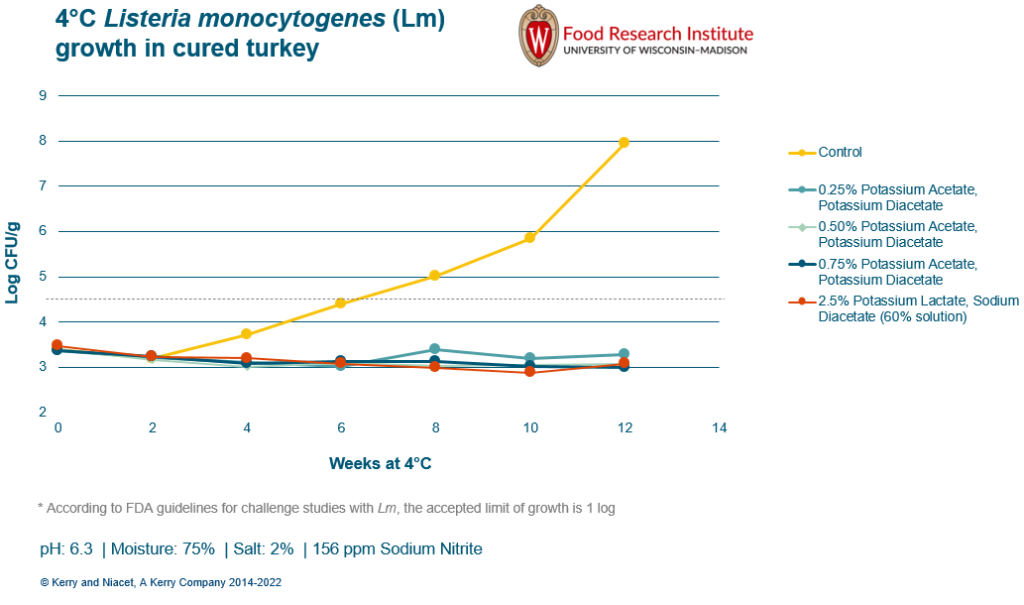
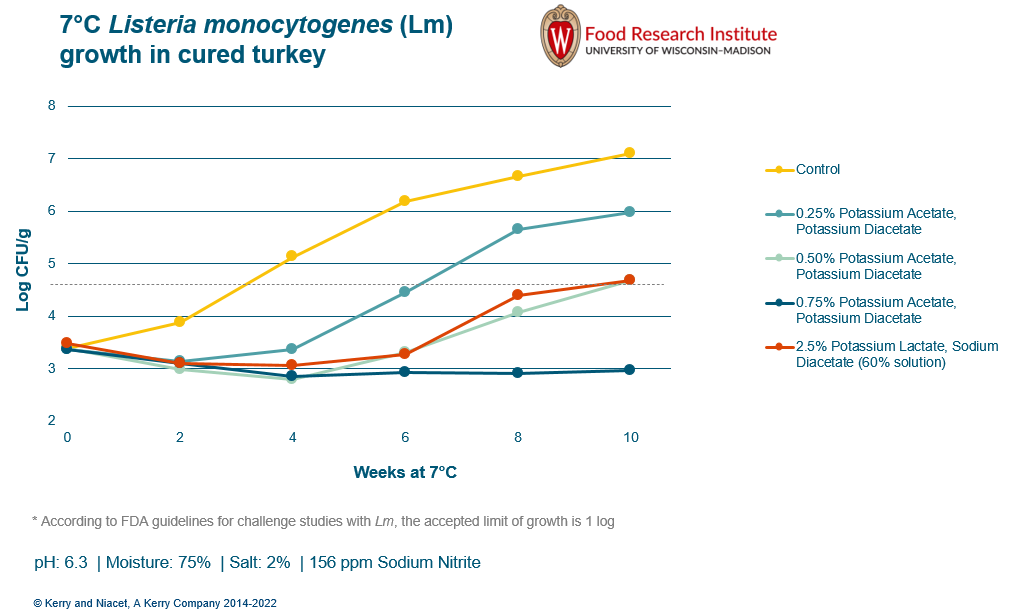
- Zero sodium content compared to sodium lactates
- Minimal unwanted taste impacts from potassium due to the low dosage required
- Reliability of supply in the current market
The latter item is especially noteworthy because it’s in stark contrast to the supply-chain disruptions and rising price volatility lactic acid seems destined to face for the foreseeable future.
Reformulation for Sodium Reduction
With many of the preservative solutions currently on the market (both conventional and those offering a clean label) having a sodium base that contributes more sodium to the final product, the need for solutions has led to a slow but steady shift in preservation protocols.
Meat applications are notoriously challenging in terms of meeting sodium targets, so sodium-based preservatives are ground zero for reformulators.
It’s also worth noting here that reducing sodium can create challenges when formulating for shelf life, and these must not be ignored.
For the meat industry, the race has begun to uncover solutions that will replace sodium’s role in the protection, preservation and flavor of meat products without negatively impacting the lifespan of products.
However, managing application developments and challenge tests for improving preservatives takes time, making it vital for meat processors to initiate the process without delay.
Acetates provide flexibility in terms of a product’s sodium “budget,” delivering a key advantage in any reformulation effort.
Applying a sodium-free version of acetates means greater “leeway,” i.e., extra room, to retain some salt content in order to maintain taste. The possibility thus emerges for a significantly reduced amount of sodium in the final product with little to no negative effect on flavour.
FSSP Modelling can Speed Reformulation
It’s essential to make sure that preservatives are effectively doing their job when reformulating products, and the most common way this is done is to research and develop application and challenge tests.
A key tool to make use of in this area is the well-established and independent Food Spoilage and Safety Predictor (FSSP) software.
Developed by the University of Denmark and accepted by regulatory authorities, the FSSP provides a significant advantage in modeling and predicting the effect of product characteristics, pH, temperature and storage conditions on meat shelf life and food safety.
The result for meat processors is a means of determining—accurately—how much preservative will be needed to achieve their shelf-life and safety objectives.
FSSP is highly specific about the Listeria controls that exist in cold, stored meat products. This information can be used to document whether Listeria monocytogenes, Salmonella and E. coli are able (or unable) to grow on a particular ready-to-eat product.
The FSSP model can also predict the effect of acetates and lactates and organic acids in general terms, and can be used to facilitate the development or reformulation of lightly preserved foods during the process of developing products with reduced sodium content.

Lactic acid supply-chain challenges
With its positive attributes of versatility, eco-friendliness and general safeness, lactic acid is one of those ingredients for which global demand has outstripped supply.
For meat processors, the supply challenges around lactic acid should be of strong concern when it and its derivatives—such as lactates—are the products being used to control pathogenic bacteria in meat.
In short, for those charged with ensuring meat’s safety for consumption, reliability of supply is paramount.
Why all the supply issues? In addition to its food protection role, lactic acid is used in a wide range of other industries and applications, including bioplastics and other uses that emerged during the pandemic. Many industries favor lactic acid over other ingredients given that it’s a natural product and acts as a flavor enhancer in some cases.
Due to lactic acid’s wide (and growing) range of uses, its environmental benefits and the production challenges it faces, supply disruptions and shortages are inevitable and not expected to end anytime soon.
The possibility also exists for rising prices in the future, that will make lactic acid increasingly less economical. All of these factors are fostering changes in meat processing processes, which in turn are pushing food and meat processors to work ahead to examine all viable, sustainable solutions.
Finding a way to provide effective food safety while decreasing reliance on lactic acid will help ensure a safe food supply as meat processors work to address the booming call to reduce sodium content.
Since acetates can be effective at low doses while contributing minimal sodium, there is a growing likelihood we will see them more commonly used in meat.
In this webinar, our experts dive into the challenges and opportunities for actioning sustainable nutrition by answering questions like:
- What falls within the spectrum of sustainable nutrition?
- What tools exist to measure how foods fit into a healthy diet?
- How can they be used to communicate information to consumers or to guide industry renovation and innovation?
- What metrics can we use to track progress toward water use, carbon emissions, land use, etc? Are they accurate and feasible on a large scale?
- What might the future bring for actioning sustainable nutrition?
Watch the full recording.
The idea of sustainable nutrition is driving a foundational change in the way food is produced globally. It is nutrition that is produced and delivered in a way that is mindful for people, the planet, and society. Sustainable nutrition is becoming embedded into the day-to-day thinking and decision-making of consumers as well as strategies of many companies in the food and beverage industry.
However, measuring and communicating progress against sustainable nutrition strategies and targets in a transparent way is challenging. Metrics that are supported by science, feasible to use on a large scale, and easily transparent to consumers and regulatory bodies are essential. How can we make meaningful progress toward an improved food system?
It’s no surprise that reducing sugar consumption is a global focus, but did you know that reducing sugar consumption can also be linked to sustainability improvements?
Sugar production can have an adverse impact on the environment in many ways, so reducing consumption can also promote sustainability.

Sugar Reduction for Health – Why?
High sugar intake is known to increase a person’s risk for heart disease, type two diabetes and obesity. Sugar-sweetened beverages have been a primary target of tax legislation in many countries due to their high calorie and sugar content.
Additionally, there is a strong link between sugar intake and dental caries, or more commonly known as tooth decay or cavities. Dental caries develop when bacteria in the mouth metabolizes sugar left on teeth which produces acid that then breaks down the enamel and dentine on the tooth.
It has been estimated that, globally in 2010, US$ 298 billion was spent on direct costs associated with dental caries (WHO).
Therefore, the World Health Organisation recommends reducing free sugar intake for both children and adults to under 10 percent of total daily calories, equivalent to around 50 grams of free/added sugar maximum for the average person per day.
Sugar Reduction and Sustainability
Environmental Impact of Sugar Production
Sugar is a major industry with significant effects on the global environment resulting from growing, harvesting, refining, and distribution. On average, sugarcane accounts for nearly 80% of global sugar production, with some 110 countries currently producing sugar from either cane or beets.
For the period October/ September 2019, the top 10 producing countries (India, Brazil, Thailand, China, the US, Mexico, Russia, Pakistan, France, and Australia) accounted for nearly 70% of global output, with more than 170 million tonnes consumed annually (International Sugar Organisation).
The production of sugar is a highly water intensive operation, especially from sugar cane which has deep roots.
According to a recent sugar life cycle analysis and report conducted by Kerry, manufacturing 1kg of cane sugar uses 1,110 liters of water and leads to 0.42kg of CO2 emissions. For the case of beet sugar, it would require 640 liters of water and emit 0.85kg of CO2e (LCA).
The increase in global demand for sugar is resulting in high water consumption, air and water pollution, soil degradation, and change in natural habitat. It is estimated that 10% of soil is lost during harvest of beet sugar and 3-5% of soil in sugar cane harvest.
This has resulted in the clearing of natural habitats such as rain forests, coastal wetlands, and savannah (WWF Action for Sustainable Sugar).
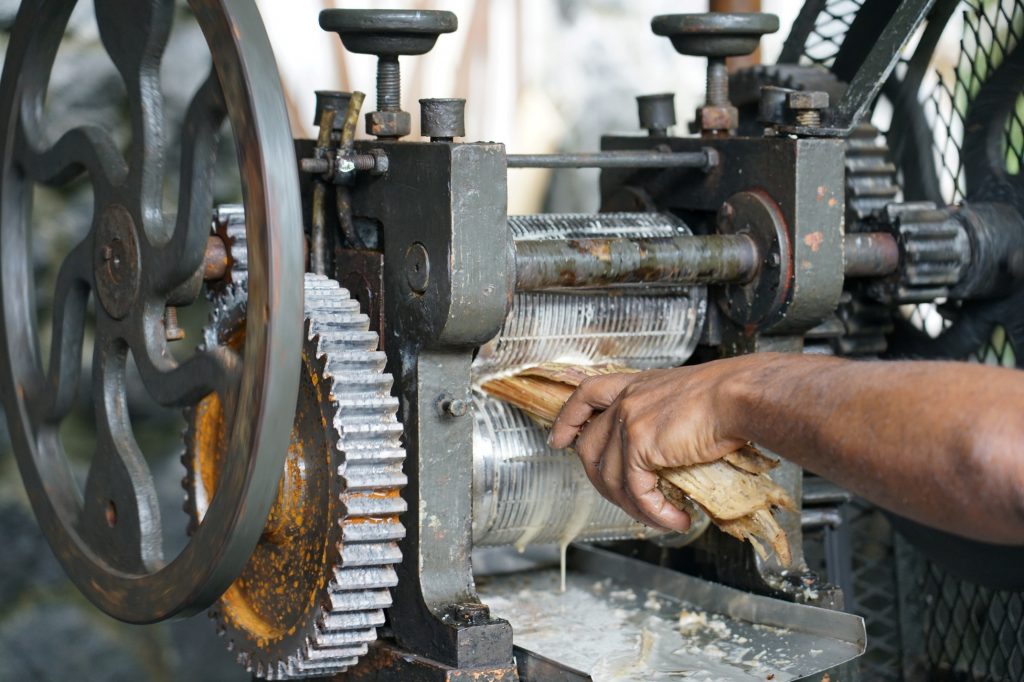
What does the global supply chain need to consider to support sugar reduction? In this report, the World Health Organisation proposes answers to questions like:
- What are the incentives and disincentives for industry to reduce the amount of sugar in manufactured food and drink products?
- At what point along the supply chain do these incentives and disincentives operate?
- Are there opportunities to effectively enhance the incentives and/or lessen the disincentives for reducing sugar?
The Landscape of Sugar Alternatives
It’s not always easy to reduce sugar because of its taste and functional purposes. Sugar plays many functional roles in food and beverage products apart from sweetness.
The baking industry relies on sugar to make bread rise when it goes through a fermentation process with yeast. It is also used as a bulking agent in other baking applications where yeast isn’t present.
From a molecular standpoint, sugar will bind with water which is used for both shelf life preservation as well as melting or freezing point requirements.
As a result, there is no substitute for sugar in the market that is a one-for-one replacement. However, two common alternatives that can improve nutrition and also improve sustainability metrics are flavourings with modifying properties (FMPs) and stevia.

Flavouring with Modifying Properties (FMPs)
Another example in the market used to replace sugar is flavouring with modifying proprieties (FMP). As called out in the name, this option can often be labeled as Natural Flavouring in applications.
FMPs can be used at low quantities as well to replace large amounts of sucrose. This option is seen as a more nutritious and sustainable alternative to sugar, while also being clean label.
To put the nutrition piece into perspective, let’s look at an example of removing 30% of the sugar used in all European full sugar Cola beverages and replacing with FMPs. This would be the equivalent of removing 68 billion sugar cubes, the equivalent of 1,200 billion hours of cycling worth of calories.
From a sustainability standpoint, the amount of sugar removed is the equivalent of 29,800 cars driven for one year and the amount of water used for 11 billion people’s annual showers (EPA).
Stevia
Stevia can be up to 300 times more sweet than sucrose, meaning you can replace 100g of sucrose with 1/3g of stevia (Pure Circle Stevia Institute). The overall caloric impact of stevia into an application is negligible due to the small quantity used.
The main compound found in stevia leaves imparting sweetness is called steviol glycosides and can come in many different varieties. Stevia’s effectiveness at adding sweetness plateaus after 200 ppm because at this level you will start to perceive bitterness and off-notes.
Since less stevia leaves are required versus sugar to provide the same level of sweetness, stevia is the more sustainable option as it would require less land and water to grow and result in lower manufacturing emissions.
Addressing sustainable nutrition is central to the future of the food and beverage industry.
Many companies are transforming their strategies to improve measures such as water use, carbon emissions, animal welfare, and food waste while also addressing societal challenges such as obesity and malnutrition.
However, addressing sustainable nutrition can often come with unique taste and mouthfeel challenges.
The phrase “the least nutritious food is the one that goes uneaten” emphasises the importance of understanding taste science as a tool to achieve sustainable nutrition strategies.
Sugar reduction and plant-based diets are two major focus areas of innovation in sustainable nutrition.
In this webinar, learn about:
- The science of flavour modulation and how it can help achieve sustainable nutrition goals
- How flavour modulation can account for taste and mouthfeel challenges in reduced sugar applications
- Strategies to understand and account for unique challenges of different plant protein sources
- How to bring this science to life in examples from the beverage market
Sustainable Nutrition: Sugar Reduction
Producing one kilogram of sugar cane requires 1,110 litres of water and results in 0.42kg of CO2 emissions. This means that sugar reduction is not just important for improving health, but is also important in developing products that are better for the planet.
However, reducing sugar affects not only the sweetness of a beverage, but also its mouthfeel. Alternative solutions to sugar often come with detectable flavour off-notes.
Learning how to account for each of these challenges in sugar reduction is essential to meeting the taste expectations of consumers.
Sustainable Nutrition: Plant Proteins
The popularity of plant-based diets and use of plant protein is continually rising, leading to tremendous growth in markets like alternative dairy. This is both due to the health halo of plant-based foods, as well as the positive impact plant-based diets can have on the environment.
Different types of plant proteins are entering the market daily, but each plant protein comes with unique taste and mouthfeel challenges depending on the plant from which they are derived, where they’re grown, and how they’re processed.
Understanding the science of accounting for challenges specific to each ingredient being used can be a great advantage in product development.
Identifying ingredients that have nutrition value from existing waste streams is one way to make strides toward a more circular economy with regards to sustainable nutrition.
Brewery spent grains are the most abundant by-product of the brewing industry, mainly used as animal feed in current food systems.
Brewery spent grains are rich in fibre, protein, and phenolic compounds, making them a potential candidate for upcycling into nutrition ingredients in the human food supply.
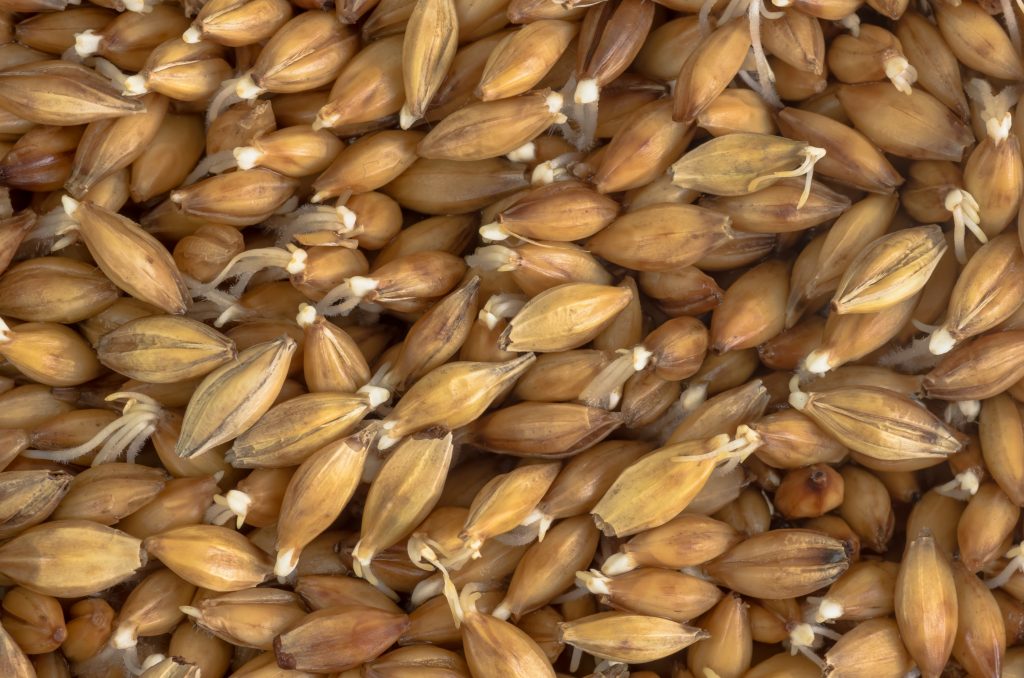
A recent study published in the Journal of Food Science measured the impact that nutrition and sustainability messaging had on consumer purchase intent for cereal bars using brewery spent grains as an ingredient. The bars contained 12% brewery spent grains and were tested against commercial cereal bars.
Sustainability and Nutrition Messagingt
The cereal bar made with brewery spent grains was perceived as natural by a significantly higher number of panellists (49%) compared to the control product.
Calling out the fibre content of the product had a positive impact on purchase intent, as did calling out the use of upcycled ingredients. For these panellists, the sustainability messaging had a larger impact on purchase intent than the nutrition messaging.
Overcoming Taste Challenges
The commercial cereal bar outperformed the bar formulated with brewery spent grains in most measures for sensory attributes and liking. This finding has a couple of implications.
First, the finding that sustainability and nutrition messaging on the product still improved purchase intent for the product with brewery spent grains shows that consumers are willing to forgive some changes in taste.
Second, it shows the importance of understanding the properties of upcycled ingredients, each of which will pose different challenges for taste and formulation.
High Moisture Levels
Interest in upcycling spent grains into the human food supply has been building for years due to its promising nutrient content. However, a main challenge is the high moisture content of this brewing by-product.
Spent grain can be up to 70-80% water by weight, which poses a challenge for transportation costs due to the weight of water.
The high moisture content, combined with the nutrients found in spent grains, gives microbes an environment that encourages growth. This can lead to fast spoilage and potentially pose a foodbourne illness risk.
These reasons are why spent grains have been mainly limited to being used as animal feed in locations local to the brewery in which they were created.
Methods that can reduce the risk of spoilage or growth of pathogenic bacteria, without addition of ingredients that would take away from the natural appeal of using an upcycled ingredient in food, will be key for using spent grains in the human food supply at a global level.
Implications of the Study
Overall, this study showed that consumers desire seeing information about both nutrition and sustainability on a package. Although the participants of this study still had high purchase intent despite lower taste and sensory performance, another takeaway is that a product that is optimized for taste, sustainability, and nutrition can maximize appeal.
A link to the study can be found here: Impact of sustainability and nutritional messaging on Italian consumers’ purchase intent of cereal bars made with brewery spent grains
Food Protection is Key to a Sustainable Future
Food protection and sustainability go hand-in-hand, and audacious innovation is key to minimizing food waste.
A staggering one-third of food is wasted at an annual cost of $940bn to the global economy. The number of people chronically under-nourished in 2019 is almost 690 million and this figure is set to be much higher in 2020¹.
Distribution limitations, food safety and quality issues, along with misconceptions over when food is spoiled contribute to inefficiencies & food loss. The COVID pandemic heightened awareness of the complex nature of our global food supply chain.
Consumers are also becoming increasingly aware of the environmental and societal impact of the origin of their food, driving a desire for more sustainable choices.
Food manufacturers are increasingly looking to protective ingredient solutions to enhance safety, extend shelf life as well as help achieve their food waste reduction goals.
Food protection strategies and mechanisms differ by food type, stage in the manufacturing process or supply chain as well as conformance to regulatory requirements.
In this webinar, our experts explore ways to reduce waste, prioritise food safety & quality while addressing consumer demands for sustainable food choices.
Key Takeaways from the full-length webinar recording
- Where food is lost and wasted?
- How to reduce food waste and maintain food safety & quality
- Prevention strategies against pathogenic contamination of food, the top reason for food recalls
- The future of sustainable food
In this webinar, learn:
- How we can optimize plant based protein for taste and nutrition – what we do and don’t know about healthy diets and the role of protein sources
- How we can optimize new plant-based proteins for the environment – highlighting the trade-offs and unknowns of plant-based protein development
- Which new protein sources have the most promise? – addressing the limitations of a few ‘hot’ sources and highlighting a few under-explored but high-potential options
Plant-based alternatives are perceived as being a healthier and more environmentally friendly protein source and can play a key role in reducing the environmental footprint of food production systems.
However, this should not overshadow that the over-reliance on a limited number of crops can cause issues such as water scarcity, deforestation and biodiversity loss in some parts of the world.
Plant-based protein can provide complete amino acid nutrition when consumed as part of a balanced diet.
As plant-based foods are introduced as snacks or indulgence foods, there is a need for transparency in their health credentials – products which are highly refined, or high in fat, sugar, salt or artificial preservatives may not retain the benefits of eating plant-based.
The above issues are key considerations to ensure the hoped-for potential of a plant-based future, can indeed, become a reality.
Conscious consumers want to feel that a food or beverage aligns with their beliefs, which has led to a push for claims like ‘free from artificial colors or preservatives’, ‘organic’, and ‘made with natural ingredients’.
Consumers who seek foods that they perceive as natural and healthy don’t offer the industry a consistent definition of what they accept on product labels – simply put, they expect food as it should be.
Consumer research helps us to group the main categories of what consumers are looking for when it comes to ‘clean label’, trustworthy foods: ingredients, nutrition and sustainability. 84% of American consumers are seeking more natural and less processed foods.
At the same time, foodborne illness is the #1 food safety concern for consumers, rising above issues like chemicals or food additives (International Food Information Council, 2019), so as the food industry tries to meet these demands, they are faced with the challenge of finding the balance between convenience and safety, while also offering foods that are as close to homemade as possible.
When we decode consumer demands, we may find ourselves layering in challenges that consumers care about, but have not even considered.
For example, natural foods create challenges surrounding:
- Food waste
- Food safety
- Food appearance
Balancing Food Waste and the Movement Towards Natural Foods
Natural homemade foods made with locally-sourced kitchen cupboard ingredients are the standard narrative targeted by many consumers – unfortunately they have a very short shelf-life.
Consider a homemade loaf of brown bread, it typically becomes stale within a few days and may develop mould within a week. The perceived premium homemade quality helps offset the limited shelf-life, making its freshness part of its appeal.
However, the short lifespan of homemade foods can sometimes create a sense of obligation to eat them before they spoil rather than simply enjoying them.
The same emotional consumer journey does not translate for purchased food with natural positioning, which usually comes at a premium.
When the consumer realises that the shelf life of natural food is inconvenient and doesn’t fit into their busy lifestyle, there is a negative association with the money wasted and the pressure not to let the product go to food waste.
The intent to repurchase is diminished due to the inconvenience of wasting a premium food product or having to shop more often to accommodate a product’s short shelf life. One-third of food globally goes to waste and this rises to 40% in North America.

Consider store-bought bread. Across the US and Europe, bread has the highest volume of waste but is generally a low value product.
The solution is to look to naturally-derived methods of maintaining shelf life that meet consumers’ label and ingredient expectations that can be scaled up to create commercial solutions. Like adding lemon juice to fruit salad or rinsing fresh berries in vinegar, a combination of traditional methods and scientific studies can be used to solve these challenges. In bread for example, sourdough (fermented wheat flour) is an authentic shelf life solution.
The Food Safety Problem
The number one claim in new product launches across many categories is “No Additives/Preservatives”(Mintel GNPD).
Consumers want ingredients which they can understand and trust, but at the same time hold food safety as a top priority.
In the meat category for example, there is a distinction between fresh meat whose appearance and freshness is key and which must be handled and cooked correctly by the consumer.
Consumers will scrutinise the source, freshness and appearance of fresh meat more than any other category.
Processed meats are highly regulated by bodies such as USDA for pathogen control to ensure food safety over shelf-life.
As consumers reject traditional preservatives, the industry must look to nature for solutions that help them to meet consumer demands without compromising food safety.
Consumers are not willing to risk their family’s safety by feeding them preservatives, but equally, they are not willing to risk food poisoning for the same cause…

We see that meat brands who can find the balance with the removal of artificial preservatives but meet consumer shelf-life and federal food safety regulations see growth in an otherwise stagnant market.
With a range of natural shelf life options such as extracts, fermented vegetable juices, functional flavours and vinegar becoming more accessible globally and being backed by challenge and shelf life studies, there are options for brands looking to reformulate for health and wellness.
For more information on how these solutions work, read the article Fermented Ingredients for Natural Preservation.
The Aesthetics of ‘Natural’ Food
Consumer awareness of the natural appearance of certain foods can vary by region and education. For example, tarama (a Greek meze made from fish roe) is naturally beige/grey, but the French market has been conditioned for it to appear pink as a sign of quality.
When confronted with the highest quality natural product, consumers are concerned that it has spoiled due to the unfamiliar colour.
Wild salmon may be white, depending on its diet or ability to process certain pigments. The deep red colour comes from pigments in crustaceans in the salmons’ diet.
Farmed salmon is fed compounds to give it the familiar orange colour. Both of these are additives of sorts but they are unconsciously demanded by consumers through conditioning to recognise colour as a sign of quality.

Turkey deli meat is another example. In the US, to meet shelf life demands, it is often cured with sodium nitrite or natural alternatives for pathogen control.
The resulting turkey deli meat carries a lot of the colour and flavour characteristics of ham, so many times the turkey flavour and appearance need to be built back in. Consumers confronted with whiter turkey deli meat may wonder if it is bleached, or bland in comparison to what they are used to.
Like has been done in recent years in other categories with claims such as “naturally cloudy” in apple juice, “natural sediment may occur” in craft beer or “separation is natural, stir me up” in natural nut butters, we must find ways to reassure consumers who may be surprised by the natural appearance of certain foods.
The Future of ‘Natural’
In short, consumers want it all and they want it now…but they don’t always understand what they are asking for. Science-backed innovation in this novel foods space is ongoing, gaps still exist to allow manufacturers to reduce packaging and maintain quality with naturally-derived processes and ingredients.
Market solutions need to be backed with food safety data and assessed as GRAS (generally recognised as safe) by regional bodies such as EFSA and the FDA for safety of new substances or new proposed uses for currently authorised substances.
As the industry moves towards greater transparency, there is an opportunity for consumer education to ensure products developed meet their unexpected expectations.
To watch our webinar on Clean Label: More Than Ingredients click here.
Summary
 Healthy eating has never been more talked about, and the ‘free-from’ trend has been dominating the consumer marketplace.
Consumers are increasingly demanding foods that are free from allergens like gluten or dairy, artificial ingredients like flavours and preservatives, and any ingredients with unfamiliar names.
The response of the food industry to this booming consumer demand is a ‘Clean Label’ movement.
Food and beverage manufacturers in every category and channel are innovating and evolving to stay ahead of these changing consumer needs by reducing the number of ingredients on labels, removing unfamiliar ingredients, and building trust with consumers.
To consumers, though, it is about more than a clean ingredient label. Join us for a webinar which looks to the future of healthy eating and the impact on the food industry.
See why cleaner labels may just be part of a solution for an expanded consumer definition of health, and why nutrition, social and environmental responsibility will be key to successfully meet long-term consumer needs for healthy food.
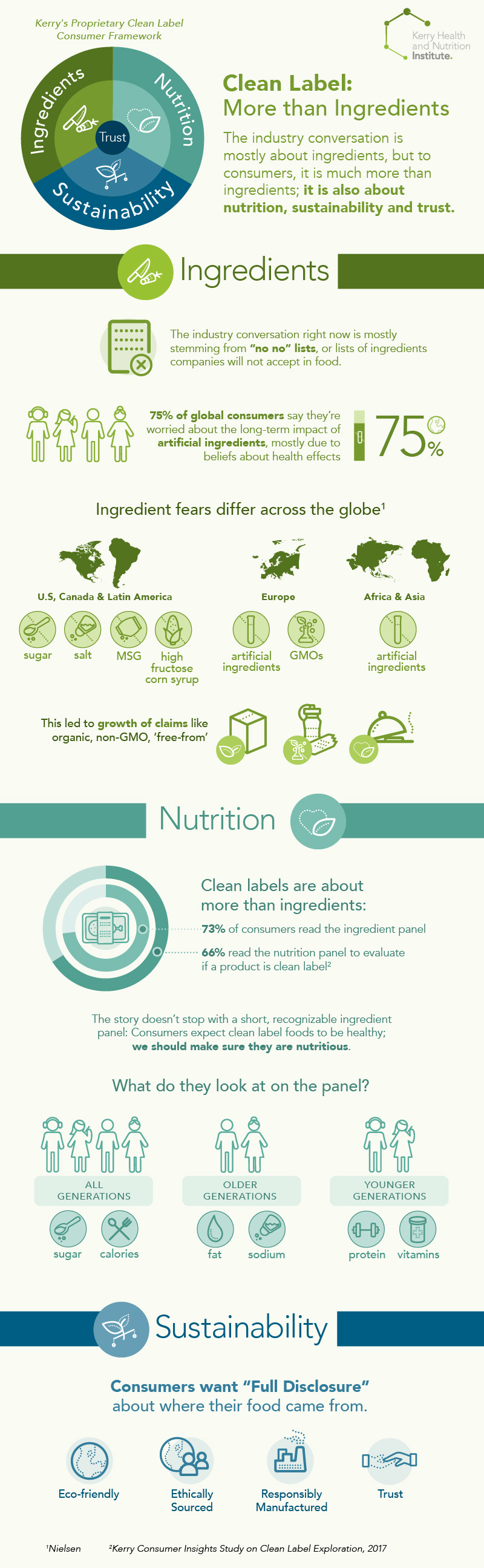
Joanne Slavin, PhD, RD is a leading nutrition researcher in the areas of fiber and general wellness. We sat down with her to get her perspective on the future of nutrition, including hot topics like plant proteins, changing fiber regulations, and what’s on the horizon.
Dr. Slavin is a Professor in the Department of Food Science and Human Nutrition at the University of Minnesota and a member of our Scientific Advisory Council.