The quality of our sleep the night before a busy day can determine whether we are energised for success or end up feeling fatigued and unproductive. Having a sufficient and consistent sleep schedule is very important for our overall health and well-being.
Sleep supports our brain function, our the circulatory system, our metabolism and our long-term memory retention1. Lack of sufficient sleep over time can lead to long-term complications, such as increased blood pressure and a weakened immune system2.
What does a Good Night’s Sleep Consist of?
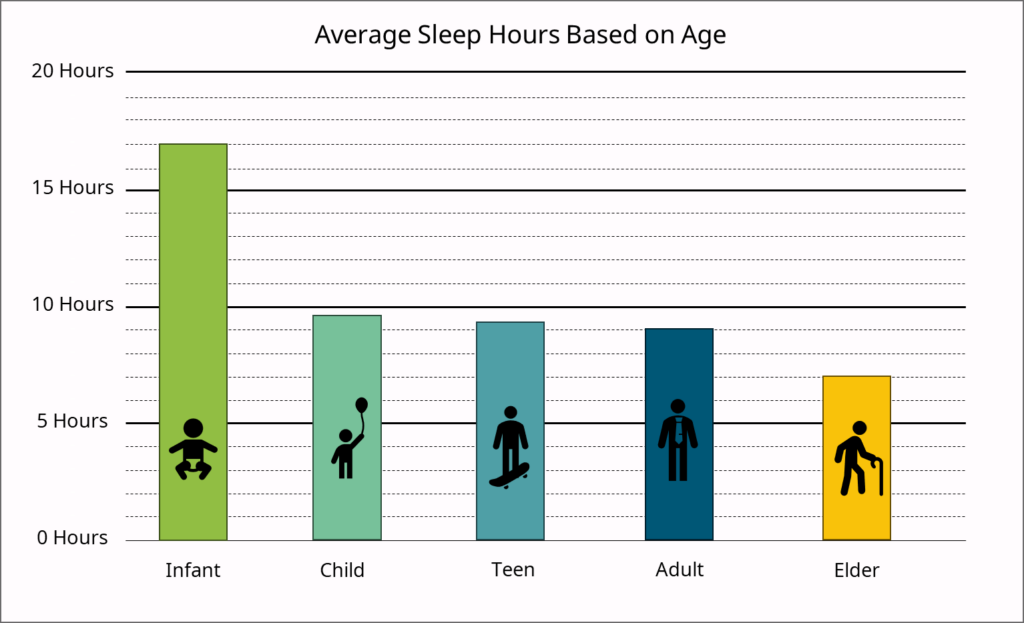
The amount of sleep needed will depend on the stage of life and other factors such as activity level and certain co-morbidities. Babies initially sleep as much as 16 to 18 hours per day, which may boost growth and development (especially of the brain).
School-age children and teens on average need about 9.5 hours of sleep per night. Most adults need 7-9 hours of sleep a night, but after age 60, night time sleep tends to be shorter.
Phases of Sleep
During sleep, our brains progress from two different sleep states: REM (rapid-eye movement) sleep and non-REM sleep.
- REM sleep occurs in the first 90 minutes after falling asleep. The body’s systems are more active compared to deeper states of sleep. This state almost mimics wakefulness as breathing is fast and irregular, heart rate and blood pressure are near waking levels. During REM sleep emotional experiences are processed and memories are consolidated. In addition to memory consolidation and emotional regulation, REM sleep also supports other cognitive functions such as mood stability, restorative brain activity, and brain development, especially in infants and children where neural pathways are growing and refining. Interestingly, REM sleep increases in duration in the latter half of the night, which is why we often wake up from a dream in the morning hours.
- Non-REM sleep follows as the brain gently drifts from a state of alertness to sleep, body temperature decreases and eye movements slow down. Brain activity occurs in small bursts and heartbeat and muscles relax further. The final stage of non-REM sleep is the deep sleep period. All systems slow even further, including brain waves. It can be difficult to rouse a person awake during this intense deep state of sleep3. Non-REM sleep contributes to physical repair and recovery, growth & development, supports immunity, regulates hormones and enhances memory consolidation.
Nutritional Interventions for Sleep Quality
Diet can significantly influence circadian rhythms and sleep quality. Nutrients that support the production of key sleep-related hormones, such as melatonin and serotonin, are particularly beneficial.
Foods rich in tryptophan, an amino acid precursor to serotonin and melatonin, include turkey, chicken, nuts (especially almonds and walnuts) and seeds. These foods help regulate sleep-wake cycles by enhancing melatonin synthesis, which aligns with the body’s natural sleep rhythm.
Complex carbohydrates found in whole grains, oats, and legumes can improve tryptophan’s availability to the brain, promoting a restful sleep.
Magnesium and potassium, present in foods like leafy greens, bananas, and sweet potatoes, also play a role in relaxing muscles and calming the nervous system, which is essential for preparing the body for sleep.
Omega-3 fatty acids, found in fatty fish, like salmon and sardines, have been shown to support circadian alignment by influencing serotonin levels, which can improve sleep quality.
Vitamin B6 (in foods like bananas, chickpeas and fortified cereals) and vitamin D (in eggs, fish and fortified products) are essential for the synthesis of serotonin, helping to regulate mood and improve sleep quality.
Additionally, antioxidant-rich fruits like cherries and berries contain natural melatonin, which may aid in promoting earlier sleep onset. Caffeine-free herbal teas such as chamomile and valerian root also have calming effects that can help with falling asleep and maintaining restful sleep.

Botanical extracts have been increasingly studied for their potential to support sleep quality.
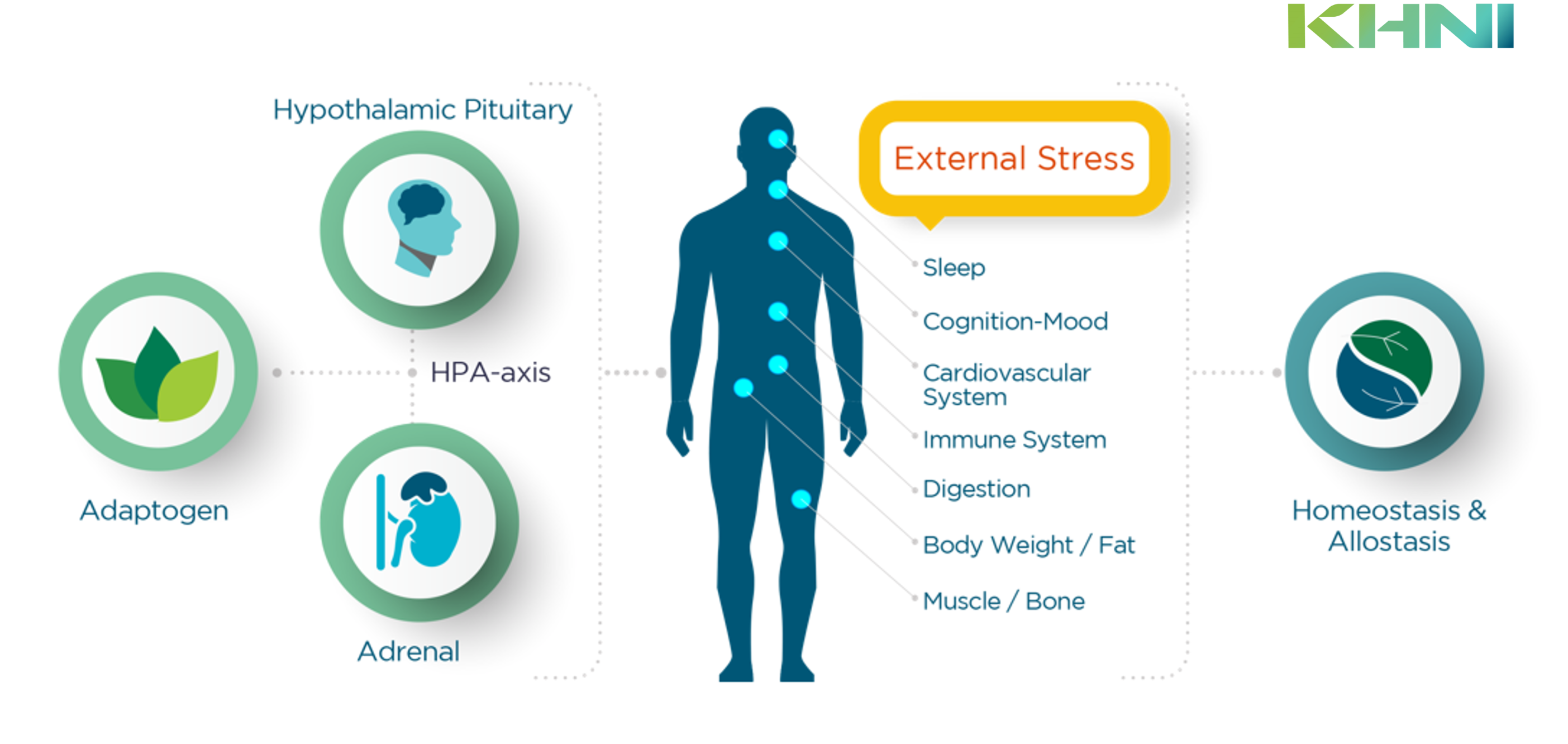
One such extract is Withania somnifera, commonly known as ashwagandha. Ashwagandha is considered an adaptogen, helping the body adapt to stress and balance the body’s physiological processes.
While more research is needed, early studies have shown that ashwagandha may improve sleep onset, duration, and quality, especially in those experiencing stress-related sleep issues.
Both alcohol and caffeine can significantly disrupt sleep quality. Caffeine stimulates the nervous system and acts as an adenosine receptor antagonist, blocking adenosine which promotes sleep. This causes an increase in alertness and delaying the onset of sleep.
Consuming caffeine, especially in the afternoon or evening, can reduce the total sleep time and impair normal sleep14.
Alcohol, while initially sedating, can lead to fragmented sleep and a reduction in REM sleep. It also disrupts the body’s natural temperature regulation and increases night time awakenings. Limiting both of these can help achieve more restorative and uninterrupted sleep15.
Sleep and Disease Risk
Insufficient or poor-quality sleep is increasingly recognised as risk factors for a range of chronic diseases. Studies have linked chronic sleep deprivation to elevated risks of cardiovascular disease, type 2 diabetes, obesity, and some neurodegenerative conditions.
Disrupted sleep also impairs metabolic function, especially glucose metabolism and insulin sensitivity. Inadequate sleep has also been associated with increases in system inflammation and elevated blood pressure, both of which can contribute to cardiovascular risk.
Poor sleep may also impact immune function, which increases the risk of infectious disease. Finally, lack of adequate sleep also contributes to increase in mental health risk such as stress, anxiety, and depression.
Emerging research continues to explore the significant role that diet plays in sleep quality.
As we advance in understanding these connections, there is a growing opportunity for industries to implement evidence-based nutritional guidance and develop innovations, such as tailored meal plans and/or supplements, that support better sleep and overall health.
Cognitive health refers to the state of an individual’s cognitive abilities, including memory, attention, reasoning, language and problem-solving skills.
Maintaining cognitive health is essential for overall well-being and quality of life, as cognitive decline can affect daily functioning and lead to conditions such as dementia and Alzheimer’s disease 1.
Stress
The impact of stress on cognitive function, memory and the role of stress hormones in modulating cognitive health plays a significant role in current society.
The concept of stress, however, was first defined by the “father of stress”, Hans Selye, a Hungarian – Canadian endocrinologist back in 1956. Selye defined stress as the non-specific response of the body to any demand placed upon it, which he termed a “stressor.”
He proposed that stressors could be both external (e.g., physical threats) and internal (e.g., psychological pressures). The response of the body to these stressors is called the “stress response,” which includes physiological and behavioural changes aimed at adapting to the stressor 2.
Physiology of Stress
The physiology of stress is a well-characterised and extensively studied phenomenon in the field of biology and neuroscience. When the body encounters a perceived threat or challenge, it initiates a complex cascade of physiological responses to cope with the stressor.
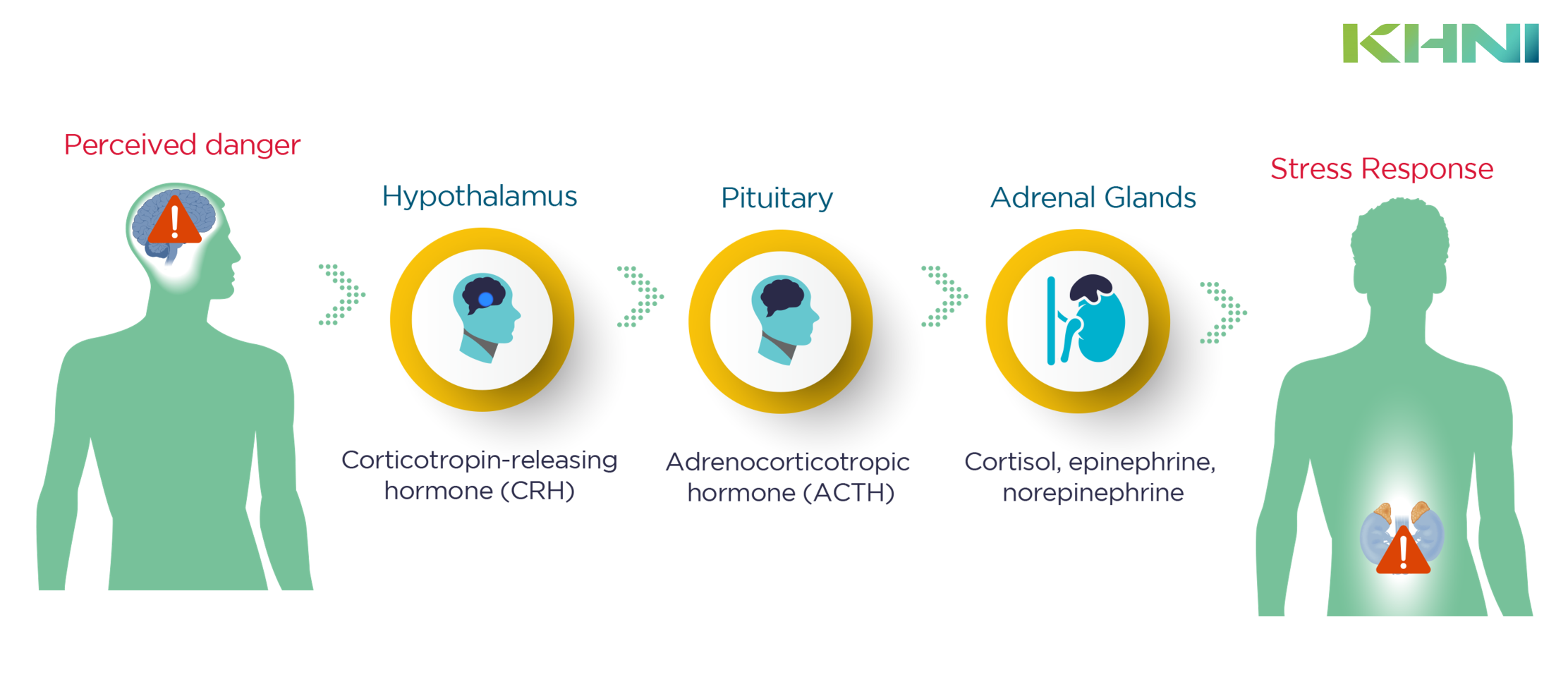
The central player in this response is the hypothalamic-pituitary-adrenal (HPA) axis, a critical neuroendocrine system that coordinates the stress response 19.
Upon encountering a stressor, the hypothalamus, a small region located in the brain, is activated and releases corticotropin-releasing hormone (CRH) into the bloodstream. CRH, in turn, stimulates the anterior pituitary gland, a pea-sized structure located just below the hypothalamus, to release adrenocorticotropic hormone (ACTH)20.
ACTH travels through the bloodstream and reaches the adrenal glands, which are located on top of the kidneys. The adrenal cortex, the outer layer of the adrenal glands, responds to ACTH by releasing glucocorticoid hormones, with cortisol being the primary glucocorticoid in humans20.

Cortisol, a potent stress hormone, plays a pivotal role in orchestrating the body’s response to stress. It mobilises energy reserves by increasing glucose availability, enhances cardiovascular function to support physical readiness, and temporarily suppresses non-essential bodily functions like digestion and immune response.
These actions prepare the body for a fight-or-flight response, enabling it to confront or flee from the stressor21. In parallel with the HPA axis, the sympathetic nervous system (SNS) is also activated during stress.
SNS activation leads to the release of adrenaline and noradrenaline, which prepare the body for immediate physical response to the stressor (fight-or-flight response)22.
Once the stressor is resolved, a negative feedback loop operates to restore the body to its baseline state.
High cortisol levels signal the hypothalamus and pituitary gland to decrease CRH and ACTH release, respectively, leading to a decline in cortisol production23 (overviewed in Figure 1).
However, chronic stress or ongoing exposure to stressors can disrupt the balance of the HPA axis, resulting in prolonged elevation of cortisol levels. This dysregulation may lead to adverse health effects, including anxiety, depression, metabolic disorders, immune dysfunction, and cardiovascular problems24,25,26.
Adapting to Stress
In 2022, the WHO released a scientific brief that stated the COVID-19 pandemic triggered a 25% increase in the prevalence of anxiety and depression worldwide17. Therefor adapting to stressors has become common practice in modern life.
Consumers are now employing various to manage stress-related conditions and promote overall well-being such as using wearable technology with stress management tools3, practicing mindfulness and mediation 4, breathing practices5, physical exercise6, social support and avoiding isolation7, sleep management18 and consuming the correct nutrition8.
Nutrition and Cognitive Health
Epidemiological studies, such as the Mediterranean Diet, have shown numerous beneficial outcomes including reduced cardiovascular (CV) risk and prevention of non-communicable diseases (NCDs), which include cognitive decline and dementia.
Adherence to the Mediterranean diet and cognitive decline and other dietary interventions are excellently reviewed in8. The Mediterranean diet, which emphasizes whole grains, fruits, vegetables, fish, and olive oil.
Therefore elucidation of key components of these epidemiological studies supporting cognitive health are now underway and several have been studied and show to have benefits (see Table 1).
Table 1: Overview of nutrients and their role in cognitive health
Ayurveda is an ancient traditional system of medicine that originated in India more than 5,000 years ago. It is considered one of the oldest holistic healing systems in the world and focuses on balancing the mind, body, and spirit to promote health and prevent disease.
Ayurveda extensively uses herbal remedies derived from plants, minerals, and other natural substances. These herbs or botanicas are believed to have specific properties that can balance the doshas and promote healing27.
Both the modern medical literature and traditional Ayurveda writings report many potential health benefits of the ashwagandha herb (Withania somnifera, also known as Indian Ginseng or Winter Cherry) under the rubrics of anti-stress, neuroprotective effects, immunomodulatory effects and rejuvenating effects, via the herb’s interplay with the nervous system, the endocrine system, the cardiopulmonary system, the energy production system and the immune system including analgesic, antimicrobial, anti-inflammatory, anti-tumour, anti-stress, anti-diabetic, neuroprotective, immune-protective and cardio-protective effects27-32.
This literature has only a small set of published papers, which is surprising because traditional Ayurveda explicitly advocates the use of ashwagandha toward “Bala”, which means “strength” in the Sanskrit language28,29.
Ashwagandha is a member of the family of herbs referred to as “adaptogens”. The term adaptogen was introduced into scientific literature by Russian toxicologist Nikolay Lazarev in 1957 to refer to substances that increase the “state of non-specific resistance” in stress.
The term “adaptogen” is applied to an herb with phytonutrients that regulate metabolism when a body is perturbed by physical or mental stress and help the body adaptation30.
The adaptogen family of herbs has many members, noteworthy among them being ashwagandha, rhodiola, ginseng, schisandra and maca. Adaptogens are used commonly for stress relief, brain health and for ameliorating HPA-axis dysfunction.
More recently, adaptogens have started to be used in sports supplements that aim to enhance physical fitness31,32.
Ashwagandha is classified as a “rasayana” (rejuvenator and have been used toward promoting health and longevity, slowing the aging process, revitalizing the body and generally creating a sense of well-being33.
It also stimulates respiratory function, causing smooth muscle relaxation and stimulates thyroid activity34. Studies in humans show that Ashwagandha is well tolerated and is associated with decreases in cortisol35 and increases in testosterone36.
There are a number of biochemical parameters that are indicators of activation of the stress response, such as salivary alpha-amylase, an important enzyme in the oral cavity that has been proposed as a potential marker of sympathetic activation and rises in response to prolonged stress.
Exposure to stress activates the autonomic nervous system and increases sympathoadrenomedullary drive, which causes a widespread reaction that can stresses in the face of challenges. Numerous additional systems, such as the pro-inflammatory cytokines interleukin-1β, interleukin-6, and tumour necrosis factor-α, also have temporal connections to stressful events34.

Sleep disorders and stress are related. The central nervous system and metabolism are both impacted by the bidirectional link between stresses and sleep disorders.
High levels of stress hormones are connected to shorter sleep duration, while obesity and metabolic syndrome are both associated to stress and sleep-related issues.
Common sleep disorders include insomnia (difficulty falling and/or staying asleep), hypersomnia (excessive daytime sleepiness), and sleep apnea (airflow is limited while sleeping, causing low oxygen saturation and disrupted sleep).
Stress can cause insomnia and be the result of it, thereby explaining the positive association between stress and insomnia that is often observed.
In general, stress alone had a stronger association with mental health problems than sleep disorders alone, and the combination of stress and sleep disorders had the strongest association.
How can the foods we eat influence our mood? Has science been able to explain a link between food and mood?
In this KHNI Q Science Short, Aoife Marie Murphy, PhD answers these questions and more. Watch the video to learn about:
-
- How food and nutrition can support different mood states like energy and relaxation
- Areas of emerging science on food and mood, like the gut-brain axis and nootropics
- Three simple dietary changes that science shows can improve mood
KHNI Q is a video series where scientific experts demystify the science behind healthier food.
The content of this article is intended for informational use only. It is not intended to be used for treatment or management of any disease, or for claim guidance.
We all have our good days and bad days for mood. This is relevant now more than ever. The COVID-19 pandemic has caused many people all over the world to feel increasing levels of anxiety, uncertainty and isolation.
People are adjusting to working from home, which makes it even more difficult to strike a work-life balance. Many are feeling isolated from family and friends. Our emotional and mental health are as important as our physical health and together with regular exercise, sleep and social interaction, evidence suggests that the foods we eat may also impact the way we feel.
The link between food and mood will come as no surprise. There is joy and social connection when sharing birthday cake with loved ones. Certain tastes and smells evoke feelings of nostalgia from childhood. On the other hand, it is common to feel irritable during long periods of fasting, and feelings of guilt are common when overeating. The commonly used terms ‘comfort’ food and ‘hangry’ define how food can bring an emotional response.

Scientific research in the area of food and mood is ever advancing. Many nutrients and dietary patterns have been linked with our neurological state. Let’s explore the latest evidence.
Vitamins, Minerals, and Mood
Micronutrients are required for the synthesis of many chemical messengers in the brain known as neurotransmitters. Serotonin, dopamine, γ-aminobutyric acid (GABA), and noradrenaline are the 4 major neurotransmitters that regulate mood, which is why these are commonly known as ‘happy hormones’. These chemical messengers are necessary to balance the intensity of signals between neurons in the brain and rest of the body. Low levels of serotonin in particular have been linked with neurological disorders, anxiety and depression (1).

B vitamins are essential cofactors for the synthesis of neurotransmitters. Choline is a unique nutrient because it is not classified as a vitamin or a mineral. However, it is required for the production of neurotransmitter acetylcholine, which is involved in mood and memory. Some evidence shows that folate, zinc, magnesium, iron, selenium and vitamin D may be protective against anxiety, mood swings, and irritability. Numerous studies have shown that patients diagnosed with depression are often deficient in one or more of these micronutrients (2).
A well-balanced diet will provide adequate sources of these nutrients, as they are commonly found in a variety of foods.
Dietary sources:
- Folate: Green leafy vegetables, beans, peas, lentils, fortified foods and beverages.
- Zinc: Red meat, liver, egg yolk, oysters, bran.
- Magnesium: Almonds, bananas, broccoli, oatmeal, soybeans, whole grains.
- Iron: Red meat, poultry and fish, beans & pulses, fortified cereals.
- Selenium: Brazil nuts, meat, fish, seeds, wholemeal bread.
- Vitamin D: Sunlight, fortified foods and beverages, eggs.
- B vitamins: Whole grains, meat, dairy, eggs, seeds, nuts, legumes, fruits and vegetables.
- Choline: Beef, eggs, fish, chicken, dairy, shiitake mushrooms, beans.
Energy and Mood: Carbohydrates, Glycaemic Index (GI) and Fuelling the Brain
The brain requires glucose as its main source of fuel. In fact, the brain uses 20% of the glucose needed by the body, which means we require carbohydrate throughout the day for our brain to function at its best. The Glycaemic Index of a food refers to the rate at which carbohydrates (glucose) are released into the blood. High GI foods, such as processed foods, sugar-sweetened beverages, confectionery and cakes can cause dramatic spikes and drops in blood glucose. This fluctuation in blood glucose is often referred to as the ‘sugar crash’ and is associated with irritability, lack of concentration, feeling weak and mood swings. Sharp peaks in blood glucose can also trigger the stress hormone cortisol. One study suggests that consuming more high GI foods is associated with an increased risk of depression (3).

It is recommended to choose low GI foods because they allow our blood glucose levels to rise and fall slowly. These foods are typically high fibre whole grains, oats, fruits and vegetables. Furthermore, eating regular, well-balanced meals with a combination of carbohydrate, protein and healthy fats provides stable blood glucose levels throughout the day as fat and protein can slow the rate of carbohydrate absorption. For example, combining a baked potato (high GI) with mixed beans (protein & fibre) could help to prevent any sudden crashes in glucose for the brain and subsequent mood disturbances (4).
There is an additional ‘mood-enhancing’ benefit to consuming carbohydrates alongside proteins. Carbohydrates can increase the availability of amino acid tryptophan to the brain (5). Tryptophan is a precursor for the production of serotonin, the ‘happy hormone’. Sources of tryptophan include eggs, poultry, dairy and tofu. This may explain why individuals crave ‘comfort’ carbohydrates during times of stress.
Omega-3 Fatty Acids and Brain Health
Approximately 60% of the brain is made up of fatty acids, which include omega-3 fats. As a result, omega-3 fats are essential for the normal function of the brain. Sources of omega-3 include oily fish, seeds like chia, flax, and hemp, nuts, fortified foods and supplements. Epidemiological studies show that in countries where people eat large amounts of oily fish, depression is less common (6).
In addition, omega-3 fats have anti-inflammatory effects on the body by releasing chemicals called eicosanoids. Many neurological conditions such as depression and Alzheimer’s Disease are associated with increased inflammation in the brain. Therefore omega-3 fats have the potential to reduce the inflammation associated with these conditions, and in doing so may relieve some of the neurological symptoms.
More than 30 clinical trials have investigated omega-3 supplementation in people with depression (7). Current evidence supports that omega-3 consumption of ~1 g/d (containing at least 60% eicosapentaenoic acid EPA) can elevate the mood of patients diagnosed with depression (8). This is similar to eating 3 salmon fillets per week.
Hydration’s Role in Energy and Mood
Adequate hydration is often considered to impact cognition and concentration. The body is ~75% water and is fundamental to all biological functions and metabolic pathways. Therefore, it is imperative that we stay adequately hydrated to maintain physical and mental health. Even mild dehydration can impact mood and alertness (9). It has also been observed that memory, motor skills and numeric abilities decline in states of moderate dehydration. However, these findings have not been consistent. Our thirst sensation kicks in once already dehydrated by 1-2%, which means our body is already reducing performance. Heat stress can be experienced by those living in hot climates, those carrying out heavy labour during hot seasons or those performing exercise. It can affect mood and increase feelings of distress. It is recommended to drink at least 2 litres of fluid per day.

Both caffeine and alcohol are commonly used for enhancing mood at low to moderate intakes. However, withdrawal from these substances can cause irritability, headache, fatigue and poor concentration (10, 11). Alcohol is classified as a depressant and excessive consumption is highly correlated with mental health disorders. Excessive alcohol consumption is also associated with B vitamin deficiencies which can further lead to anxiety and depressive symptoms as mentioned earlier (11).
The Mediterranean Diet and Depression
Evidence is emerging that a Mediterranean-style diet promotes brain and mental health and may be helpful in the management of conditions such as depression (12). A Mediterranean diet consists of whole grains, fruits, vegetables, dairy, fish, lean meats and olive oil and is considered one of the most healthful dietary patterns in the world. It is a diet rich in anti-oxidants, polyphenols, micronutrients, fibre and healthy fats. The aptly named ‘SMILES trial (Supporting the Modification of Lifestyle in Lowered Emotional States)’ was a pioneering randomized control trial investigating the effects of this diet on outcomes of depression (13).
The results of the study, published in the international journal BMC Medicine, showed that participants who followed a Mediterranean diet for 12 weeks had a much greater reduction in their depressive symptoms over the three-month period, compared to those in a control group who received ‘befriending’ social support. At the end of the trial, a third of those in the dietary intervention group met criteria for remission of major depression, compared to 8% of those in the social support group. These results were not explained by changes in physical activity or body weight, but were closely related to the extent of dietary change. In other words, those who improved their diet the most experienced the greatest benefit to their depression. It is likely that the benefits are a results of the dietary pattern as a whole, rather than individual foods or nutrients. More research needs to be carried out to untangle the mechanism linking the Mediterranean diet to improved mental health.
The Gut-Brain Connection
Have you ever experienced a ‘gut feeling’ or ‘butterflies’ in your stomach? Anger, nerves, sadness, love, or excitement can all trigger symptoms in the gut. The connection goes both ways; intestinal distress can be the cause of anxiety or depression. The link between gut health and mental health has been known for centuries. However, an explosion of research in the past decade has begun to unravel the science behind this intimate connection.
The gut microbiome is an eco-system of trillions of species micro-organisms living inside the gastrointestinal tract. These bacteria play a vital role in our health, digesting the food we eat, protecting us from infection and producing chemicals such as short chain fatty acids and neurotransmitters. Often referred to as the second brain our gut contains millions of neurons which communicate with the brain. A dysfunctional gut microbiome is linked with anxiety, depression among other neurological conditions.

Much of the research into the brain-gut-microbiota axis has been carried out in animals by studying antibiotics, probiotics and faecal transplants to determine their effects of the gut microbiota on brain activity. Animal studies have consistently shown that gut bacteria signal to the nervous system, influencing behaviour and stress responses (14).
Human studies are emerging, and there is preliminary evidence that diet and probiotic supplementation may improve symptoms in many neurological conditions (15). Psychobiotics are a newly coined term which refer to probiotics which, when consumed in adequate amounts, may have positive effects on mental health (16). A pilot study in 2017 was the first to show that probiotic supplementation can improve depressive symptoms in patients with Irritable Bowel Syndrome (17). Another study found that healthy individuals showed reduced patterns of negative and aggressive thoughts when given a multispecies probiotic over 1 month period (18). Further studies are needed since research remains at the early stages. However, it is promising that targeting the microbiome could assist in the treatment of a wide range of disorders in the future, including anxiety and depression.
At present, the best way to support your gut microbiome is to consume a varied balanced diet consisting of lots of plants, fruits, vegetables and legumes. These foods contain prebiotics, fibre, and polyphenols, which feed and diversify our gut microbiota . Fermented foods such as yoghurt, kefir, kimchi and kombucha can also support your gut microbiome.
What are Nootropics?
A new wave of products claiming to boost brain function are hitting the mainstream market. These are collectively known as Nootropics, which comes from the Greek work ‘mind’ (noos) and ‘turning’ (tropic). Nootropics have been positioned to improve memory, attention span, relaxation and energy. Caffeine and B vitamins are considered nootropics and are often used in energy stimulant beverages.

However trending nootropic ingredients include:
-
- Cannabidol (CBD) has been suggested to relieve anxiety, as the non-psychoactive cousin of tertrahydrocannabinol (THC). This can be found in the hemp plant.
- GABA (gamma amino butyric acid) is the brain’s inhibitory neurotransmitter. Its role is to slow down neuron circuits and restore balance. It is claimed to improve focus and relaxation.
- L-theanine is a compound found in green tea. It is claimed that L-theanine can cross the blood-brain barrier rapidly to increase GABA production in the brain and in turn improve focus and relaxation.
- Gingko biloba is a tree native to China which is often associated with claims to have anti-oxidant and anti-inflammatory effects on the brain, improving brain function and reducing anxiety and stress.
- Panax ginseng is a native Korean plant which claims to improve concentration and memory.
Caution is needed when interpreting the marketing claims many of these products carry as there is a significant lack of consistent randomized control trials to support these ‘claims’.
Food for Thought
While we still have much to learn about the effects of our diet on mood and mental health issues, evidence suggests that a healthy diet can have a protective effect. Nourish your body and your mind with well balanced meals at regular intervals throughout the day. Diet in combination with physical exercise, adequate sleep and social connection (even if it needs to be at a distance for now), will support a healthy and happy mind.