Anyone who has ever been on a diet will be familiar with the terms ‘reduced calories’ or ‘counting calories’, but what about the other parts of a healthy diet, beyond calories? Nutrient density has a large role to play in a healthy diet.

The high obesity rates globally suggest that on average, we consume too many calories relative to our requirements. For many people, though, intakes of certain vitamins, minerals and fibre are below recommendations.
For example, recent findings from the UK National Diet and Nutrition Survey (NDNS) show that the current UK diet is not in line with the government recommendations on eating healthily and achieving a balanced diet (Eatwell guide), with several micronutrient intakes below the lower reference nutrient intake (LRNI).
According to the NDNS, one in four girls in the UK aged 11-18 years has an intake below recommendation for vitamin A, riboflavin, zinc and iodine, and over half have a low intake of iron.
Diet Quality is About More Than Calories
Addressing these issues may require looking at the overall quality of our food rather than focusing on restricting individual nutrients.
Healthy eating is not simply about eating less and cutting things out, it can also be the result of eating more nutritious food or eating more ‘nutrient-dense’ food.
Some foods that are relatively high in calories can also have a high nutritional value, like nuts, seeds, oily fish and olive or rapeseed oil. Thinking of calories as numbers, these foods might be avoided by consumers, which should be included as part of healthy dietary patterns.
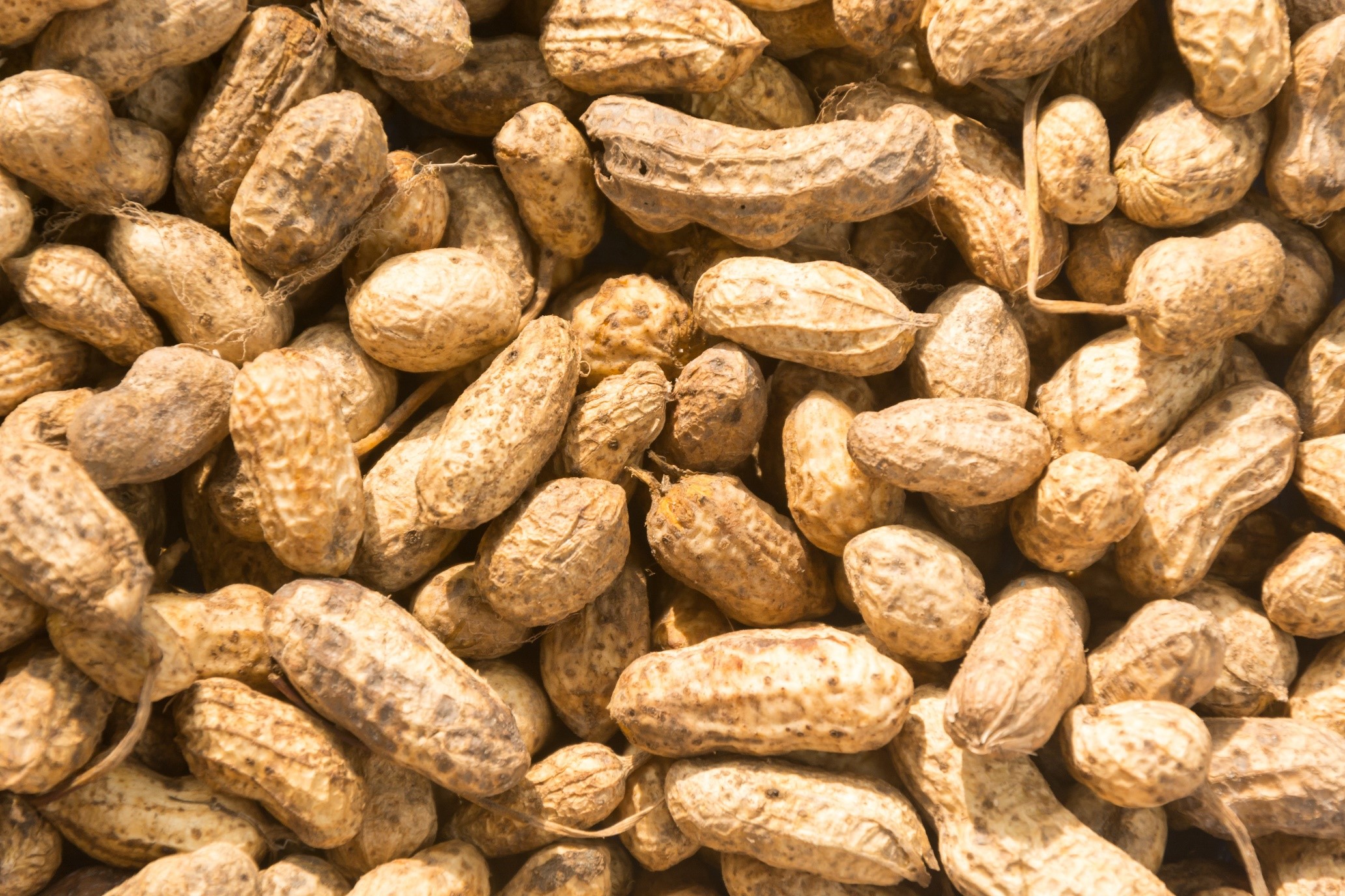
Interestingly, foods with similar calorie content can also be different in terms of nutritional quality. For example, whole grain versions of bread, pasta and rice are higher in fibre than refined (white) versions.
Similarly, processed meats contain more salt than lean unprocessed meats, even if they have a similar number of calories.
The Quality Calorie Concept
In this context, the British Nutrition Foundation’s (BNF) Quality Calorie Concept (QC) encourages looking not just at the number of calories in a food, but also the nutrient content of a food to ensure we get enough of the nutrients we need (including vitamins, minerals and fibre) and limit the amount of those that are of concern (free sugars, salt and saturated fat).
The QC Concept also looks at incorporating other components of a healthy diet, such as protein (beans and pulses, lean meat and skinless chicken and turkey, seafood, eggs), plenty of fruit and vegetables and some dairy foods e.g. plain yogurts, milk and cheese.
Portion size is also key, so remember to QC in moderation – it is about getting the right types of foods and drinks in the right amounts.
To help manage portion size, there are some practical measures you can use; for example, keeping the amount of nuts you eat to a handful, and using a spoon to measure out oils and spreads.
The Find Your Balance guide to portion size aims to help you find the right balance for you.
Although the QC is aimed toward improving diets, these concepts can also be applied by the food and beverage industry to improve the nutrition of foods and beverages.
A focus by the food and beverage industry to improve nutrient density by increasing vitamins, minerals, fibre in food, as well as incorporating servings of vegetables, fruits and lean protein, all while limiting sugar, sodium, and saturated fat has the potential to have a significant impact on public health.
BNF also provides a few budget friendly ideas on how to choose inexpensive, healthy items for QC on a budget.
Improving Nutrient Density

The QC concept suggests small, simple swaps that can be made every day to improve the nutritional quality of our diets, for the same or fewer calories.
Food reformulation can also positively impact on dietary intake at population level. Therefore, the food industry plays an important role in encouraging consumer demand for nutrient dense foods.
These tips can be adapted for food and beverage formulation to improve the quality of the carbohydrates present in baked goods, including healthier lipids in their snack offering or fortifying beverages with protein or micronutrients.
Here are some tips to improve nutritional density of foods and drinks:
QC for breakfast
- Include whole grain options, lower fat dairy and fruit in dishes. For example, try exchanging a fried egg, bacon and tomato sauce in a white roll for a poached egg, canned sardines and sliced tomato in a wholemeal roll. With this swap, you will be increasing your intake of calcium, fibre, healthy fats and vitamin D. Both options have similar calories, but the latter offers higher nutritional quality.
- Add frozen blueberries to a morning smoothie, or add sliced banana to a bowl of cereal instead of refined sugar.
QC for snacks
- Think lower sugar, salt and saturated fat. For example, you can choose a handful of lightly salted peanuts instead of potato crisps to increase the amount of fibre and minerals you are getting from your snack.
- Focus on portion size for indulgent snacks.
QC for meals
- Incorporate whole grains, such as whole wheat bread for a sandwich or whole grain pasta in a pasta dish.
- Focus on healthier cooking options – fried foods have extra calories from the breading and the fat absorbed during frying, but air-frying or baking add fewer calories to a meal.
- Add vegetables to your dishes by using tomato or vegetable based sauces rather than creamy ones or focusing on vegetables as the topping of a pizza.
- Swap processed meats like sausage or salami for lean meat, chicken, fish or shellfish.
QC for drinks
- Water is great for hydration and contains zero calories.
- Choose drinks with no or low amounts of added sugar.
- Pick juices made from 100% juice.
- Pay attention to serving size – a standard serving is 240 millilitres or 1 cup, but many mugs and glasses are much larger than that.
Read a webinar summary in the article “Calorie reduction to become a “critical component” of future food design“.
Consumers are often unaware of the energy density of the foods they consume, making them vulnerable to excess calorie consumption. As a result, initiatives to reduce the number of calories in foods and beverages are emerging globally, either voluntarily or government-led.
Recent findings highlight opportunities to reduce calorie density while maintaining sensory appeal. The food and beverage industry has the potential to improve the health of entire populations by bringing this science to life.
By keeping sensory appeal at the heart of product reformulation, we can reduce the risk of excess calorie consumption without having to compromise on the product experience.
In this webinar, we share original research that explores:
- How specific sensory cues can support calorie reduction and maintain the sensory appeal of food and beverage products
- How this comes to life in real product applications
Want to know more about the science of food and beverage texture? See this resource.
Big data and the Quest for New Consumer Insights
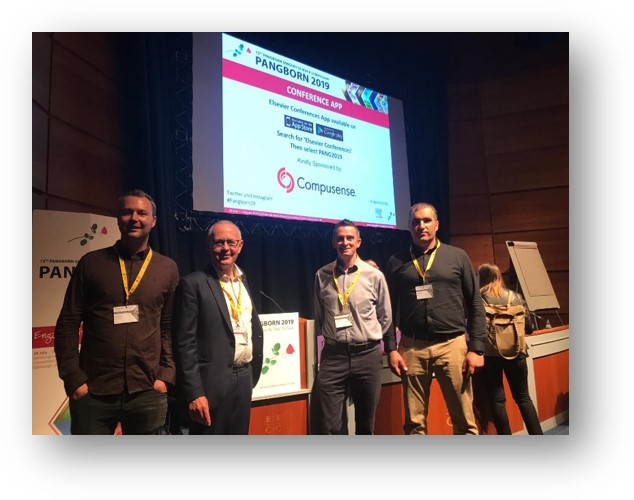
The theme of Pangborn 2019, a conference on sensory science and food preference held every 2 years, was ‘Engage with the future’. There was a broad acknowledgement among researchers and food industry leaders that the future is now, and for many this meant a move towards ‘big data’.
Whether using social media and e-commerce sites to access ‘real-world’ consumer insights (e.g. A. Arellano-Covarrubias, Mexico), or adopting machine learning algorithms to enable big businesses to stay relevant by innovating earlier and faster (e.g. L. Depoortere, Belgium), methods to harness big data were at the top of the agenda.
There was an important cautionary note to this trend, however, with others highlighting the inevitable trade-off between quality and quantity when acquiring these data, and urging businesses to consider how meaningful their big-data sensory and consumer insights truly are (e.g. T. Davis, UK).
Will Augmented Reality Help Place Sensory and Consumer Science in Context?
The relevance of traditional sensory and consumer methods and approaches was also a hot topic.
The continued development and reformulation of food and beverage products is increasingly important, but optimising the impact of these products on health and wellness will require a much stronger integration with nutrition and psychological sciences.
Despite clear sugar and calorie- reduction targets by governments world-wide, it was pointed out that we still do not know how best to label and present these reformulated products in a way that optimises consumer perceptions and behaviours (e.g. K. McCrickerd, Singapore).
One problem is that traditional sensory and consumers approaches often fail to set the right context (a problem of ecological validity).
Whether consumption is at home (e.g. J. Delarue, France) or on the International Space Station (e.g. G. Douglas, USA) a consumer’s immediate environment, mood and motivations will impact how they perceive a food and the choices they make.
Businesses are exploring Augmented Reality (AR) as a way to evoke realistic contexts during sensory and consumer testing and involve consumers in the co-creation of packaging design (e.g. L. Hewson, UK).
While consumers appear to find this approach more engaging, realistic and enjoyable than traditional sensory and consumer tests, the true value-added from adopting this technology still remains to be seen.

A Stronger Focus on Integrating Sensory, Nutrition and Health
A key message from the meeting was the link between sensory perception and health related behaviours.
Food choices and intake decisions are informed by the sensory information perceived during consumption, and the taste, smell and texture are important in guiding our eating behaviours.
Several sessions at the Pangborn meeting focused on the impact of sensory cues on health, focusing on portion selection (e.g. M. Peng, New Zealand), texture cues and expected fullness (e.g. P. Varela, Norway) and new measures of oral processing behaviour (e.g. R. Srivastava, France).
Workshop entitled ‘Sensory Science as the Bridge between Consumer Behaviour, Nutrition and Health’ to highlight how sensory research is uniquely positioned at the nexus between food science, nutrition and consumer behaviour to better understand how perception can influence food intake, and be used to moderate the flow of energy and nutrients through our diets.
The workshop presented the latest findings at the interface of sensory and nutritional science, starting with a talk on the role of energy intake rate (kcals/min) in promoting calorie intake, and opportunities for sensory cues to support calorie reductions (C. Forde, Singapore).
Prof Kees De Graaf from Wageningen University (Netherlands) highlighted some common mis-perceptions about the role of sweetness in dietary energy intakes, while Prof. Robin Dando (USA) shared exciting new findings that demonstrate the impact of increased weight gain on the development of taste buds, and the impact taste sensitivity changes can have on food choices.
Finally, Dr. Nikos Pagidas from Kerry Taste and Nutrition highlighted a number of practical examples of sensory approaches to reformulating real products, while sustaining consumer appeal and satisfaction.