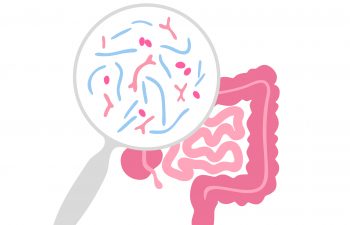

The Gut Microbiota The ‘gut microbiota’ refers to the microorganisms (which may include bacteria, fungi and viruses) living in our intestines and they play a vital role in gut health and the management of several gastrointestinal disorders. The term ‘microbiome’ refers to both microorganisms along with their collective genomes and metabolites (the molecules they produce)… Read more »

Digestive Health
‘Fibremaxxing’ Unpacked Anyone with a teenager is no stranger to the wave of curious trends that frequently emerge from social media, many of which revolve around the term ‘maxxing’. However, the latest term ‘fibremaxxing’ has caught the attention of social media followers and the food and nutrition community alike. Protein has been such a huge… Read more »
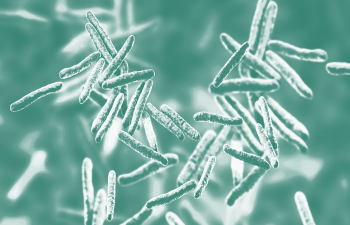
Early human microbiome studies overlooked the mammary glands, but in 2000 the discovery of lactobacilli in healthy breast milk shifted scientific attention towards Human Milk Probiotics (HMPs) and their benefits on maternal and infant health. HMPs are the live beneficial bacteria that are naturally present in breast milk. Over the past number of years, HMPs… Read more »
A postbiotic is defined as a “preparation of inanimate microorganisms and/or their components that confers a health benefit on the host”. Emerging science on postbiotics is showing a role in digestive health and even mood for humans, as well as the potential to improve the safety and efficiency of our food supply by improving animal health.
This one-of-a-kind webinar brings together experts from academia, consumer education, and product development to talk about what the future will bring for the microbiome and how to navigate the changes it will bring.
Choosing fibre sources can be difficult because different fibres have different health benefits as well as different functional properties in food. This article provides an overview of Acacia fibre, including its origin, high digestive tolerance, and examples of how it can help formulation of different foods and beverages.
Many people are familiar with probiotics and the health benefits they can have, like digestive health and immunity, but how do they actually work in the body to cause a health benefit? Some interact with other microorganisms in our microbiome, while others interact directly with the body’s organs.
A hormone that influences when and how frequently animals eat also appears to affect memory, USC scientists have found. Animals and humans have the hormone ghrelin in their stomachs. Ghrelin tells animals as well as humans when they are hungry and helps regulate their metabolism, but scientists have never been certain how exactly it works.… Read more »
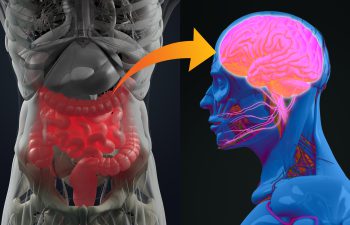
Is dairy fat healthy or unhealthy? Why do we see recommendations to reduce saturated fat intake, while at the same time see headlines from studies showing full-fat dairy may be healthy for us? The answer lies in the fact that food can often be more than the sum of its parts. Dairy, saturated fat &… Read more »

The boom in microbiome research in recent years has led to a greater understanding of how we interact with the microbes that live in the human body. It has also brought a multitude of different ways to manipulate the microbiome to improve health along with it, including probiotics, prebiotics, and now the postbiotics. Probiotics are… Read more »
This program qualifies for Certified Food Scientist (CFS) recertification contact hours (CH). CFS Certificants may claim a maximum of 1.0 CH for their participation in this program. For more information, please visit ift.org/certification or email ifscc@ift.org. Fermented foods have appeared on countless food and nutrition trends lists this year, seemingly rocketing to a top… Read more »

The Kerry Health and Nutrition Institute are delighted to announce that Maria Marco, Ph.D. has been appointed as a Scientific Advisor to the Kerry Health & Nutrition Institute. Supported by Kerry’s science and nutrition teams, the aim of the Kerry Health and Nutrition Institute’s Scientific Advisory Council is to guide Kerry’s research and innovation teams… Read more »
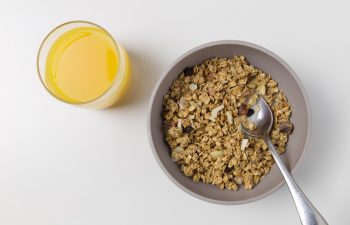
What is the FODMAP diet? The FODMAP diet is an eating pattern designed to help people with irritable bowel syndrome or other gastrointestinal discomfort choose foods that can help them with their symptoms like bloating and abdominal pain. Many consider it to be the next wave of the gluten-free trend. Researchers from Monash University in… Read more »

Summary (scroll down for an infographic summary) Consumers across all psychographics and life-stages are seeking better digestive wellness. Weighing the evidence on claims and technologies is the best way to know what benefits you’re offering consumers. In this webinar, learn about established claims, dive into what consumers are seeking out in each region, and get a… Read more »

Long before we knew about a gut-brain axis, people have experienced events that impact both their brain and their bowels. For me, one I recall quite vividly is waiting for my name to be announced at a public speaking event. While I waited, all that I could think of was “should I fight it out… Read more »

Consider the fundamental change from milk to brie cheese or grapes to wine. Such is the power of fermentation. Fermented foods result from the growth and metabolism of live cultures, transforming a precursor food (such as milk) into a fermented food (cheese). The fermentation process may result in changes in taste, texture, aroma, nutritional value,… Read more »

Dietary fibre has become an important functional ingredient in recent times due to growing consumer interest in the many health benefits of fibre touted by the scientific community (Anderson 2009). Fibre has been recently defined by the FDA as “non-digestible soluble and insoluble carbohydrates (with three or more monomeric units) and lignin that are intrinsic… Read more »
In one of the largest microbiota studies conducted, researchers suggest a potential link between healthy aging and a healthy gut. The results showed a direct correlation between health and the microbes in the intestine. The overall microbiota composition of the healthy elderly group was similar to that of people decades younger, and the gut microbiota… Read more »
Looking to protect your heart health? A new study published in the British Medical Journal found that a gluten-free diet is not the answer, assuming you do not have Coeliac Disease. These days, gluten-free diets have become a popular trend. Although Coeliac Disease rates are not “on the up” (less than 1% of the population… Read more »
This blog explores the consumer perspective and market of digestive health. Read What Does Digestive Health Really Mean? to learn more about digestive health and some of the terms used in this blog, like microbiome and FODMAPs. Optimum digestive health has been a mainstay consumer desire for over 20 years, but it has been experienced an… Read more »
Digestive health is one of the top 10 nutrition trends for 2017, but what does it mean? This blog takes a closer look at what digestive health really means.
Read the science behind why some people choose to eat a gluten-free diet.