The prevalence of overweight and obesity is a continued global concern, and weight management is a top benefit consumers seek when choosing foods or beverages.
The calorie content of beverages has been of recent concern because they are the leading source of added sugar intake in diets across the world and contribute to excess weight gain.
As a result, low- or mid-calorie beverages have great potential to help people reduce their sugar and calorie intake to better manage their weight. For the purpose of this article, ‘low-calorie’ does not refer to any specific regulatory definition of low-calorie, but instead refers to beverages designed to help consumers reduce their calorie intake compared to full-calorie beverages.
We have seen many of these types of beverages introduced in the market, but the success rate for these launches is not always the best.
Why has this been the case? The challenge of balancing taste and nutrition in beverages is one cause. If you remove calories in beverages, you are most likely replacing a calorie-rich ingredient, such as sugar, juice, or a fat source, with calorie-free water, sometimes giving a product a watered-down taste.
The challenge with removing these types of ingredients, however, is that not only do they provide calories, but they also provide flavour, colour, aroma, body, and mouthfeel.
The Challenge to Overcome in Formulating Low-Calorie Beverages
One of the most challenging aspects of addressing taste concerns in low-calorie beverages is that consumers have difficulty describing exactly why the beverages are less preferred, making the solution hard to pinpoint.

Taste is a broad term and too often the mouthfeel cannot be separated from the aromatics and flavour components. It can be difficult for consumers to articulate what they can’t easily see, such as mouthfeel.
Without the proper sensory vocabulary, consumers aren’t able to express what’s missing in low-calorie beverages and it explains why consumers tend to struggle with this type of product.
A lack of mouthfeel in sugar-reduced products can disrupt the entire profile and can result in lower consumer preference due to less flavor, complexity, fullness and balance.
When people are participating in a sensory test and describing what they taste or notice in products, it can often come with what sensory scientists call a “halo effect”. A halo effect is when the liking scores subconsciously impact the attribute scores.
For example, sample 1 is liked more overall by the tester and receives a higher mouthfeel rating just by virtue of being liked more, even if the mouthfeel isn’t actually more favorable. This can result in cases where unknown characteristics are evaluated together without being able to be easily differentiated.
Differentiating Taste vs Mouthfeel
Training technical personnel to use a lexicon for food and beverage can help fill the gaps to better understand what consumers mean when they say things like ”it’s fake, it’s not authentic, it’s missing depth, I FEEL like something is lost.”
They know what sweetness is but adding only sweeteners to reduced-sugar products is not the same experience as a full-sugar product. For example, when comparing a full-sugar soda versus it’s no sugar counterpart, consumers notice the sugar film is gone and the mouthfullness is missing, but have a difficult time articulating this difference.
Mouthfeel sensations experienced inside the mouth while eating or drinking include various tactile attributes such as acidity, dryness, graininess, hardness, mouth coating, wetness, succulence, etc.
These complex sensory attributes can be difficult to describe and understand and get further lost in translation when communicated between consumers, product developers, food scientists and sensory scientists.
The Role of Analytical Science
Linking these sensory attributes to analytical characteriSation such as rheology (the study of the flow of matter) and tribology (the study of friction, lubrication, and wear) allow us to fully understand the factors influencing the mouthfeel of food and beverages, such as viscosity in the mouth, and to develop adapted solutions.
These processes can be iterative, time consuming and are dependent on the application type.
There are some challenges linking analytical parameters with sensory attributes. For example, large particle size is perceived as gritty by some panelist whereas other panelist term that “chalky” and/or powdery.
Therefore, one finds variability in the description of panelist. Furthermore, some sensory parameters such as grittiness, chewiness, thick, powdery and viscous can be mapped to large particle size, high viscosity, solid particles, and higher solid like behavior, respectively.
A fair amount of information exists quantifying mouthfeel using techniques such as rheology and tribology, but further development in the instrumental prediction of mouthfeel should be required because the dynamic aspect of food breakdown in mouth such as mixing, biting, saliva interaction, and structural demolition is needed to capture texture features.
For example, low viscosity liquid can provide great taste perception, but it is very difficult to define a friction factor using tribology even though it affects viscosity and lubrication. Therefore, one needs to develop different sets of methods/experiment depending on the application or problems that needs to be solved.
Solving Mouthfeel Challenges in Low-Calorie Beverages

Currently, the increased focus on reducing sugar or using vegan fat systems in plant-based dairy alternatives are driving a lot of mouthfeel innovation.
In the case of sugar reduction, mouthfeel solutions focused on bringing back or improving mouthfeel specific to the lost sensory attributes is critical. For example, there is a need to build back the syrupy body perception in beverages.
Similarly, the need to develop solutions that bring back the creamy, mouth coat, less chalky and increased smoothness attributes are emphasised in fat-reduced products.
Research and development has now focused on bringing back sweetness in low sugar products by adding modulators and other tools to build back some of the mouthfeel characteristics, such as syrupy and mouthcoating, which consumers just call ‘body’ or ‘fullness’.
To increase mouthfeel, a multidisciplinary approach is required. A major challenge with commercially available mouthfeel enhancing agents/ingredients is finding solutions that allow a clean label including natural, halal, kosher, non-GMO, and organic.
To develop these types of ingredients, understanding of rheology and tribology is required as well as understanding the time-dependent aspect of food digestion (mixing, saliva interactions and structure breakdown) to capture texture of lubrication and viscosity changing that happens during the course of consumption.
Different mouthfeel enhancers might be used depending on the type of food and based on different textures present. Thickening agents, bulking agents and micro-particulate ingredients have been investigated for fat replacers.
Sensory science is an essential tool to balance nutrition with taste to ensure that healthier beverages are well-liked and make their way into the day-to-day life of consumers.
Diseases like heart disease, diabetes, cancer, and stroke are leading causes of death worldwide. Poor diet, including overconsumption of saturated fat, trans fat, sodium, and sugar, are linked to increased risk of these diseases. For example, one quarter of deaths in Europe are attributed to poor diet. Despite decades of effort to educate global populations on the link between poor diet and preventable death, these nutrients are still overconsumed in most developed countries.
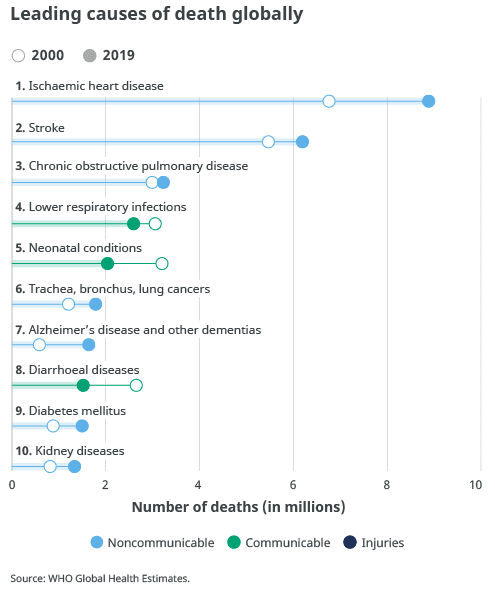
One strategy to improve public health is to reformulate foods to be healthier, which can have an effect at a population-level and does not necessarily rely on individual behaviour change to improve health. This can be initiated voluntarily by the food and beverage industry. For example, some companies have set public goals for reducing a nutrient like sodium in their foods by a certain percentage over a time period. In some parts of the world, reformulation is mandated. Greater improvements in sodium intakes have been shown in countries where is it mandatory rather than voluntary.
A recent scientific review titled “What is the impact of food reformulation on individuals’ behaviour, nutrient intakes and health status? A systematic review of empirical evidence” summarises our existing knowledge of how effective food reformulation can be as a public health strategy by analysing results of 35 published studies.
Results from the review
The review analysed results from 35 published studies on food reformulation.
Consumers were accepting of reformulation of foods in the marketplace

A promising finding was that consumers still purchased reformulated products, meaning they didn’t specifically avoid foods formulated to be healthier. 22 different studies showed improvements in the nutrient content of the average consumer basket (total food purchased from a store).
81% of studies showed positive results for consumer acceptability of reformulated foods, based on comparing sales/purchases of the reformulated product before and after reformulation
Reformulation improved nutrient intake
73% of studies showed that reformulation improved nutrient intakes of consumers
Sodium reformulation led to a decrease in sodium intake between 4%-15% per year, depending on study population. Analysing studies from Europe and the US, the review found that daily population-wide salt intake after reformulation was 0.57g lower than before (equivalent to 221mg sodium), or equivalent to around 10% of the daily limit of 5 grams per day recommended by the World Health Organisation.
Trans fat reformulation led to decreased intakes of 38-85%. This value is much higher than sodium because mandated trans fat reformulation laws require drastic reductions due to its clear link to heart disease. Partially hydrogenated oils, which are the main source of artificial trans fat in the diet, are not considered safe for the food supply in the United States, for example. In Europe, there is a maximum limit of 2 grams of trans fat per 100 grams of total fat in a food.
Trans fat reformulation and decreased mortality
Of the 6 studies which measured the impact of nutrient intake on morbidity or mortality rates, 5 showed a positive effect on reducing mortality
Five of the studies measuring effects on health status looked at trans fat reformulation and found that reducing trans fat in the food supply led to a reduction in mortality of 4.3-6.2%.
Sodium reformulation led to an improvement in blood pressure measurements in the UK. These findings show promise for nutrient reformulations to affect public health in a positive way.
Challenges for nutrient reformulation
Taste
Reducing nutrients that contribute strongly to the taste of a food or beverage, like sodium or sugar, without reducing consumer liking is the main challenge when it comes to nutrient reformulation.
For sugar, low-calorie sweeteners can drastically reduce total sugar content of a food or beverage. However, these sweeteners have their own challenges. They have poor perception among many consumers, and also bring their own flavour off-notes with them. They are also not recommended as a long-term strategy for reducing sugar content in foods by authority publications like the Dietary Guidelines for Americans.
Sodium reduction faces similar challenges because alternatives to sodium, like potassium chloride, also have off-notes. Many companies will slowly decrease sodium content in foods over a period of years because sodium sensing is adaptive. In other words, the less sodium someone is used to tasting, the less they need in a food to stimulate the same salty sensations. Gradually reducing sodium over time will be unnoticed by many consumers, as a result.
Flavour modulation, which can enhance the inherent sweetness in sugar, mask off-notes, or enhance mouthfeel or saltiness, is a great tool for nutrient reformulation. This technology is one way to reduce sugar without requiring low-calorie sweeteners or to mask notes of sodium or sugar alternatives.
Functionality
Sugar, sodium, and certain fats have roles in food beyond taste. Both sugar and sodium can have roles in food safety, as well as important roles in chemical reactions for many baked foods. These nutrients also have roles in moisture migration, shelf life, etc. Finding ways to minimise the impact of nutrient reformulation requires a system-level approach and in-depth expertise in food science and applications.
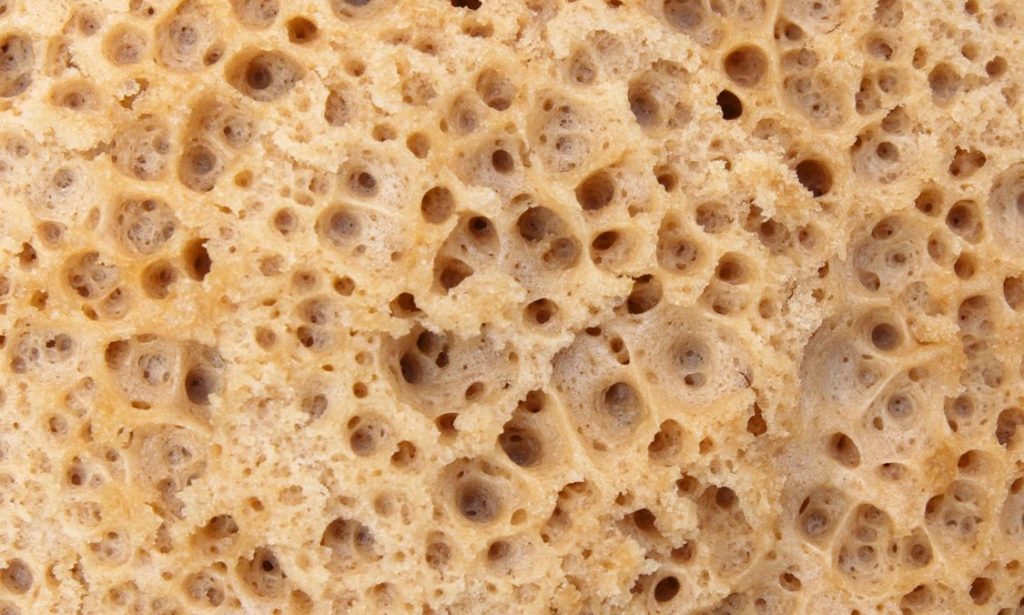
Fibres are seeing some popularity in low-sugar foods and beverages because of their ability to contribute bulk and mouthfeel, as well as sweetness in the case of some fibres. Fibre is under-consumed in many populations, so this could have additional benefits to public health.
Consumer perception
Due to the taste and functionality challenges listed above, many consumers will associate nutrient reformulations with less taste.
“Consumer acceptance is a key driver of the effectiveness of reformulation in changing dietary intakes, in the absence of which unwarranted substitutions may take place.”
The review summarised in this article found that, despite having high consumer acceptance, compensation for the nutrient content of reformulated foods did occur. Some studies did not find a link between reformulation and decreased intakes, or smaller decreases than predicted.
This happened more often when reformulation was noticed by consumers, possibly due to it being advertised on a package. Silent reformulation is one strategy that could be used to reduce the effect of compensation.
The study’s findings encourage future reformulation efforts
“Given the challenges involved in changing behaviours and food choices, reformulation can provide the means to improve dietary intakes and health by changing the environment in which people make their food choices. Nonetheless, the success of reformulation as a public health strategy crucially depends on the breadth of products reformulated and the extent to which they are reformulated.”
The study did not address energy density or calorie reduction, which is another reformulation initiative that is important to address the global obesity issue. Developing knowledge in sensory science and food science is critical to the future of not only calorie reduction, but nutrient reformulation as a whole.
Dining out of home and calorie-rich restaurant menus are often blamed as a main driver of the obesity issue worldwide.
The World Health Organisation global estimates that more than 1.9 billion adults aged 18 years and older are overweight (WHO,2018).
What if we could make healthier choices in restaurants more obvious and easier to make for consumers, with minimal effort on their part?
In a lot of cases, obesity is preventable. However, our current food environment makes this challenging. Behaviour change measures can be an effective means of changing consumer dietary habits.
Consumer dietary choices are influenced by personal preferences, habits, nutrition information, availability, cost, and placement, among other reasons (Glanz & Bishop, 2010).
What can Operators do to Enhance Healthier Behaviours?
Research on behaviour change is showing the following 3 strategies are helpful tools to help encourage healthy behaviours.
Read on for the ‘how’ behind these strategies.
- Ensure their menus provide visible and meaningful nutritional information to the consumer.
- Nutritionally optimise their recipes and provide healthier alternatives that motivate consumers to make healthier choices.
- Add environmental cues that encourage the healthy choice, such as signage at point-of-purchase, appealing pictures of healthy menu choices, etc.
Motivating Choices
Behaviour change can refer to a transformation or alteration of human behaviour or patterns. Approaches focusing on the individual, community and environmental influencers can support behaviour change.
Buying a car is one example. A person may be considering an energy efficient car as a more beneficial choice for the environment. Environmental influencers like awareness campaigns and financial incentives can motivate this individual’s purchase intent.
There are many credible models for behaviour change, one of which is the Capabilities, Opportunity, Motivation and Behaviour model (COM-B) of behaviour change.
Behaviour (B) occurs as the result of interaction between three necessary conditions:
- Capability (C): do you have the means available to do it? Money, time, or knowledge are examples.
- Opportunity (O): has the situation presented itself for you to make the change?
- Motivation (M): do you want to make the change?
Each of these conditions can influence each other, as well.
The below figure shows there can be potential influences between components in the model; opportunity can influence motivation or capability. (Michie, Stralen & West, 2011).
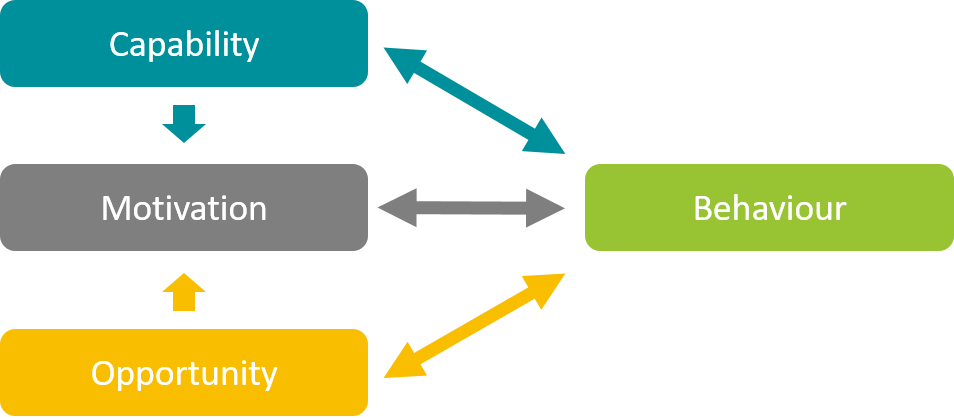
COM-B Model of Behaviour Change. Michie, Stralen and West (2011).
Applying this Model to Restaurants and Away-from-Home Eating
Capability is defined as the individual’s psychological and physical capacity to engage in the activity concerned. It includes having the necessary knowledge and skills (Michie et al. 2011).
For example, the visibility of nutritional information can enable a consumer to make the healthier choice.
- Calorie labelling on menus when eating out of home,
- Front of pack labels such as the Keyhole logo used in the Nordic countries,
- Callouts of low-calorie options for example: “Under 600kcals”.
Calorie labelling on menus is an intervention that is being widely analysed and implemented in various countries such as USA, Australia and UK.
A study by Bollinger et al, 2011 assessed the effectiveness of calorie labelling in 222 chain restaurants and found the labelling led to a 6% reduction in calories per transaction.
Calories were posted on menu boards and menu in a font and format that was as prominent as the price.
The reduction was a result of consumers changing their food choices, possibly due to the calorie information making them more capable to make the healthy choice.
The study also grouped consumers data into one of three categories of calories purchased: less than 125, between 125 and 250, or greater than 250 calories purchased.
The data suggests that calorie labelling had a greater influence on consumers that tend to make high-calorie purchases with an average reduction of 26% calories per transaction.
A Cochrane review assessed the effectiveness of calorie labelling at point of consumption in restaurant settings. This intervention provided promising results that nutritional labelling on menus may reduce energy purchased.
However, a wider set of measures would be recommended to tackle obesity (Crockett et al. 2018). Calorie labelling remains one tool in the toolbox to help tackle obesity.
Opportunity is defined as all of the factors that lie outside the individual that make the behaviour possible or prompt it (Michie et al. 2011).
For example, the availability and accessibility of healthier products vs. unhealthier foods so that the consumer can easily make a healthier choice.
If there are no healthy foods available when making a decision, there’s no opportunity to make the healthy choice.
Increasing availability of healthy foods was one of the top three interventions suggested in the McKinsey Global Institute report on Obesity (Dobbs et al, 2014).
A review by Grech & Allman-Farinelli (2015) evaluated interventions in vending machines and found that sales of healthier items were increased when made available in five of the six identified studies, with no loss of overall sales volume.
Increasing the amount of no added sugar beverages, low calorie snacks could change consumers purchase intent. In this example, people may have had sufficient capability to make the healthy choice but did not have the opportunity to do so until the healthy foods were added to vending machines.

Motivation
Capability and opportunity feed into motivation, which is defined as the brain processes that energize and direct behaviour, not just goals and conscious decision-making.
It includes habitual processes, emotional responding, as well as analytical decision-making (Michie et al. 2011).
For example, promotional advertising of the healthier choices to entice and enthuse the consumer on digital platforms, social media or menu boards, or printed posters located near checkouts or within the consumers eye line can influence motivation by providing the right stimulus at the right time.
Advisory prompts through digital platforms or employees when a consumer selects their food of choice is another nudge tactic that can motivate healthier options (e.g. “would you like this without cream?”).
A study focusing on the interaction between food choice and food advertisement exposure suggest that health-conscious consumers opted for the healthy snack following exposure to health message advertising (Dovey et al. 2017).
There are limited studies focusing on a combination of behaviour change interventions specific to dietary consumption when eating out of home.
One pilot trial study involving 18 worksites in England evaluated three interventions assessing the impact on calories purchased. The interventions altered one of (a) portion size in six worksites (b) availability of healthier options in six worksites and (c) energy (calorie) labelling in six worksites.

The three intervention studies showed the following results:
Portion size – reducing portion sizes (by 10% or more) may be effective in reducing energy purchased and consumed from targeted food categories such as main meals, sides, desserts and cakes (Holland et al. 2018).
Availability of healthier options, like offering more low-calorie options on a menu, could be a promising strategy to reduce calories purchased (Pechey et al. 2018). For example, lower calorie beverages or healthier side options incorporating fruit and vegetables or alternative cooking methods like baked vs. fried.
Calorie Labelling – only one out of the six sites showed a reduction in calories purchased when calorie labelling was implemented in menus. However, the lack of a significant reduction in calories purchased in five out of the six worksites may have multiple explanations relating to barriers to calorie labelling implementation (Vasiljevic et al. 2018). The use of bigger fonts or differentiation through colour could highlight and make the calorie information more meaningful for consumers. In this case, enabling consumer capability by adding calories to menus may have not been enough to strongly motivate behaviour change.
The first two interventions, reducing portion sizes and increasing availability of healthier options, showed promising results for reducing calories purchased. These pilot study gives some positive indications that using these interventions in combination could promote healthier dietary patterns compared to using one of the strategies alone. However further research on a larger scale is needed to evaluate the optimal implementation and combination of these interventions.
Knowing is Only Part of the Battle
Changing consumer behaviour takes time and can be very challenging, especially when eating out of home.
Often, changes that do not require conscious decision making are the most effective. For example, reformulation to nutritionally optimise recipes is a method widely used by the food industry and recommended in many public health initiatives worldwide.
It is an effective method of improving nutrition as it does not require any behavioural change from the consumer.
Evidence is growing to suggest that changing small cues or slightly tweaking the physical environment may provide an effective way of changing behaviour, in ways that do not require a lot of cognitive processing by a consumer.
These are commonly known as “nudge” interventions for example slight reduction in portions sizes or the placement of products near checkouts or on digital ordering systems to change the consumption behaviour of consumers (Vasiljevic, M et al. 2017).
Key Takeaways
Three things operators do to enhance positive, healthy behaviours in their food environments:
- Ensure their menus provide visible and meaningful nutritional information to the consumer.
- Nutritionally optimise their recipes and provide healthier alternatives that motivate consumers to make healthier choices.
- Add environmental cues that encourage the healthy choice, such as signage at point-of-purchase, appealing pictures of healthy menu choices, etc.
Establishing a food environment that combines these approaches could potentially help shape the way in which food operators support consumers to promote healthier dietary behaviours.
Read a webinar summary in the article “Calorie reduction to become a “critical component” of future food design“.
Consumers are often unaware of the energy density of the foods they consume, making them vulnerable to excess calorie consumption. As a result, initiatives to reduce the number of calories in foods and beverages are emerging globally, either voluntarily or government-led.
Recent findings highlight opportunities to reduce calorie density while maintaining sensory appeal. The food and beverage industry has the potential to improve the health of entire populations by bringing this science to life.
By keeping sensory appeal at the heart of product reformulation, we can reduce the risk of excess calorie consumption without having to compromise on the product experience.
In this webinar, we share original research that explores:
- How specific sensory cues can support calorie reduction and maintain the sensory appeal of food and beverage products
- How this comes to life in real product applications
Want to know more about the science of food and beverage texture? See this resource.