
The role of hydration in the body The human body is composed of approximately 55 – 60% water, and it constitutes 95% of the eyes, 83% of blood, 75% of muscles and the brain, 22% of bones. This water is distributed between intracellular fluid (ICF), which makes up about two-thirds of the body’s water, and… Read more »

Exercise and Performance
This category focuses on the intricate relationship between protein consumption and athletic performance. Articles explore how protein quantity, quality, and timing influence muscle health, recovery, and overall physical performance. Readers will gain insights into the latest scientific research guiding optimal protein intake for athletes, ranging from recreational to elite levels. We provide actionable advice on how to structure diets that maximize muscle health, recovery, and peak performance, ensuring athletes at all levels can perform to the best of their ability.
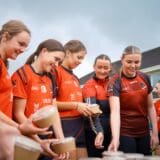
To address the nutritional needs of young athletes and guide them towards better performance, Kerry Health and Nutrition Institute (KHNI), in collaboration with Kerry GAA, has launched a 3-part educational series titled ‘Food Fit for a Kingdom’. This series, hosted by John O’Connor, Head of Nutrition for Kerry GAA, and Aoife Marie Murphy, Senior Sustainable… Read more »
To help young athletes meet their nutritional needs and improve their performance, the Kerry Health and Nutrition Institute (KHNI), in collaboration with Kerry GAA, has launched a 3-part educational series titled ‘Food Fit for a Kingdom’. This series, hosted by John O’Connor, Head of Nutrition for Kerry GAA, and Aoife Marie Murphy, Senior Sustainable Nutrition… Read more »
To address the nutritional needs of young athletes and guide them towards better performance, Kerry Health and Nutrition Institute (KHNI), in collaboration with Kerry GAA, has launched a 3-part educational series titled ‘Food Fit for a Kingdom’. This series, hosted by John O’Connor, Head of Nutrition for Kerry GAA, and Aoife Marie Murphy, Senior Sustainable… Read more »
The intestinal microbiome, a diverse community of microbes that coexist within our bodies, may hold the key to enhancing our athletic performance. Research has shown that athletes have a distinct gut microbiota profile compared to sedentary people. How does athletic performance affect the intestinal microbiota and how can it benefit those who are less active?… Read more »
As a greater variety of protein sources are used in foods and beverages, there are more questions coming up around protein quality from consumers, product developers, and regulatory bodies. Our experts discuss how protein quality is calculated, methods to improve it, and what it all means for product development.
There is more to protein than just the amount we eat when it comes to maximizing performance and muscle health.
The Ketogenic diet is a low carbohydrate, high fat (LCHF) diet Different dietary trends come into popularity at various stages and recent times have seen the resurgence of the low carbohydrate – high fat diet (LCHF) diet, this time in the form of ‘the ketogenic diet’. This diet encourages less than 10% of total calories… Read more »
In this blog we round up the great content on nutrition and exercise on the Kerry Health and Nutrition Institute
Numerous countries across the globe have initiated actions to reduce sugar intake, including reformulation, targeted taxation, front-of-pack labeling, and more. Initiatives to reduce sugar content of foods can be dependent on the supply chain being able to support such changes. The World Health Organization recently undertook a novel food supply chain analysis to identify possible… Read more »
Ever heard of ketones? You may have heard someone mention them when talking about low-carb, ‘ketogenic’ diets. Ketones are an alternative fuel source for our bodies. Under normal conditions, our bodies use glucose (sugar) for energy. That’s right, despite the low-carb craze in recent decades, our body’s main fuel source is carbohydrates! Ketones are made… Read more »
New research shows dark chocolate may reduce the oxygen cost of exercise
In 2010, Australia implemented a number of taxes on unhealthy foods alongside subsidies on fruits and vegetables. A new study in the journal of PLOS medicine reveals that Australia could save AUD $3.4 billion (USD $2.3 billion) in healthcare costs. The greatest impact, the researchers concluded, came from a sugar tax, which could avert 270,000 years… Read more »
Both glucose availability and insulin concentrations in the blood determine the rate of glucose uptake and glycogen synthesis in skeletal muscles. After endurance or high-intensity exercise, athletes have used up their glycogen reserves.
The World Health Organization classified processed red meat as a carcinogen, but what is the actual risk and how can we still fit red meat into a healthy diet?
Leucine is key when it comes to stimulating muscle protein synthesis, but all proteins contain different levels of this vital amino acid.
One of the enduring health challenges with ageing is the loss of lean tissue mass or muscle. Protein is a critical nutrient for building muscle.