The Stripe Young Scientist & Technology Exhibition (YSTE) continues to be a beacon of creativity and scientific excellence, showcasing the next generation of innovators who are shaping the future.
This year’s event brought together over 1,000 secondary school students from across Ireland, presenting 550 projects spanning artificial intelligence, climate science, mental health research and sustainable technology. A panel of 85 judges, including leading academics and industry experts, evaluated projects for their scientific rigour, creativity and real-world impact.
Among the standout projects was the entry from overall winner, Aoibheann Daly, a fourth-year student at Mercy Secondary School Mounthawk in Kerry. Aoibheann’s project, GlioScope: Multitask Deep Learning and Causal AI for Glioma & Glioblastoma Profiling, aims to transform brain cancer treatment. By using standard MRI scans to predict genetic mutations in tumours, her innovation offers a safer, faster alternative to invasive biopsies — potentially improving outcomes for patients worldwide. Aoibheann will represent Ireland at the European Union Contest for Young Scientists in Germany later this year.
Kerry Sustainable Nutrition Award: A First for YSTE
As a proud silver sponsor of this year’s Stripe YSTE, Kerry introduced the Kerry Sustainable Nutrition Award — the first award of its kind at this long‑standing event. This award recognises projects that demonstrate scientific innovation in solutions that help maintain good health while ensuring future generations can meet their nutritional needs — without compromising the health of the planet.
The award was presented by Catherine Keogh, Chief Corporate Affairs Officer at Kerry, to Rachel Coughlan, Moate Community School Westmeath, for her innovative project developing a biodegradable chewing gum made sustainably from Irish-grown resources.

resenting the award, Catherine Keogh remarked: “Rachel truly exemplifies Kerry’s values and our vision for sustainable nutrition. This award recognises young scientists who are developing innovative, science-led solutions that are better for people, better for society and better for the planet — reducing environmental impact, improving health outcomes and ensuring responsible sourcing and production. The quality, creativity and ambition on display at this year’s Stripe Young Scientist & Technology Exhibition has been exceptional, reinforcing our belief that Ireland’s future as a global hub for scientific innovation is bright.”
The award was open across multiple scientific categories and age groups, with projects assessed on innovation, scientific rigour, sustainability impact, clarity of communication and real-world feasibility. Kerry’s sponsorship and this award align with the company’s Beyond the Horizon sustainability strategy and its vision to reach more than two billion people with sustainable nutrition solutions by 2030.
Animal nutrition has a direct impact on human health
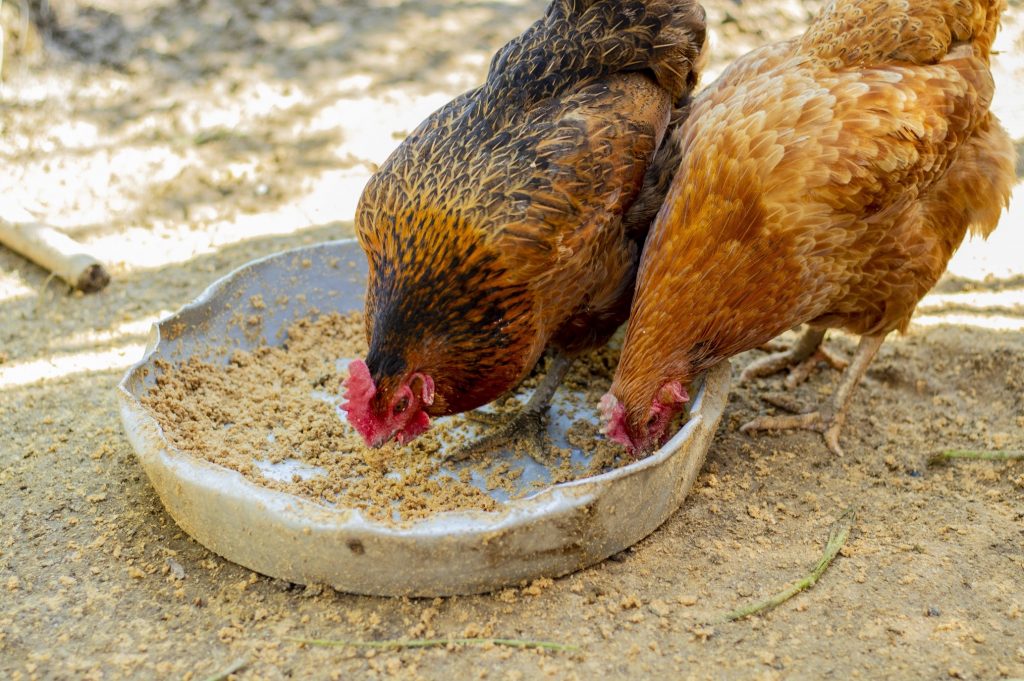
‘You are what you eat’. This phrase is used to encourage us think hard about our food choices, but what does it really mean? And when we think about what we eat, what is the impact of the nutrition that is provided to the animals that we, as humans, will consume? Is the concept of ‘personalized nutrition’ applicable to animal nutrition, and would it impact human health?
Chickens are the most abundant bird in this planet. Over the years, its production has evolved into an efficient form of farming that plays a vital role in our nutrition, particularly in regards protein supply either in the form of meat or eggs. Hens are able to lay more than 300 eggs in the year (i.e. almost 1 egg per day), with white hens producing white shelled eggs and brown hens laying brown eggs.
As the world’s population increases, the demand for poultry meat and eggs is expected to rise by 121% and 65%, respectively, by year 2050. The need us to think deeper about the phrase ‘you are what you eat’ becomes much more important when we look to the future. Foods of animal origin with enhanced functionality is at the core of research in the animal nutrition industry, all underpinned by the essential responsibility for implementing sustainable solutions.
Modifying animal diets is one way to improve sustainable nutrition
Could chicken become a key source of omega-3 fats?
Consumers are very aware of the recommendations to eat oily fish to sustain dietary omega-3 intake to support normal development and maintenance of optimal health, yet Western populations are failing to comply with the recommendation to consume 2-3 servings of fish per week. Meanwhile, the use of fish oil supplements has increased drastically, putting additional strain on the sustainability of marine resources.
One solution to this problem is to optimize the feed of chickens in order to modify the lipid profile of their meat and eggs. In the past, when fish oil was added into the diet of chickens, it gave the meat a fishy taste. However, science has evolved to cost-effective successful supplementation with flaxseed oil, which results in a high alpha-linolenic acid (omega-3) feed which is naturally metabolised by the animal and deposited in the tissue as omega-3 fatty acids, without any influence on the taste of the meat. In similar fashion, the use of marine algae biomass has shown to be promising strategy to yield omega-3 enriched chicken meat.
In other words, we can introduce more omega-3 fat intake into entire populations just by changing the feed of the chickens that population eats.
Improving egg nutrition
Antioxidants are naturally occurring in the egg yolk, however, eggs can be naturally enriched to increase the level of vitamin E, carotenoids and selenium through the feed that hens receive. Selenium is an essential trace mineral, also supporting thyroid function and immunity, which cannot be produced by the body and therefore humans rely solely on diet to ensure we get enough. However, levels of this nutrient have been declining in diets across populations in UK and other EU countries in recent decades.
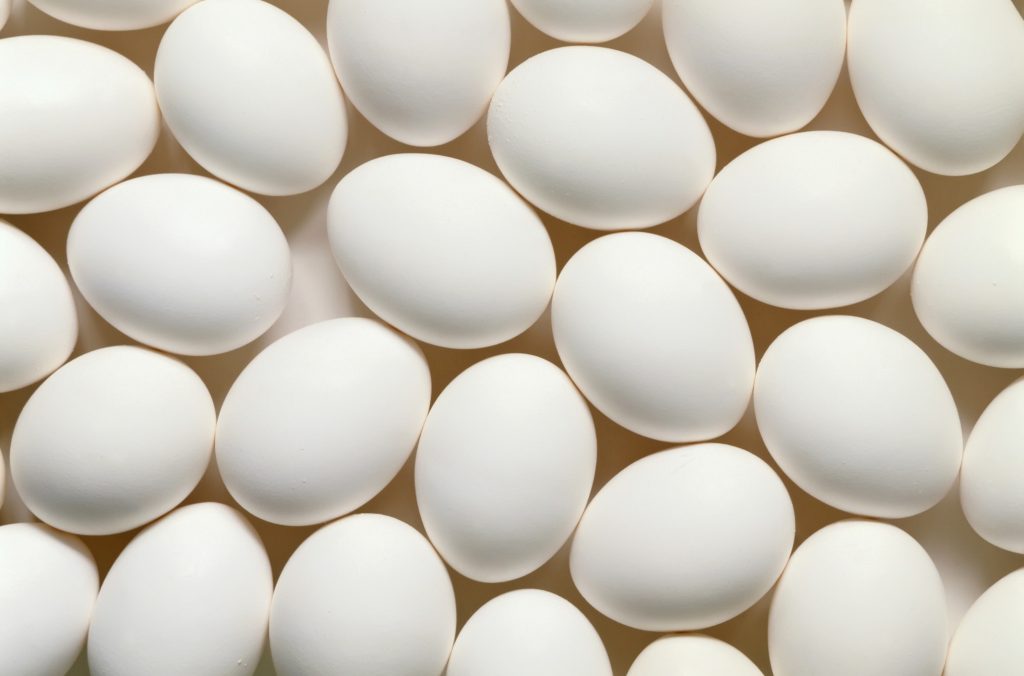
Organic selenium (Se) sources, including Se-enriched yeast have been successfully used to increase antioxidant levels in hens, which also increases the amount of selenium the hens deposit in the eggs they produce.
Vitamin D is another nutrient that few people consume enough of. Biofortification of table eggs with this important vitamin is also possible through the enrichment of the feed for laying hens. This enrichment can be a useful approach to enhance vitamin D levels in human populations. All of these feeding strategies are viable and natural routes for the development of so-called ‘designer eggs’, which are an important type of functional food.
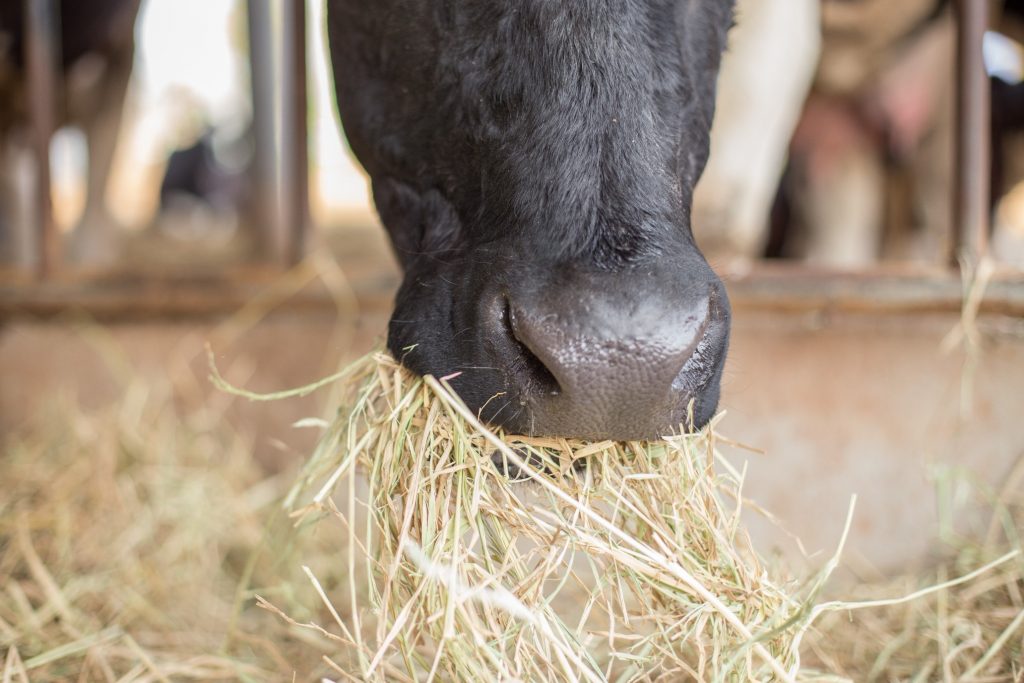
The diet provided to dairy cows is also the main factor influencing the content of functional lipids, such as conjugated linoleic acid (CLA), in milk. CLA has the potential to protect against ailments derived of metabolic syndrome. Grass-fed cows are shown to produce more CLA in their milk, and increases in milk CLA content of >2-fold have been obtained by supplementing animals with fish oil and vegetable fats, including rapeseed, soybean, sunflower and linseed oils.
“A good gut feeling” – probiotics and prebiotics are good for animals, too
Consumers are familiar with the concept of taking probiotics and/or prebiotics to influence the digestive health. These strategies are also extensively adopted in animal production to promote animal health and productivity. Promoting a healthy gut in animals can also lead to safer food by reducing the animal risk of contracting salmonellosis and campylobacteriosis, which are primary examples of diseases that can be transferred from animals to humans. The control of these diseases starts in the animal itself by reducing the occurrence of these pathogens in their gut.
The use of probiotic strains, in which live microorganisms confer a health benefit to the host, delivers consistent improvements to the performance of the animal itself. Specific strains of Bacillus and Lactobacillus spp. have been shown to reduce Campylobacter counts in poultry and improved the overall health of pigs challenged with Salmonella.
Prebiotics, on the other hand, are dietary ingredients which can be selectively fermented by the host microbiota causing specific beneficial shifts in its composition. Most prebiotics are fibre-rich compounds of varying composition [e.g. fructo-oligosaccharides (FOS)], which tend to selectively enhance lactobacilli and bifidobacteria populations and reduce the colonization by pathogenic microbes, including Salmonella spp. in the gut of chickens and pigs.
The future of animal science will bring improvements to human nutrition and health
It is in this context that these feeding strategies to design better food and safer food from animal origin, where the concept of personalized nutrition resonates with the animal nutrition industry. Furthermore, when this concept is coupled with that of precision nutrition and the need to define nutrient requirements of producing animals according to its life stage, genetic makeup, growing conditions when sustainability of animal production is optimized. Overall, animal farming is at the forefront of producing healthier food in a responsible manner towards people and planet alike.
The most cutting edge nutrition and food science research around the globe is conducted in university laboratories, but did you ever wonder what happens to this research once it’s published in a journal? Who uses it? Does it just collect dust? How do the benefits shown in the research make it to consumers?
Or do you wonder how food and beverage companies decide what nutrients to put into products? Is science even involved in the process?
Hear straight from university and industry researchers about the benefits of partnership for advancing science and health in this video.
Partnerships between university researchers and scientists in the food and beverage industry are essential to drive innovation. For the industry, this partnership provides new insights into good science coming down the pipeline, identifies new ingredients to put into food that delivers health benefits to consumers, and can help frame an innovation pipeline spanning multiple years. For university researchers, the partnership provides the opportunity to bring their research to life in real products that reach consumers.